We may earn money or products from the companies mentioned in this post. This means if you click on the link and purchase the item, I will receive a small commission at no extra cost to you ... you're just helping re-supply our family's travel fund.

Across the United States, a strange gap has opened between getting somewhere and actually sleeping there. Discount airlines, gas rewards, and fare sales keep certain cities and gateway towns feeling within reach, even for tight budgets. The surprise hits later, when search results fill with $350 “bargain” motels and standard chains flirting with luxury pricing. The journey still looks affordable on paper, yet the hotel bill quietly climbs into special-occasion territory, turning simple road trips and quick escapes into awkward conversations with a credit card statement.
Orlando, Florida
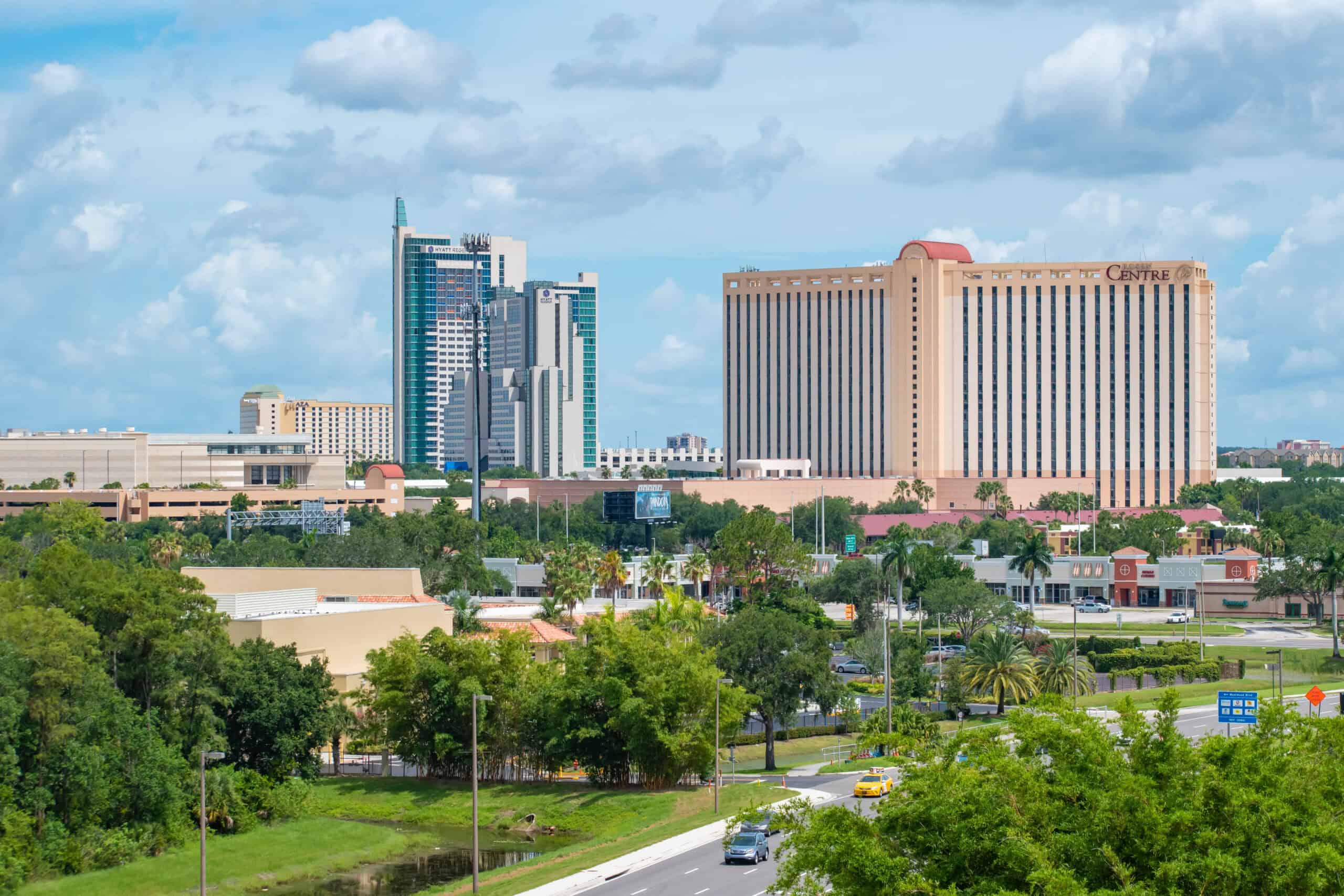
Orlando often shows up in flight deal newsletters and budget forums, helped by constant competition among major carriers and low-cost airlines. The drive from the airport is short, toll roads are predictable, and gas costs feel manageable. The shock comes when families or friend groups look for a basic room near the parks and find ordinary chains asking festival-level prices. On school breaks and long weekends, even older properties along I-4 can nudge toward luxury rates, padded with parking fees and theme-park “convenience” charges that erase any airfare savings.
Las Vegas, Nevada

Las Vegas still lures travelers with cheap airfares from dozens of U.S. cities, and the desert drive from nearby states can be an easy cruise. Lodging has drifted far from the old bargain promise. Budget chains that once served as simple crash pads now layer resort fees, parking charges, and event surges onto modest base rates. On concert weekends or big fight nights, a standard room can flirt with prices usually reserved for special occasions. Carpets, views, and check-in lines often look unchanged; the only real upgrade sits on the final bill.
Phoenix And Glendale, Arizona
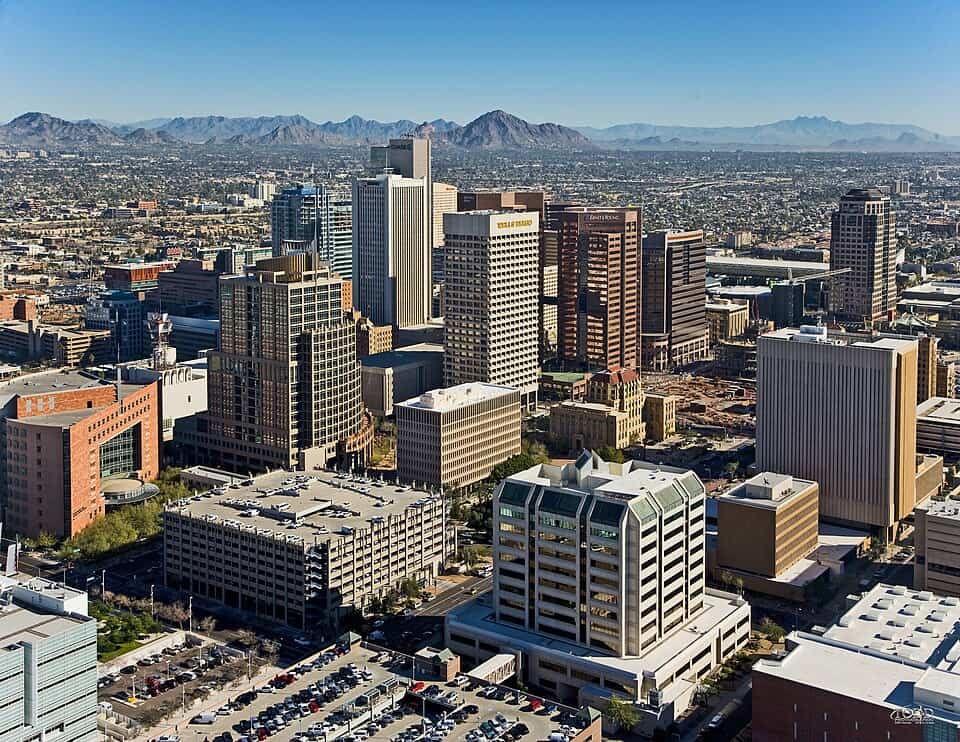
Phoenix often undercuts other big hubs on airfare, and road trippers from California, New Mexico, or Utah treat the desert drive as a straightforward hop. The math flips during marquee events. Football championships, spring training, and stadium tours in nearby Glendale can push familiar midrange brands into $300–$400 territory for a single night. Rooms that normally signal predictability suddenly feel like temporary luxury in price only, with the same patterned carpets, basic breakfasts, and busy lobbies. Transportation stays gentle on the wallet, while beds quietly move into premium range.
Miami Beach, Florida
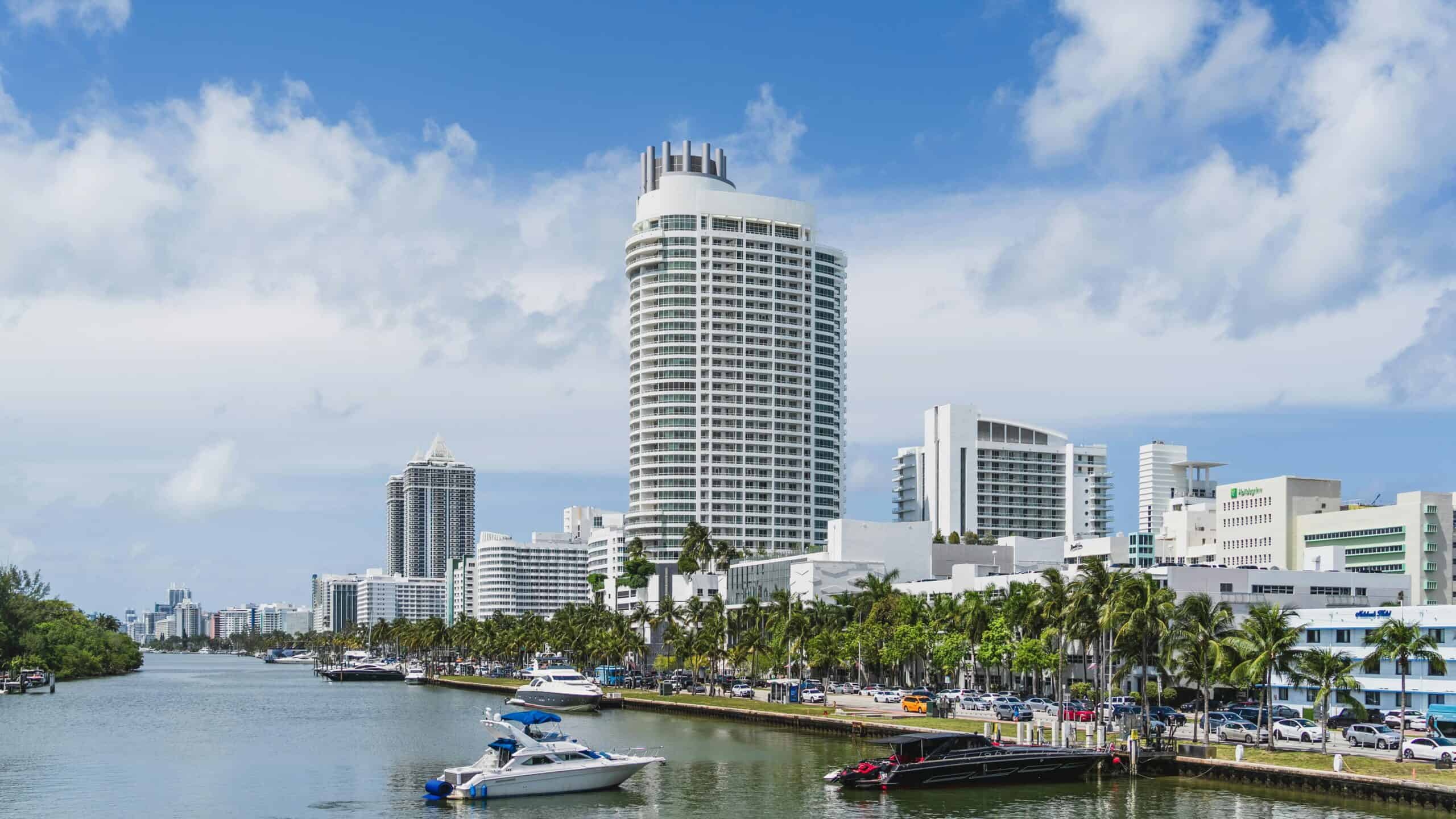
South Florida sees frequent airfare sales from the East Coast and Midwest, and the short drive from Miami’s airport to the beach keeps transport costs in check. Lodging on or near Collins Avenue tells a different story. Even older high-rises a few streets back from the sand lean on resort pricing, then stack fees for chairs, towels, and slow Wi-Fi. Seasonal crowds push rates even higher, so a simple long weekend can resemble a luxury city break on the final statement, despite rooms that feel more functional than memorable.
Key West, Florida

Key West often looks affordable at first glance. Many travelers snag cheaper flights into Miami or Fort Lauderdale, then split gas for the scenic Overseas Highway. The bridge views feel wide open; the lodging market does not. Limited space and constant demand keep nightly rates high year-round, with even unremarkable rooms pricing like boutique escapes. Surveys regularly rank Key West among the most expensive places in the country to book a bed. A budget-friendly drive ends at check-in counters that treat basic square footage as rare waterfront treasure.
Jackson Hole, Wyoming
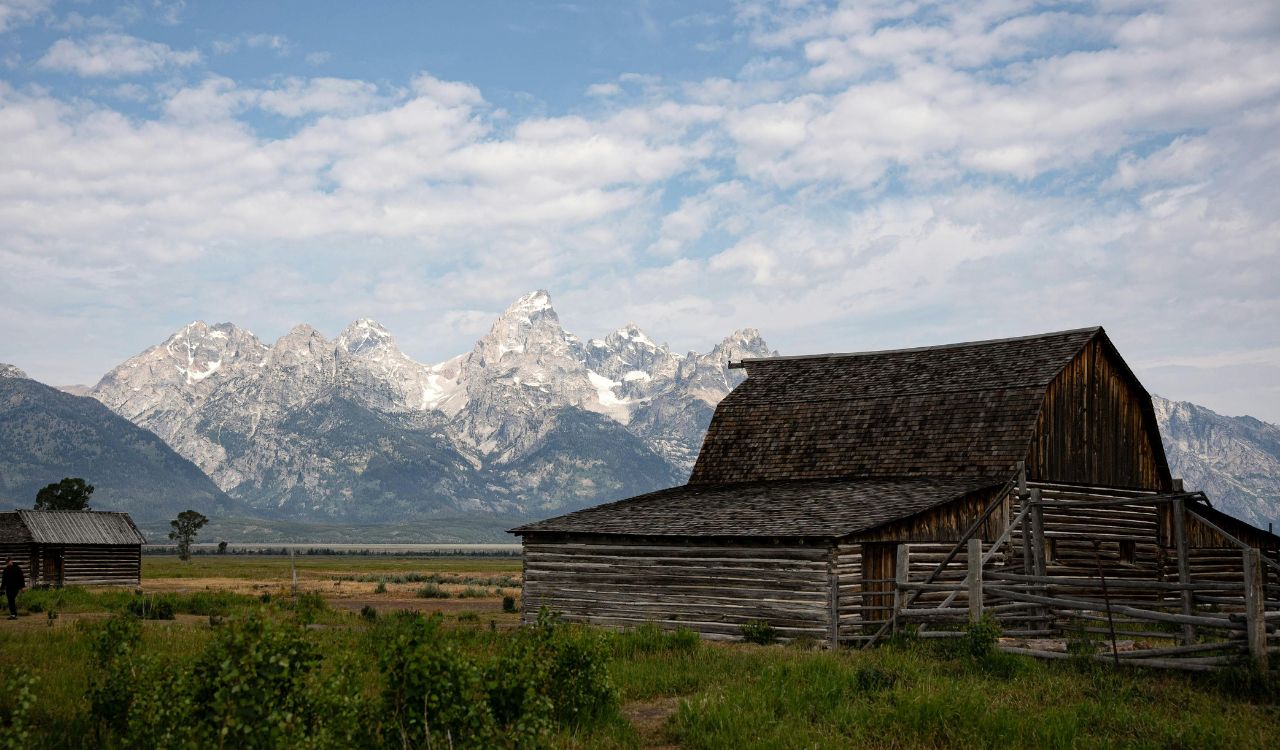
Reaching Jackson Hole can be less painful than expected, especially when off-peak flight deals from major hubs or shared drives through Wyoming and Idaho spread out fuel costs. The town’s hotel and resort prices quickly remind visitors this is premium territory. Winter ski weeks and summer park traffic push nightly rates into several hundred dollars for standard rooms, while luxury lodges scale far higher. Even modest chains near highways often behave like resort properties when demand peaks. The wild landscapes stay free to admire; the pillows do not.
Moab, Utah
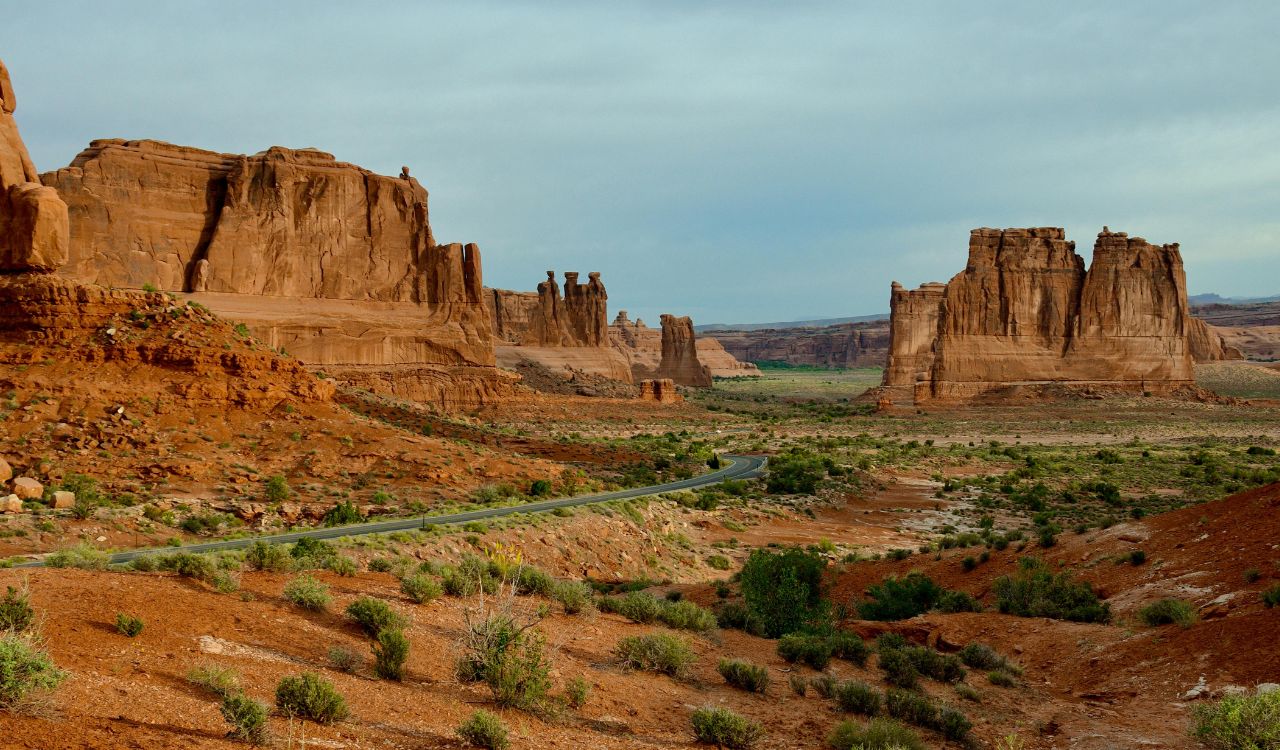
Moab has all the visual cues of a classic road-trip town: a long commercial strip, gas stations, grocery stores, and chain signs glowing against red rock silhouettes. Drivers from Denver or Salt Lake City often manage transportation costs with careful planning. Lodging shifts dramatically with season and weather. During peak spring and fall months, ordinary motel rooms and familiar brands can climb far beyond what their finishes suggest. Studies of local pricing show average hotel costs more than doubling between low and high months, catching many first-timers off guard.
Bar Harbor, Maine
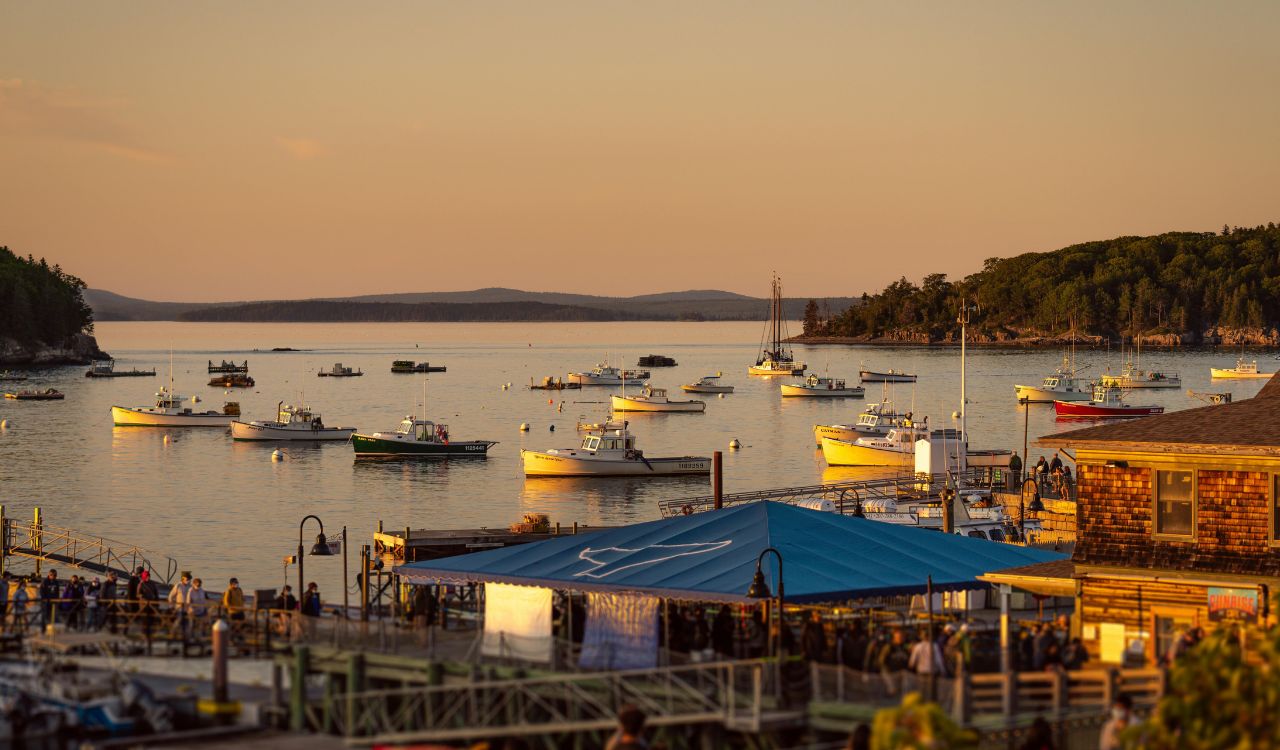
Bar Harbor feels like the sort of place that should still be attainable with a car, a cooler, and a simple motel reservation. Fuel costs can be controlled by timing, and the drive along the Maine coast stays flexible. Beds are a different calculation. Seasonal demand for Acadia National Park sends rates soaring across inns, waterfront hotels, and basic roadside properties. Locals often note that once summer and foliage pricing is set, it rarely moves downward. Even three-star stays along the harbor quietly behave as if they are peak-luxury addresses.
Sedona, Arizona
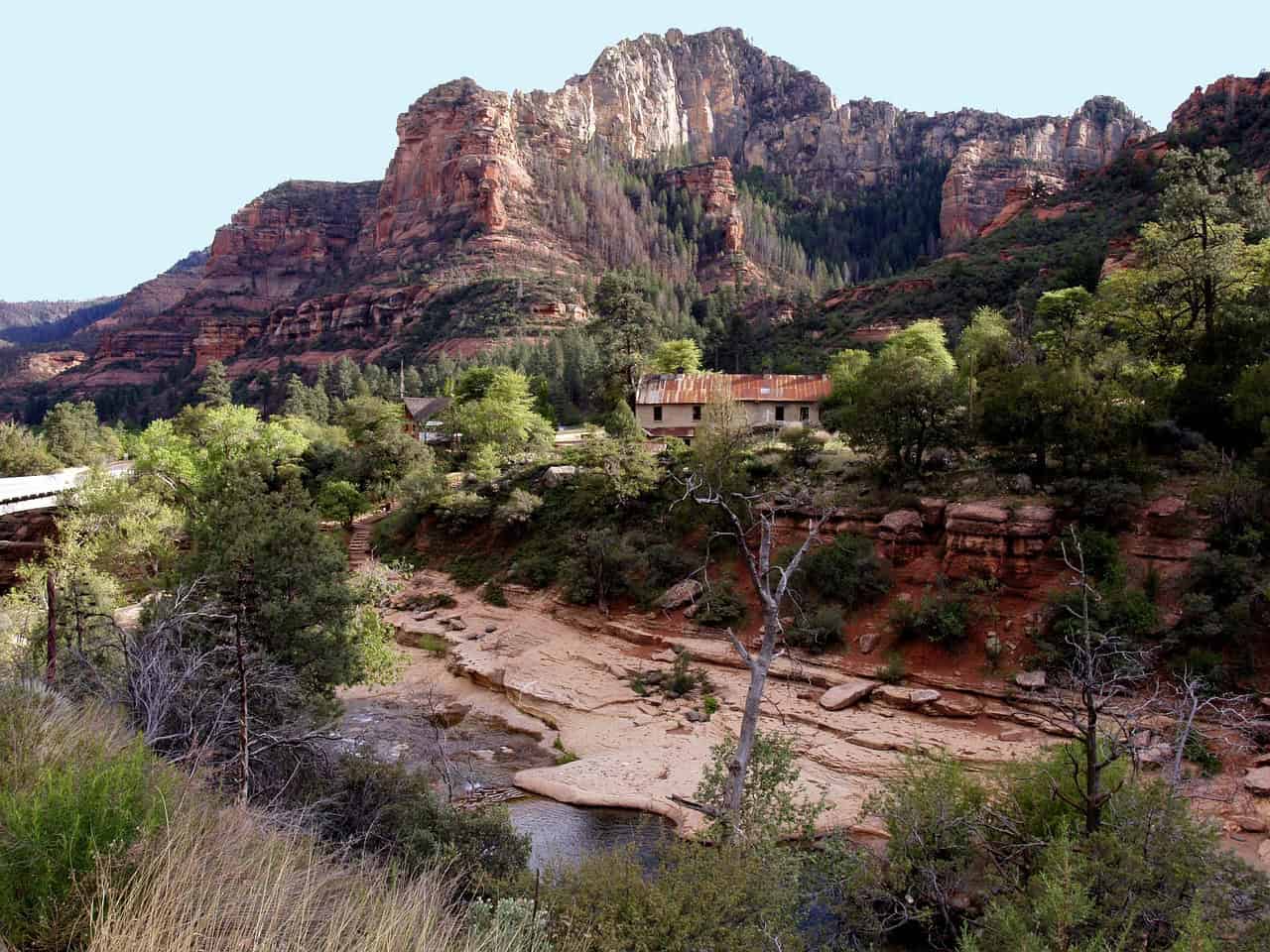
Sedona sits only a couple of hours from Phoenix, which keeps flights and fuel comfortably within reach for many travelers. The red rock views, trailheads, and daylight feel generously accessible. Lodging leans into constant demand from hikers, wellness retreats, and weekend spiritual seekers. Boutique resorts, spa-focused hotels, and even national chains price themselves as part of a premium escape, not just a place to sleep near trailheads. Rooms that would feel midrange in another small town often command upscale nightly rates once the sun hits those familiar cliffs.
Santa Fe And Taos, New Mexico
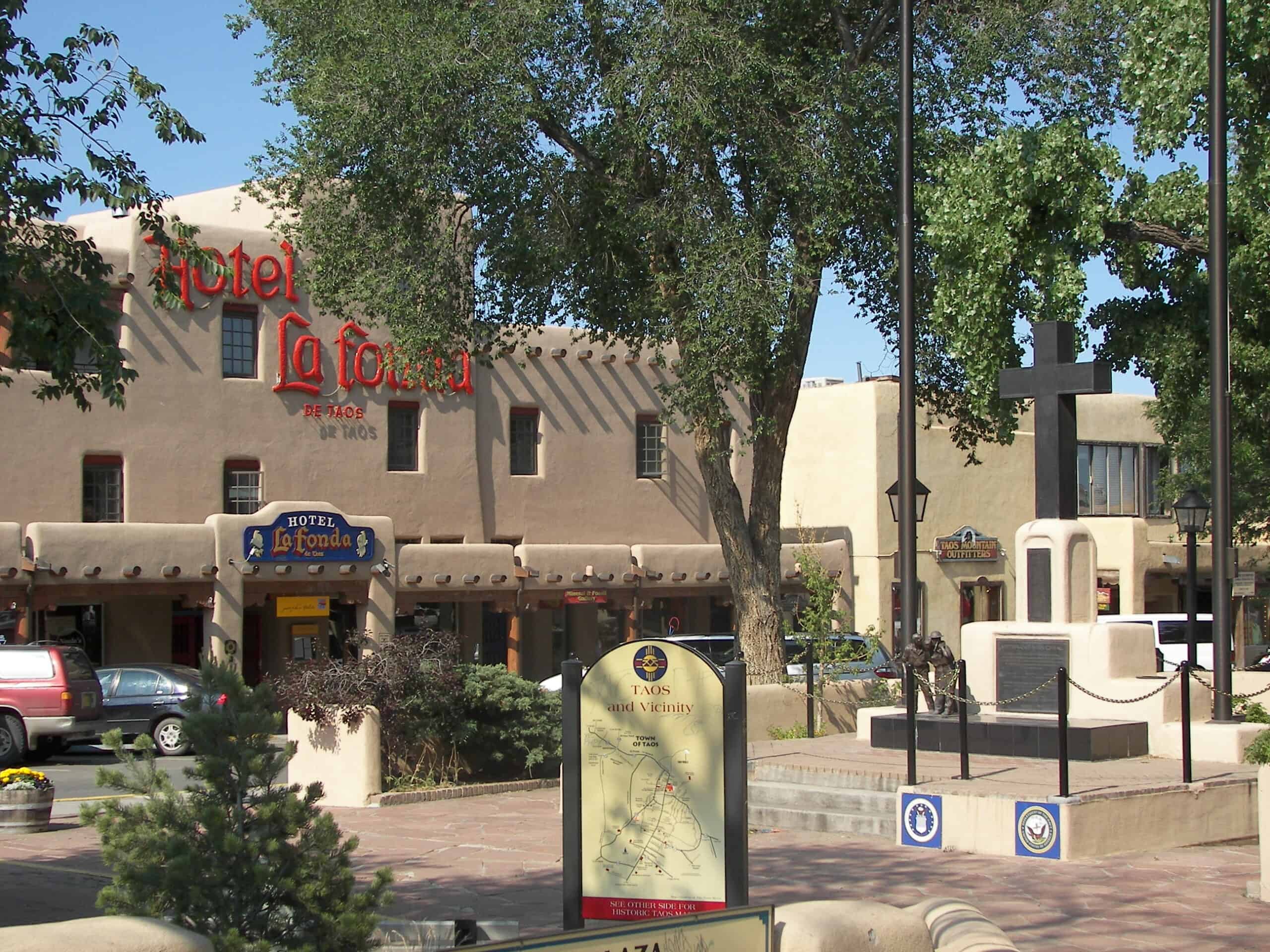
Santa Fe and Taos benefit from relatively reasonable flights into Albuquerque and a scenic drive north that still feels like classic road-trip territory. Once arrival gives way to check-in, the budget picture shifts. Historic inns, adobe-style hotels, and renovated motor courts cradle strong narratives about art, light, and heritage, and prices follow those narratives closely. During markets and festival weekends, even compact rooms with limited amenities can command significant nightly rates. The cultural depth remains real, yet the cost of simply staying near it increasingly mirrors big-city boutique scenes.
Gatlinburg And Pigeon Forge, Tennessee
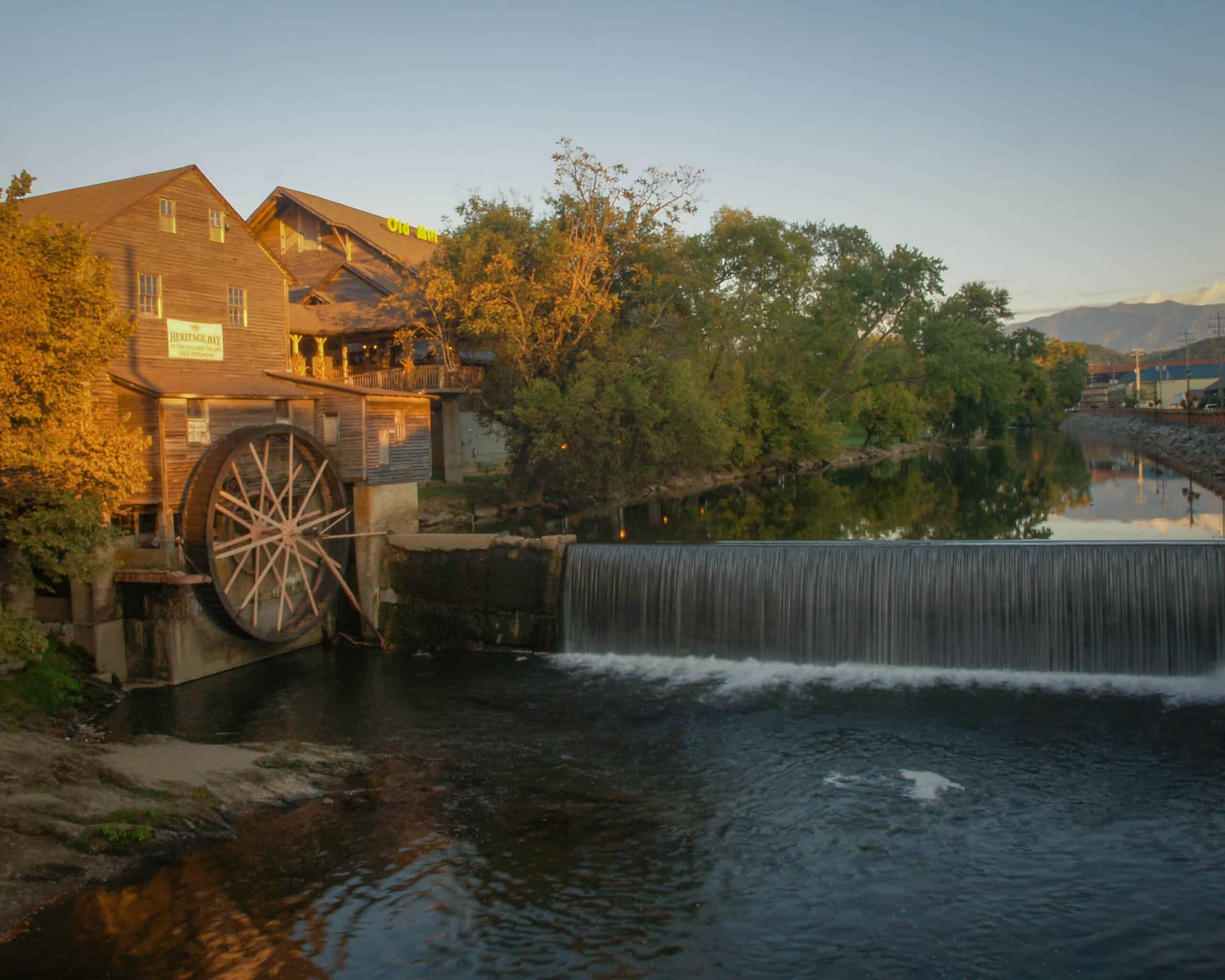
The Smokies are one of the most drivable mountain regions in the country, and highways from Atlanta, Nashville, and beyond keep gas costs relatively tame. Gatlinburg and Pigeon Forge, however, understand demand with remarkable precision. On foliage weekends, school holidays, and special events, cabin rentals, motels, and water-park resorts adjust rates upward in near lockstep. Rustic decor and heavily themed rooms may feel charming, but the final totals often rival coastal or urban stays. The park itself stays free; the bed just outside its boundary quietly becomes the splurge.
Anchorage, Alaska
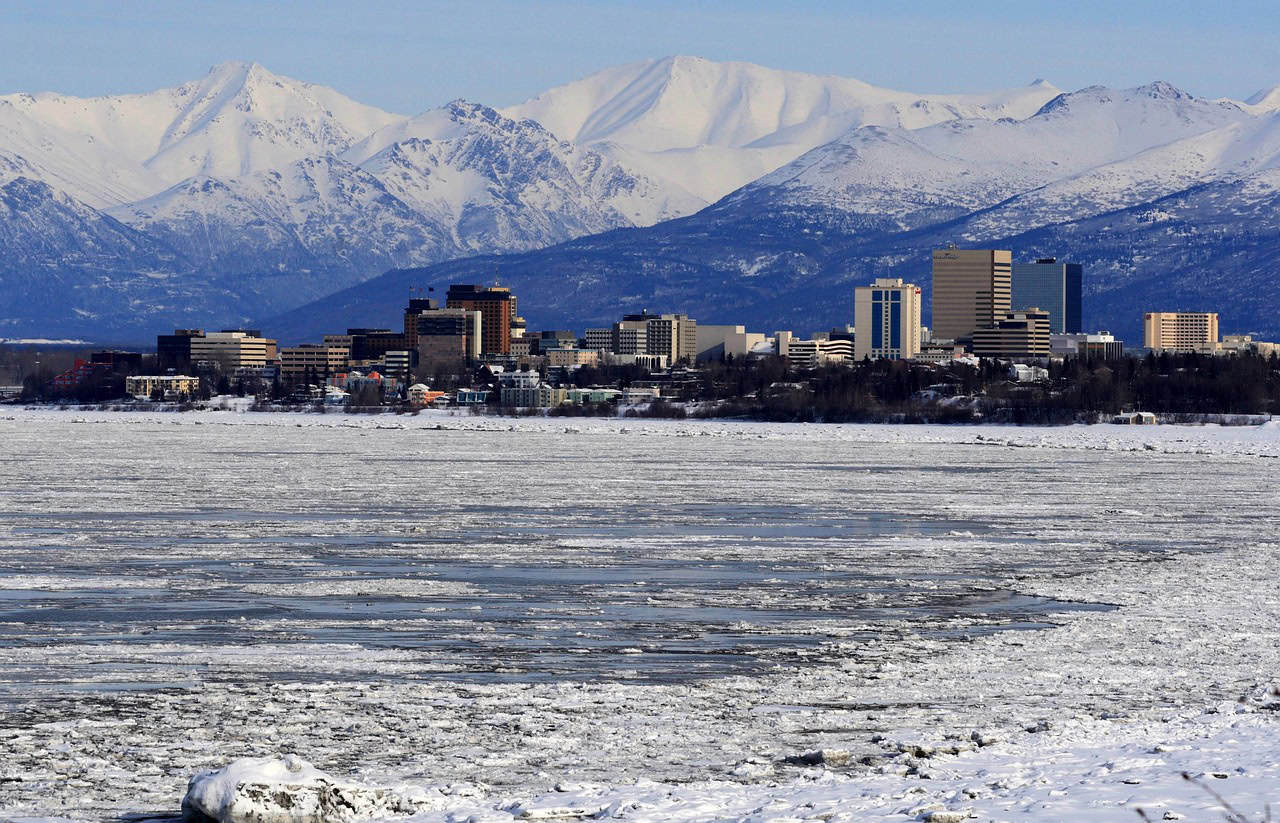
Anchorage often looks surprisingly reachable thanks to seasonal airfare sales, cruise extensions, and loyalty redemptions that soften the distance. Once in town during summer, lodging prices reveal how short the peak window really is. Standard chain hotels and older motels, many clustered along main roads, regularly post rates comparable to high-end properties in the lower 48. Limited inventory, cruise schedules, and rental car shortages all feed that curve. The midnight sun feels abundant and generous, while the nightly bill in a perfectly ordinary room feels anything but gentle.