We may earn money or products from the companies mentioned in this post. This means if you click on the link and purchase the item, I will receive a small commission at no extra cost to you ... you're just helping re-supply our family's travel fund.
Downtown travel promises walkable streets, marquee attractions, and the sense of being in the center of everything. In 2026, that convenience often comes with a quieter cost. Across the country, cities lean on layered fees to manage crowds, fund transit, and offset rising operating expenses. Visitors notice the accumulation most in dense cores, where parking, hotel surcharges, and local taxes stack quickly. What feels like a modest add-on at check-in or checkout can, over a few days, reshape the true price of an urban stay.
New York City, New York
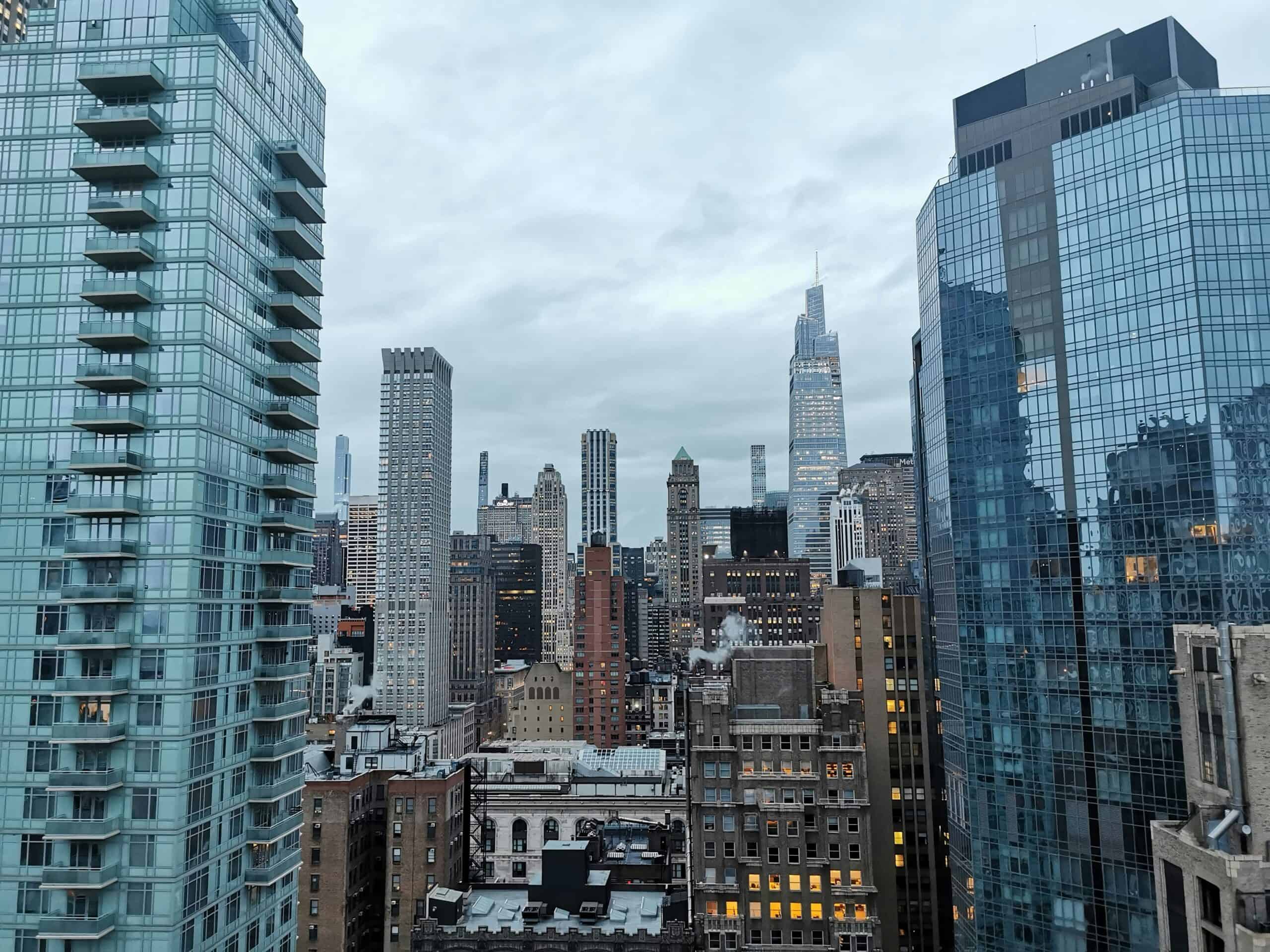
New York’s downtown costs arrive in layers: hotel destination fees for Wi-Fi, gyms, or local perks, steep garage rates, and local taxes that bite harder than expected the longer a stay runs. Since Jan. 5, 2025, drivers entering Manhattan’s Congestion Relief Zone at or below 60 St. face a toll, so a single day of errands can pick up a new charge before the first museum ticket is scanned, and the return trip can add more depending on timing. Even without a car, extras drip in through timed-entry add-ons, ticketing convenience fees, bag storage, and late-night transit or rideshare surcharges, all taxed in their own small ways.
San Francisco, California

San Francisco’s core feels compact, but the fees make it play big-league once visitors start paying for access. Downtown hotels often add mandatory nightly charges, and limited street parking funnels people into garages where rates jump near Union Square, the Embarcadero, and event venues, then add taxes and service surcharges at the kiosk. Small frictions stack: bridge tolls, reservation systems that add processing fees, and rideshares used to dodge hills, fog, or crowded buses when the day runs long. By checkout, the quiet extras can rival an attraction ticket, turning a simple city break into a noticeably pricier stay.
Chicago, Illinois

Chicago sells a friendly downtown, yet the checkout math can surprise even careful planners. Lodging taxes and surcharges stack in the Loop, and overnight parking near theaters, riverfront hotels, or the lakefront can rival a modest room elsewhere in the city, especially when garages price for games and conventions. Short-term rentals pass along local assessments, and tickets often pick up convenience fees, service charges, and facility add-ons that multiply across shows, museums, and observation decks. The city remains navigable, but the running total grows through small, official line items that are easy to miss until the final receipt.
Boston, Massachusetts
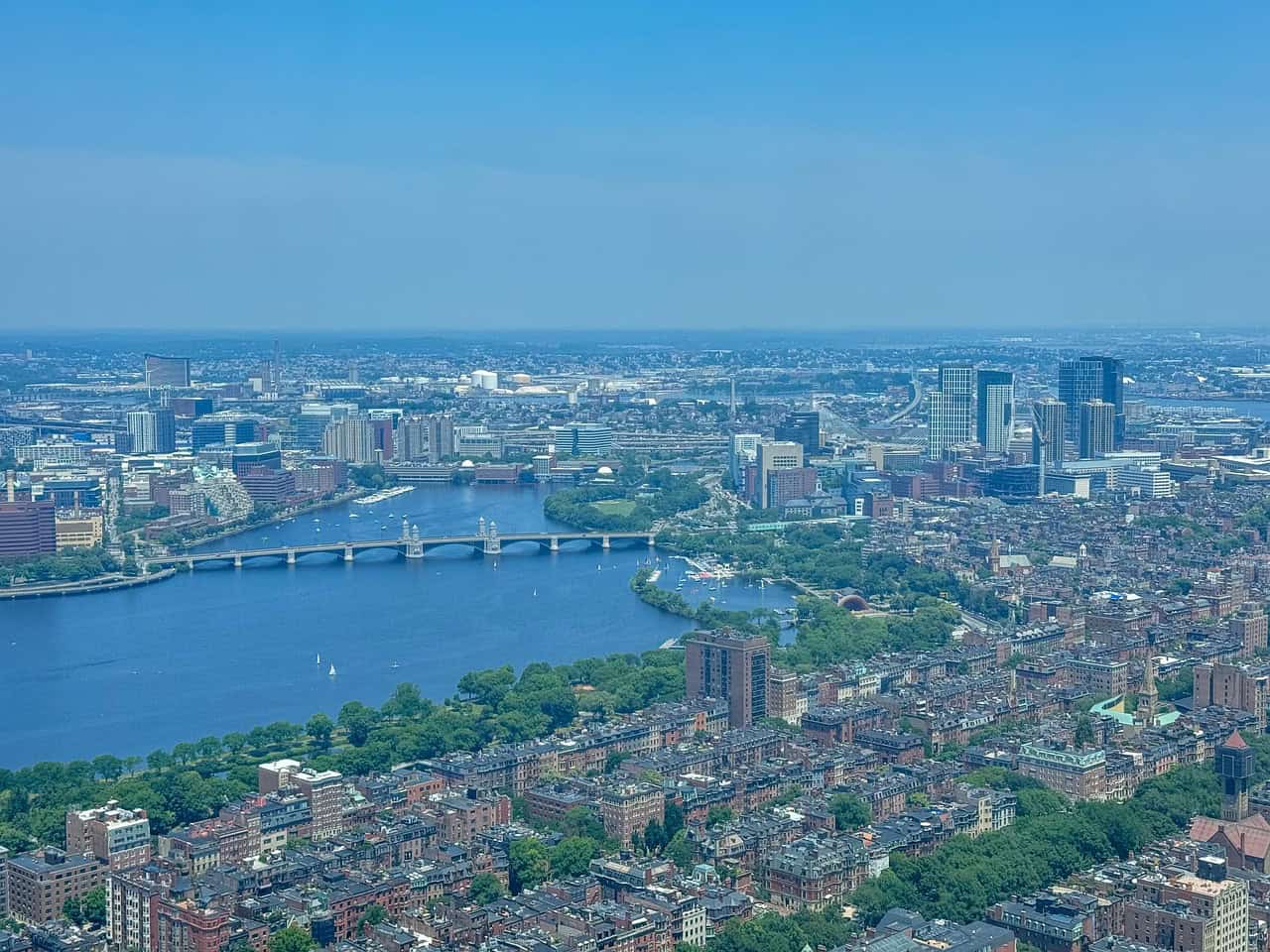
Boston’s downtown is walkable, which makes visitors assume costs will stay contained, yet fees build the moment a car or hotel enters the story. Garages near Freedom Trail sites charge a premium, lodging taxes stack, and small add-ons appear around tours, timed entry, and luggage storage, sometimes with processing fees that feel unavoidable. The compact footprint concentrates demand, so weekends and event nights push parking and hotel rates upward fast, and valet becomes the default at many central properties. Boston still feels intimate and historic, but the price of convenience shows up in modern, itemized ways at every step.
Seattle, Washington
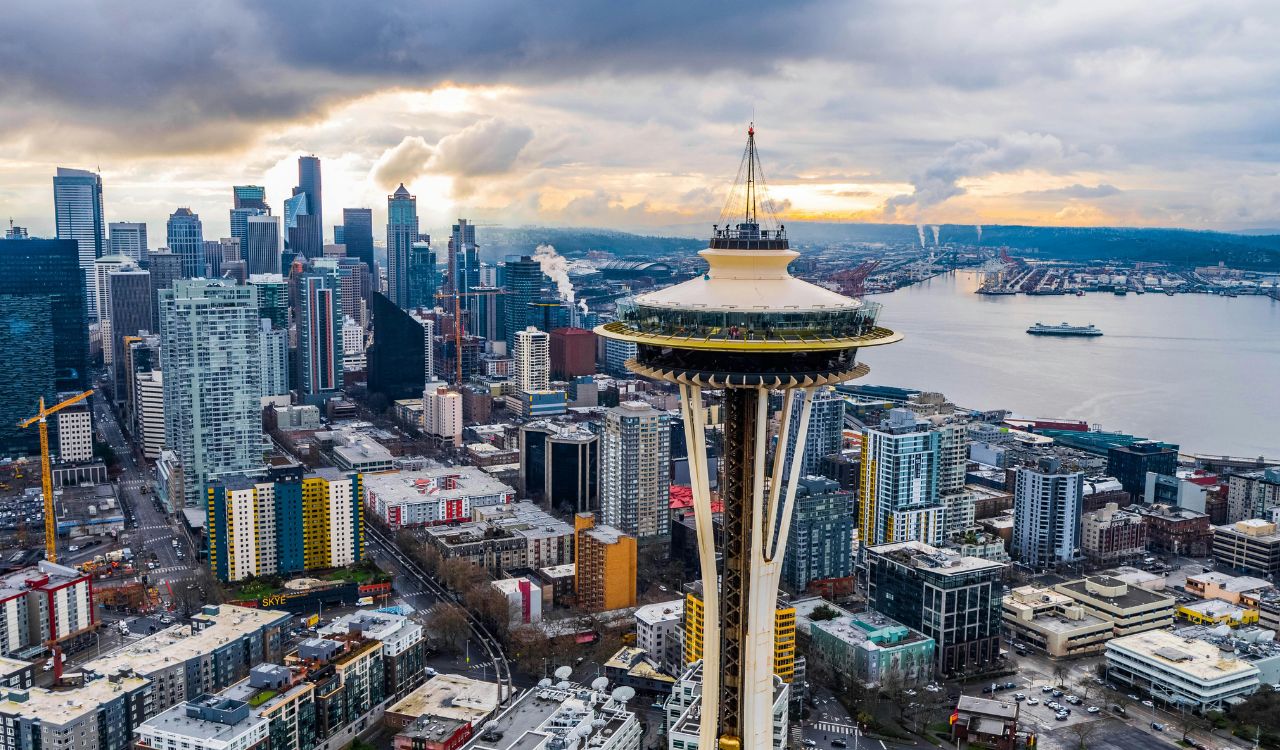
Seattle’s downtown fees track the city’s growth: hotel surcharges, premium parking, and event-driven pricing that changes by neighborhood and hour. Near Pike Place and the waterfront, garages fill early, and a quick stop becomes a paid commitment with add-on taxes, app fees, and rising hourly rates, plus price jumps tied to nearby events. Short trips add up through transit taps, stadium-area spikes, and rideshare surcharges when crowds pour out at once, especially during rainy stretches when fewer people walk. The scenery stays generous, yet visitors often feel the meter running even on days spent mostly walking.
Los Angeles, California
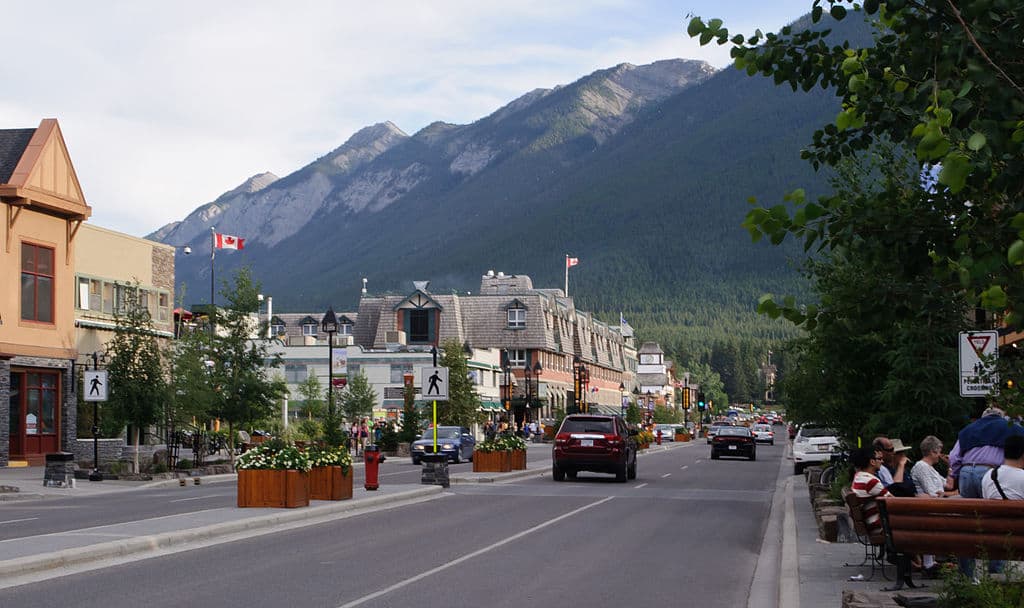
Downtown L.A. surprises people because the costs hide inside car logistics and hotel fine print. Parking charges show up everywhere, many properties default to valet, and mandatory nightly fees for amenities can make a midrange stay feel upscale at checkout, even if the amenities are just Wi-Fi and a gym keycard. The spread-out core encourages short rides that seem minor until surge pricing, service fees, and parking taxes pile on, especially around arenas and arts districts where rates change by the hour. Even quick plans can trigger special event garage pricing, early check-in charges, and steep day rates that quietly reshape the budget.
San Diego, California
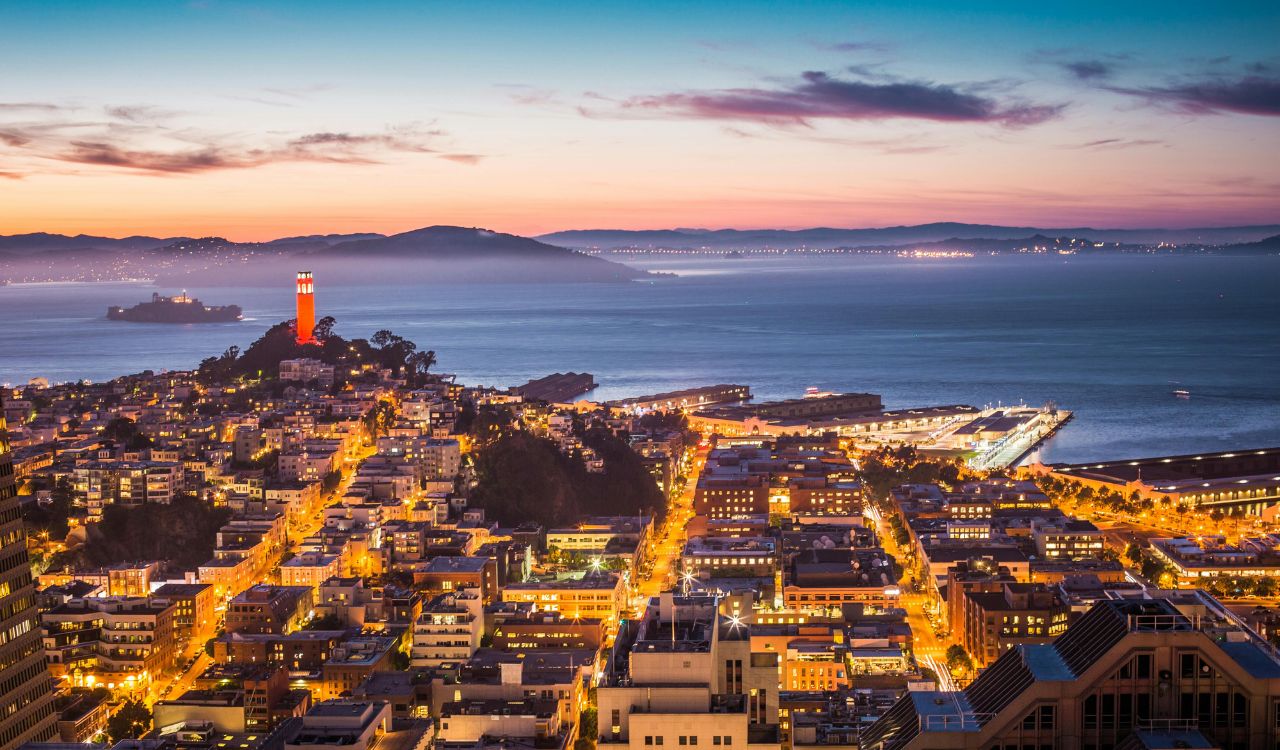
San Diego’s downtown looks relaxed, yet the fees are quietly firm in the places tourists cluster. Hotels near the Gaslamp and waterfront often add destination charges, and parking becomes premium when conventions, Padres games, or cruise traffic swell the streets, leaving garages to set prices with little competition. Small add-ons stack: marina-area garages, ticketing and processing fees, and transit or rideshare costs for short hops that look walkable until crowds, heat, or hills say otherwise. By the last night, even quick errands start to feel priced, not spontaneous, as special event rates and service charges slip into the total.
Nashville, Tennessee
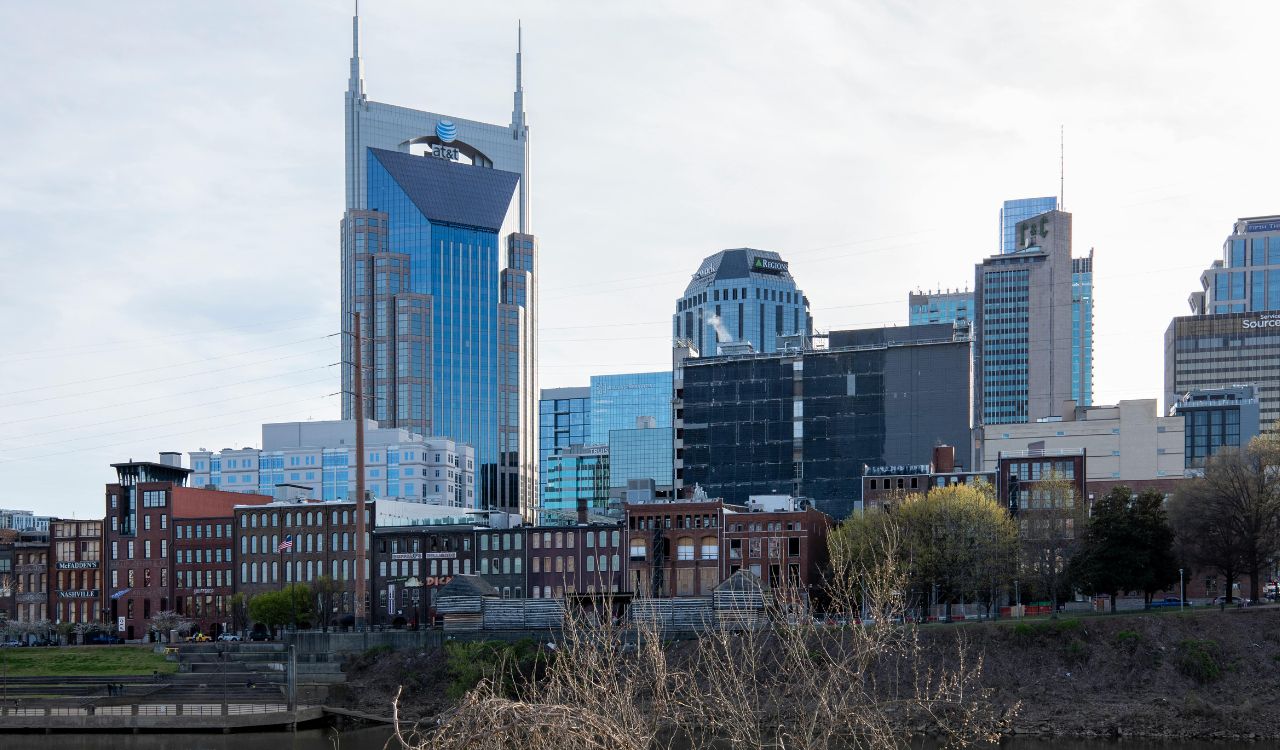
Nashville’s downtown energy has a price tag attached to its popularity, and visitors feel it in the add-ons as much as the room rate. Hotel taxes and surcharges help fund convention growth, while parking jumps near Broadway once the night gets loud and lots flip to event pricing, sometimes charging by the hour plus a flat fee. Rideshare fees after dark can feel like an extra cover charge, especially during long weekends and festival nights when demand spikes and pickup zones bottleneck. A quick getaway may look affordable, but an extended stay reveals how fast small charges stack when every block is prime and every stop is crowded.
New Orleans, Louisiana
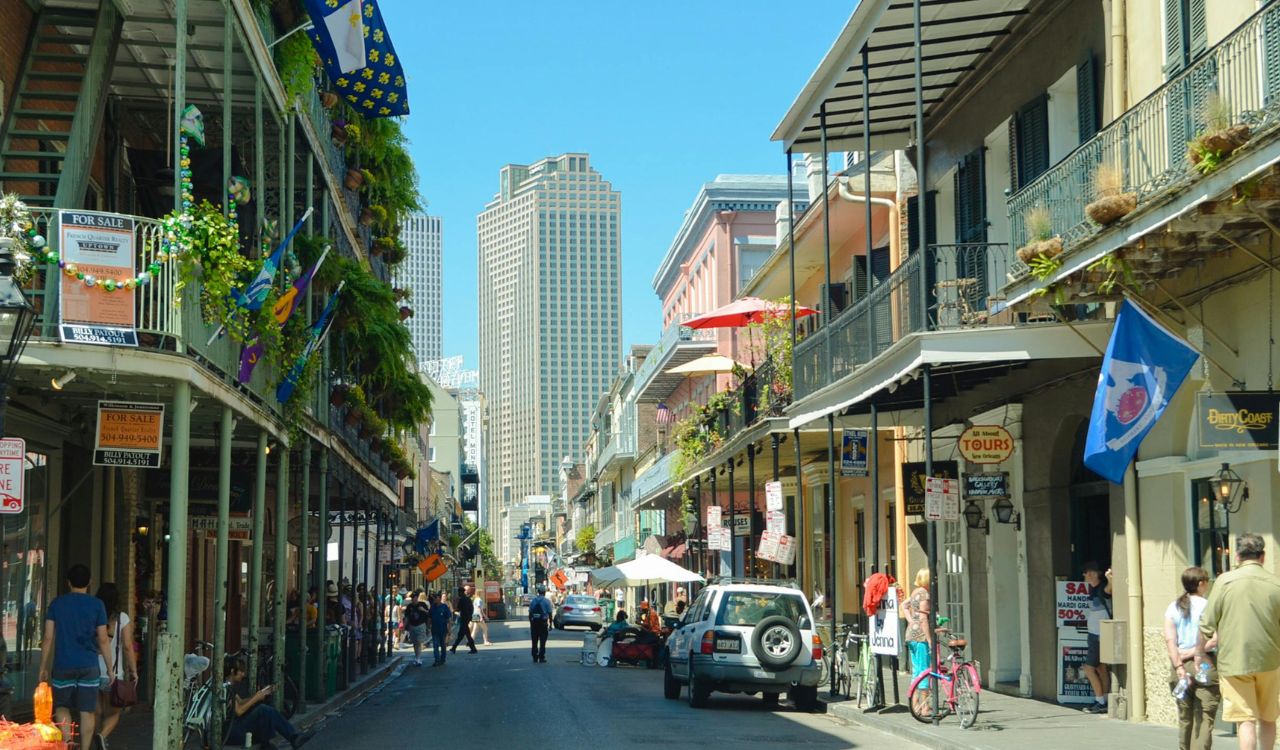
New Orleans layers fees over a historic core that cannot expand, so scarcity sets the price even when the mood feels carefree. Parking near the French Quarter is limited, garages rarely discount peak hours, and many hotels add assessments tied to tourism services and local upkeep, then tax those charges on top. Guided experiences bring their own add-ons, from ticketing charges to service fees that appear after the decision is made, plus streetcar rides and small museum admissions that pile up between meals. The city’s music and glow can distract from totals, but the receipts keep accumulating long after the beignet sugar fades.
Miami, Florida
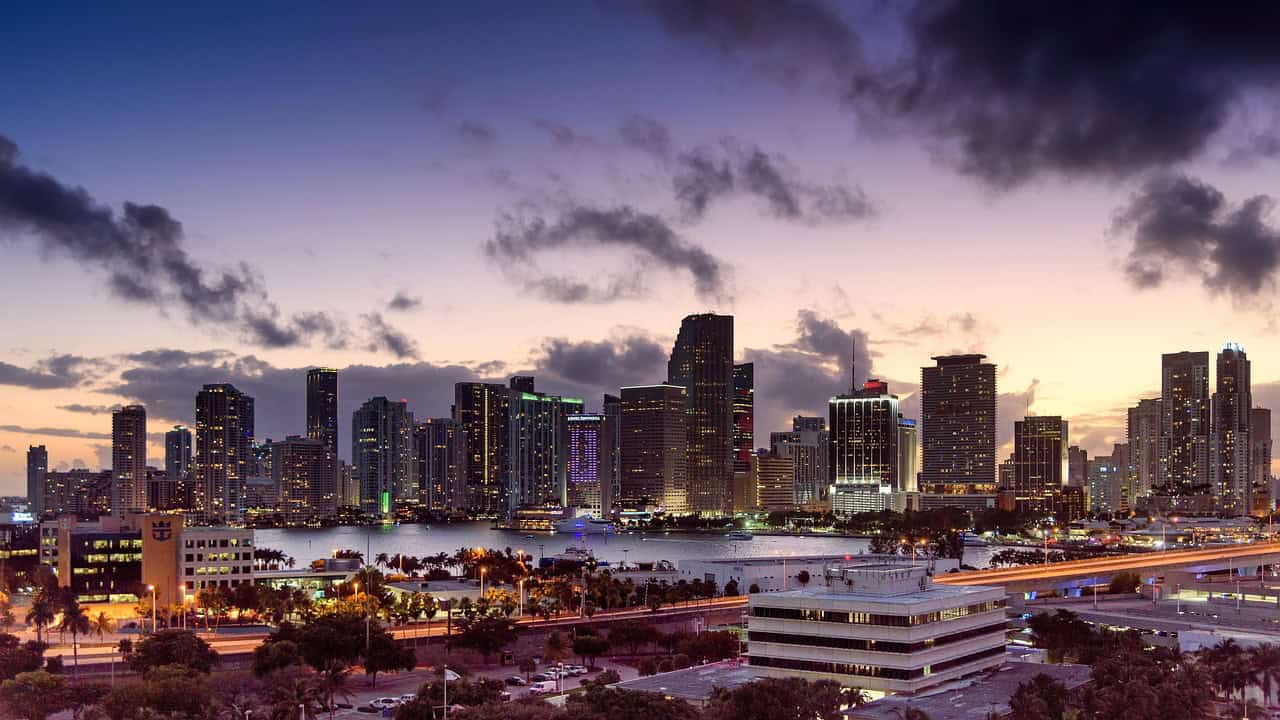
Miami’s downtown and Brickell blend resort-style billing into an urban trip, which is why visitors say costs creep rather than hit once. Destination fees, valet-only setups, and tourism taxes raise the baseline before a single café stop, and waterfront demand keeps parking premiums high, especially in garages tied to malls or towers. Seasonal peaks and big events amplify rates without much warning, and some properties add extra charges for beach-style amenities even when the stay is nowhere near sand. The skyline feels sleek, but the experience runs on managed access, and managed access shows up as charges, not signs.
Las Vegas, Nevada
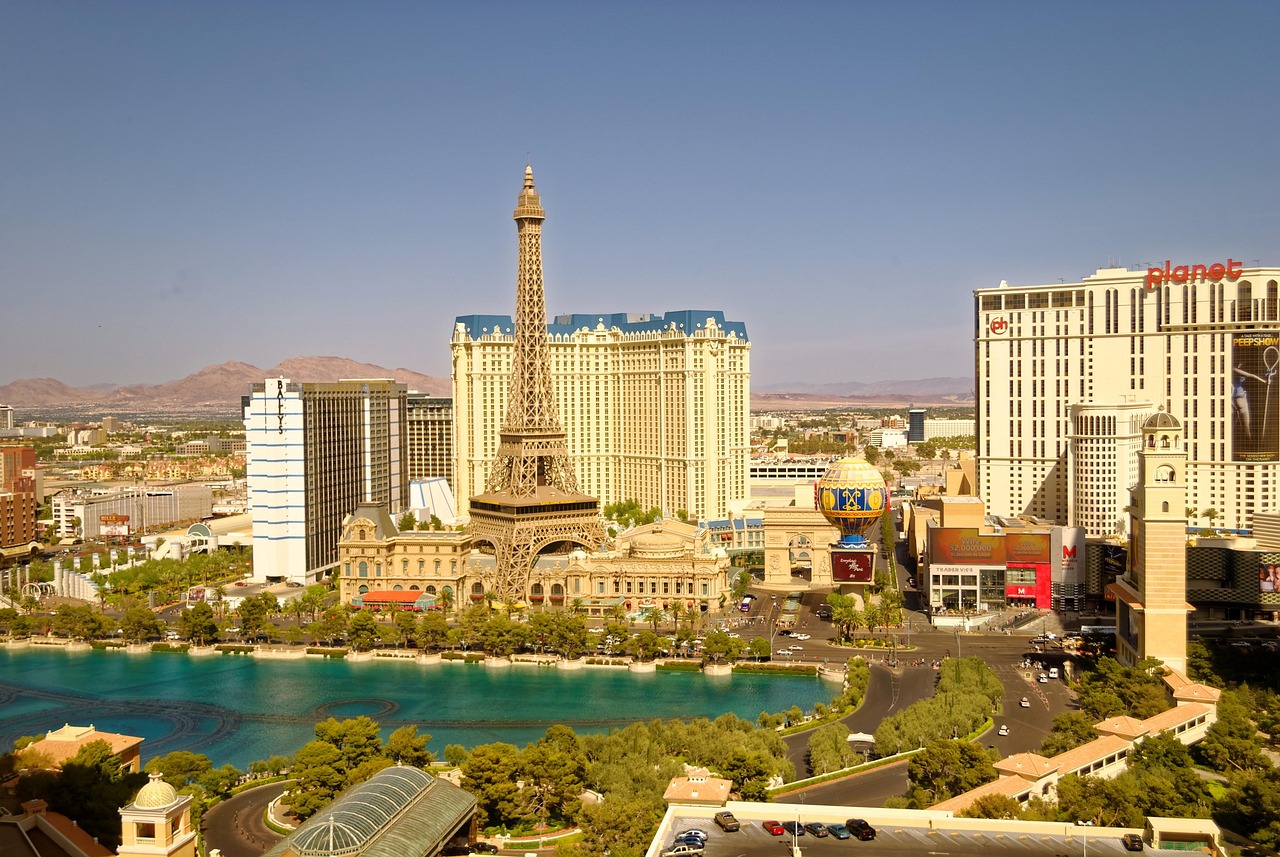
Las Vegas made mandatory resort fees mainstream, and many properties still add them nightly on top of the advertised rate, often from $44 to $57 on the Strip, even when the included perks are basics like Wi-Fi, gym entry, and local calls. Parking fees, once a rare annoyance, are now common near major corridors, and valet can cost even more, so driving in for dinner can trigger a garage charge before the first slot pulls, especially on weekends. The city discloses more than it used to, yet the surprise survives because add-ons get taxed, land at check-in, reappear at the gate arm, and follow the stay onto the folio.
Honolulu, Hawaii
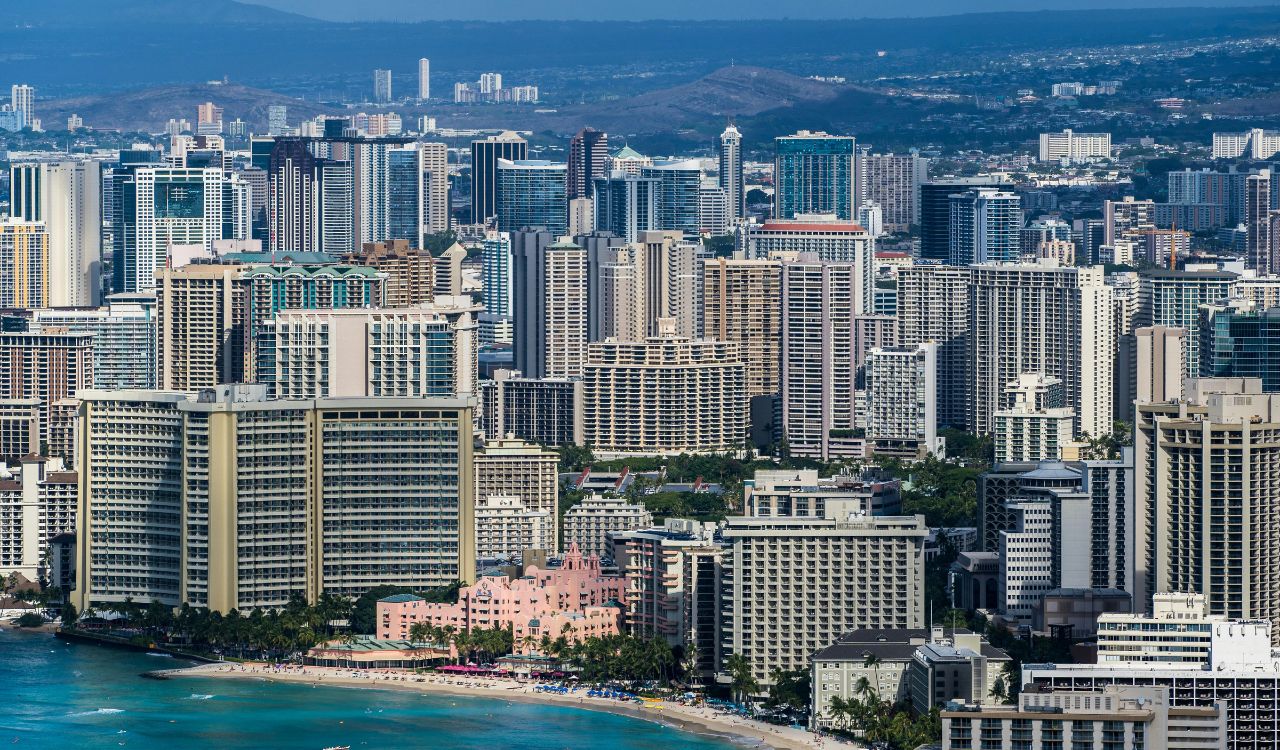
Honolulu’s downtown and Waikiki-adjacent stays carry island economics in the fine print, and the fees reflect how little space the city has to spare. Hawaii’s accommodation taxes are already steep, and a climate-focused increase is set to begin in 2026, nudging nightly totals higher before resort fees and parking enter the picture. Space constraints make garages expensive, valet-only hotels are common, and food or activity bookings often tack on processing charges. The water and light feel effortless, yet daily convenience arrives as a structured bill that keeps reminding visitors what it costs to run paradise.