We may earn money or products from the companies mentioned in this post. This means if you click on the link and purchase the item, I will receive a small commission at no extra cost to you ... you're just helping re-supply our family's travel fund.
City hall briefings talk about data, dashboards, and long term drops in violent crime, yet the mood on certain streets tells a different story. Many downtowns now advertise improved safety, cleaner corridors, and new patrols, while residents quietly trade stories about tense walks back to garages after 10 p.m. Empty sidewalks, shuttered storefronts, and visible crises in public spaces all shape how a place feels. The gap between official stats and nighttime vibe has become part of modern city life.
Seattle, Washington

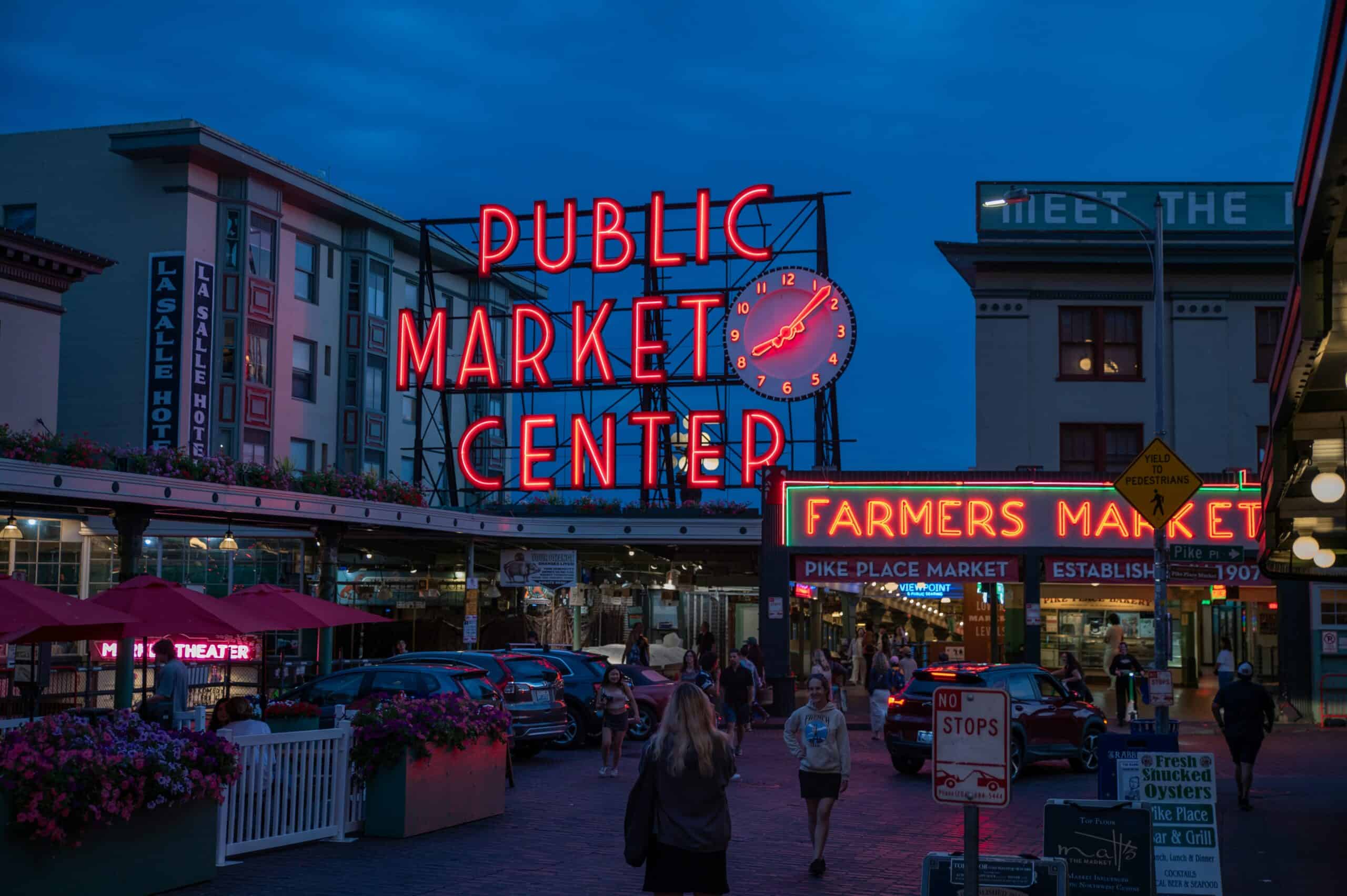
Seattle’s tourism playbook leans on glossy waterfront shots and reassurances about cleaner streets, yet the feel of downtown after dark remains conflicted. Crime stats show improvement in several central districts and officials highlight new patrols and outreach teams. Still, locals describe office blocks that empty early, clusters of visible homelessness near transit stops, and sudden shouting matches that echo across otherwise quiet intersections. The numbers may be trending in the right direction, but the walk from bar to hotel can still set nerves quietly on edge.
Portland, Oregon
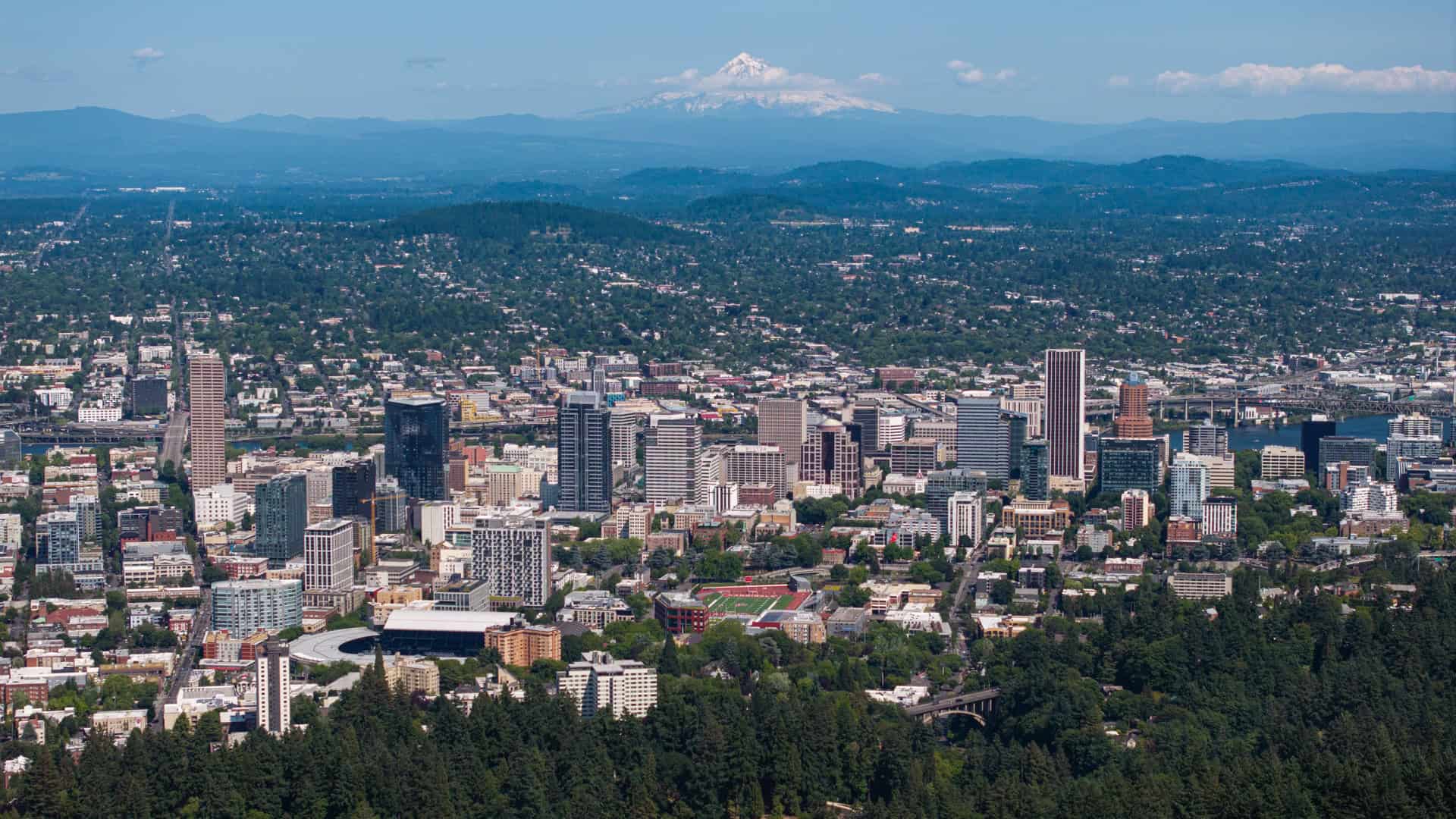
Portland leaders talk about stabilization and careful recovery, with data showing certain categories dipping from recent peaks. Marketing now focuses on food halls, river walks, and mural filled alleys that photograph well in daylight. At night, the tone shifts around some blocks, where boarded windows, layered graffiti, and sporadic confrontations near light rail platforms unsettle residents. The city feels like it is caught between two versions of itself, one on the slide deck and one on the pavement, and both realities compete for attention after sunset.
San Francisco, California
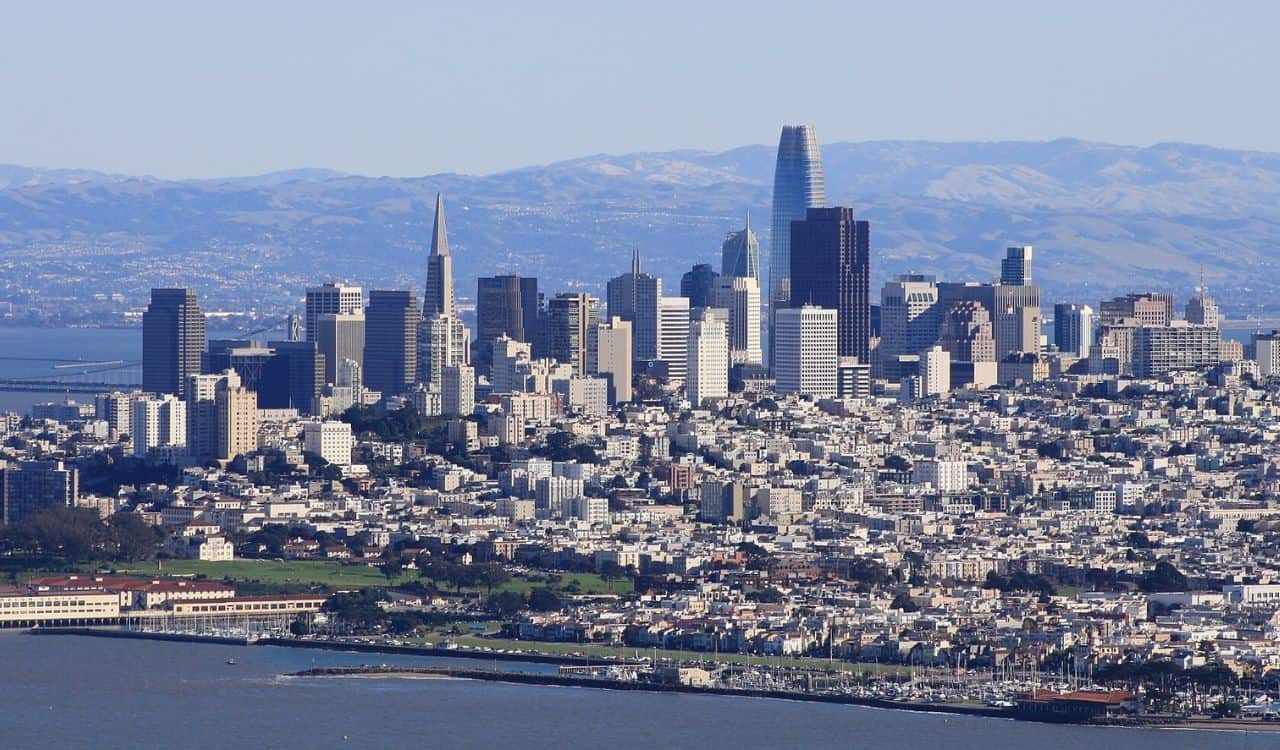
San Francisco points to sharp drops in car break ins and improvements around key tourist corridors, and convention pitches lean heavily on those figures. In practice, a short walk can move from polished hotel lobbies to streets lined with people in visible distress, open drug use, and closed retail spaces that once drew steady crowds. Residents know the city is not the chaotic caricature seen on national talk shows, yet they also know which blocks to avoid after dark. The tension between tech wealth, recovery messaging, and lived experience lingers in the air.
Los Angeles, California
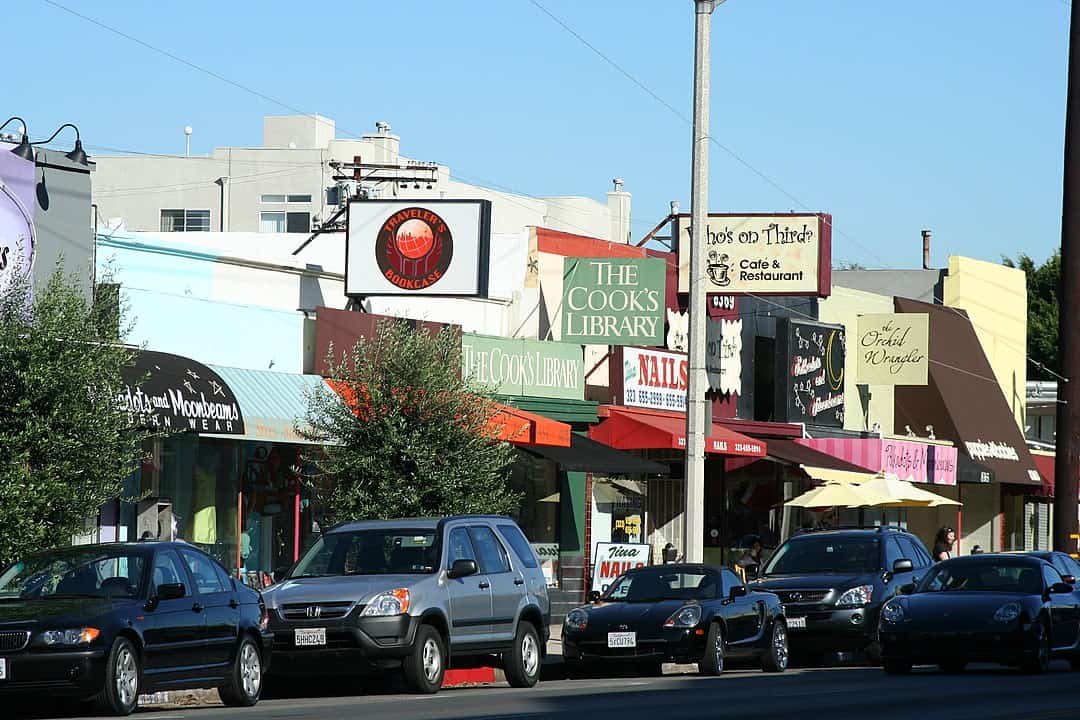
Los Angeles sells downtown as a rising hub of dining, sports, and culture, backed by statistics that show violent crime easing from earlier spikes. High profile projects and loft conversions give officials plenty of talking points. After dark, the reality feels more uneven. Pedestrians move quickly beneath freeway ramps, security guards watch nearly empty plazas, and some streets around parking decks gain reputations that far outlast any official report. Many Angelenos describe a city where the good parts have truly improved, while pockets of unease still sit just a wrong turn away.
Chicago, Illinois
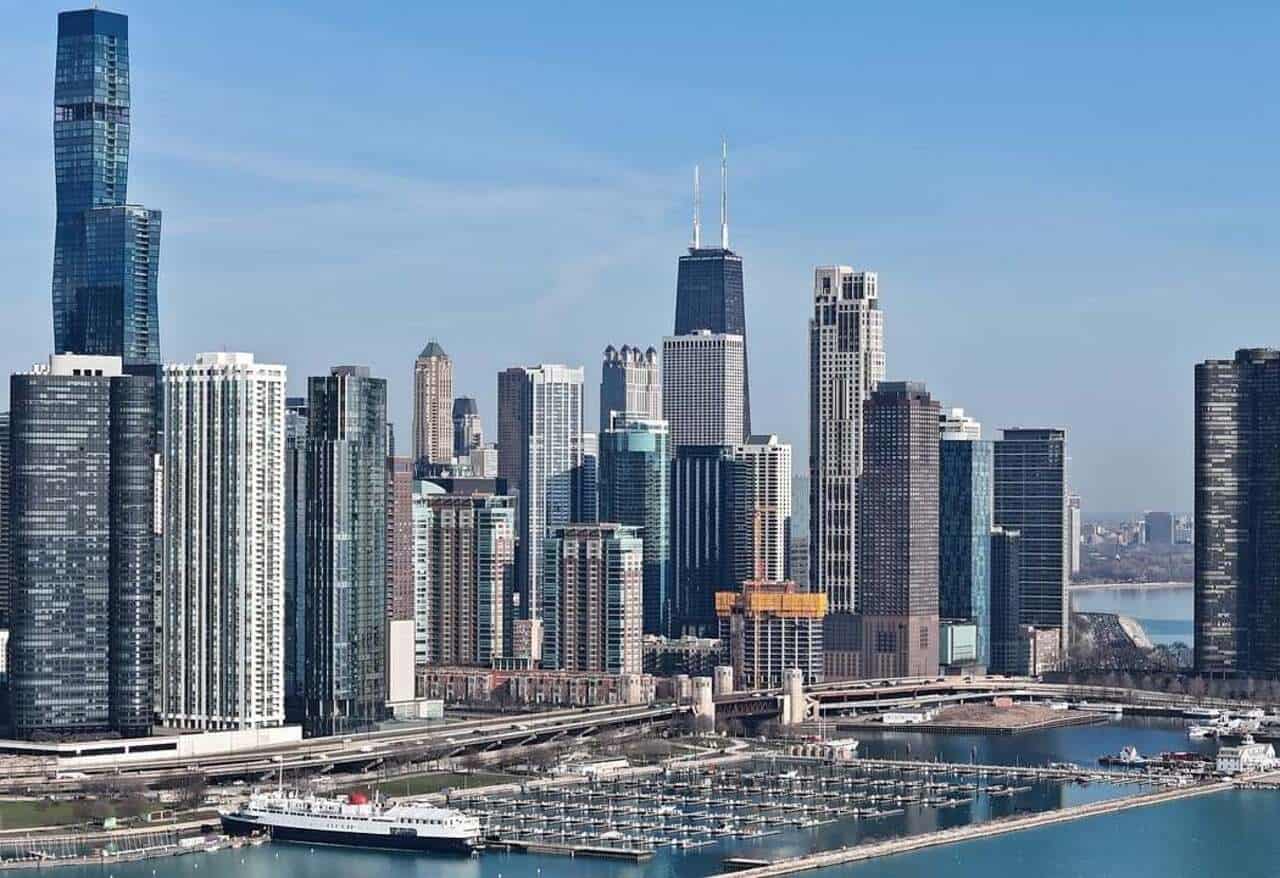
Chicago’s central business district now posts crime rates that look far better than many national headlines suggest, and daytime scenes along the riverwalk often feel relaxed and busy. City messaging highlights art installations, new hotels, and a visible police and camera presence near major attractions. Once commuters and office staff head home, certain corridors feel thinner and more exposed. Sparse foot traffic, loud disputes outside late night shops, and a steady background of sirens shape the emotional map. Residents may trust the numbers, yet still clench shoulders during the last blocks of a late train ride home.
Memphis, Tennessee
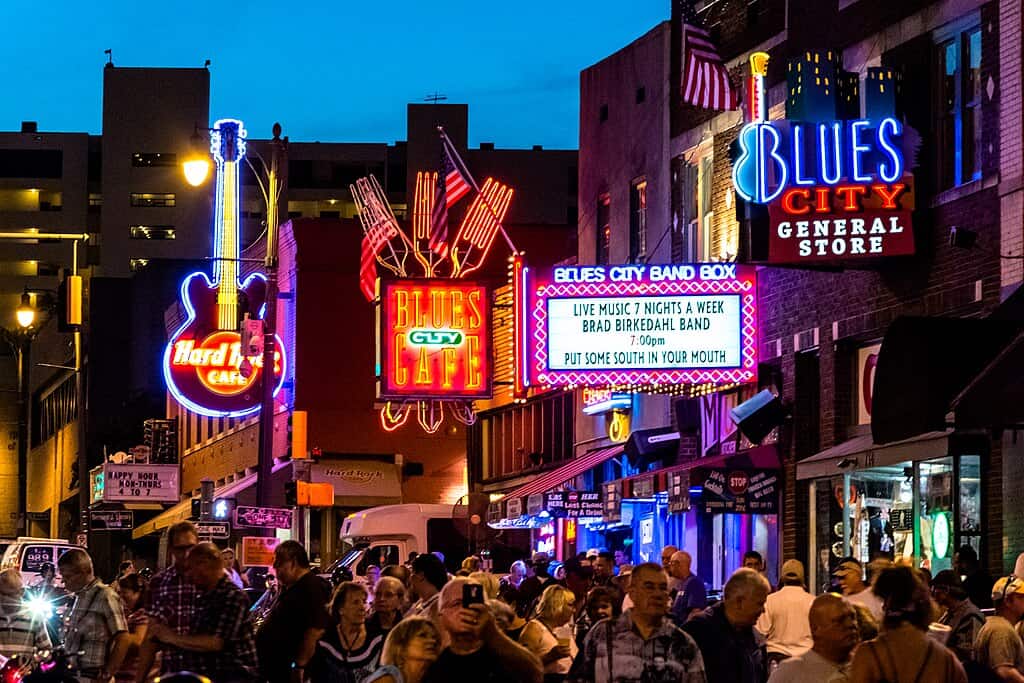
Memphis officials emphasize drops in reported crime around the core and point to more programming on the riverfront as proof of progress. Beale Street and nearby venues still draw crowds, especially when games and concerts stack up on the same night. In the alleys and side streets just beyond the music, the mood can tilt fast. Fights spill from bars, engines rev loudly at intersections, and parking lots feel like stages for arguments that escalate without warning. Locals talk about genuine improvements downtown while also admitting that certain corners still feel risky after midnight.
New Orleans, Louisiana
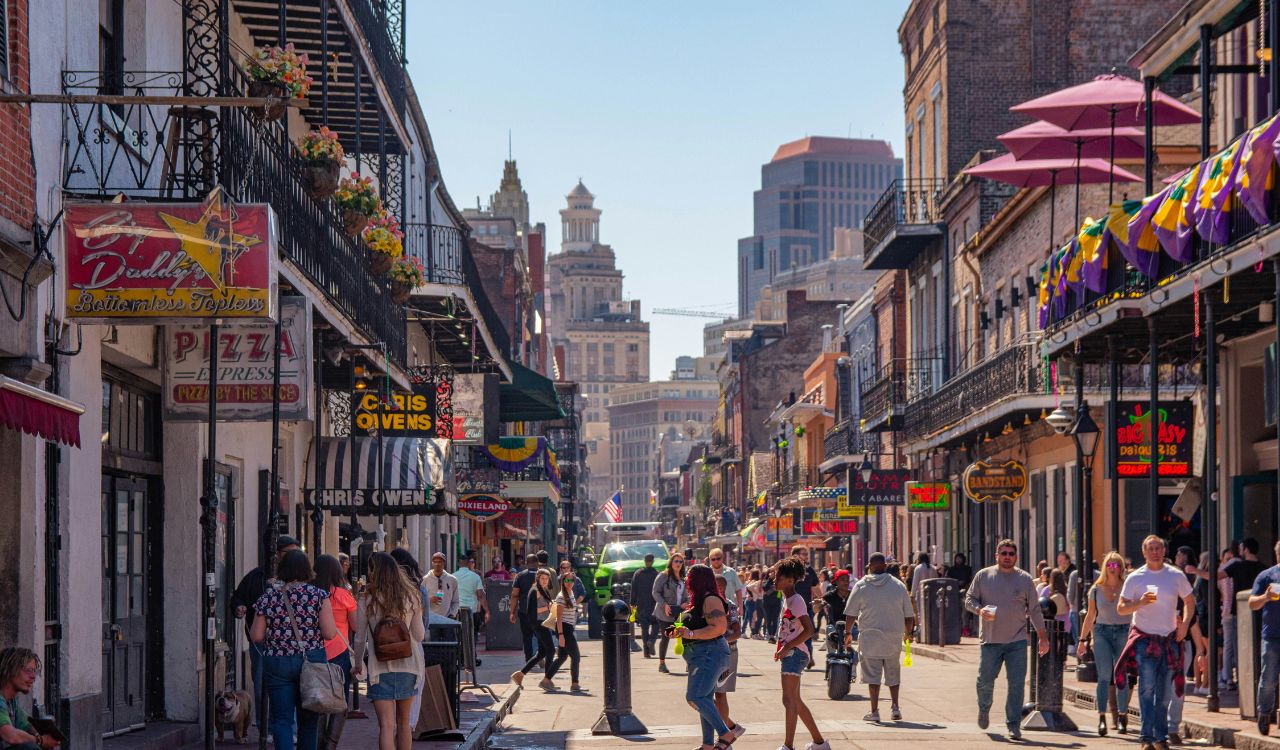
New Orleans has celebrated some of its lowest violent crime numbers in years and leans on that story when inviting conventions and festivals back. The French Quarter and Warehouse District benefit from concentrated patrols and steady visitor traffic. Even so, residents describe an undercurrent of unease at night, especially where bright blocks fade into dim residential streets. Intoxicated crowds, random fireworks, and the occasional sound of gunfire far off can make the city feel unpredictable. The statistics may support optimism, but the lived rhythm still swings between charm and tension within a few blocks.
St Louis, Missouri
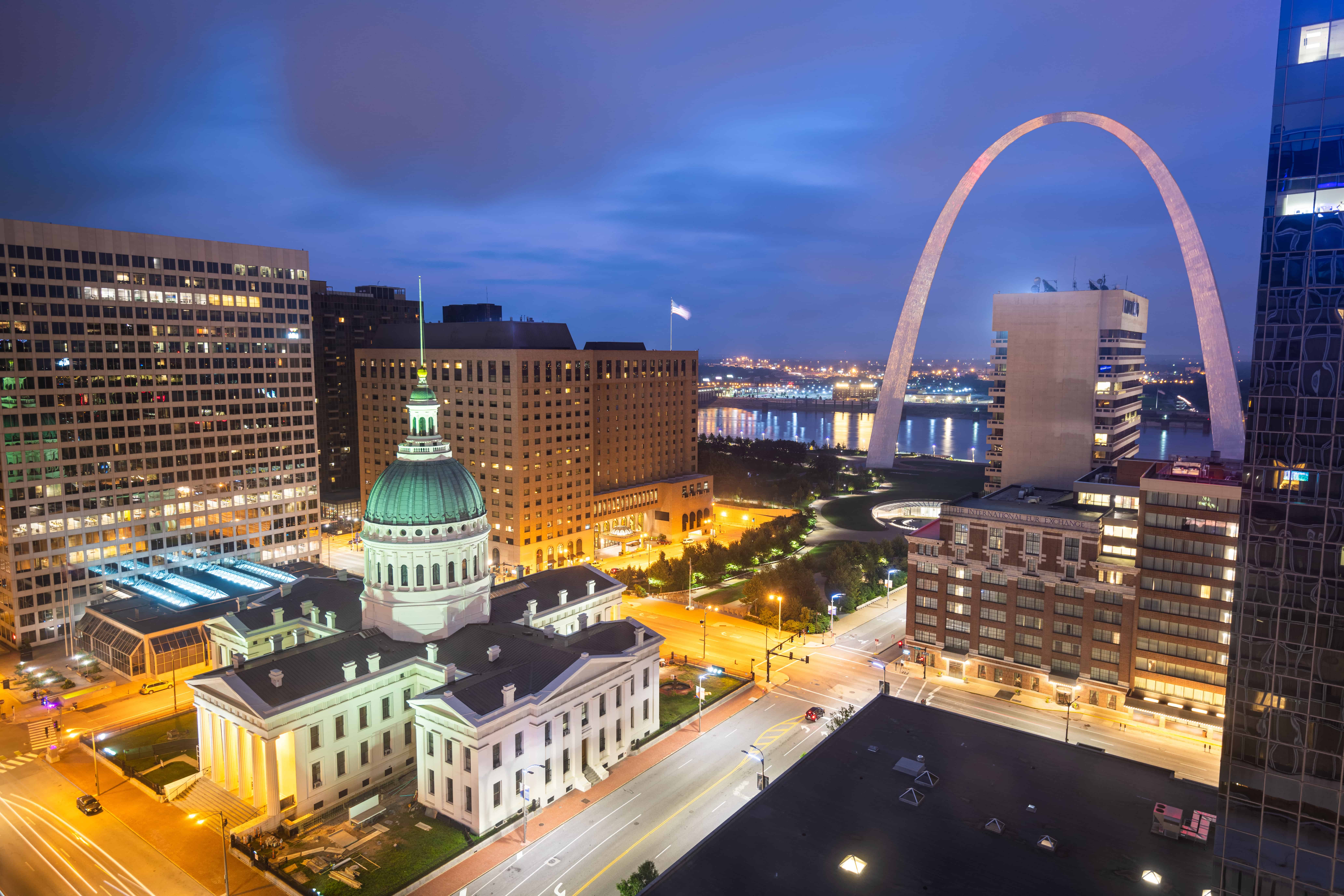
St Louis leaders talk about new investments, residential conversions, and early signs of crime reduction downtown. Data sets and grant applications emphasize momentum and caution against clinging to an outdated image. On the ground, wide streets with little foot traffic, vacant buildings, and isolated transit stops create a different atmosphere after dark. Residents describe stretches where a single passerby suddenly feels out of place, even if nothing actually happens. The result is a downtown that may be slowly improving on paper while still feeling fragile and exposed in the quiet hours of the night.
Philadelphia, Pennsylvania
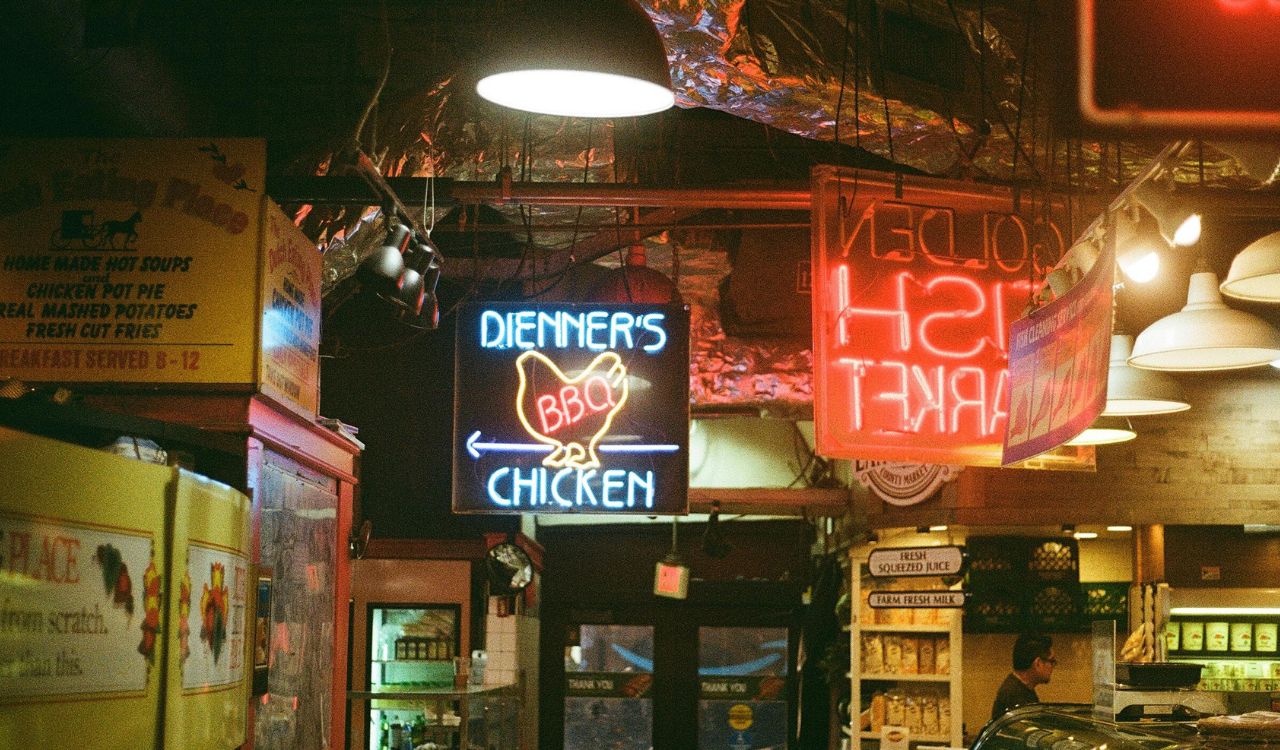
In Center City Philadelphia, office returns and restaurant openings give officials reason to lean on the word safe in public messaging. Certain categories of crime have dipped from pandemic era highs, and daytime crowds around parks and markets help support that story. Later in the evening, especially between transit hubs and residential towers, the vibe shifts. Groups on bikes weave through traffic, shouting travels quickly down narrow streets, and small incidents loom large in people’s memories. Many residents accept that the core is statistically improving, while still treating some routes as places to hurry through, not linger.
Atlanta, Georgia
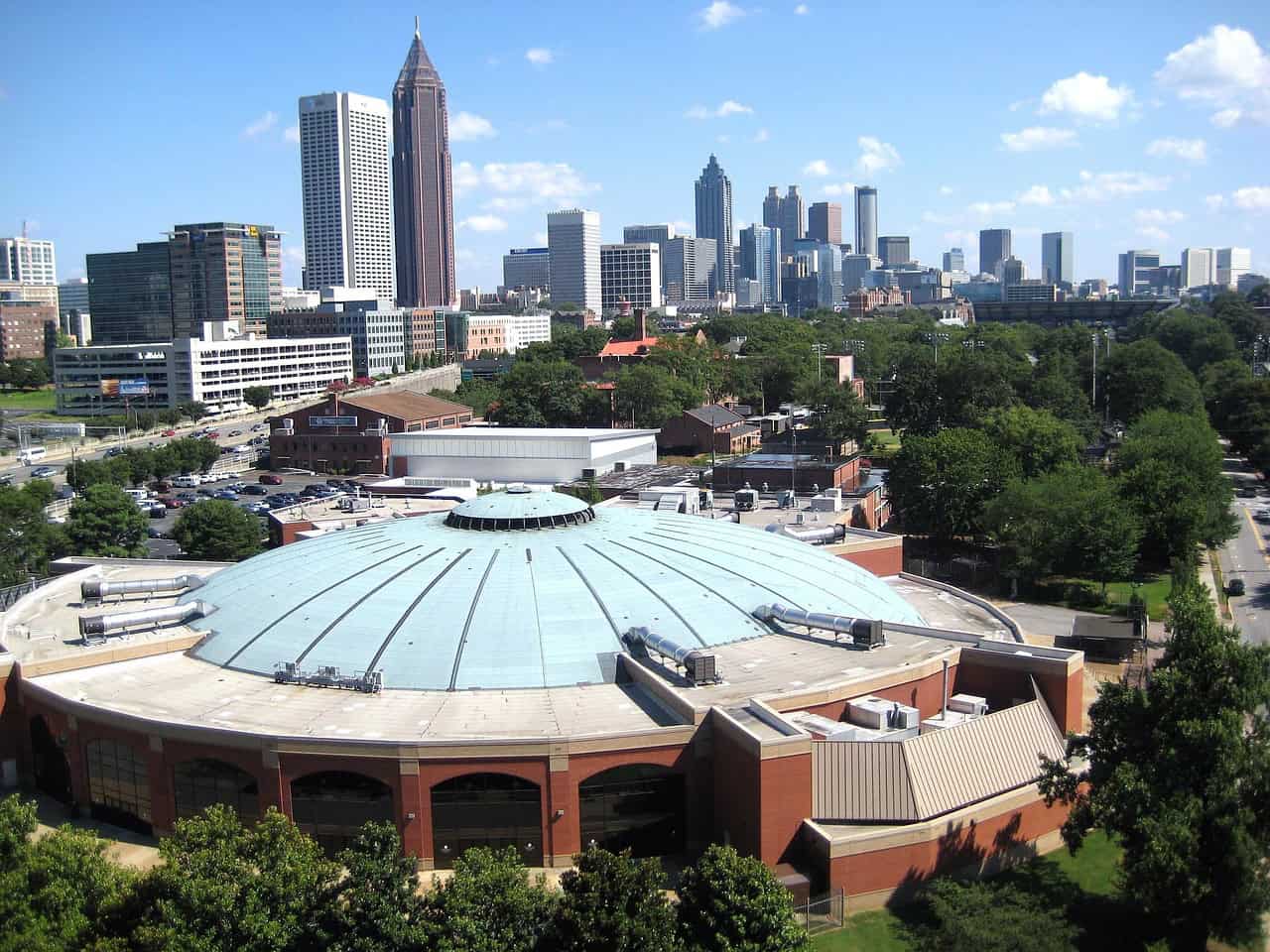
Atlanta often highlights historic lows in several crime categories and frames Midtown and downtown as success stories tied to dense living and transit. Promotional materials lean into skyline views, packed festivals, and lively BeltLine segments. Yet surveys still show crime as a top concern, and residents point to parking deck break ins, aggressive confrontations near gas stations, and sporadic gunfire that sends crowds scattering. The experience can feel like walking through two cities at once, one framed by charts and one written in side glances, quick decisions, and the instinct to cross the street early.
Washington, D.C.
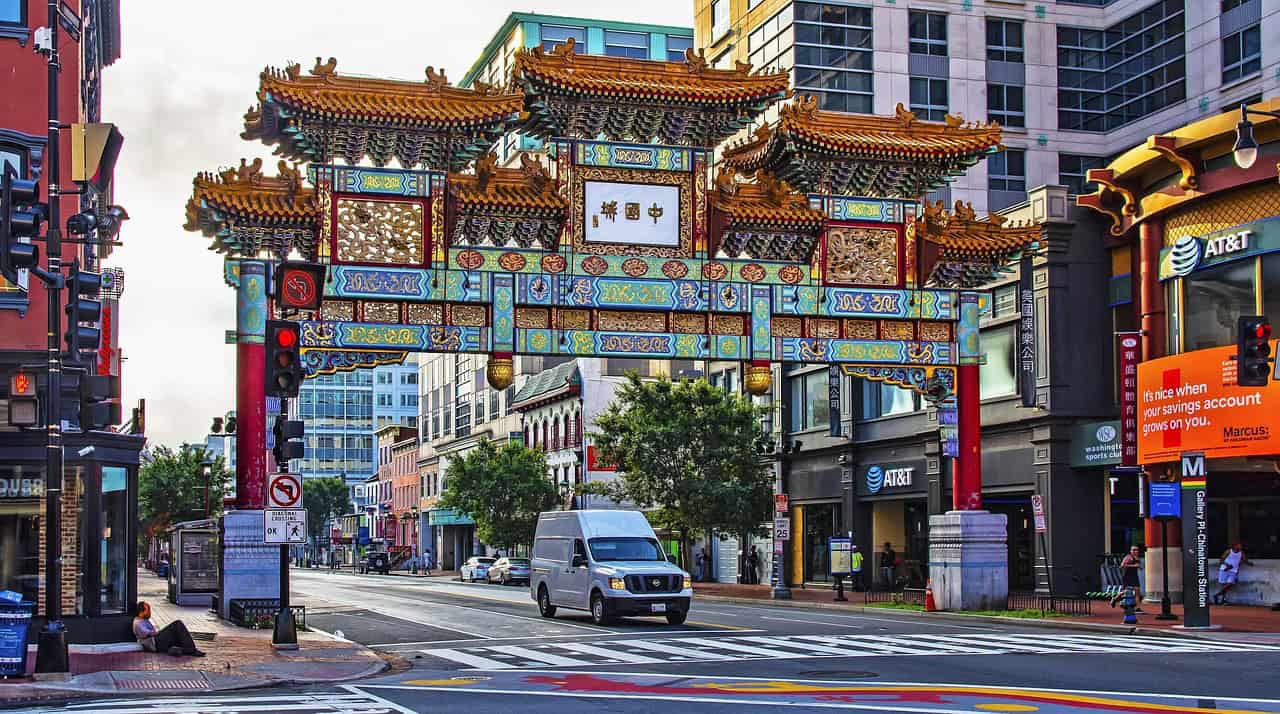
Washington, D.C. now has data that places violent crime near thirty year lows, and leaders repeat that fact often in press conferences and tourism outreach. Federal buildings and monuments enjoy a heavy security footprint, which supports that narrative during the day. At night, stretches of downtown turn oddly quiet, with long blocks of dark offices separating small pockets of nightlife. Stories about incidents near Metro stations and carjackings in high profile neighborhoods stick in the public mind. The capital feels both watched and strangely empty, a place where the official story of safety does not always match the mood.
New York City, New York
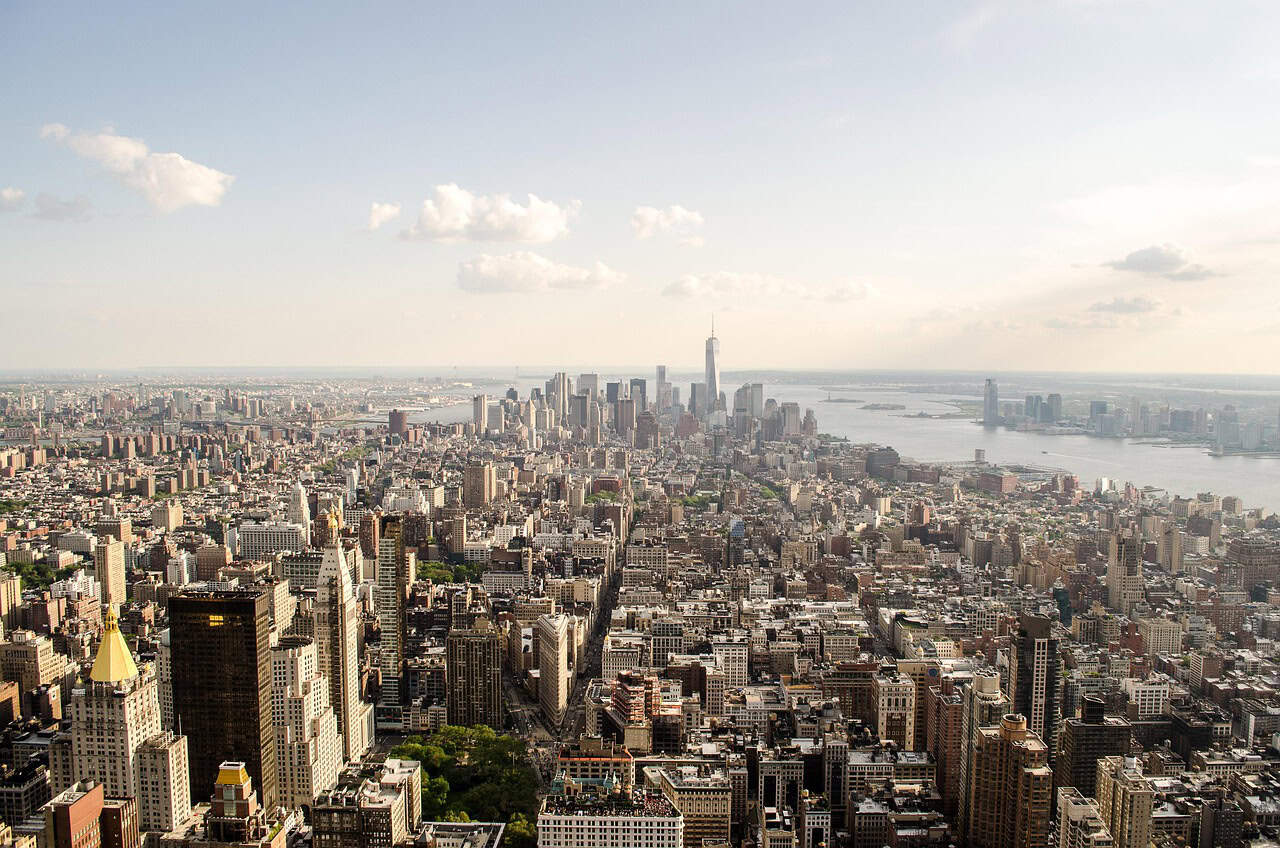
New York City regularly notes that murders and shootings sit far below levels seen in previous decades, and many categories of crime compare favorably with national norms. Promotional campaigns lean on crowded parks, outdoor dining, and late night subway service as proof that the city still hums. After business hours in parts of Midtown and the financial district, towers glow over relatively empty sidewalks. Encounters with aggressive panhandling, visible mental health crises, and occasional random assaults anchor local anxiety. Residents can recite the statistics and still feel that certain platforms and corners are a gamble after midnight.