We may earn money or products from the companies mentioned in this post. This means if you click on the link and purchase the item, I will receive a small commission at no extra cost to you ... you're just helping re-supply our family's travel fund.

Some U.S. bridges continue to unsettle travelers not because they are unsafe, but because their age, scale, and exposure challenge human comfort. Many were built decades ago for lighter traffic, fewer vehicles, and slower speeds. Over time, constant wind, water, vibration, and heavy use have added to their intimidating reputation. Height, length, visible structure, and isolation all play psychological roles. Below are twelve aging American bridges that often make even experienced drivers uneasy, despite ongoing maintenance and inspections.
1. Mackinac Bridge : Michigan
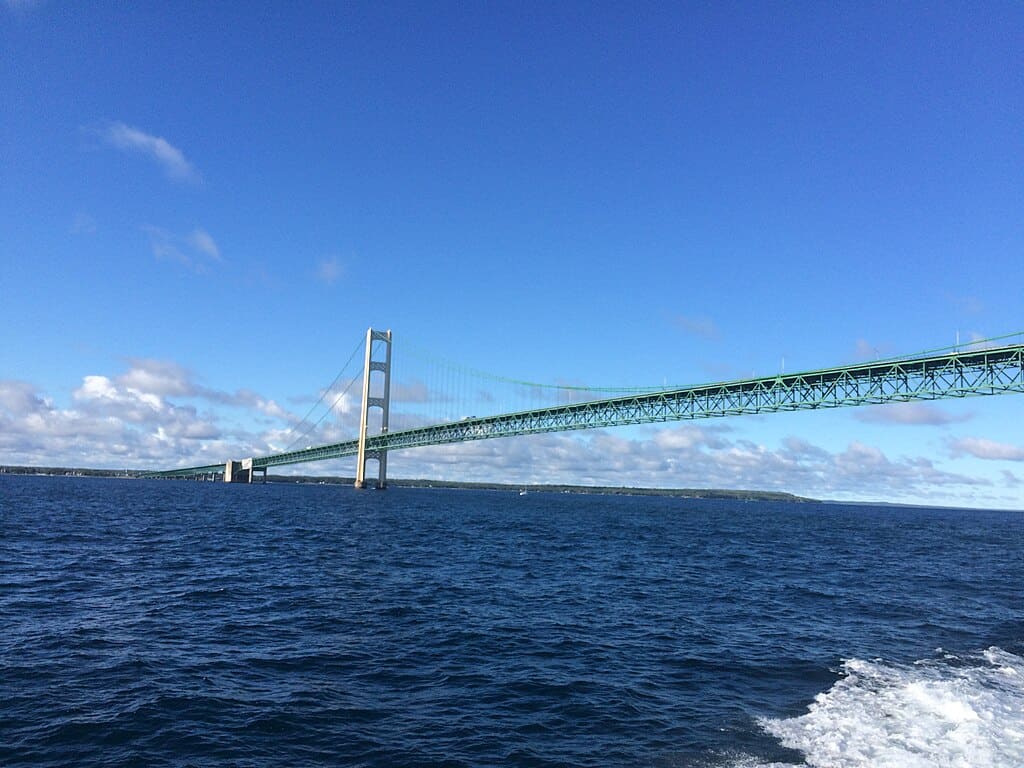
Opened in 1957, the Mackinac Bridge stretches roughly 5 miles across the Straits of Mackinac and rises about 200 feet above the water. Its age is evident in the steel grating lanes, where drivers can see Lake Michigan moving below. Wind speeds frequently exceed 30 mph, creating noticeable sway felt inside vehicles. The bridge carries over 11,000 vehicles daily, far more than originally anticipated. Long exposure, open water, and visible height combine to trigger anxiety, leading some drivers to use escort services rather than cross alone.
2. Chesapeake Bay Bridge : Maryland
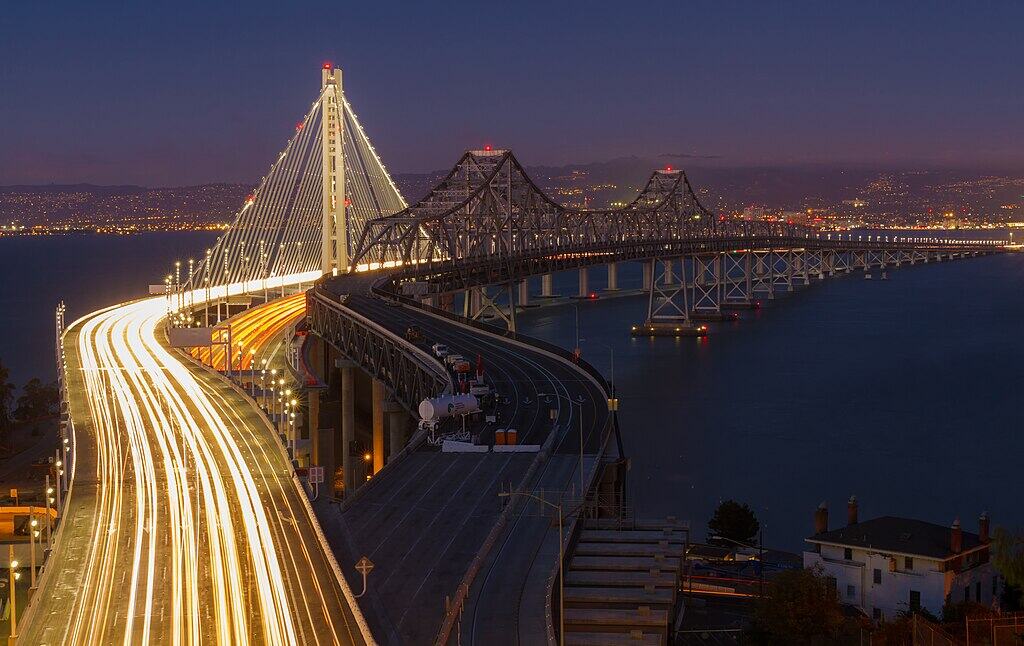
Completed in 1952, the Chesapeake Bay Bridge spans approximately 4.3 miles over open water and reaches a height near 186 feet. Built for mid-20th-century traffic, it now supports more than 27 million vehicle crossings annually. Narrow lanes and sharp curves heighten stress, especially during wind or rain. Fog often reduces visibility, increasing tension. Despite upgrades, its age, heavy congestion, and exposure to coastal weather make the crossing mentally exhausting for many travelers, particularly those uncomfortable with long bridges.
3. Seven Mile Bridge : Florida
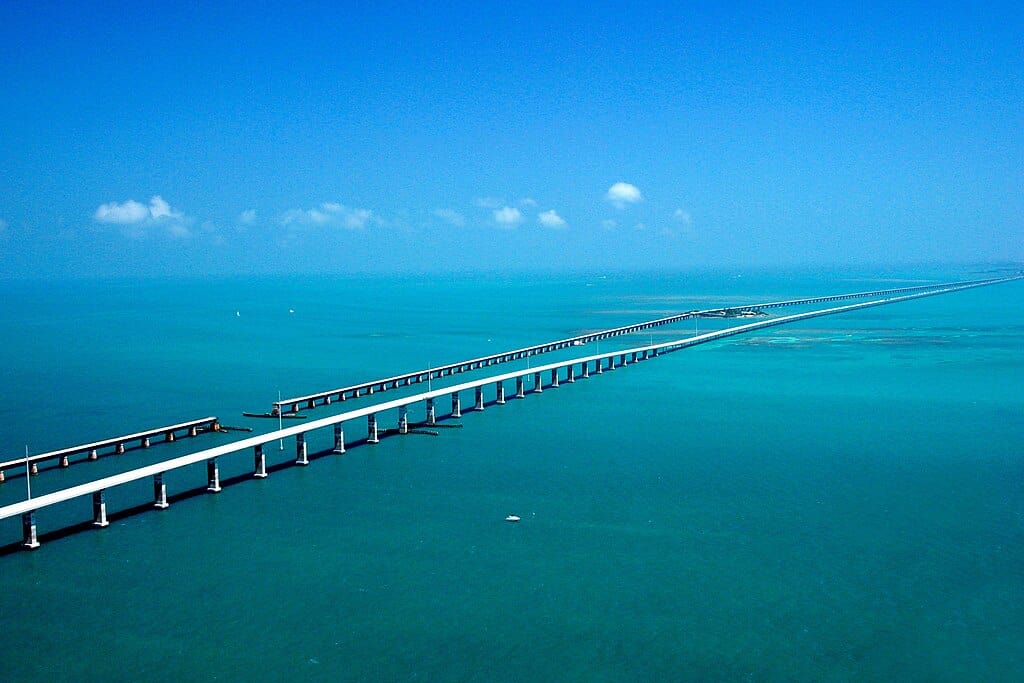
Originally built in 1912 and replaced in 1982, the Seven Mile Bridge extends nearly 6.8 miles across open ocean. Water surrounds drivers with no visual break, creating disorientation. Guardrails are low, shoulders are minimal, and emergency stops are limited. Winds can exceed 40 mph during storms. Around 9,000 vehicles cross daily. Even with modernization, the bridge’s isolation, length, and historical age cause anxiety for travelers uneasy with prolonged exposure over deep water.
4. Royal Gorge Bridge : Colorado
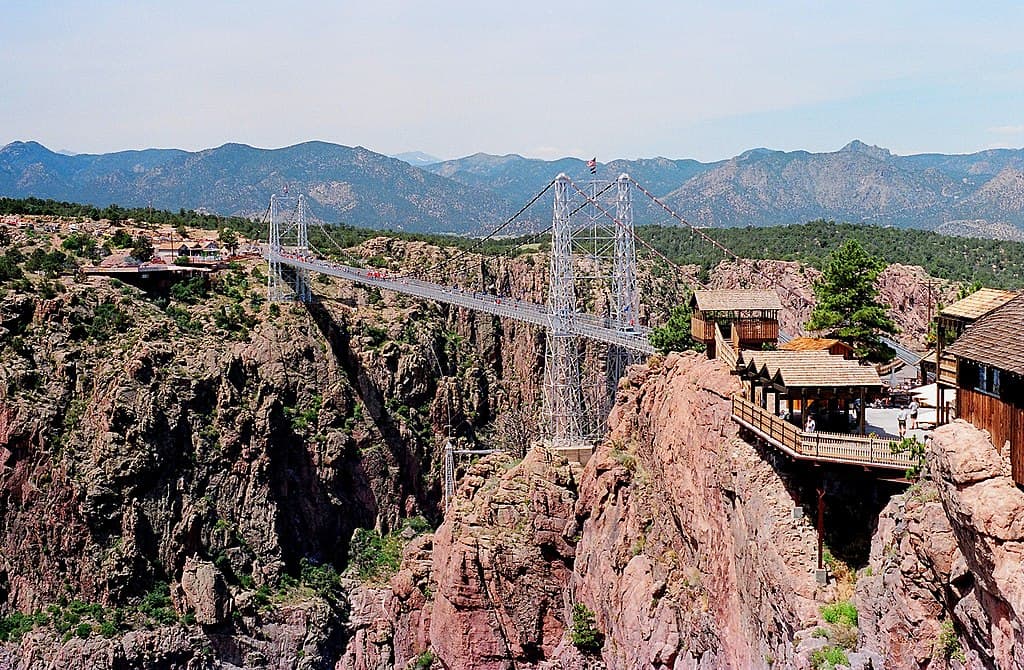
Completed in 1929, the Royal Gorge Bridge towers about 955 feet above the Arkansas River. The suspension span measures roughly 1,260 feet and was constructed in just seven months. Now restricted to pedestrians, the bridge still sways during winds exceeding 50 mph. Its age is felt through vibration and open railings that provide no visual barrier from the drop below. The extreme height combined with visible movement makes crossing emotionally challenging for visitors, especially those sensitive to vertigo.
5. Deception Pass Bridge : Washington
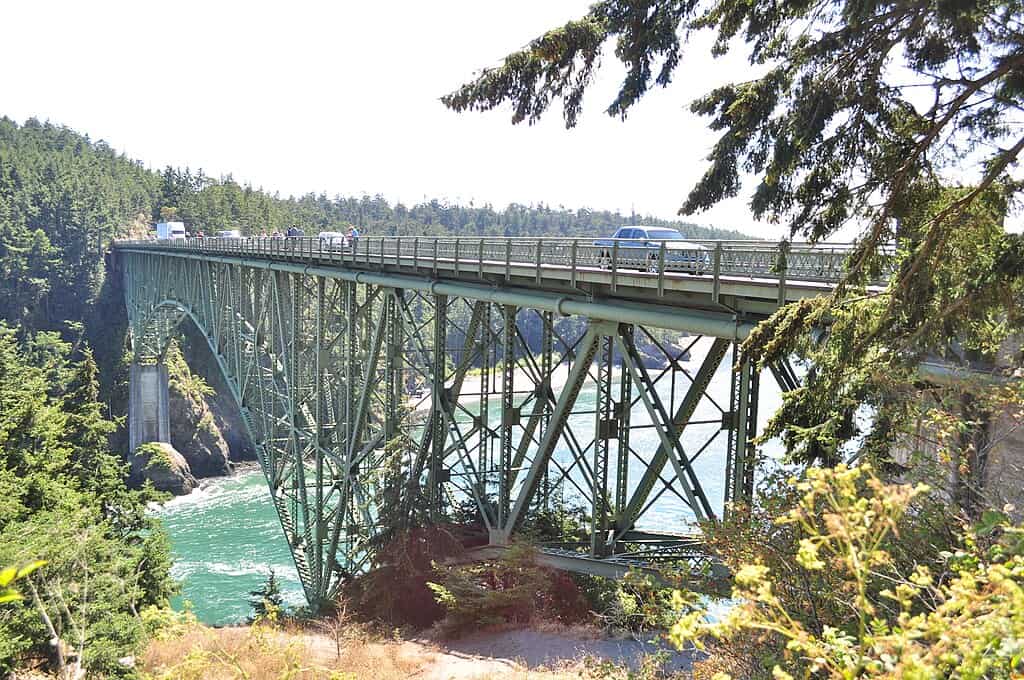
Built in 1935, the Deception Pass Bridge rises 180 feet above fast-moving tidal waters. The 1,487-foot steel span connects two islands and carries over 20,000 vehicles daily. Narrow pedestrian walkways sit close to traffic lanes, increasing discomfort. Winds often exceed 35 mph as they funnel through the pass, while fog limits visibility. The bridge’s age, roaring water below, and constant vibration combine to overwhelm the senses and make crossing deeply unsettling.
6. Lake Pontchartrain Causeway : Louisiana
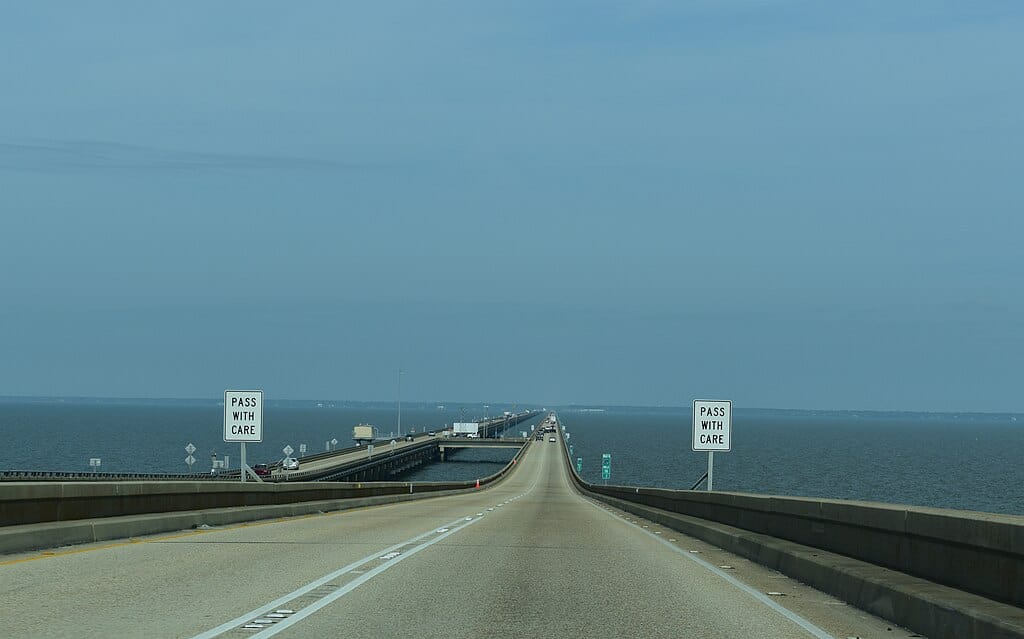
Opened in 1956, the Lake Pontchartrain Causeway stretches 23.83 miles across open water, making it one of the longest bridges in the world. At the midpoint, land disappears for more than 10 minutes of driving. The bridge supports over 40,000 vehicles daily and sits only about 16 feet above the lake. Fog and storms erase visual reference points. Its age, length, and isolation cause many drivers to feel trapped while crossing.
7. Verrazzano-Narrows Bridge : New York
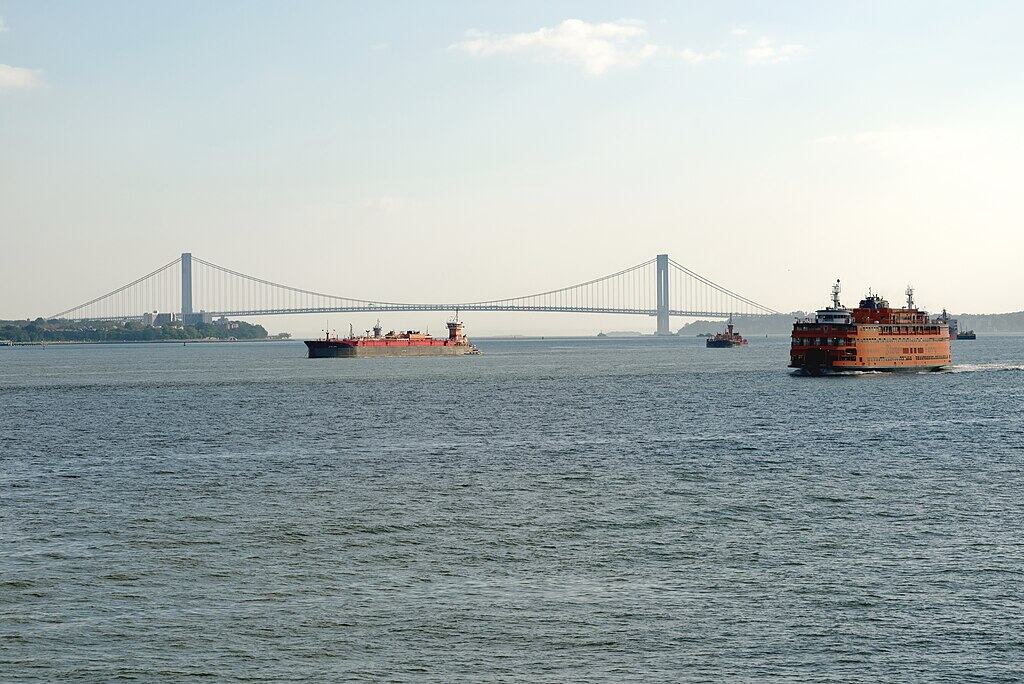
Completed in 1964, the Verrazzano-Narrows Bridge spans 4,260 feet between towers and rises 228 feet above the harbor. Designed before modern traffic volumes, it now carries nearly 200,000 vehicles daily. Strong crosswinds and steep elevation changes amplify the sense of height. During traffic slowdowns, drivers remain suspended high above water for extended periods. Its age, scale, and constant motion contribute to anxiety, especially for those uncomfortable with heights.
8. St. Johns Bridge : Oregon
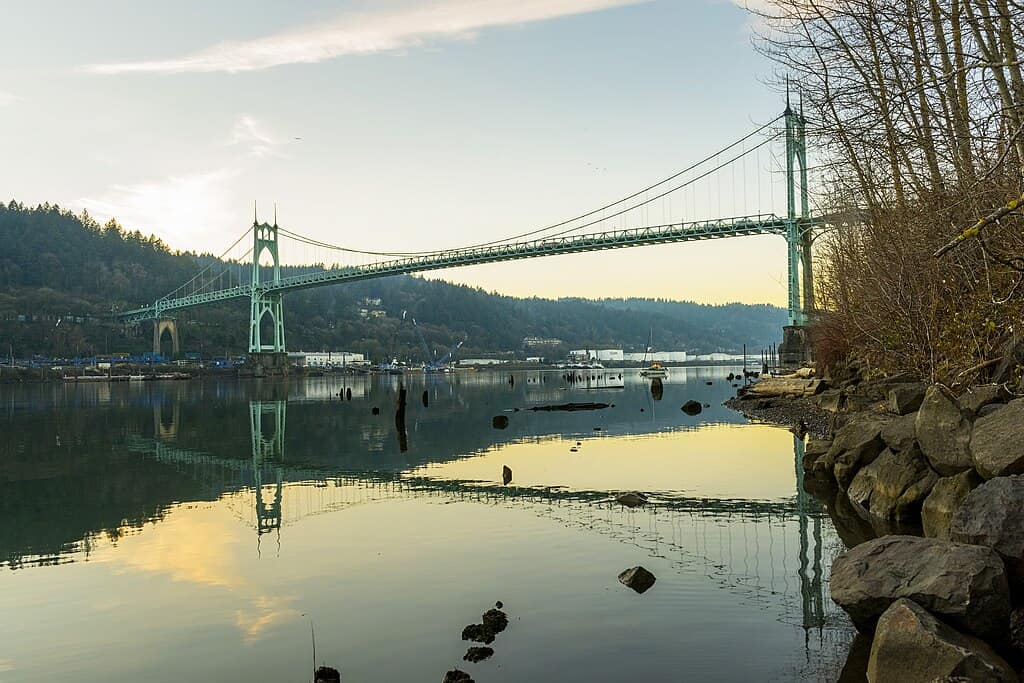
Opened in 1931, the St. Johns Bridge towers about 400 feet above the Willamette River. Its Gothic suspension design spans 2,067 feet and reflects early automotive engineering. Lanes are narrow, and approach grades are steep by modern standards. Around 32,000 vehicles cross daily. Wind exposure and visible height intensify discomfort. Despite seismic upgrades, the bridge’s age and dramatic vertical drop continue to unsettle drivers unfamiliar with elevated crossings.
9. Cold Spring Canyon Arch Bridge : California
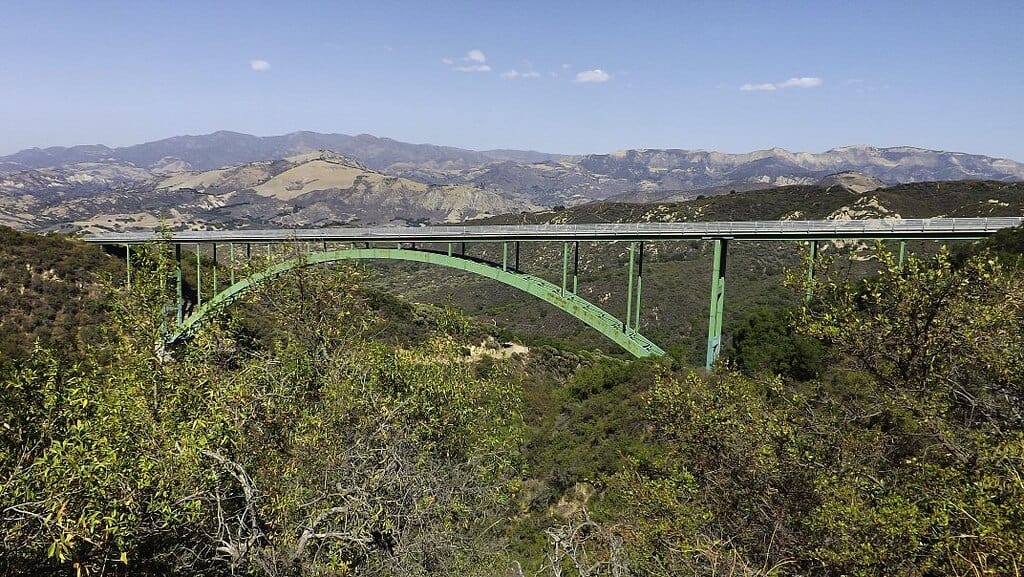
Completed in 1963, the Cold Spring Canyon Arch Bridge spans 1,217 feet and rises nearly 700 feet above the canyon floor. Vehicles cross at highway speeds over 55 mph with limited shoulders. The open design offers uninterrupted views of the drop below, leaving little visual protection. Despite structural reinforcement, its age combined with speed, height, and exposure makes the crossing psychologically intense, especially for drivers sensitive to elevation.
10. Golden Gate Bridge : California
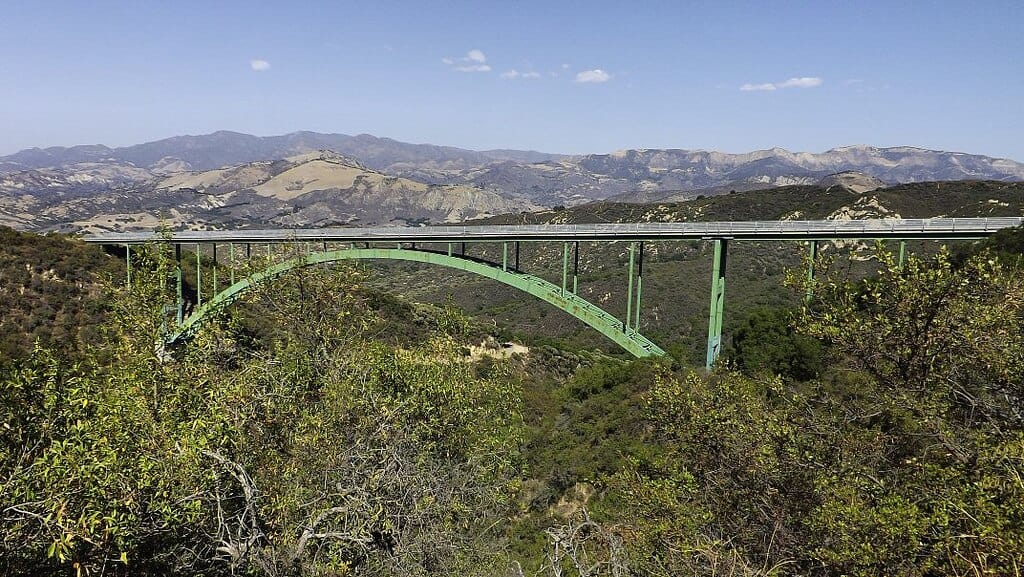
Opened in 1937, the Golden Gate Bridge stretches 8,981 feet and rises 746 feet above the Pacific Ocean. Winds frequently exceed 30 mph, and dense fog often reduces visibility. The bridge carries more than 112,000 vehicles daily. Its age is noticeable through vibration, noise, and visible steel elements. While iconic, the combination of weather exposure, constant movement, and extreme height makes crossing stressful for many travelers.
11. Huey P. Long Bridge : Louisiana
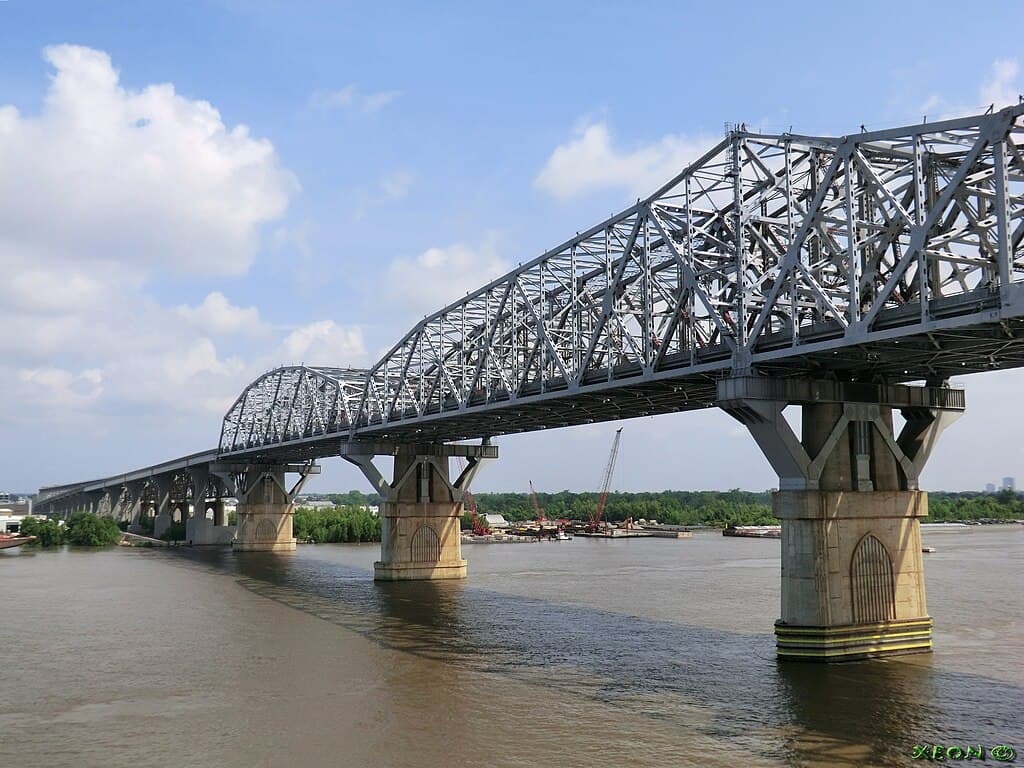
Completed in 1935, the Huey P. Long Bridge crosses the Mississippi River at approximately 135 feet above water. Originally built with narrow lanes, it now carries over 60,000 vehicles daily after expansion. Heavy freight traffic increases vibration and noise. Despite modernization, the bridge’s age, dense traffic, and wide river span create a mentally demanding crossing, particularly during peak commuting hours when congestion is highest.
12. Bronx-Whitestone Bridge : New York
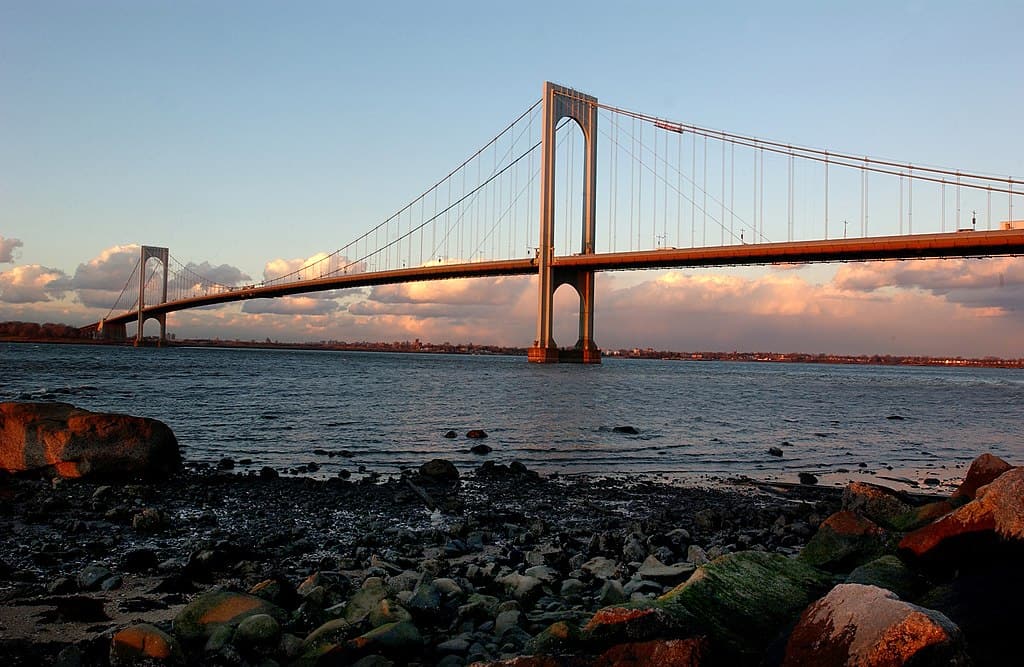
Opened in 1939, the Bronx-Whitestone Bridge spans 3,770 feet and rises 150 feet above the East River. Early wind-related movement required structural reinforcement. Today, it supports more than 120,000 vehicles daily. Strong crosswinds and constant traffic vibration remain noticeable. Although upgraded, its age, exposure, and traffic volume continue to make it intimidating, especially for drivers sensitive to height and motion.