We may earn money or products from the companies mentioned in this post. This means if you click on the link and purchase the item, I will receive a small commission at no extra cost to you ... you're just helping re-supply our family's travel fund.

In a lot of once-sleepy resort towns, the loudest waves now come from politics, not the ocean. Immigration stunts, school board fights, and book bans have turned postcard beaches into stages for national arguments. Visitors still arrive for lobster rolls, roller coasters, or a perfect sunset, but locals also track protest schedules and security checkpoints. These places have not stopped being beautiful; they have just become communities where debates over identity, power, and belonging are impossible to ignore. The sand still feels the same underfoot, while everything else feels up for debate.
Martha’s Vineyard, Massachusetts
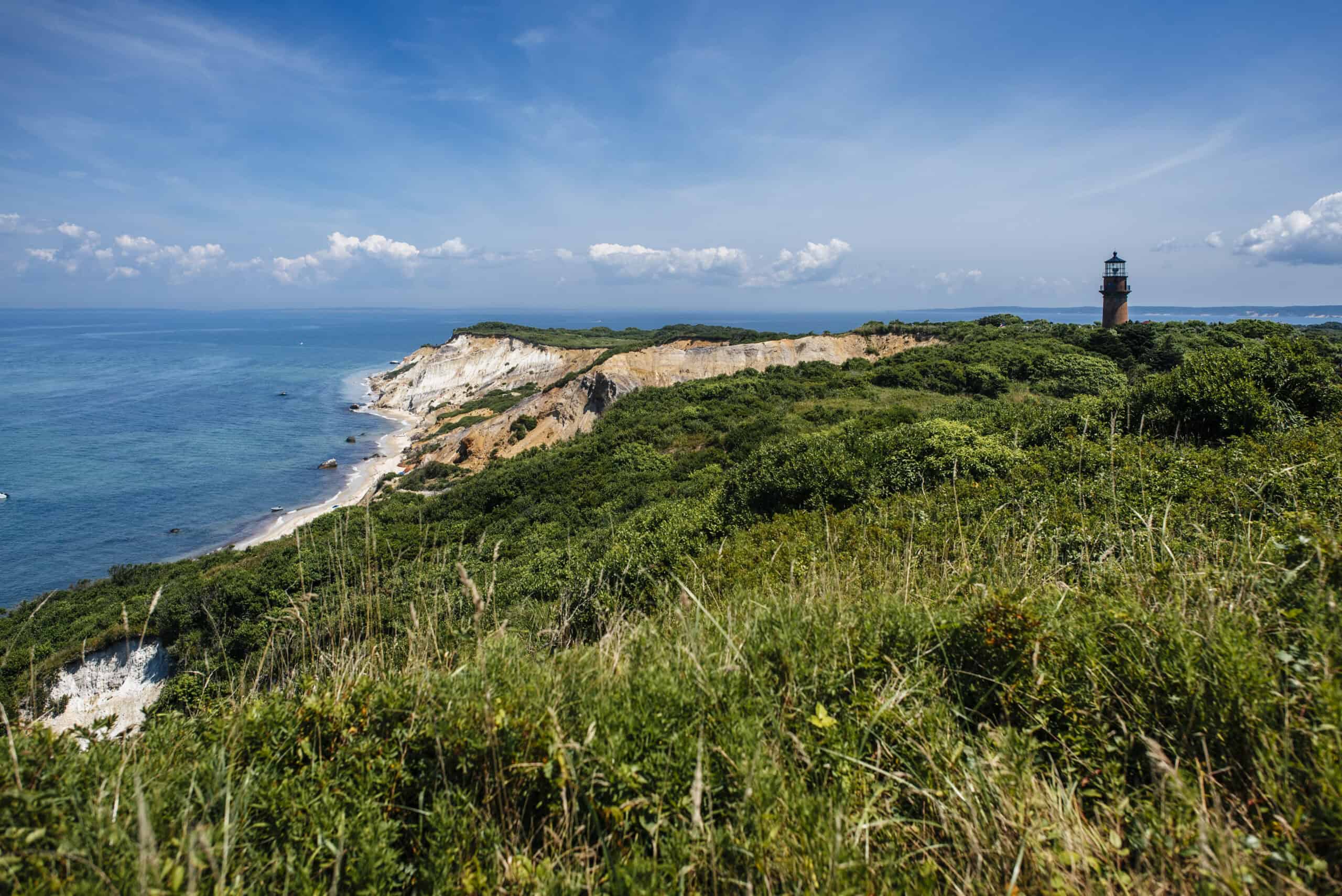
Marthas Vineyard has long been a liberal shorthand, a place where presidents bike past shingled cottages and families crowd ice cream lines. That calm image shattered when state leaders flew migrants to the island, turning real people into props, and again when armed immigration raids swept up workers who keep hotels and restaurants running. Many residents mobilized to offer beds, legal help, and food, while others worried about backlash. The ferry ride still feels idyllic, but the welcome now comes layered with tension and doubt. Local debates over housing, visas, and seasonal labor now sit right alongside talk of tides and ferry schedules.
Nantucket, Massachusetts
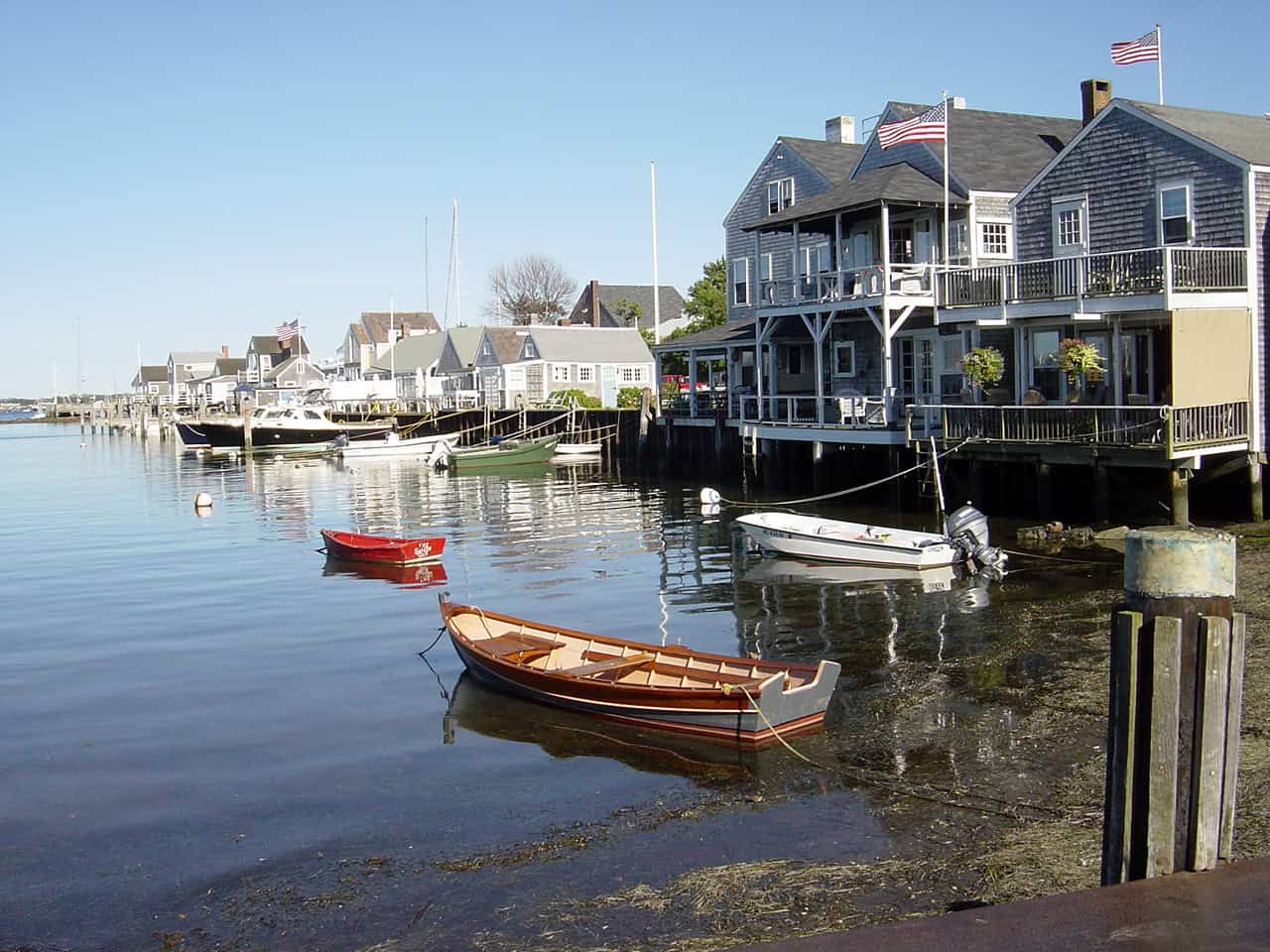
Nantucket sells a fantasy of cobblestones, hydrangeas, and generational wealth tucked behind clipped hedges. Lately, that postcard has shared space with federal agents on the docks and workers vanishing after immigration sweeps. Some year round residents call enforcement overdue; others note that beloved shops and inns rely on the very people being taken. Tourists see brunch lines and sailboats, while locals trade news about who was arrested, who needs a lawyer, and how safe it feels to simply show up for work. Conversations that once revolved around moorings and property values now circle visas, raids, and what community really means.
Key West, Florida
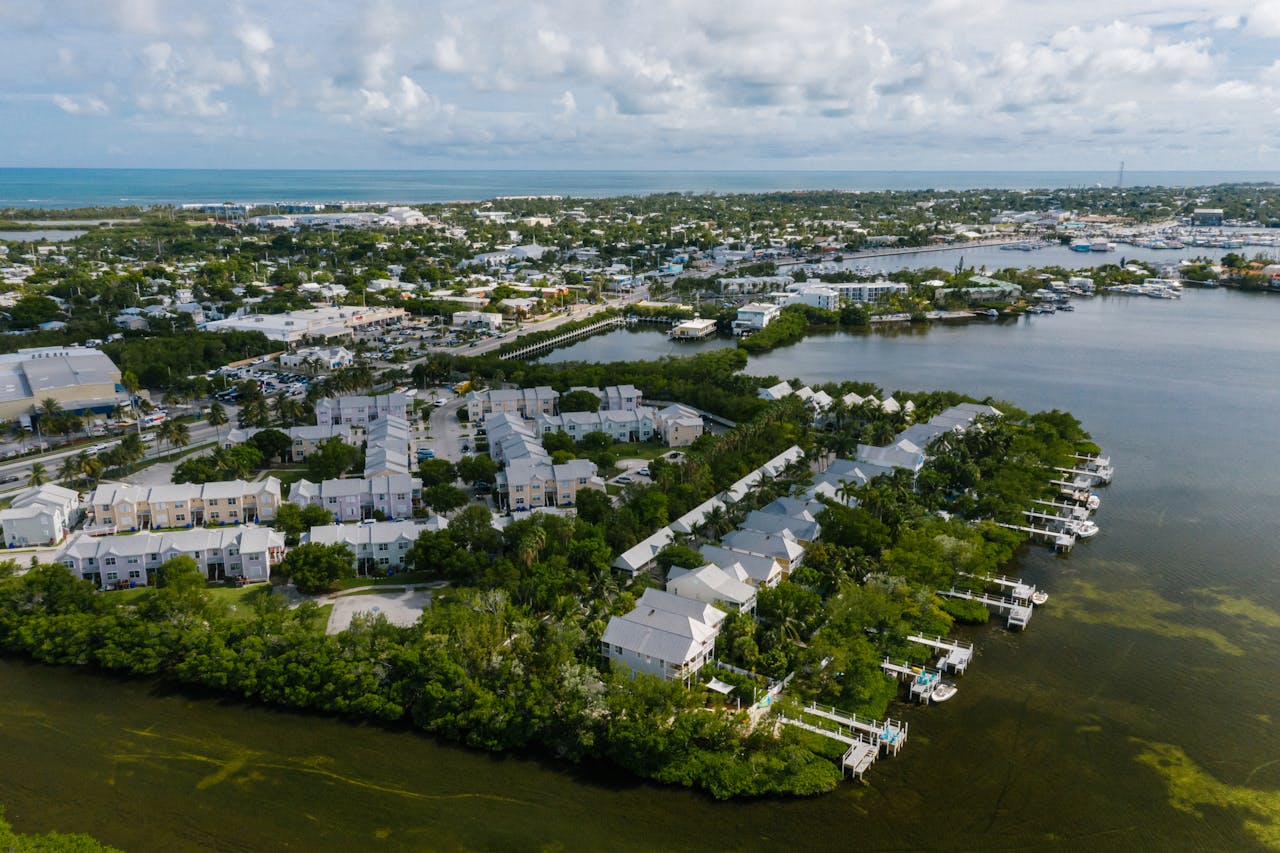
Key West leans on a reputation for one human family, where drag brunch, charter boats, and cruise passengers all mix under the same neon. That relaxed image cracked when locals voted to curb mega cruise ships and the state quickly overruled them after industry pressure. Environmental groups warned about coral and crowding; business owners split over dollars versus damage. Now arguments about self rule, tourism, and who gets to decide what the island becomes share space with sunset cheers on Mallory Square. Even the phrase one human family feels different when neighbors fall on opposite sides of those choices.
Miami Beach, Florida
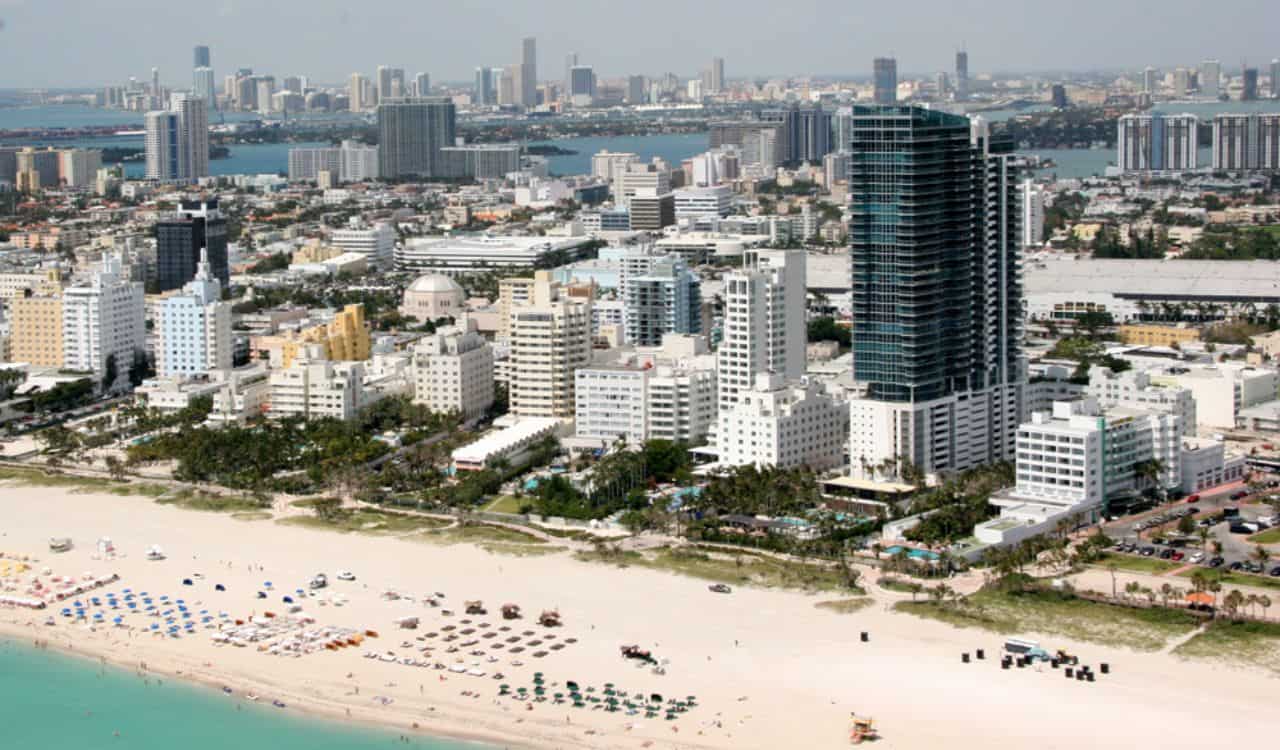
Miami Beach used to stand for spring break, pastel hotels, and nights that slid easily into sunrise. After seasons of shootings, stampedes, and internet clips of chaos, city leaders responded with curfews, roadblocks, and a blunt campaign warning troublemakers away. Supporters say the changes protect workers and residents; critics see selective enforcement that lands hardest on Black visitors. The sand is still crowded, the music still loud, but now every big weekend comes with legal battles and arguments over who truly feels welcome. The resort fantasy remains, just layered over a debate about safety, image, and whose comfort counts most.
Rehoboth Beach, Delaware
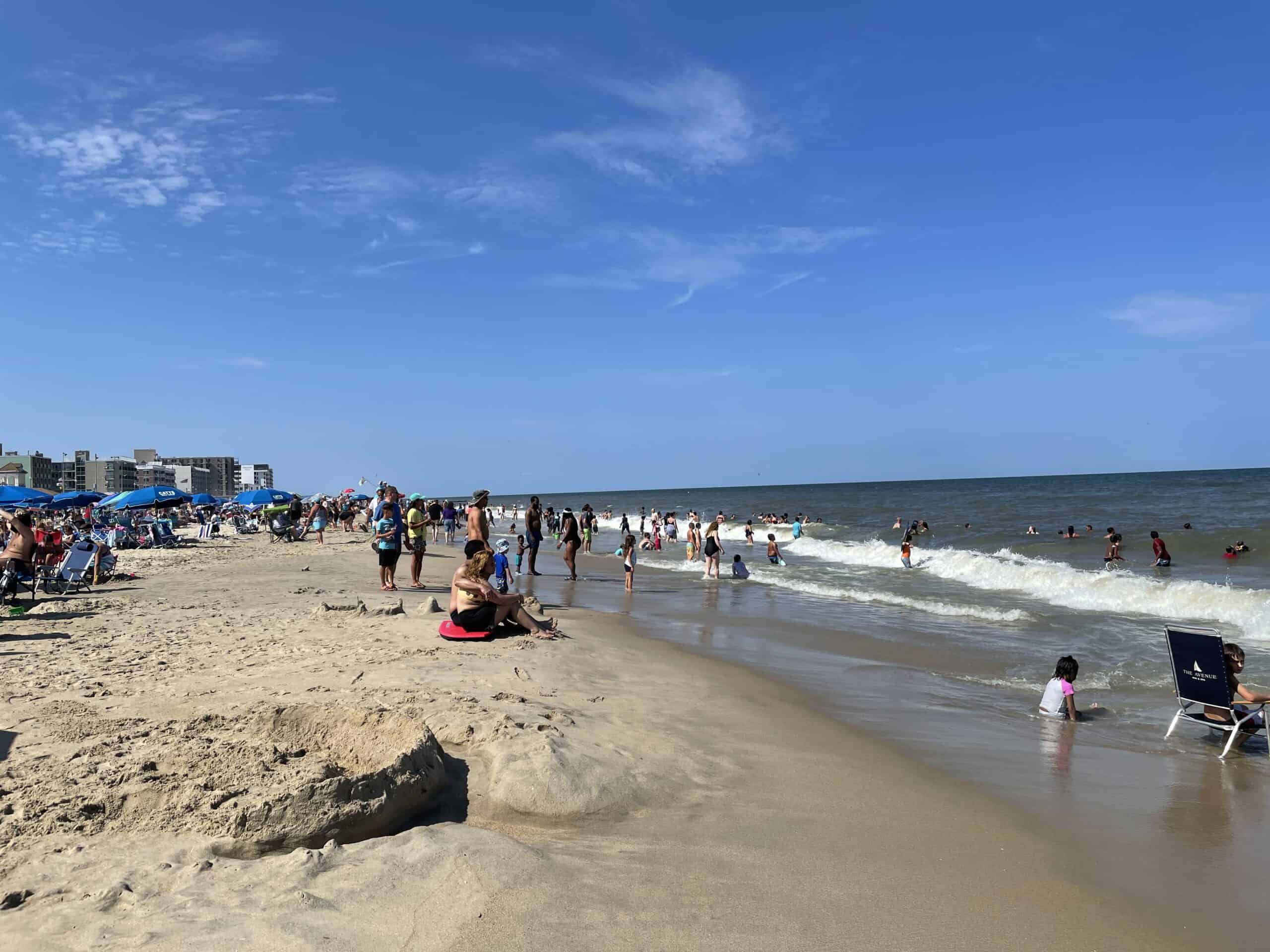
Rehoboth Beach has long balanced old school boardwalk rides with a strong LGBTQ presence and, lately, the aura of a summer White House. When the president is in town, motorcades, Secret Service checkpoints, and reporters crowd the same streets as kids with sandy flip flops. Activists have marched through quiet neighborhoods to press for action on climate and civil rights, while some locals complain about blocked roads and tension. A town built on saltwater taffy now doubles as a recurring backdrop for national demands. Between ice cream stands, conversations jump from tides and rentals to policy fights and whether anything really changes.
Nags Head, North Carolina
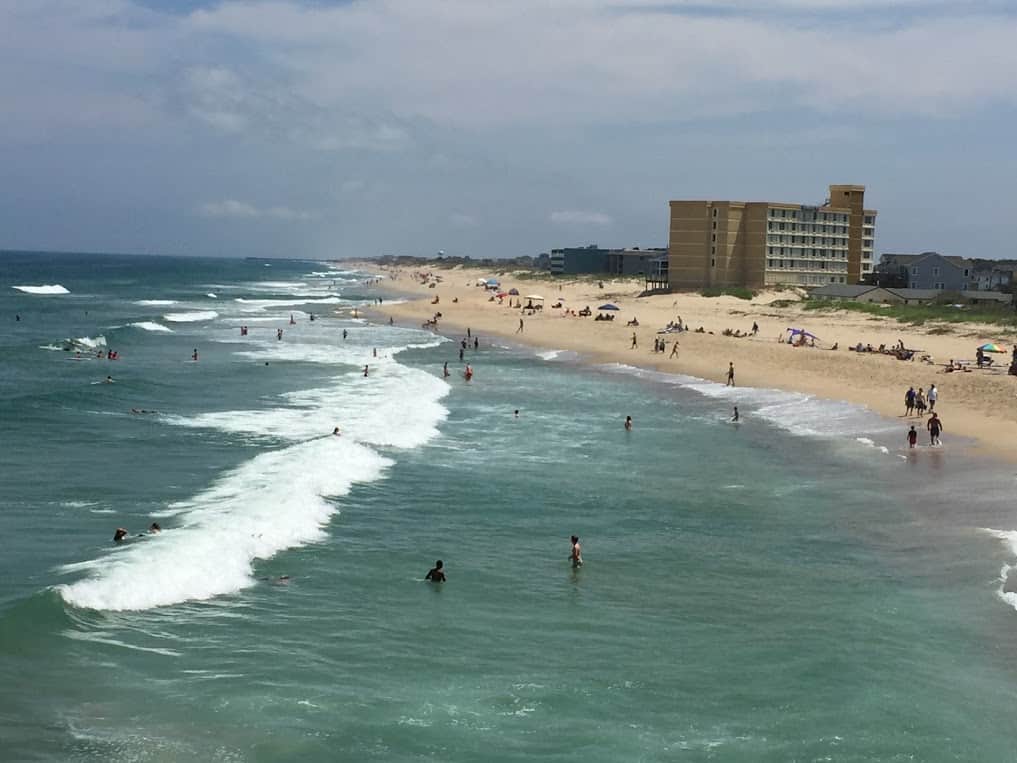
Nags Head promises nothing more complicated than dunes, surf, and rentals on stilts facing the Atlantic. In reality, town meetings fill with residents arguing about offshore drilling, wind farms, and what protecting the coast should mean in practice. Pandemic fights over school masks and closures brought that same intensity into classrooms and parking lots. Neighbors who once mostly shared fishing tips now trade links to studies, lawsuits, and op eds. The wind that fills kites also carries sharp words about science, freedom, and shared risk. Vacationers sense a polite surface, while locals feel rifts deepening like channels cut by storm tide.
South Padre Island, Texas

South Padre Island lives in two modes: spring break mayhem and quiet Gulf mornings where birders scan the sky. That same strip of sand sits inside intense debates over the border, conservation, and development. Proposals to expand convention space into fragile wetlands sparked fierce pushback from environmental groups who see the island as a crucial stop for migratory birds. Some business leaders frame resistance as anti growth; others fear losing the very nature that draws guests. Residents juggle paychecks, wildlife, and politics in the same tight space. The party lights at night barely hint at that strain.
Lake Buena Vista, Florida

Lake Buena Vista was designed so families could forget the outside world once they crossed the gates into Disney. That illusion cracked when the company opposed a state education law and the governor moved to strip its special district, turning zoning and bonds into campaign talking points. Lawsuits, boardroom fights, and press conferences followed, all orbiting a place built on fireworks and parades. Visitors still chase character photos, while workers quietly track hearings and wonder what changes will land in their laps. A company town that once hid in plain sight now doubles as a case study in speech, punishment, and leverage.
Palm Beach, Florida
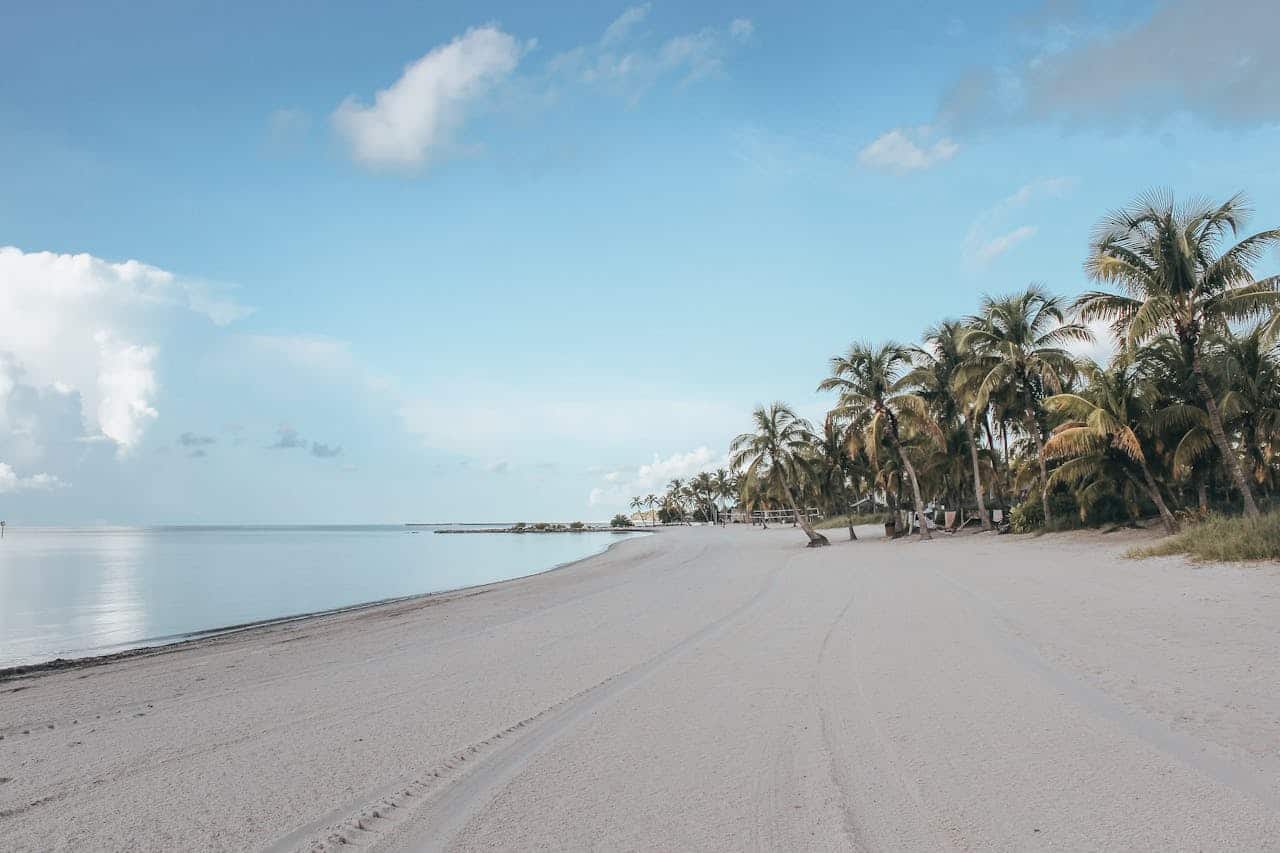
Palm Beach has always been a playground for extreme wealth, where manicured hedges hide charity galas and private deals. Once Donald Trump turned Mar a Lago into his political home base, the island picked up a second identity as a hub for donors, strategists, and rallies. With that came motorcades, security cordons, protesters, and a no fly zone that redirected plane noise over other neighborhoods. Seasonal visitors still see palm trees and pink hotels, while many year round neighbors feel they live inside someone elses movement. Dinner talk now bounces from tennis schedules to indictments and what it means to share streets with a president.
Sarasota, Florida
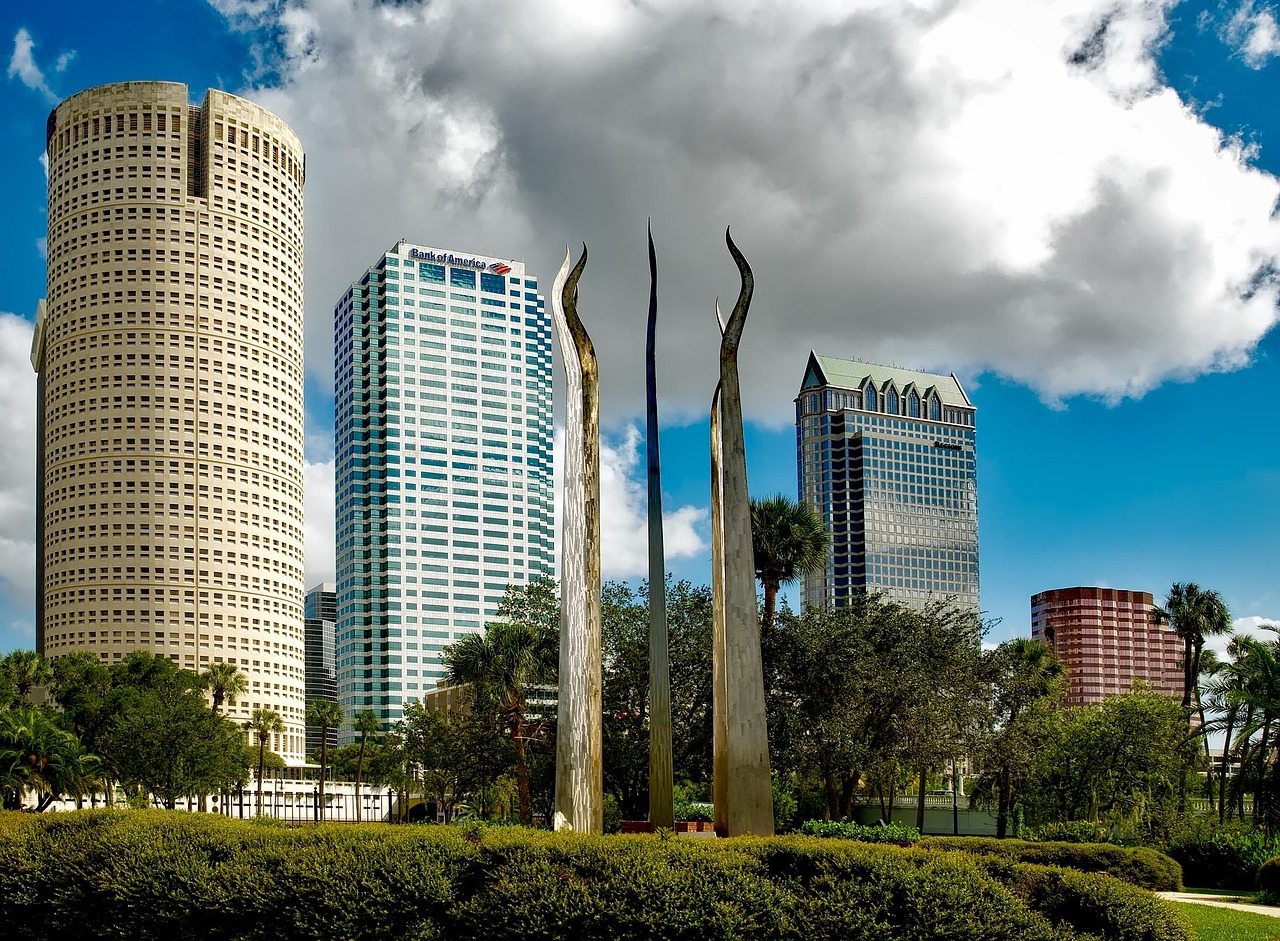
Sarasota has long sold a mix of white sand beaches and a serious arts scene, with theaters and galleries just a drive from the shore. That cultured image collided with a hard fought overhaul of New College of Florida, where new trustees, firings, and program cuts turned a tiny campus into a national battleground over so called woke education. Faculty left, students protested, and donors lined up on both sides. At beach bars and museum fundraisers, small talk now brushes up against tense questions about what learning is for. Parents weighing where to send their kids look at palm trees, tuition, and whether classrooms feel free.
Ocean City, New Jersey
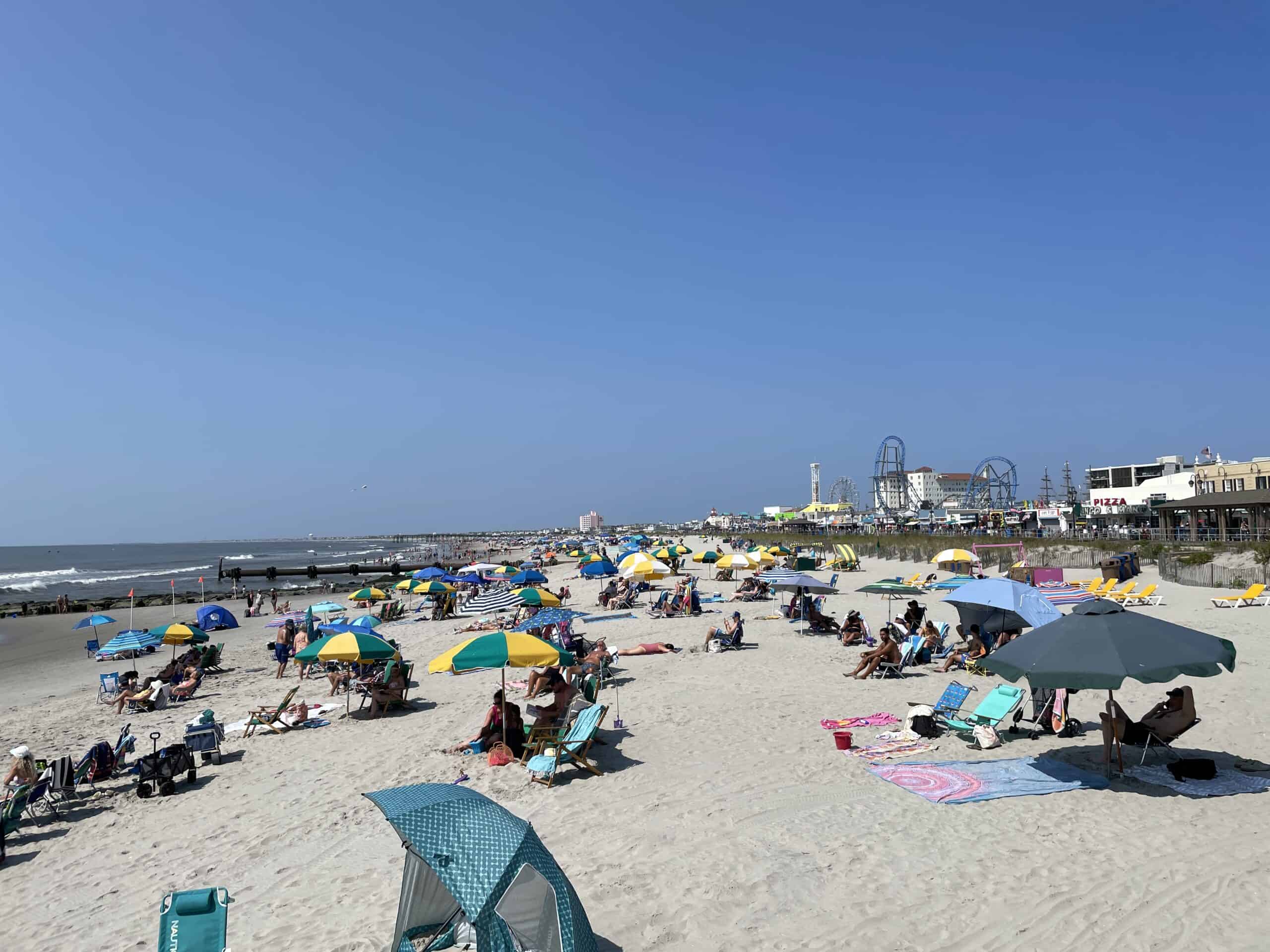
Ocean City calls itself Americas greatest family resort, a dry town with boardwalk rides, bikes, and morning donuts overlooking the surf. Underneath that nostalgia, recent school board elections backed by conservative pastors brought heated fights over curriculum, LGBTQ inclusion, and whose values should set the tone for students. Some parents cheer what they see as a return to basics; others worry that certain families are quietly being told they do not belong. The gap between the sunny slogan and quiet conversations keeps widening each school year. Teachers and students feel that strain long after beach crowds drive home.
Santa Rosa Beach, Florida
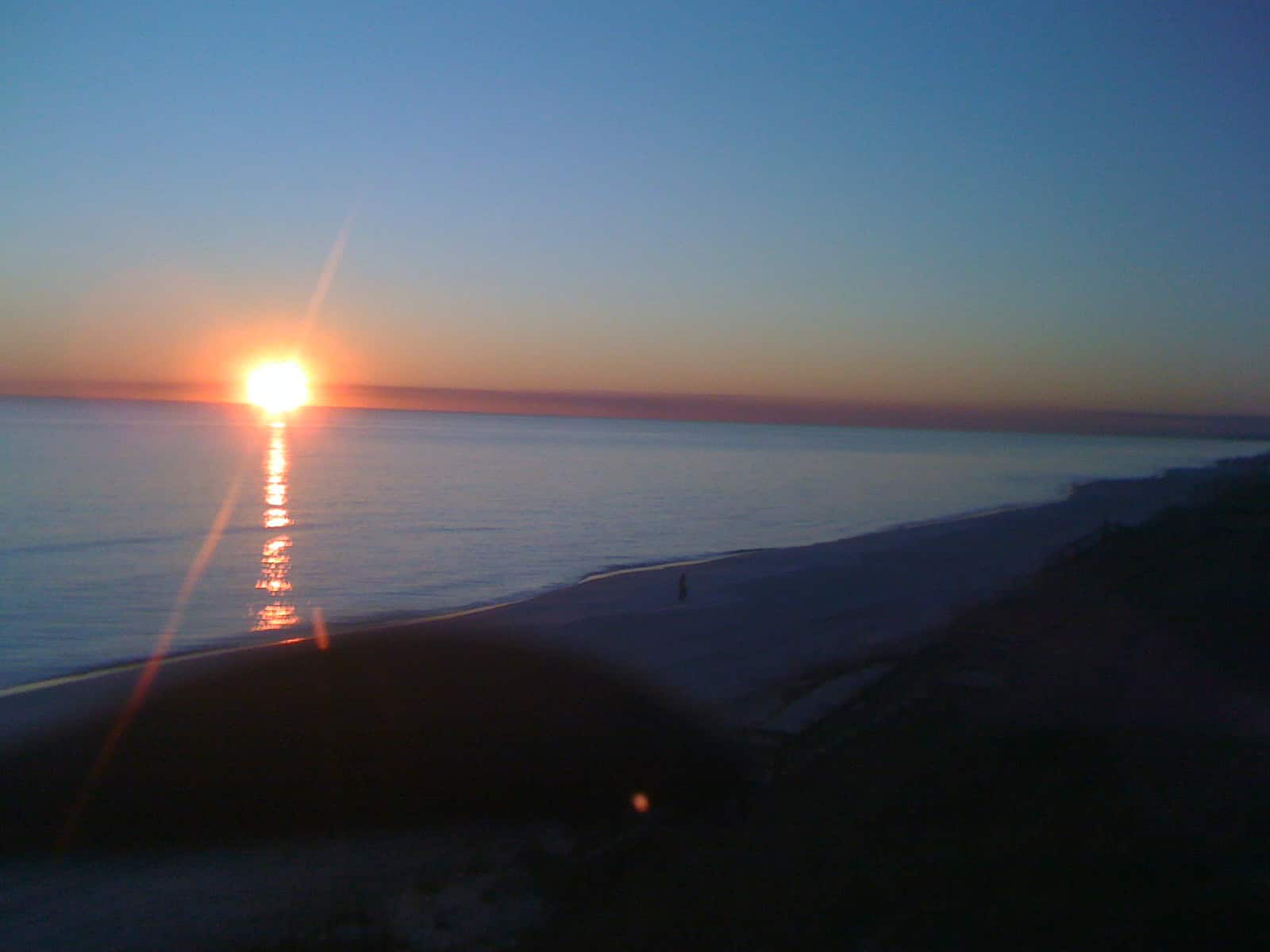
Santa Rosa Beach and the 30A corridor sell an almost unreal calm: pastel houses, food trucks, and carefully branded simple life vacations. That curated charm now exists alongside national warnings from civil rights groups about Florida policies that affect Black and LGBTQ travelers. One widely shared family road trip story captured the mix of joy in the landscape and unease about the wider climate. Locals who depend on tourism wrestle with how to acknowledge that tension without scaring guests or denying what some neighbors feel. The gulf looks soft and endless, even as trust feels much smaller.