We may earn money or products from the companies mentioned in this post. This means if you click on the link and purchase the item, I will receive a small commission at no extra cost to you ... you're just helping re-supply our family's travel fund.

Below is a comprehensive, travel-ready guide on what many careful travelers prefer to remove from their phones before entering China. The purpose isn’t fear, but preparation. Phone inspections are uncommon for most visitors, yet privacy, clarity, and compliance matter when crossing any international border. Clearing unnecessary material reduces misunderstandings, protects personal data, and makes travel simpler. These twelve categories go beyond quick tips and explain why they matter, weaving in real-world context, sensible caution, and helpful numerical perspective while keeping the writing genuine and human.
1. Politically Sensitive Photos, Chats, or Saved Posts

Political material rarely feels risky until you remember you’re crossing into a country with very different rules about expression and national security. Travelers who casually save memes, screenshots of protests, or critical articles often forget about them until it’s too late, especially when more than 2,500 photos usually sit quietly inside the average smartphone gallery. Removing politically charged conversations, banners, and satire creates fewer questions, because one misunderstood image can suddenly matter more than the other 99% of harmless personal content on your device.
2. Content Connected to Xinjiang, Tibet, Taiwan, or Hong Kong Protests
Many travelers naturally consume global news, documentaries, or personal opinions about sensitive regions, but it’s wiser not to carry archives of that media into immigration checks. Even neutral files can be read differently in a border environment built on strict security rules introduced after 2017 in several parts of China. Studies show that more than 60% of people rarely clean old downloads, meaning forgotten political PDFs, videos, and notes remain tucked away. Before flying, it’s smarter to delete rather than explain, because calm journeys often begin with a quieter phone.
3. Banned or Restricted Social Media Platforms and Related Data

Apps themselves are often not illegal, but mainland China blocks many international platforms while using a different digital ecosystem for daily life. Travelers regularly carry Facebook, Instagram, X, and Google-based services without noticing how much archived data sits inside them, sometimes storing logs stretching back 8 to 10 years. Officers are unlikely to check every device, yet if inspections occur, unfamiliar platforms can invite curiosity. Reducing unnecessary apps lowers risk, saves space, and prevents awkward questions, especially when the average user has 80 to 100 apps installed but consistently uses fewer than 25.
4. Strongly Encrypted Messaging Apps Without Clear Purpose

Encrypted apps such as Signal, Telegram, and similar platforms are popular for privacy, yet heavily encrypted communication can appear unusual in border environments. China regulates online communication closely, and unexplained encrypted threads, hidden chats, or secret folders may trigger longer questioning than ordinary SMS history. Digital research over recent years shows that more than 70% of people never delete old messages, meaning thousands of hidden conversations may quietly exist. If you truly need secure tools for work, keep only what is essential; otherwise remove them and reinstall later when comfortably inside the country.
5. Unnecessary VPNs and Suspicious Network Tools
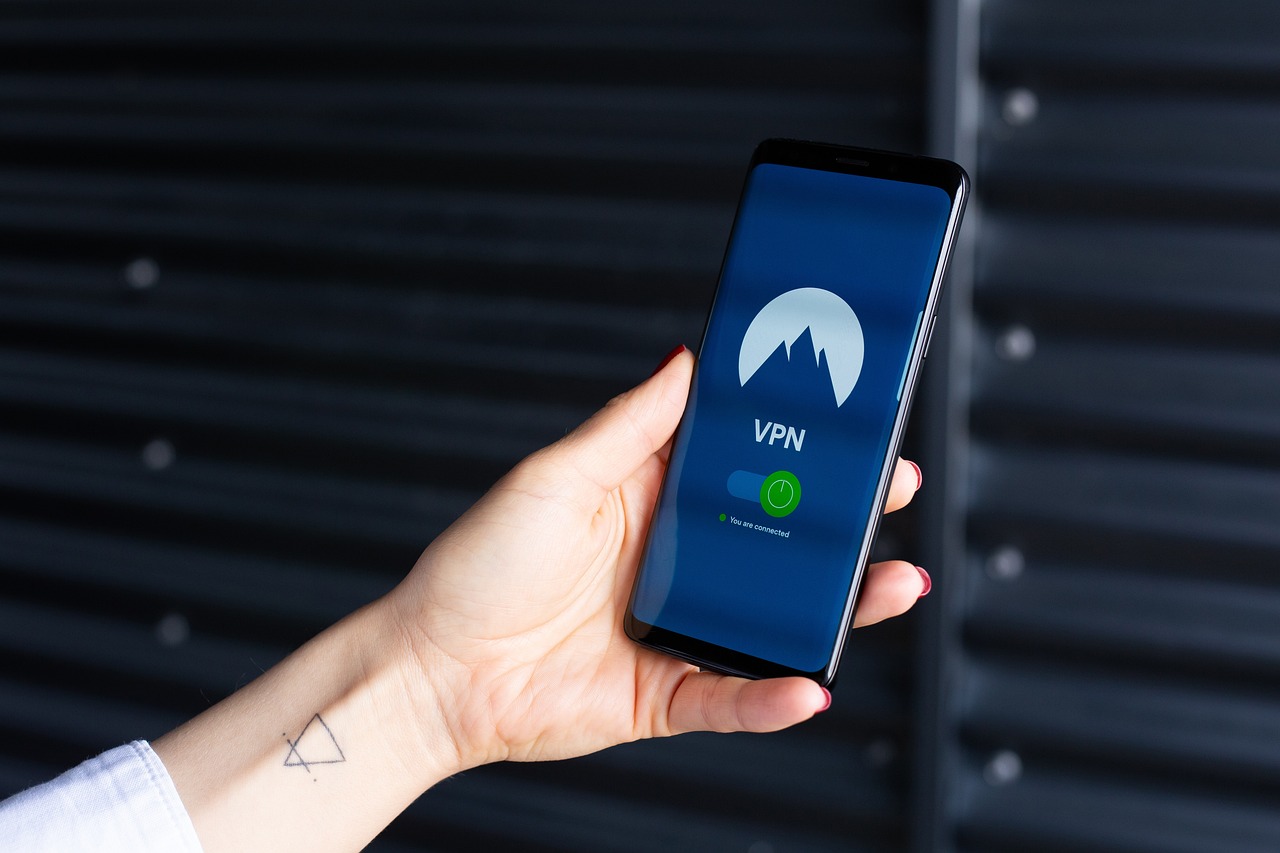
VPN laws in China are complex, with officially approved corporate VPNs generally tolerated while random personal ones exist in a legal gray zone. Travelers sometimes carry three or four VPN apps without remembering why they downloaded them, along with proxy tools and network bypass utilities. In 2019, Chinese authorities highlighted strengthened internet regulation, and their digital framework remains carefully monitored. Carry only officially approved company VPNs if required, and delete the rest. Fewer tools mean fewer explanations, fewer questions, and fewer potential complications during immigration screening in airports that process tens of millions of passengers yearly.
6. Confidential Work Documents and Sensitive Corporate Files

Bringing work material into another country sounds ordinary, yet unexplained corporate files—especially those involving technology, infrastructure, research, or government-related subjects—may attract attention. Many companies now advise employees to travel with “clean devices,” because one laptop or phone can quietly contain thousands of hidden files created over months of routine work. Since China introduced tighter cybersecurity rules after 2016, digital inspections can sometimes focus on unusual technical data. If something is valuable, confidential, or legally protected, keep it off your travel phone and access it securely later through approved workplace systems instead of physically carrying it.
7. Extremist, Radical, or Politically Agitated Religious Content

Regular religious materials like prayers, inspirational quotes, or cultural texts are normally harmless, but politically radical or extremist materials are not. Phones today store enormous digital histories; surveys suggest an average person keeps content spanning nearly 7 years across cloud backups and private folders. Anything suggesting organized agitation, radical lectures, or extremist symbolism could instantly be misinterpreted under China’s national security framework. Clearing questionable material before travel protects you, respects local regulations, and ensures your device reflects the peaceful, personal side of faith rather than content that feels confrontational or suspicious in a strict border setting.
8. Pirated Movies, Cracked Software, and Illegal Media Downloads

Many travelers casually download movies, music, and paid software without thinking too deeply about legality, especially when global piracy estimates sometimes mention hundreds of billions of illicit downloads annually. However, immigration checkpoints anywhere can question illegal digital property, and China has strict intellectual property rules publicly emphasized since in the mid-2010s. Old torrent files, cracked apps, and suspicious “modified” programs are unnecessary risks. Cleaning your library before travel not only avoids uncomfortable explanations but also declutters devices already storing between 50 and 200 GB of random entertainment most people barely remember downloading.
9. Gambling Apps, Adult Content, and Extremely Private Personal Media

Every traveler deserves privacy, but borders are controlled spaces, and officials may check devices under specific circumstances. Gambling apps, explicit videos, or extremely personal content may not always be illegal, yet they are deeply uncomfortable to explain in front of uniformed officers. Surveys repeatedly show that nearly 45% of people save intimate material without proper organization, leaving it surprisingly easy to stumble upon during inspection. If you wouldn’t want a stranger seeing it, delete it or store it securely elsewhere. A calmer journey often begins with fewer personal surprises hiding inside your gallery.
10. Spy-Style Utilities, Tracking Software, and Hidden Recording Tools

Phones used for experimentation sometimes contain data sniffers, Wi-Fi trackers, call recorders, Bluetooth scanners, stealth cameras, or “monitoring” utilities marketed as privacy tools. In a country where digital security policies are taken seriously, unexplained surveillance-style software can instantly appear suspicious. Even universities often warn students not to carry sensitive cybersecurity tools when traveling abroad, and some estimates suggest more than 30% of tech-savvy users download at least one experimental monitoring app during their lifetime. Before entering China, delete anything that looks like hacking equipment and keep your device looking like an everyday personal phone.
11. Old Downloads, Forgotten Screenshots, and Random Saved Files

Most of us underestimate how much digital clutter we carry, from PDFs saved in 2018 to screenshots of arguments from years ago. Studies show that average smartphone users rarely delete data, leading to over 10,000 personal files quietly stored across folders, chats, and cloud sections. Any one of those could spark confusion if unexpectedly viewed. Before travel, perform a deep cleanup: remove outdated boarding passes, weird notes, archived news, embarrassing accidents, or anything that complicates explanations. A lighter phone not only protects privacy but also runs faster, freeing storage often already above 80% capacity.
12. Anything You Would Struggle to Explain Calmly to an Officer
The simplest guideline is also the most powerful: if a border official asked why you possess something and your heart rate would jump above 120 beats per minute, consider deleting it. International travel already brings enough stress with lines, visas, and luggage checks. Phone inspections remain relatively rare, but preparation matters when millions of travelers pass through Chinese airports annually. Keep only what you truly need for navigation, communication, and memories. When your device reflects everyday life rather than controversy, the entry process generally feels smoother, quieter, and reassuringly uneventful.