We may earn money or products from the companies mentioned in this post. This means if you click on the link and purchase the item, I will receive a small commission at no extra cost to you ... you're just helping re-supply our family's travel fund.

Rest areas were built for one thing: keeping tired drivers from pushing their luck. In 2026, that simple mission runs into a patchwork of state rules that set time limits, ban camping, and still make room for a few hours of real sleep behind a locked door. Some states treat rest stops like short breathers. Others quietly allow an overnight reset, as long as the space stays available for the next car that pulls in. Posted signs and local closures still shape what happens on the ground.
California
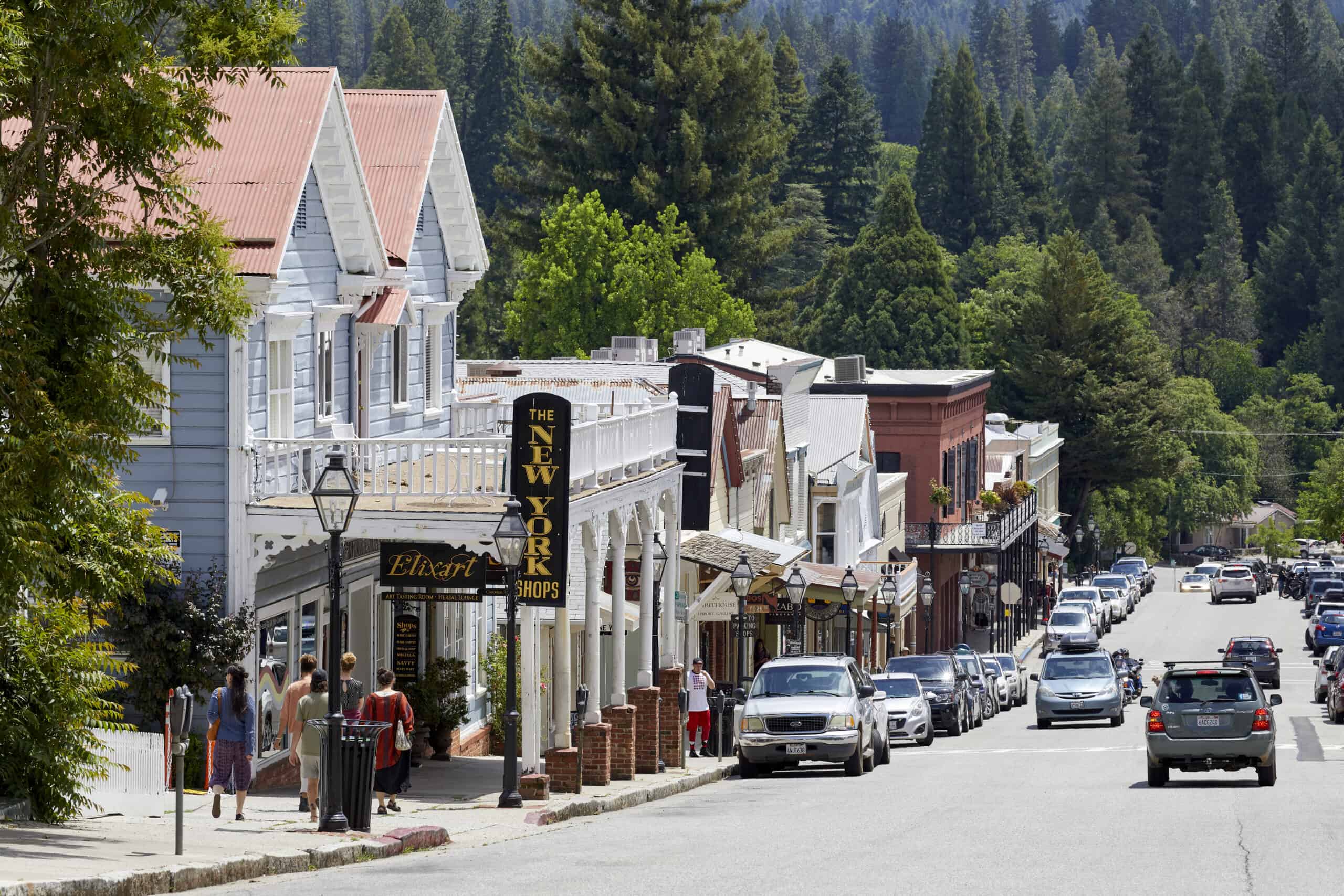
California spells it out in regulation: highway rest areas exist for brief recovery, and camping is off the menu, even if the parking row feels calm after midnight and the ocean air makes sleep tempting. The stop limit is 8 hours, enough for real sleep, a reset, and a safer merge back into fast lanes, but not enough to claim a corner near the bathrooms as a semi-permanent address. Enforcement varies by site, yet the intent stays consistent: keep turnover steady for the next tired family, reduce trash and improvised cooking, and treat the stop as a safety valve that serves everyone passing through, from truck drivers to weekend wanderers.
Oregon
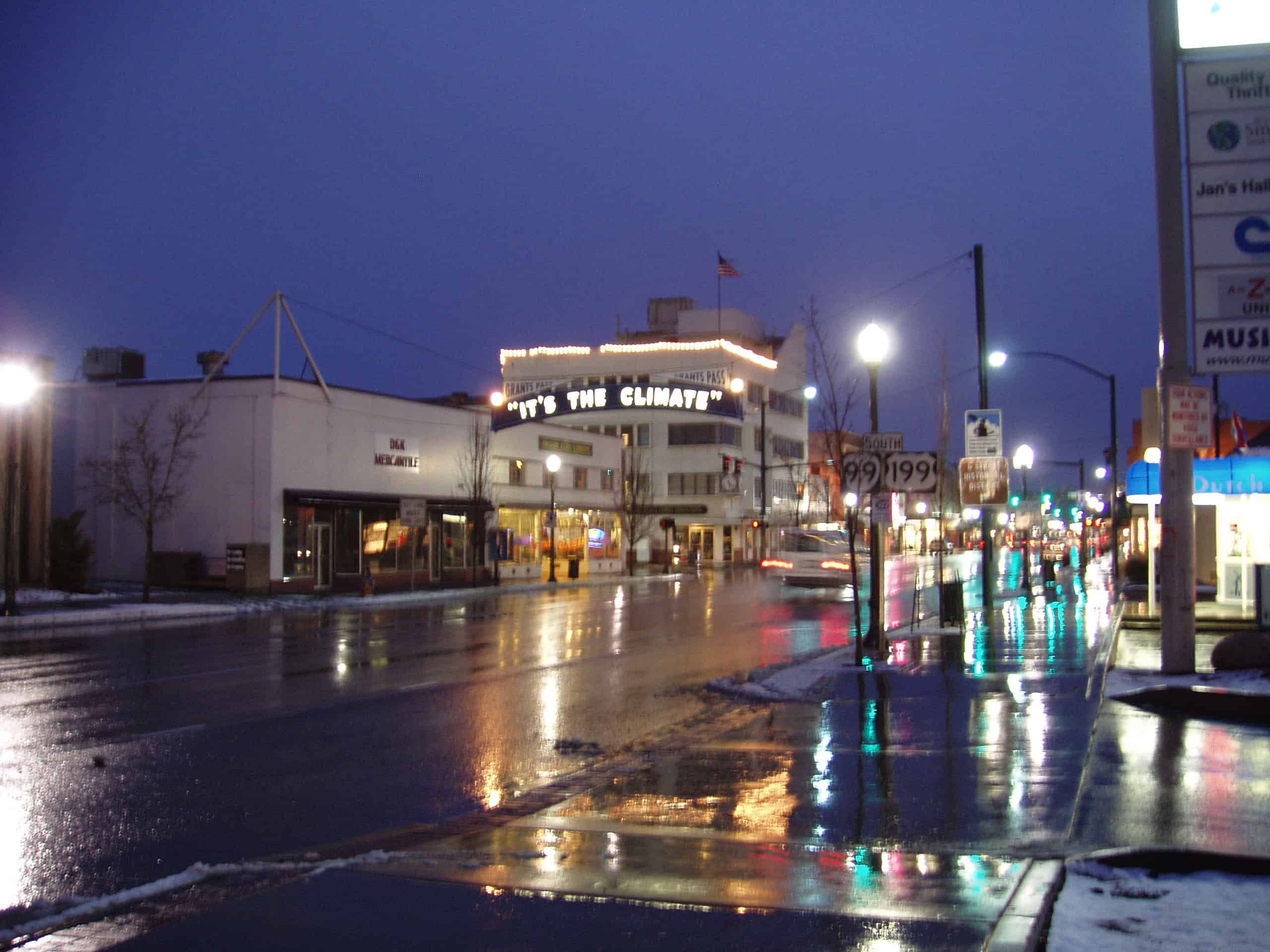
Oregon’s rest areas are blunt about the boundary between rest and camping, especially on corridors where truck noise, fog, and winter weather make fatigue feel inevitable. The statewide rule allows stays of up to 12 hours, but it bars camping behavior, including open fires, cooking, pitching tents, or turning picnic tables into a personal dining setup that attracts litter and wildlife. The approach protects the sites from smoke, grease, and long-term parking while still letting drivers sleep inside a vehicle, use the restroom, and rejoin the highway with clearer focus after real rest, even when the next town is far off in the Cascades.
Idaho
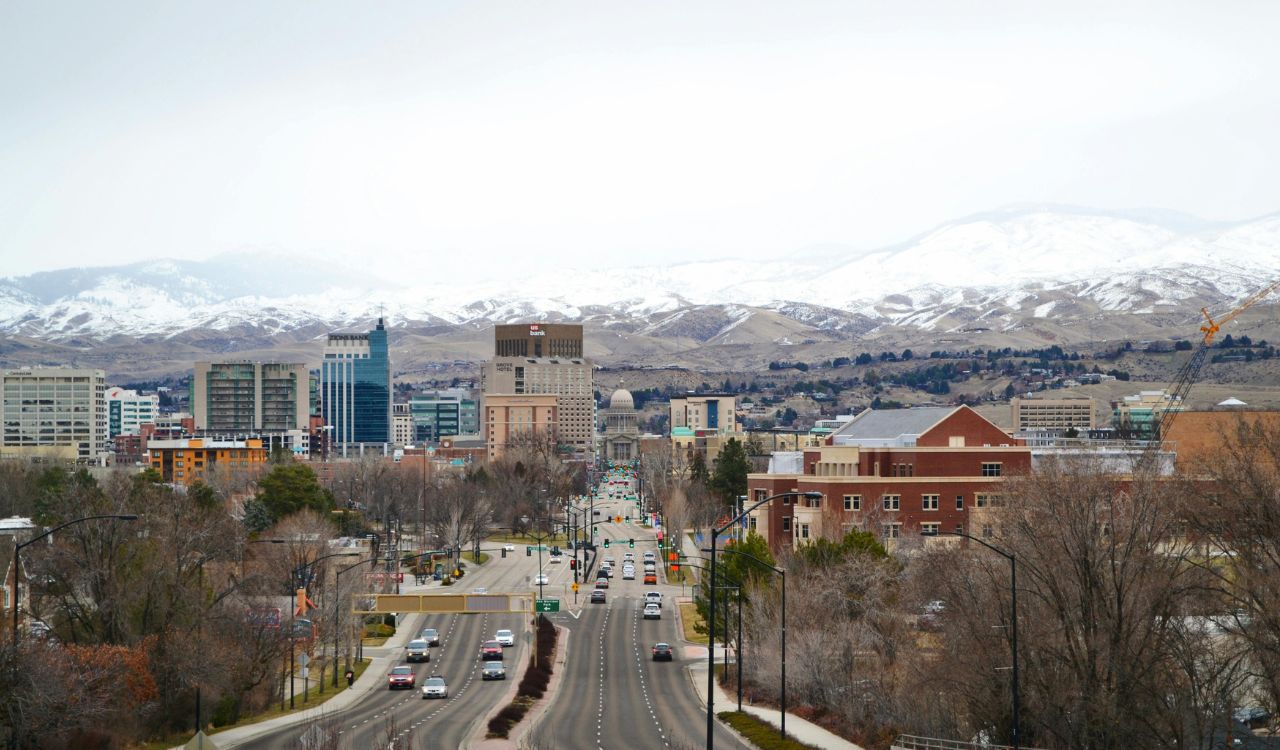
Idaho sets different limits depending on the roadway, a practical detail in a state where long distances meet sudden weather, mountain grades, and fast-moving night temperatures. Interstate rest areas generally cap continuous occupancy at 10 hours, while non-interstate sites allow up to 16, and both limits sit alongside rules that prohibit camping and off-vehicle living setups. The result is a clear compromise: enough time for real sleep when a pass turns icy, enough turnover to keep stalls available, and fewer problems with fires, trash, and long-term parking that can overwhelm smaller facilities from the Panhandle to the Snake River Plain.
Nevada
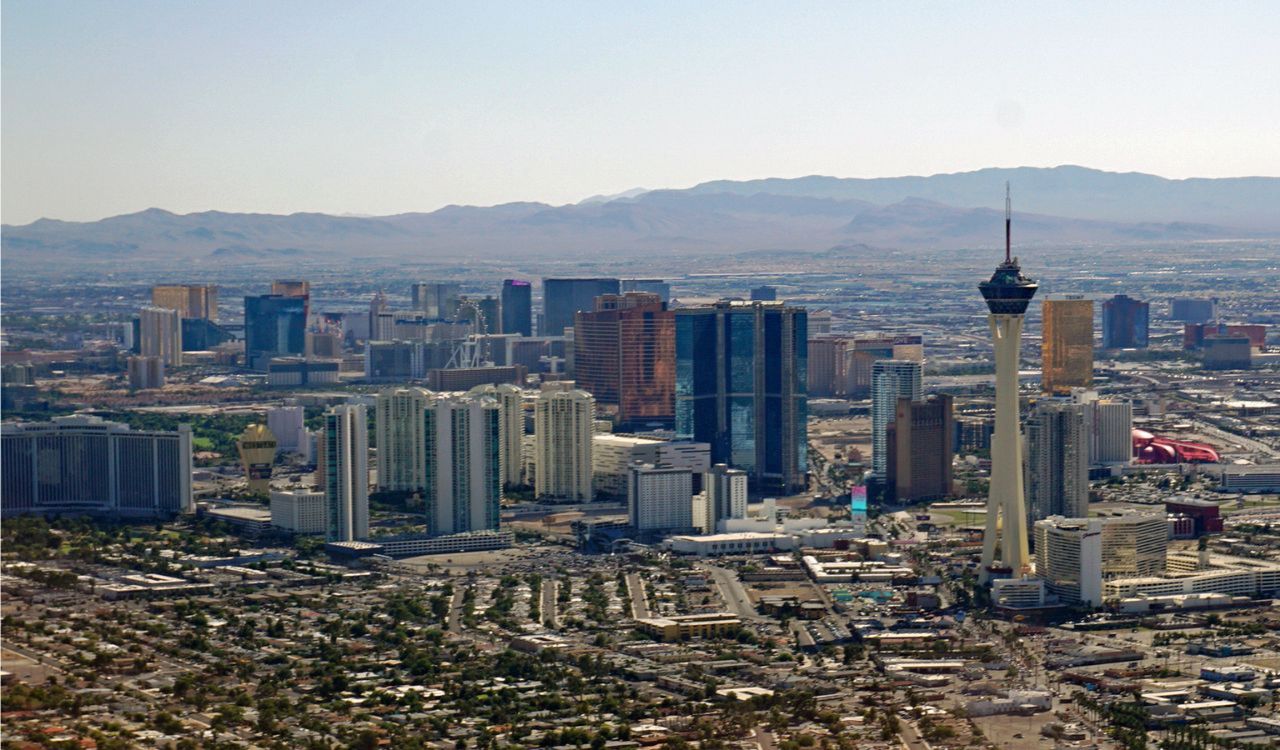
Nevada’s rest area rule reads like a guardrail for a state built on long, empty miles between small towns, distant exits, and stretches where cell service comes and goes. State regulations limit a stay to 18 hours in any 2-week period at a given rest area, which discourages repeat long-term use while still allowing an honest overnight pause when the road starts blurring. It is paired with a clear expectation that the stop stays low-impact: no turning stalls into campsites, no lingering day after day, and no blocking the scarce spaces meant for the next tired driver cutting across the desert on routes like I-80 or I-15 under harsh sun.
Kansas

Kansas gives travelers a generous window, but it still draws a bright line around long-term parking, especially near interstate corridors that see steady truck traffic. State regulations prohibit parking for more than 24 hours at safety rest areas, which makes an overnight sleep possible without letting the lot turn into storage for unattended vehicles, makeshift camps, or day-after-day occupation. The rule fits the state’s wide-open driving rhythm. When the sky turns black and the wind picks up across farm country, the rest area stays what it was meant to be: a temporary pause with lighting, bathrooms, and a clear expectation of moving on.
New Mexico
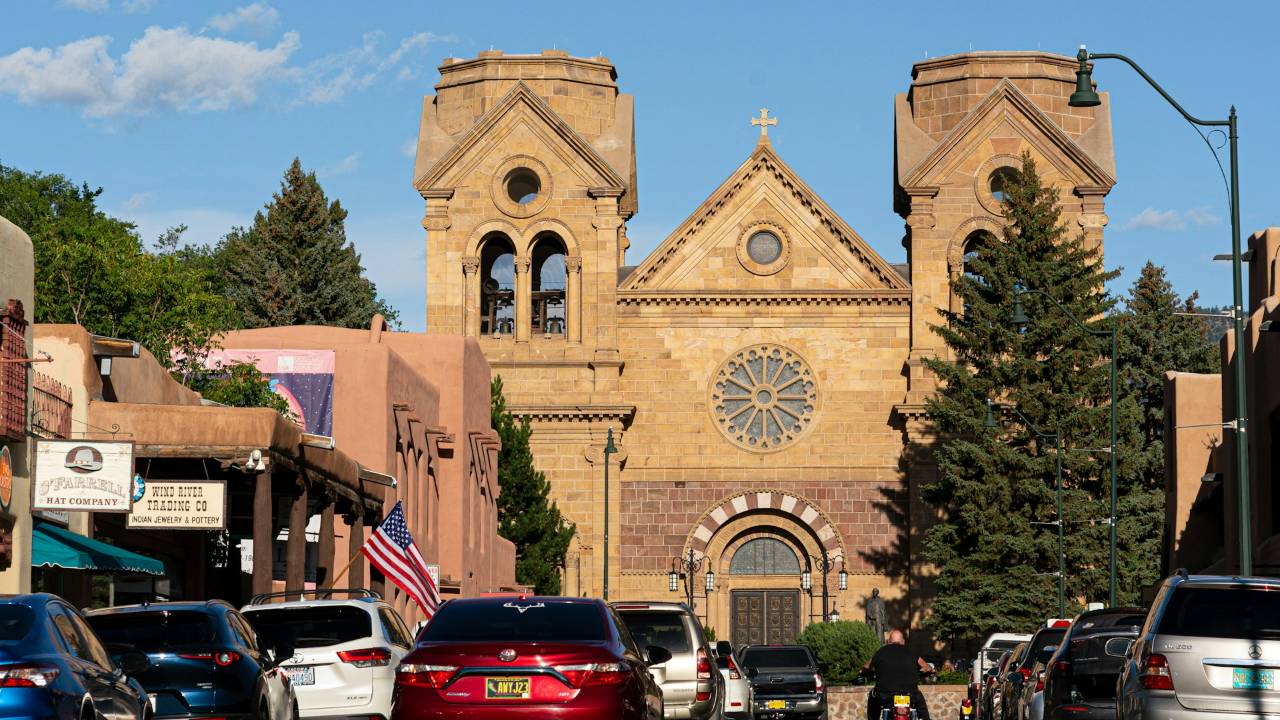
New Mexico treats its rest areas as true safety infrastructure, not an informal campground network, and the language in state law reflects that bluntly. It is unlawful to remain at a safety rest area for more than 24 hours, a rule that makes a full night of sleep realistic but blocks the slow slide into long-term residence, storage, or repeated multi-day stays. The balance matters on desert highways where distances are long, winds can rise without warning, and services can feel far apart. Along routes like I-10 and I-40, a well-lit stop becomes a reset point at 2 a.m. that still belongs to the next traveler who needs it, without debate.
Montana

Montana’s rest areas feel like the frontier version of hospitality: simple, quiet, and built for highways that can run for hours between meaningful services, especially along I-90 and I-94. State guidance allows overnight parking but limits stays to 12 hours, and it pairs that welcome with a no-camping rule that keeps tents, campfires, and long-term gear setups out of the lot. The structure of the rule makes sense in big-sky country. When snow starts blowing sideways, a warm car and a legal rest window can turn a risky night drive into a calmer morning start, without letting the rest area become someone’s address for the season, in practice.
Washington
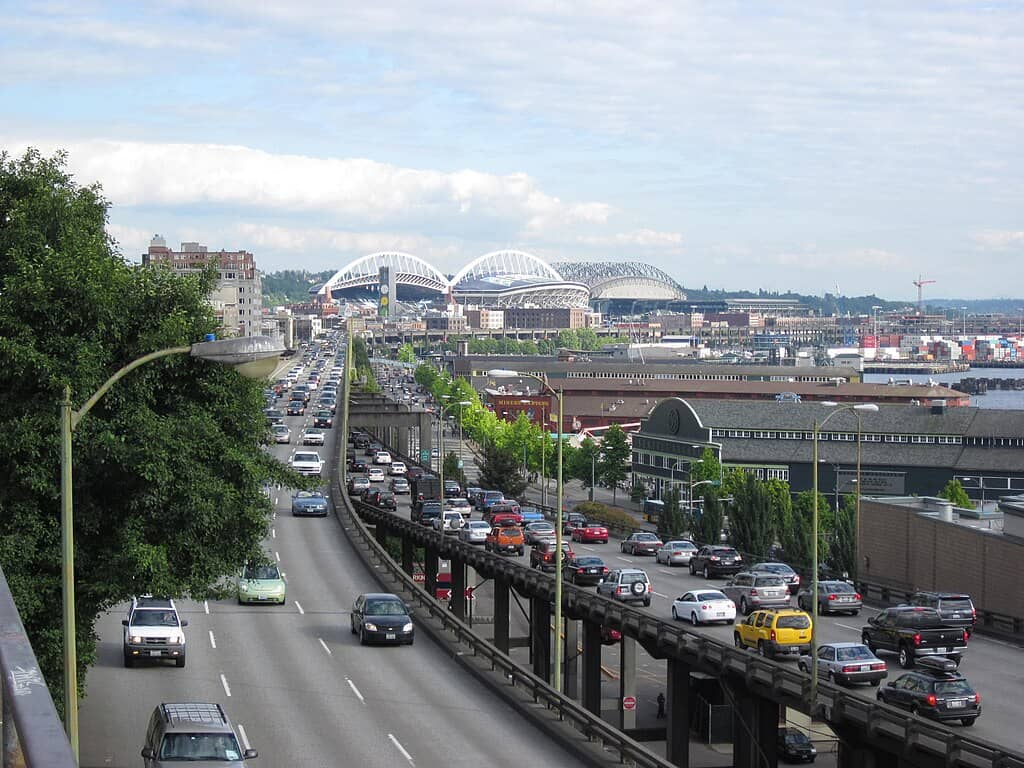
Washington puts its limit into law: a vehicle generally may not occupy a rest area for more than 8 hours in any 24-hour period, even if the lot looks empty after dark. The rule keeps turnover moving on corridors, but it still leaves enough time for sleep, coffee, and the quiet moment that resets attention before traffic, rain, and headlights start feeling hypnotic. It also fits the state’s terrain and enforcement style, with rest areas treated as safety infrastructure. Camping behavior is discouraged, and the expectation is simple: rest, recover, and leave the space ready for the next driver coming in from the Columbia River to Puget Sound.
Utah
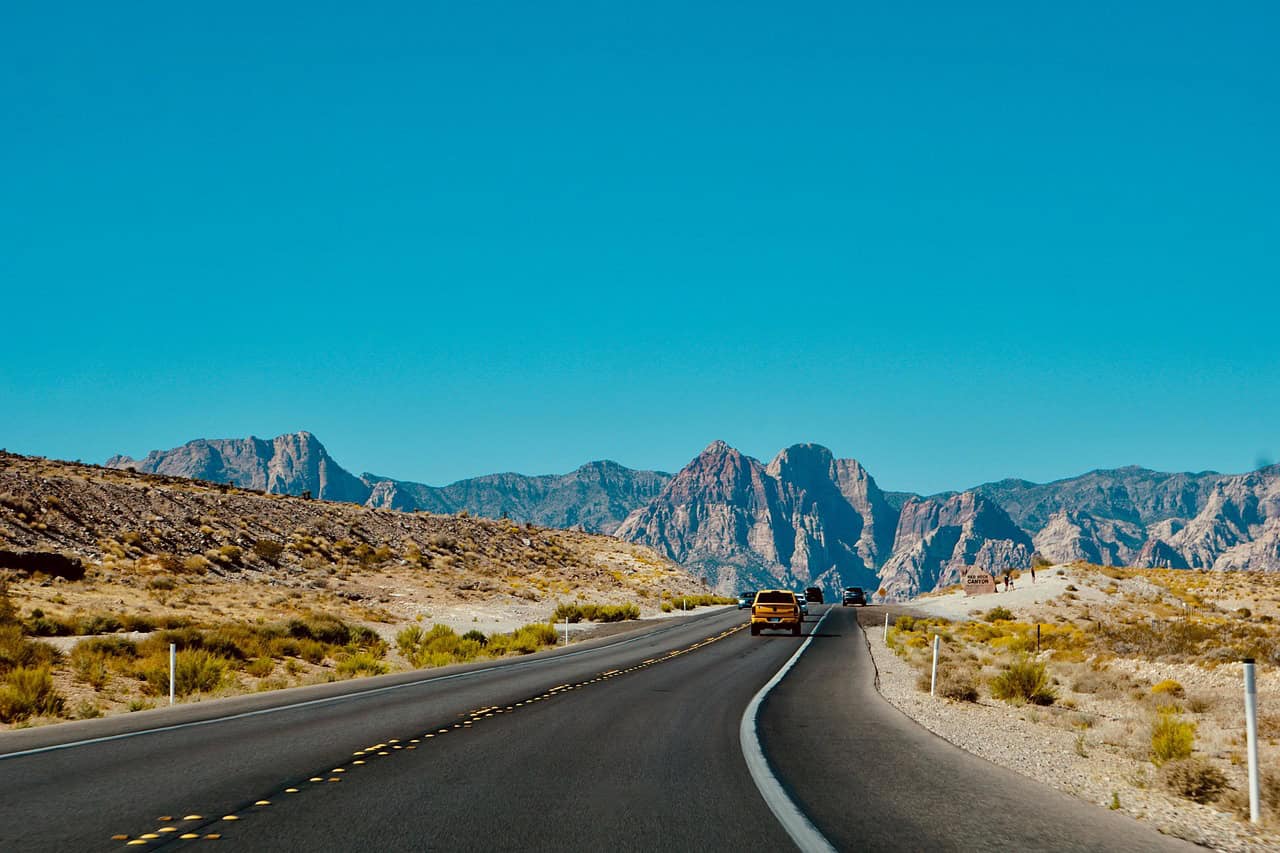
Utah’s guidance takes a practical tone and stays simple. Rest areas allow extended stays, but overnight camping is not permitted, which draws a line between sleeping in a vehicle and turning an interstate pullout into a campsite. The distinction matters on long desert routes and high-elevation drives, where fatigue can arrive quietly, weather can change fast, and the nearest town might be far enough away to make pushing on a bad idea. In practice, the rule leaves room for a late-night reset while protecting the basics that keep rest areas usable: clear parking lanes, clean facilities, and a steady flow instead of long-term occupation.
Minnesota

Minnesota’s policy focuses on short, restorative breaks rather than overnight parking. MnDOT notes that, where posted, noncommercial vehicles may stop at a rest area for up to 4 hours, while commercial drivers can have longer windows tied to safety needs. The limit can feel tight on long winter drives, especially when snow slows traffic and a warm car becomes the easiest refuge, but the state’s goal is turnover and access, not comfort. It is a rhythm built for shared infrastructure: a few hours to sleep, breathe, and regroup, then space for the next family, nurse, or late-shift worker crossing the state on I-94 after midnight in the dark too.
Illinois

Illinois keeps rest areas firmly in the quick-stop category, with rules designed to prevent long-term parking from swallowing limited space. State regulations generally limit a stop at a safety rest area to 3 hours, a window that supports a nap and a reset without encouraging anyone to treat the facility as an overnight lot or a place to spread out chairs and gear. The policy is practical on freight-heavy interstates, where turnover protects access for drivers arriving in waves, especially during holiday traffic. It also reinforces a simple civic trade: a safe pause for fatigue, then a clear exit for the next set of headlights.
Florida

Florida’s rest areas are open, but the clock still matters, and the state spells out its limits in administrative rules. Public users are generally limited to 3 hours at a safety rest area, while commercial vehicles can have longer windows, often up to 10 hours, a split that recognizes fatigue management without letting lots turn into overnight parking fields. The rule reflects heavy year-round traffic, where one vehicle staying too long can ripple into lines for stalls, crowded ramps, and messy cleanup. It still leaves space for sleep, a stretch, and a calmer return to the highway before heat and glare grind down attention by noon.