We may earn money or products from the companies mentioned in this post. This means if you click on the link and purchase the item, I will receive a small commission at no extra cost to you ... you're just helping re-supply our family's travel fund.

Boycotts used to feel like a blunt instrument, but faith-based travel planners have learned to wield them with precision. In 2026, retreat directors, pilgrimage organizers, and conference committees are weighing not just budgets and flight times, but whether a destination aligns with a community’s ethics. Sometimes the pressure targets a law. Sometimes it targets a contract clause. Either way, the decision often lands in the quiet work of booking rooms, canceling deposits, and explaining why a familiar state no longer feels like neutral ground.
Florida
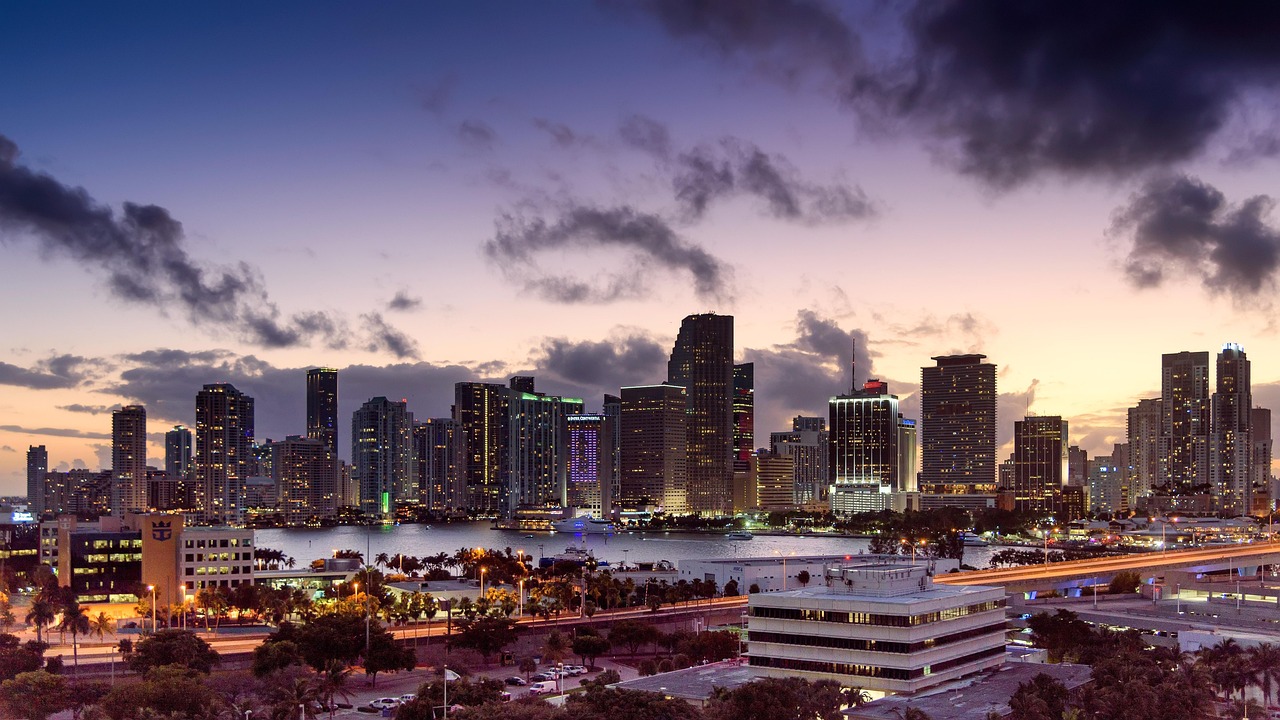
Florida has long been a litmus test for religiously driven travel decisions, with church networks urging members to reroute conventions and group tours when state politics feel like a moral line. In 2013, the National Black Church Initiative called for a Florida boycott, framing tourism spending as leverage rather than leisure. That precedent still shadows 2026 planning because a destination can flip overnight from sunshine and fellowship to a denominational fight about witness, money, and public accountability.
Indiana
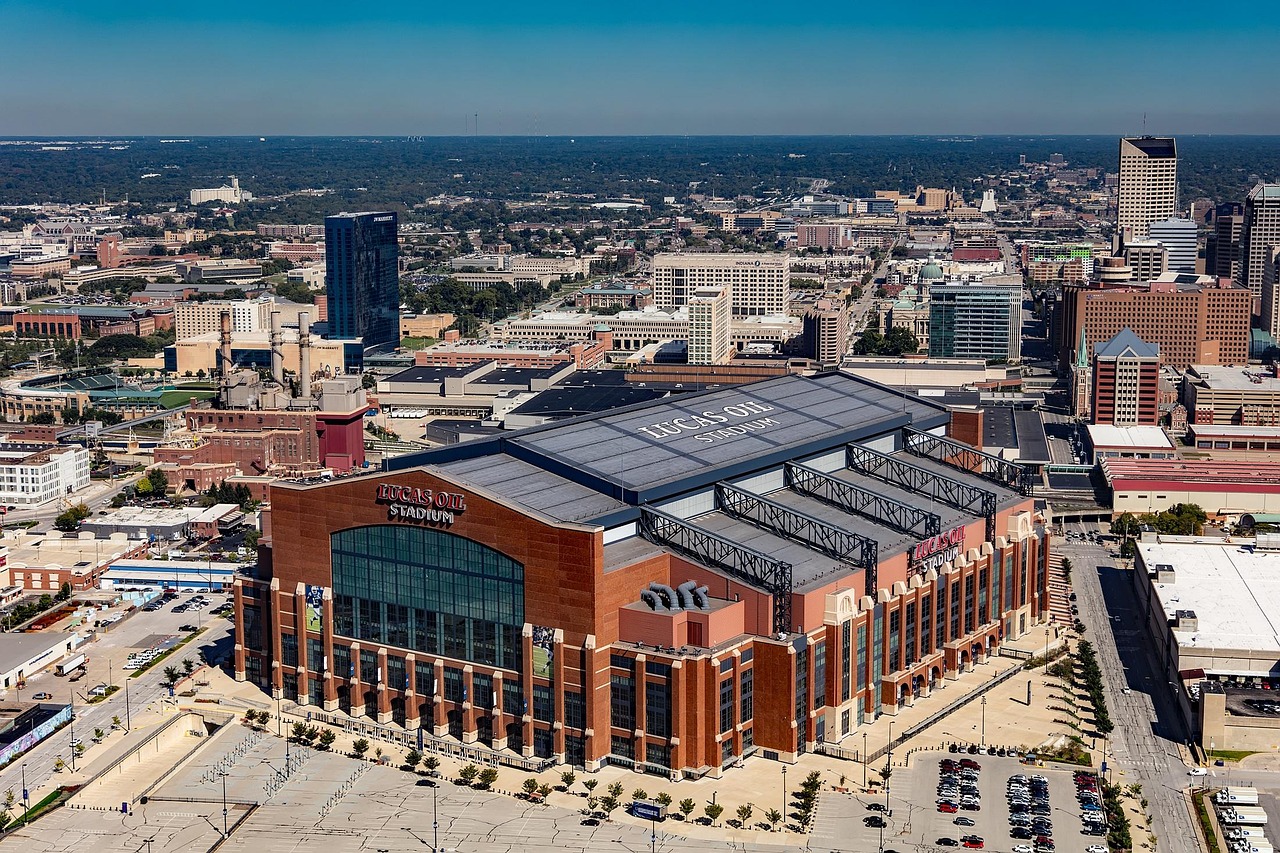
Indiana is often cited in church travel meetings as the state where a values debate turned into a logistics crisis almost overnight. After the 2015 RFRA fight, the Christian Church (Disciples of Christ) voted to move its 2017 General Assembly out of Indianapolis, a decision rooted in fears that visitors could be denied services in ordinary places like restaurants or hotels. In 2026, planners still trade that story like a cautionary parable: a convention center can be perfect, the hotel rates fair, and the flights easy, yet one law can change the emotional temperature. For many groups, avoiding that tension is worth a longer route.
Source
North Carolina
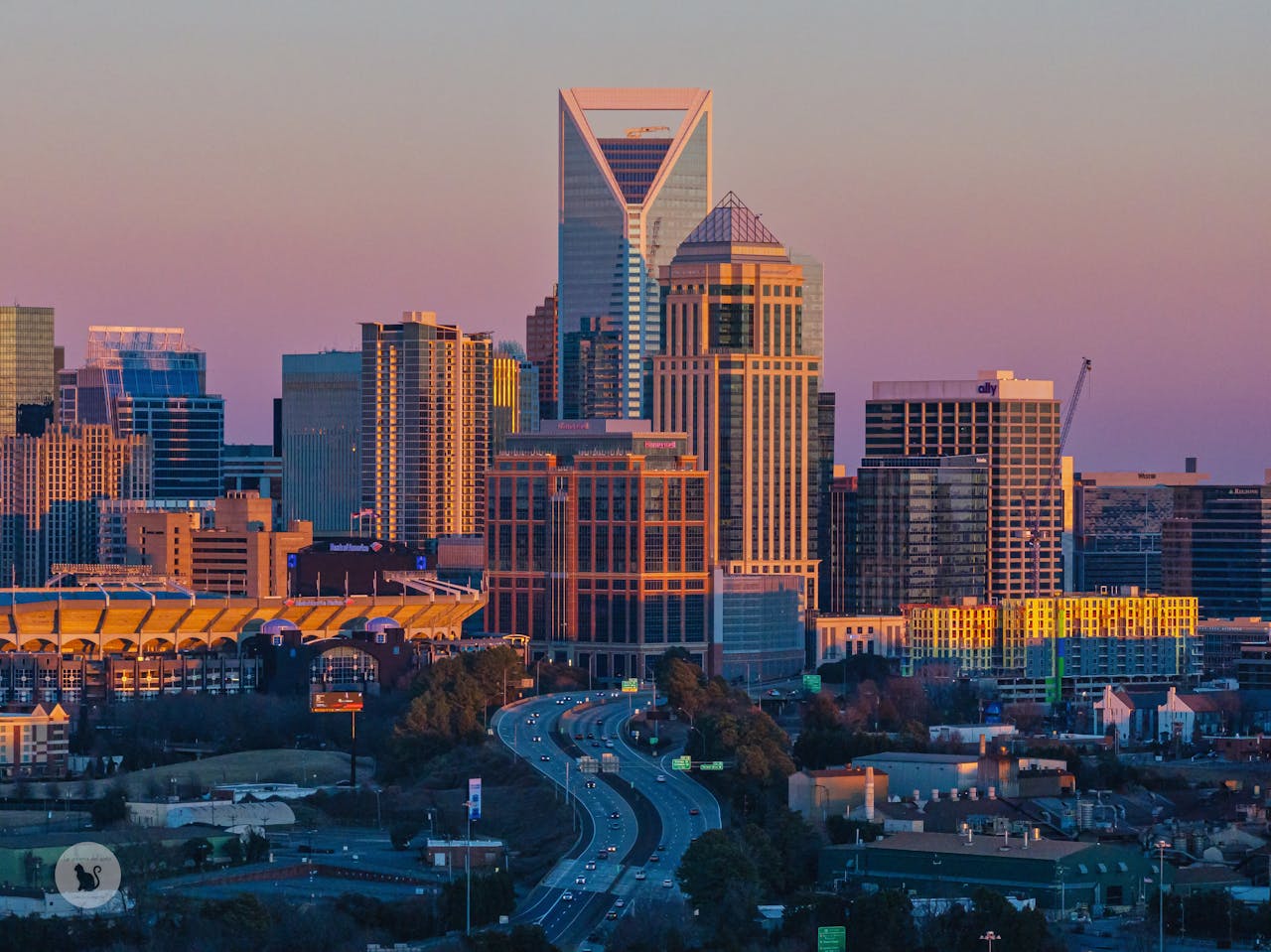
North Carolina’s culture-war cycles have repeatedly collided with denominational travel calendars, turning routine meetings into moral decisions with real cancellation fees. During the HB2 backlash, United Methodist Women shifted leadership training out of Charlotte, saying the law clashed with commitments to welcome and justice. Faith-based professional groups also publicly wrestled with whether gathering in-state looked like endorsement or engagement. That tension lingers into 2026, because conference choices are remembered longer than keynote speeches.
Georgia

Georgia shows how a boycott can start as a moral appeal and quickly spill into travel planning for churches, choirs, and conventions that depend on local sponsorships. In 2021, AME leaders and other faith voices called for a boycott linked to the state’s voting law, aiming pressure at major Georgia-based brands and the economic network around them. Even when the target is corporate, the ripple hits hotels, flights, and event blocks, keeping Georgia a recurring flashpoint in 2026 scheduling conversations.
Tennessee

Tennessee’s faith-linked backlash often shows up as venue disruption, where a trip is planned for months and then rerouted in days, with congregations left holding the bill. In 2024, a pro-Israel Christian gathering near Nashville was canceled by a hotel before being relocated after reported threats and pressure campaigns. Tennessee has also seen controversial meetings moved into churches after hotels backed out amid complaints, making 2026 planners treat the state as a high-visibility stop where logistics can become a headline.
Texas
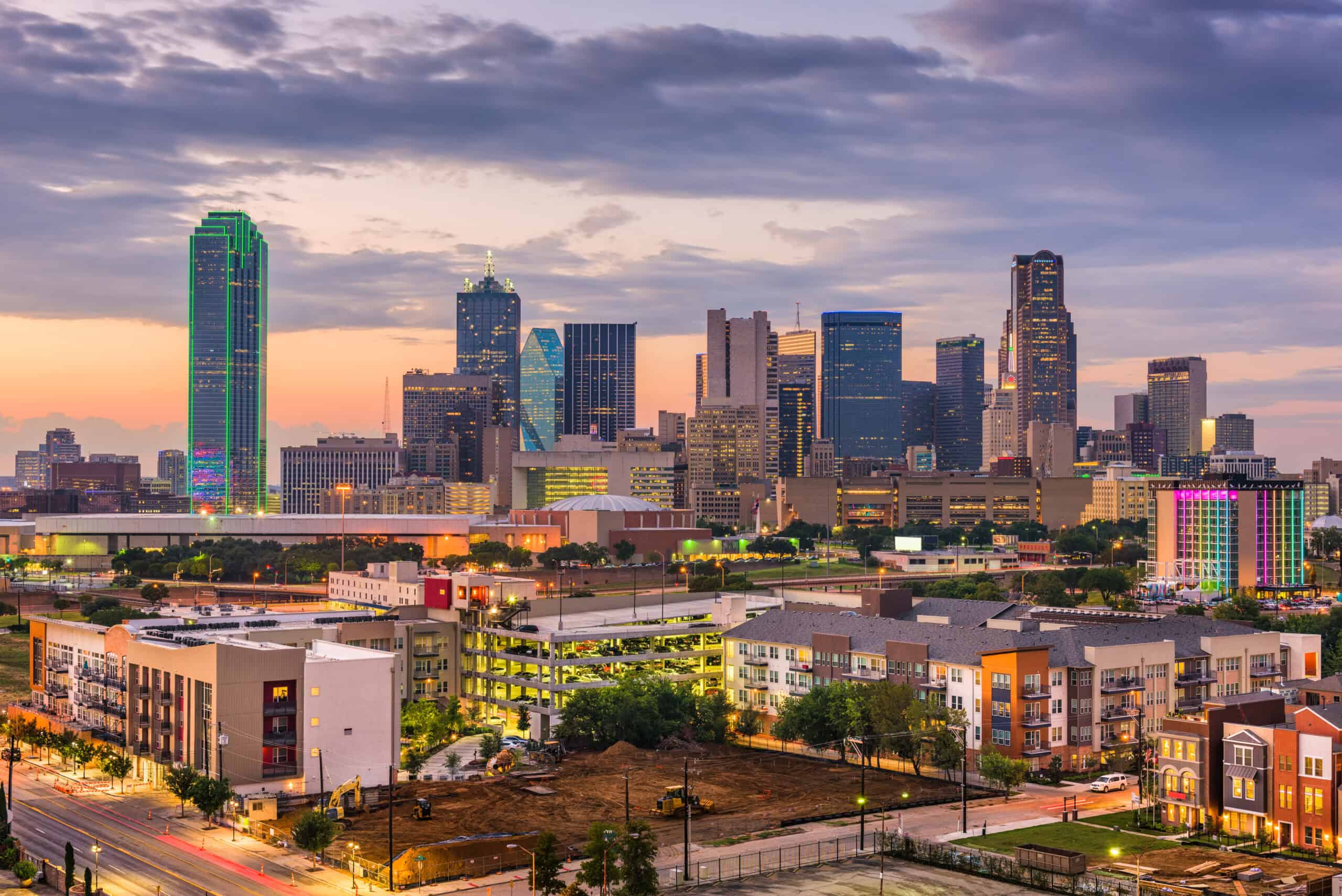
Texas sits at the intersection of faith travel and political heat, where security, speech, and identity can all become trip-ending issues for large gatherings. AP reported that a Texas conference was canceled by a hotel amid organized pressure campaigns tied to the Israel-Hamas war climate, showing how quickly organizers can lose a venue even with contracts in hand. At the same time, Texas churches have helped drive major consumer boycotts, shaping where groups feel safe, welcome, and proud to spend money in 2026.
Virginia

Virginia’s boycott dynamics show that faith-based travel friction is not limited to one ideology, but to moments when an event becomes a lightning rod. The same AP reporting described a major CAIR banquet in Arlington canceled by a hotel after a barrage of calls and threats, forcing organizers into contingency planning. For religious groups, that kind of instability turns destination into risk assessment overnight, and in 2026 planners weigh not only laws, but the likelihood of disruption that can endanger attendees.
Arizona
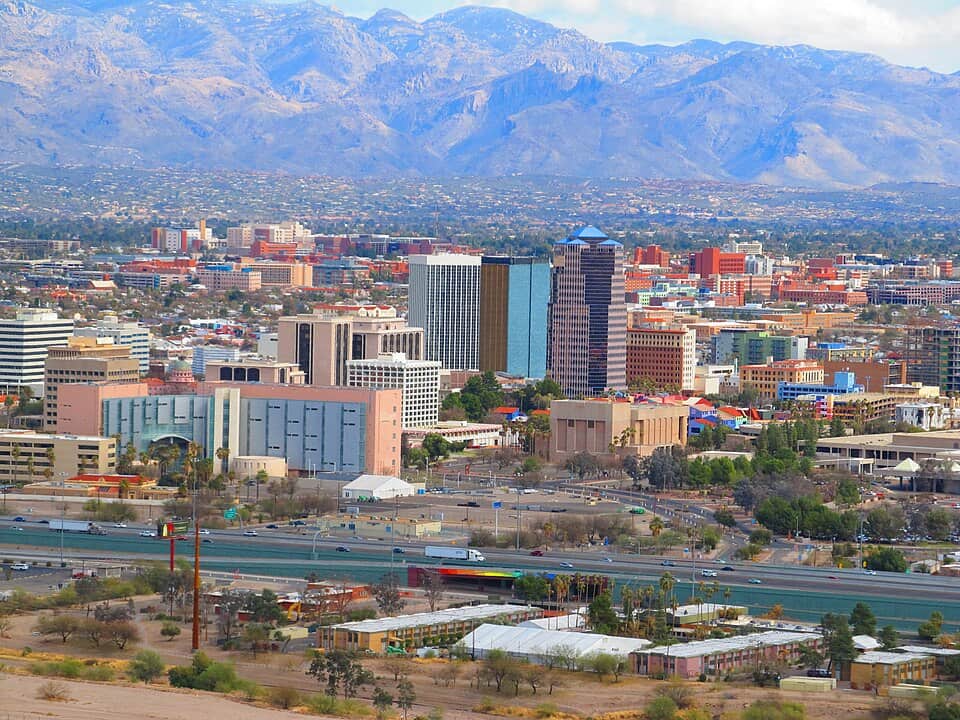
Arizona remains a reference point for faith communities weighing whether travel dollars can help fight, or fuel, a policy fight that feels personal. After SB 1070, Unitarian Universalists passed emergency actions condemning the law and urging members to organize against copycat measures, and the wider boycott era rattled convention planners across the country. In 2026, Arizona still comes up in site talks as shorthand for how quickly one statute can redefine a destination’s reputation, even when the scenery stays stunning.
Mississippi
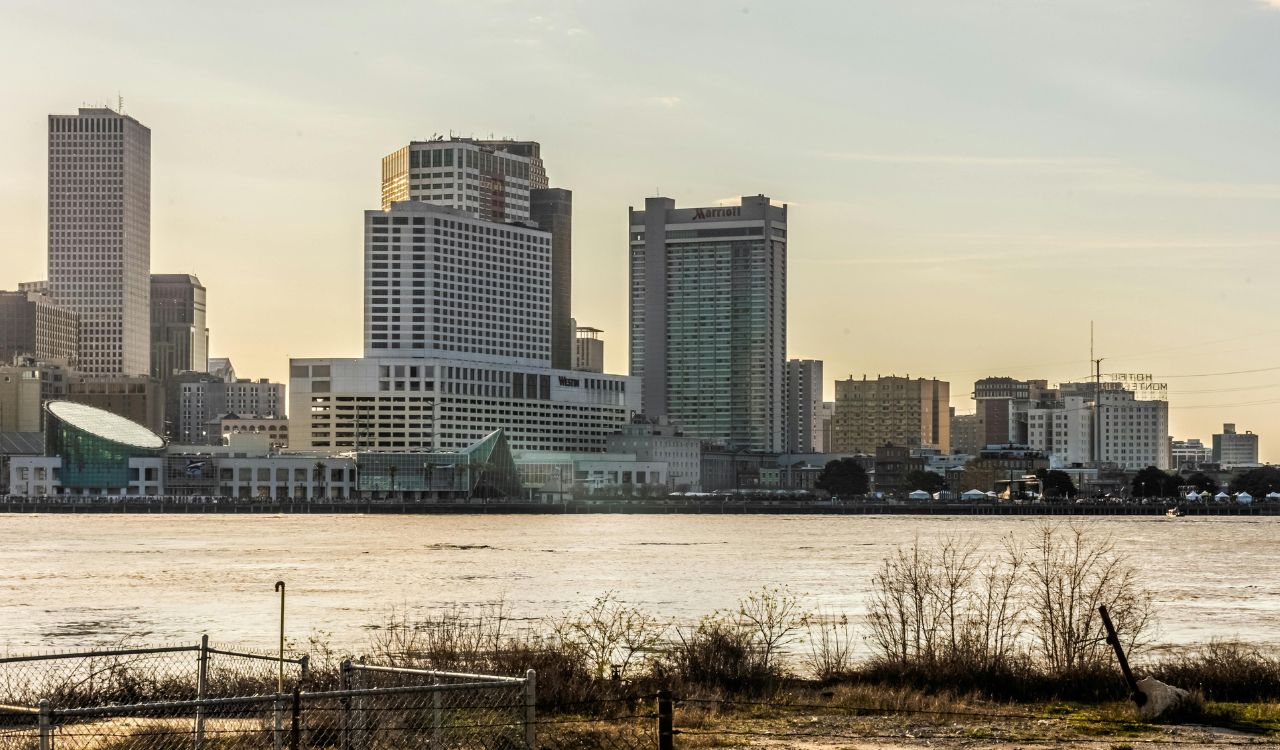
Mississippi’s clashes over religion and civil rights have repeatedly sparked scrutiny that bleeds into where groups meet and spend. After HB 1523, the controversy drew protests and warnings about discrimination, and travel dollars were framed as either support or protest depending on the faith community. Mississippi also appears in broader legal fights involving Catholic-affiliated groups and abortion-related accommodation rules, keeping the state in values-driven headlines. In 2026, planners treat Mississippi as a place where one policy can dominate the entire trip narrative.
Louisiana

Louisiana’s strict abortion landscape has become a practical barrier for groups that travel with staff, volunteers, or students, especially when medical access is part of duty-of-care planning. Reuters highlighted Louisiana as a key front in legal challenges brought by Catholic-affiliated groups over abortion-related workplace accommodation rules, underscoring how faith, law, and mobility are intertwined. In 2026, some faith-based travel planners avoid Louisiana not for symbolism, but for risk management: what happens if someone needs care mid-trip.
Maryland
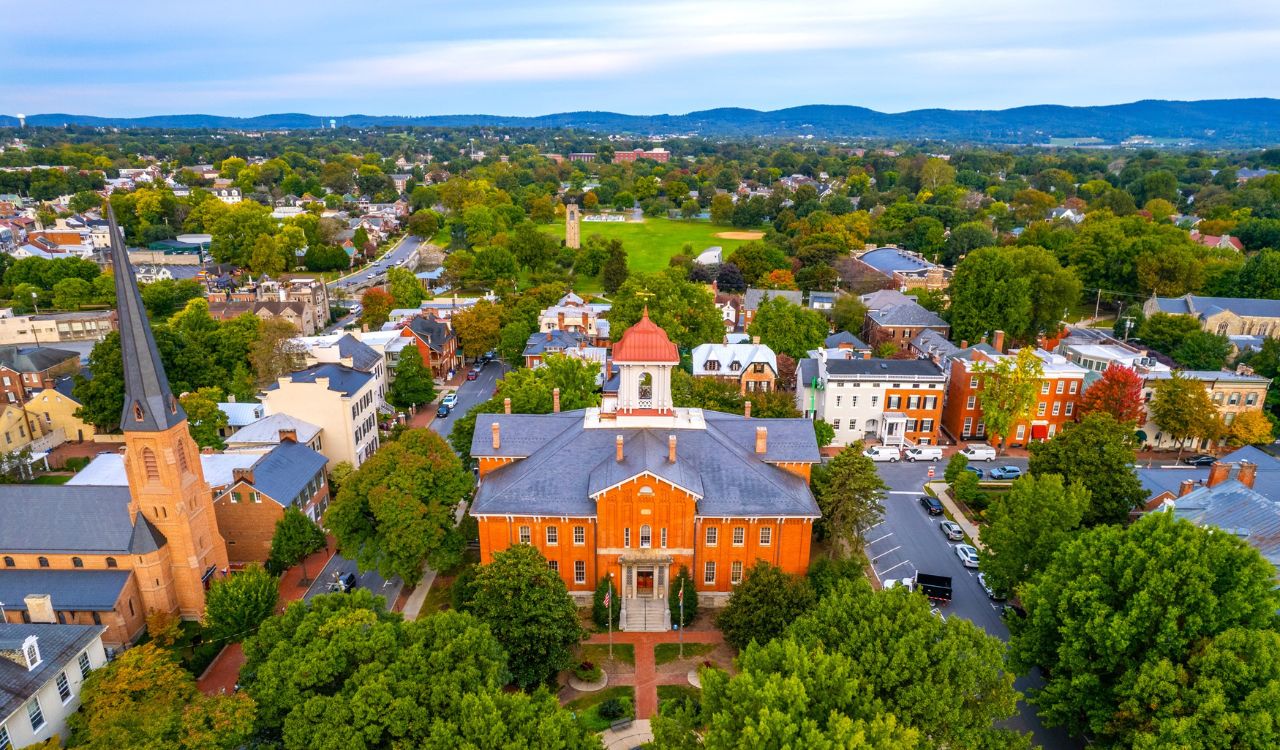
Arkansas illustrates how anti-boycott rules can linger long after the first headline, shaping the atmosphere around public work and public space. When the Supreme Court declined to hear a challenge to Arkansas’ anti-Israel boycott law, the decision signaled that these pledges could remain part of state contracting, even amid sharp First Amendment criticism. In 2026, faith-based organizations that run relief efforts and conference programming pay attention because contracts often underwrite the practical parts of ministry: printing, venues, and ads. If signing feels like taking a side, some groups step away and spend elsewhere.
Source.
Kansas
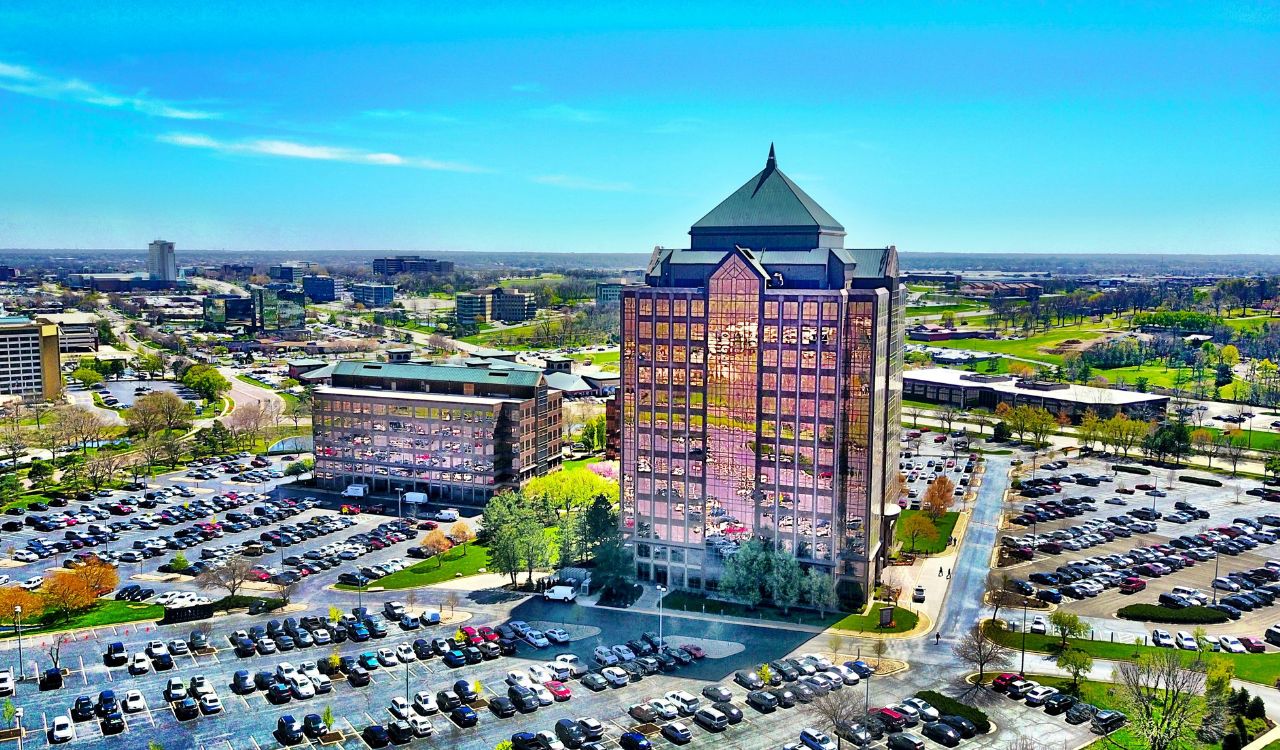
Maryland rarely fits the stereotype of a boycott battleground, which is exactly why it surprises faith-based planners when it becomes one. CAIR challenged Maryland’s executive order requiring contractors to certify they would not boycott Israel, arguing that the rule chilled political speech and association. In 2026, travel directors pay attention because Maryland hosts museums, policy gatherings, and interfaith events, but many programs also touch public money through grants, venues, or partnerships. When a signature starts to feel like a loyalty test, some groups reroute to nearby states and keep their work focused on dialogue
Source.
.