We may earn money or products from the companies mentioned in this post. This means if you click on the link and purchase the item, I will receive a small commission at no extra cost to you ... you're just helping re-supply our family's travel fund.
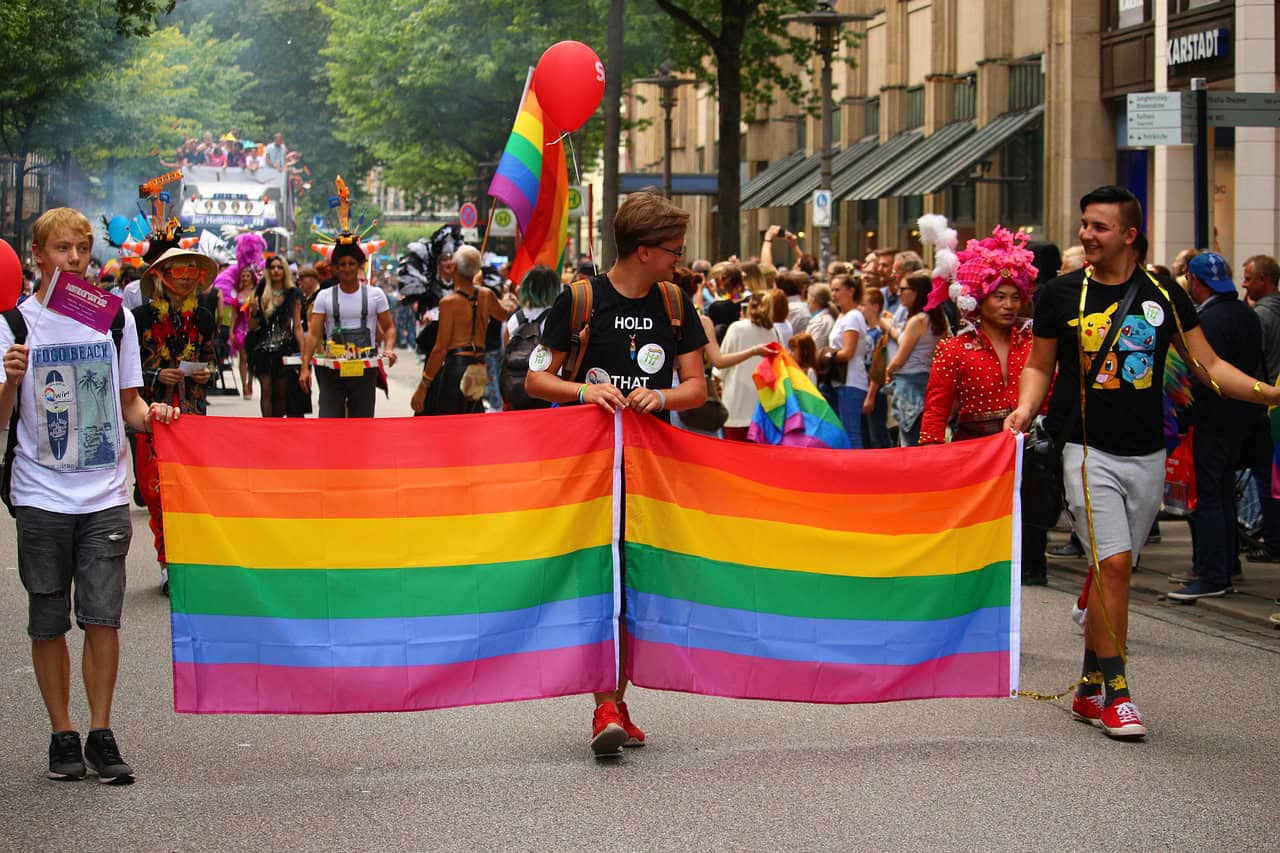
In 2026, travel decisions for many LGBTQ+ individuals are shaped less by attractions and more by legal realities. Across the United States, more than 20 states have passed policies seen as hostile to LGBTQ+ rights, but a concentrated 12 states repeatedly appear in advocacy warnings, civil rights discussions, and traveler sentiment reports. Concerns revolve around safety, legal stability, healthcare access, and general treatment. While experiences can vary by city, the broader statewide climate makes these destinations feel unpredictable, causing many LGBTQ+ travelers to choose more welcoming alternatives instead.
1. Florida
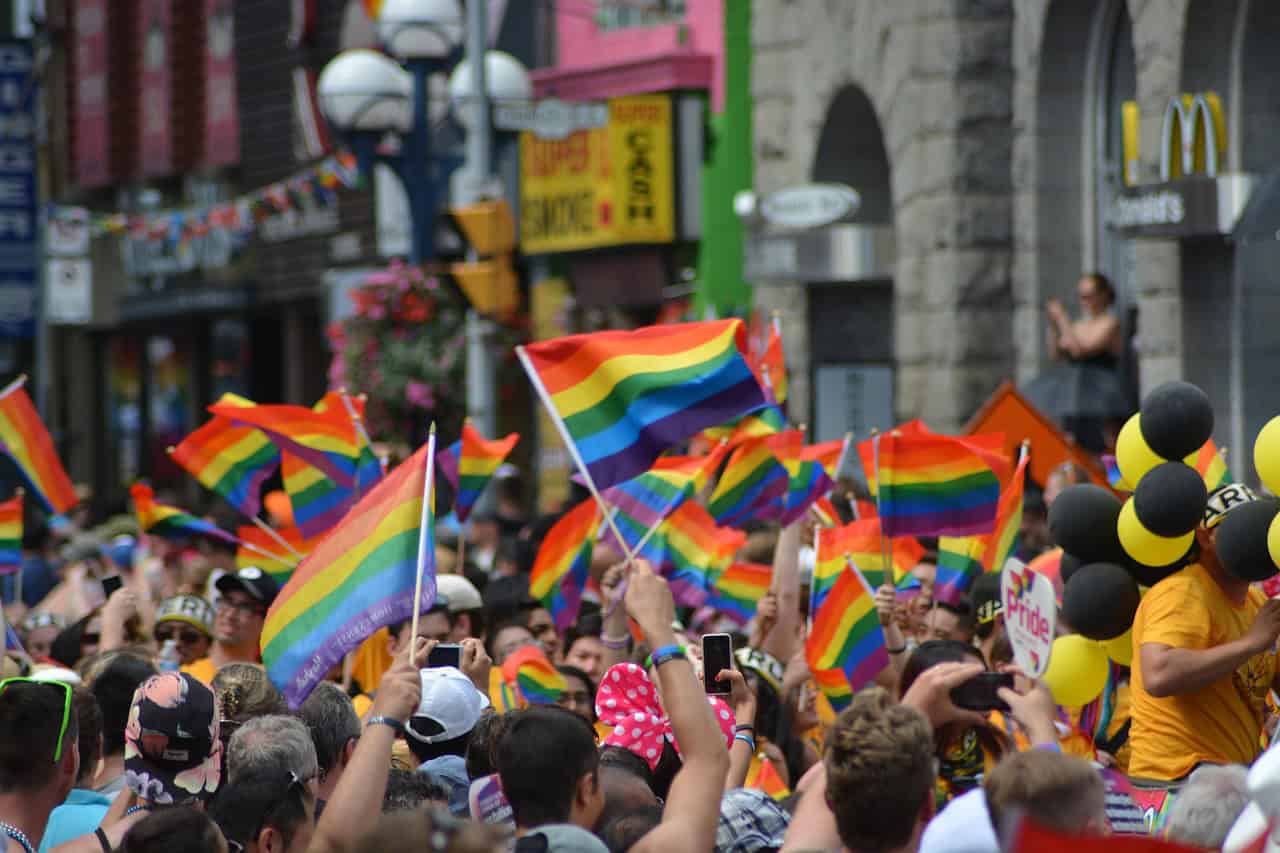
Florida remains one of the most controversial destinations for LGBTQ+ travelers in 2026, with more than 30 policy changes over recent years affecting education, healthcare conversations, public expression, and protections. Advocacy groups issued statewide advisories, noting heightened discomfort particularly for transgender travelers due to identity scrutiny and legal ambiguity. Although Florida still welcomes over 120 million visitors annually, many queer travelers feel the tone has shifted sharply, citing uncertainty in everything from school environments to public life. Major cities remain vibrant, yet the statewide climate leaves many hesitant about safety, respect, and overall comfort.
2. Texas
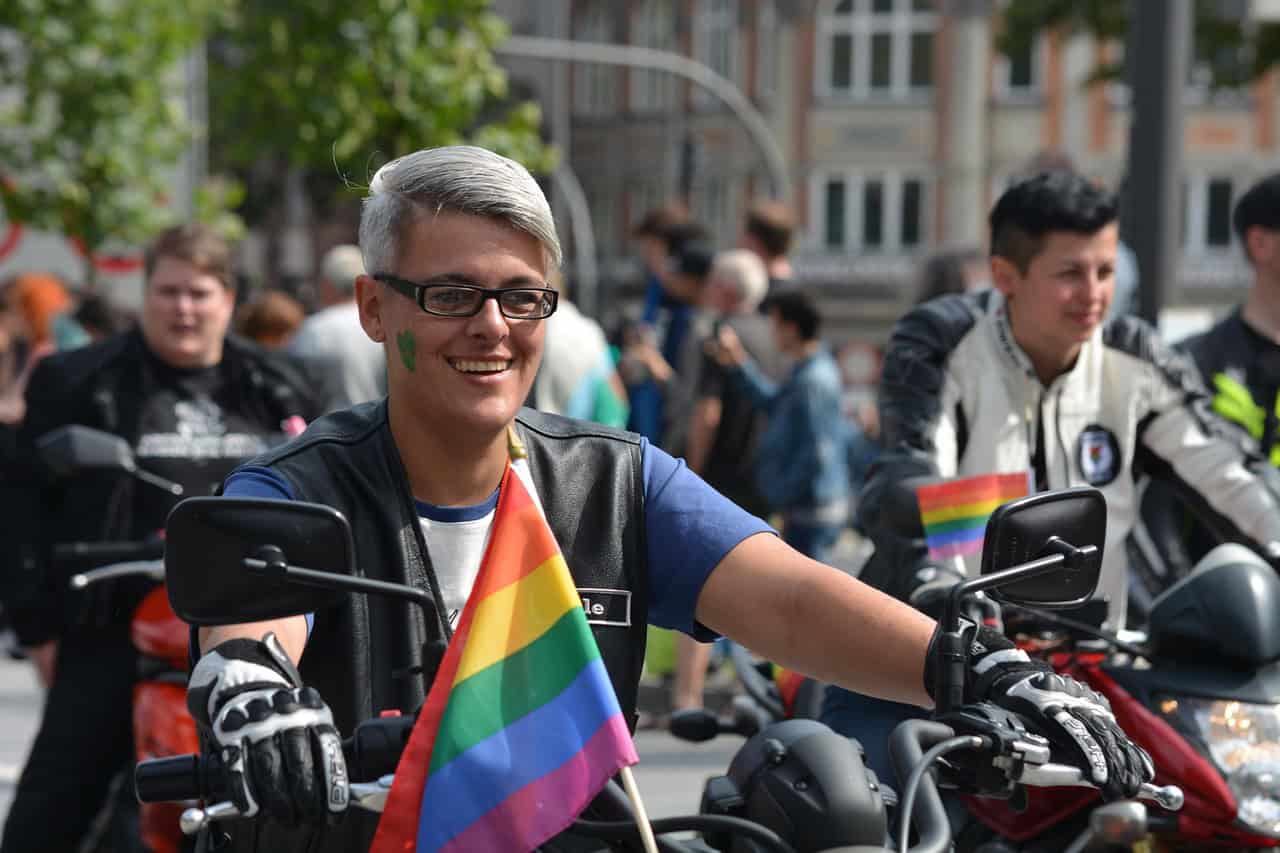
Texas attracts more than 70 million visitors a year, yet LGBTQ+ travelers increasingly approach it with caution because of legislative direction and social climate debates. Several statewide measures relating to transgender rights, public accommodations, and community protections have drawn concern, alongside reports from advocacy organizations highlighting uneven acceptance between urban and rural regions. Austin, Dallas, and Houston remain culturally rich and often inclusive, but travelers worry laws may affect identity expression or healthcare situations. The tension between welcoming cities and restrictive policy narratives leaves many queer travelers unsure whether Texas currently offers reassurance, stability, or reliable safety.
3. Tennessee
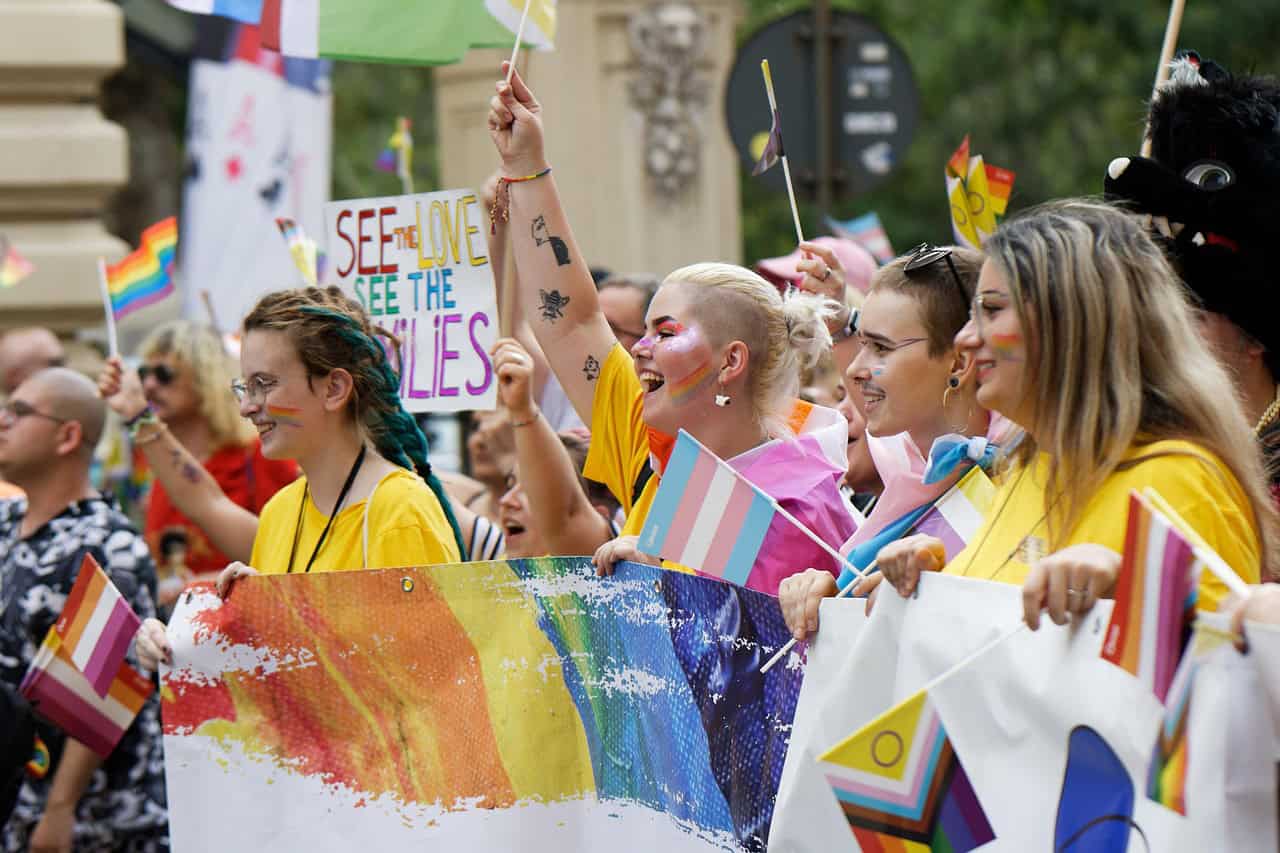
Tennessee’s tourism industry brings in more than $28 billion annually, yet LGBTQ+ travelers increasingly reconsider trips because of restrictive public policy conversations and cultural sensitivity concerns. Over the past few years, more than 15 legislative actions touching LGBTQ+ visibility, drag performance rules, and transgender rights have shaped perception nationwide. Nashville and Memphis remain creative hubs with strong ally communities, but statewide uncertainty leaves many visitors uneasy about public acceptance. Advocacy networks rank Tennessee frequently among higher-risk travel destinations, not because every space feels unsafe, but because legal messaging suggests vulnerability rather than protection for LGBTQ+ identities.
4. Alabama
Alabama’s legislative landscape has influenced LGBTQ+ travel sentiment significantly, with more than 10 major measures over recent years aimed at gender identity topics, youth protections, and public accommodation debates. While the state welcomes several million travelers yearly, many queer visitors worry about social climate consistency outside a few progressive-leaning pockets. Reports note rising apprehension among transgender travelers in particular, who fear legal ambiguity during healthcare or identification interactions. Local advocates continue working toward inclusion, but perceptions in 2026 are shaped more by lawmaking trends than hospitality marketing, leaving Alabama frequently flagged as a destination LGBTQ+ tourists currently reconsider.
5. Arkansas
Arkansas, welcoming around 36 million domestic visitors annually, has remained central in conversations about LGBTQ+ travel caution due to statewide policies involving healthcare restrictions, identity recognition challenges, and school-related legislation. More than 12 notable laws in recent years have raised alarms among advocacy organizations, leading many travelers to question whether daily life interactions would feel respectful or stressful. Although parts of the state emphasize friendliness and hospitality, the larger legal climate signals unpredictability for queer and transgender people. For many LGBTQ+ travelers in 2026, Arkansas represents less a tourism challenge and more a concern about safety, rights, clarity, and emotional comfort.
6. Oklahoma
Oklahoma tourism contributes over $10 billion to its economy, yet many LGBTQ+ travelers report hesitation rooted in policy shifts and cultural tone. In the last few years, more than 14 public measures tied to gender identity and queer visibility have shaped national perception, especially around schools and healthcare discussions. Advocacy groups consistently place Oklahoma among states where transgender individuals may feel heightened scrutiny. While Oklahoma City and Tulsa show strong creative scenes and pockets of acceptance, statewide rhetoric often feels conflicting. For many LGBTQ+ travelers in 2026, the uncertainty overshadows attractions, leading them to choose destinations promising clearer respect and protection.
7. Mississippi
Mississippi remains one of the U.S. states most frequently cited in LGBTQ+ travel caution discussions, even as it welcomes millions of visitors annually and promotes Southern hospitality. The concern largely stems from more than 10 long-standing laws perceived as permitting discrimination in services, religious exemptions, and limited protective coverage. Advocacy networks consistently warn transgender and queer travelers about uneven social environments outside small supportive communities. While progress conversations exist, uncertainty continues dominating traveler perception in 2026. Many LGBTQ+ visitors worry less about tourist attractions and more about everyday interactions, legal vulnerability, and whether they will feel valued or unwelcome.
8. South Dakota

South Dakota receives more than 14 million visitors annually, yet LGBTQ+ travelers frequently rank it among states they feel cautious exploring. Legislative debates over gender identity, school policies, and public recognition have led to more than 8 significant measures shaping national perception over recent years. Advocacy groups highlight particular concern for transgender travelers regarding documentation, healthcare discussions, and cultural climate. Although tourist destinations like Mount Rushmore remain iconic, perception in 2026 is tied less to scenery and more to whether identity expression feels safe. This uncertainty leads many LGBTQ+ travelers to delay or avoid visiting entirely.

9. North Carolina
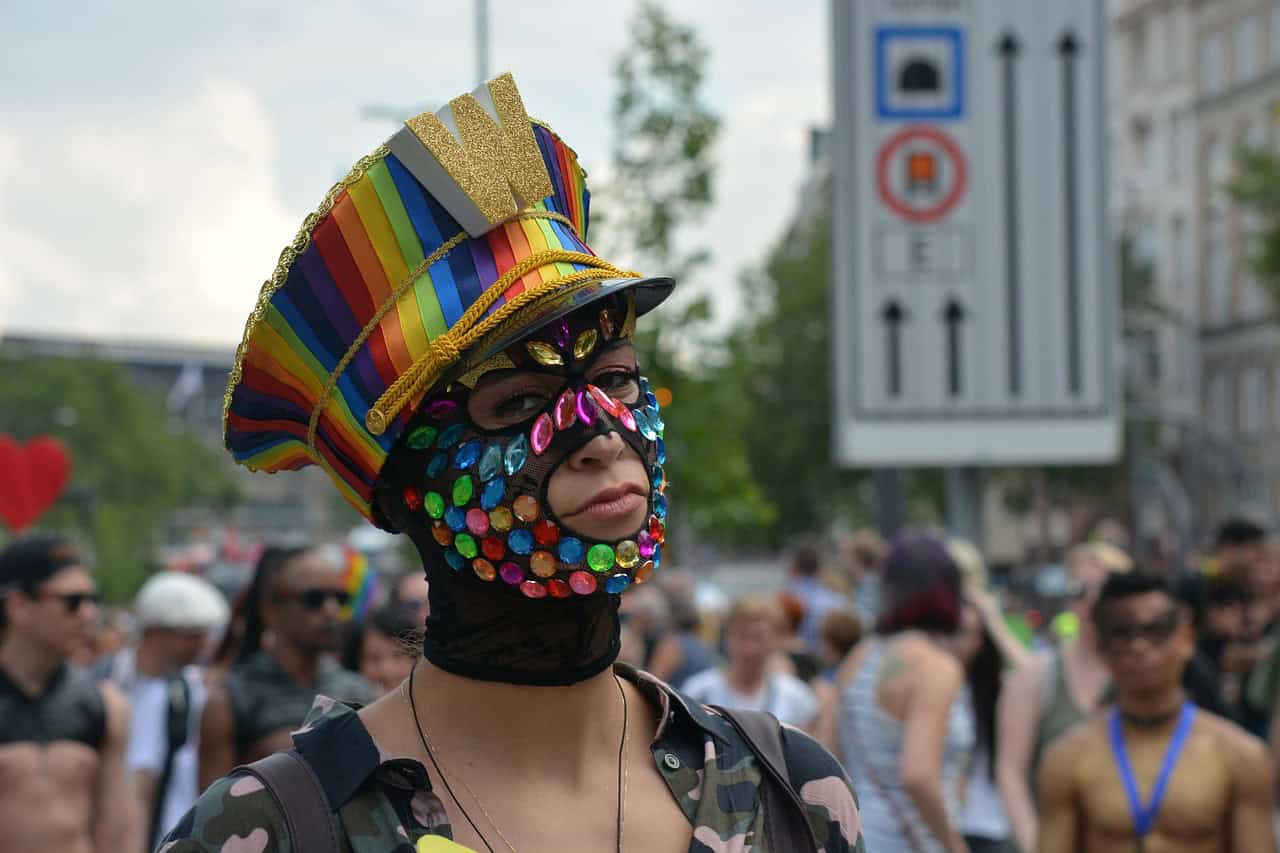
North Carolina continues to face the shadow of its earlier “bathroom bill” controversy, even years after modifications, influencing LGBTQ+ traveler trust. Hosting more than 50 million annual visitors, the state offers thriving urban centers like Charlotte and Raleigh, yet advocacy organizations still flag policy unpredictability. More than 9 legislative debates surrounding identity protections and public accommodations have appeared in recent years, contributing to lingering caution among queer travelers. Many acknowledge that local communities can be welcoming, but statewide signals feel inconsistent. In 2026, that inconsistency alone is enough for many LGBTQ+ travelers to hesitate or look elsewhere.
10. South Carolina

South Carolina draws over 20 million visitors yearly, but LGBTQ+ travelers increasingly place it on reconsideration lists due to legislation seen as limiting or unsupportive. More than 11 policy developments in recent years surrounding identity expression, school regulations, and protections contribute to a perception of legal vulnerability. Advocacy discussions highlight particular concern for transgender travelers navigating healthcare or documentation situations. Tourist areas like Charleston remain culturally rich and sometimes welcoming, but statewide messaging still feels uncertain in 2026. For many queer visitors, predictability matters, and South Carolina currently struggles to offer that assurance consistently.
11. Idaho

Idaho welcomes around 25 million travelers annually, yet LGBTQ+ visitors often express concern about statewide rhetoric and legislative trends. The past few years included more than 12 key measures affecting transgender participation in sports, identity recognition, and personal autonomy discussions. Advocacy networks rank Idaho repeatedly among higher-risk states for queer travelers, especially outside its few progressive-leaning urban centers. While the natural scenery remains stunning, many LGBTQ+ travelers in 2026 judge destinations based on emotional safety and legal security. Idaho’s ongoing policy direction unfortunately creates hesitation, leading many to skip trips they might otherwise have enjoyed.
12. Kansas
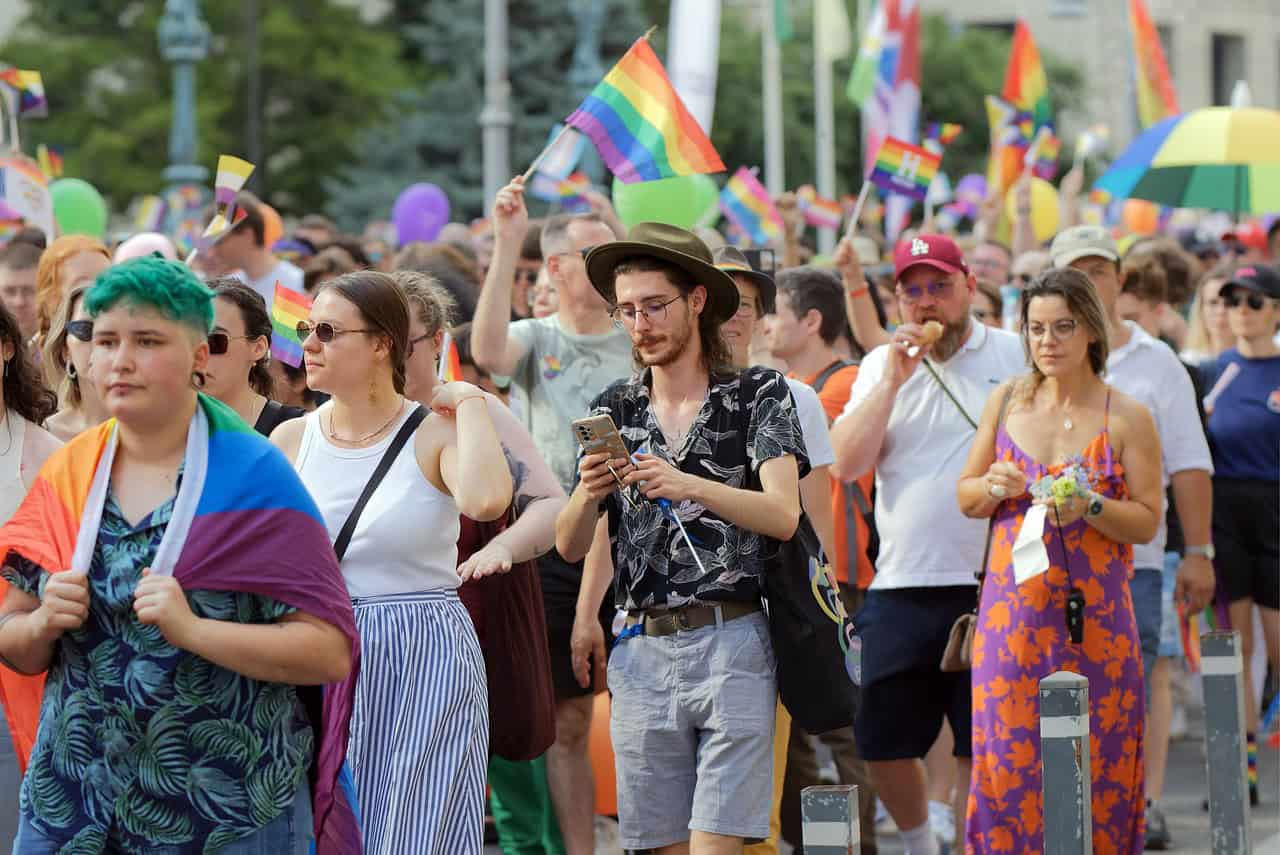
Kansas attracts millions of domestic travelers and continues investing in tourism growth, yet LGBTQ+ visitors approach the state carefully due to policy direction and cultural climate concerns. More than 9 significant laws and proposals over recent years have addressed gender identity definitions, school policies, and protections, shaping national perception. Advocacy organizations frequently caution queer travelers about uneven acceptance depending on region. While supportive communities exist, statewide uncertainty remains a deciding factor. In 2026, Kansas represents not outright danger for most LGBTQ+ travelers, but a lack of clarity about rights, comfort, and dignity, enough to push many to safer-feeling destinations.