We may earn money or products from the companies mentioned in this post. This means if you click on the link and purchase the item, I will receive a small commission at no extra cost to you ... you're just helping re-supply our family's travel fund.

Movement among high earners often signals deeper shifts beneath the surface of a state’s economy. Some people leave for lower taxes, others for more space, milder weather, or a sense of predictability they no longer feel at home. The motivations are rarely dramatic; they tend to reflect slow-building frustrations mixed with curiosity about what life could look like somewhere else. Tracking these patterns reveals how people with options rethink their priorities and how different states rise or slip in that quiet competition for talent.
California: High Opportunity, High Pressure

California’s pull is undeniable, yet many high earners are choosing quieter, less costly places after years of balancing long commutes and steep housing prices. Some leave coastal counties where even routine expenses feel inflated, trading those views for wider yards and steadier budgets. Others want to escape traffic or find flexibility that heavy regulations make harder to maintain. Even with the outflow, California’s industries stay strong, but the gap between aspiration and affordability pushes more residents to imagine a simpler version of success somewhere else.
New York: Energy Meets Exhaustion

New York offers unmatched culture, ambition, and professional reach, but its pace can drain even well-paid households. High taxes and dense housing often push families to reconsider their long-term plans, especially once children or aging parents enter the picture. Many end up choosing warmer states with lower carrying costs while keeping emotional ties to the city’s energy. New York continues to attract dreamers, yet the people who leave often do so with mixed feelings, knowing they are trading excitement for breathing room.
Illinois: A Midwest Crossroads In Transition

Illinois has world-class universities and a central location, but rising property taxes and concerns about public finances have nudged many high earners toward nearby states with fewer budget uncertainties. Chicago remains a cultural anchor, yet some residents feel squeezed by costs that no longer match their day-to-day satisfaction. They often head to Indiana, Tennessee, or Florida, looking for homes where expenses feel more proportional to their income. Even so, Illinois retains a loyal base drawn to its architecture, food scenes, and strong sense of identity.
Massachusetts: Talent Leaves Despite Strength

Massachusetts thrives on innovation and education, yet high earners still exit when housing costs and childcare expenses swallow more of their income than expected. Boston’s suburbs offer opportunity but rarely affordability, especially for families trying to balance career growth with stability. Many choose states where their salaries stretch farther without sacrificing good schools or access to airports. Those who stay tend to value the region’s academic networks and cultural depth, but the number leaving reflects a growing desire for room to plan ahead.
New Jersey: Between Opportunity And Overload

New Jersey sits near major job centers, but its tax structure and property costs often outweigh the benefit of that convenience for high earners. Families frequently point to the challenge of maintaining a reasonable budget while living close to New York or Philadelphia. Some relocate to Pennsylvania or the Carolinas, where homes feel more attainable and everyday expenses less intense. Still, New Jersey’s strong schools and familiar neighborhoods keep many people anchored, even as others quietly search for softer financial footing elsewhere.
Pennsylvania: Leaving Older Hubs Behind

Pennsylvania’s mix of old industrial towns and evolving metro areas creates uneven experiences for high earners deciding whether to stay. Many leave regions where job growth feels slower and housing lacks the freshness seen in faster-growing states. They often choose North Carolina, Florida, or Texas, attracted by new developments and a sense that momentum is shifting south. Yet cities like Pittsburgh and Philadelphia continue shaping vibrant pockets that keep some professionals committed to building lives close to family and history.
Washington: Costs Rise Faster Than Comfort

Washington’s tech strength brings high salaries, but it also fuels housing prices that outpace many residents’ comfort levels. Some high earners leave the Seattle area after years of competing for space, parking, and shorter commutes that never materialize. They move to Idaho, Arizona, or Texas, places where homes feel spacious and budgets feel less strained. Washington still attracts top talent, though the rising cost of settling down pushes some to wonder whether opportunity must always come at such a steep price.
Virginia: Commuters Rethink Their Priorities

Virginia benefits from federal contractors and growing tech corridors, yet its northern region often leaves high earners wrestling with traffic, housing competition, and tight schedules. Many decide their salaries go further in states where time feels less consumed by travel. Moves to North Carolina, Texas, and Florida fit that pattern. Still, Virginia’s strong schools and access to Washington, D.C., keep new residents arriving, even as others conclude their careers and families may thrive better in a calmer environment.
Maryland: Strong Pay, Mixed Incentives

Maryland consistently posts high median incomes, but taxes and congestion around the Washington and Baltimore areas can wear on residents. Some high earners look for slower-paced neighborhoods across state lines where property costs fall into a range that feels easier to sustain. They often head to Pennsylvania, Delaware, or Florida while maintaining professional ties. Maryland still draws people seeking careers in medicine, research, and government, yet the outflow shows how income alone does not determine long-term satisfaction.
Minnesota: Winters And Wallets Push Moves

Minnesota offers strong employers and a high quality of life, but heavy winters and steady tax bills encourage some high earners to try life elsewhere. Many reconsider their plans after years of balancing career growth with seasonal challenges and rising housing costs in the Twin Cities. Moves to Arizona, Florida, and the Carolinas reflect a desire for mild weather and predictable costs. Still, the state’s lakes, arts scene, and civic spirit hold deep appeal for those who value a connected community.
Michigan: Gradual Outflow With Familiar Reasons

Michigan’s resurgence in some cities contrasts with slower development in others, prompting high earners to weigh whether long-term opportunity matches their goals. Some leave for warmer climates or states where property taxes and insurance rates feel more manageable. Even those with strong roots sometimes question whether their future aligns with local job trends. Yet Michigan’s lakes, revitalizing downtowns, and growing creative industries continue drawing people who want a balance of affordability and character.
Ohio: Quiet Departures Shape The Map
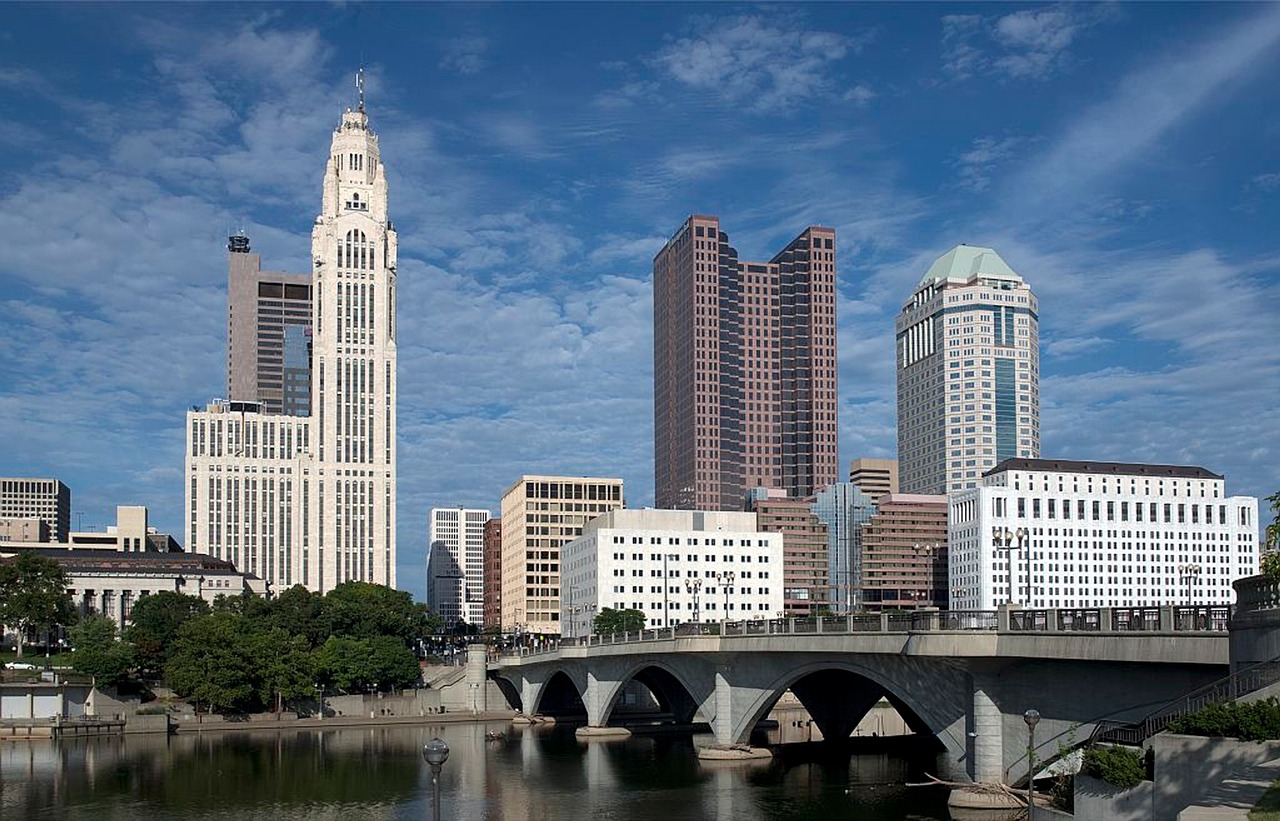
Ohio rarely dominates migration headlines, but many high earners still choose to leave for states where growth feels more visible. Concerns about aging housing, local taxes, or slower job paths push some residents to explore opportunities in the Southeast or Southwest. The moves are often practical rather than emotional, driven by a desire to stretch earnings while maintaining a pleasant lifestyle. Even so, cities like Columbus and Cincinnati keep working to attract and retain professionals who want stable careers in friendly, manageable communities.