We may earn money or products from the companies mentioned in this post. This means if you click on the link and purchase the item, I will receive a small commission at no extra cost to you ... you're just helping re-supply our family's travel fund.
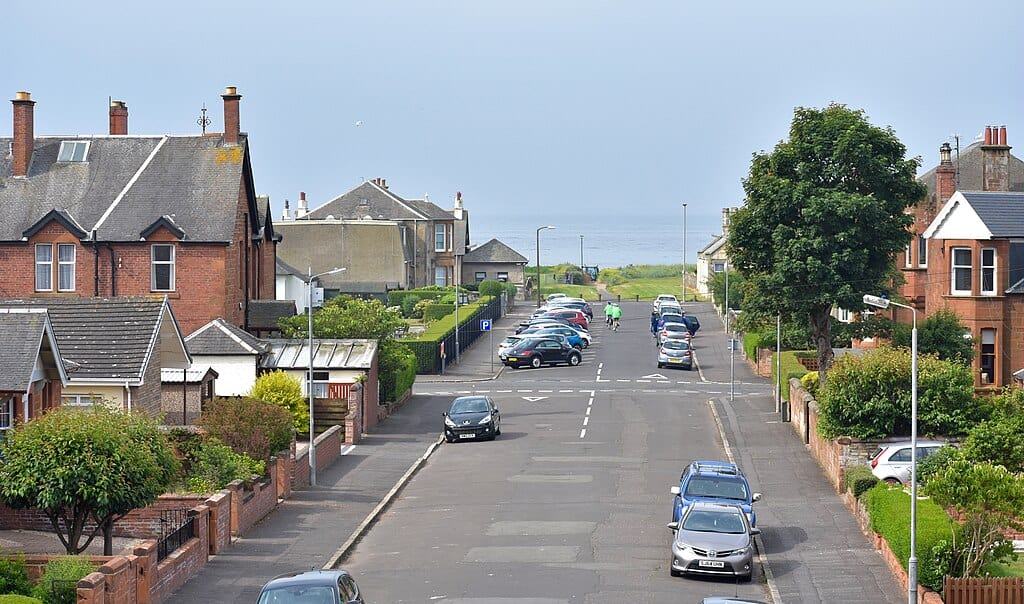
Heading into 2026, the biggest road worries are not dramatic bridge collapses but slow, grinding decline. Cracked pavement, tired overpasses, and flood prone corridors are stacking up faster than repairs in parts of the country. Engineers talk about life expired designs carrying record traffic and heavier trucks. Climate pressure adds another layer as heat, rain, and coastal surge stress old foundations. Where those trends overlap, the risk shifts from annoying potholes to real chances of failure and long closures.
California
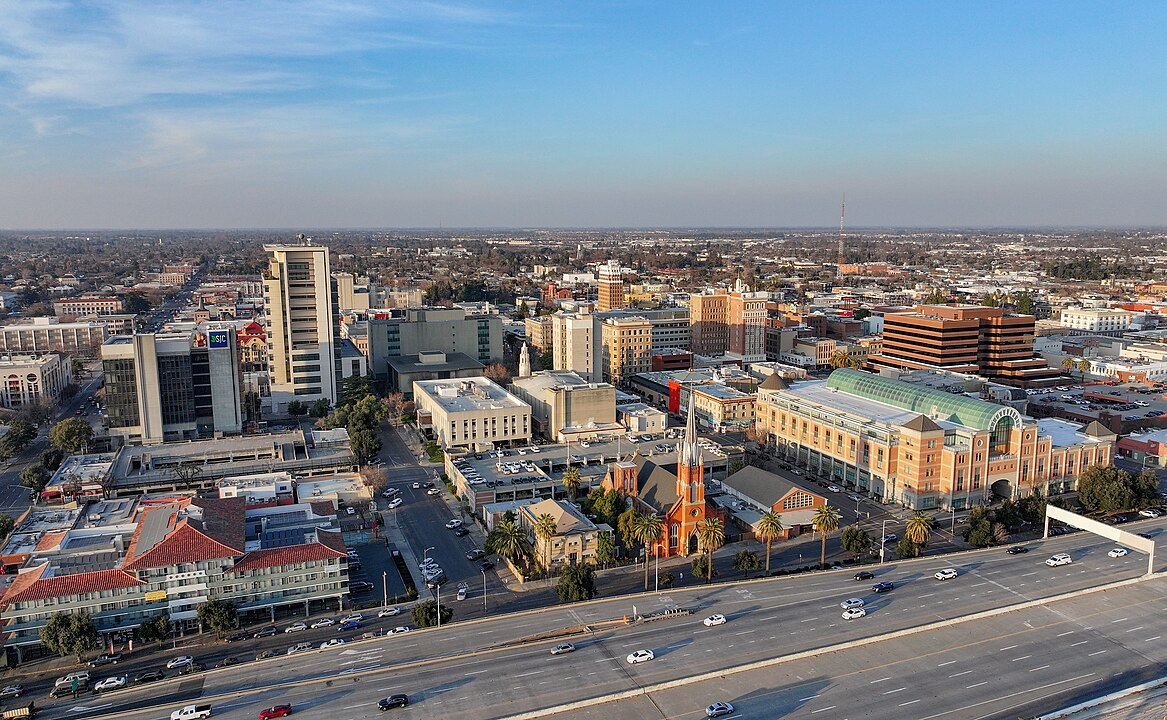
California carries some of the roughest pavement in the country, especially around Los Angeles, the Bay Area, and the Central Valley freight corridors. Years of heavy truck traffic, extreme heat, and widening drought flood swings chew through asphalt faster than crews can patch it. Aging urban freeways sit shoulder to shoulder with dense development, leaving little room for staged repairs. When a key lane shuts here, the result is instant gridlock and major economic drag.
Rhode Island
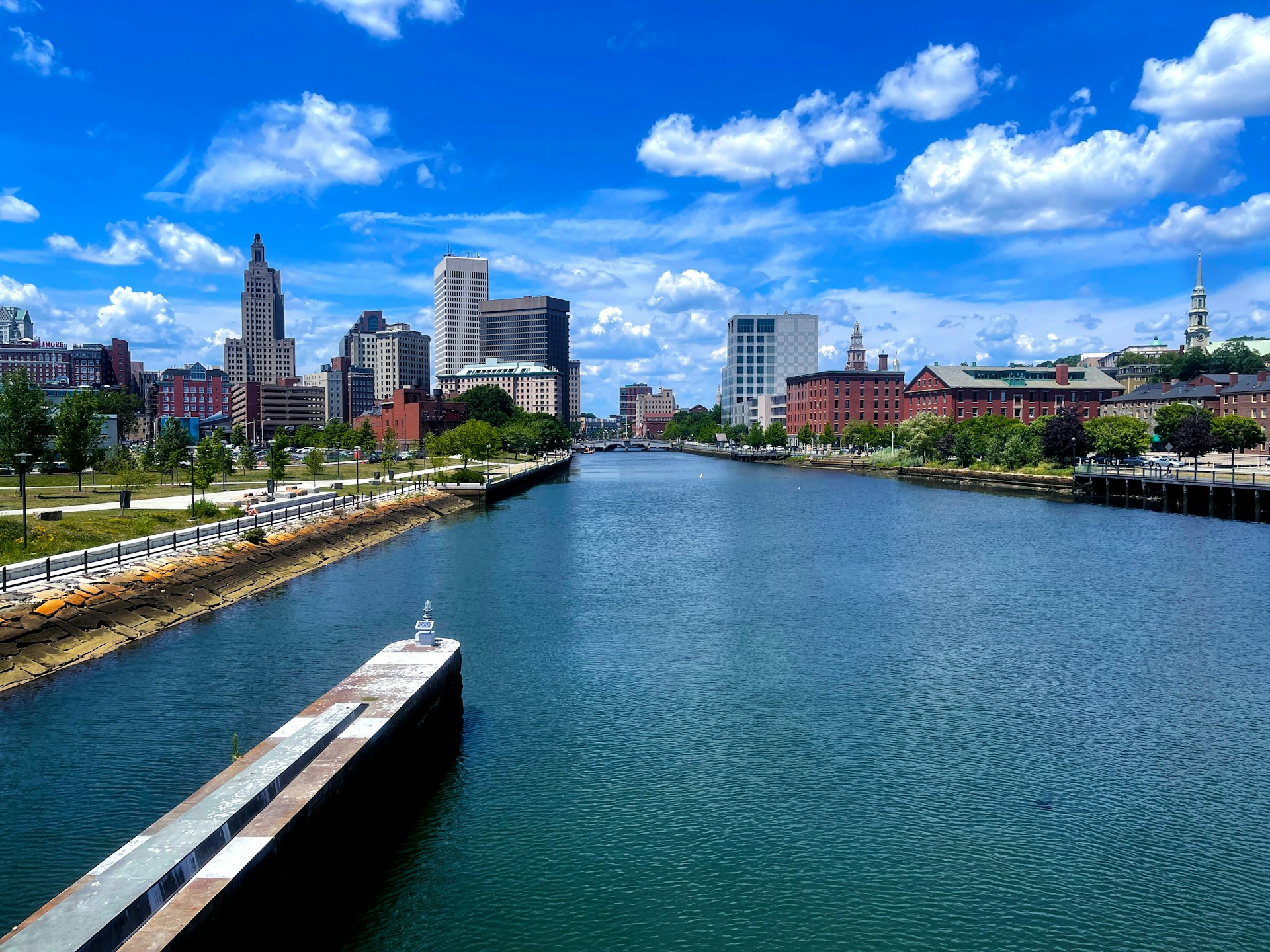
Rhode Island is small on the map but heavy on vulnerable pavement and bridges. Many arterial routes date back to earlier traffic eras and now strain under modern commuting patterns. Freeze thaw cycles, coastal storms, and constant salting accelerate cracks and joint failures. Narrow rights of way make full reconstruction tough, pushing officials toward quick fixes that do not last. When a major bridge or interchange closes, detours ripple across the entire state in minutes.
Massachusetts
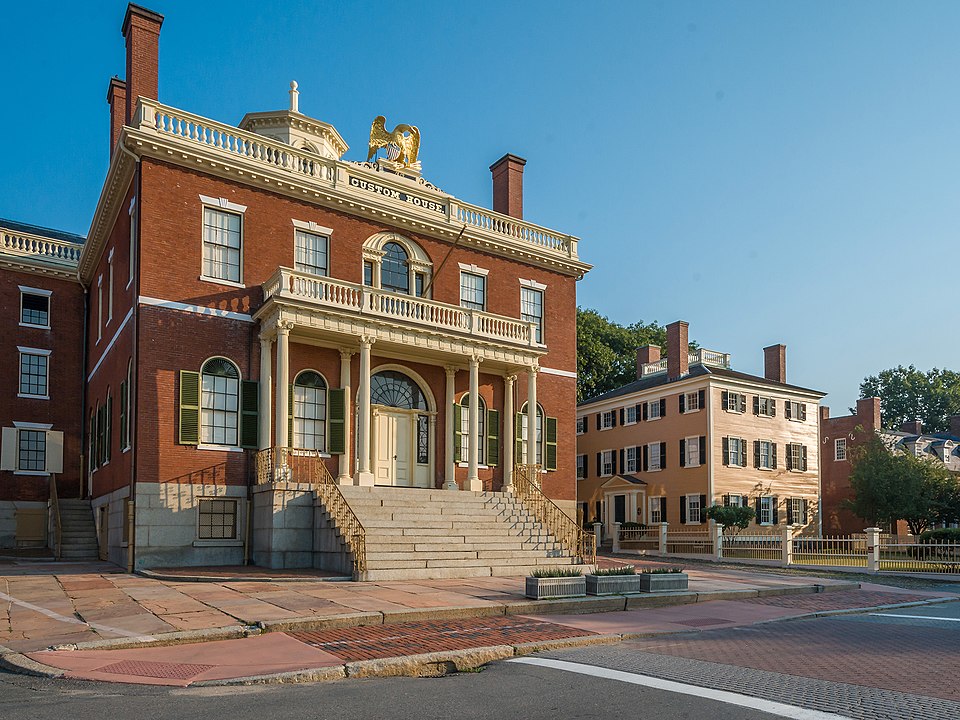
Massachusetts roads carry a level of daily stress that shows in chronic congestion and worn surfaces. Historic layouts around Boston mix tight tunnels, elevated ramps, and old city streets that were never designed for current volumes. Winter plows, deicing chemicals, and spring flooding steadily eat away at joints and bridge decks. Long maintenance backlogs mean too many structures sit in fair or poor condition. A single emergency closure on a key artery quickly spills chaos into side streets.
Hawaii

Hawaii’s roads face relentless salt air, steep terrain, and intense rain rather than snow and ice. Many coastal highways cling to cliffs or trace eroding shorelines, leaving them exposed to landslides and washouts. When storms hit, entire sections can slump or disappear, with very few alternative paths across islands. Budget constraints and expensive materials complicate full rebuilds. Residents in smaller communities know that one failed span or lane can isolate them from work, school, and medical care.
New York

New York’s highway and bridge network reflects decades of layered construction and overdue repair. Urban expressways like the Brooklyn Queens Expressway and aging upstate viaducts all fight the same mix of heavy traffic and harsh winters. Water intrusion, corrosion, and pounding loads slowly weaken beams and decks. Rural counties face their own gaps as older river crossings edge toward weight limits. When infrastructure falters here, freight, commuters, and emergency services all feel the impact quickly.
West Virginia
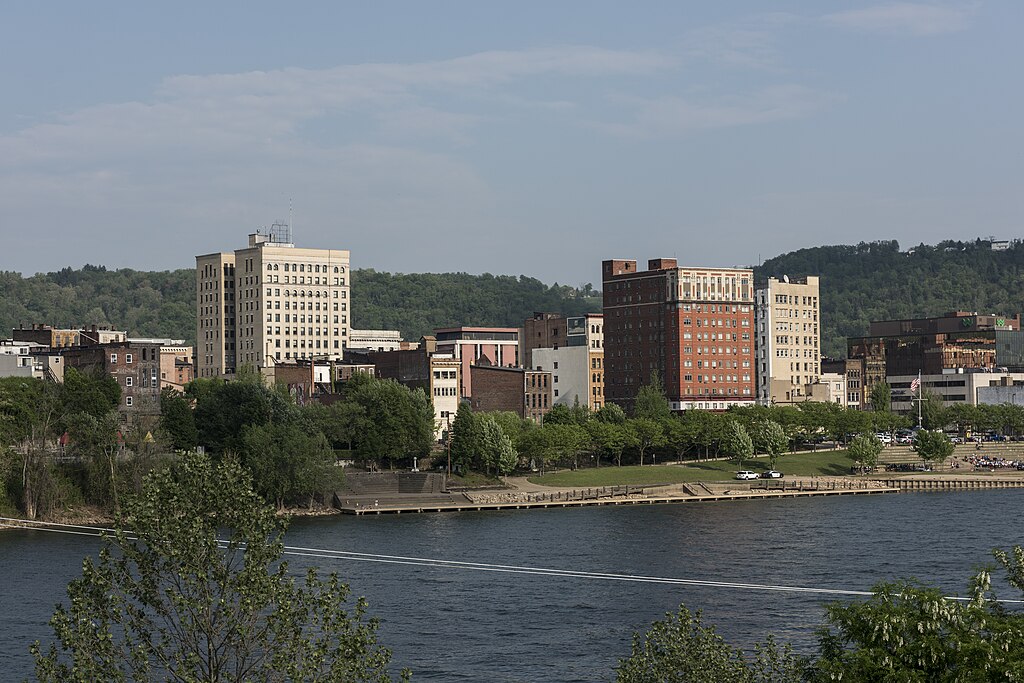
West Virginia’s mountain roads wind along steep hillsides, river valleys, and hollow floors, making them fragile even in good shape. Many bridges and rural highways were built for lighter vehicles and lower speeds, yet now see heavy coal trucks and regional freight. Landslides, rockfalls, and undermined embankments are constant threats in wetter years. Limited local tax bases slow down replacements. A failed bridge can reroute school buses and ambulances through hours long detours on twisting back roads.
Louisiana

Louisiana’s network rests on soft, sinking ground laced with bayous and levees. Subsidence, coastal erosion, and frequent flooding all tug at roadbeds and bridge supports. Major evacuation routes and freight corridors run through low, flat areas where standing water lingers after storms. Repeated patching over damaged subgrade often leaves uneven, easily flooded surfaces. When key sections break down, the consequences hit hurricane evacuations, port access, and basic travel across already vulnerable communities.
Mississippi

Mississippi struggles with aging highways, rural bridges, and long neglected county roads that carry more weight than they were built for. Heavy trucks serving agriculture and industry roll over older spans that show rusted beams, cracked decks, and outdated guardrails. Limited funding spreads thin across a wide network, so many projects stay in planning stages for years. When deterioration finally forces closure, small towns lose direct routes to jobs, hospitals, and distribution hubs overnight.
Missouri
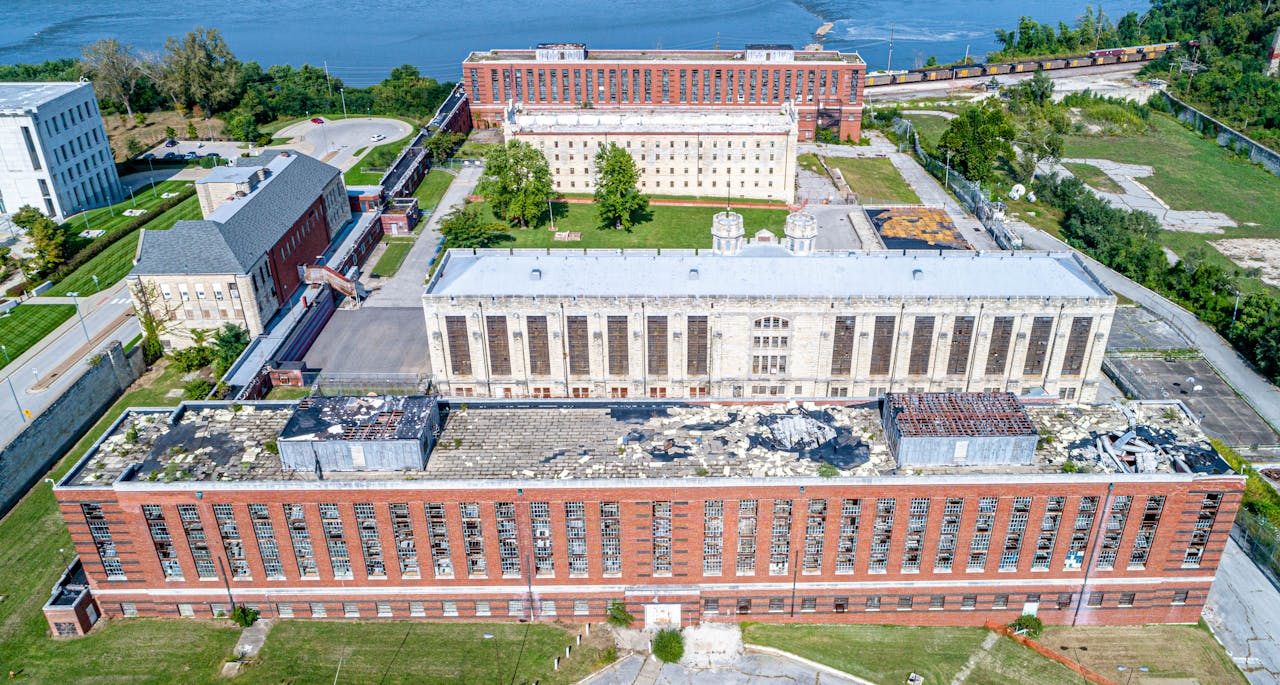
Missouri sits at a central crossroads for national freight, with major interstates and river crossings carrying constant truck traffic. Portions of pavement around Kansas City and St. Louis show deep rutting, patched joints, and fatigue cracking that hint at structural stress below. Bridges over the Missouri and Mississippi Rivers carry both aging steel and growing loads. As construction costs climb faster than budgets, engineers worry about more reactive closures and weight restrictions instead of planned renewals.
New Mexico
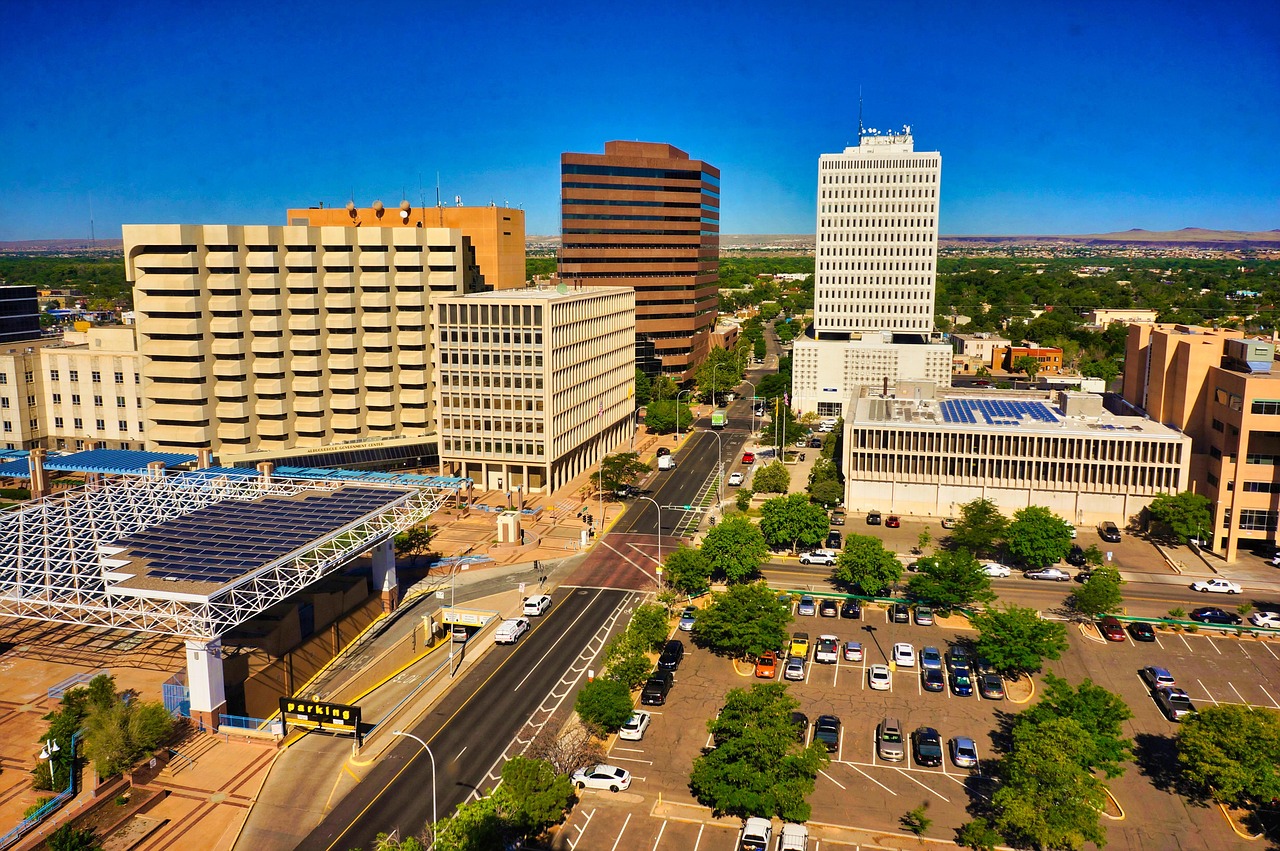
New Mexico’s long desert stretches face wide temperature swings, intense sun, and sudden monsoon downpours that punish pavement. Rural routes often have only one realistic path between towns, so any failed bridge or washed out culvert forces severe detours. Years of underfunded maintenance leave sections of highway with crumbling shoulders and deep potholes that threaten both safety and freight reliability. When another storm season hits, weakened structures have less margin for error under flash flood forces.
South Carolina
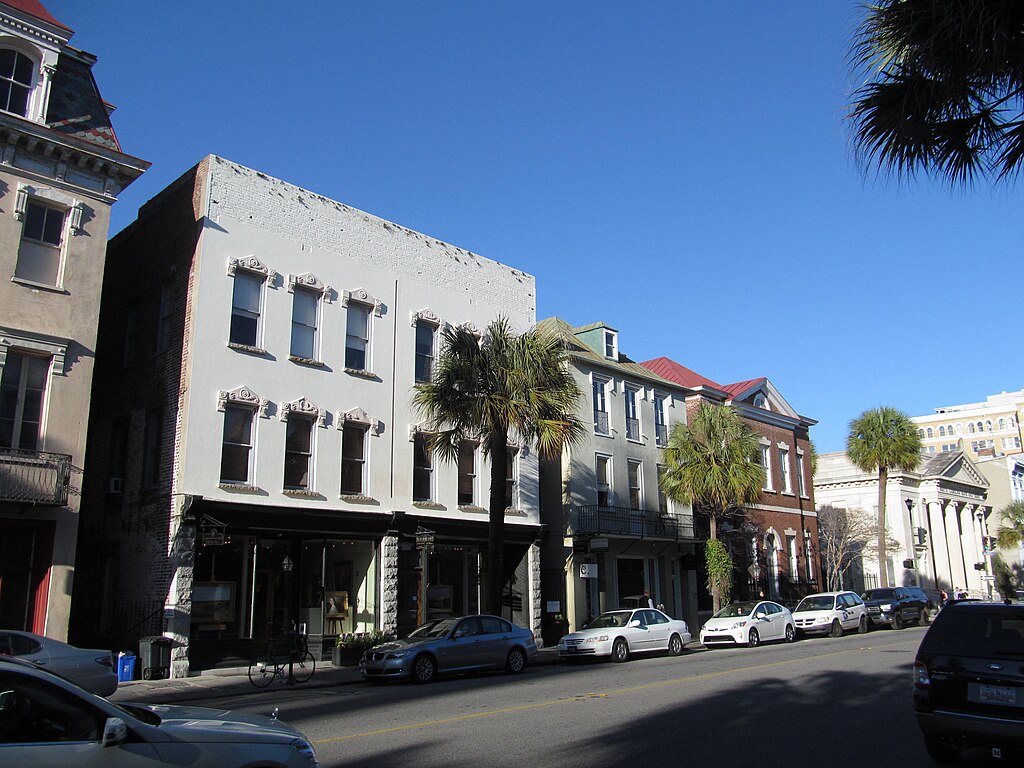
South Carolina is growing quickly, and its road network is straining to keep pace. Many older rural highways now function as crowded commuter routes, carrying far more cars and trucks than intended. Coastal corridors face stronger storms and higher water, which overwhelm outdated drainage and damage subgrade layers. Funding gaps mean resurfacing often replaces deeper fixes. When pavement and culverts give way, evacuation lanes, tourism traffic, and daily commutes all compress onto a few overloaded routes.
Iowa
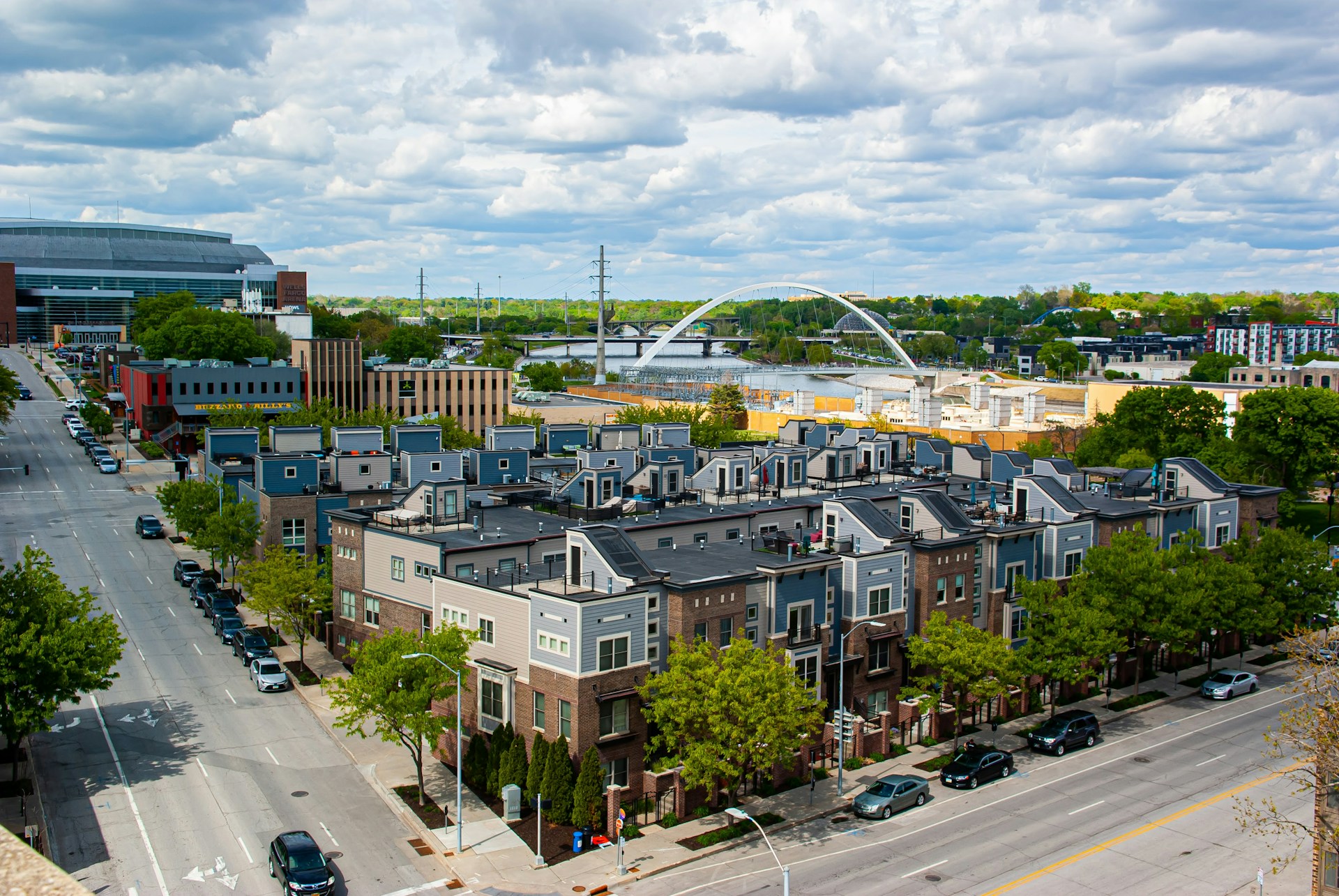
Iowa has an enormous number of bridges relative to its population, many of them small spans over creeks and drainage channels. Years of farm equipment, loaded grain trucks, and heavier semis crossing these structures have quietly worn them down. Rust, spalling concrete, and weakened bearings show up faster than replacement projects. Weight limits and closures force long farm and school bus detours. Each delay raises the odds that a local failure will ripple into regional supply chains.