We may earn money or products from the companies mentioned in this post. This means if you click on the link and purchase the item, I will receive a small commission at no extra cost to you ... you're just helping re-supply our family's travel fund.
Across the United States, toll agencies are quietly reshaping how highways are funded, and one of the most noticeable trends for 2026 is the rise of pricing systems that make travel more expensive for drivers who are not local. These aren’t always labeled as “out-of-state surcharges,” but the effect often feels exactly like that, as electronic tag users receive discounted rates while mailed-invoice or plate-billing customers, who are frequently visiting from elsewhere, pay considerably higher totals. For travelers planning long road trips, understanding where and why these differential charges exist in 2026 can make a real financial difference and help avoid unpleasant surprises at bridges, tunnels, and major expressways across multiple states.
1) Pennsylvania
Pennsylvania remains one of the most closely watched states in 2026 because its Turnpike continues its pattern of yearly increases, with tolls rising about 4% while plate billing can cost as much as 40% more than E-ZPass. The state justifies the jump by pointing to aging bridges, nearly 550 miles of roadway, and multibillion-dollar debt repayment obligations. For out-of-state travelers, the biggest concern is not the base price but the widening gap between local tag users and those billed by mail, which can easily turn a routine highway trip into a noticeably more expensive journey.
2) New Jersey
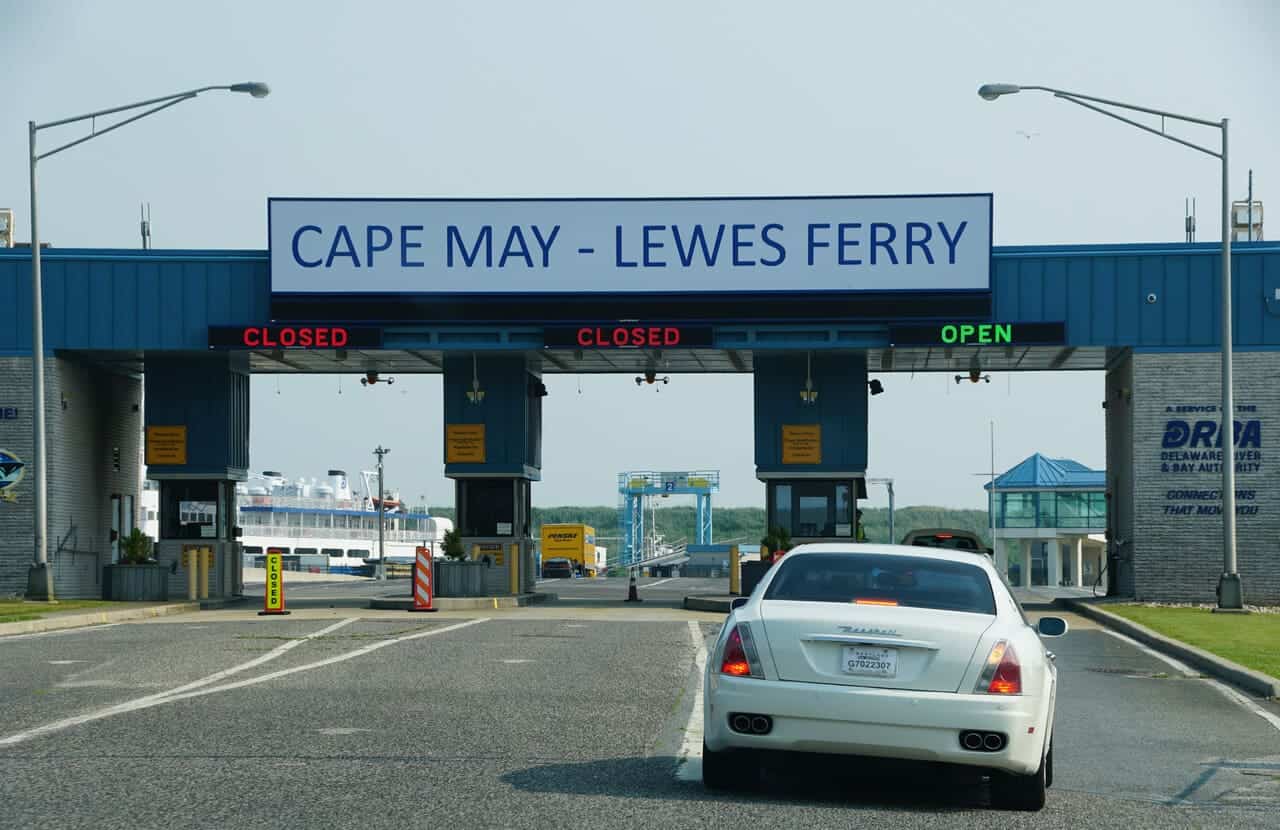
New Jersey is also moving ahead with pricing policies in 2026 that make life easier for regular local commuters while pushing non-resident travelers to pay more through administrative fees and higher per-trip invoice costs. Rates on the Turnpike and Garden State Parkway reflect around 3% systemwide increases, but the meaningful difference comes from the fact that mailed tolls can add between $1 and $5 in processing charges depending on the segment. For drivers crossing the state only a few times a year, that adds up quickly, turning New Jersey into one of the places where carrying an electronic pass increasingly feels like a financial necessity rather than a convenience.
3) New York

New York’s complex bridge and tunnel system continues adjusting prices in 2026 with incremental increases that place the heaviest burden on people who do not use the regional electronic tag. On several major crossings, tolls for vehicles without E-ZPass can be $2 to $6 higher per trip, while congestion-related charges in busy zones magnify the cost further for visiting drivers. Authorities argue the gap encourages efficiency and reduces traffic backups, but for families visiting the city, adding fees several times daily quickly becomes significant. With tens of millions of yearly non-resident crossings, the policy effectively places outsiders at a consistent financial disadvantage.
4) California

California’s Bay Area bridges and key toll routes are another place in 2026 where the difference between local and out-of-state users becomes financially visible. Standard passenger car rates climb toward the $8.50 mark on several structures, yet those paying through mailed invoices may spend $2 or more above that amount due to service fees and billing costs. The state emphasizes infrastructure repairs, seismic strengthening, and traffic management across more than seven major bridges. For travelers renting cars or visiting occasionally, that means simply crossing the same span multiple times in a day can lead to double-digit toll totals much faster than expected.
5) Texas
Texas is expanding toll networks rapidly and tying many fees to inflation indexes in 2026, meaning yearly increases can hover between 2% and 4% depending on the region. What really affects outsiders, however, is the video tolling structure, which can be 25% to 50% more expensive than electronic tag rates because of billing and enforcement costs. With more than 800 miles of tolled lanes in metropolitan areas like Houston, Dallas, and Austin, occasional visitors face significantly higher totals on routine drives. Local drivers using electronic passes benefit most, while people renting vehicles or passing through briefly end up paying the premium.
6) Virginia

Virginia’s mix of express lanes, tunnels, and bridge tolls makes it one of the most dynamic tolling environments in 2026, with price adjustments appearing on multiple corridors. While some increases are modest, often under 5%, the real challenge appears when drivers rely on plate billing, which carries noticeably higher administrative charges. Given the state’s heavy commuter traffic and reliance on electronic tags like E-ZPass, anyone entering from outside the region without one can easily pay several dollars extra per trip. With tens of thousands of vehicles using these routes daily, authorities defend the policy as a way to keep traffic moving smoothly.
7) Florida
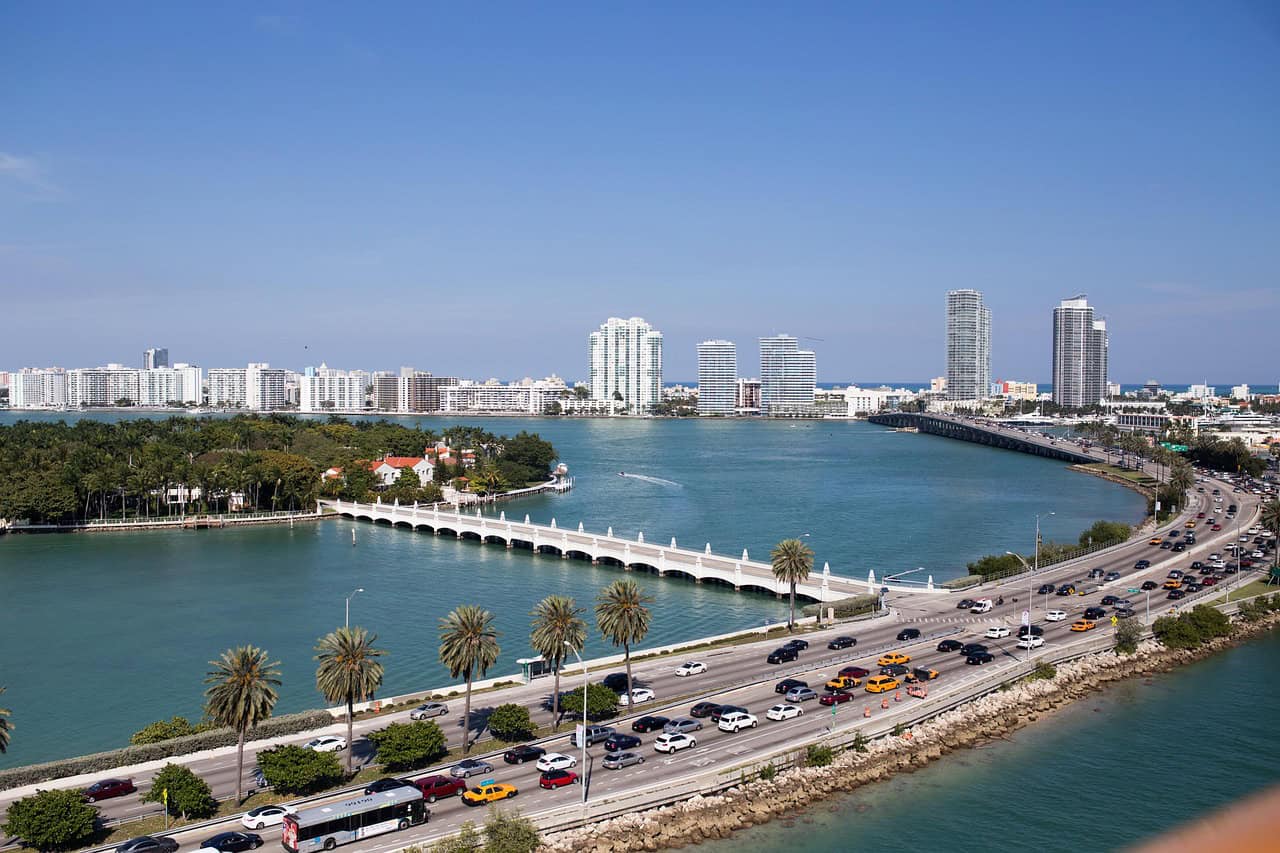
Florida remains a major tourism state, and in 2026 its toll network continues to evolve toward systems that clearly favor SunPass and E-Pass holders over invoice-by-mail users. In many areas, video billing can cost 20% to 30% more per trip, and repeated crossings on busy Central Florida expressways multiply that quickly. The state explains that the extra revenue supports road expansions and hurricane-resilience projects, which can cost billions of dollars across hundreds of miles of infrastructure. But for visitors who make up more than 100 million annual trips in Florida, the difference between local and outsider pricing becomes increasingly noticeable.
8) Illinois

Illinois continues restructuring its tolling environment through all-electronic systems, and in 2026 the practical outcome is an ongoing divide between account holders and those paying later through mailed billing. While standard rate adjustments often sit around a few percentage points, invoice customers may see processing add-ons that lift totals sharply on busy routes leading into Chicago. With millions of out-of-state vehicles using these expressways yearly, authorities argue the structure encourages compliance and reduces toll evasion. For occasional travelers, though, that means a short road visit or airport transfer can cost several dollars more each way than it does for regular local commuters.
9) Massachusetts

Massachusetts continues refining its electronic tolling strategy on routes including the Massachusetts Turnpike, and 2026 reflects that direction clearly. While base toll adjustments generally remain under double-digit percentage levels, drivers billed via license plate invoices routinely pay several dollars more per trip compared with users of the state’s electronic pass. Officials highlight maintenance of long bridges, tunnels, and high-traffic corridors stretching for more than 120 miles as justification. Out-of-state travelers, particularly those simply passing through New England, often feel the financial impact most sharply because a brief journey across the state might involve multiple tolled segments in a single day.
10) Washington

Washington State’s toll roads and major bridge projects continue to support large infrastructure investments in 2026, and price adjustments make electronic account holders the clear winners. On corridors like express lanes feeding Seattle, differences between Good-To-Go tag users and bill-by-mail customers can range from $2 to $7 depending on traffic levels and time of day. The state cites rising construction and maintenance costs as key drivers, with multi-billion-dollar projects remaining active. For visitors, it means that a few commutes or airport transfers can quickly accumulate surprisingly high totals, especially when billed afterward with added administrative charges layered on top.
11) Colorado
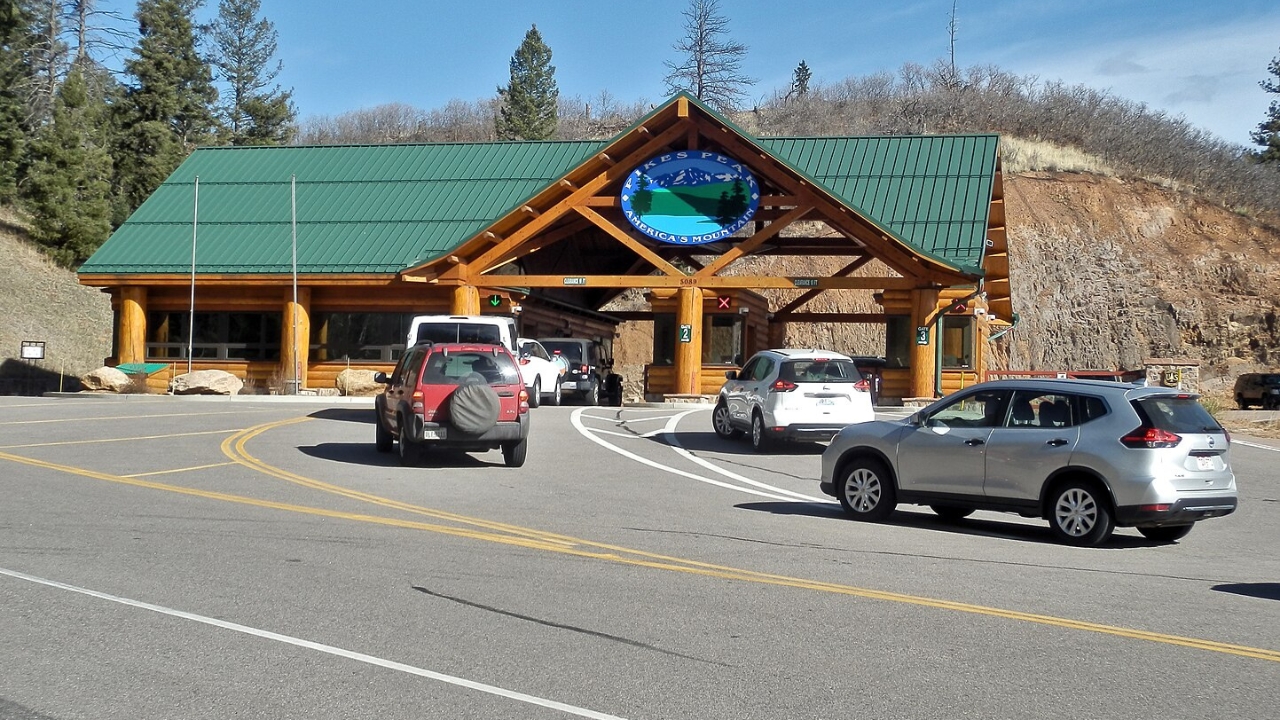
Colorado’s tolling authority is moving toward incremental price increases in 2026, often around 3%, while retaining a noticeable gap between electronic pass users and customers billed through plate recognition. Many corridors operate on variable pricing, making busy-hour costs even steeper for non-local travelers unfamiliar with the system. With mountain infrastructure, weather resilience, and expansion projects costing hundreds of millions, the state continues defending the policy. Still, for road-trip visitors heading toward ski resorts or national parks, paying several dollars extra per segment without a local pass can make travel noticeably more expensive than residents experience each week.
12) Maryland

Maryland’s extensive bridge and tunnel network continues emphasizing discounted E-ZPass Maryland rates in 2026 while keeping higher totals for those relying on mailed billing. While the percentage increases themselves may look moderate, generally sitting a few points above previous years, fee layers can push invoice costs significantly above what locals pay. With major facilities serving millions of vehicles yearly and key crossings costing anywhere from $4 to over $8, the cumulative difference for out-of-state visitors becomes real. Authorities insist the structure encourages efficiency and reduces administrative burdens, but travelers passing briefly through the region inevitably feel like they are paying a premium just for not being local.