We may earn money or products from the companies mentioned in this post. This means if you click on the link and purchase the item, I will receive a small commission at no extra cost to you ... you're just helping re-supply our family's travel fund.

Snow-capped trails feel different when they are not crowded. The air stays sharper, the soundscape is mostly wind, and the mountain sets the pace instead of a line of hikers. In 2026, beating crowds often comes down to choosing high-elevation routes in less visited parks or on wilder edges of famous ranges, then starting early and respecting weather that changes fast. These hikes deliver real alpine scenery, lingering snow, and summit-grade views without the constant bustle of the most photogenic hotspots.
Wheeler Peak Summit Trail, Great Basin National Park, Nevada
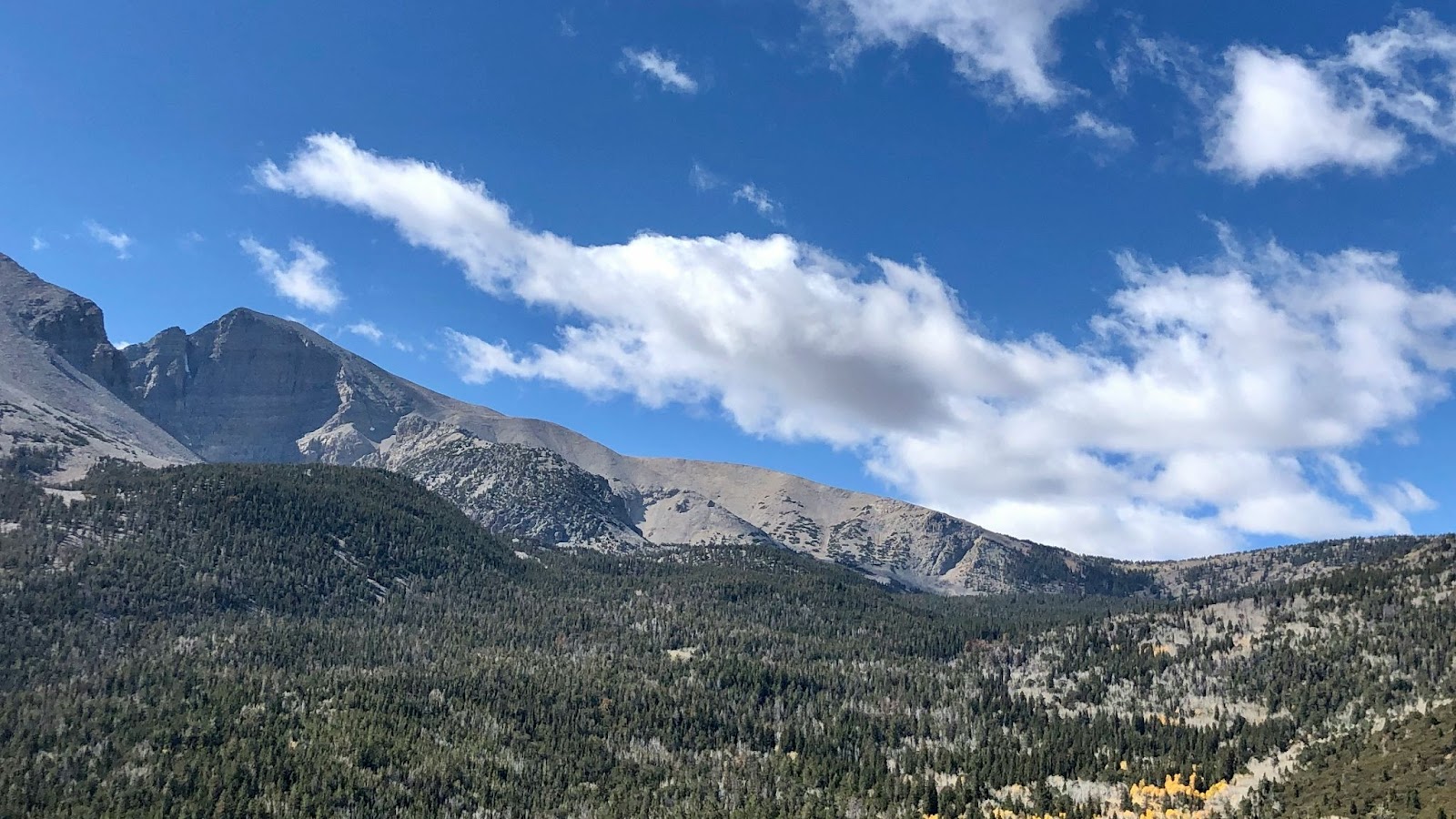
Great Basin is a crowd-escape park where high elevation does the heavy lifting, keeping the Wheeler Peak approach crisp and surprisingly quiet even in peak season, with a sense of distance from everything. The route climbs from a lofty trailhead through bristlecone country, then into talus and lingering snowfields where wind, thin air, and wide-open sky make the mountain feel serious without being theatrical. With far fewer visitors than the headline parks, space is easier to find on the ridge, and an early start buys calmer weather, firmer footing, and time to linger at the summit while distant ranges fade into blue haze.
Heliotrope Ridge to Coleman Glacier, Mount Baker Area, Washington
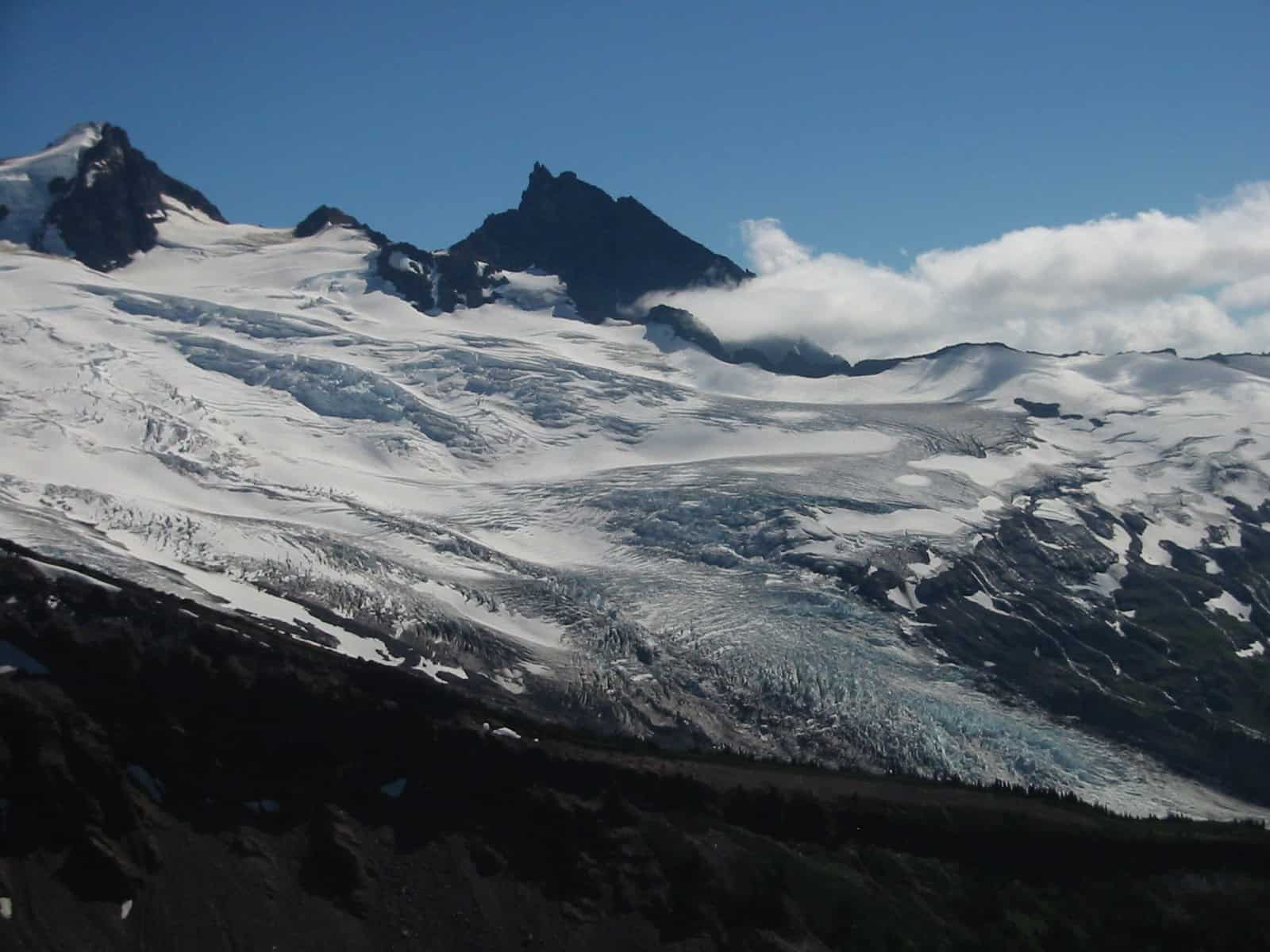
Heliotrope Ridge delivers glacier drama without the bottlenecks, climbing quickly from forest into open viewpoints beneath Mount Baker’s white crown, with big mountain scale arriving fast. Stream crossings and rocky climbs lead to vantage points over the Coleman Glacier, where blue ice, crevasses, and broken seracs make the landscape feel alive, and the air stays cold and clean in every season. Because access roads and snowpack act as natural gatekeepers, midweek and shoulder-season mornings often feel spacious, with room to pause, watch clouds slide across the icefall, and head down before afternoons fill in.
Humphreys Peak via Humphreys Trail, Arizona
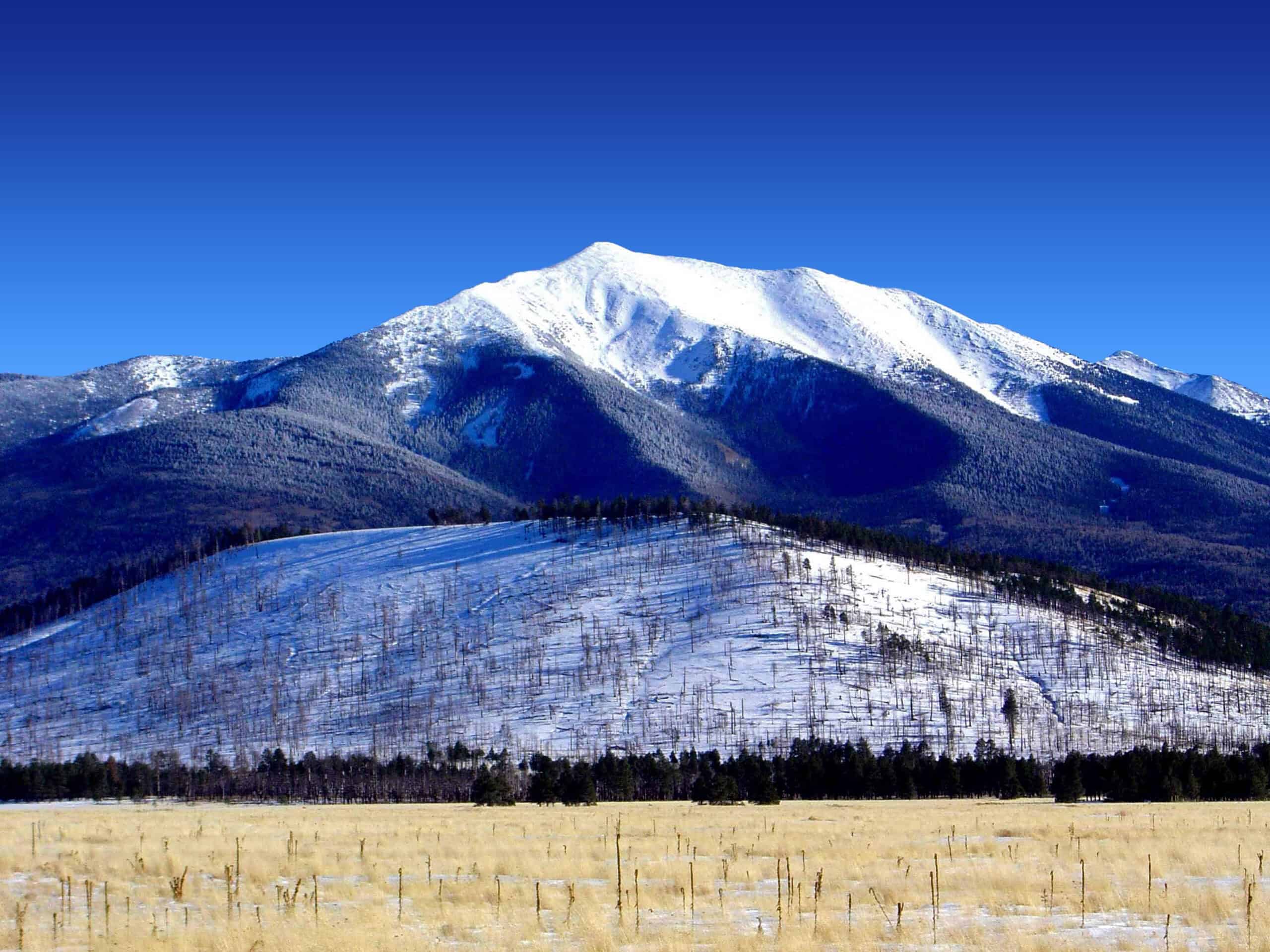
Humphreys Peak flips the Arizona stereotype, rising from pine forest into open, alpine terrain where snow can linger long after the desert is warm and the skies look harmless, especially in late spring. The long, steady climb filters out casual foot traffic as the elevation rises, and the final ridge can feel wintry even when Flagstaff is mild, making timing, traction, and layers part of the plan for anyone aiming for the top. On clear days, the summit delivers huge Colorado Plateau views with a clean, cold edge, and the quieter descent often begins right after the early-morning wave peaks, leaving the upper mountain calm and bright.
Guadalupe Peak Trail, Guadalupe Mountains National Park, Texas
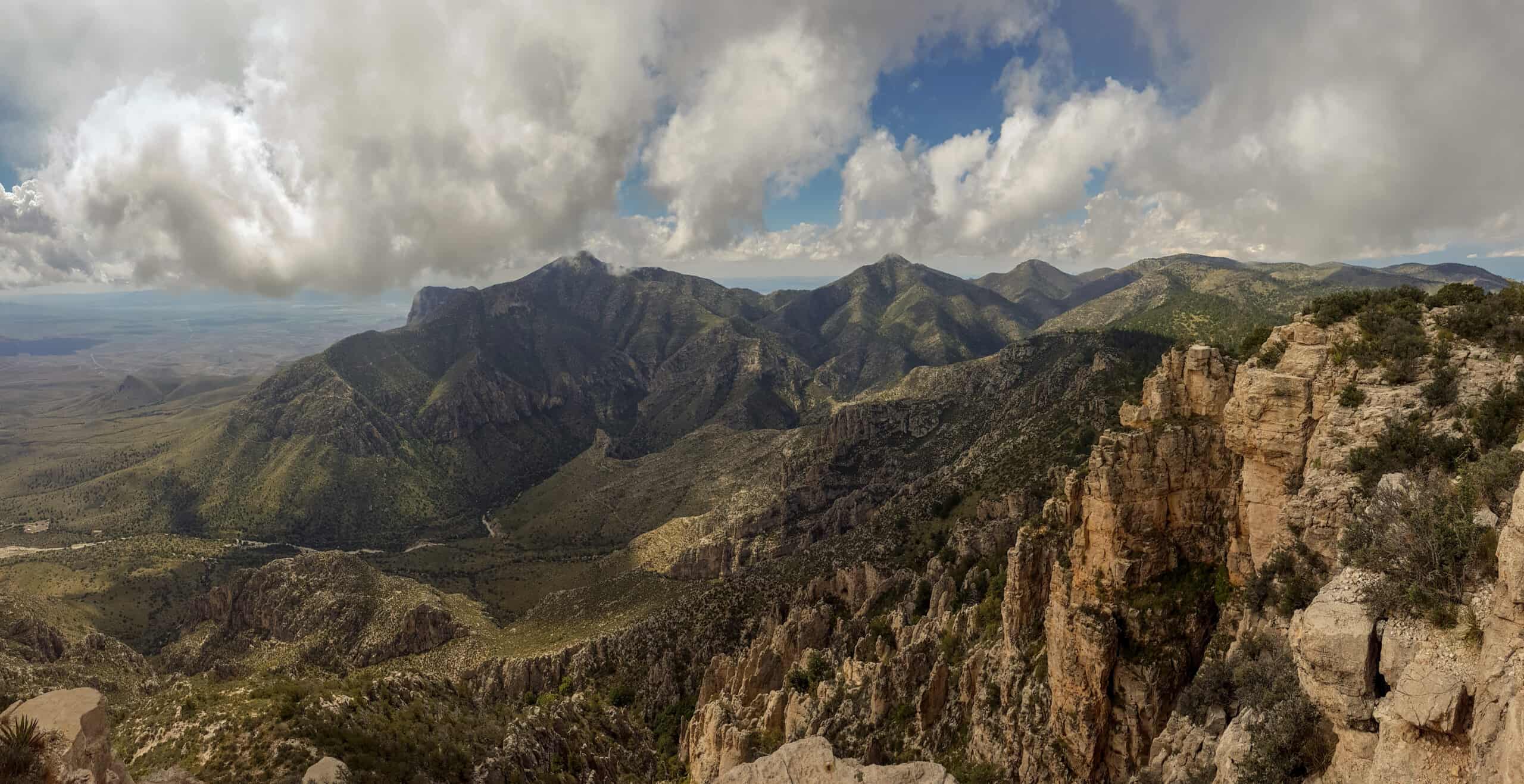
Guadalupe Peak is the high point of Texas, but it feels more like a remote winter ridge walk than a bragging-rights stop, with wide horizons and very little noise once the climb gets going. The long limestone route sits far from big-city day-trip traffic, and cold fronts can leave snow lingering on shaded switchbacks while wind keeps the summit honest and the air dry, a true desert-mountain mix. With fewer people on the trail, the top feels wide and calm, opening into basin-and-ridge views that reward a steady pace and a start early enough to dodge midday sun and the gusty afternoon shift, then descend in shade and quiet.
Lassen Peak Trail, Lassen Volcanic National Park, California
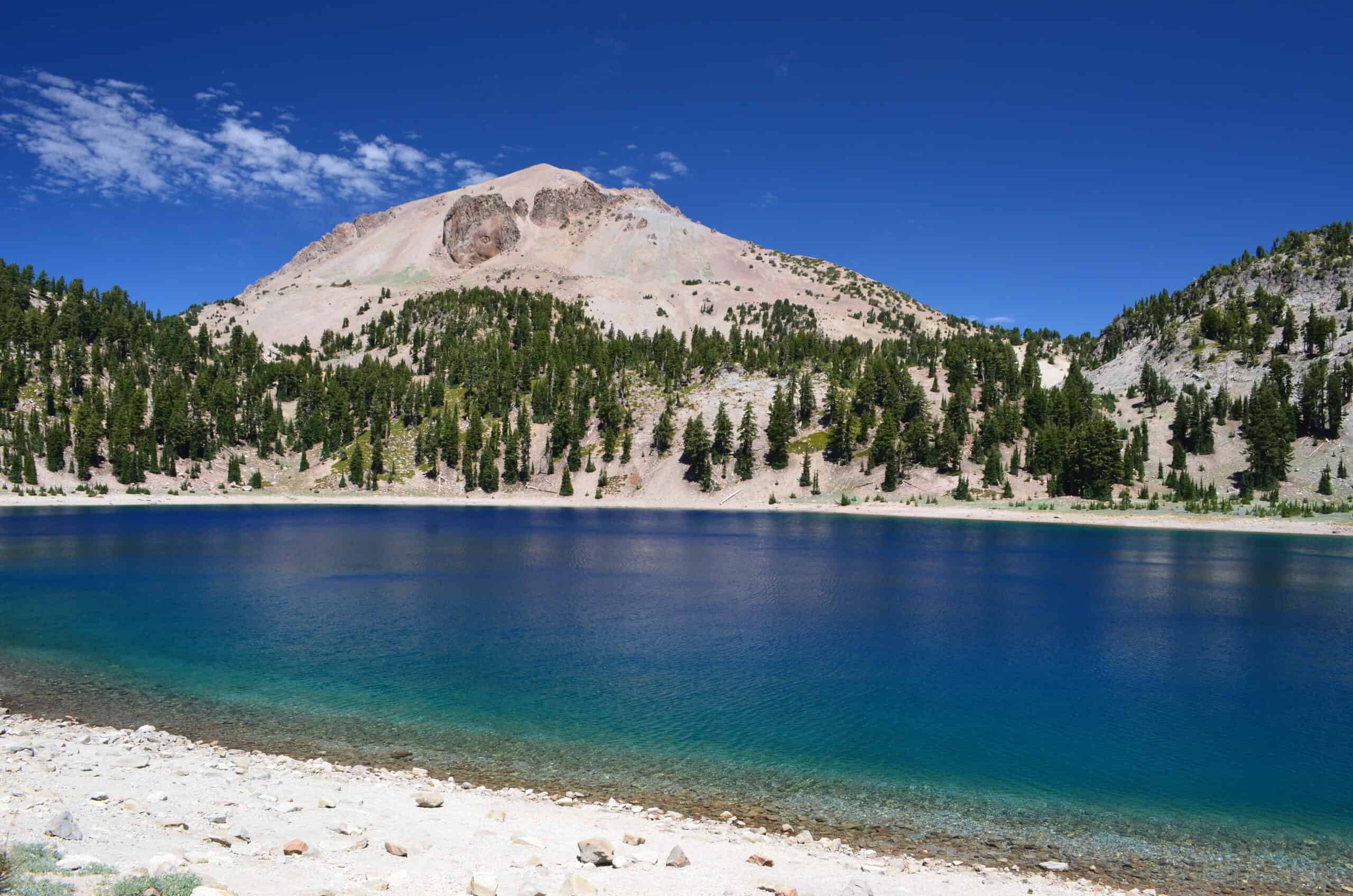
Lassen Peak pairs snow-capped scenery with a volcanic landscape that reads like geology in motion, from pumice slopes to domes and bright lakes that sit like polished stones in the forest. Snow often hangs on into early summer, and the broad, open cone makes the climb feel expansive rather than crowded, especially outside July and Aug. when parking stays manageable and voices carry less on the wind. Morning starts usually bring firmer footing and clearer skies, and the summit view stretches across a quieter corner of California where steam vents, sulfur scents, and distant ridgelines make the place feel otherworldly.
Cascade Pass to Sahale Arm, North Cascades, Washington
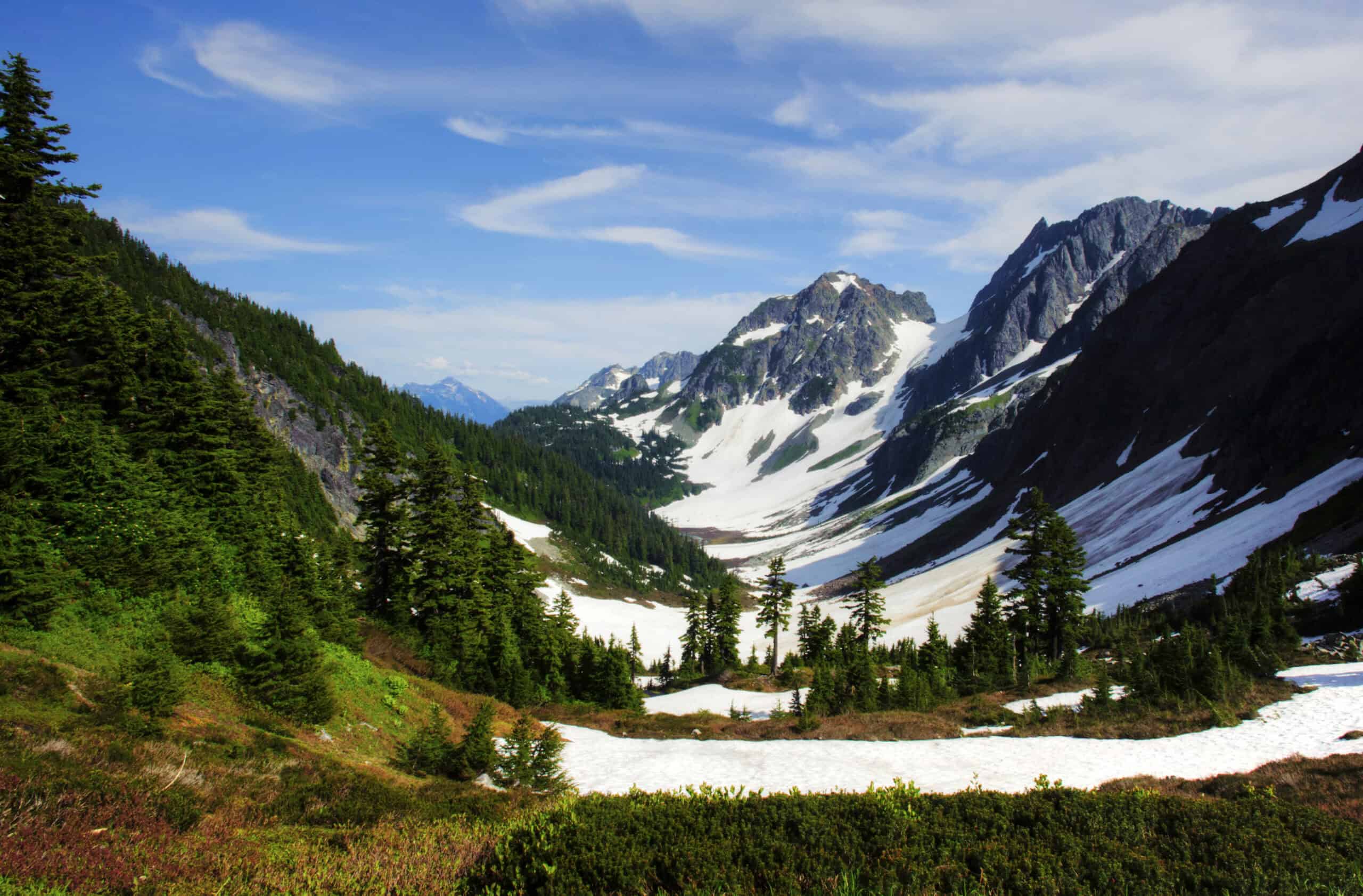
Cascade Pass starts gentle, then Sahale Arm opens into a ridge walk of glaciers, jagged peaks, and snow patches that hold late into the season, even when lower valleys look fully green and busy. North Cascades gets less day-to-day pressure than many marquee parks, and the effort beyond the pass naturally thins the crowd, so the climb often feels steady and personal rather than performative, with long pauses built in. An early trailhead arrival helps keep the day calm, and a conservative turnaround time preserves the best part of the route: long views in cold air, with silence that feels earned, before the pass corridor fills.
Harding Icefield Trail, Kenai Fjords National Park, Alaska

Harding Icefield feels like walking from coastal green into a high, cold world, where snow and ice spread to the horizon in a single bright sheet and the wind can change the mood fast, even in midsummer. The climb is demanding enough that many visitors stop at lower viewpoints, which keeps the upper route quieter and makes the final push feel focused rather than crowded or rushed, with more room to breathe. On clear days the icefield looks endless, and choosing a weekday with a stable forecast turns the hike into a controlled, unhurried encounter with Alaska’s scale, where the payoff is the quiet as much as the view out front.
Mount Mansfield via Sunset Ridge, Vermont
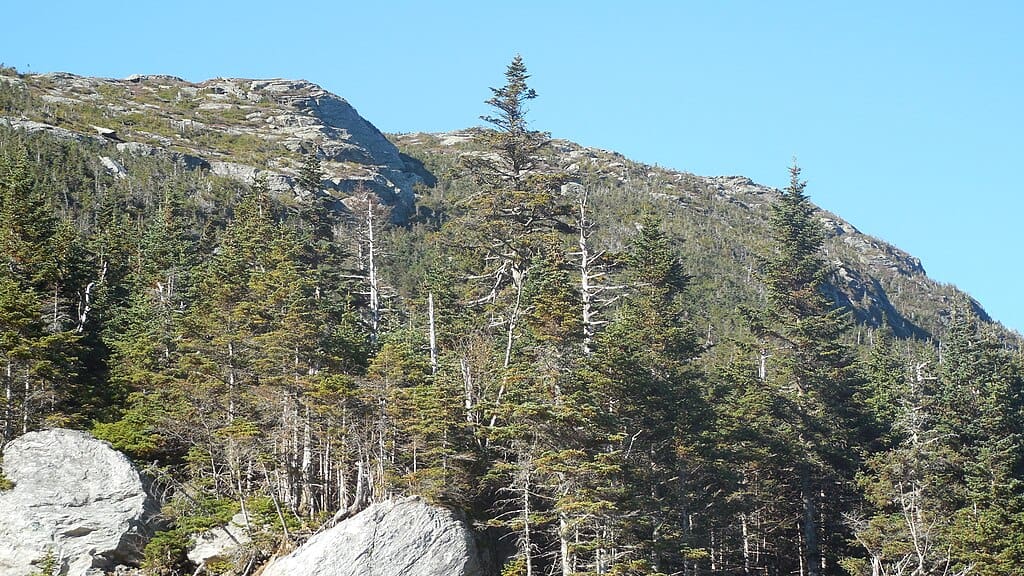
Mount Mansfield offers a true alpine spine in the Northeast, with snow lingering in shaded pockets well after valley roads feel like spring and the air smells like thawed earth and fir. Sunset Ridge climbs directly to open ledges and ridge views, and the exposure near the top gives the summit a mountain mood without requiring technical moves or complicated route-finding, just steady attention. Compared with the busiest New England classics, Mansfield can feel calmer on shoulder-season weekdays, and the quick-changing weather up high keeps the ridge dramatic, with sudden sunbreaks and fast-moving cloud shadows.
Mount Washington via Ammonoosuc Ravine Loop, New Hampshire

Mount Washington is famous, but the Ammonoosuc approach keeps the day grounded in trail reality rather than summit-road congestion, starting with waterfalls and slick rock that demand attention and slow the pace naturally. It climbs beside water and boulders, then breaks into open terrain where rime, wind, and lingering snow can appear even when lower trails feel mild, naturally discouraging casual crowds and casual decision-making. A loop return via Jewell spreads people out and leaves room to absorb the wide, weather-sculpted landscape that makes this mountain feel serious in every season, even when the summit is busy and loud.
Wheeler Peak via Williams Lake Trail, New Mexico
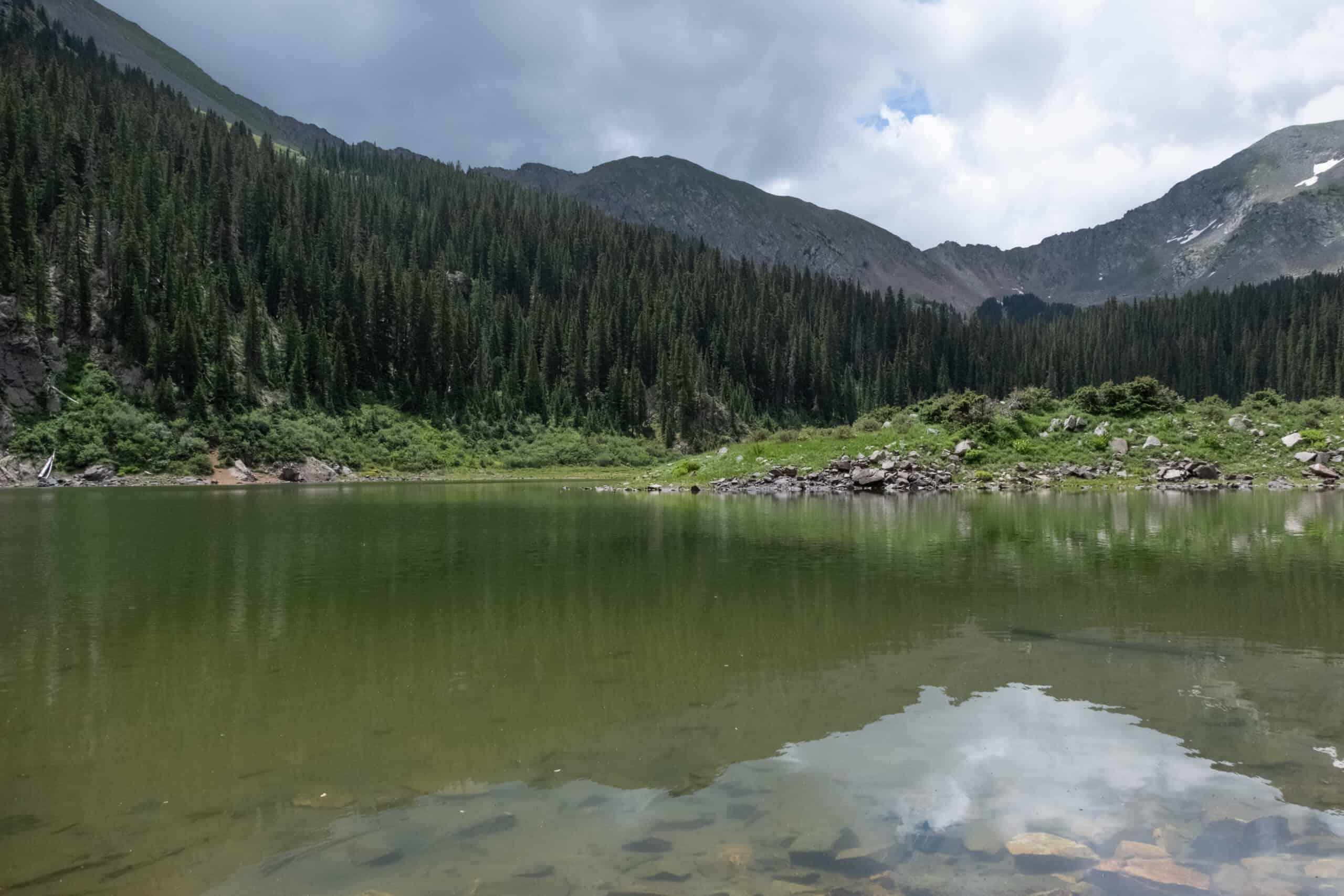
New Mexico’s Wheeler Peak brings snow-capped energy to the southern Rockies, starting with a scenic climb to Williams Lake before the trail rises into high, open slopes that feel suddenly big and exposed. Late snow can linger in shaded gullies and along the ridge, and the altitude plus the long grade naturally thins the crowd beyond the lake, where the day starts to feel quieter and more focused, with fewer voices. Early light tends to keep the air crisp and the basin calm, and the summit view pays back the effort with a broad horizon of ridges and valleys, plus the satisfaction of real altitude without big-city noise and chatter.
Uncompahgre Peak via Nellie Creek, Colorado
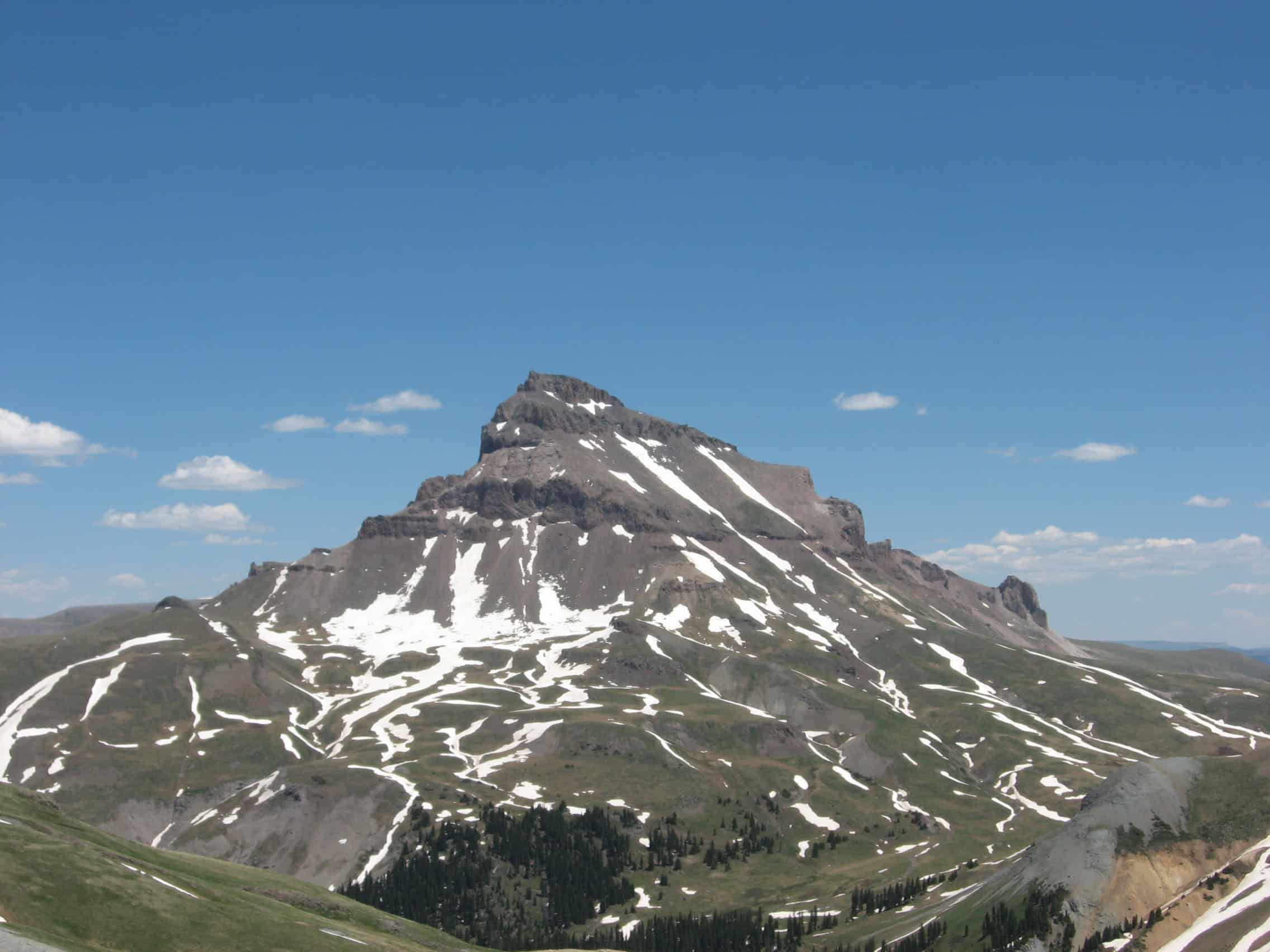
Uncompahgre Peak is a fourteen-thousand-foot summit that often feels less chaotic than Colorado’s front-range icons, partly because the drive to Nellie Creek filters out impulse crowds and casual drop-ins, especially on weekdays. The route climbs through high meadows to a broad summit dome where snowfields can hang on into early summer, and the San Juan sky makes everything feel larger, quieter, and more spacious, with room to spread out. A weekday start and steady pace usually deliver room on the upper mountain, turning the summit into a place to breathe, snack, and take in the horizon instead of rushing.
Mount St. Helens via Worm Flows, Washington
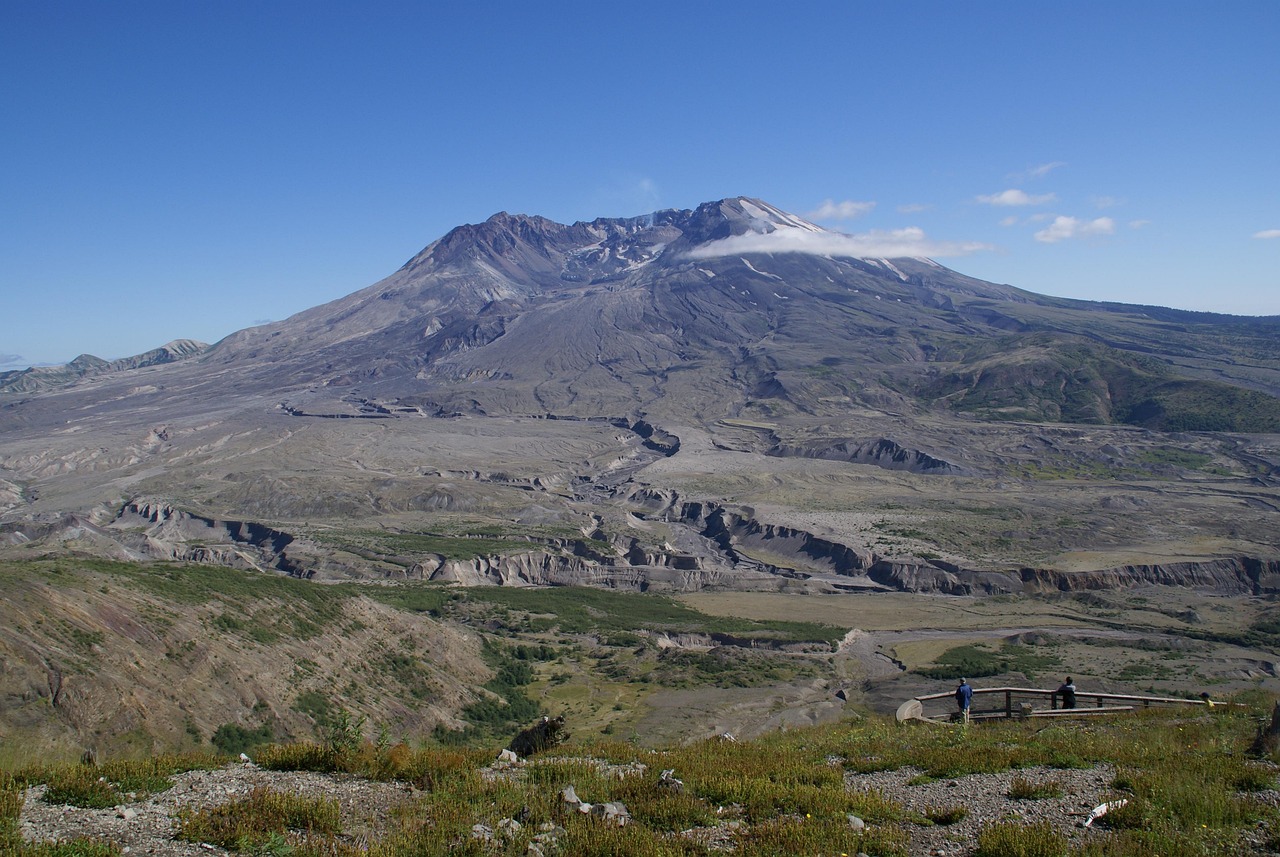
Mount St. Helens via Worm Flows blends history with high-country snow, climbing open slopes where early-season snow can smooth the terrain into a steady grind and soften loose rock, with the crater’s story visible all day. Permits and conditions limit numbers, and the raw landscape keeps the mood focused, with fewer of the crowd cues that show up on more polished routes, even when the weather looks inviting from the trailhead. Higher up, crater views and the blast zone unfold in stark layers, making the hike feel like a living lesson in how quickly a mountain and a region can change, and why respect beats bravado every time.