We may earn money or products from the companies mentioned in this post. This means if you click on the link and purchase the item, I will receive a small commission at no extra cost to you ... you're just helping re-supply our family's travel fund.
Travel in 2026 looks exciting, but it is undeniably more expensive than it was just a few years ago. Airfare algorithms change prices by the hour, hotels now rely heavily on dynamic demand models, and even once-affordable destinations are quietly adding new taxes and visitor fees. Still, travelers who understand how the system works are consistently saving significant amounts without giving up comfort or experiences. The key is not extreme budgeting, but informed decision-making. These twelve smart travel hacks focus on real, practical strategies shaped by how travel pricing actually works in 2026, helping you plan better, spend less, and travel with confidence.
1. Split Round Trips Into Strategic One‑Way Flights
Booking flights as two separate one‑way tickets is one of the most effective savings tactics in 2026, because airlines now price outbound and return legs independently. This frequently creates gaps hidden inside round‑trip fares that travelers never see unless they compare legs separately. Mixing carriers or routes can reduce airfare by 15 to 30 percent on international trips. For example, a $1,200 round trip often drops to $900–$950 when booked as two one‑ways. This approach also adds flexibility, since changing one leg does not affect the other, lowering change fees and risk.
2. Track Prices Before Fixing Your Travel Dates
Instead of locking dates first, experienced travelers in 2026 track airfare trends weeks or even months in advance. Price‑monitoring tools reveal patterns where fares drop $90 to $250 on identical routes. Moving a departure by a single day can lower costs by 10 to 25 percent, especially on long‑haul flights. Midweek departures remain consistently cheaper due to lower business demand. Letting price data guide scheduling helps travelers avoid peak pricing built into school holidays, festivals, and major events.
3. Choose Secondary Airports With Better Value
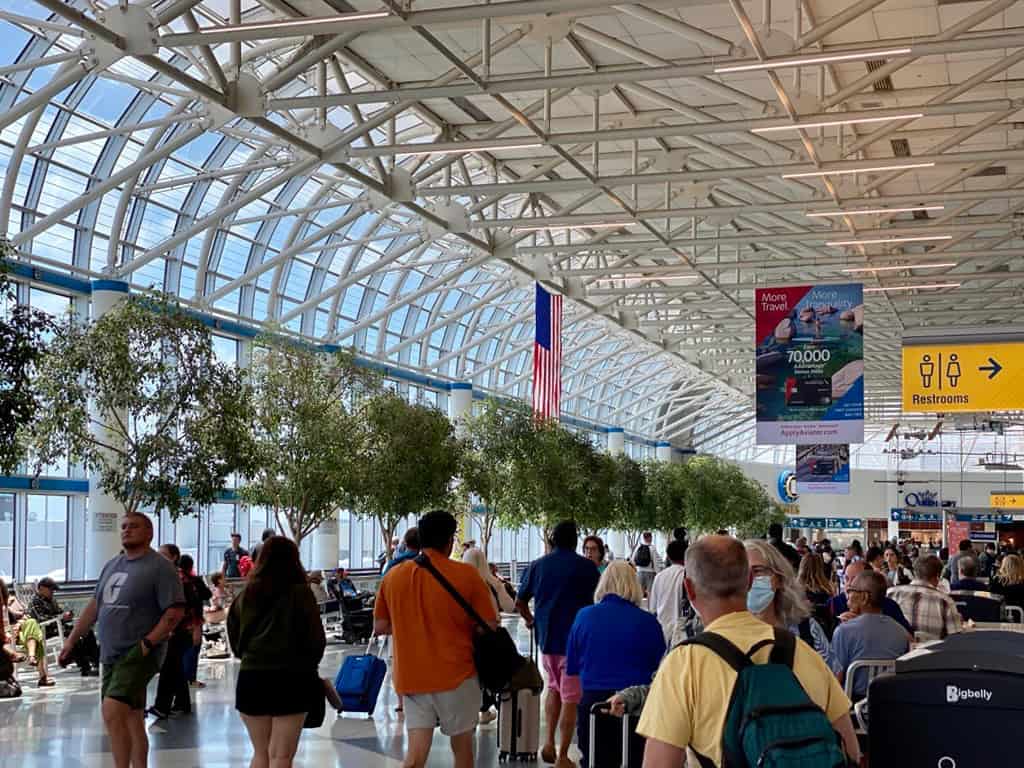
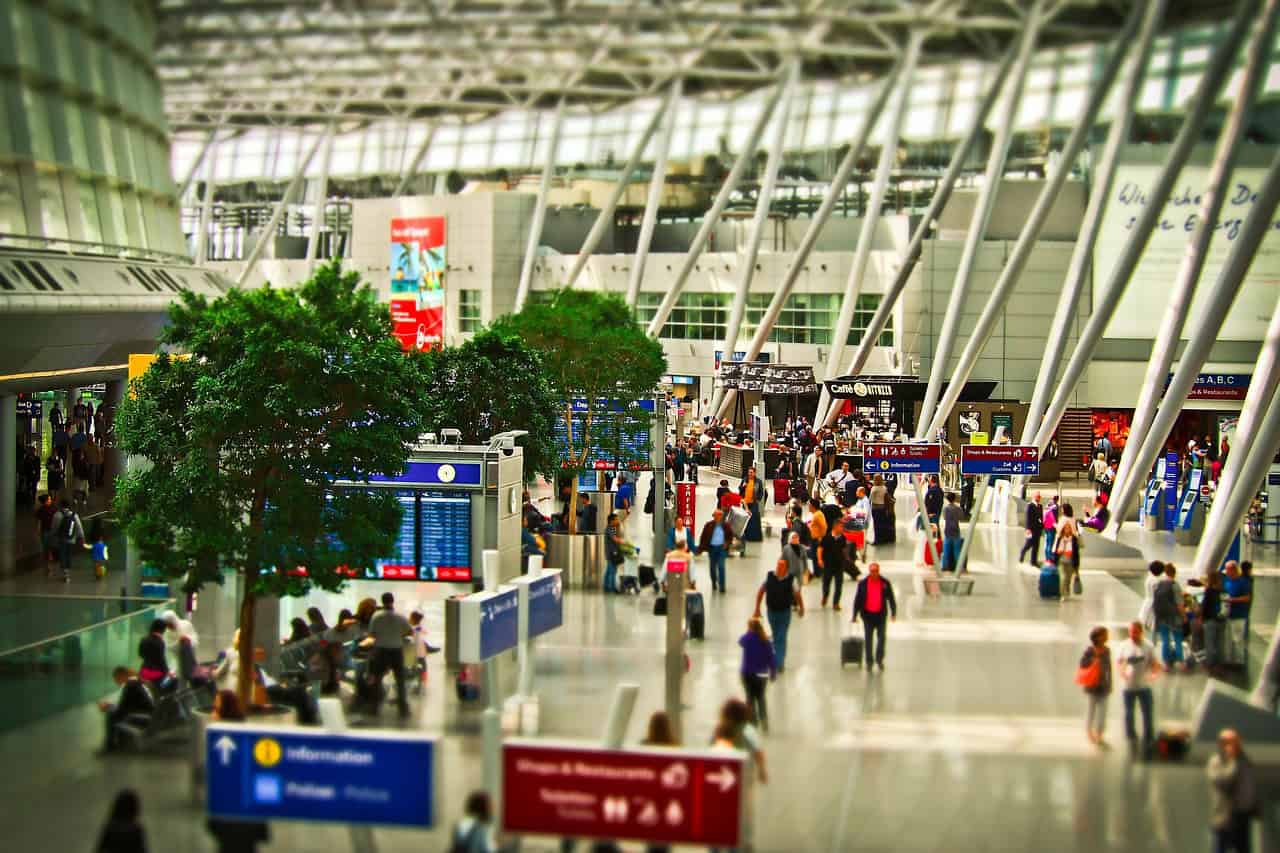
Major airports now pass higher landing fees, congestion charges, and operational costs directly to travelers. Secondary airports located 40 to 100 kilometers away often offer fares that are 20 to 40 percent cheaper. Improved rail and bus links mean reaching city centers for $15–$25 in many regions. A family of four can save $300–$600 on airfare alone. Slightly longer transfers are often offset by shorter security lines, fewer delays, and noticeably lower ticket prices.
4. Stack Loyalty Rewards Instead of Chasing Status
Chasing elite status matters less in 2026 than stacking rewards intelligently. Travelers who combine flexible credit‑card points with airline miles and hotel rewards reduce total trip costs by 18 to 35 percent. For example, booking flights with transferable points and hotels with reward nights can save $700 or more on a ten‑day itinerary. Flexibility is critical as loyalty rules change frequently. Rather than committing to one brand, smart travelers prioritize points that move easily across multiple airlines and hotel chains.
5. Compare Third‑Party Rates, Then Book Direct

Third‑party booking sites are useful for comparison, but direct hotel bookings often provide better overall value in 2026. Many properties quietly match listed rates while adding perks worth $30–$80 per night, including breakfast, Wi‑Fi, or resort‑fee waivers. On a five‑night stay, this can translate into $200–$400 in real savings. Direct bookings also simplify cancellations and improve upgrade chances, making this approach both cheaper and less stressful.
6. Target Shoulder Micro‑Seasons, Not Just Off‑Season
Traditional shoulder seasons are now crowded, but shorter micro‑windows still deliver strong value. Traveling seven to twelve days before major holidays or just after large events often reduces hotel prices by 25 to 50 percent. Weather conditions remain similar, while crowds thin significantly. In popular cities, nightly rates that peak near $320 can fall to $190–$220 during these gaps. Identifying these brief demand breaks requires planning, but the payoff is consistently substantial.
7. Outsmart Dynamic Pricing Algorithms
Dynamic pricing in 2026 adjusts costs based on demand signals, browsing behavior, and sometimes location data. Travelers comparing prices using private browsing or multiple devices often see differences of 5 to 15 percent. Repeated searches can trigger artificial price increases, particularly for hotels. Clearing cookies and spacing searches helps avoid this effect. On accommodation alone, this tactic can save $20–$60 per night, adding up quickly over longer stays.
8. Replace Traditional Car Rentals With Local Options
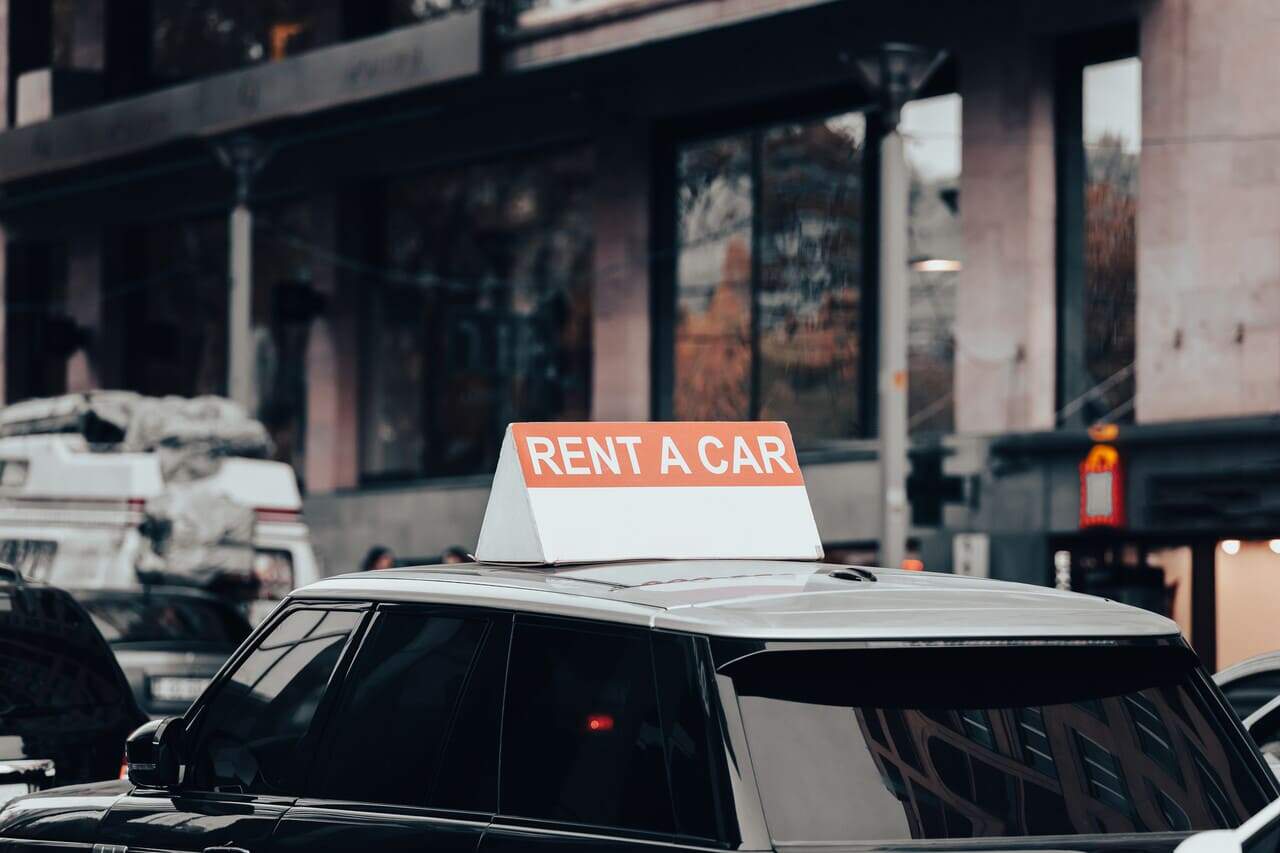
Car rental prices remain elevated due to insurance fees and limited vehicle supply. In 2026, local car‑sharing platforms and neighborhood rentals often cost 30 to 45 percent less than major brands. In cities with strong public transportation, skipping a car entirely can save $300–$600 over a week. When a vehicle is necessary, renting only for select days rather than the full trip further reduces fuel, parking, and daily rental costs.
9. Plan Dining With One Splurge Rule

Dining expenses quietly drain travel budgets faster than expected. A reliable 2026 strategy is planning one premium meal, then balancing it with cafés, bakeries, and local markets. Lunch menus often feature the same dishes at 30 to 40 percent lower prices than dinner. Travelers using this approach typically reduce food spending by $35–$60 per day. The result is enjoying regional cuisine without overspending or sacrificing memorable dining experiences.
10. Use Flexible Bookings to Capture Price Drops
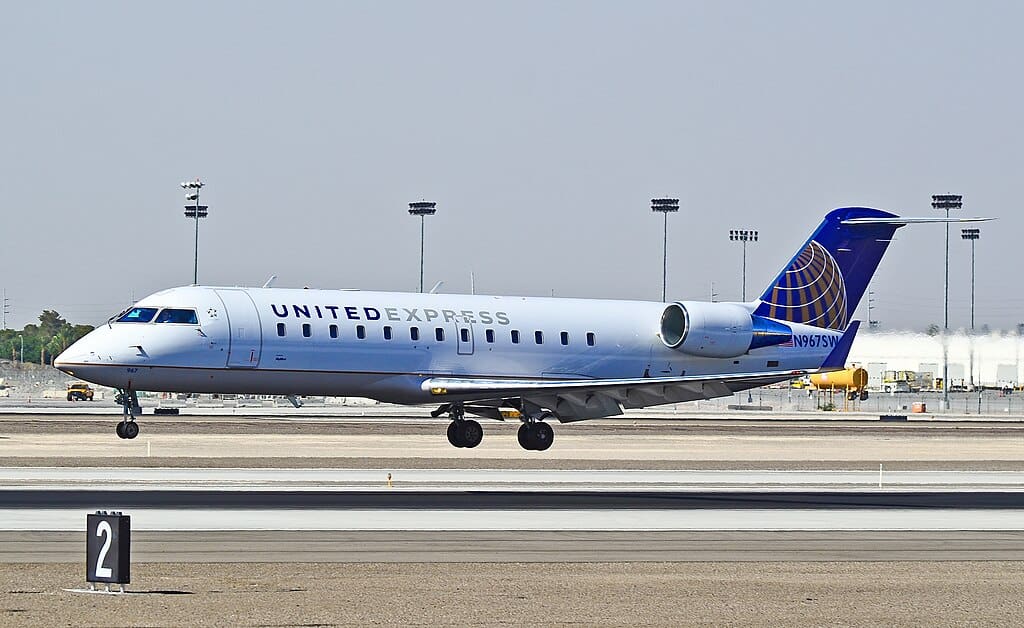
Refundable bookings have become powerful savings tools as prices fluctuate frequently in 2026. Travelers who recheck rates weekly often rebook at lower prices, saving 10 to 25 percent on hotels and flights. Even one price drop can return $150–$400. Airlines and hotels now adjust inventory aggressively based on demand forecasts, rewarding travelers who stay alert after booking instead of assuming prices will only rise.
11. Pack Smart to Eliminate Airline Add‑On Fees
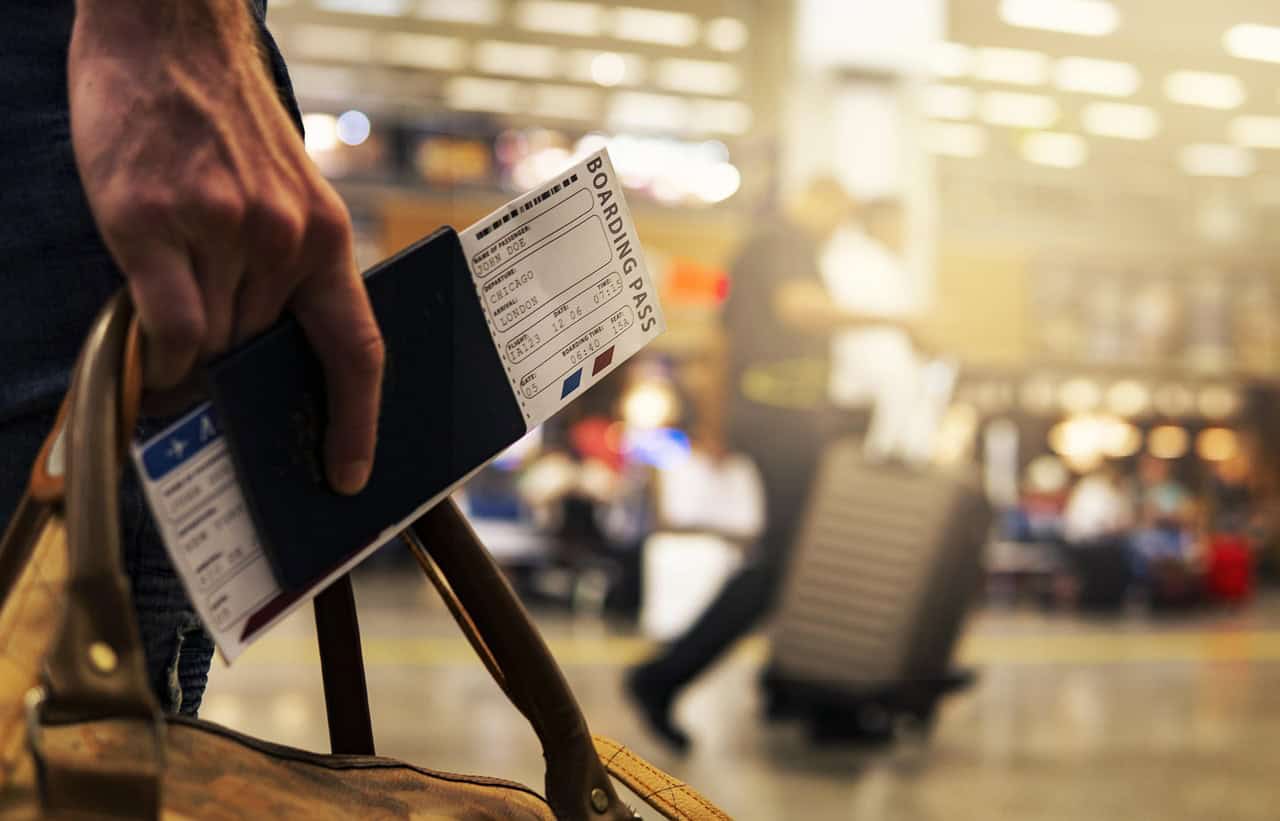
Airline fees for baggage, seat selection, and carry‑on compliance continue to increase. A single checked bag now costs $45–$75 each way on many routes. Packing efficiently using lightweight luggage and compression bags helps travelers avoid $100–$250 in added fees per trip. Understanding airline‑specific size limits is essential, as enforcement has tightened. Smart packing remains one of the simplest and most predictable ways to control travel costs.
12. Buy Attraction and Transit Passes Before Arrival

Cities increasingly price attraction tickets and transit passes higher at the gate. Purchasing digital passes in advance often locks in savings of 20 to 45 percent. In major destinations, a $180 attraction bundle may drop to $120–$130 online. Advance purchases also save time, reduce lines, and limit impulse spending. For multi‑day trips, these passes consistently provide the strongest return on planning effort in 2026.