We may earn money or products from the companies mentioned in this post. This means if you click on the link and purchase the item, I will receive a small commission at no extra cost to you ... you're just helping re-supply our family's travel fund.

Long before consumer drones filled carry-ons, the most dramatic views in the United States were meant to be taken in with eyes, not spinning propellers. As drones spread, park rangers and federal regulators started dealing with wildlife harassment, near misses with helicopters, and machines crashing into hot springs and cliff walls. That history is why some of the country’s most photogenic places are now absolute no-fly zones, where a quick launch can turn into a federal misdemeanor and a fine that rivals the cost of the trip.
Grand Canyon National Park, Arizona
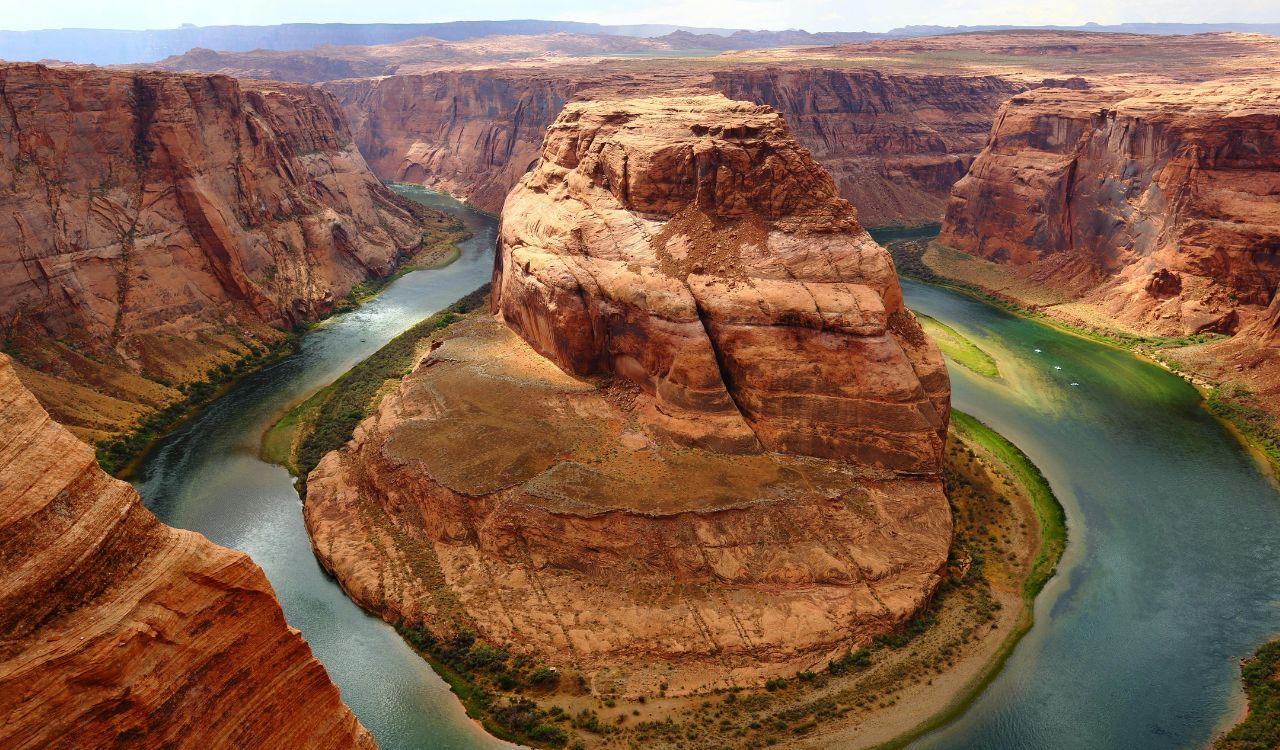
Those layered red walls almost beg for an aerial orbit shot, which is exactly why rangers see so many illegal launches along the rims. Grand Canyon falls under the National Park Service ban on uncrewed aircraft, so even a short recreational flight can count as a misdemeanor, with penalties that can reach six months in jail and a $5,000 fine. Confiscated gear, court dates, and permanent records do not pair well with sunset over the Colorado River.
Yellowstone National Park, Wyoming, Montana, Idaho
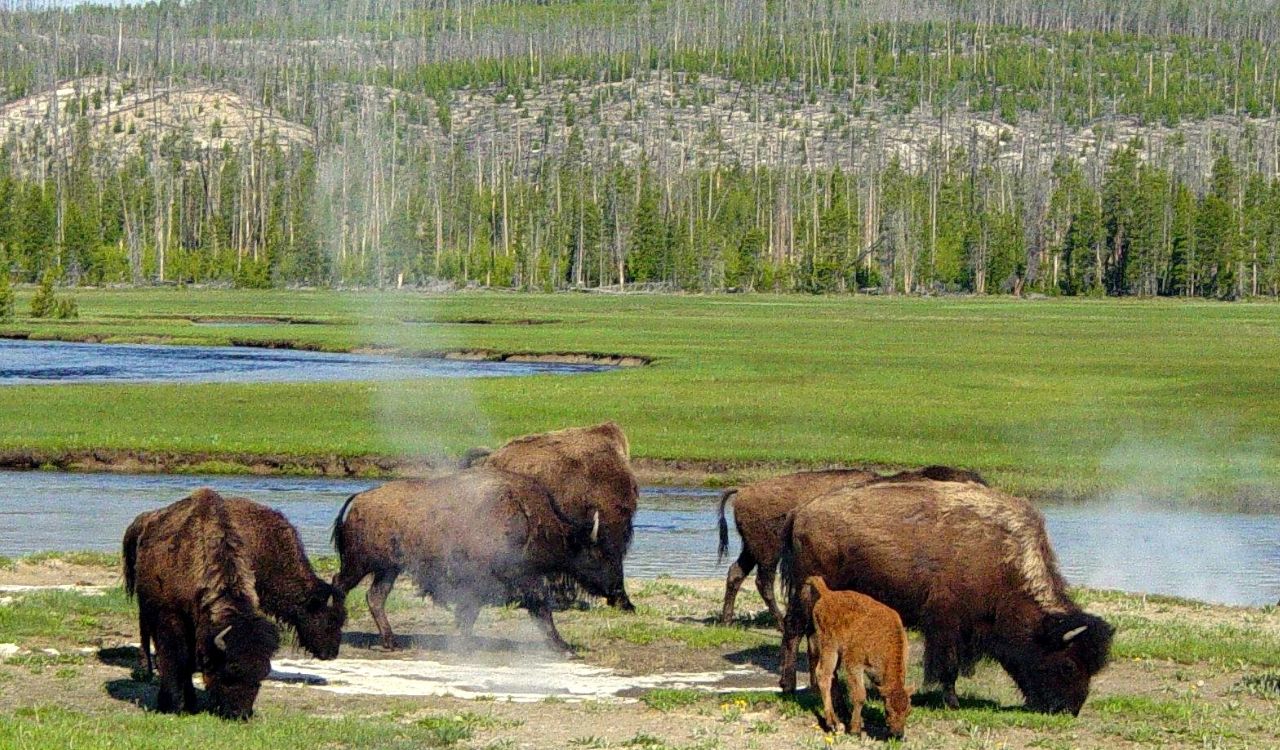
Yellowstone’s mix of geysers, hot springs, and roaming bison makes it a magnet for drone pilots who assume open space equals open rules. Rangers and judges see it differently, especially after drones crashed into thermal features like Grand Prismatic Spring, triggering expensive cleanups and public outrage. Violating the park-wide drone ban plugs straight into the same national penalty structure: up to six months behind bars and $5,000 in fines, with some recent cases reportedly pushing toward that ceiling.
Yosemite National Park, California
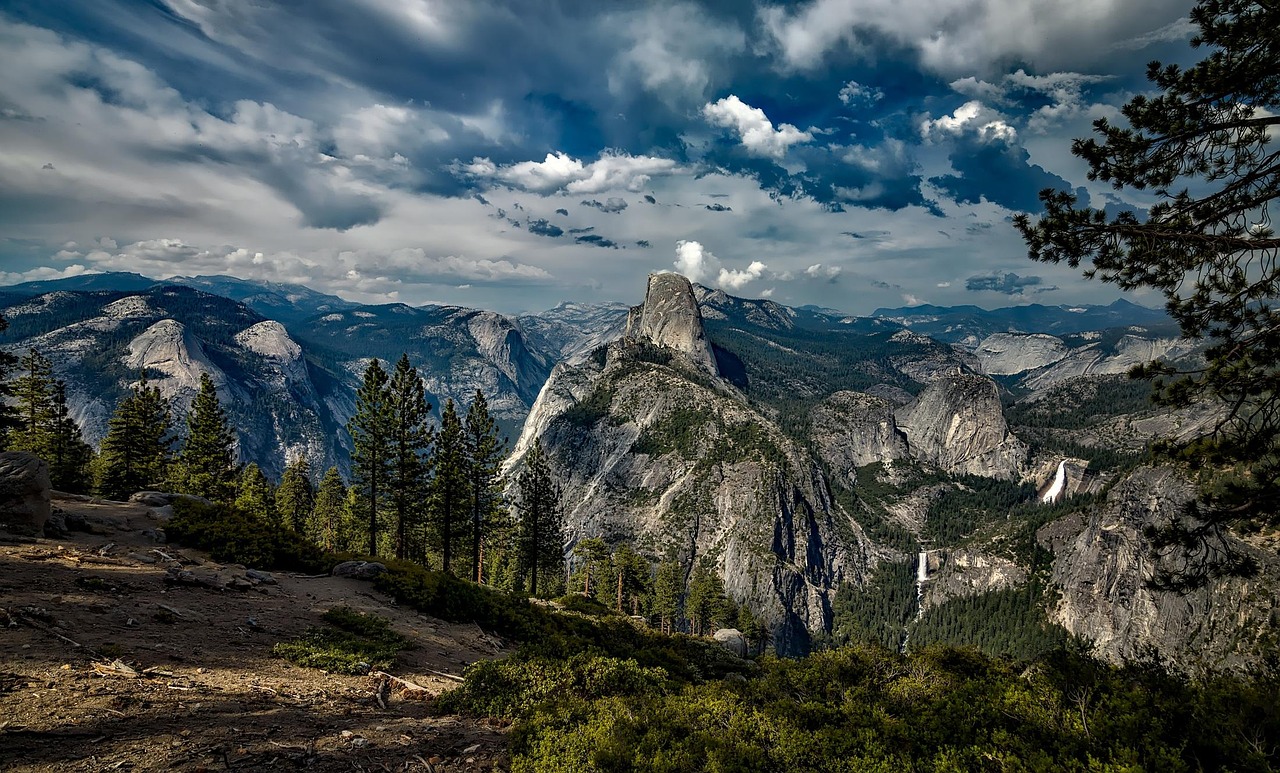
Granite domes, big waterfalls, and long valley views turned Yosemite into a postcard factory long before drones existed. Once quadcopters started buzzing climbers on El Capitan and wildlife in meadows, the park moved quickly to outlaw launches, landings, and operations inside its boundaries, backed by the broader National Park Service policy. Illegal flights now risk federal charges, fines that can climb to $5,000, and plenty of social backlash from visitors who came for natural quiet, not the whine of rotors.
Zion National Park, Utah
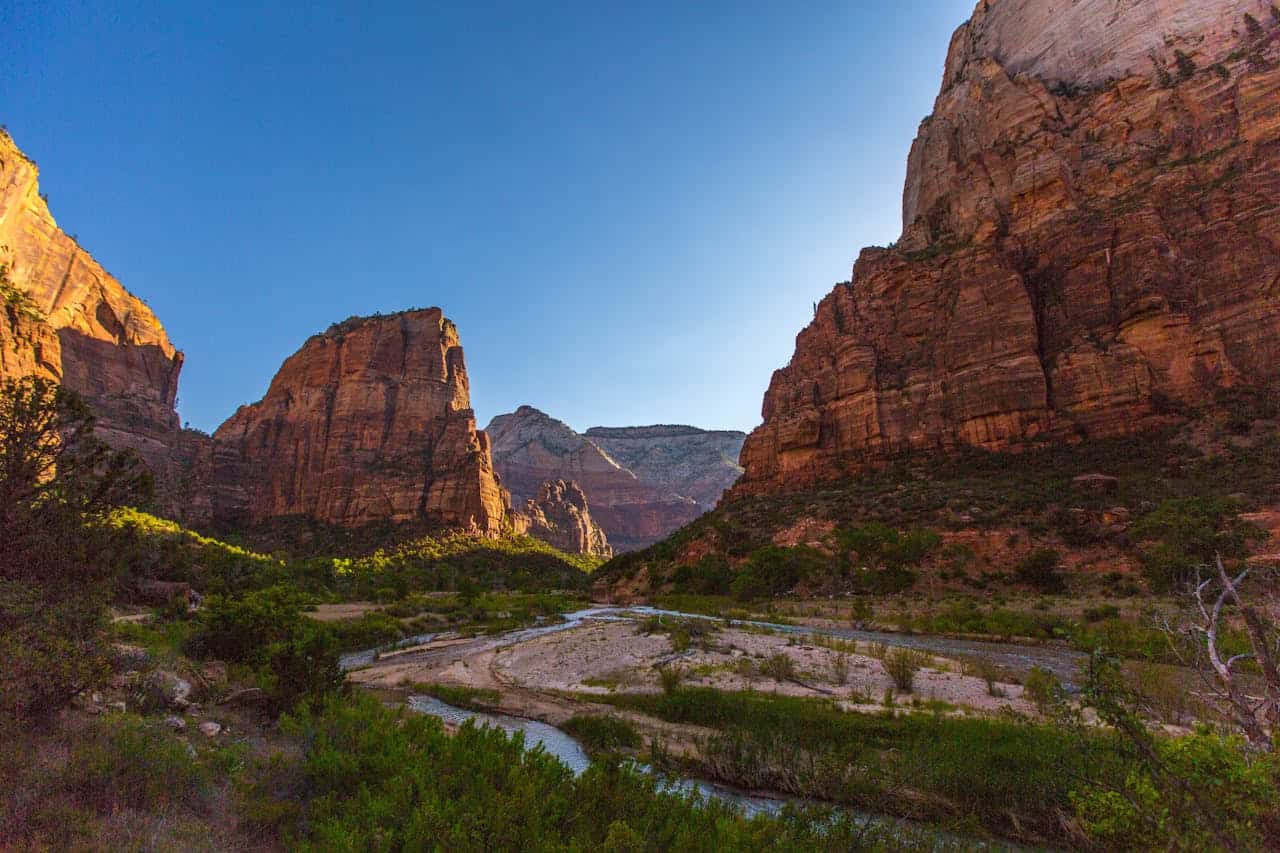
Narrow canyons and sheer walls make Zion feel like a natural film set, but park rules treat drones as a direct threat to both safety and serenity. The local regulations explicitly bar aircraft-based remote-controlled equipment, pointing operators back to the National Park Service’s uncrewed aircraft policy. Rangers have little patience for pilots trying to sneak launches from pullouts or unofficial trails. In practice, that can mean citations, court appearances, and fines that potentially stretch into the $5,000 range. National Park Service+1
Hawaii Volcanoes National Park, Hawaii
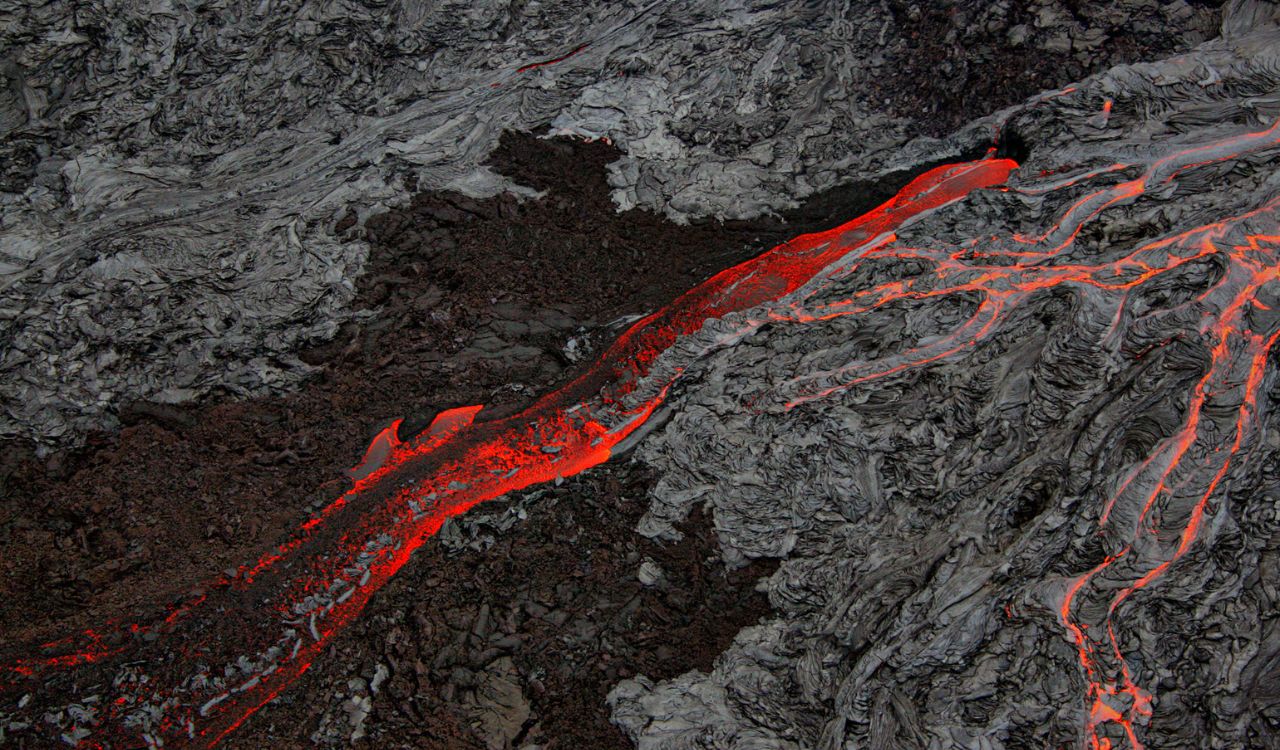
Lava fields, steam plumes, and dramatic coastlines might be some of the most tempting drone subjects on Earth. Hawaii Volcanoes National Park is also one of the strictest environments for unapproved flights. Guidance aimed at visiting pilots is blunt: drones are banned in all U.S. national parks, enforcement is active, and fines can exceed $5,000 when federal penalties are stacked. Local stories of chased and tased operators underline that rangers and federal agencies treat violations as more than a minor nuisance.
Great Smoky Mountains National Park, Tennessee, North Carolina
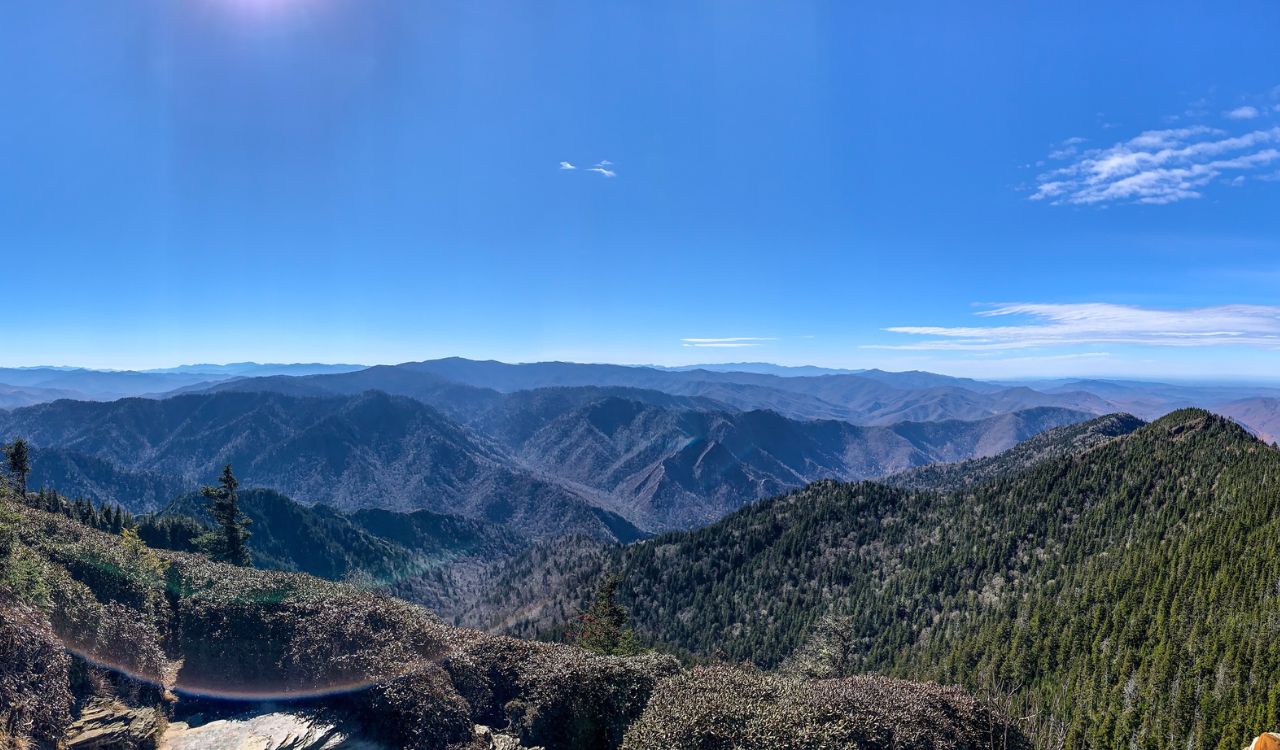
Rolling ridgelines and morning fog make Great Smoky Mountains a favorite subject for landscape photographers, but drones are off the table. The park sits under the same blanket ban that covers every national park, with rangers increasingly responding to complaints about buzzing machines spooking wildlife and ruining quiet overlooks. Because violations plug into federal regulations, an impulsive launch from a scenic pullout can snowball into a criminal case and a potential $5,000 fine, even for a first-time visitor.
Glacier National Park, Montana
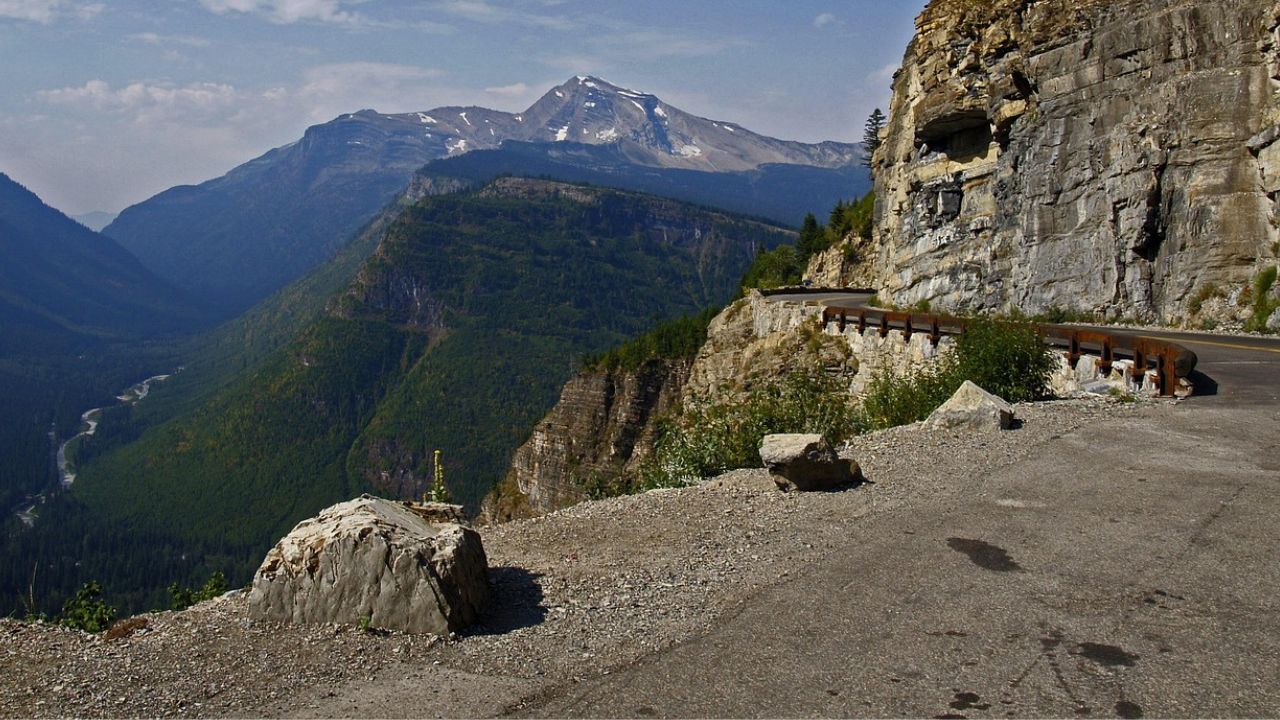
Glacier’s sharp peaks and turquoise lakes have become social media fixtures, which unfortunately attracts pilots looking for viral overhead shots. Uncrewed aircraft are banned here as well, partly to protect nesting birds and sensitive alpine wildlife from sudden noise and low-flying machines. When rangers respond, they are enforcing a national policy that categorizes violations as misdemeanors, with maximum penalties of six months in jail and a $5,000 fine. Confiscation of equipment often comes on top of whatever a judge decides.
Acadia National Park, Maine
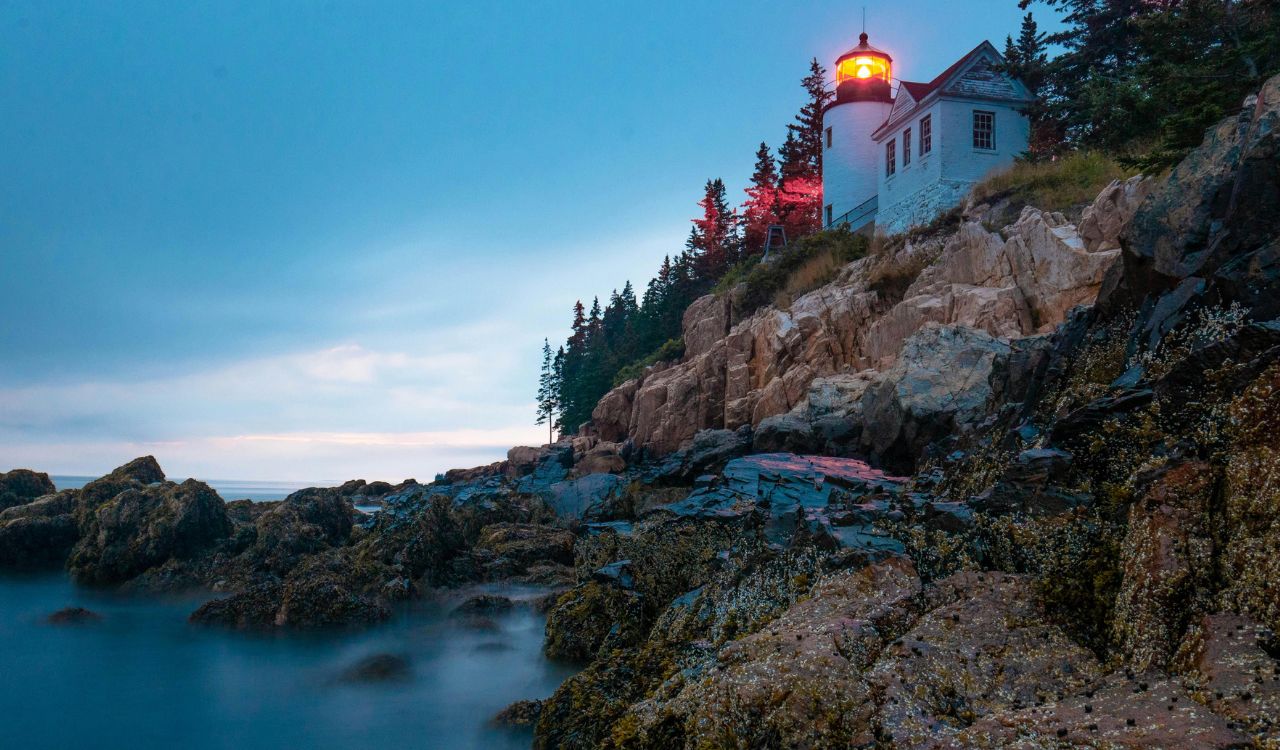
Clifftop roads, rocky shorelines, and early sunrises put Acadia high on any scenery list. Drones, however, are off-limits without a rare special use permit. Coastal bird colonies and heavy visitor traffic make random flights particularly risky here, so enforcement tends to be strict when operators are caught. Because Acadia is an NPS unit, the same federal penalty framework applies, and illegal flights can bring fines up to $5,000, plus restitution if wildlife or property are damaged in the process.
Rocky Mountain National Park, Colorado
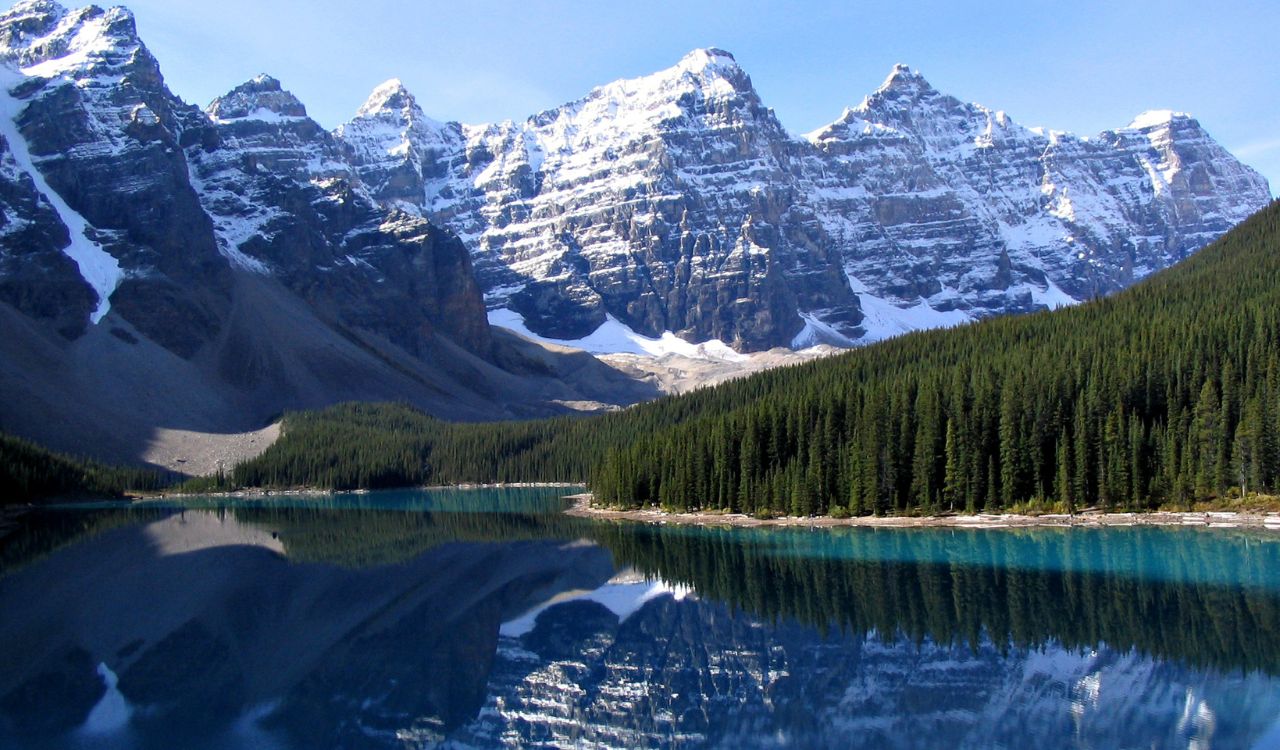
In Rocky Mountain National Park, elk herds, fragile tundra, and dramatic passes compete for attention. Drone noise and low-level flights cut straight across those priorities, which is why the park follows the nationwide prohibition. Pilots sometimes argue that launching from just outside boundaries keeps them safe, but enforcement can still reach them if operations disturb wildlife or visitors inside the park. The legal backdrop remains the same: uncrewed aircraft violations can end with a judge imposing fines up to $5,000.
Arches National Park, Utah
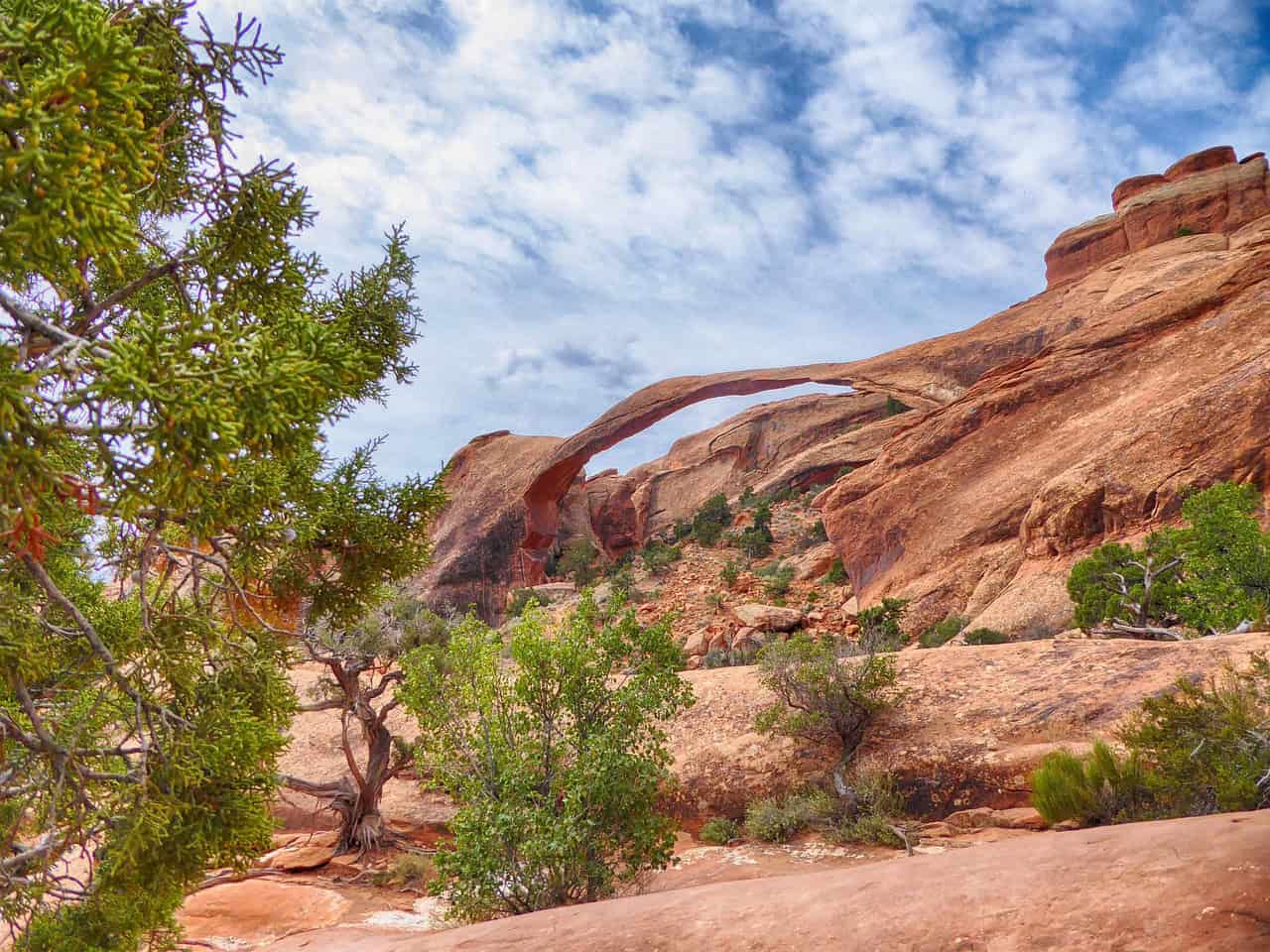
Arches owes much of its magic to natural silence around delicate sandstone spans like Delicate Arch and Landscape Arch. Drones risk buzzing hikers on narrow trails and crashing into formations that took millennia to sculpt. The National Park Service ban makes no exception for short flights or “just a quick shot,” and rangers regularly remind visitors that enforcement is not theoretical. A single illegal launch can put a pilot on the hook for thousands of dollars and a federal record.
Denali National Park, Alaska
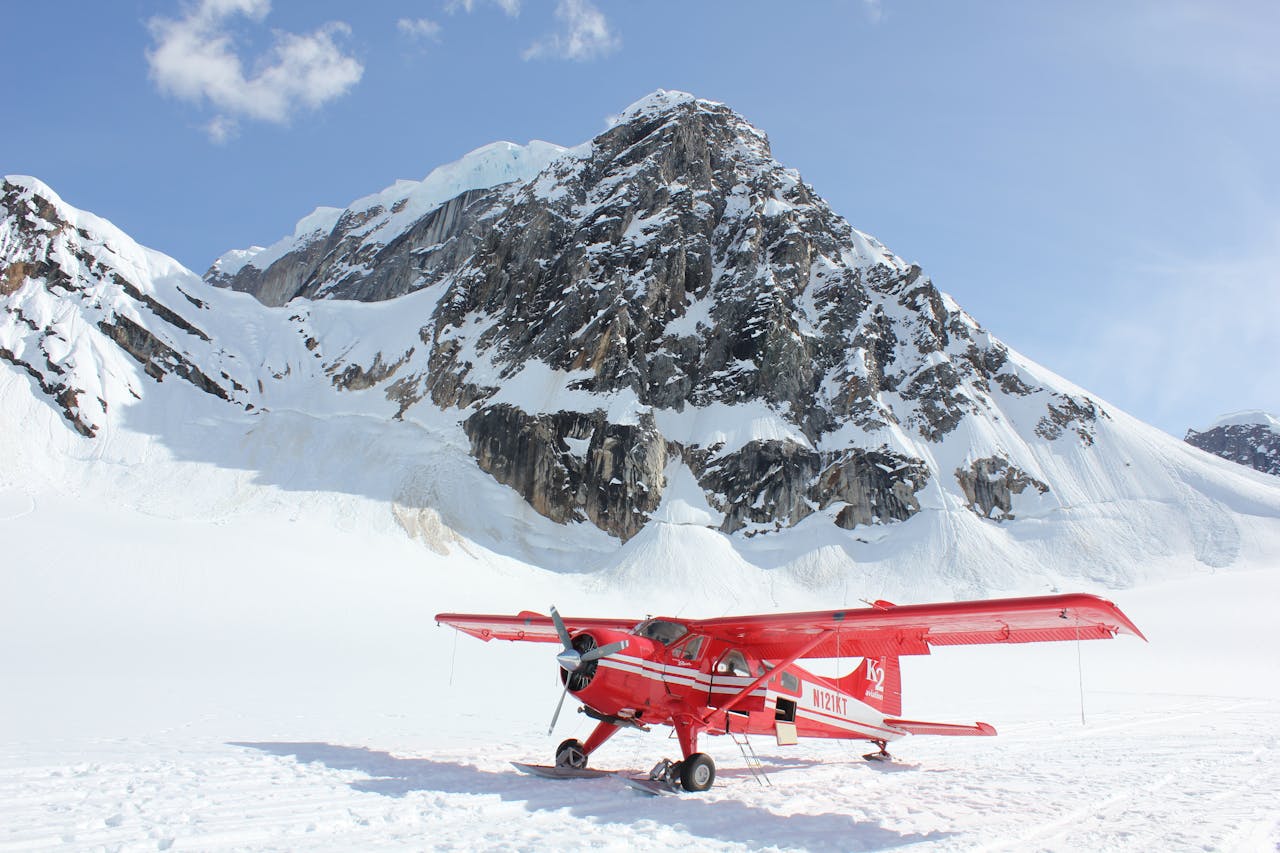
Denali’s scale is hard to grasp even from the ground, which naturally tempts pilots to reach for aerial views. Here, wildlife protection and backcountry search-and-rescue operations are major reasons for a strict no-drone stance. Helicopters and small aircraft already thread valleys and ridgelines, and rogue drones add collision and distraction risks. As with other parks, illegal launches qualify as misdemeanors under National Park Service rules, with possible penalties running up to six months in jail and $5,000 in fines. .
Statue of Liberty and Ellis Island, New York / New Jersey
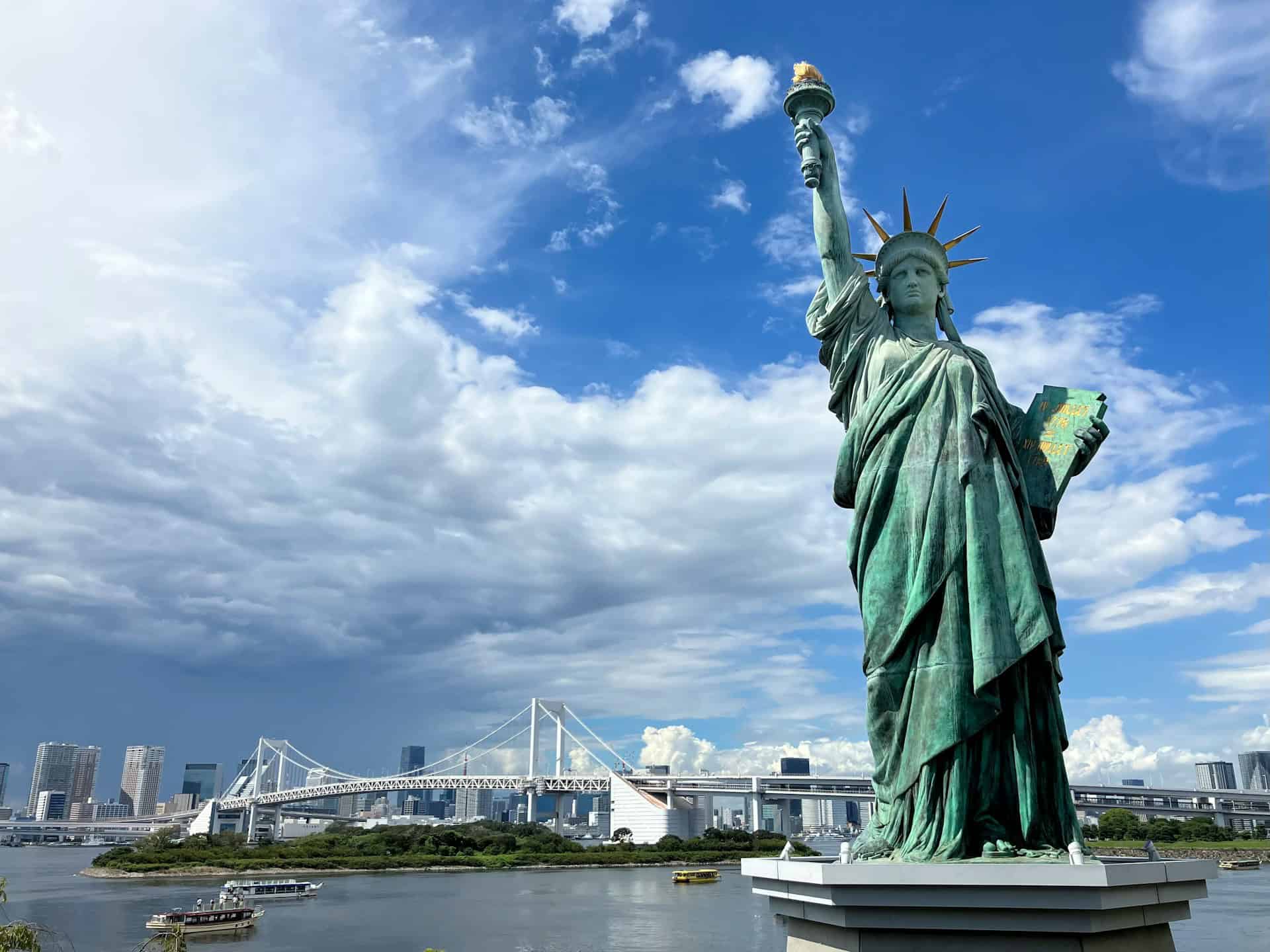
The Statue of Liberty and Ellis Island might feel like urban landmarks rather than wildlands, but they are still National Park Service units. Ferries, helicopters, and dense boat traffic already crowd the air and water around the harbor, so unapproved drones are treated as serious safety hazards. Operators caught launching or landing on park property face the same federal misdemeanor framework as in big western parks, which means potential fines climbing toward $5,000 and long-term headaches that outlast any skyline footage.