We may earn money or products from the companies mentioned in this post. This means if you click on the link and purchase the item, I will receive a small commission at no extra cost to you ... you're just helping re-supply our family's travel fund.
Some places pull at the imagination with ancient cities, desert horizons, and seas that once carried empires. Right now, danger in parts of the world is less about one headline event and more about stacked risks: conflict, kidnapping, weak hospitals, sudden road closures, and little outside help when plans break. Level 4 warnings are reserved for life-threatening conditions, often paired with limited ability to provide emergency assistance. The locations below reflect that reality, where ordinary travel choices can become irreversible in minutes, not days.
Afghanistan
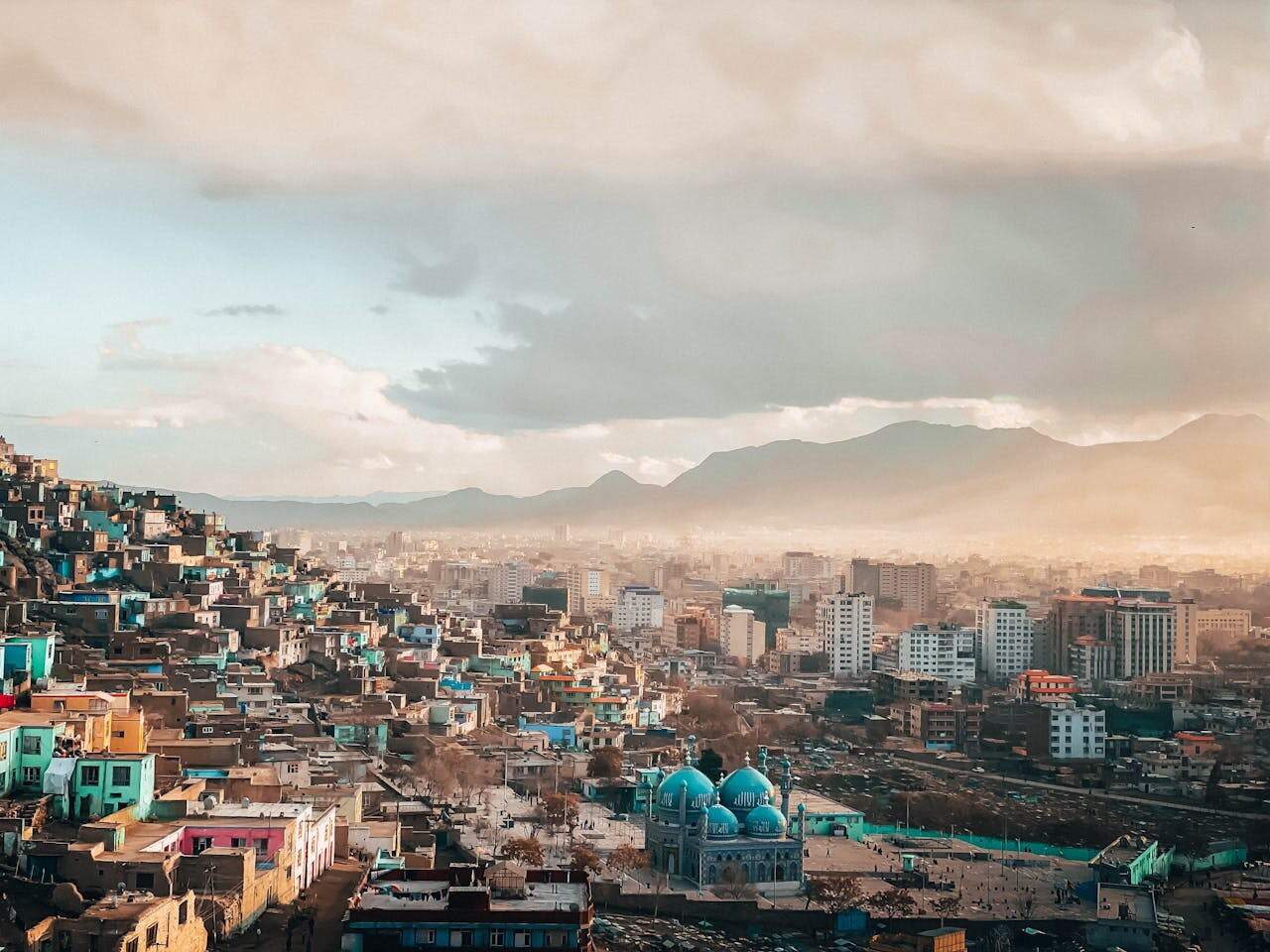
Afghanistan carries a dense mix of threats: terrorism, kidnapping, crime, civil unrest, and a real risk of wrongful detention. Even careful plans can unravel at checkpoints or on intercity roads, and limited health facilities mean a routine injury can become urgent with little warning, while reliable information can be harder to verify. With the US Embassy in Kabul suspended, routine and emergency consular services are unavailable, and evacuation or legal help can be difficult to arrange once transport, permissions, or communications break down, especially in detention or kidnapping cases when minutes matter.
Haiti
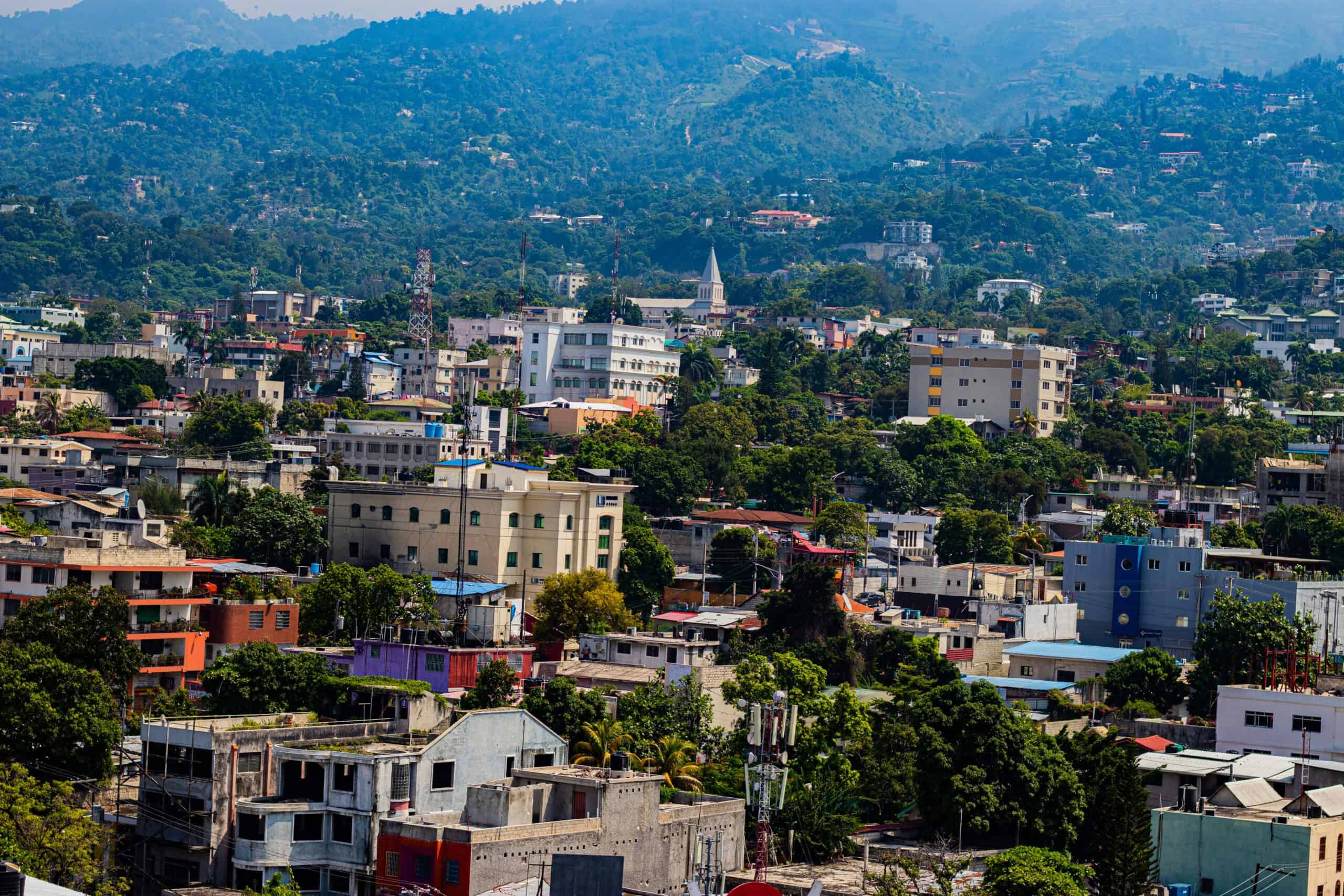
Haiti’s highest warning reflects how quickly daily life can tilt into danger through kidnapping, violent crime, civil unrest, and limited health care. In and around Port-au-Prince, access can change without notice as insecurity shifts, roads close, and basic services strain, leaving travelers exposed during simple transfers and short drives, sometimes with few safe alternatives. When a vehicle stalls, a phone dies, or a route is blocked, the gap between a minor delay and a serious incident can shrink fast, especially where emergency response and reliable medical care are stretched thin in one bad moment, too.
Libya
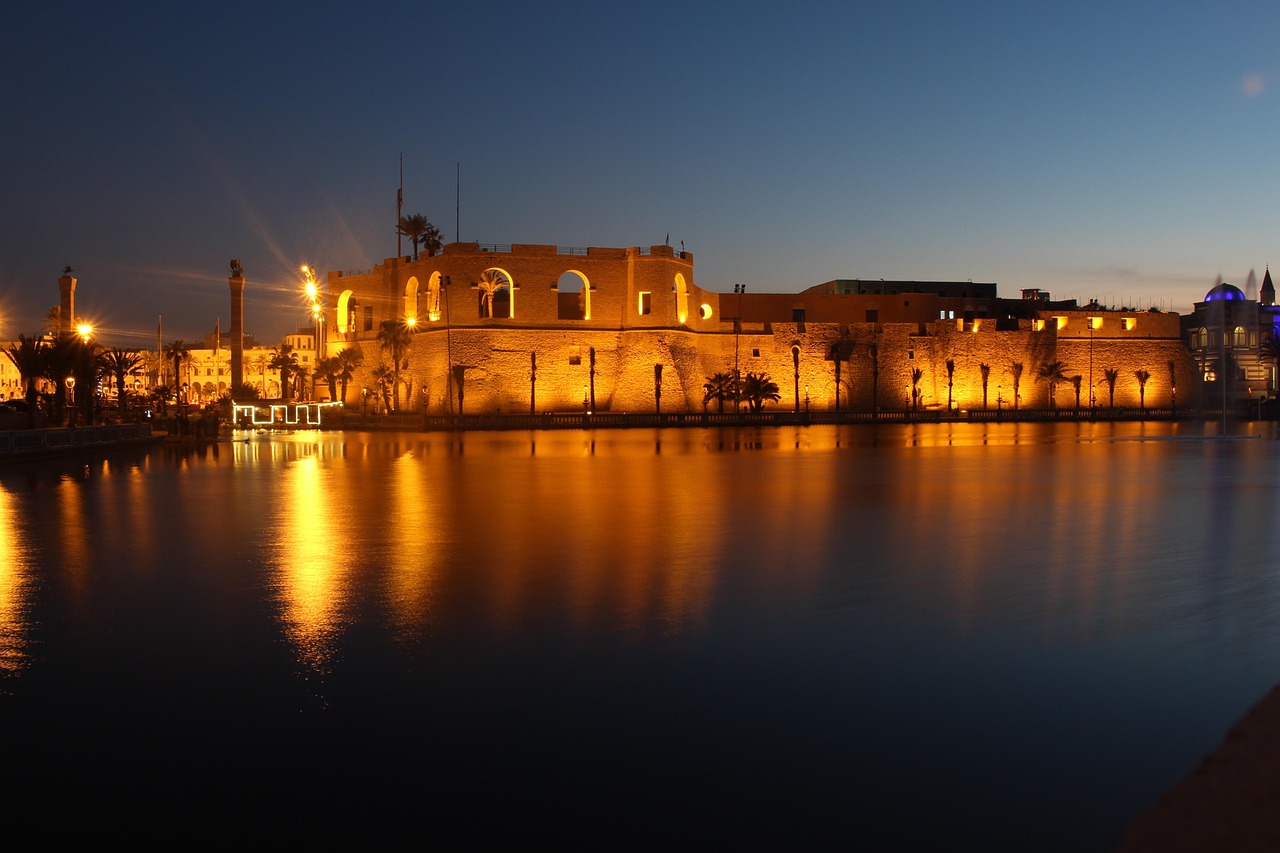
Libya remains exceptionally risky because armed conflict, civil unrest, terrorism, kidnapping, and unexploded landmines collide in the same landscape. Safety conditions can change block by block, and even short drives can pass through areas where local control is unclear, enforcement is unpredictable, and weapons are common, especially after dark, and sudden clashes can erupt. In a fragmented security environment, the biggest hazard is often the flare-up that cuts off movement, severs communications, and turns a normal errand into an extraction problem with no easy backup when routes close and phones stop working at once.
Somalia
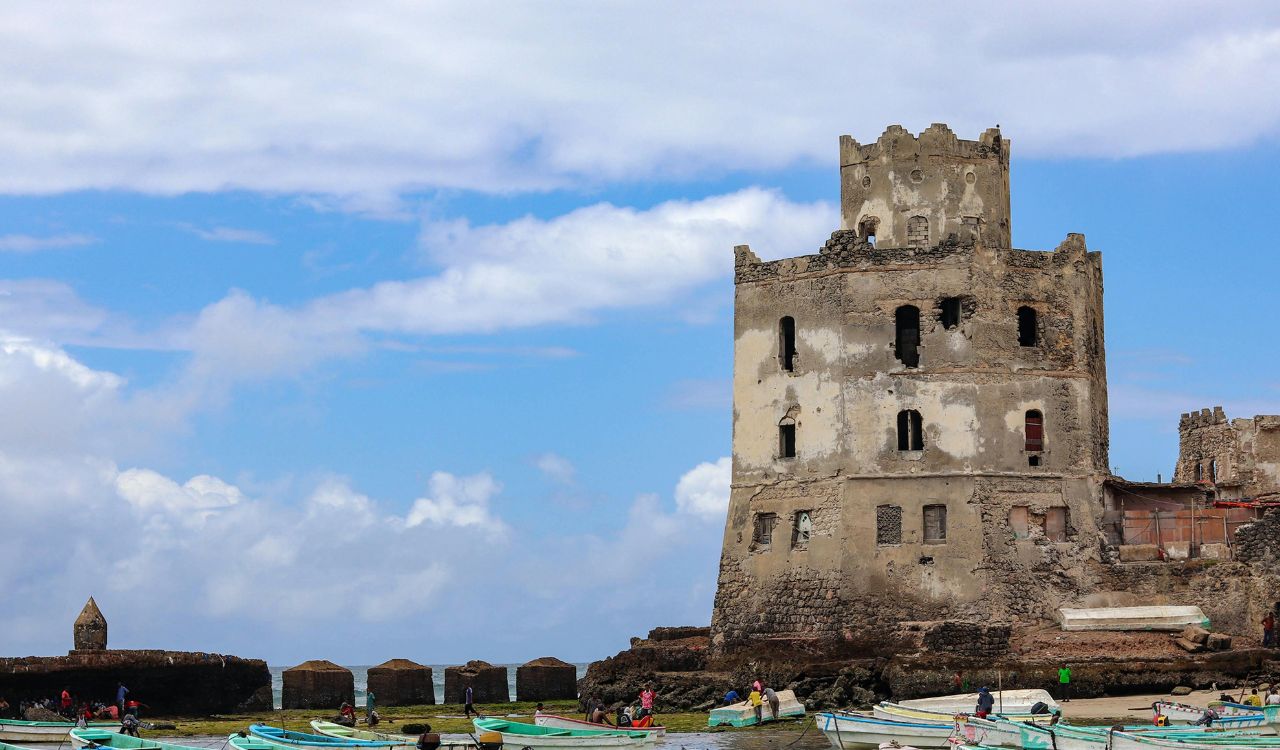
Somalia’s warning sits at the top level, for reasons that stack: terrorism, violent crime, civil unrest, kidnapping, health risks, and piracy. Attacks can target public places with little warning, and the lack of routine consular services raises the stakes of any injury, arrest, or disappearance, especially outside secure compounds. When evacuation routes are uncertain, roads can be blocked, and medical capacity is limited, even experienced travelers can find that contingency plans fail in turn, leaving few safe choices that do not carry new risks, and little margin for error in a matter of minutes, suddenly.
Yemen
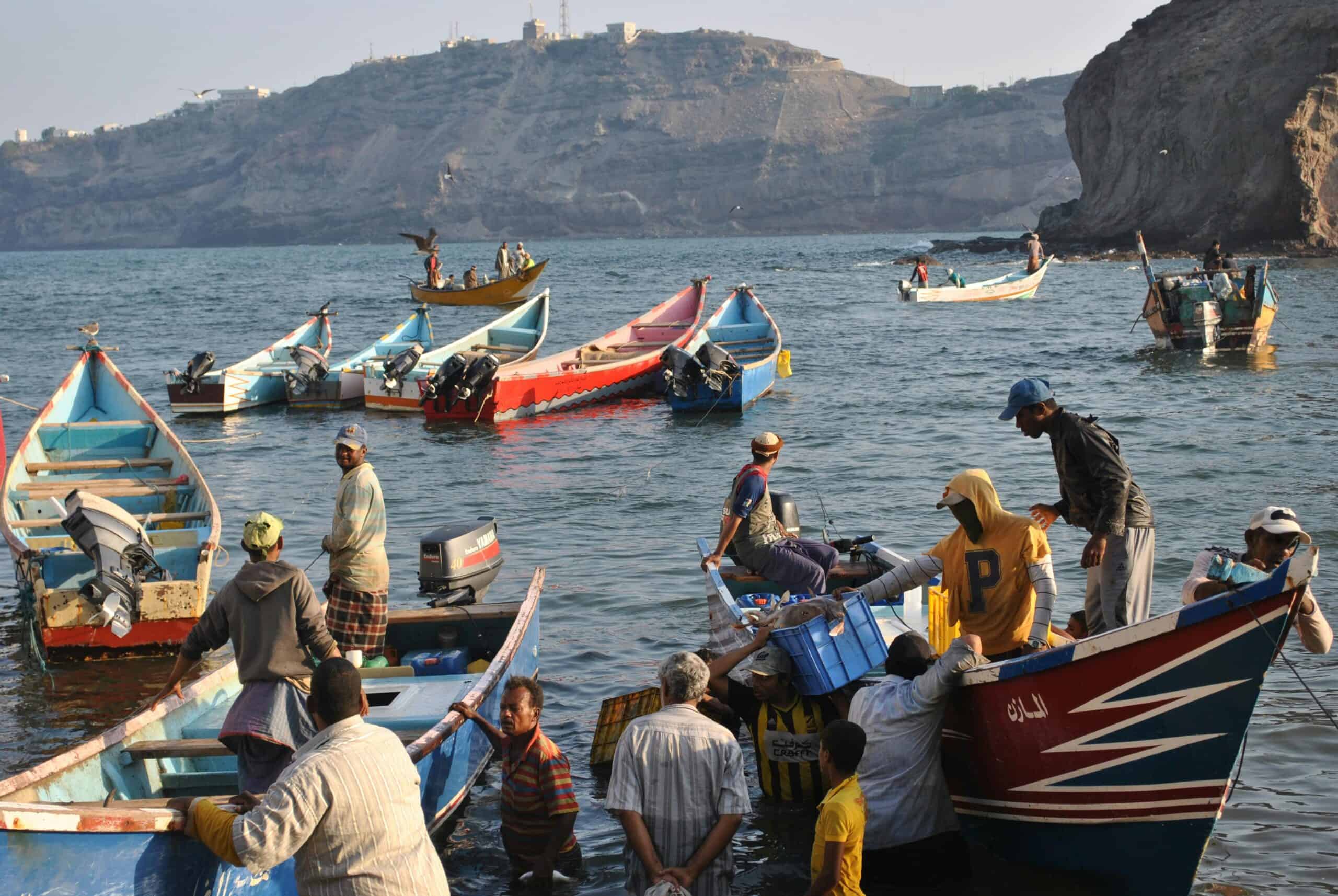
Yemen’s danger is shaped by armed conflict and its long shadow including terrorism, kidnapping, crime, health risks, and landmines. Front lines and access rules can shift quickly, trapping movement between checkpoints, closed roads, disrupted transport, and sudden security escalations that are hard to anticipate, with shortages that complicate every decision. There is no US embassy or consulate operating in Yemen, so emergency help is severely constrained, and in a fast-moving crisis, the lack of a reliable safety net can turn a worse moment into a prolonged ordeal, and routes can close without warning today.
Sudan
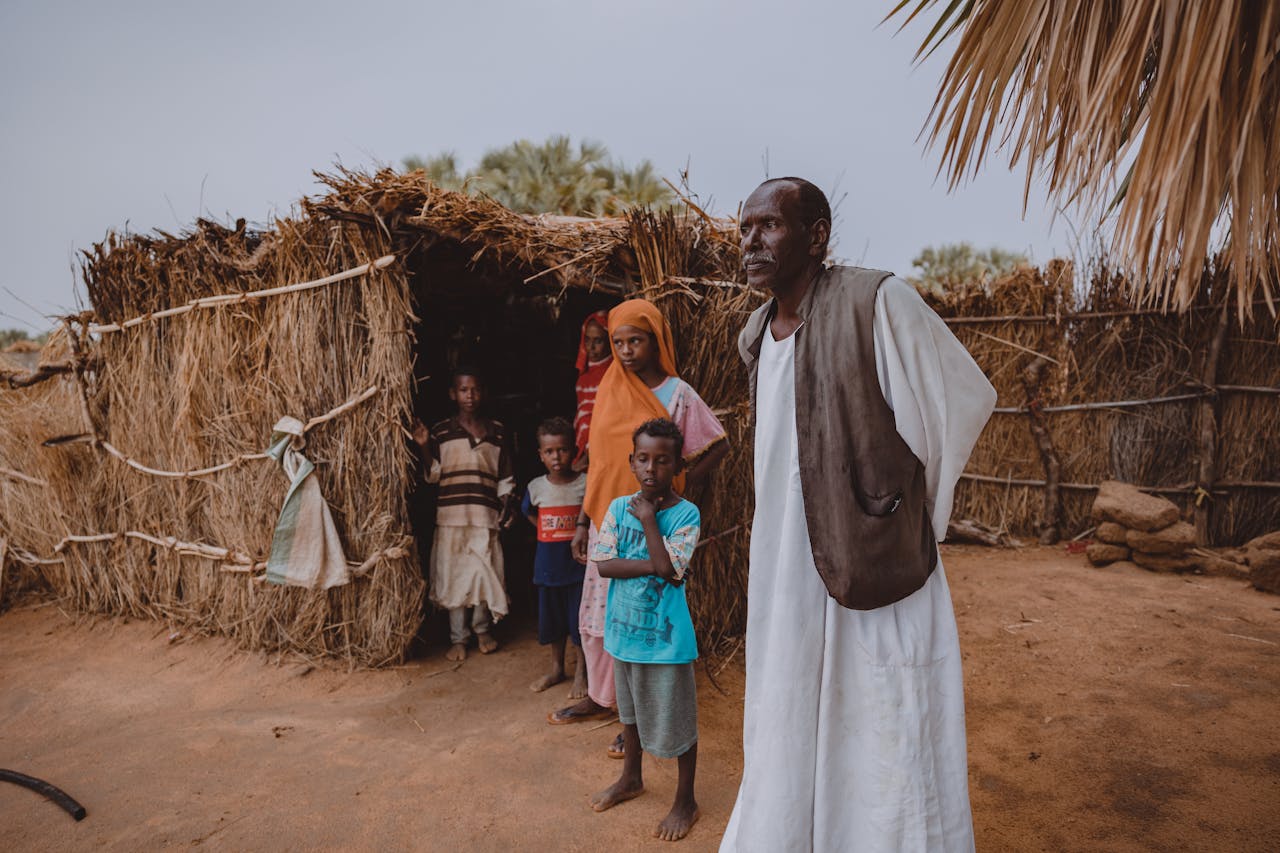
Sudan is flagged at the highest level because unrest and conflict amplify daily risks: crime, kidnapping, terrorism concerns, landmines, and serious health threats. Transport and communications can be disrupted suddenly, making airports, highways, and even basic supplies unreliable, especially when conditions shift without warning and information is scarce. In that kind of environment, danger often spikes during attempts to relocate, when crowds surge, routes narrow, and a planned exit becomes the most exposed moment, with few dependable places to pause and reassess safely, and rumors outrun facts as exits narrow quickly.
South Sudan
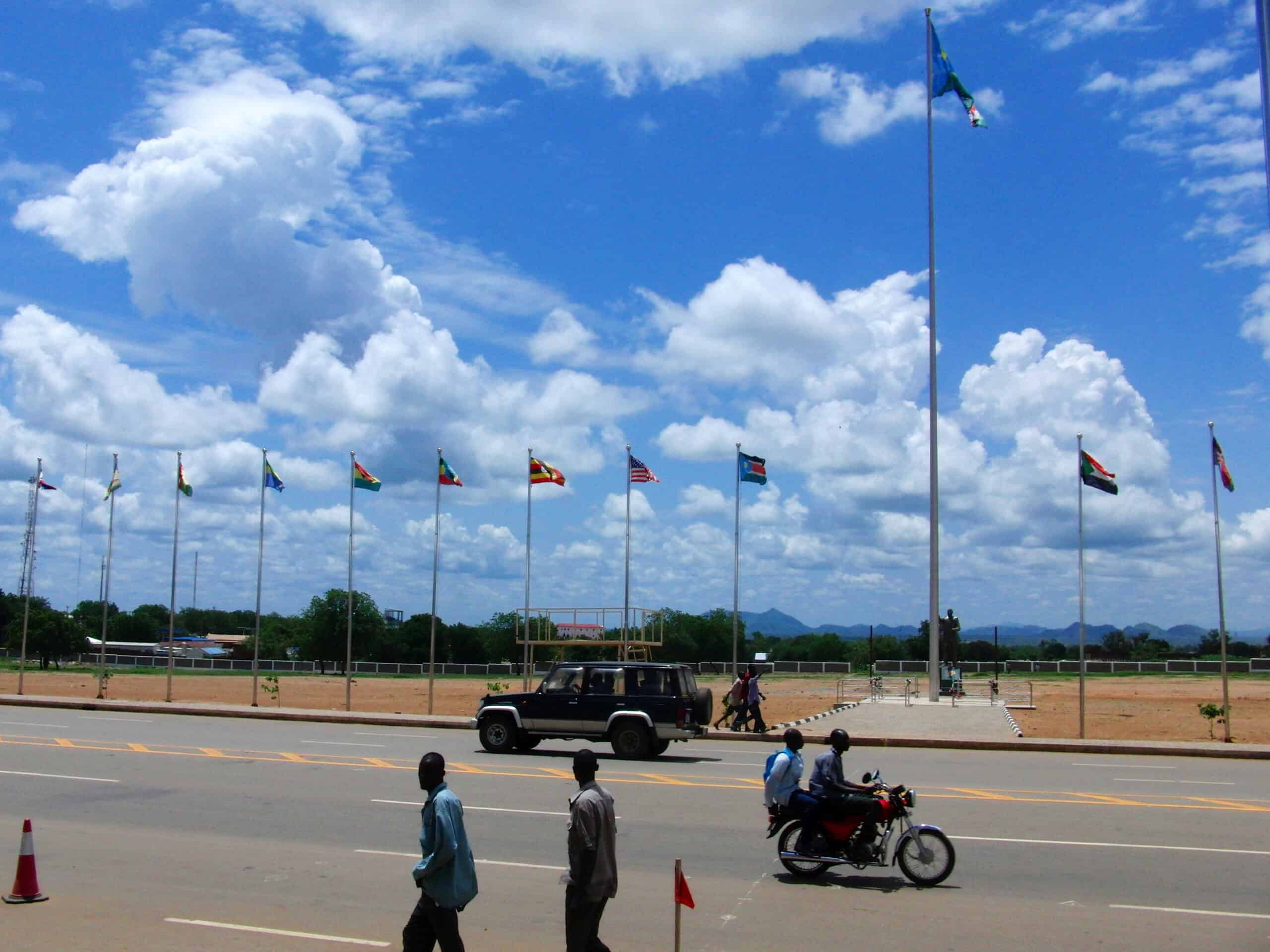
South Sudan’s top warning reflects a hard pattern of armed conflict, kidnapping, and violent crime that can reach beyond obvious hotspots. Outside limited secure zones, road travel can carry high exposure, and medical access may not match the speed of emergencies in a country with meager infrastructure, long distances, sporadic services and shortages of fuel or cash. The US government notes a limited ability to provide emergency consular services, which means problems that start small, a theft, an assault, a breakdown, can become difficult to contain or resolve quickly, and safe options can vanish across a single roadway.
Syria
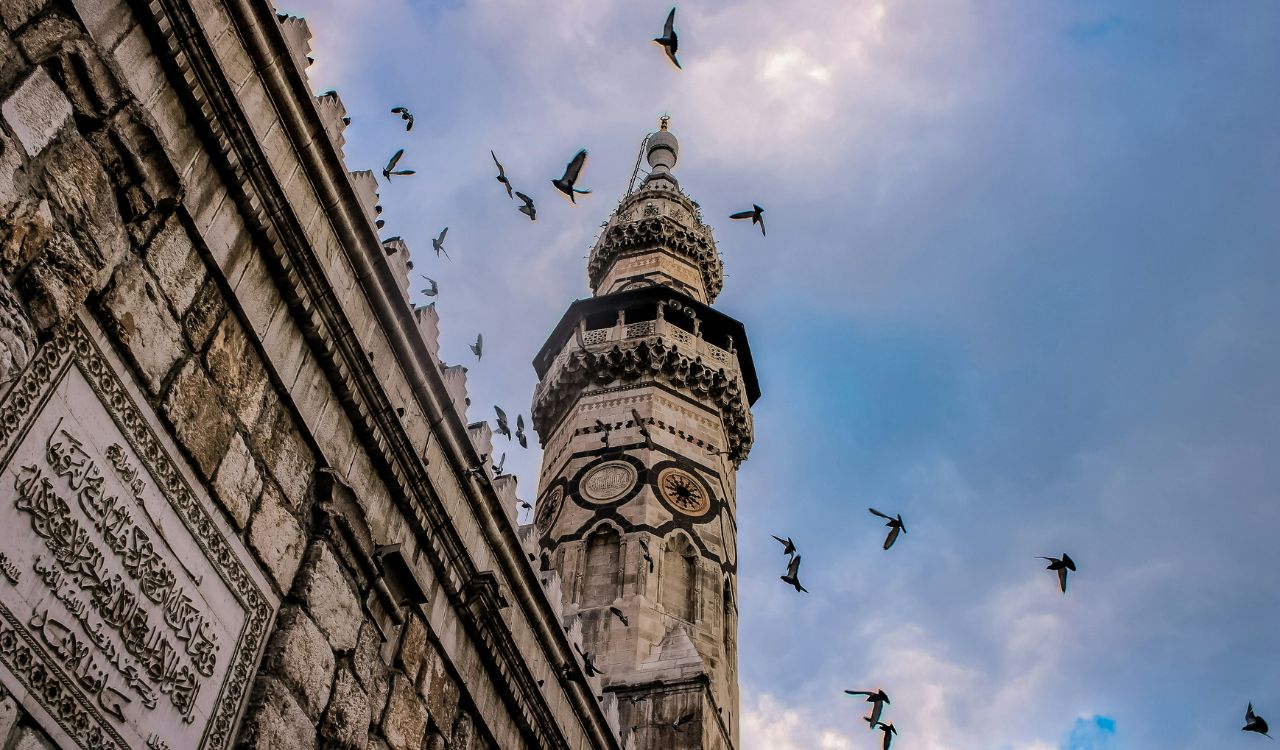
Syria remains under the highest warning because risks like terrorism, armed conflict, kidnapping, hostage taking, unrest, and crime can touch wide areas. Even away from front lines, danger can come from sudden attacks, shifting control, and the everyday hazards of damaged infrastructure, shortages, and limited services that weaken basic safety routines. With US embassy operations suspended, the usual safety net for emergencies is not there, so a worse day can become a situation with very few credible exits, especially if routes close, documents are questioned, or contacts become unreachable in ways hard to predict, often.
Venezuela
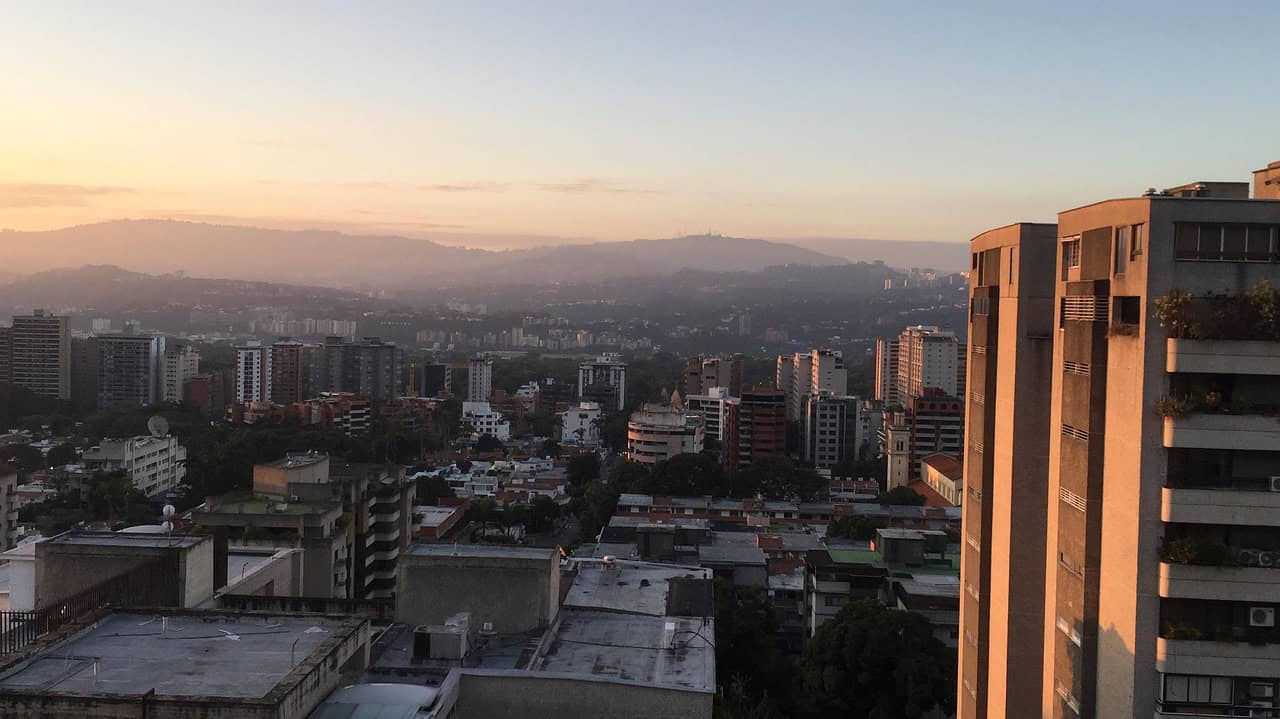
Venezuela’s advisory stands out for combining street-level danger with grim legal risk, including warnings about wrongful detention and torture in detention. Arbitrary enforcement of local laws, crime, civil unrest, and poor health infrastructure can combine, leaving little cushion when an accident, a robbery, or a paperwork issue spirals and delays compound. With US diplomatic operations suspended, assistance pathways are thin, and problems that might be resolved elsewhere can stall, deepen, and become truly destabilizing, especially when families or employers cannot intervene effectively, in practice today.
Niger
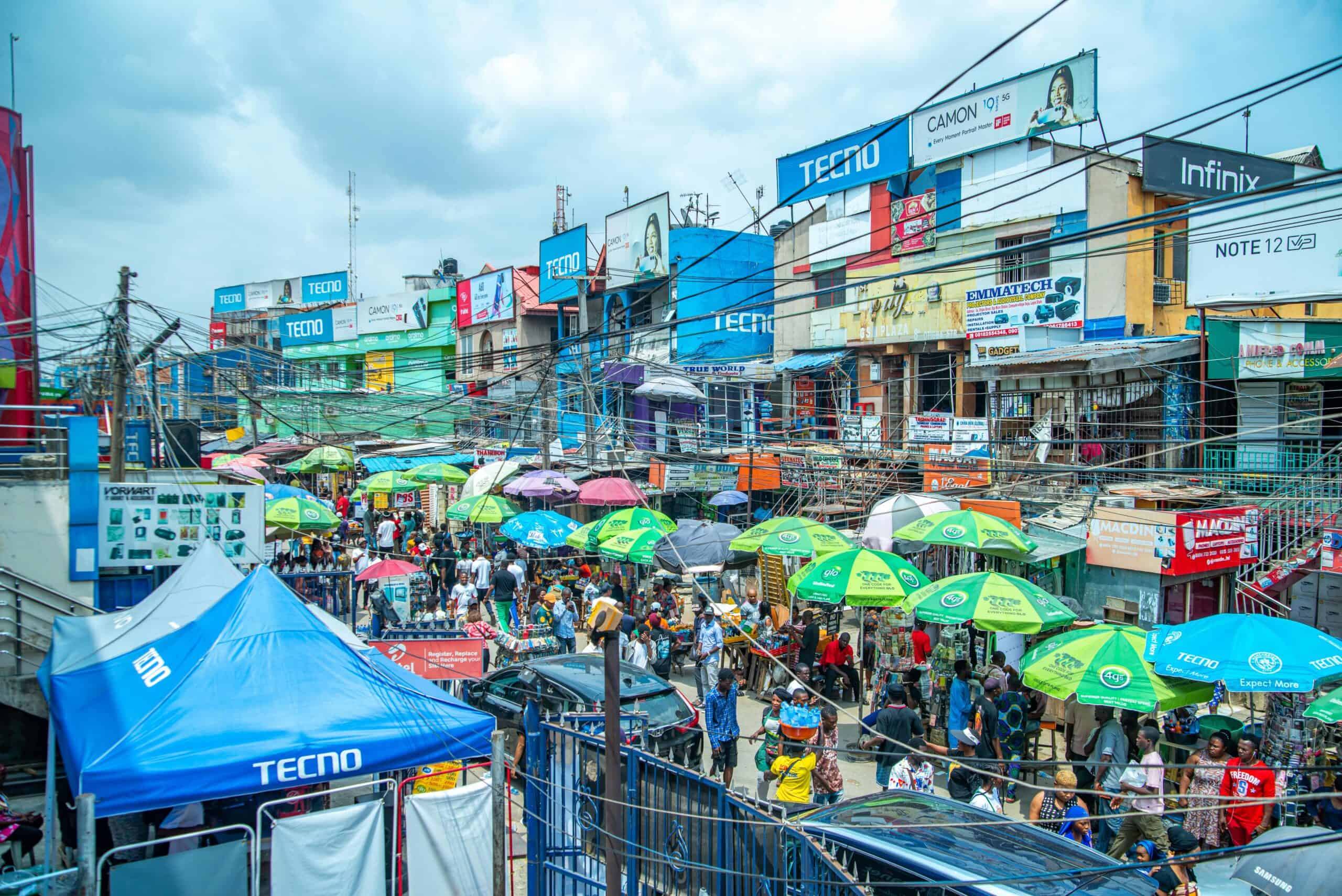
Niger’s Level 4 warning points to a volatile blend of terrorism, kidnapping, crime, civil unrest, and health risks, with movement restrictions across many regions. On Jan. 30, 2026, the State Department ordered non-emergency personnel to depart, and it notes it cannot offer routine or emergency services outside Niamey, where capacity is concentrated. Across long distances and sparse infrastructure, a breakdown can become dangerous quickly, especially when reliable help is far away, curfews or restrictions limit movement, communications drop, and security conditions shift by corridor and hour in real time now.
Mali

Mali’s Level 4 status is driven by terrorism, kidnapping, violent crime, unrest, and health risks that can extend beyond any single hotspot. The US warns that its employees are not allowed to travel outside Bamako due to safety concerns, a sign of how quickly exposure rises beyond the capital’s core areas and main corridors. In the Sahel, threats can move with little notice, and once a road becomes unsafe, alternatives may be limited, slower, or impossible, leaving travelers dependent on timing, luck, fragile local conditions, and long response times, with fewer detours and the nearest safe option hours away.
North Korea

North Korea is marked as exceptionally dangerous because the risk is not only physical, but legal: arrest, long-term detention, and wrongful detention. The State Department notes there is no US embassy or consulate in-country sharply limiting emergency support, advocacy, and routine assistance when situations escalate. When rules can be opaque and consequences severe, a smaller misunderstanding can become a life-altering event, and outside help may arrive late or not at all, leaving families with few reliable channels, limited access, and little ability to appeal decisions, and outcomes can stay opaque long after contact.