We may earn money or products from the companies mentioned in this post. This means if you click on the link and purchase the item, I will receive a small commission at no extra cost to you ... you're just helping re-supply our family's travel fund.

Travel warnings can look simple on a map, yet real danger rarely comes from one factor alone. It builds through overlapping pressures: conflict, kidnapping risk, weak hospitals, sudden transport shutdowns, and limited consular access when emergencies hit. Across countries currently marked at the highest U.S. advisory tier, those pressures combine in ways that can trap even experienced travelers. The pattern is less about dramatic headlines and more about fragile systems where ordinary plans can fail fast.
Afghanistan, Where Detention Risk Shadows Every Route
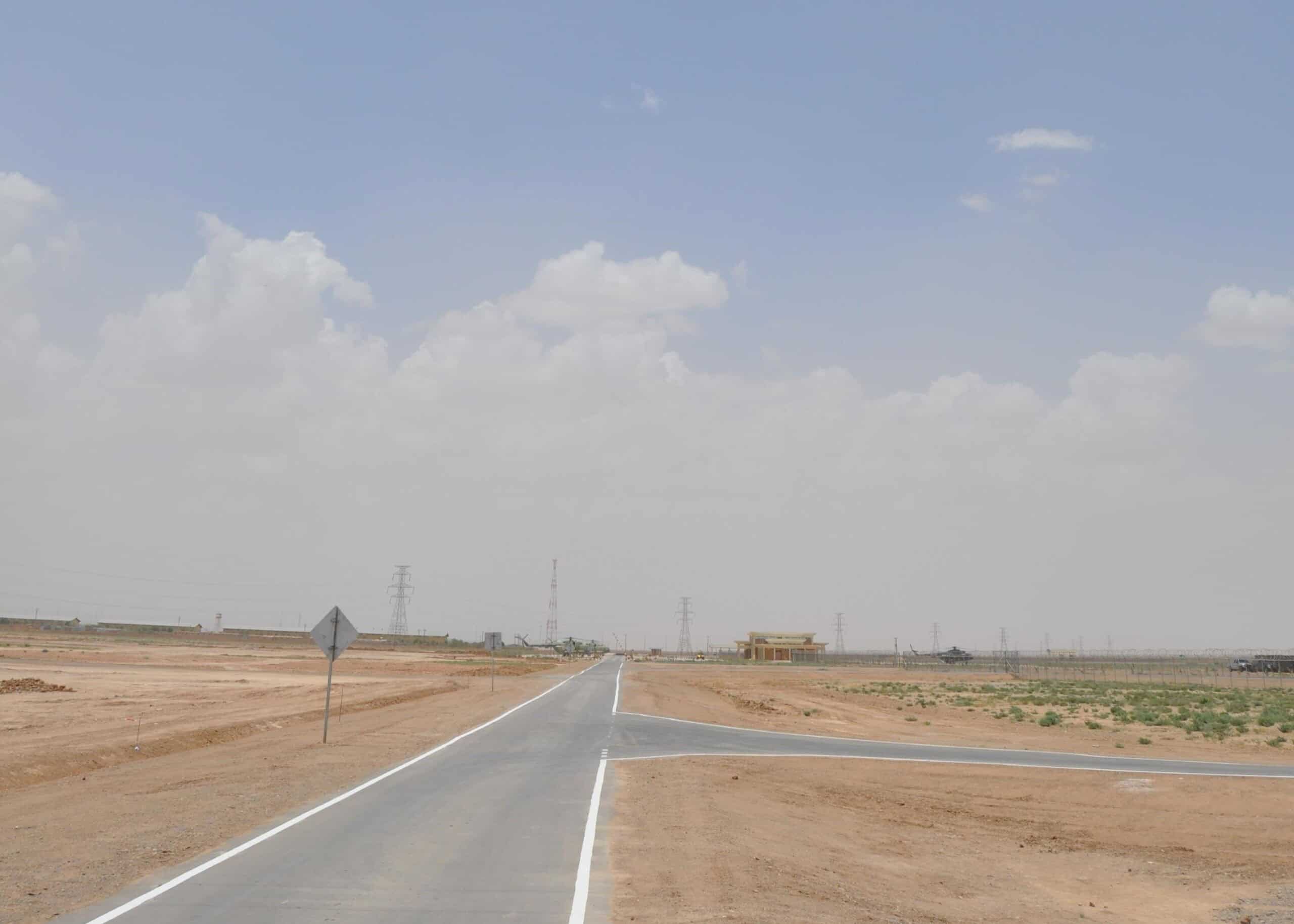
Afghanistan remains one of the hardest places for civilian travel, not only because armed groups stay active across regions, but because institutional safety nets are severely limited. The U.S. advisory keeps the country at Level 4 and cites terrorism, kidnapping, civil unrest, wrongful detention risk, and limited health facilities, while regular consular services are unavailable after the Kabul embassy suspension. In practice, a routine delay, checkpoint stop, or medical issue can escalate quickly when legal clarity, evacuation options, and reliable care are all constrained at once.
Yemen, A Conflict Zone With No Reliable Safety Corridor
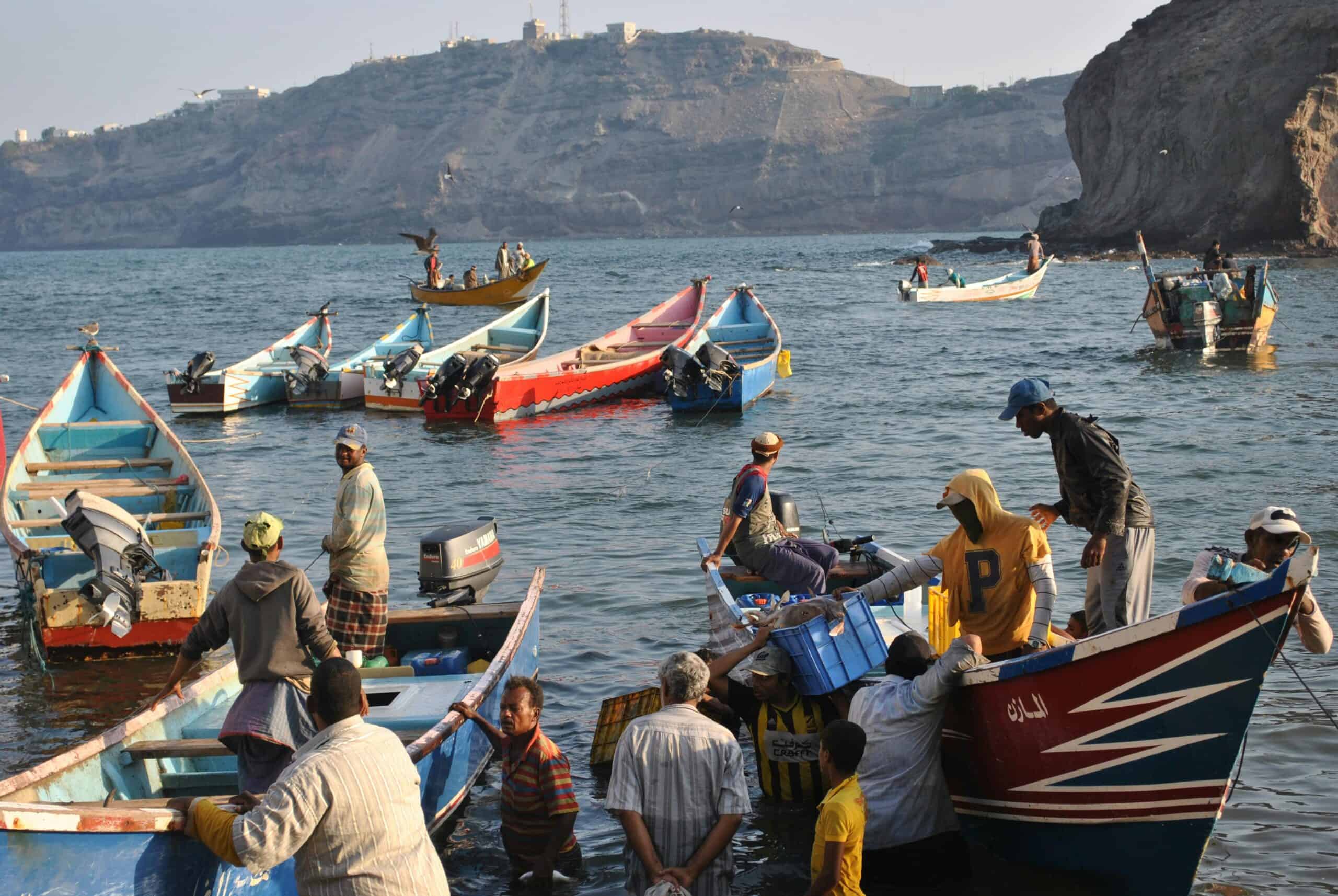
Yemen’s advisory language is direct: do not travel. U.S. guidance flags terrorism, crime, civil unrest, health threats, kidnapping, and landmines, then adds a major structural risk, there is no operating U.S. embassy to provide normal in-country support. In an environment where armed actors, control points, and access routes can shift quickly, even carefully planned movement can fail within hours. The core danger is not only violence itself, but how few dependable pathways remain when flights are disrupted, roads close, and emergency backup is uncertain.
Haiti, Where Urban Violence Overwhelms Daily Movement

Haiti’s Level 4 warning reflects overlapping crises rather than a single flashpoint. U.S. guidance points to kidnapping, armed crime, terrorist activity, civil unrest, and fragile health infrastructure, while also noting prolonged emergency conditions and major insecurity around key transit areas, including zones near Port-au-Prince’s airport that have seen serious disruptions. What raises concern most is scale: risk is not limited to one neighborhood or one time window. Daily movement in and around the capital region can involve unpredictable exposure, rapid street closures, and limited recovery options once trouble starts.
South Sudan, Where Conflict And Crime Intersect
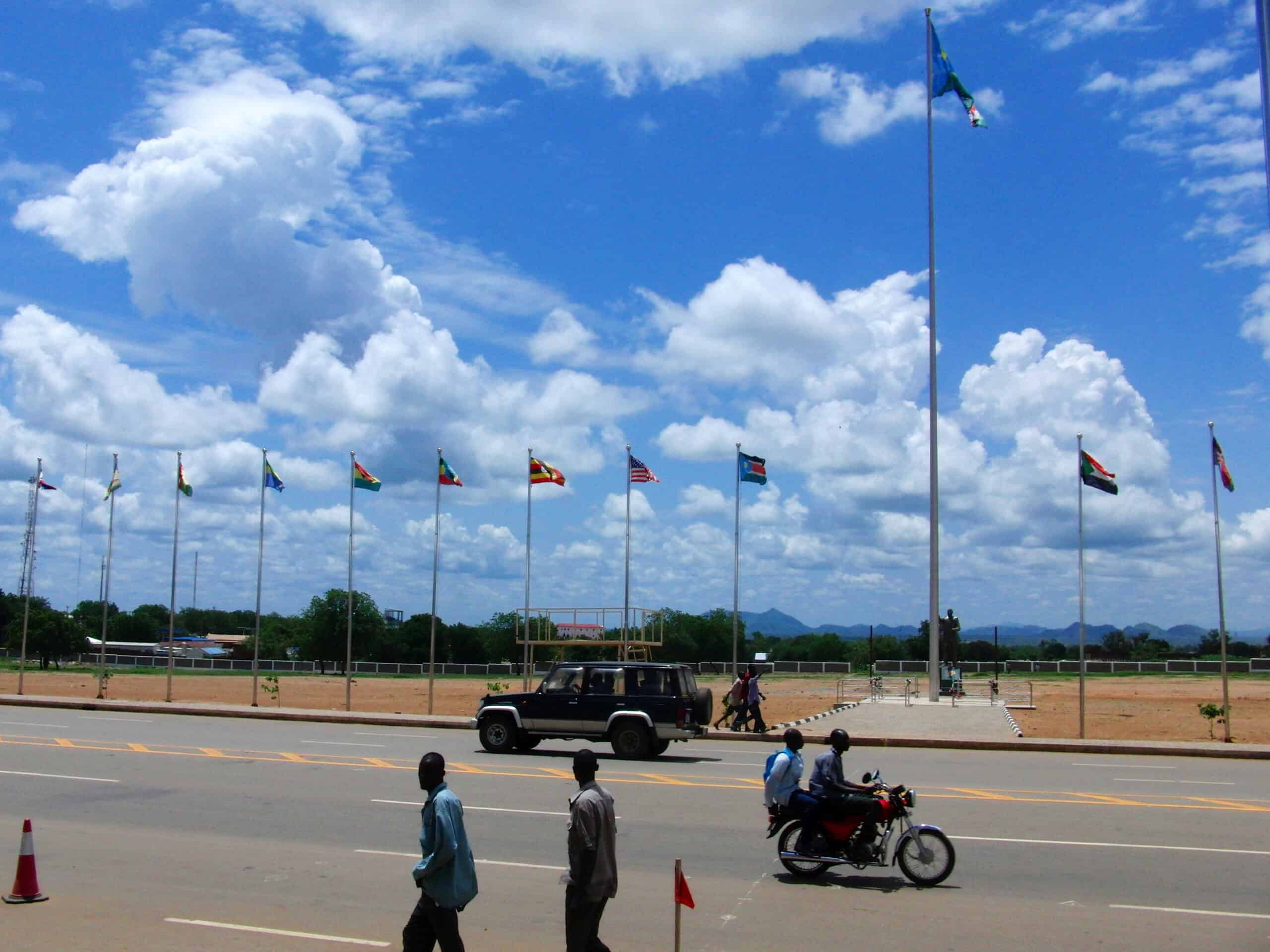
South Sudan remains high risk because armed conflict and criminal violence reinforce each other. The U.S. advisory cites armed conflict, kidnapping, violent crime, and landmines, and it also notes movement restrictions on U.S. government personnel, a clear signal that instability remains severe even for trained teams with security protocols. Outside major compounds, route reliability can collapse quickly when checkpoints shift or communications break. In that setting, distance, timing, and local access conditions often matter more than itinerary quality, because fallback options are frequently thin.
Sudan, Where Active Warfare Reshapes Civilian Risk
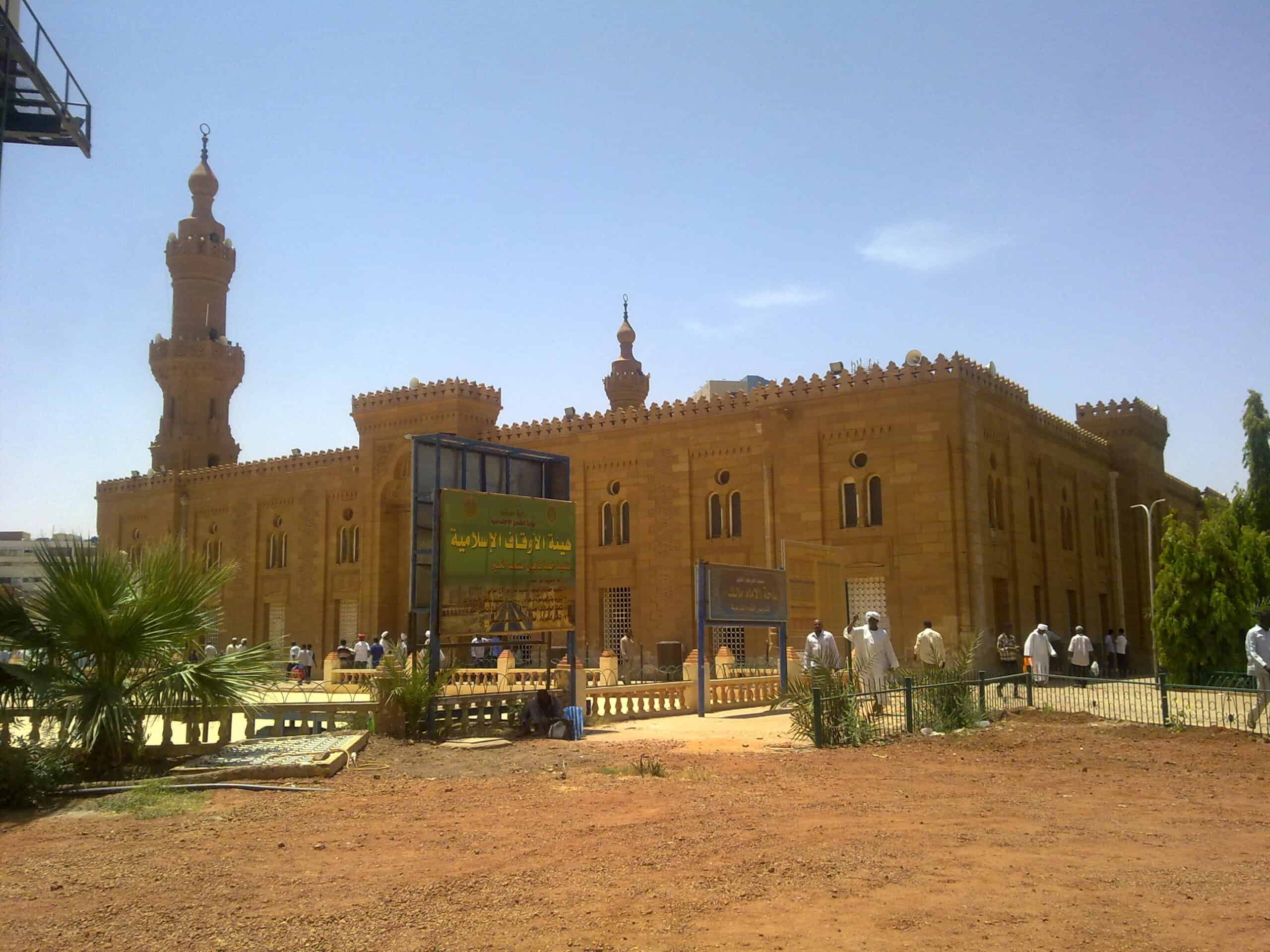
Sudan’s Level 4 status sits against active armed conflict involving national forces, paramilitary groups, and militias. U.S. guidance highlights unrest, kidnapping, crime, terrorism, landmines, and health threats, and it notes that embassy operations in Khartoum remain suspended, sharply reducing direct assistance pathways. Ongoing fighting, drone strikes, and infrastructure breakdowns can close roads, disrupt communications, and strain medical access with little notice. The travel hazard is therefore deeply dynamic: conditions can change faster than planning cycles, leaving few reliable margins for error during movement or evacuation.
Syria, Where No Area Is Considered Safe
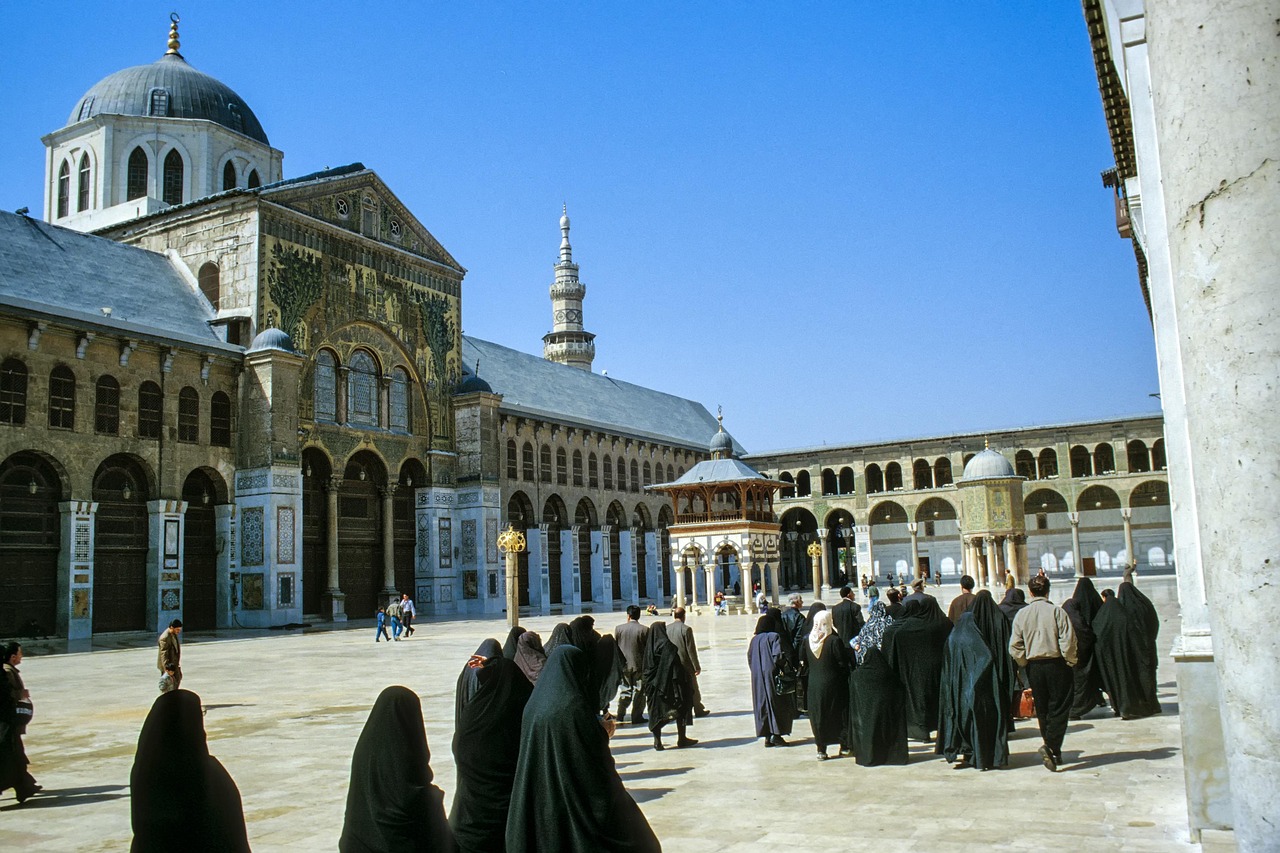
Syria remains under Level 4 due to terrorism, unrest, kidnapping, hostage-taking, crime, and armed conflict. U.S. guidance states that no area is considered safe, and embassy operations have long been suspended, which removes standard consular support mechanisms during emergencies. Beyond front-line violence, travelers face persistent hazards from explosive remnants, sudden attacks, damaged hospitals, and disrupted utilities. That means risk is not confined to obvious combat zones; it can emerge along ordinary transport corridors, near basic services, or during attempts to leave affected areas under rapidly changing security conditions.
Libya, Where Armed Fragmentation Keeps Risk High

Libya’s advisory describes a volatile mix of armed conflict, terrorism, kidnapping, crime, and unexploded ordnance under a Level 4 designation. U.S. guidance warns that clashes between rival groups can flare with little warning in major cities, and that munitions hazards remain in places where civilian activity continues. Flight operations may face sudden disruption, and U.S. civil aviation restrictions reinforce broader instability in the operating environment. In practical terms, risk is fluid rather than fixed, so assumptions based on yesterday’s route, local calm, or partial access can become outdated very quickly.
Somalia, Where Threats Extend From Streets To Sea
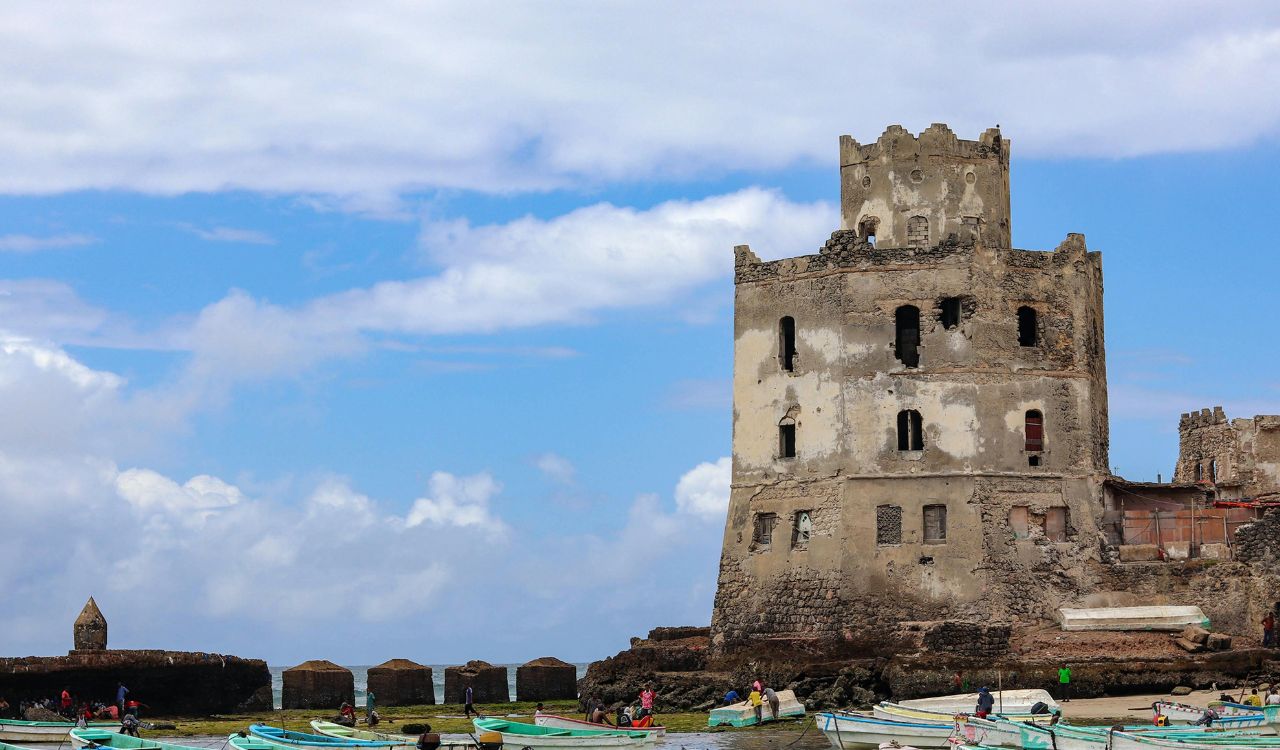
Somalia remains Level 4 because the threat profile spans land and maritime spaces at the same time. U.S. guidance cites terrorism, violent crime, kidnapping, civil unrest, piracy, and limited consular capacity, and warns that attacks may target airports, seaports, hotels, restaurants, and crowded public areas with little warning. Methods can include bombings and armed assaults, while health systems in many areas remain constrained. Even nonfatal incidents can escalate into major emergencies when roadblocks, medical access limits, and evacuation barriers combine in a fast-moving security environment.
Venezuela, Where Detention Risk Changes The Equation
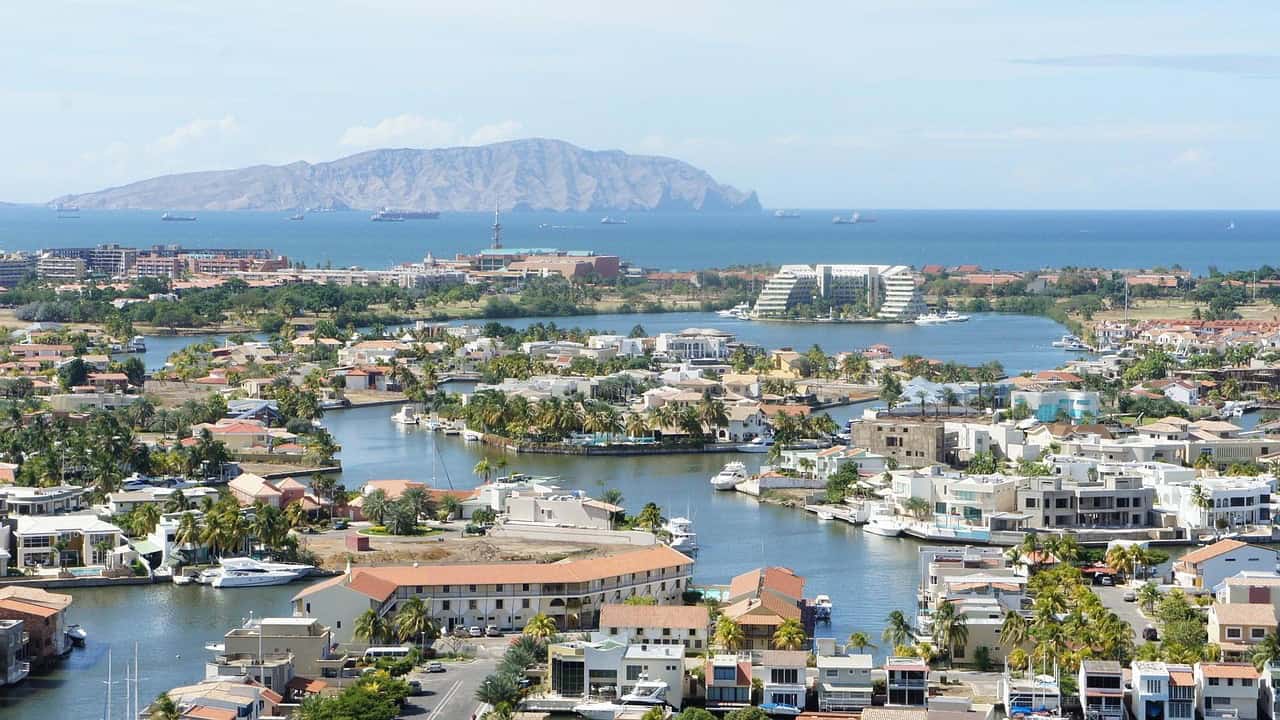
Venezuela’s advisory highlights risks that go beyond conventional crime concerns. U.S. guidance warns of wrongful detention, kidnapping, terrorism risk, civil unrest, and weak health infrastructure, and states that embassy operations are suspended, leaving very limited direct assistance options. It also describes severe due-process concerns for detainees, which changes the risk equation at a structural level. Exposure may come not only from protest volatility or street-level theft, but from enforcement scenarios that can be difficult to predict, contest, or resolve through ordinary legal or consular channels.
Myanmar, Where Conflict And Enforcement Pressures Collide
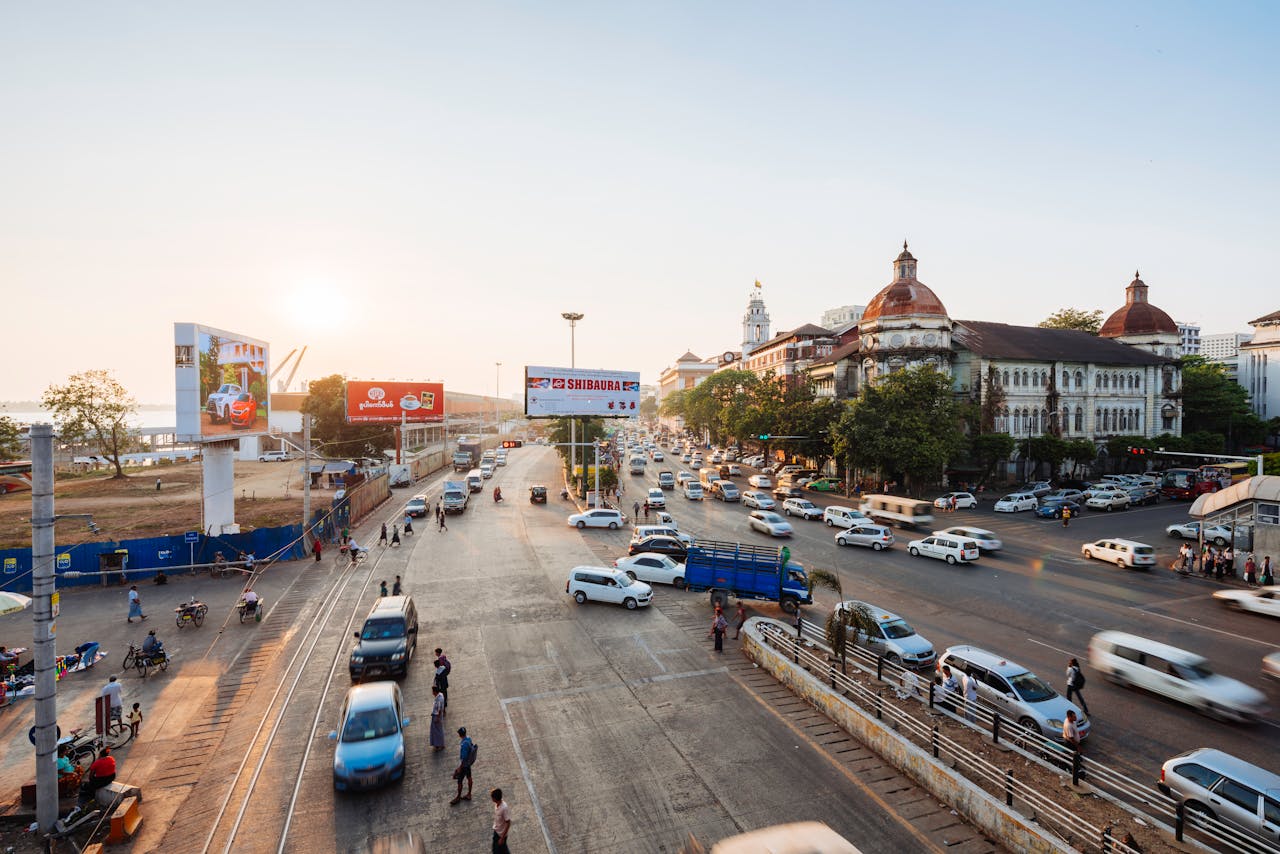
Myanmar remains under Level 4 guidance as armed conflict, civil unrest, detention risk, and arbitrary law enforcement overlap across regions. U.S. advisories also warn of potential violence in public venues and transport hubs, while noting that conditions can shift quickly as military operations and local resistance activity evolve. Infrastructure disruptions further reduce movement reliability and emergency response speed, especially outside major centers. In effect, risk becomes compounding: a security incident, transport failure, and communications gap can occur in sequence, shrinking safe options before contingency plans can be executed.
Mali, Where Kidnapping And Attacks Remain Persistent

Mali’s Level 4 advisory cites crime, terrorism, and kidnapping, and warns that armed extremist groups continue to operate across multiple regions. U.S. guidance indicates constrained movement for official personnel in parts of the country, underscoring how fragile conditions remain beyond heavily secured zones. When checkpoints move or local tensions spike, road travel reliability can degrade quickly, especially after dark and outside core urban routes. The central challenge is unpredictability across a broad geography, where threat intensity can vary sharply by corridor and change faster than public information cycles.
Niger, Where Regional Instability Raises Baseline Danger
Niger is listed at Level 4 due to crime, terrorism, kidnapping, and civil unrest, with added concern around insecurity in some border regions. U.S. guidance emphasizes limited ability to assist travelers in many scenarios, which is especially serious where long distances and infrastructure constraints already complicate emergency response. Recent political turbulence and militant activity have further reduced predictability in parts of the country, raising baseline exposure even before a specific trigger event occurs. In settings like this, travel risk often comes from compounding disruptions rather than one isolated incident.