We may earn money or products from the companies mentioned in this post. This means if you click on the link and purchase the item, I will receive a small commission at no extra cost to you ... you're just helping re-supply our family's travel fund.
America’s vast landscape holds staggering beauty, but it also hides extremes that test endurance, safety, and sanity. From deserts that shatter temperature records to towns hollowed out by fire and decline, some destinations demand more caution than curiosity. This list explores twelve places known for brutal climates, environmental hazards, or deeply unsettling conditions. Each location tells a powerful story shaped by nature, economics, or history, places where preparation is critical and miscalculation can carry real consequences.
1. Death Valley National Park : California
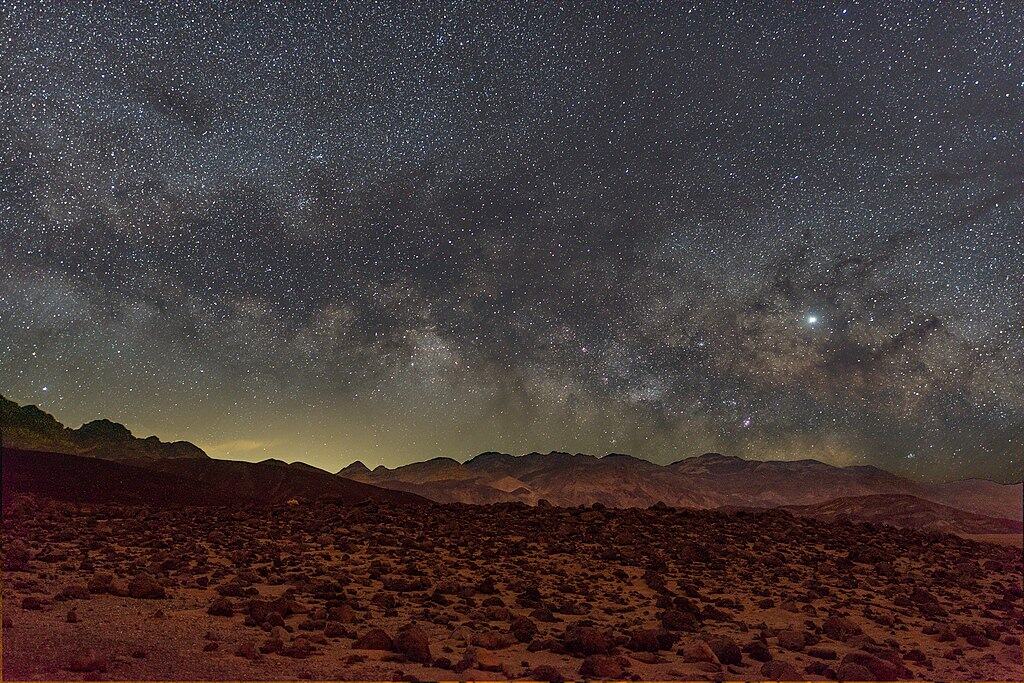
Spanning roughly 3.4 million acres, Death Valley holds the world record air temperature of 134°F (56.7°C), recorded in 1913. Summer highs frequently exceed 120°F, hot enough to cause heatstroke in under 30 minutes without hydration. Annual rainfall averages under 2 inches, and some valleys sit 282 feet below sea level. Vehicle breakdowns are common in extreme heat, and cell service is limited. Its vast salt flats and dunes are stunning, but survival here depends on water, timing, and strict planning.
2. Centralia : Pennsylvania
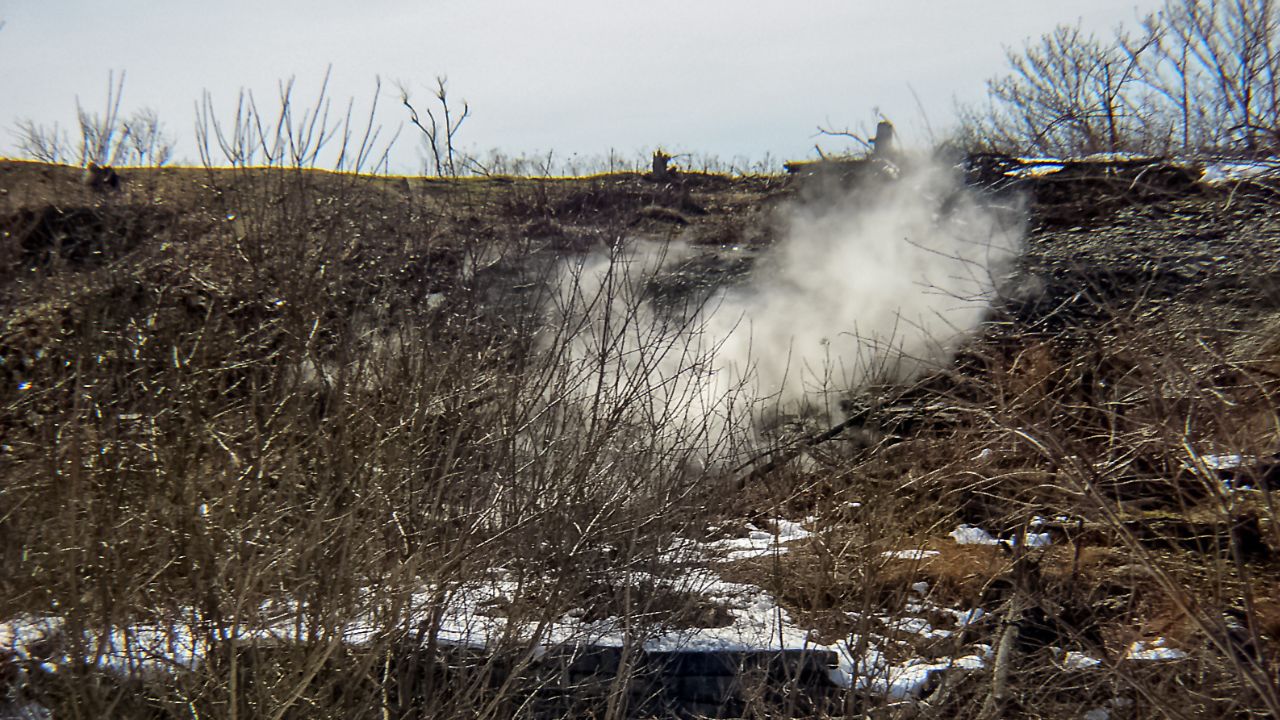
In 1962, an underground coal fire ignited beneath Centralia and continues burning more than 60 years later. At its peak, over 1,000 residents lived here; today, fewer than 10 remain. Toxic gases seep through cracked pavement, and ground temperatures in some areas exceed 150°F. Nearly 90% of the town was demolished in the 1990s. Highway 61 was closed after subsidence made it unsafe. What remains feels frozen in time, a stark reminder of how quickly a community can unravel.
3. Gary : Indiana

Founded in 1906 as a steel powerhouse, Gary once held nearly 180,000 residents in the 1960s. Today, the population has fallen below 70,000. Decades of industrial decline left large sections abandoned, with vacant property rates exceeding 20% in some neighborhoods. While redevelopment efforts continue, poverty levels hover around 30%, and certain areas still report crime rates above national averages. The contrast between historic architecture and empty streets creates an atmosphere that feels both historic and unsettled.
4. Detroit : Michigan
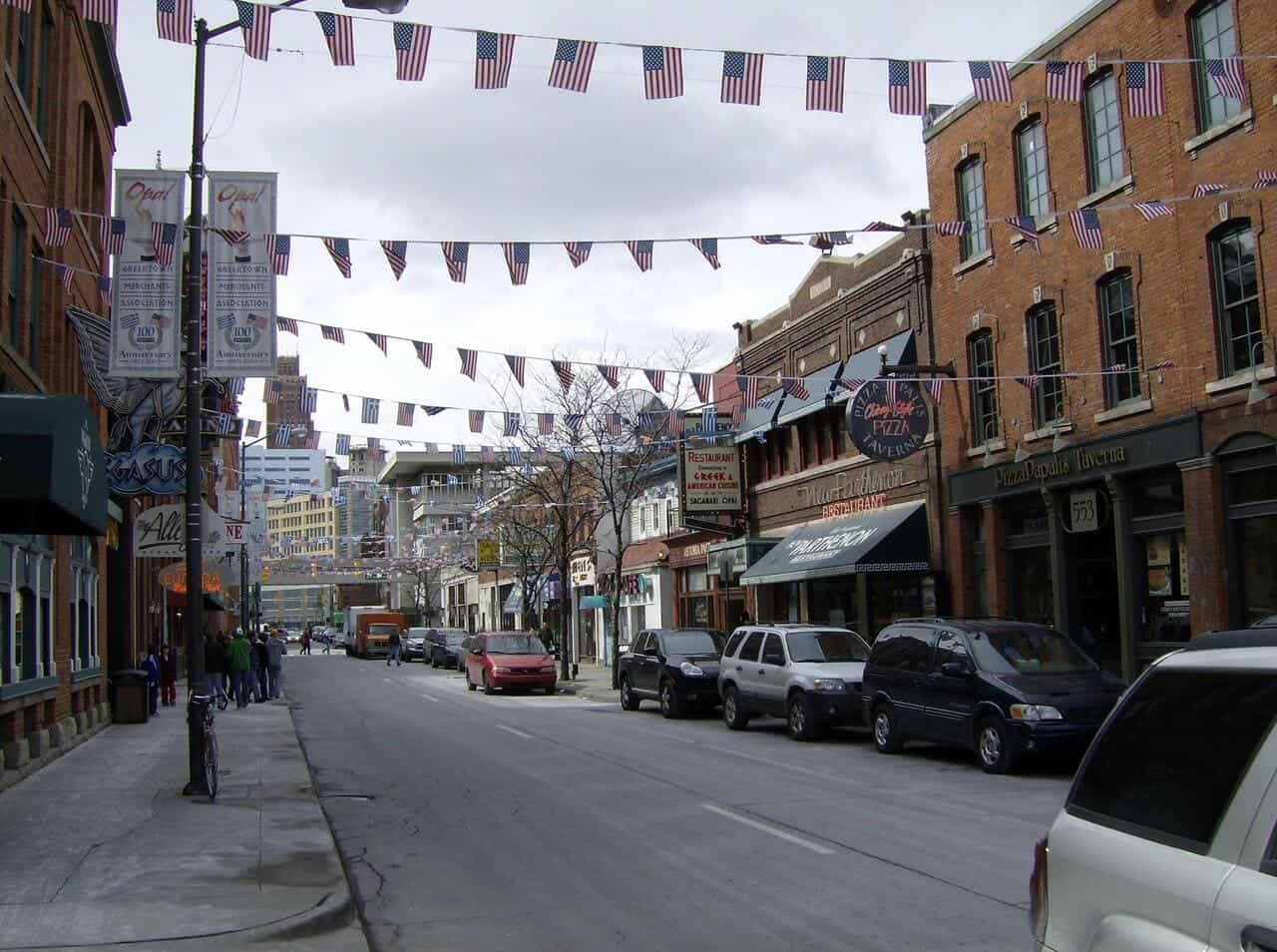
Detroit’s population peaked at 1.8 million in 1950 but now stands under 650,000. The 2013 municipal bankruptcy marked the largest in U.S. history, involving roughly $18 billion in debt. Though downtown investment has surged in recent years, thousands of abandoned structures remain across outer districts. Some neighborhoods experience crime rates significantly above national averages. Visitors often see two cities at once: a revitalized cultural core and vast residential areas still navigating economic recovery and uneven infrastructure.
5. Salton Sea : California
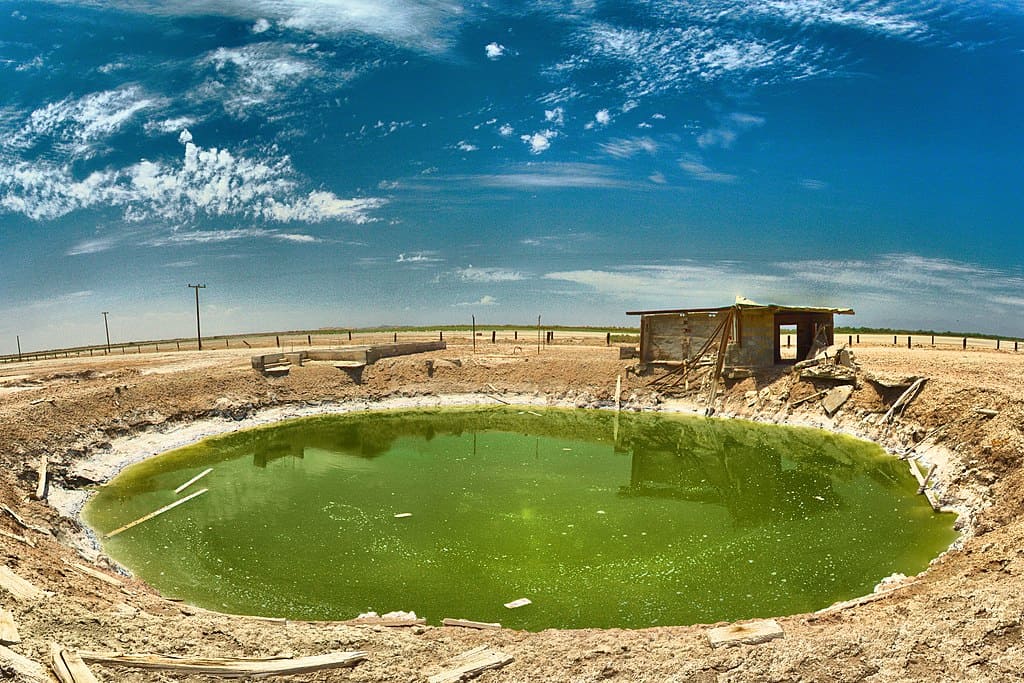
Created accidentally in 1905, the Salton Sea once attracted 1.5 million annual visitors during the 1950s. Today it is shrinking rapidly, exposing toxic lakebed dust containing pesticides and heavy metals. Salinity levels exceed that of the Pacific Ocean by nearly 50%, killing millions of fish each year. As water recedes, hydrogen sulfide odors intensify. Surrounding communities report elevated asthma rates, especially among children. The abandoned marinas and crumbling resorts stand as stark evidence of environmental mismanagement.
6. Skid Row : California

Covering about 50 city blocks in downtown Los Angeles, Skid Row is home to an estimated 4,000 to 5,000 unhoused residents on any given night. Concentrated poverty, mental health challenges, and addiction issues shape daily life here. Emergency response calls are frequent, and sanitation concerns remain persistent. Numerous nonprofit groups operate shelters and outreach centers, yet conditions can feel overwhelming for visitors. The density of hardship within such a small radius leaves a lasting emotional impact.
7. Mount Washington : New Hampshire
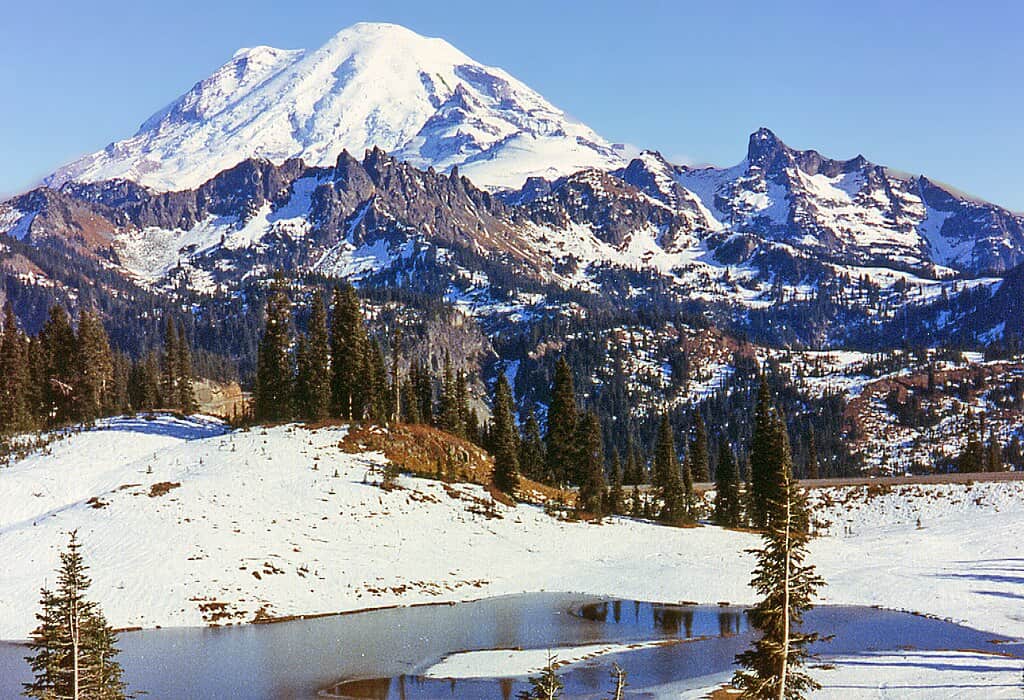
Rising 6,288 feet, Mount Washington is infamous for volatile weather. In 1934, it recorded a wind gust of 231 mph, once the highest measured on Earth. Temperatures can plunge below –40°F in winter, and snow exceeds 20 feet annually near the summit. Weather shifts rapidly, with dense fog reducing visibility to near zero. Despite its moderate height, it averages over 100 rescues per year. Hikers underestimate it at their peril, especially outside peak summer months.
8. East St. Louis : Illinois
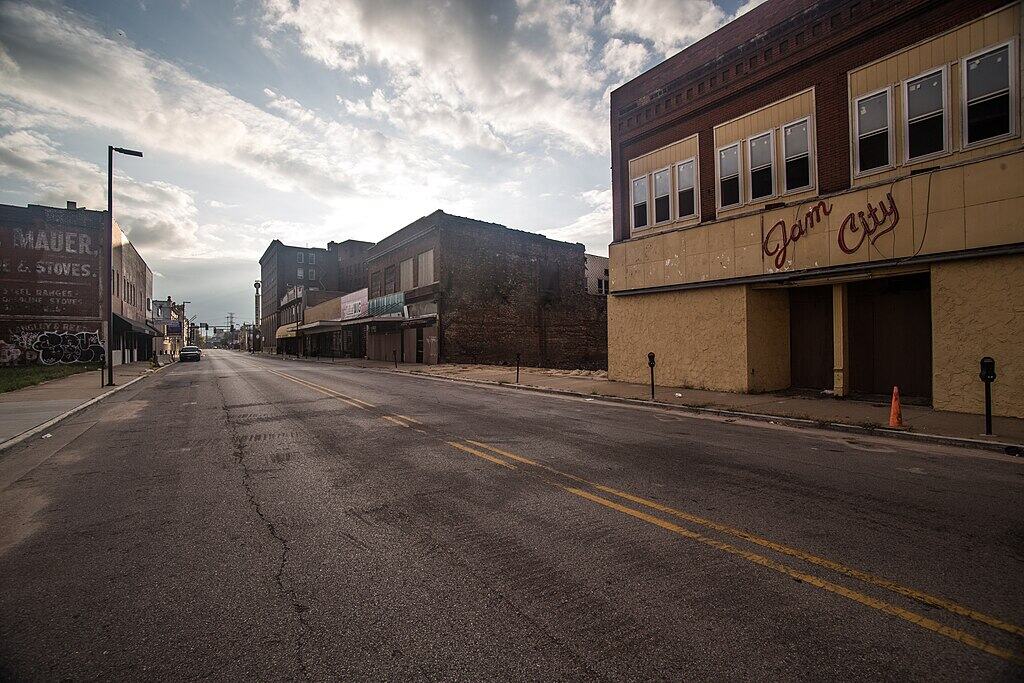
East St. Louis reached nearly 82,000 residents in 1950 but now holds fewer than 20,000. Economic decline and industrial loss fueled decades of hardship. Poverty rates exceed 35%, and infrastructure challenges remain visible in aging roads and vacant buildings. Though crime rates have declined from historic highs, they still surpass national averages. Community organizations continue revitalization efforts, yet visitors often encounter an environment marked by stark economic inequality and limited public investment.
9. Area 51 : Nevada
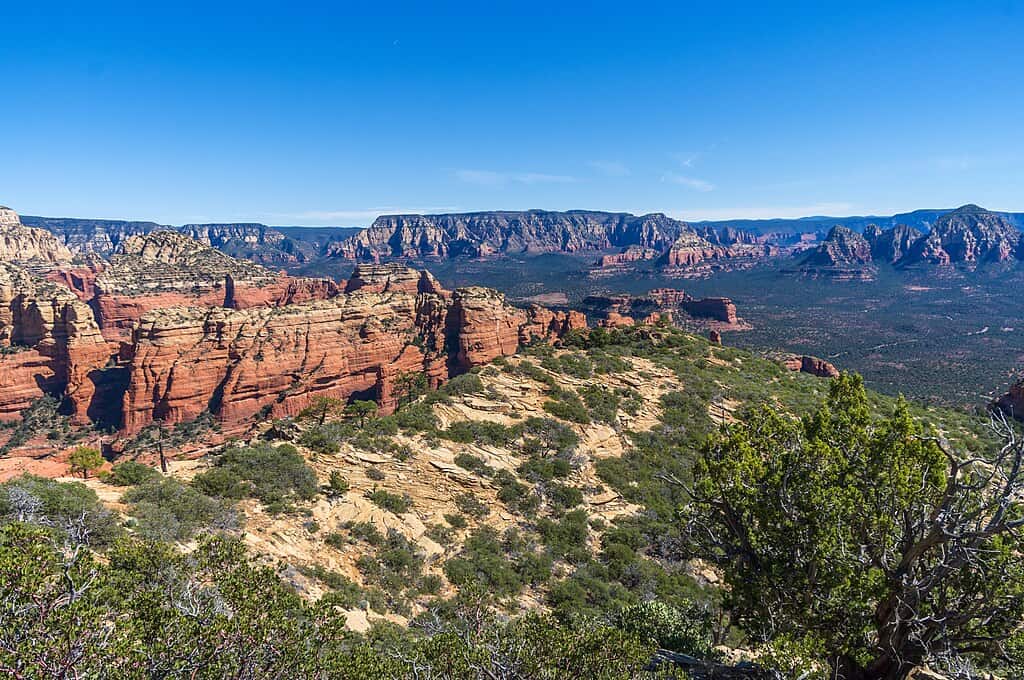
Located within the Nevada Test and Training Range, Area 51 spans part of a restricted zone covering thousands of square miles. Trespassing can result in fines exceeding $1,000 and possible detention. The surrounding desert sees summer temperatures above 110°F, with minimal services within a 50-mile radius. Surveillance is constant, and warning signs are explicit. Curiosity draws tourists to the perimeter, but crossing boundaries carries legal consequences that are swift and serious.
10. The Wave : Arizona

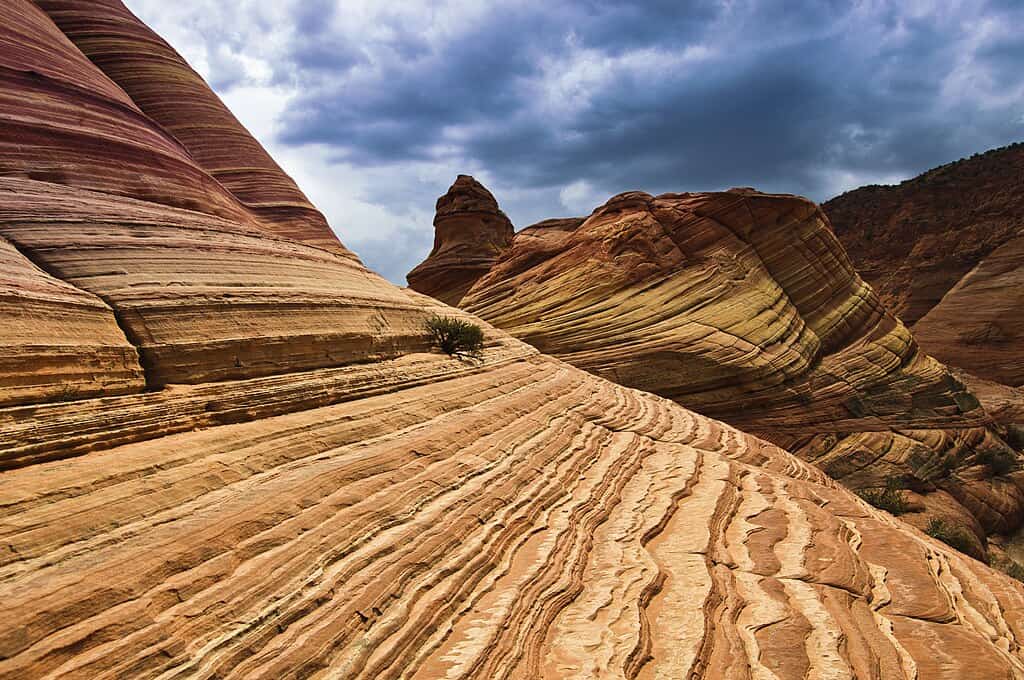
The Wave lies within the Coyote Buttes North area and admits only 64 visitors per day through a competitive permit lottery. Summer temperatures regularly top 105°F, and there are no marked trails or water sources. The hike spans roughly 6 miles round trip across exposed terrain. Rescue operations occur almost yearly due to dehydration or disorientation. Its swirling sandstone formations look otherworldly, yet the remoteness demands navigation skills and strict heat awareness.
11. Alligator Alley : Florida
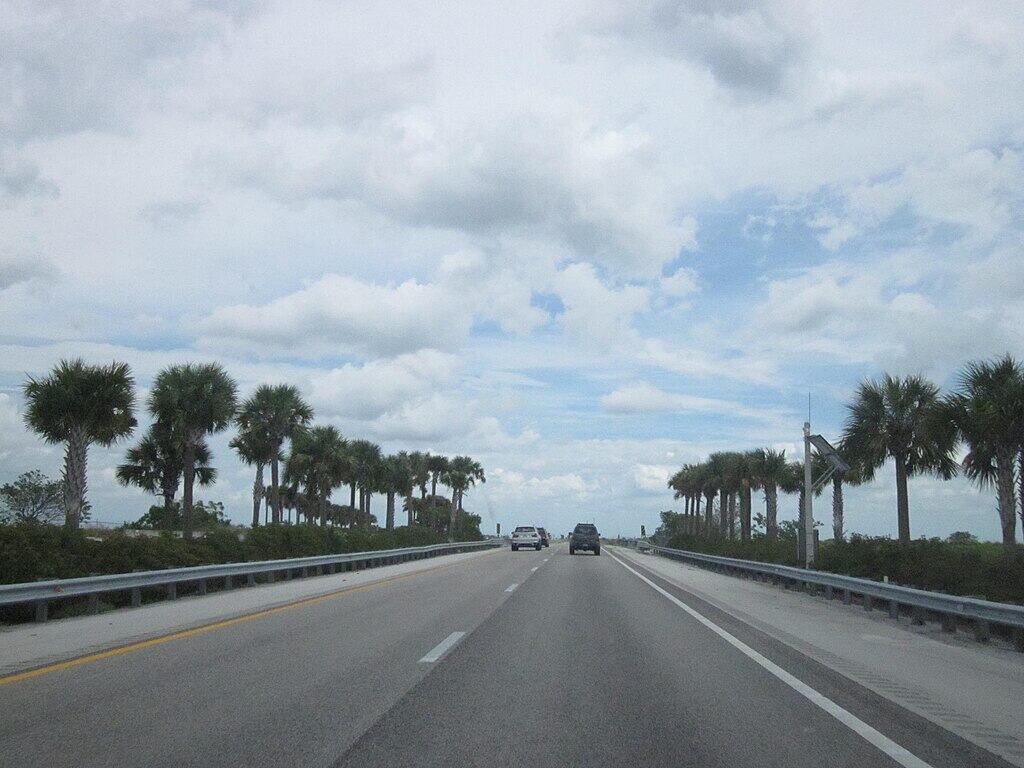
This 80-mile stretch of Interstate 75 cuts directly through the Everglades between Naples and Fort Lauderdale. Services are sparse, with long gaps between fuel stops. Summer heat indexes exceed 100°F, and sudden thunderstorms reduce visibility dramatically. Wildlife crossings include alligators and Florida panthers, both protected species. Vehicle accidents increase during heavy rain. A breakdown here can mean prolonged exposure to humidity, insects, and limited roadside assistance.
12. Alaska Remote Interior Wilderness
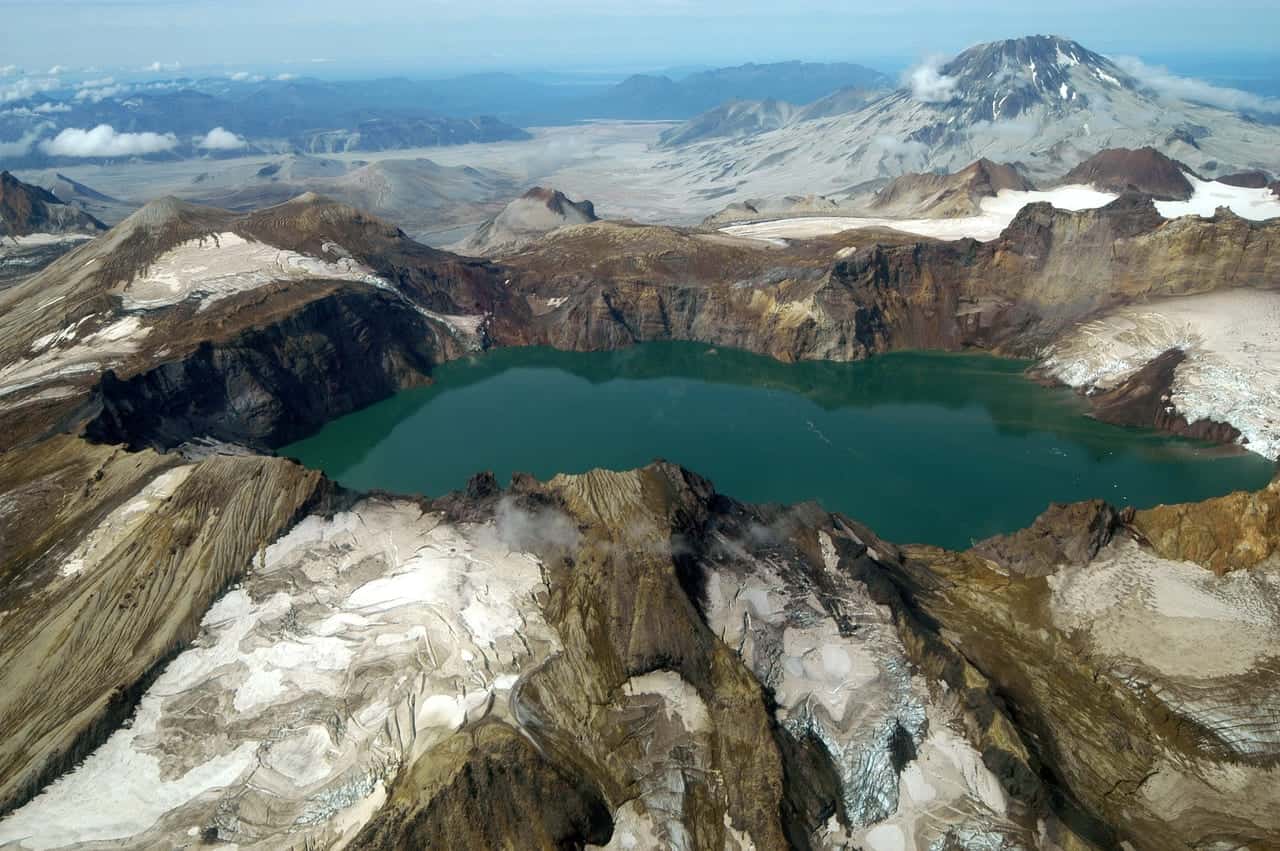
Alaska covers over 663,000 square miles, much of it roadless and sparsely populated. Winter temperatures in interior regions often fall below –50°F, while daylight shrinks to under 4 hours in December. Some villages are accessible only by air or seasonal ice roads. Wildlife encounters with bears and moose are genuine risks. Search-and-rescue operations can take days due to distance and weather. The isolation is profound, beautiful, and unforgiving to the unprepared.