We may earn money or products from the companies mentioned in this post. This means if you click on the link and purchase the item, I will receive a small commission at no extra cost to you ... you're just helping re-supply our family's travel fund.
Before major international trips, many Americans double-check flights, luggage, and currency, yet overlook the one item that determines whether they travel at all; their passport. Because the U.S. issues more than 21 million passports each year, officers must inspect every book closely, and even minor damage can trigger scrutiny. What seems like a harmless water spot, bent page, or faint odor at home can become a major obstacle the moment airport staff perform their routine inspection.
1. Overlooking Small Water Spots That Alter Paper Fibers
Many travelers underestimate how sensitive passport pages are to moisture, especially since paper can swell by up to 7%after mild exposure. Even tiny droplets from rain, sinks, or sweaty hands leave irregular textures that officers interpret as possible tampering. Under verification lights, the fibers look uneven, making the document appear altered. Some airlines report denying boarding to roughly 2–3 passengers per day for moisture-related issues. Checking early prevents last-minute panic at the gate.
2. Using Hair Dryers or Heaters to “Fix” Damp Pages
In rush moments, people try to dry a wet passport with hair dryers, space heaters, or sunlight, not realizing heat can warp the laminate at temperatures above 60°C. The embedded chip inside the back cover becomes brittle and may fail e-gates, which process more than 300,000 travelers daily worldwide. A warped chip forces manual checks, delays connections, and increases suspicion. Air-drying for 24–48 hours without direct heat is the safest method, even when time feels tight.
3. Storing the Passport Beside a Water Bottle in a Carry-On
A significant number of travelers; nearly 40%, according to airport baggage surveys—admit placing passports in pockets next to reusable bottles. Even a 1–2 ml leak or condensation ring is enough to warp the book’s edges. Cabin pressure changes during flights make bottle caps loosen slightly, increasing the risk. Dampness often becomes visible only when agents flick through the pages. Using a waterproof sleeve weighing less than 30 grams can prevent this common and avoidable mistake.
4. Packing the Passport in a Humid Bathroom After Showering
Warm bathrooms maintain humidity near 70–80% for over 20 minutes after a hot shower, even when the mirror looks clear. Passport pages absorb this moisture quickly, softening and developing subtle waviness. Immigration officers are trained to detect these distortions because they can mimic chemical tampering. Travelers often notice nothing until the book feels slightly swollen. Storing travel documents in dry rooms with humidity below 50% helps preserve both texture and structural integrity.
5. Compressing the Passport in an Overstuffed Wallet or Organizer
Pressure from crammed wallets can bend covers at angles of 15–25 degrees, enough to weaken the spine and loosen glue binding. Officers sometimes flag sharply folded covers because forced creases resemble attempts to conceal modifications. With Americans increasingly using slim travel organizers over 12 million sold annually, many people unknowingly overfill them. Keeping the passport in a holder with at least 3 mm of free room prevents compression damage while still offering convenience for boarding and security lines.
6. Allowing Ink Transfer from Receipts or Fresh Printouts
Passport pages are coated for durability but are not fully resistant to chemical transfer, especially from thermal receipts, which fade or smear at temperatures above 40°C. Placing receipts or freshly printed boarding passes inside the book can leave mirrored text impressions within 10–20 minutes. These marks become highly visible under inspection lamps and may obscure visa details. Because immigration officers flip through pages in under 5 seconds, even small smudges can cause delays or secondary questioning.
7. Using the Passport as a Hard Surface for Writing
Pressing forms or notebooks against a passport can create indentations up to 0.2 mm deep across multiple pages. Security patterns printed using micro-lines as small as 0.08 mm become distorted, and officers checking for alterations can interpret the impressions as erased text. Even though the book may still scan correctly, tactile irregularities trigger suspicion. Since roughly 15% of travelers fill out documents at the airport, this habit is far more common than people realize.
8. Keeping the Passport in a Back Pocket or Tight Clothing
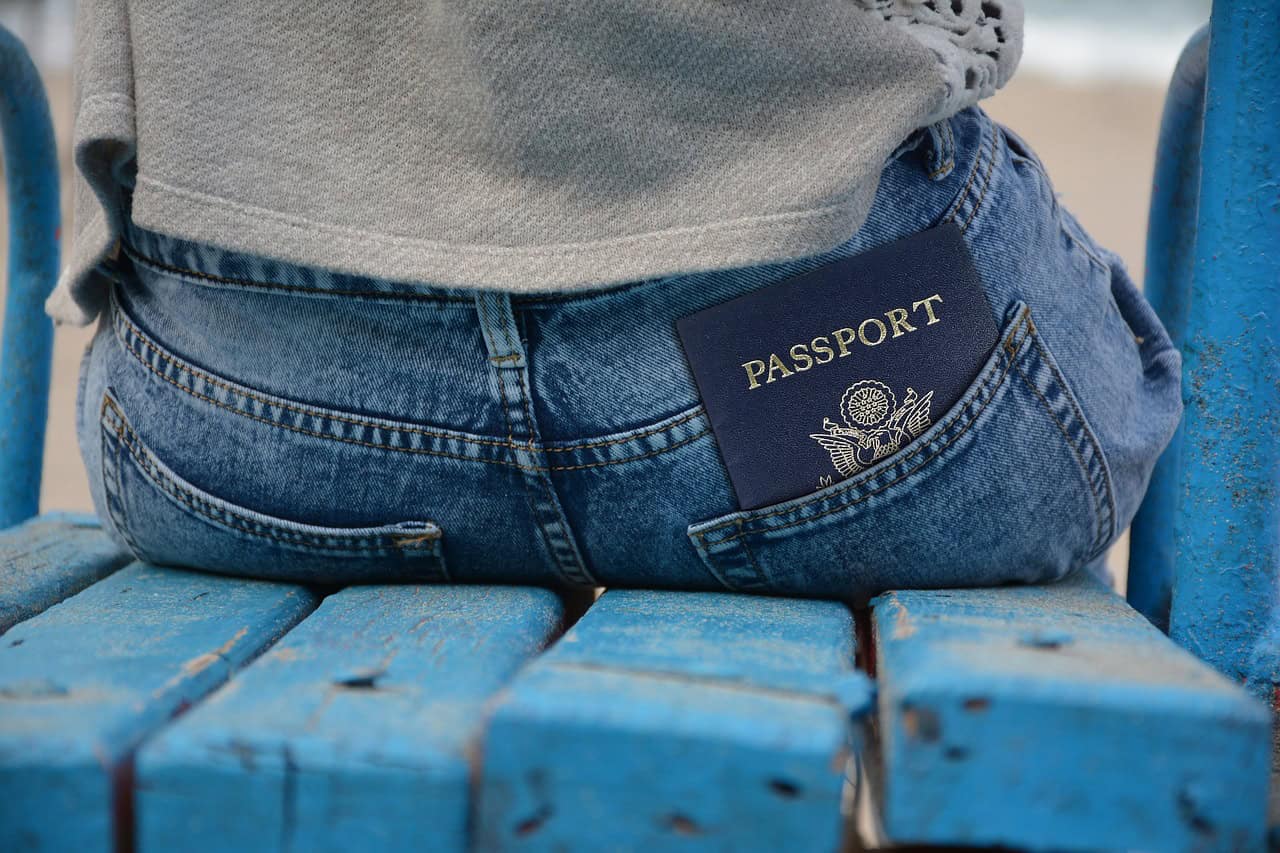
Body heat averages around 37°C, and combined with pressure from sitting, it softens the cover and bends pages into a curved “U” shape with a radius as small as 5–7 cm. Sweat introduces salt and moisture that slowly stiffen the fibers. Airline agents report that bent or “rolled” passports appear in almost 1 in 25 inspections, often forcing manual verification. Carrying the passport in a rigid pouch keeps it flat and prevents deformation during long commutes.
9. Ignoring Small Tears or Frayed Edges on the Cover
Covers begin to fray after repeated abrasion of only 0.1–0.2 mm of fiber loss, which happens quickly inside bags with zippers or rough fabric. Any tear near the spine looks suspicious because it resembles attempts to lift the cover and replace pages. Some countries reject passports with tears longer than 6 mm, even if all pages remain intact. Since the average passport circulates for 10 years, minor wear accumulates faster than many travelers expect, especially before big trips.
10. Overlooking Musty Odors or Early Mold from Storage
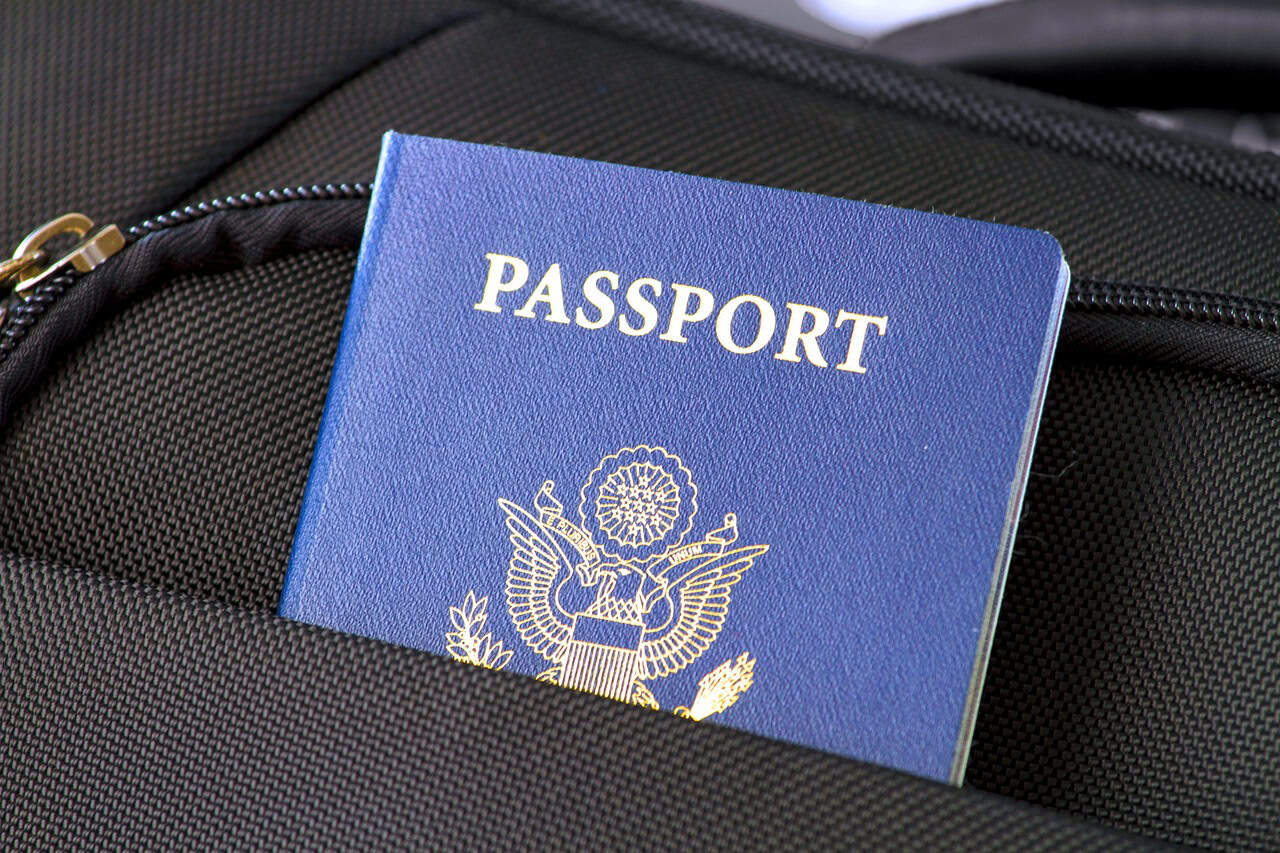
Passports stored in humid spaces like basements or closets can begin developing mold at humidity levels above 65%within 48–72 hours. Even early micro-spotting under 1 mm appears significantly larger when illuminated by inspection lights. Mold alters the smoothness of the paper and can blur microprinting, making authentication harder. Officers sometimes reject passports with noticeable odor or discoloration because they degrade unpredictably. Storing the book in a dry area extends its lifespan by several years.
11. Attempting DIY Repairs with Tape, Glue, or Adhesives
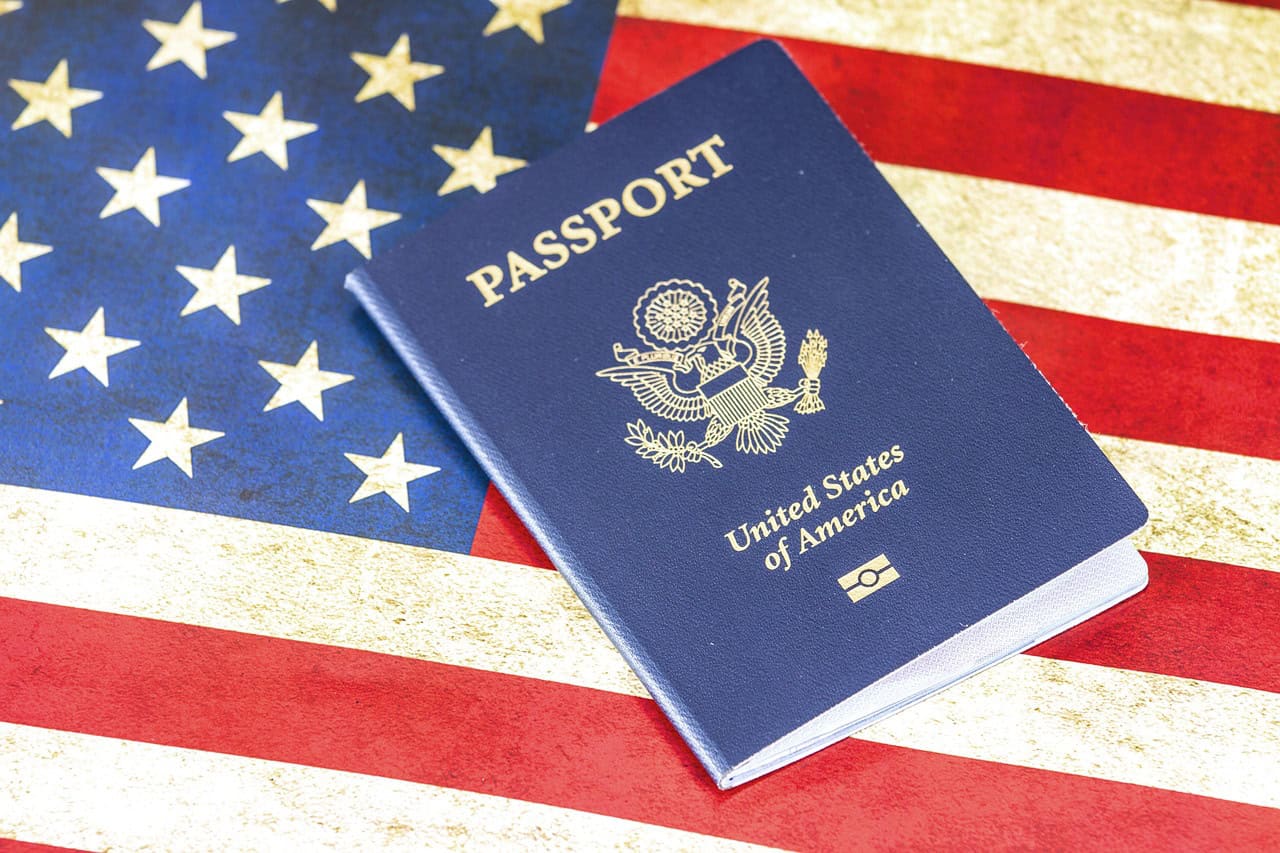
Using household tape or glue creates residue that thickens over time by 5–10%, darkens the paper, and overlaps security features. Even small adhesive marks can lead an officer to conclude the book has been tampered with, resulting in immediate denial of boarding. DIY repairs often cause more damage than the original issue. Replacement fees for a new U.S. passport total about $130–$225, a far cheaper outcome than being stranded at the airport with an invalid document.
12. Failing to Check the Biometric Chip for Subtle Warping
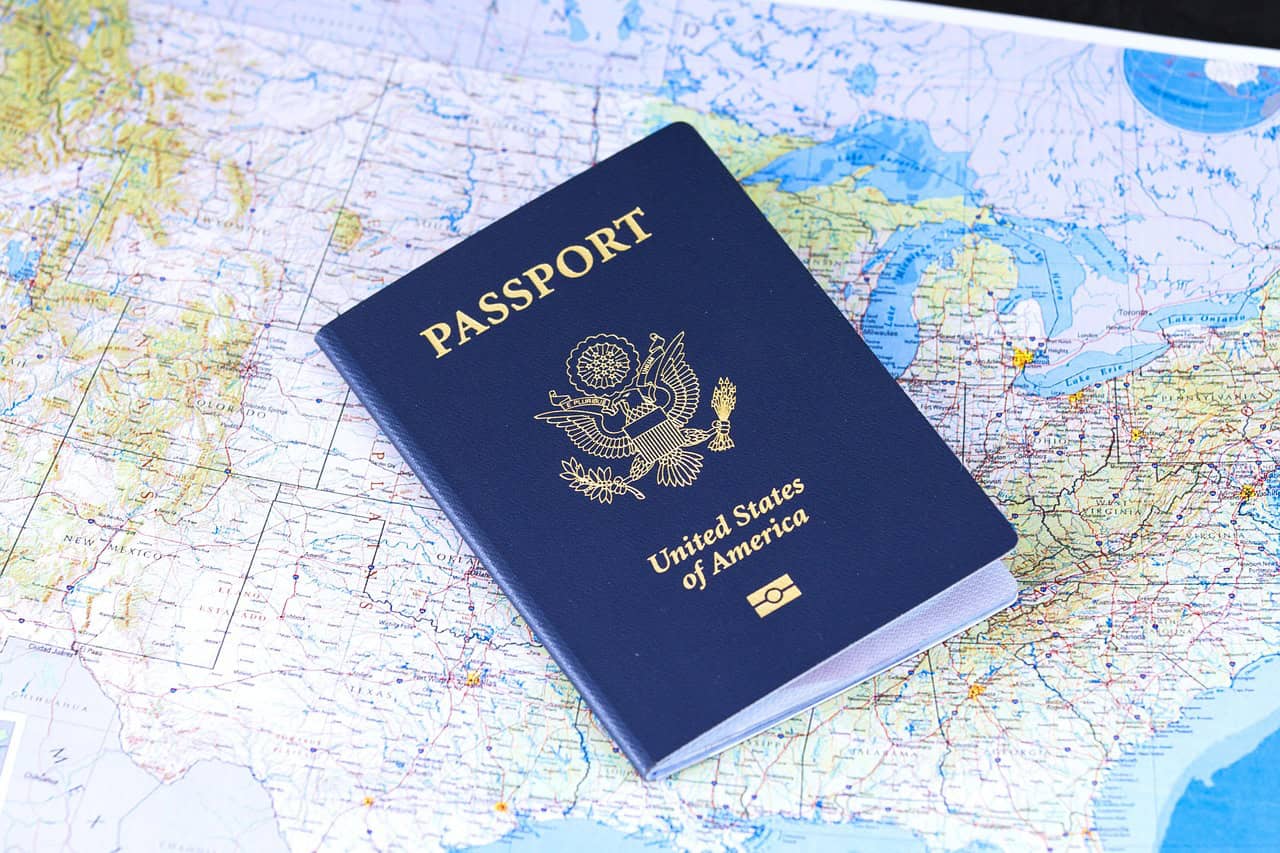
The RFID chip embedded in modern U.S. passports operates at 13.56 MHz and is sensitive to bending. Even a 1–2 mm bulge under the back cover can cause failures at e-gates, which process over 1 billion scans per year globally. Travelers often discover chip issues only at the airport when automated gates reject the document. Since many countries rely heavily on electronic verification, ensuring the chip lies flat and responds consistently prevents unexpected delays or secondary screening.