We may earn money or products from the companies mentioned in this post. This means if you click on the link and purchase the item, I will receive a small commission at no extra cost to you ... you're just helping re-supply our family's travel fund.
Tourist habits age in real time, even if the brochures do not. Places that once felt nonnegotiable on a road trip now sit half empty, running more on memory than ticket sales. Cheap flights, new destinations, and changing tastes pulled attention away, while some venues collapsed under scandals, costs, or climate reality. Others stayed open but slipped out of the cultural conversation. Together they form a quiet map of faded fame, where peeling paint, dark gift shops, and stubborn neon say more than any travel ad.
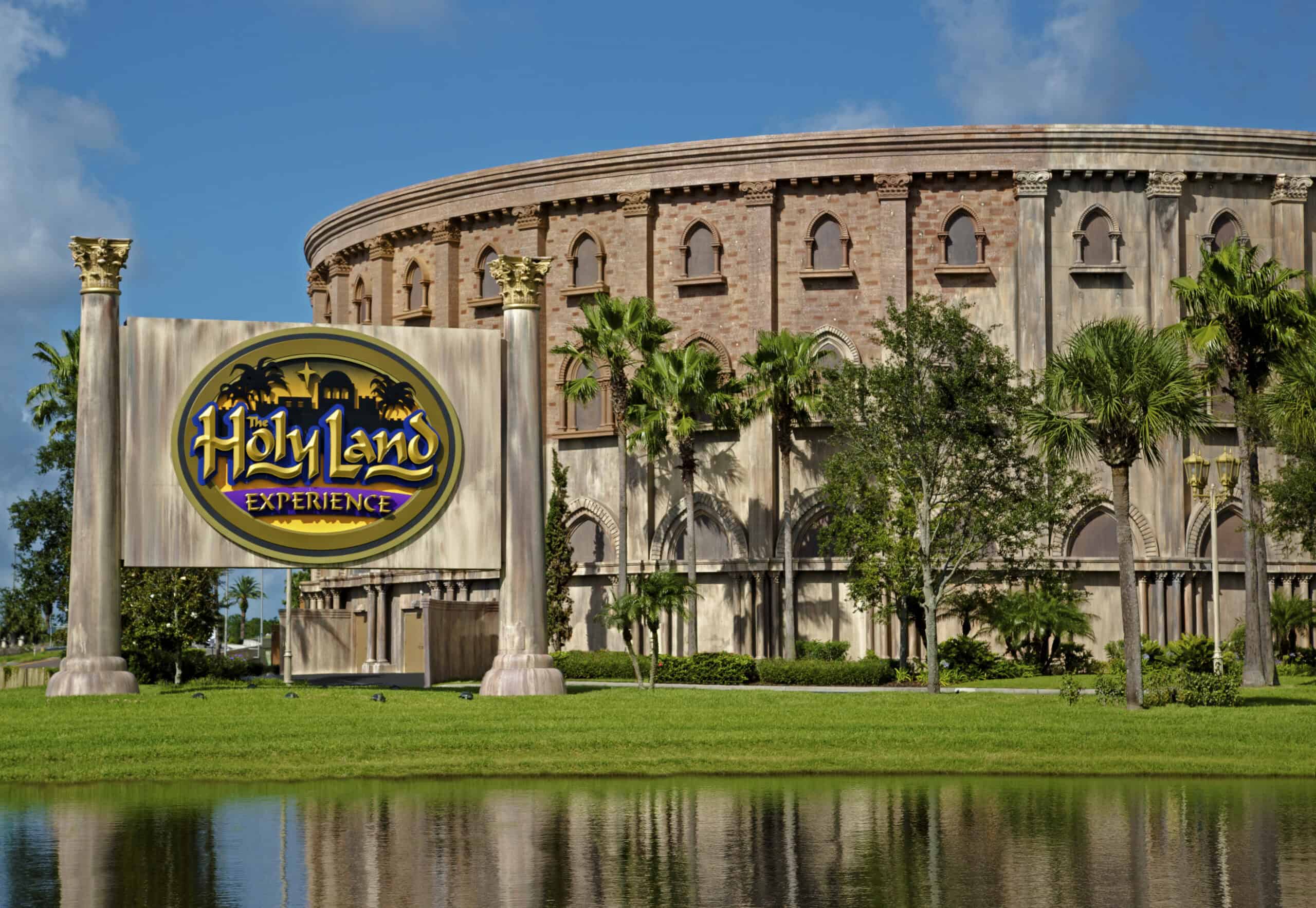
The Holy Land Experience, Orlando
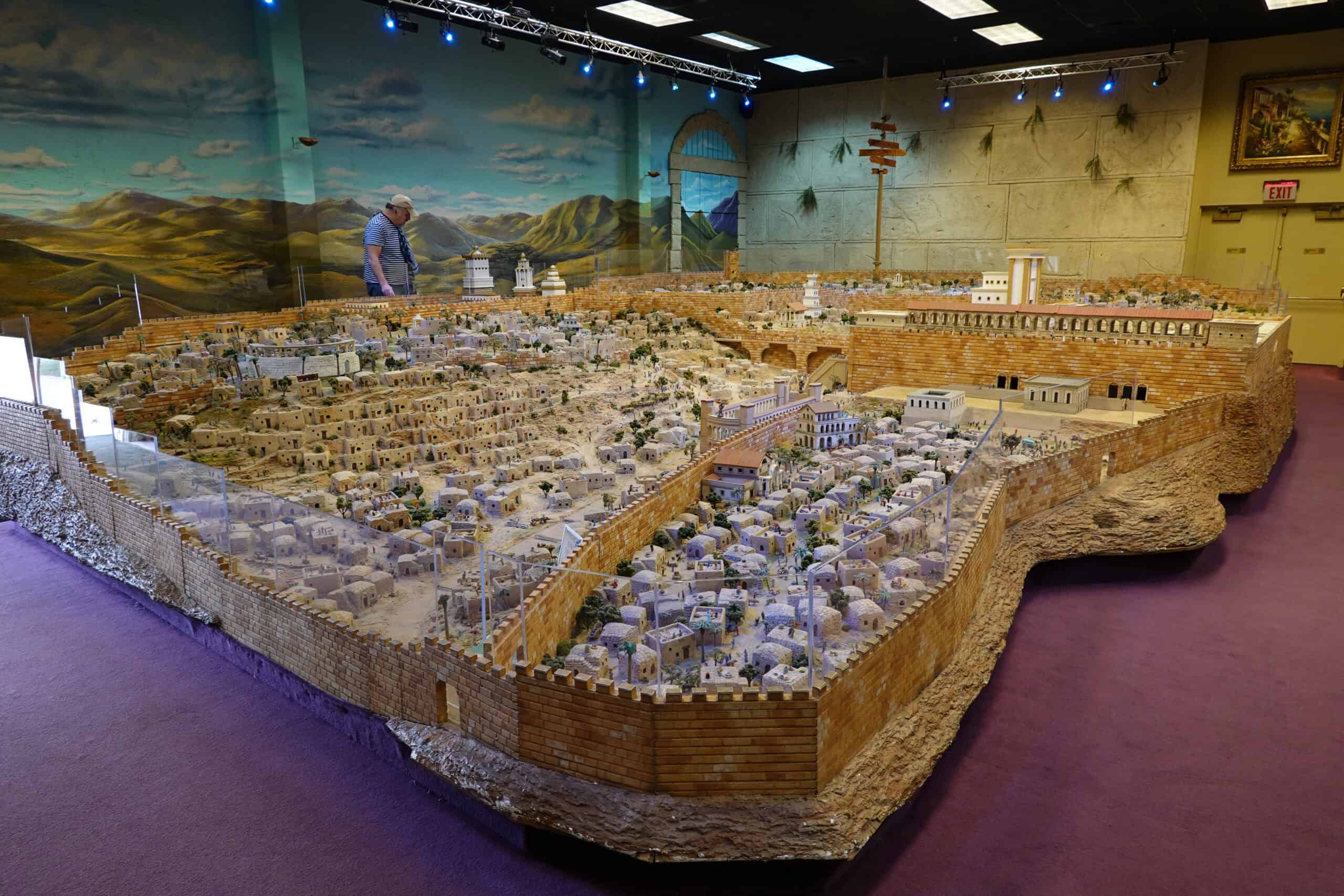
The Holy Land Experience tried to stand beside Orlando’s giants by turning Bible stories into full scale theater, with Roman soldiers, passion plays, and streets styled as ancient Jerusalem. The idea drew curiosity at first, but high operating costs and sliding attendance became impossible to ignore. By early 2020, the park closed as a hospital group moved in, and the buildings were eventually cleared. Today the land hosts medical development, while the theme park survives mostly through blurry photos, half remembered field trips, and old I-4 billboards that once promised miracles in the Florida sun.
Newseum, Washington, D.C.
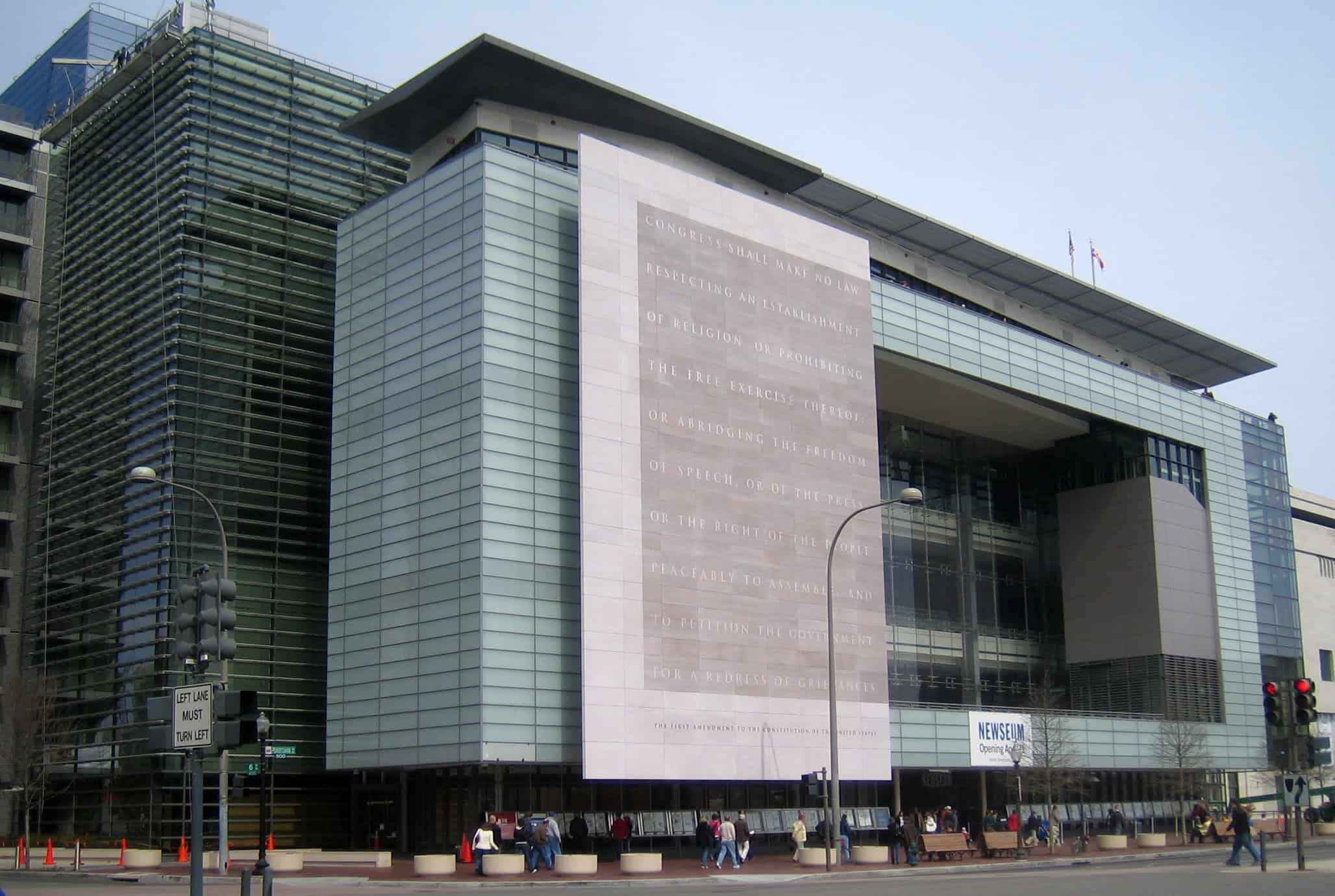
The Newseum opened on Pennsylvania Avenue with almost newsroom confidence, placing journalism and the First Amendment front and center between the Capitol and the White House. Visitors walked past a real section of the Berlin Wall, daily front pages, and interactive galleries that treated reporters like essential civic players. The problem was scale and cost; the glass box and prime address came with a brutal budget that ticket sales never fully covered. After years of financial strain, it closed in 2019, and the building shifted to university use, turning a once buzzy stop into a memory anchored in old press shots.
South of the Border, Dillon, South Carolina
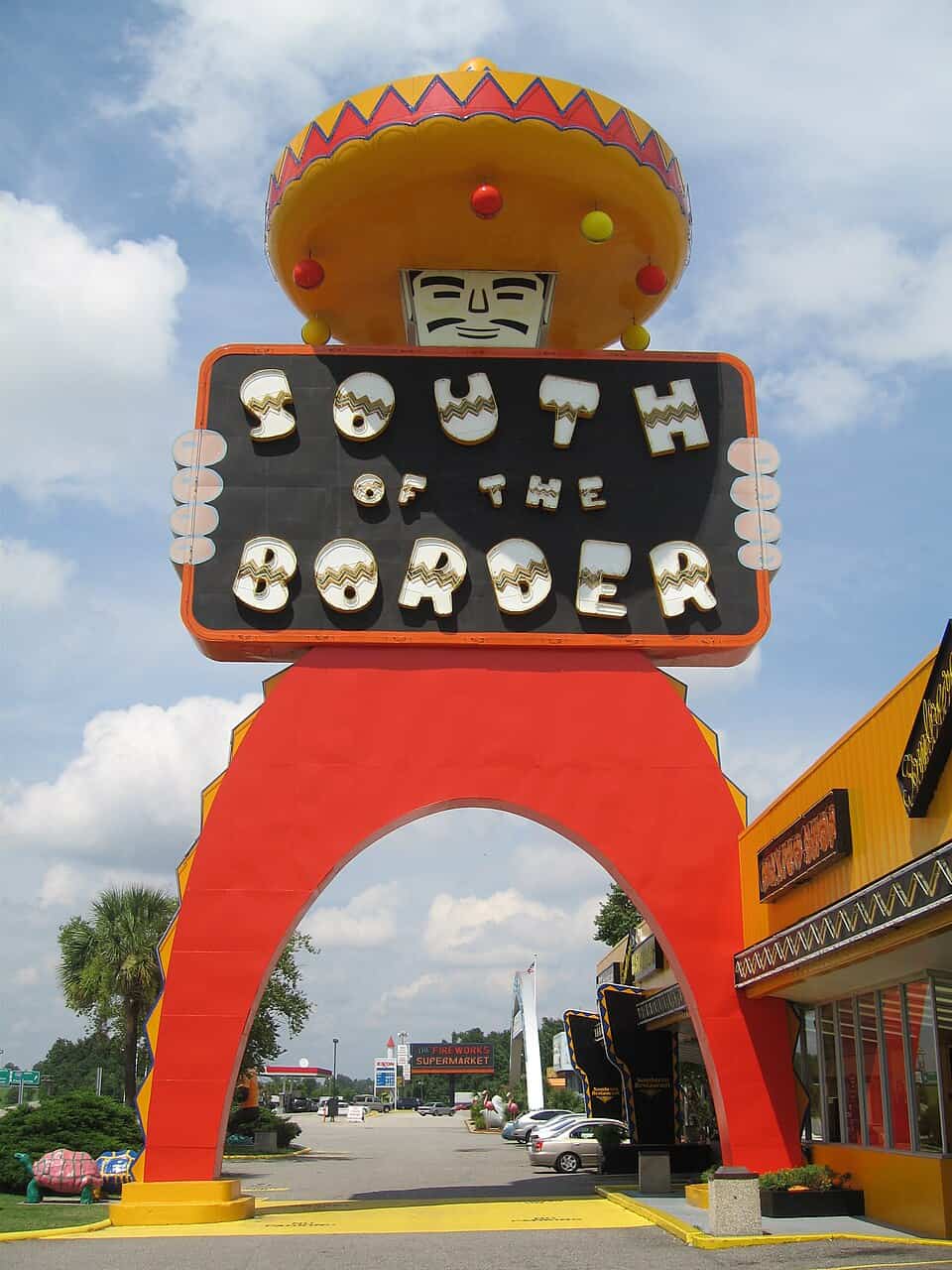
For generations of East Coast drivers, South of the Border broke long I-95 hauls with fireworks, oversized hats, and a barrage of goofy roadside signs stretching for miles. The complex still operates, but only as a faint echo of its prime. The small amusement park is closed and up for sale, some motels are shuttered, and even the souvenir shops feel quieter, with wide aisles and fewer squealing kids picking plastic toys. The giant sombrero tower still grabs attention from the highway, yet the stop no longer shapes family lore the way it once did on winter drives south.
Flintstones Bedrock City, Arizona
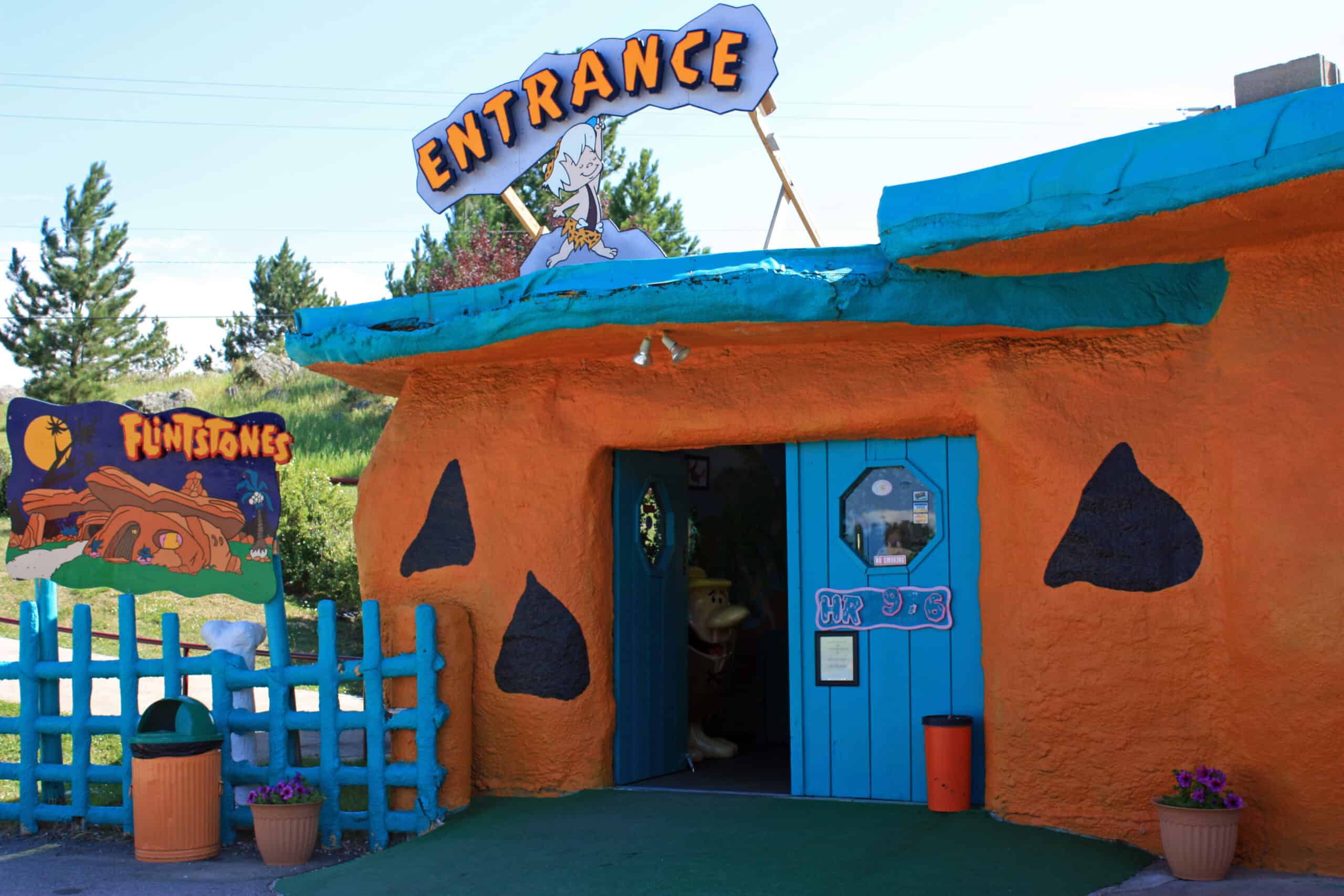
Flintstones Bedrock City turned northern Arizona into a low slung Stone Age playground, with squat concrete houses, bright dinosaurs, and cartoon cars for kids to climb in. For decades, families tacked it onto Grand Canyon trips, grabbing pancakes at the diner and snapping photos beside stiff, smiling characters. As traffic patterns changed and the owner neared retirement, attendance slipped and upkeep costs rose. The park closed, then partially rebirthed as part of a bird of prey attraction, leaving the old structures in a strange afterlife. The pure cartoon magic now lives mostly in washed out prints from family albums.
Geauga Lake Amusement Park, Ohio
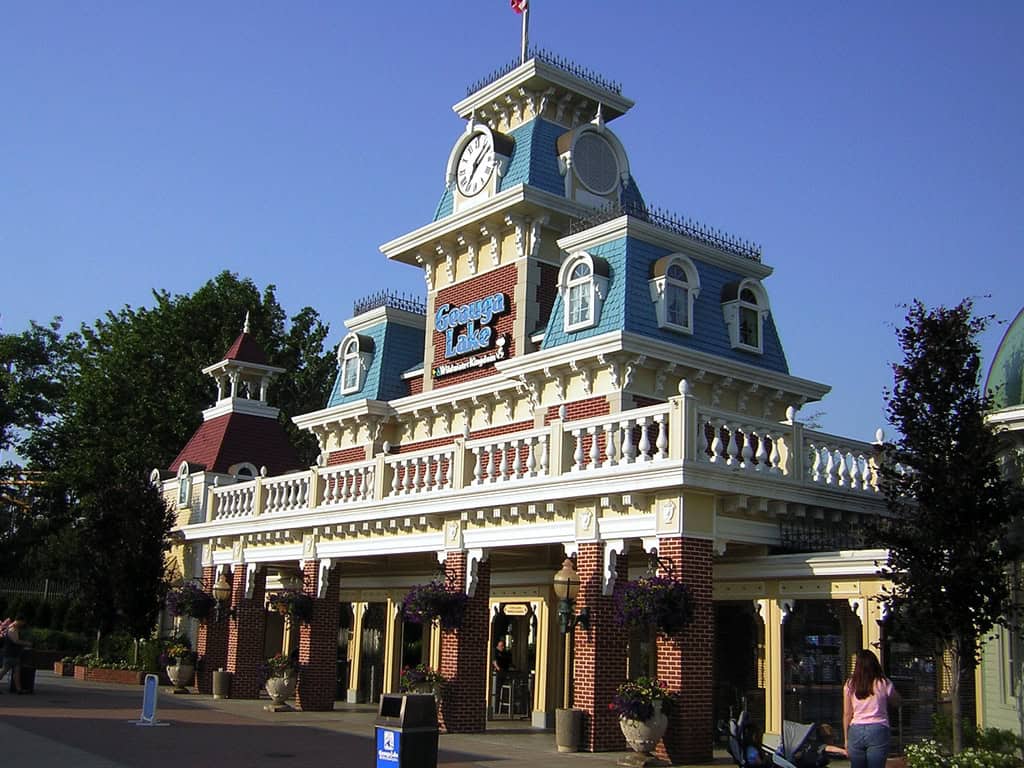
Geauga Lake grew from a simple lakeside picnic ground into a sprawling destination that at various points included a SeaWorld and serious roller coasters. For many in Ohio and Pennsylvania, summers were measured in season passes, first jobs, and nights when the lake glowed with ride lights. Multiple ownership changes, corporate strategy shifts, and competition slowly drained momentum. The coaster side closed suddenly in 2007, and the remaining water park followed a few years later. Redevelopment plans are finally moving, but the emotional center of the place already lives elsewhere, carried in local stories and fan sites instead of ticket queues.
Heritage USA, Fort Mill, South Carolina
Heritage USA once ranked among the country’s most visited attractions, a Christian themed resort that packed in a water park, shopping village, and televised pageants run by Jim and Tammy Faye Bakker. At its height in the 1980s, the place blended religion, entertainment, and fundraising in a way that felt unstoppable. Then came financial scandal, legal fights, and Hurricane Hugo, which smashed already strained operations. The complex fractured, parts were sold, and only fragments of the original vision remain. For most people now, Heritage USA is less a destination and more a cultural reference, recalled in documentaries and late night jokes.
Six Flags AstroWorld, Houston, Texas
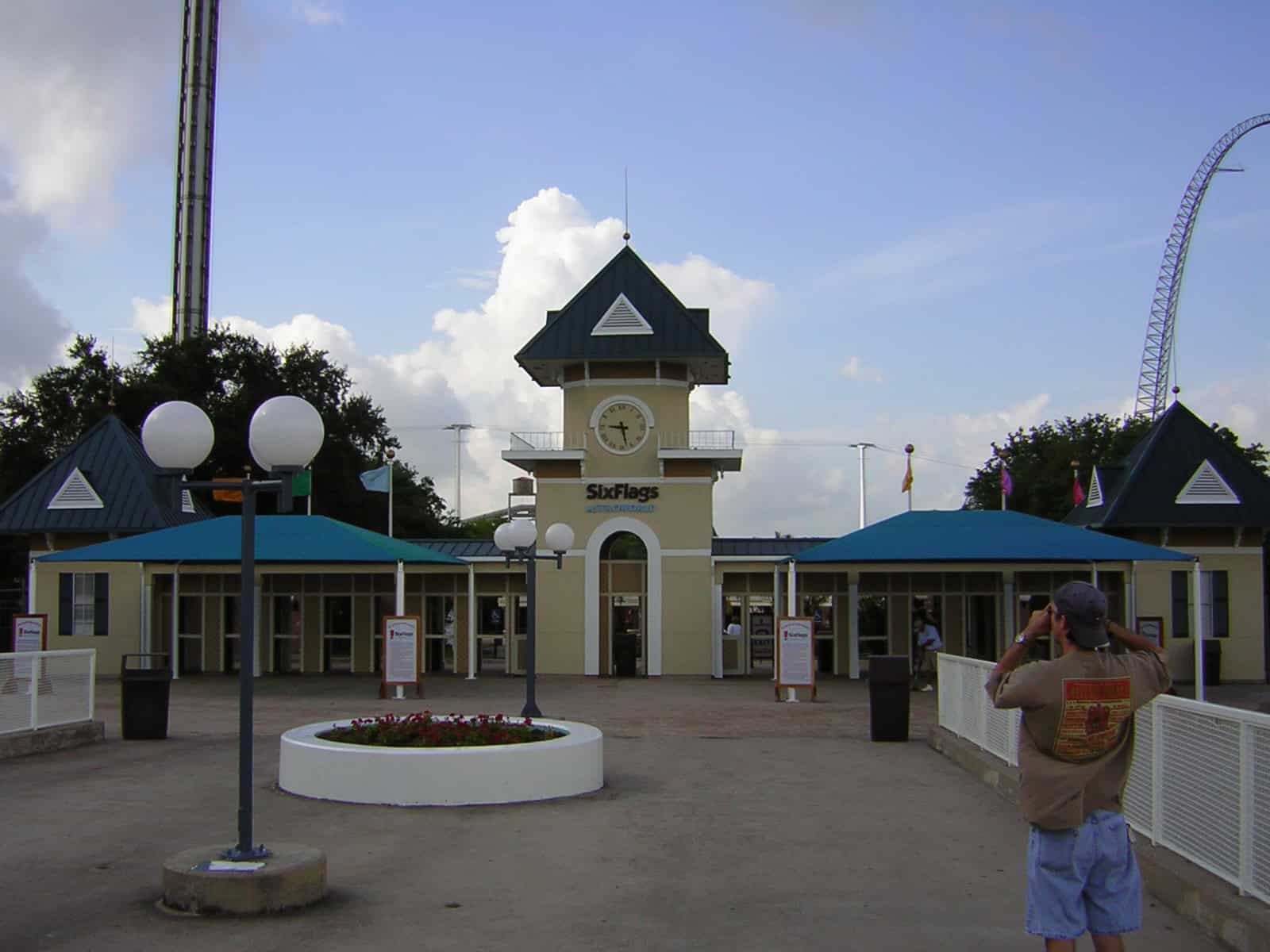
AstroWorld anchored Houston’s childhood calendar for nearly four decades, a cluster of coasters, themed lands, and a sky ride sitting right across from the Astrodome. Generations learned to love thrill rides there, pairing ballgames with loop after loop on favorite tracks. When Six Flags looked to cut debt and cash in on valuable land, the park became a casualty. It closed in 2005, the rides were auctioned off, and the site turned into a flat expanse that still surprises drivers who remember the skyline of steel. The emotional traffic now runs through reunions, fan forums, and grainy VHS uploads.
Lake Dolores / Rock A Hoola Waterpark, California
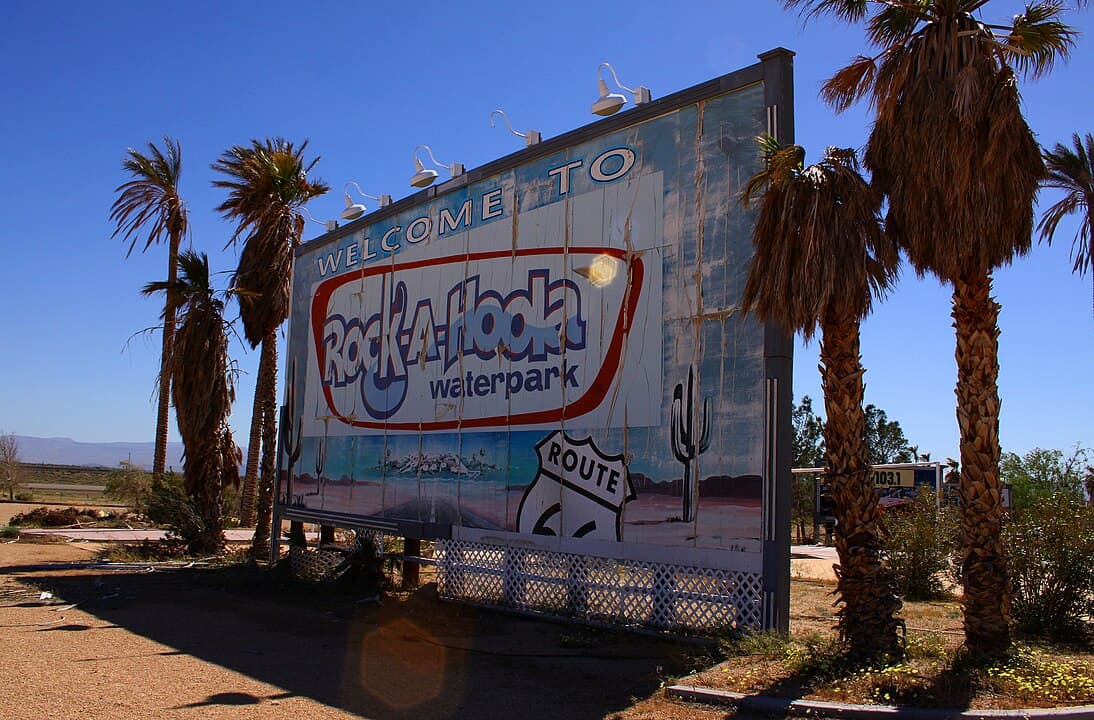
Lake Dolores began as a family project in the Mojave Desert and evolved into a full water park that later rebranded as Rock A Hoola with a retro nod to the 1950s. Road trippers once broke up Interstate 15 drives between Los Angeles and Las Vegas with desert slides, cable rides, and long lines in blistering heat. Accidents, lawsuits, and financial trouble undermined the business, and by the early 2000s the gates closed for good. Today the empty pools, warped slides, and graffiti soaked structures draw photographers and explorers, turning a onetime family stop into a slow motion art ruin.
Salton Sea Resort Strip, California
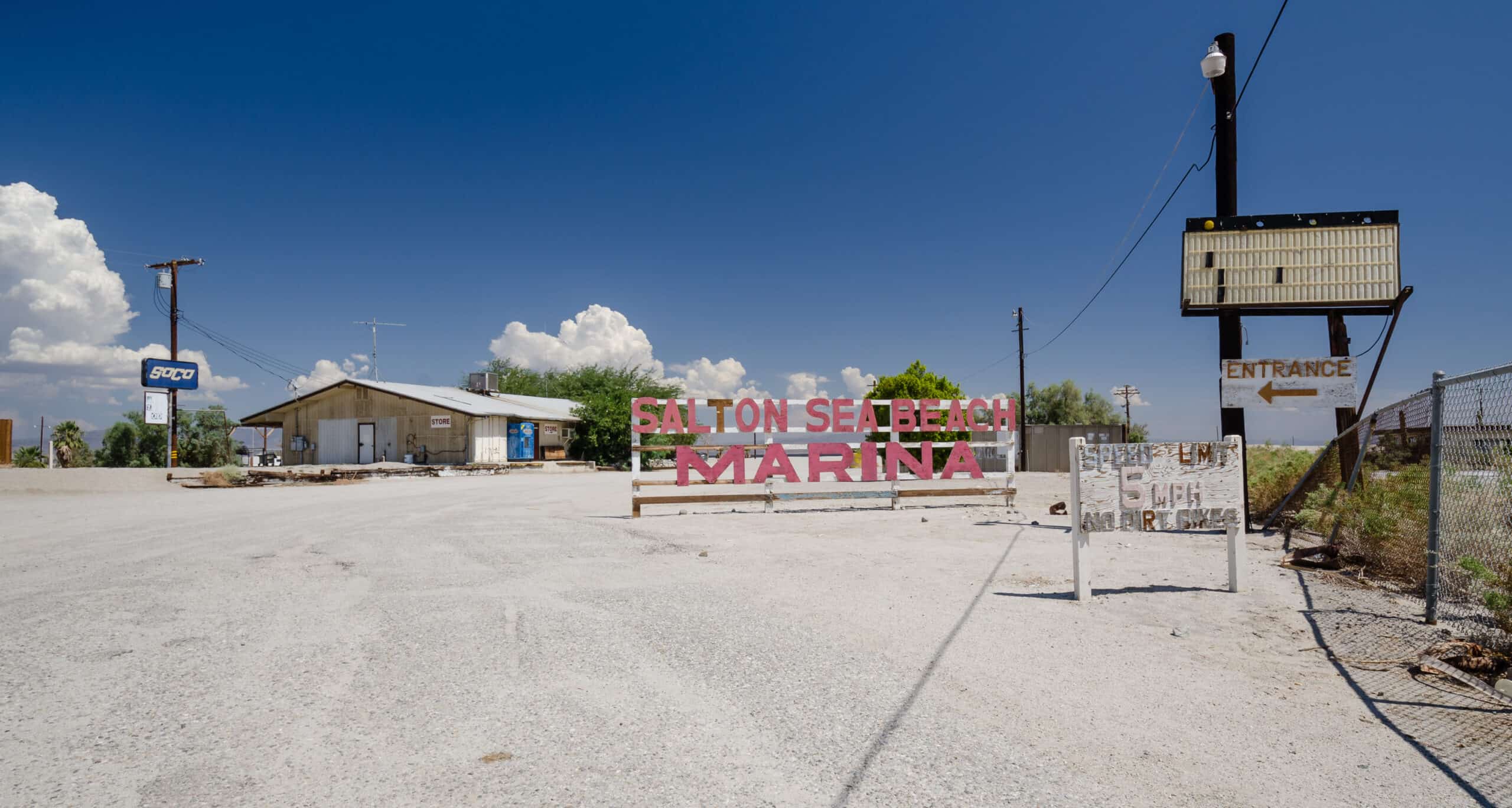
The Salton Sea was once sold as California’s inland Riviera, complete with marinas, yacht clubs, and brochures that promised sunshine without coastal crowds. Agricultural runoff and rising salinity turned the water toxic for fish and birds, and storms left neighborhoods damaged and half abandoned. The tourism engine stalled, motels and bait shops shuttered, and towns like Bombay Beach slid into a surreal mix of art experiments and hardship. Visitors still come, but mostly to study the ruins, watch migrating birds, or document an environmental warning. The glamorous lakeside dream now feels like a ghost trapped in faded signage.
Atlantic City Boardwalk Casinos, New Jersey
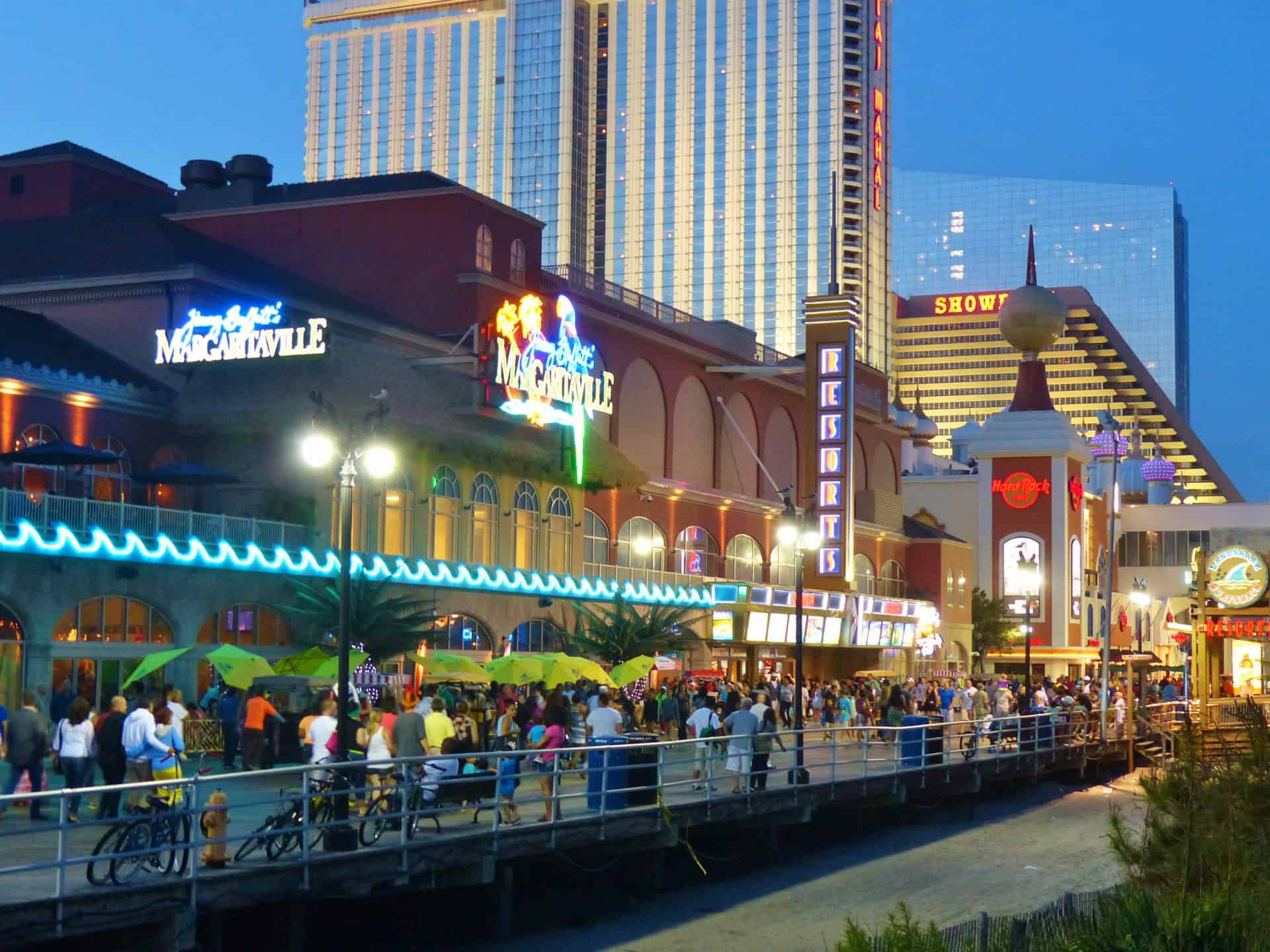
Atlantic City built its modern identity on casinos lining the Boardwalk, backed by bus tours, bargain buffets, and a legal monopoly on East Coast gambling. Once neighboring states opened their own casinos, that advantage evaporated. A string of closures hit hard, including big names that once defined the skyline, leaving dark towers and empty floors. Efforts to diversify into conventions, nightlife, and family draws continue, but the old fantasy of effortless winnings by the sea has slipped. Many longtime visitors now recall Atlantic City as a phase in their travel life rather than an automatic yearly stop.
Liberace Museum, Las Vegas, Nevada
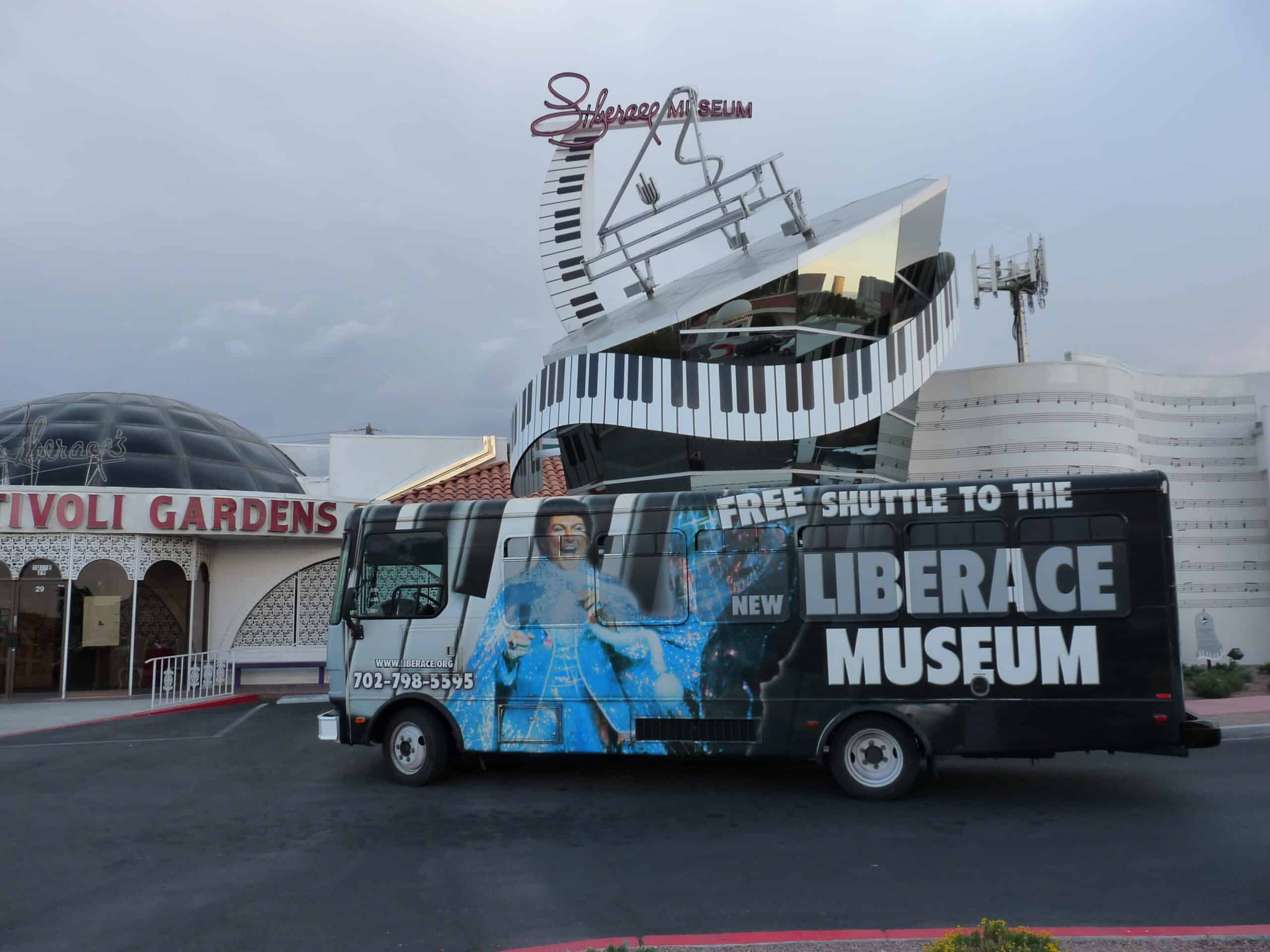
The Liberace Museum tucked outrageous glamour into a modest Las Vegas strip mall, displaying sequined capes, mirrored pianos, and cars that looked more like stage props than vehicles. For years, fans and curious tourists made the detour off the main Strip to walk through a kind of private glitter archive. As younger visitors knew Liberace mostly from biopics and references, attendance slowed and costs mounted. The nonprofit behind the museum closed it in 2010, and the collection now appears only in scattered exhibits. Vegas moved on to new spectacles, while this smaller, deeply personal shrine faded into the background.
Madame Tussauds Washington, D.C.
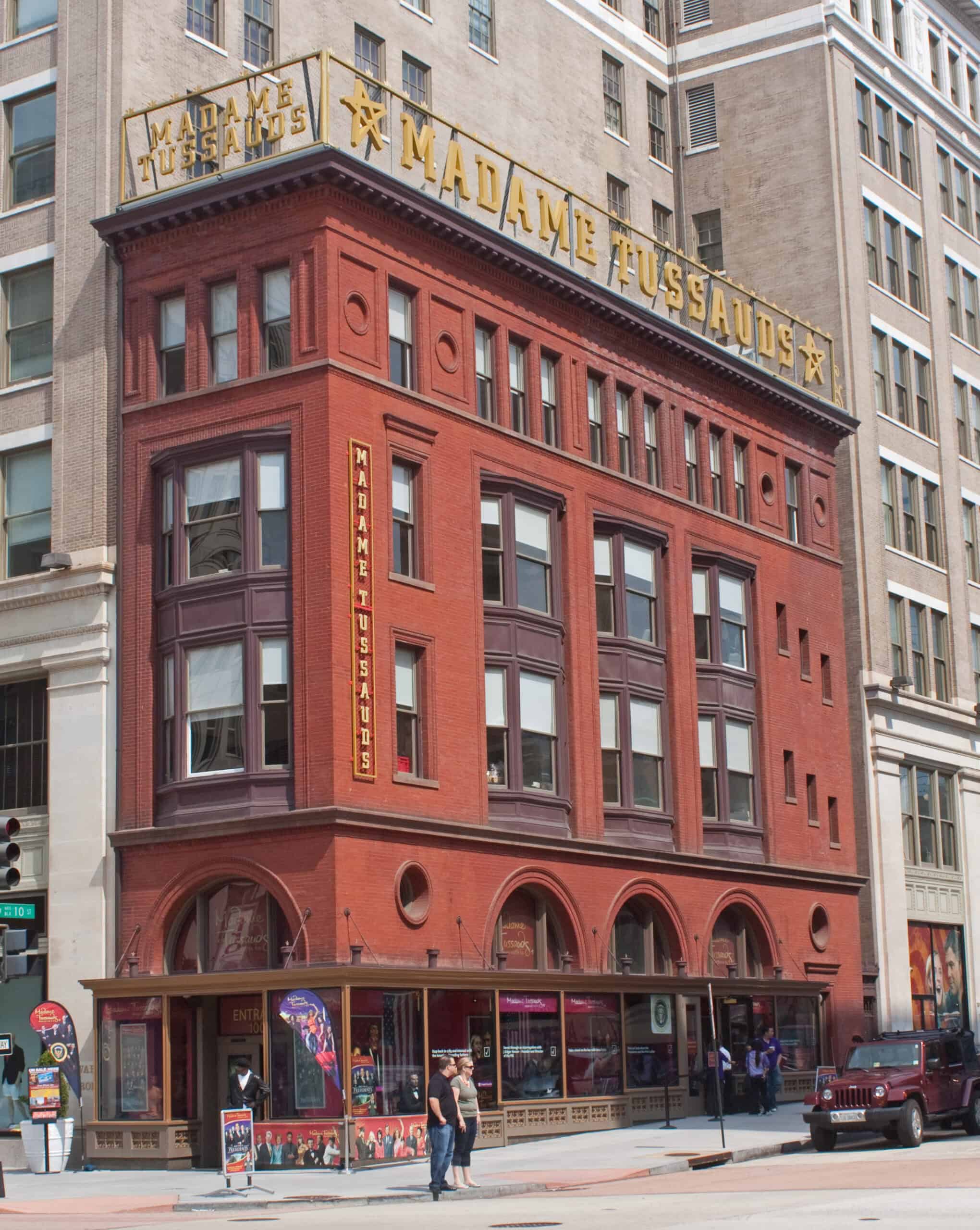
Madame Tussauds in Washington, D.C., opened in 2007 with wax presidents, civil rights leaders, and celebrities arranged for photos a block from key historic sites. It fit neatly into the school trip circuit and bus tours that once flooded downtown. The business model depended on high density tourism and steady group bookings, both of which collapsed when the pandemic emptied offices and streets in 2020. The attraction never really came back, and the operator chose to close and seek new use for the space. The figures are stored or reassigned, while the city simply adjusted to one less marquee stop.