We may earn money or products from the companies mentioned in this post. This means if you click on the link and purchase the item, I will receive a small commission at no extra cost to you ... you're just helping re-supply our family's travel fund.

Even though driving laws evolve with new technology and shifting road habits, plenty of outdated rules still linger quietly in state codes. Most were written decades ago, some over 70 to 120 years old and remain technically enforceable even if rarely applied. They reveal odd snapshots of earlier eras, when cars shared roads with livestock, noisy engines startled towns, and safety fears shaped unusual restrictions. These twelve relics highlight how strange driving regulations can be when they survive long after their purpose has faded.
1. Georgia’s Law Against Excessively Dirty Cars

Some Georgia municipalities still enforce ordinances requiring cars to remain “clean and identifiable,” a concept written more than 80 years ago when dusty plates made tracking wagons difficult. While officers rarely act on this rule, drivers can technically be cited if grime obscures a plate by more than 50%. The law survives as part of older municipal hygiene codes, even though modern traffic cameras and reflective plates make the concern largely irrelevant today.
2. Arkansas’ Ban on Honking After 9 PM Near Sandwich Shops
A leftover Arkansas noise-control rule prohibits honking after 9:00 PM near shops serving cold sandwiches, a curfew crafted nearly 100 years ago to curb rowdy late-night gatherings. The law originally targeted teens congregating in downtown districts with narrow streets. Although modern traffic noise often exceeds 60 decibels, the ordinance still allows citations if a horn is judged unnecessary. Its persistence shows how oddly specific old nuisance laws can be.
3. New Jersey’s Mandatory Full-Service Gas Pumps
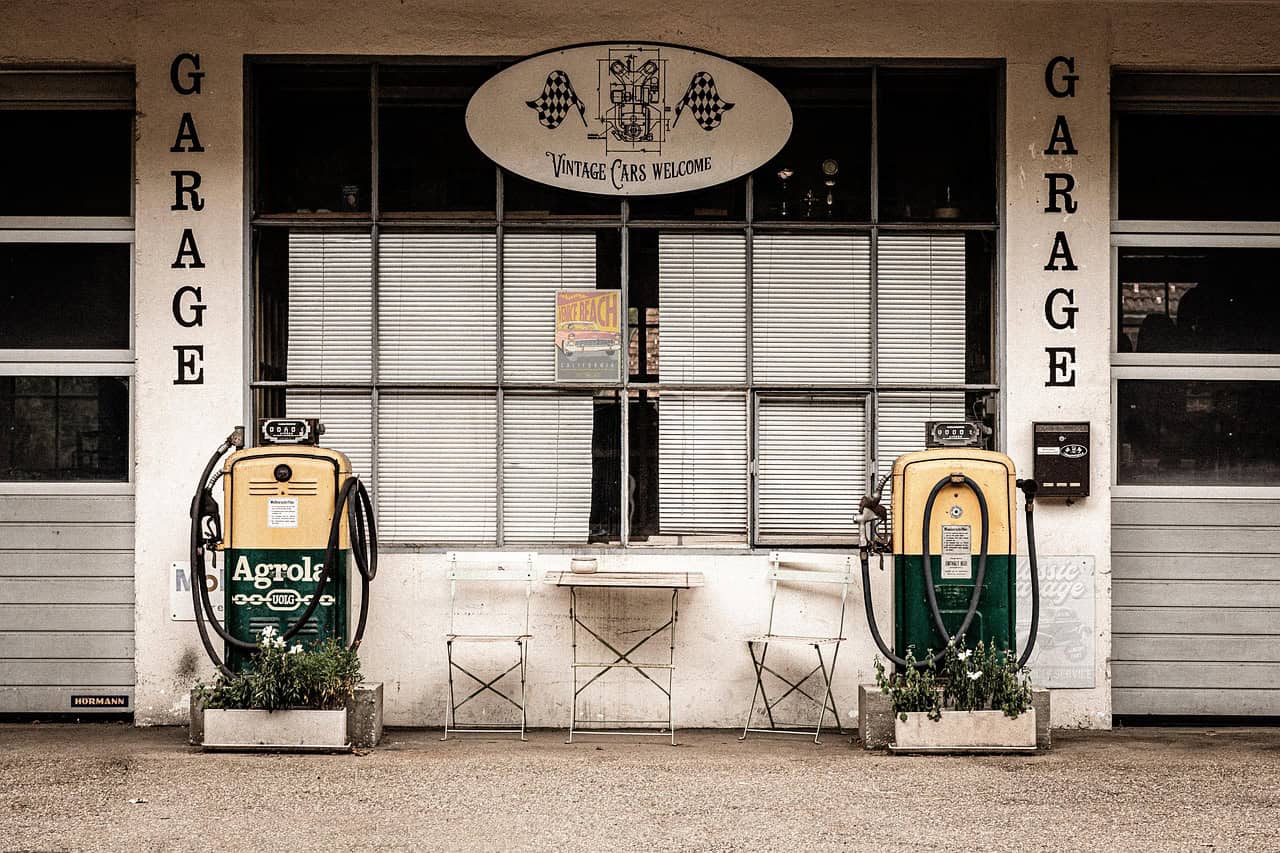
New Jersey remains one of only 2 states with laws requiring professional attendants to pump fuel, a rule introduced in 1949 over fears untrained drivers might cause fires. Violations can incur fines ranging from $50 to $250 depending on the station’s role. Although the state has more than 500 full-service stations, debates to repeal the law repeatedly stall. It continues mainly due to habit and concerns about job losses rather than real safety risks today.
4. Illinois’ Requirement to Honk Before Passing
A few rural Illinois townships still carry statutes requiring drivers to honk before passing on two-lane roads, a rule dating back to the 1920s when fewer than 10% of cars had reliable turn signals. While rarely enforced, the law technically allows officers to cite a driver if the lack of a horn blast contributes to confusion or near-misses. Today’s cars feature bright indicators and mirrors with blind-spot warnings, making the rule feel strangely outdated.
5. Alabama’s Explicit Ban on Driving Blindfolded

Alabama’s prohibition on driving blindfolded may sound humorous, but it was formally added in Section 32-5A-50 after stunt drivers in the 1950s attempted public challenges. A violation can still carry a standard moving offense penalty, often around $100. Though modern common sense makes the rule feel unnecessary, its wording remains unchanged. It stands as a rare example of a law created to prevent a spectacle rather than an everyday driving hazard.
6. Utah’s Old Rule Against Drinking Milk While Driving

Certain Utah local codes contain a prohibition on drinking milk while driving, a peculiar relic from the 1910s when dairy wagons spilled hundreds of liters along unpaved roads. While nearly impossible to find enforced today, the ordinance remains in municipal compendiums. The rule allows penalties if an officer believes the act contributed to distraction exceeding 2 seconds—the threshold many states now use for inattentive driving—even though milk carts disappeared decades ago.
7. Germany’s Autobahn Fine for Running Out of Gas

Although not American, many U.S. travelers encounter Germany’s rule fining drivers who run out of gas on the Autobahn. It classifies the act as “preventable negligence,” often carrying fines up to €70 and potential points on a 42-million-driver database. The principle dates to the 1970s, when high-speed traffic grew to over 200 km/h in some sections. Because stopping on the shoulder creates severe risk, German police enforce it far more consistently than U.S. archaic laws.
8. California’s Warning Requirements for Unattended Vehicles
California still carries a rule requiring drivers to leave “adequate blocking or warnings” if a parked car could roll downhill, language originating in the 1935 Vehicle Code. A citation typically adds around $65 to parking penalties. Though modern parking brakes can hold over 1,000 pounds of force, the rule persists to address rare failures on steep streets with grades exceeding 20%. It remains technically enforceable even if its original reasoning has faded with newer technology.
9. Slow-Moving Triangle Requirement in Multiple States
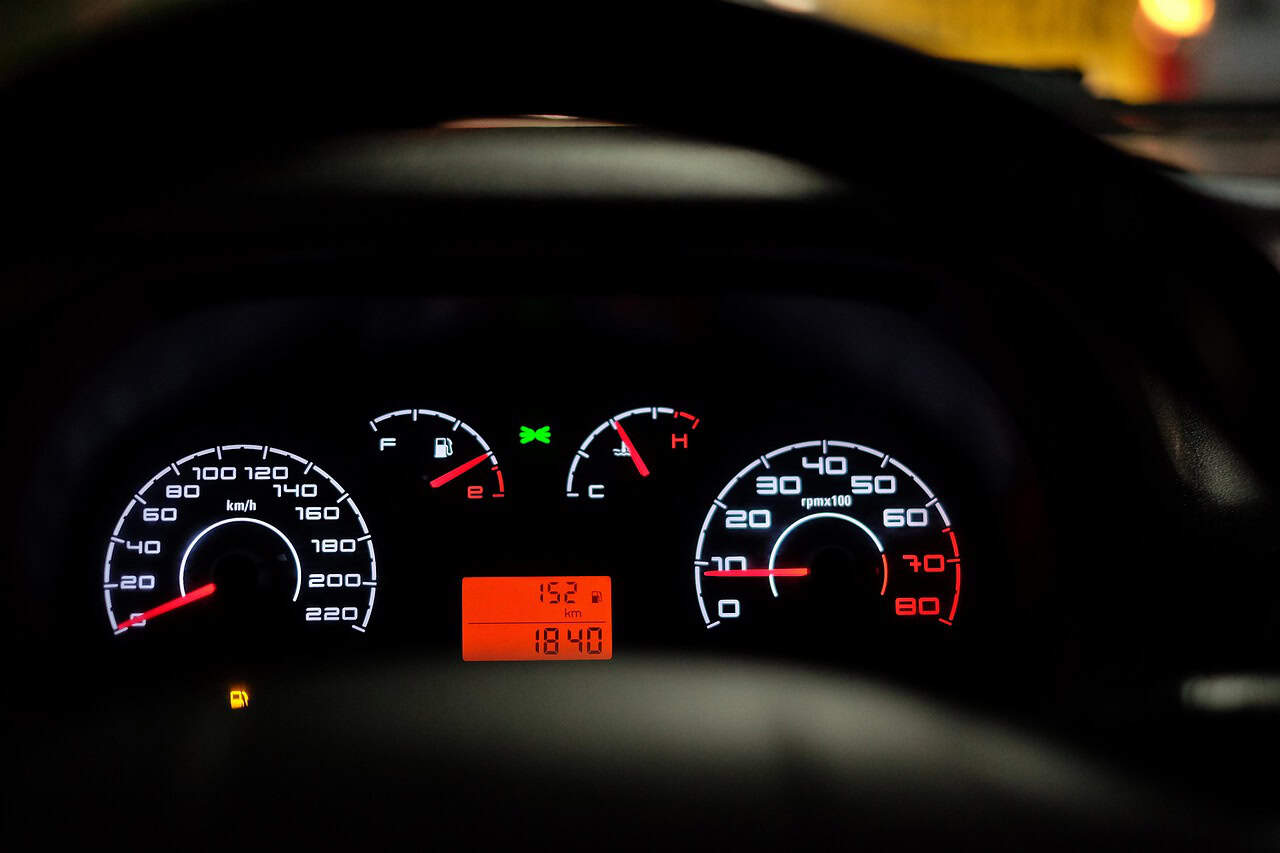
Several states still require vehicles traveling under 25 mph to display a fluorescent orange triangle, a rule most widely adopted in the 1970s for farm equipment. However, older compact cars, neighborhood electric vehicles, and specialized carts can also fall under this definition. A missing emblem can result in fines of around $30 to $80. The law remains active because rural roads still report over 15% of collisions involving slow-moving machinery each year.
10. Georgia and Louisiana’s Ban on Spitting From Moving Vehicles

Georgia and Louisiana keep sanitation laws dating to the 1930s that ban drivers, not passengers from spitting out of moving vehicles. Violations often fall under local public-health codes, with fines around $25 to $50. These rules were introduced when tuberculosis cases exceeded 40 per 100,000 people, and roadside spitting was considered hazardous. Though modern hygiene concerns differ, the wording never updated, making the law oddly specific to drivers alone.
11. Tennessee’s Requirement to Protect Frightened Horses

Tennessee maintains a statute obligating motorists to stop, pull over, and prevent distress if encountering a frightened horse, a rule crafted over 110 years ago. Although sightings are uncommon outside the roughly 3% of rural regions where horse-drawn travel persists, drivers can technically be warned or cited. The law originally required covering reflective surfaces to calm animals. Today it survives mostly as a courtesy guideline embedded in older state code.
12. Pennsylvania’s Bizarre “Frightened Animal” Procedure

Pennsylvania’s most unusual surviving rule instructs drivers to stop and “take apart” their vehicle symbolically, if it frightens livestock, a regulation dating back to 1899, when more than 60% of road users were animal-drawn. While officers never enforce the literal wording, the law still appears in archival code. It reflects a time when engines producing over 30 horsepower were considered unpredictable, making animal safety a significant legislative priority in early motoring history.