We may earn money or products from the companies mentioned in this post. This means if you click on the link and purchase the item, I will receive a small commission at no extra cost to you ... you're just helping re-supply our family's travel fund.

Modern border interviews are no longer short identity checks; they’re careful risk assessments shaped by technology, national security updates, and rising travel fraud cases worldwide. Officers in many countries now legally ask personal lifestyle, finance, and digital-behavior questions to judge credibility, even when travelers carry valid visas. While nearly 92% of visitors clear entry without trouble, knowing why these questions exist and answering confidently, can help you avoid extra screening, stress, or delays.
1. “Explain why you’re really coming and how you’ll spend each day”
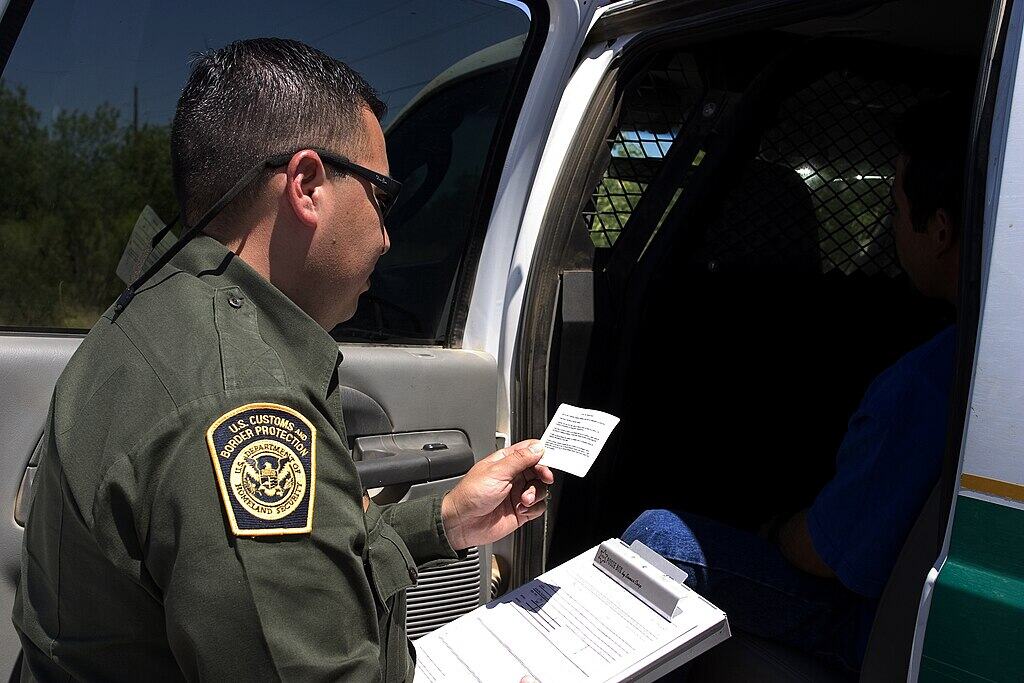
Travel officers increasingly want precise clarity, not vague tourist statements, so they sometimes ask for a day-by-day explanation of your plans. They may want to know how many nights you’re staying, where you’ll be on specific dates, and how much you expect to spend daily, sometimes estimating budgets around $80–$200 per day depending on destination standards. It feels uncomfortable, but it simply proves that your visit is organized, temporary, and not secretly tied to work or long-term relocation.
2. “Do you personally know anyone in this country?”
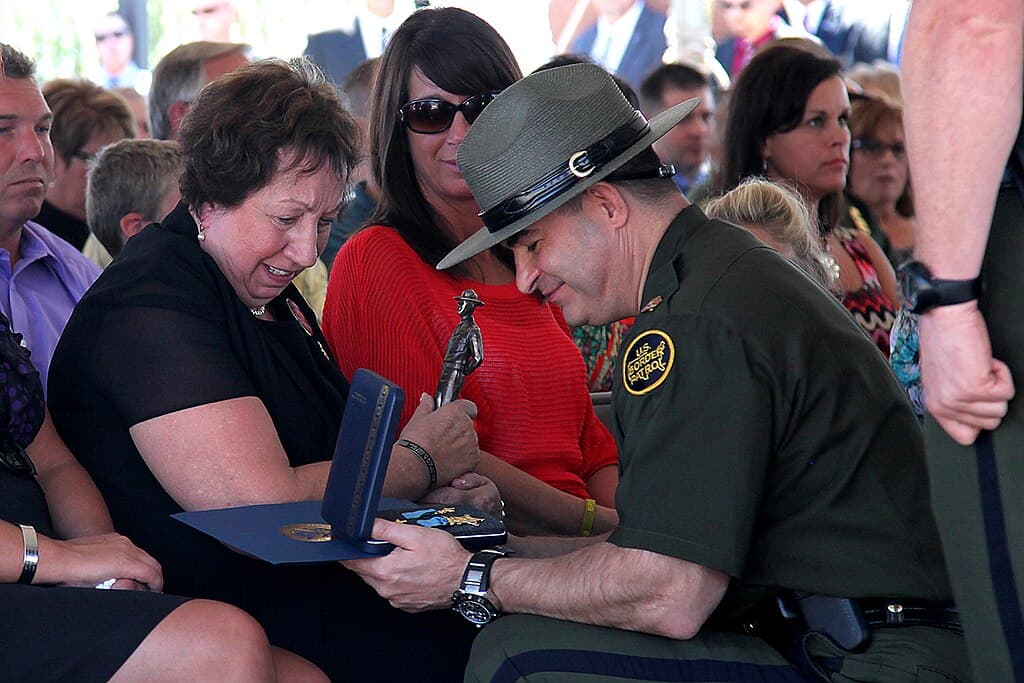
This question suddenly turns a normal holiday into something that feels like a background investigation, because officers may ask whether you’ll visit friends, meet relatives, or stay with people already living there. They often want names, relationships, city locations, and how long you’ve known them, sometimes asking whether the connection is under 6 months, 1 year, or longer. Authorities mainly use this to rule out hidden living arrangements, risky relationships, or plans to quietly disappear into the country.
3. “Where does your money come from and how much do you have?”

Even perfectly legitimate tourists sometimes feel judged when asked about personal finances, but border agents are simply checking that visitors will support themselves without working illegally. You might be asked about your monthly salary, savings balance, or how much accessible cash or credit you’re carrying, with many countries recommending at least $50–$150 per day of available funds. Showing digital bank statements, travel cards, or prepaid bookings usually reassures officials and prevents uncomfortable suspicion.
4. “Have you ever posted anything online about politics, protests, or security?”

With global digital screening becoming more common, some borders now consider social media activity part of identity assessment. Officers may ask whether you’ve posted political opinions, controversial content, or material related to protests in recent 12–24 months, mainly to assess security risk rather than judge personal belief. While only a small percentage of travelers face such questions, it still feels deeply invasive because it blurs personal privacy with border control, yet remains lawful in many jurisdictions.
5. “Who helped you plan this trip and who is paying for it?”

This question can instantly feel suspicious because it suggests someone doubts your independence, yet authorities mainly want to prevent trafficking, financial manipulation, or hidden employment arrangements. If another person covered tickets, accommodation, or large expenses, officers may ask who they are, how long you’ve known them, and whether they’ve supported you before, sometimes verifying relationships older than 6 months or 2 years. Clear explanations and simple evidence quickly calm concerns and keep the conversation straightforward.
6. “Have you ever overstayed, been denied a visa, or broken travel rules anywhere?”

Even if the incident happened 5, 8, or 10 years ago, border officers still care, because immigration history shows reliability. They may ask dates, reasons, and whether you voluntarily left or were forced to depart. Trying to hide information almost always fails since international systems often share records across multiple countries. Calm honesty generally helps, especially if you can show your situation is now stronger; stable employment, better financial proof, or consistent travel compliance since the earlier incident.
7. “Are you carrying electronics, and what’s stored on them?”

Some borders legally permit limited digital inspection when specific risks appear, which feels invasive because it touches personal life, photos, chats, and work files. Officers may ask how many devices you have, whether they’re work laptops, whether storage exceeds 256GB or 1TB, or whether encryption is enabled. The purpose is to spot illegal commercial data, fraud files, or extremist content. Most travelers are never searched, but being asked alone can feel like a serious privacy intrusion, even though it remains lawful.
8. “Are you meeting anyone you only know from the internet?”

With online dating, remote friendships, and virtual networking rising, many borders now screen relationships formed digitally. Officers want assurance that you’re not being scammed, misled, or entering risky situations, so they may ask how long you’ve communicated—whether 3 months, 6 months, or several years—and whether money, gifts, or job promises were ever exchanged. Their goal is safety and immigration integrity, not embarrassment. Calm explanations about how the relationship developed usually settle doubts quickly.
9. “Do you intend to work remotely while you’re here?”
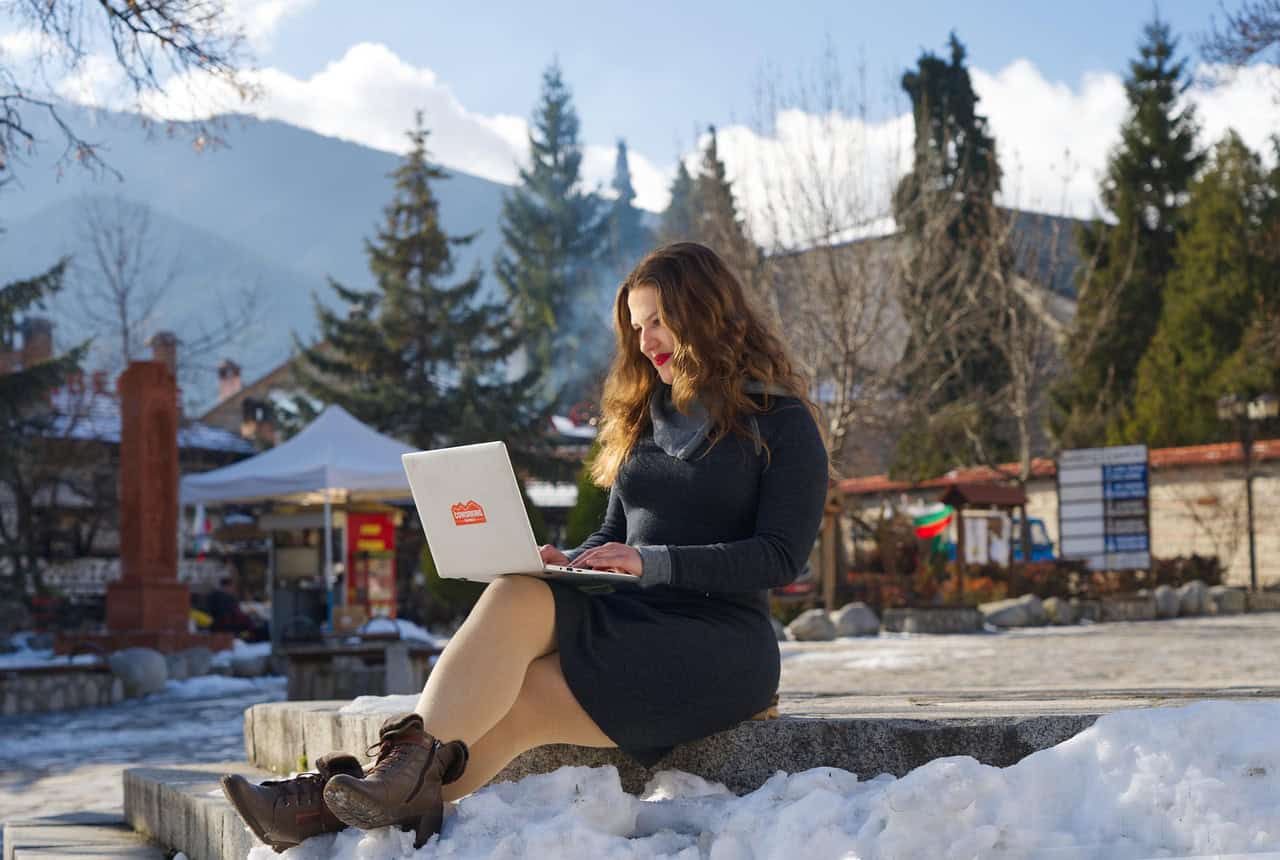
Remote work changed travel rules dramatically, and in many places even earning online counts as local employment without the right visa. That’s why officers sometimes ask whether you’ll open your laptop for clients, attend paid meetings, or work more than 10–20 hours per week during the stay. Countries increasingly issue special digital-nomad visas, so authorities simply need clarity. Explaining whether your trip is purely leisure, business-authorized, or officially permitted helps avoid fines, warnings, or denied entry.
10. “What exactly is inside your luggage besides clothes?”

This sounds like a normal customs question, but deeper follow-ups can feel personal when officers ask about medications, electronics, food, tools, professional equipment, or valuables worth over $1,000. Instead of immediately opening bags, they often begin with detailed verbal checks to detect undeclared goods or suspicious items. Honest, simple explanations dramatically reduce tension and prevent longer inspections. Organized packing, visible prescriptions, and receipts for expensive items usually keep this conversation brief and stress-free.
11. “Where will you go after leaving this country?”

Borders don’t only trust entry intentions; they look for credible exit plans. Officers may ask whether you’ve booked onward flights, reserved return tickets, or have scheduled travel dates within 30, 60, or 90 days, depending on visa rules. They’re assessing whether you realistically plan to leave or might stay illegally. Showing itineraries, confirmations, or work-commitment proof in your home country instantly strengthens credibility and avoids awkward suspicion about disappearing or overstaying past your permitted stay.
12. “Is there anything else you haven’t declared that we should know?”

This broad question usually appears near the end of screening and often feels intimidating, almost as if they expect a confession. Instead, it acts as a final legal safeguard, giving travelers a chance to clarify mistakes, mention forgotten items, or correct misunderstandings before records close. Many travelers panic here, but in reality, most screenings end peacefully, with over 90% released without escalation. Staying calm, honest, and concise usually ensures a smooth, respectful exit from questioning.