We may earn money or products from the companies mentioned in this post. This means if you click on the link and purchase the item, I will receive a small commission at no extra cost to you ... you're just helping re-supply our family's travel fund.
In 2026, the global tourism map is still rebalancing. Many destinations that once relied on Chinese tour groups and luxury shopping are seeing a different mix at the curb: more Americans booking longer stays, eating out more, and spreading into smaller cities. The shift is not uniform, and it is not a clean swap, but it is visible in booking patterns and seasonal demand. U.S. overseas visitation in 2024 exceeded 2019 levels, while Chinese outbound recovery has remained uneven in key long-haul markets.
Japan

Japan’s inbound surge is being carried by Americans as Chinese demand stays uneven. Japan’s tourism office reports more than 2.7 million Americans visited in 2024, a record year. The weak yen keeps Japan feeling like a value trip, and operators plan less around big Chinese group blocks and more around independent U.S. bookings. Streets stay crowded either way, but the mix shifts toward neighborhood stays, small tours, and food-first itineraries that move spending beyond the usual shopping corridors.
Thailand
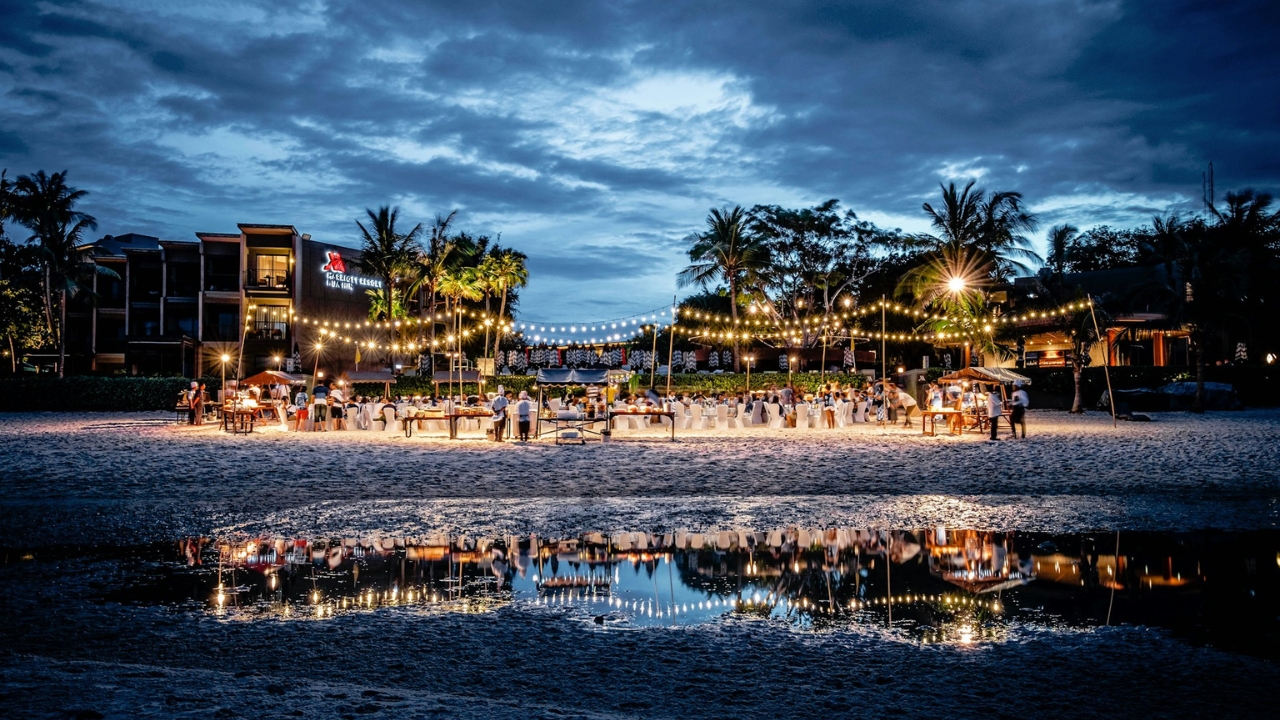
Thailand’s rebound has leaned harder on Western markets as Chinese volumes fluctuate. Reporting in 2025 cites about 1.03 million American visitors in 2024, with Thailand publicly targeting growth. Resorts and city hotels have pivoted toward longer stays, wellness, and cooking experiences, not just quick stopovers. In places like Phuket and Chiang Mai, U.S. travelers help steady shoulder seasons when flight capacity or sentiment from China softens, which matters more than most visitors realize when staffing and restaurant hours are set weeks ahead.
Vietnam

Vietnam’s growth now runs on a broader mix of visitors, and Americans are showing up for longer stays. The country logged about 17.6 million international arrivals in 2024, bringing back pressure on beach towns and heritage streets. As Chinese travel returns in fits and starts, U.S. travelers help fill boutique hotels and small-group day tours in Hanoi, Hoi An, and Ho Chi Minh City. The spending pattern leans cultural and food-driven, less centered on bus-based shopping loops.
South Korea

South Korea still draws Chinese travelers, but Seoul’s visitor economy is no longer built around them alone. K-culture, gaming, and fashion tourism have pulled in more Americans, and operators notice the difference in booking style: smaller groups, later nights, more neighborhood exploration. When Chinese group travel slows, U.S. demand helps keep hotels and tours busy, especially around festivals and shoulder-season city breaks. That changes what gets scheduled, from English-led experiences to restaurant staffing that assumes more Western diners.
France

France is feeling the gap between the Chinese wave many businesses expected and the reality on the ground. U.N. Tourism data cited by Reuters shows Chinese travelers spent less abroad than in 2019, while U.S. travelers’ spending was higher than 2019. Paris retailers and regional tours still court China, but Americans are increasingly the reliable long-haul market for museums, wine regions, and river cruises. They show up in spring and fall, helping fill rooms when Chinese group travel is softer.
Italy

Italy remains a classic for Chinese tour circuits, yet parts of Europe have seen slower-than-hoped Chinese recovery. A European Travel Commission report notes Chinese outbound travel to Europe has been recovering more slowly than expected. Into that opening, Americans keep arriving in large numbers and tend to stay longer, spreading spend beyond Venice, Florence, and Rome. It shows up in boutique stays, cooking classes, and small-town overnights that soften the loss of high-volume group traffic.
Spain

Spain’s cities and coasts were built to absorb huge tour volumes, including from China, but that stream has been patchier across Europe. Americans now take more prime inventory in Barcelona, Madrid, and the islands, especially in summer and early fall. The pattern is less about bus tours and more about apartments, food tours, and day trips, which shifts where money lands and how businesses schedule staff. A restaurant that once braced for groups now braces for long, reservation-heavy evenings.
Australia

Australia is one of the clearest cases of slow Chinese return. Reporting has described Chinese tourism to Australia remaining in the doldrums, leaving operators short of a market they once depended on. Tourism boards and airlines have worked harder to pull in Americans on long-haul routes to Sydney, Melbourne, and Queensland. U.S. visitors do not replace China one-for-one, but they help keep reef trips, road tours, and city hotels viable while the China market rebuilds.
Mexico

Mexico’s tourism story is dominated by Americans, and that dominance has deepened as U.S. overseas travel remains above 2019 levels. Chinese visitor numbers never drove Mexico’s resort economy the way they did in parts of Asia and Europe, so the “replacement” looks like intensified dependence on U.S. demand. Resorts tune entertainment, dining, and service to American habits because rooms fill fastest through U.S. airlines, loyalty programs, and weekend travel windows.
Canada

Canada’s gateway cities once counted heavily on Chinese visitors for certain segments, including group itineraries tied to shopping. With China’s outbound recovery uneven across long-haul markets, the nearest market matters even more. Cross-border road trips and short flights from the U.S. keep Banff, Niagara, Vancouver, and Quebec City humming. Hotels and tour operators plan staffing and seasonality around American calendars, especially summer school breaks, which can crowd out the shoulder-season assumptions built during the China-heavy years.
Greece

Greece’s islands saw growing Chinese interest before 2020, but Europe’s Chinese rebound has been uneven and closely tied to air capacity. Americans, meanwhile, have been traveling overseas at levels above 2019, helping Greece stretch the season into May and Sept. Island hotels and cruises now treat North American demand as the steadier anchor for bookings, even when luxury shopping and group tours from China do not fully return to earlier highs.
United Arab Emirates

Dubai and Abu Dhabi built their tourism model on a global mix, including high-spending Chinese shoppers, so any wobble shows up fast in malls and tour bookings. Reuters has pointed to cost and visa friction slowing parts of China’s outbound recovery in long-haul markets. Americans are becoming a steadier slice of demand, often combining the UAE with Africa or South Asia via nonstop flights. Hotels respond with English-first programming and family packages that assume U.S. travel rhythms, especially in winter.