We may earn money or products from the companies mentioned in this post. This means if you click on the link and purchase the item, I will receive a small commission at no extra cost to you ... you're just helping re-supply our family's travel fund.
As national parks grow more popular, many are turning to reservation systems to safeguard trails, ease congestion, and protect fragile landscapes that endure millions of footsteps each year. By 2026, a dozen major parks are expected to rely on timed-entry windows, corridor permits, or lottery-based systems to balance access with conservation. These measures help spread visitation across daylight hours, reduce pressure on limited parking zones, and ensure rangers can manage peak surges safely. Understanding which parks require reservations lets travelers plan well in advance and avoid frustrating turnarounds at overfilled gates.
1. Arches National Park (Utah)
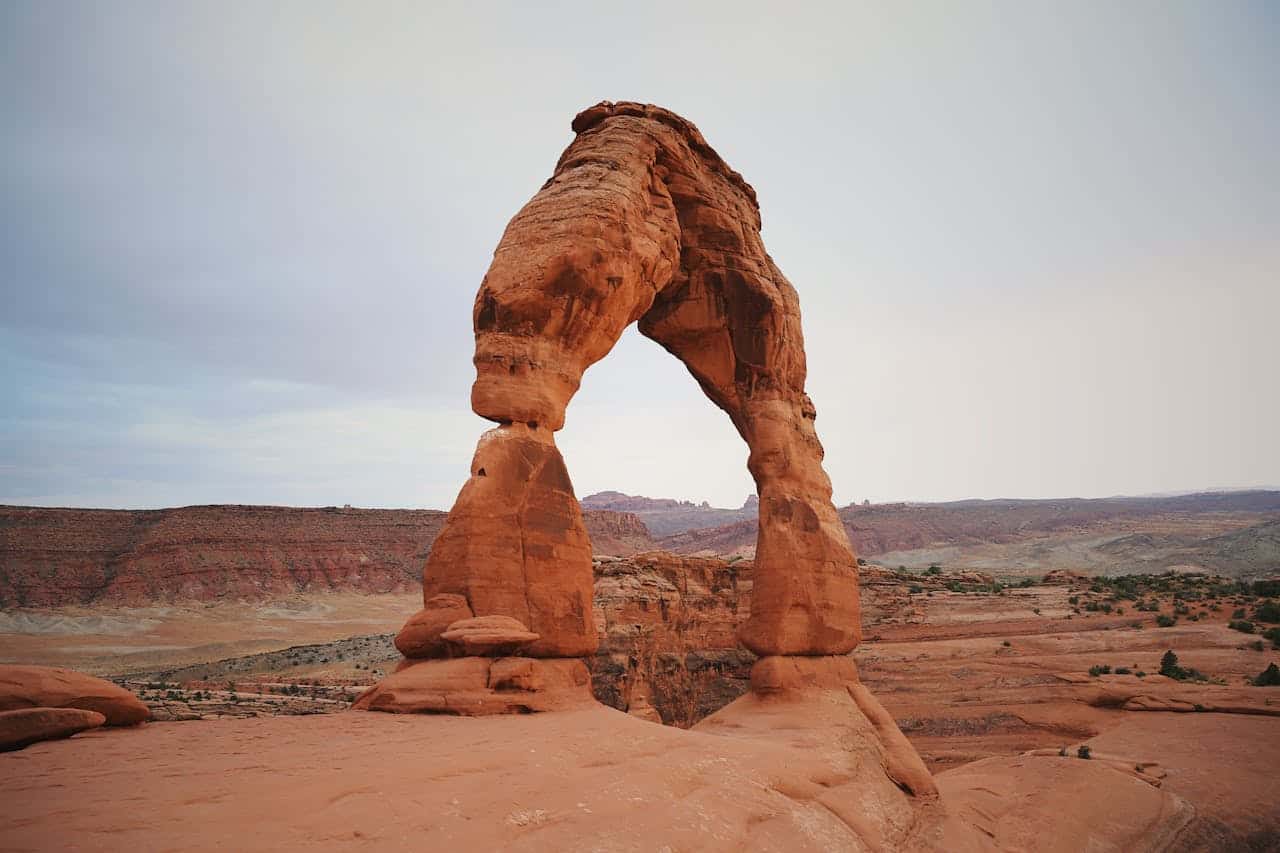
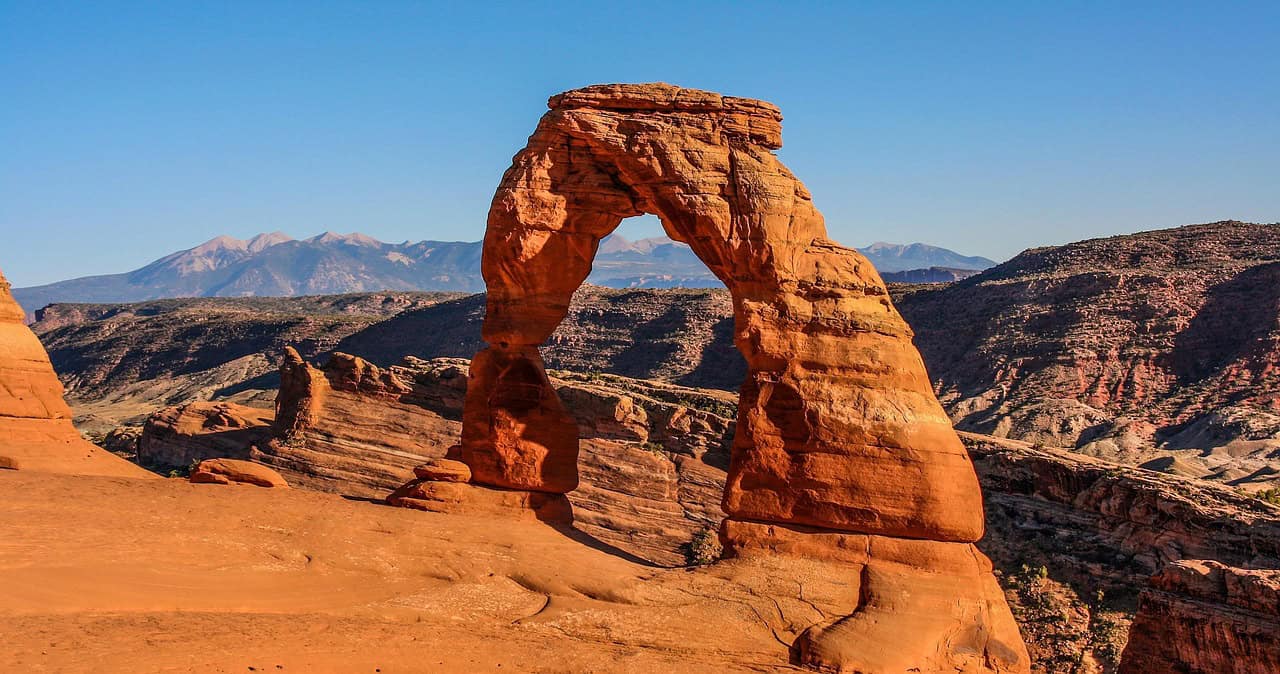
Arches continues refining its timed-entry program as annual visitation pushes beyond 1.8 million, straining a compact road network with fewer than 1,000 total parking spaces. Reservations typically apply from spring through early fall during the busiest 9-hour daily window. Limiting access helps prevent recurring midday closures and protects formations like Delicate Arch, where foot traffic has risen nearly 30 percent in peak months. By staggering arrival times, the system reduces backups along the park’s single entrance road and ensures safety on narrow overlooks that cannot accommodate surging crowds.
2. Glacier National Park (Montana)
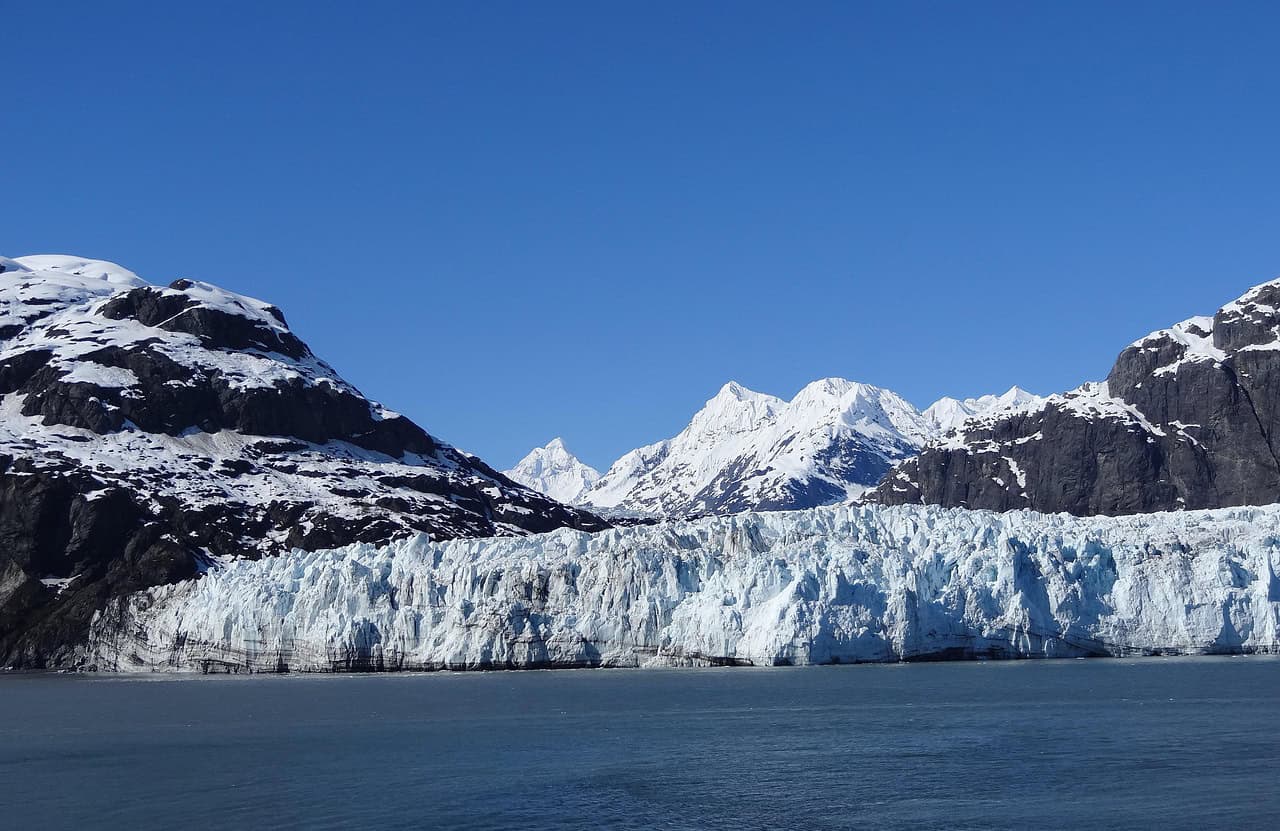
Glacier’s timed-entry requirements arose when Going-to-the-Sun Road saw three million yearly visitors despite an operational season that rarely exceeds 110 days. Tight mountain corridors can only process several hundred vehicles per hour, making congestion a significant safety concern. Timed permits distribute traffic more evenly, particularly in July when visitation peaks by nearly 40 percent. Additional zones like North Fork may also retain controlled access, ensuring parking lots, trailheads, and shuttle points avoid overwhelming surges that formerly stretched queues for miles along the park’s narrow approach roads.
3. Rocky Mountain National Park (Colorado)
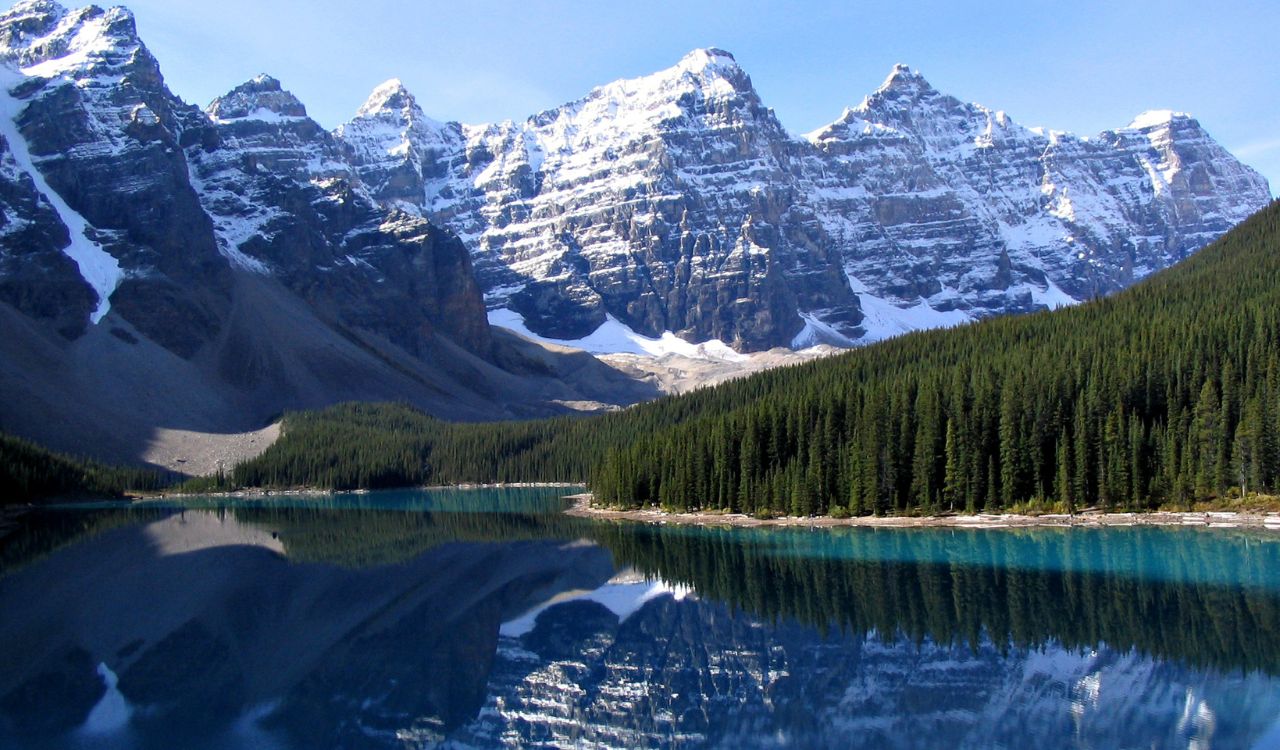
Rocky Mountain oversees more than 4.5 million annual visitors, prompting tiered reservations for the Bear Lake Corridor and the broader park. Bear Lake’s limited parking—typically under 500 spaces—often filled before sunrise, creating early closures that disrupted full-day itineraries. Timed-entry windows now smooth arrivals, reduce roadside idling, and prevent two-mile queues on Trail Ridge Road, where altitude and weather complicate traffic control. By staggering admission from late May through mid-October, rangers maintain safer conditions and preserve alpine environments that cannot withstand unlimited peak-season pressure.
4. Mount Rainier National Park (Washington)
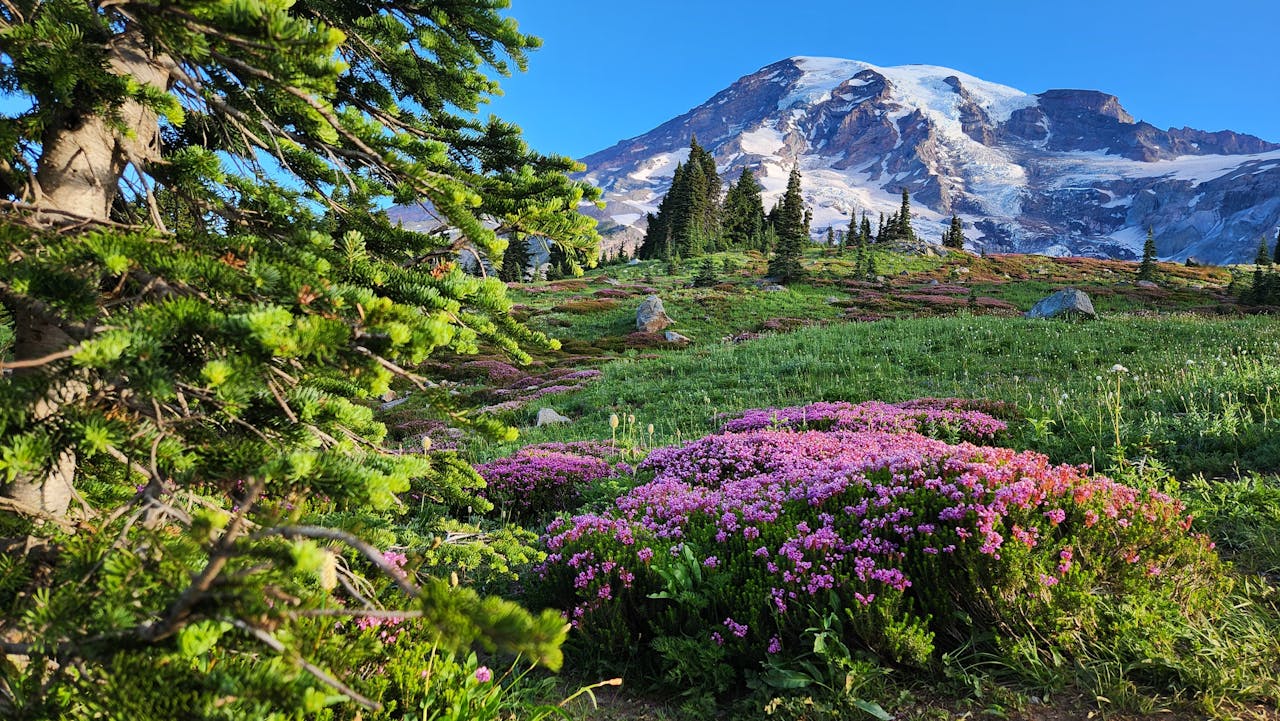
Mount Rainier introduced corridor reservations after peak summer days exceeded 10,000 visitors, overwhelming roads that climb steeply to Paradise and Sunrise. Parking in these areas totals fewer than 600 spaces, yet demand can double on clear weekends. Timed-entry helps avoid gridlock on narrow mountain approaches susceptible to washouts and construction delays. By regulating morning and midday arrivals, the park protects subalpine meadows, reduces wildlife disturbance, and ensures emergency access remains open. The system is expected to continue in 2026 as Rainier refines crowd distribution strategies.
5. Acadia National Park (Maine)
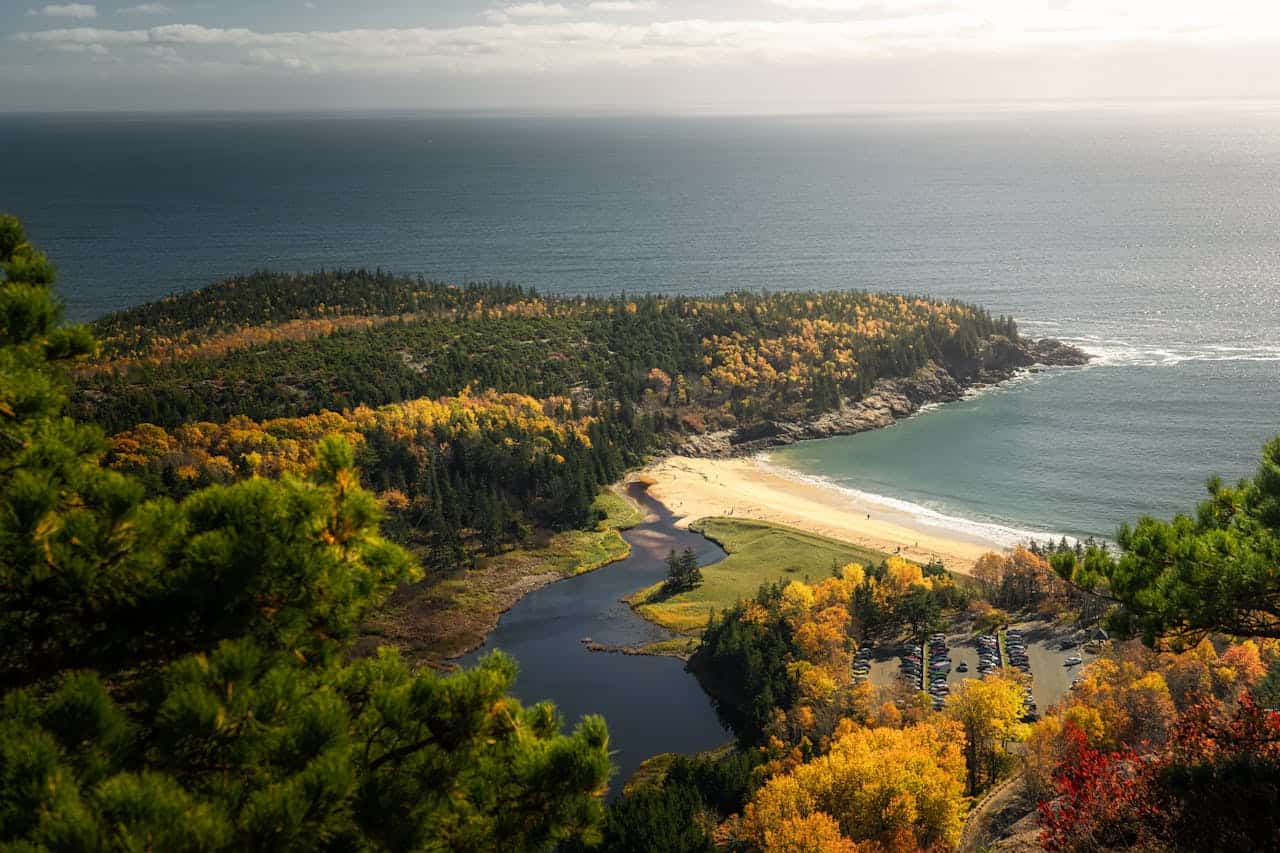
Acadia’s Cadillac Mountain Road reservation remains essential because sunrise crowds frequently top 1,200 visitors competing for roughly 150 parking spots. Without timed permits, traffic once backed into the main loop, causing delays across the park’s coastal routes. Reservations confine peak demand to controlled intervals while preserving fragile summit vegetation and sensitive cliffside habitats. Acadia now attracts more than four million annual visitors, making structured access crucial for safety and experience quality. Although the wider park stays open without full-entry permits, Cadillac’s sunrise system is expected to remain through 2026.
6. Haleakalā National Park (Hawaii)
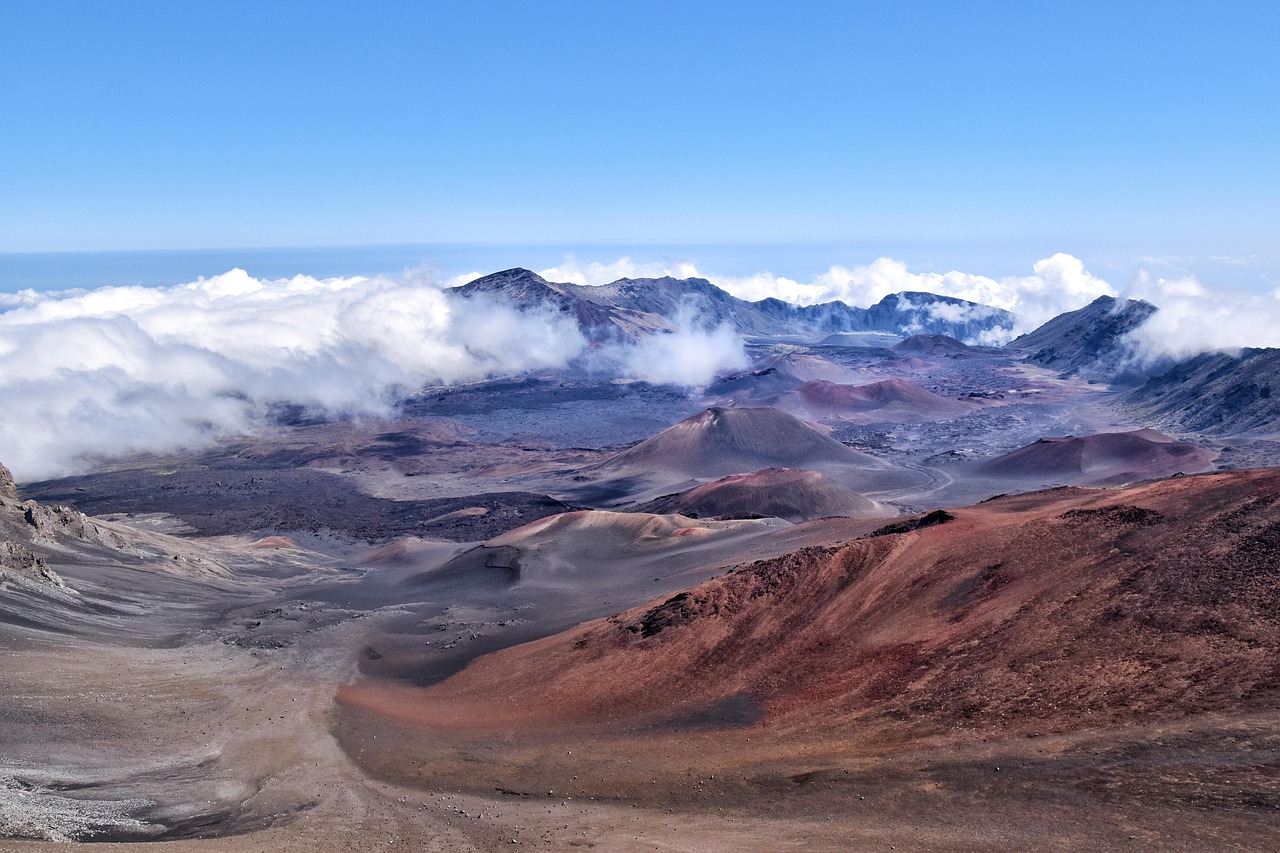
Haleakalā maintains sunrise reservations to manage the surge of predawn travelers drawn to its 10,023-foot summit, where daily early-morning visitation can exceed 800 people. The summit parking area holds fewer than 100 vehicles, creating severe congestion without a timed system. Reservations between 3 a.m. and 7 a.m. help protect the crater’s delicate ecosystem and reduce nighttime driving hazards. With annual visitation surpassing 1.2 million, the park relies on this structure to keep roads safe, limit noise at vulnerable hours, and prevent overflow into sensitive volcanic terrain.
7. Carlsbad Caverns National Park (New Mexico)
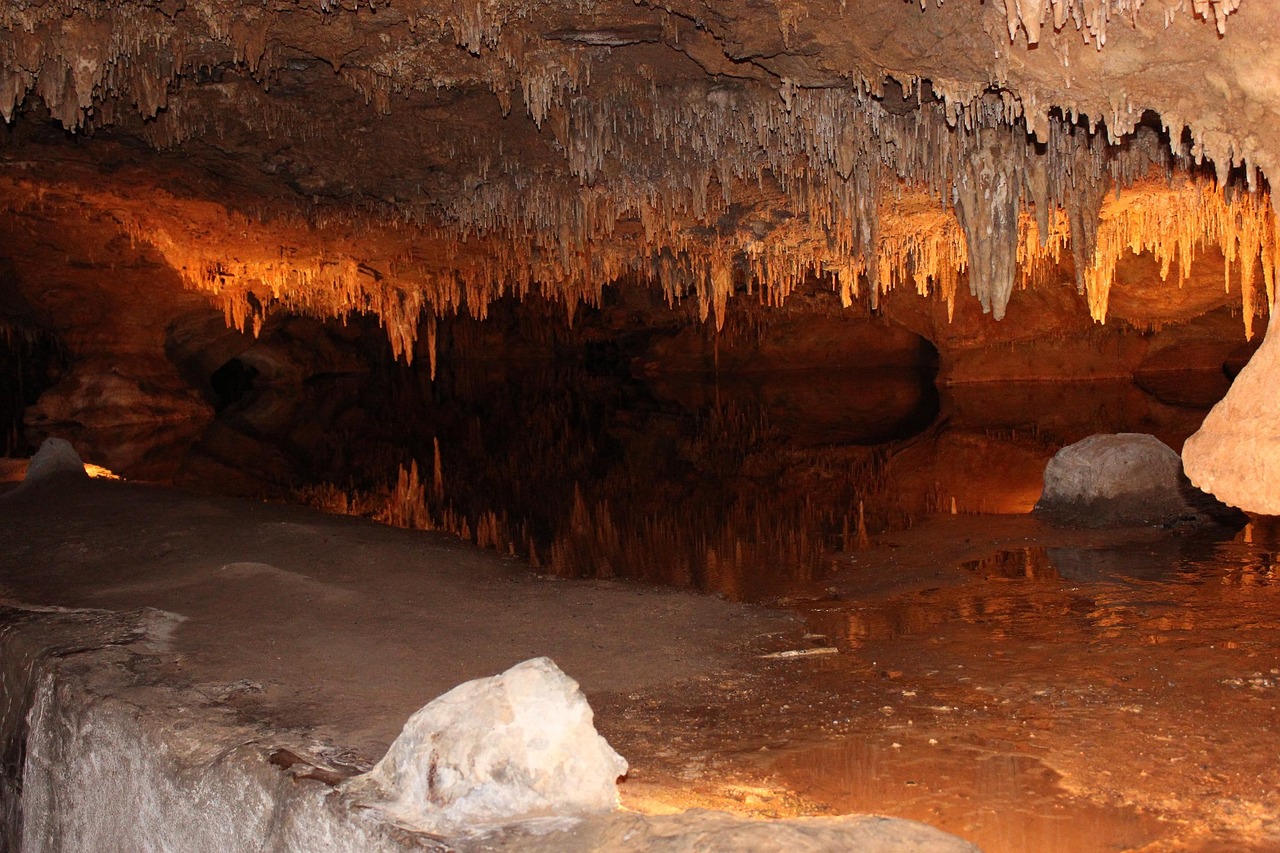
Carlsbad Caverns requires timed-entry reservations due to elevator limits and narrow passages that safely accommodate only 25–35 visitors per group. The caverns welcome over 500,000 people yearly, yet the main chamber’s airflow and structural integrity depend on carefully spaced entries. The descent route extends 1.25 miles, making bottlenecks common when visit numbers spike. Reservations ensure a steady flow that avoids overcrowding near tight switchbacks and viewing balconies. By adjusting capacity across the day, rangers protect fragile mineral formations and maintain a calm subterranean environment.
8. Yosemite National Park (California)
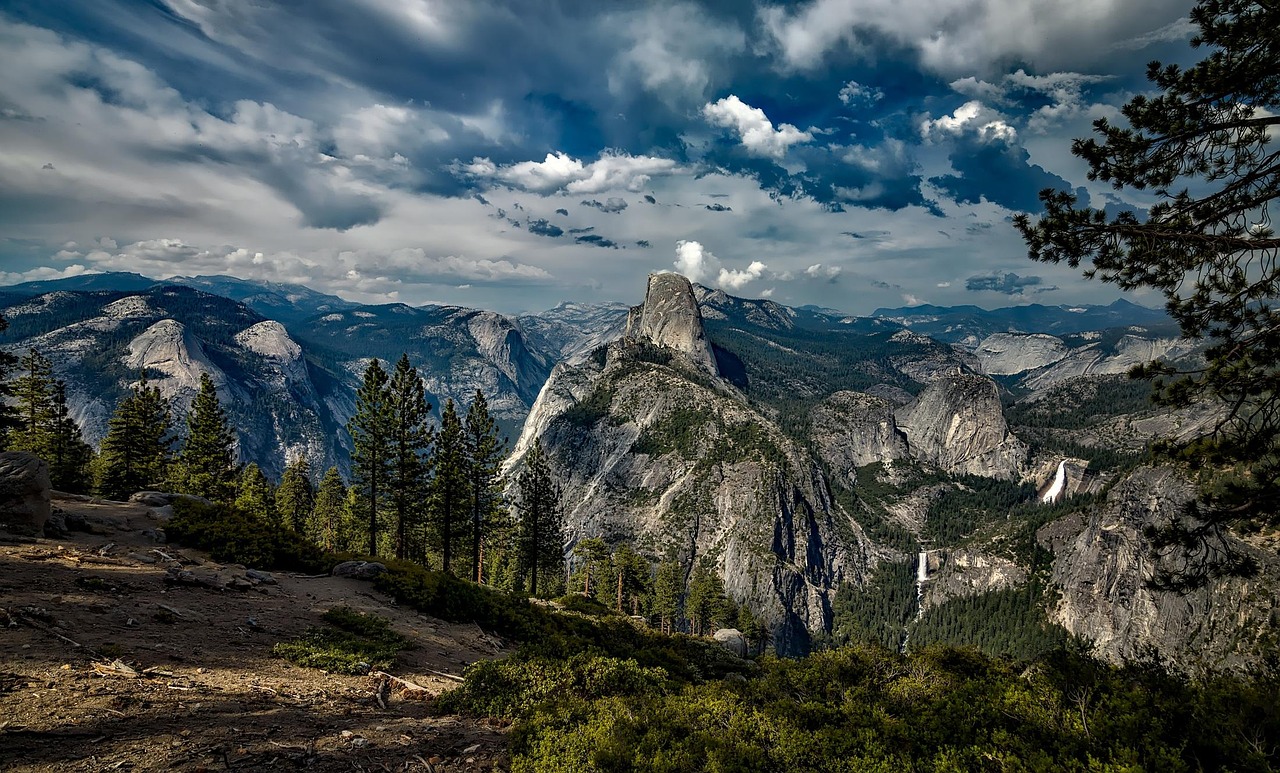
Yosemite periodically reinstates vehicle reservations when daily visitation surpasses 15,000 entrants, overwhelming Yosemite Valley’s roughly 2,000 parking spaces. Timed-entry is often required on holiday weekends, high-summer days, and during special events like the February “firefall,” which can attract more than 2,500 spectators. Reservations help prevent multi-hour backups at the Arch Rock and South Entrance stations, improving emergency access and air quality. With annual attendance nearing four million, Yosemite uses controlled entry to safeguard valley meadows and reduce congestion on its limited one-way roadway loops.
9. Shenandoah National Park (Virginia)
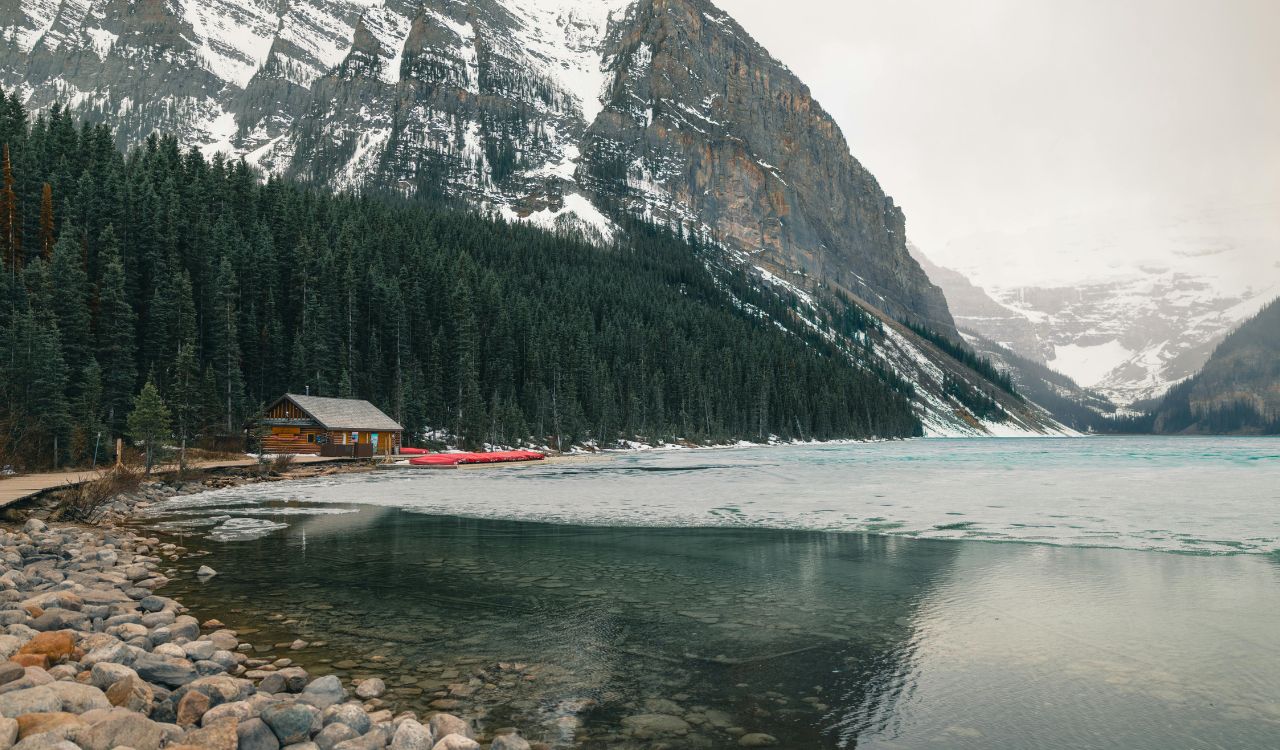
Shenandoah’s main reservation applies to Old Rag Mountain, a strenuous 9.4-mile loop that receives over 70,000 annual hikers. The trail’s steep scrambles and confined rock passages cannot safely handle unlimited crowds, so daily access is capped at 800 permits divided between advance sales and day-before releases. This helps preserve the mountain’s fragile ridgelines and reduces search-and-rescue incidents. With park-wide weekend visitation exceeding 40,000 guests, the Old Rag system ensures a safer, more predictable experience while protecting sensitive terrain from excessive erosion.
10. Zion National Park (Utah)
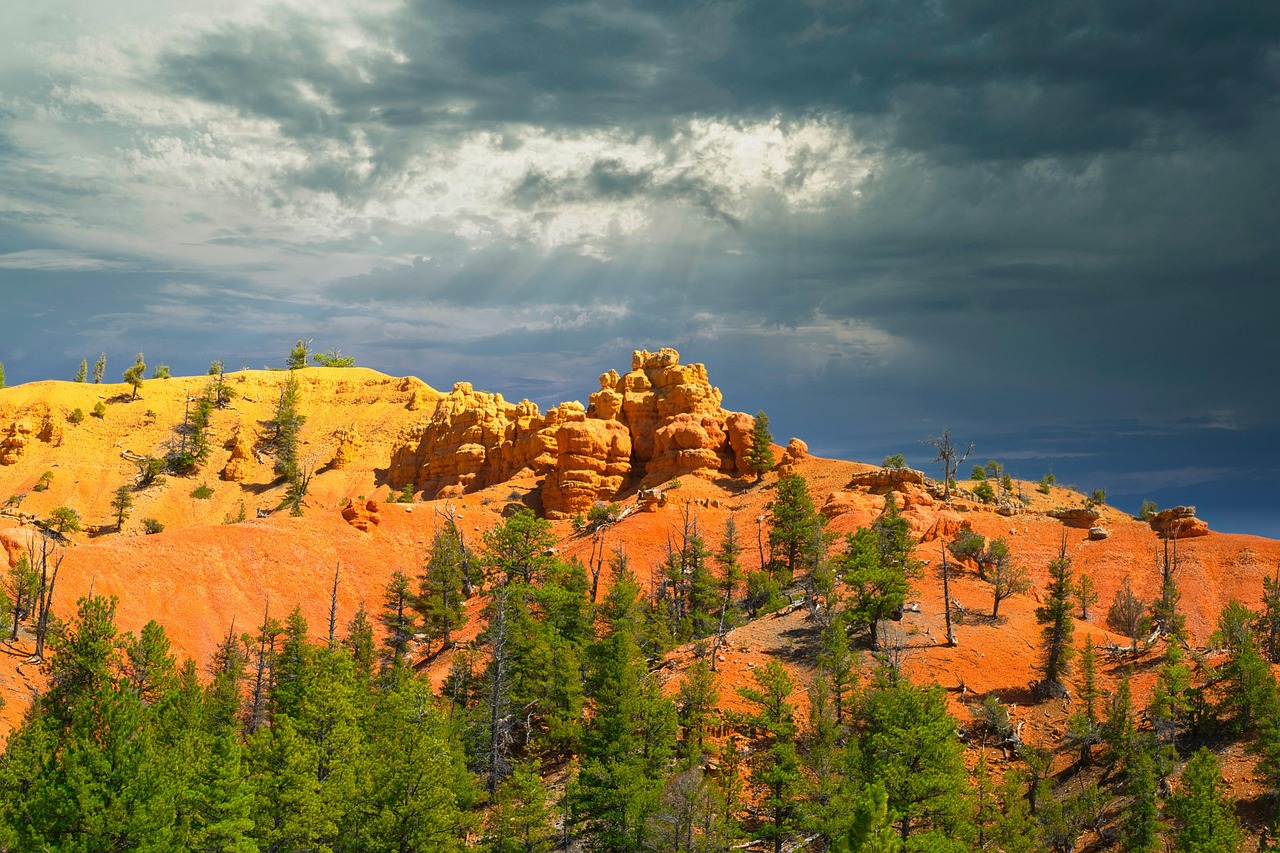
Zion’s Angels Landing lottery exists because the narrow chain-assisted ridge can hold only 20–30 hikers at a time, yet demand often exceeds capacity by more than 500 percent during spring and fall. The park’s five million annual visitors place heavy strain on shuttle routes and canyon trails, making controlled access essential for safety. Lottery-based permits balance interest across seasons, reduce jams in hazardous cliff zones, and improve flow along West Rim Trail segments. This targeted reservation system is expected to continue well into 2026.
11. Grand Teton National Park (Wyoming)
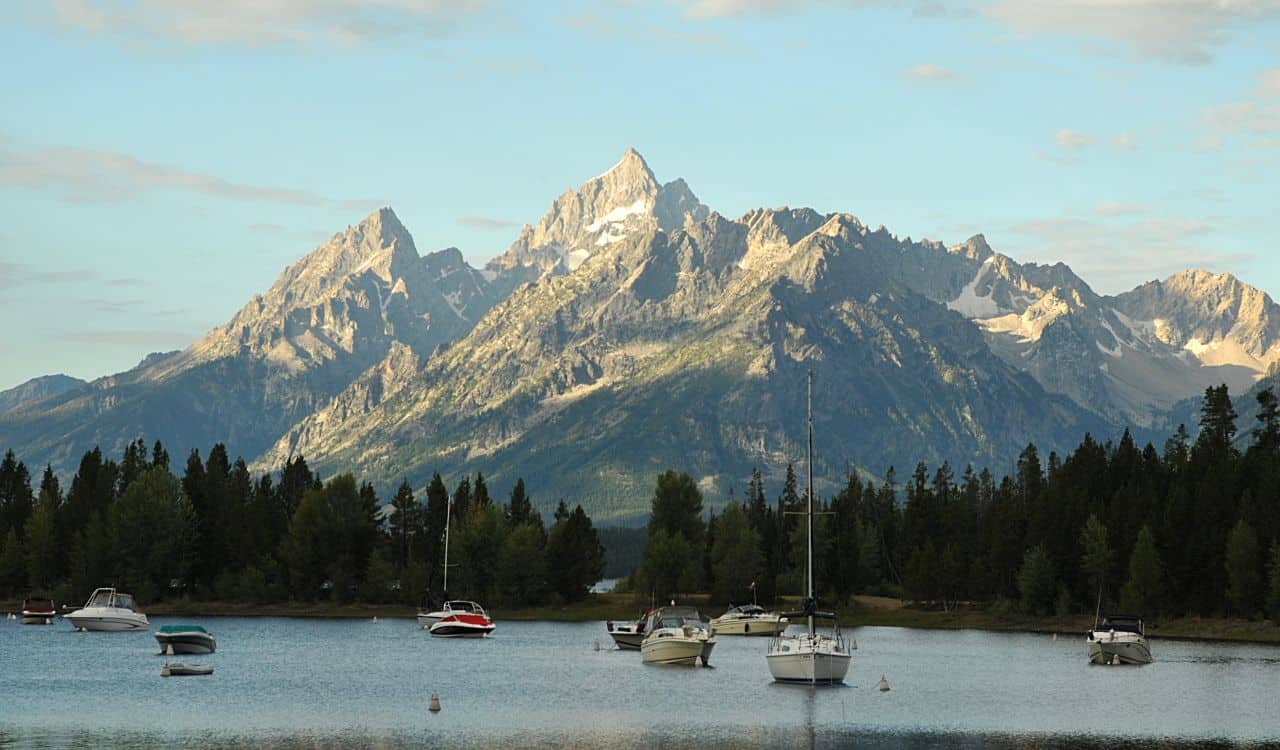
Grand Teton manages pressure from 3.4 million yearly visitors by requiring reservations for many backcountry zones, especially popular destinations like Cascade Canyon, where overnight permits may be limited to 40–60 per day. Parking around Jenny Lake often fills before 9 a.m., making timed or quota-based systems vital for maintaining access. These measures protect wildlife corridors used by moose, black bears, and elk, while preventing trail degradation in fragile alpine basins. Structured permit distribution helps balance solitude, safety, and ecosystem health across 310,000 acres.
12. Lassen Volcanic National Park (California)
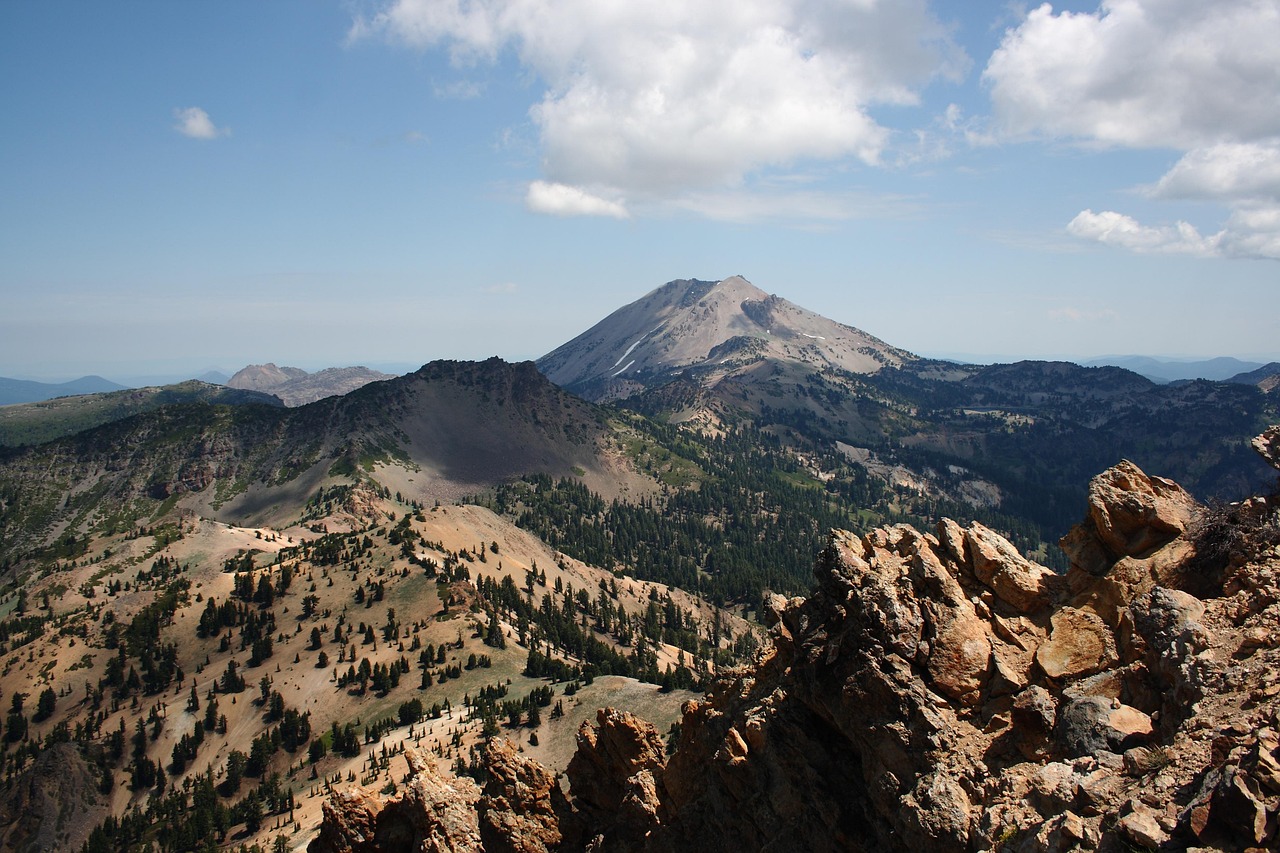
Lassen expects to continue reservation systems for high-use geothermal areas such as Bumpass Hell, where boardwalk sections can safely support only limited foot traffic. Although park visitation sits near 500,000 annually, peak summer days may bring over 1,000 hikers to single trails, stressing narrow routes and sensitive hydrothermal crust. Timed-entry helps prevent overcrowding on the park’s lone main highway, reducing parking strain and minimizing off-trail damage. By distributing visitors evenly across the day, the park preserves unique volcanic features and enhances trip quality.