We may earn money or products from the companies mentioned in this post. This means if you click on the link and purchase the item, I will receive a small commission at no extra cost to you ... you're just helping re-supply our family's travel fund.

America’s national landmarks are not just tourist destinations, they are living symbols of history, culture, and nature. Yet many face unprecedented threats from climate change, erosion, and human activity. Rising seas, intense storms, and neglect are putting these iconic sites at risk, meaning some may vanish within decades. From monumental statues to natural wonders, here are 12 landmarks Americans cherish that could disappear forever if urgent measures are not taken.
1. Statue of Liberty, New York
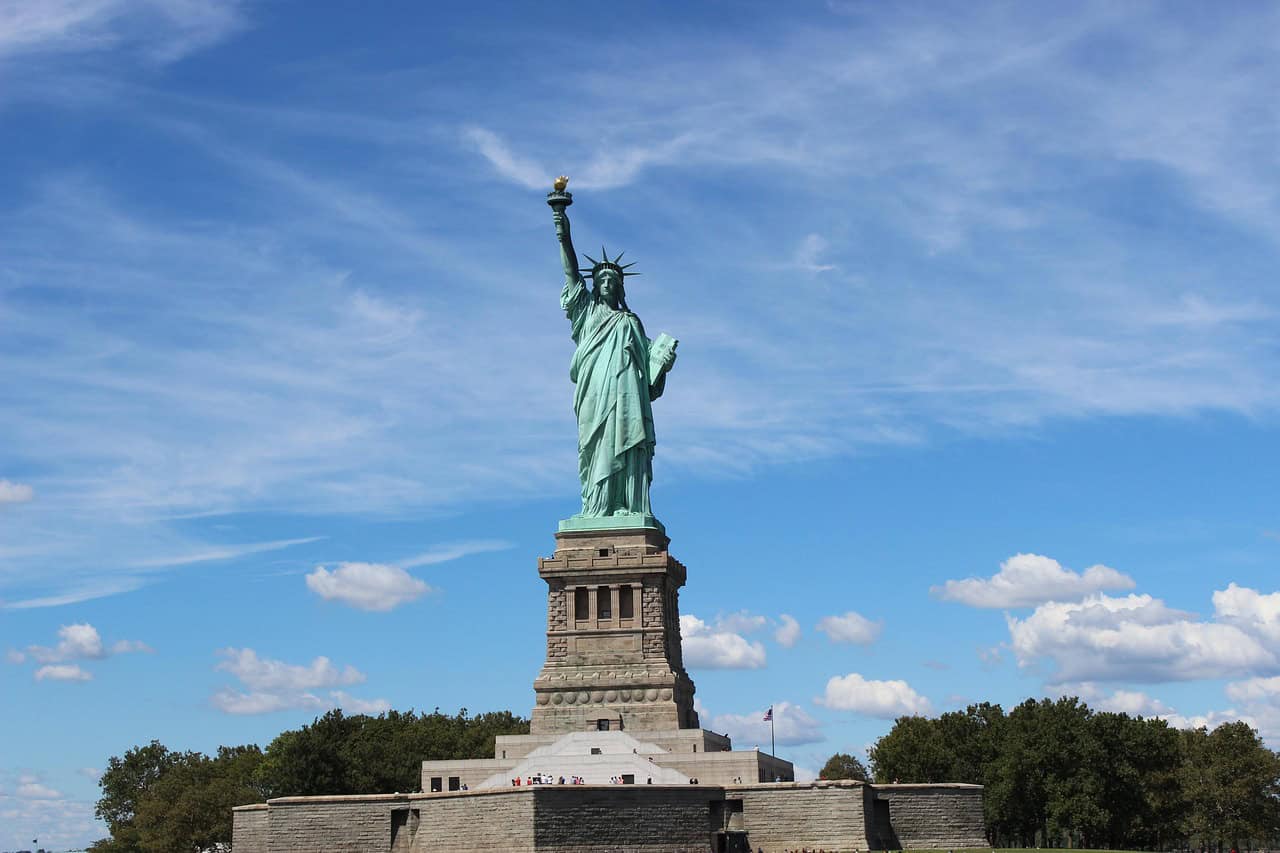
The Statue of Liberty, standing 305 feet tall on Liberty Island, is a global symbol of freedom, yet rising sea levels threaten its base. Storm surges from hurricanes, like Sandy in 2012, inundated parts of the island, showing vulnerability to future floods. Saltwater corrosion continues to wear down the copper exterior and iron framework, increasing restoration costs beyond $100 million. Without reinforced seawalls and ongoing climate adaptation projects, the statue’s structural integrity could be compromised within decades, putting this national icon at serious risk.
2. Mount Rushmore, South Dakota
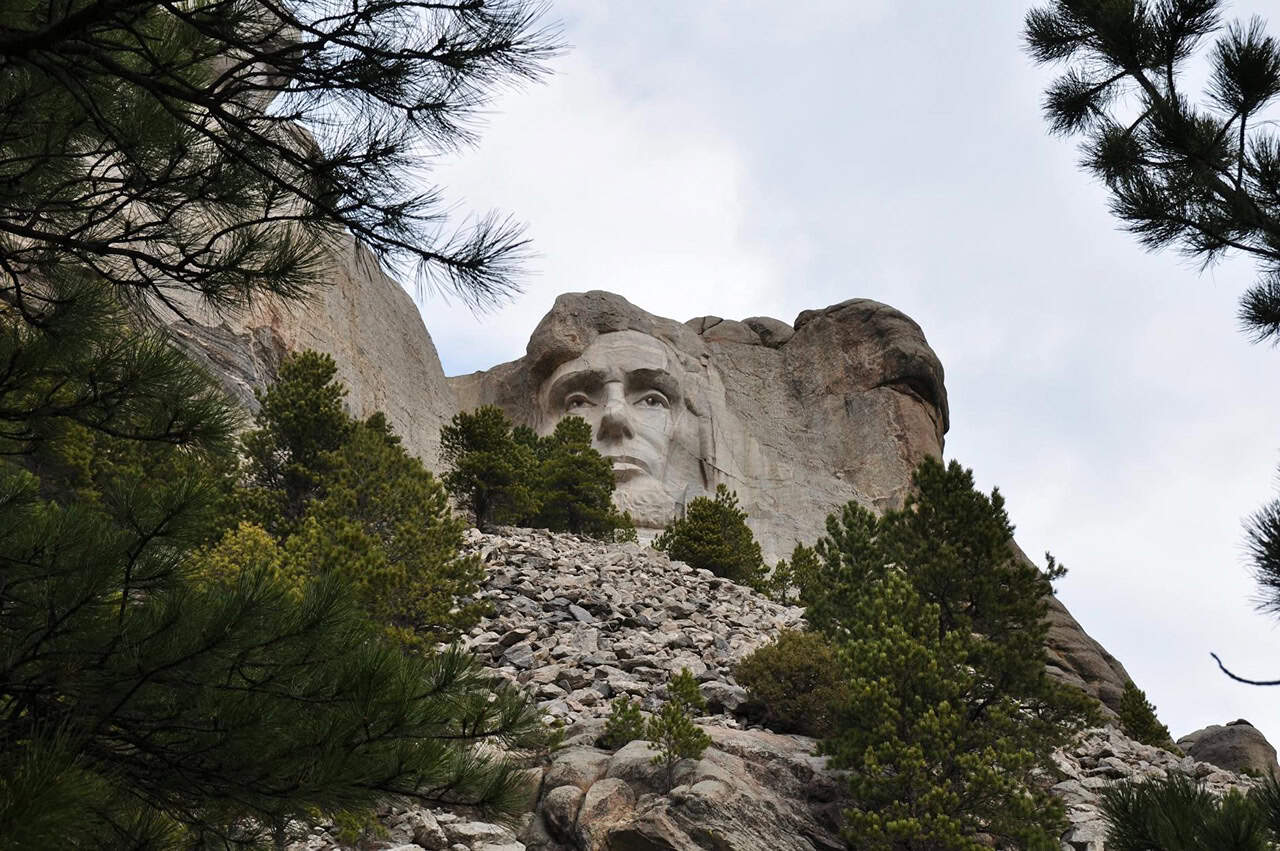
Mount Rushmore’s four granite presidents face slow but relentless weathering. Located in the Black Hills, the 60-foot-high carvings are affected by freeze-thaw cycles, wind erosion, and acid rain, causing tiny cracks to expand over time. Geologists estimate that without ongoing preservation, detailed features could degrade significantly within 200 years. While the monument’s overall structure remains stable, the erosion threatens the likenesses of Washington, Jefferson, Roosevelt, and Lincoln. Without proactive monitoring and restoration, one of America’s most recognized symbols could lose its iconic detail.
3. Grand Canyon, Arizona
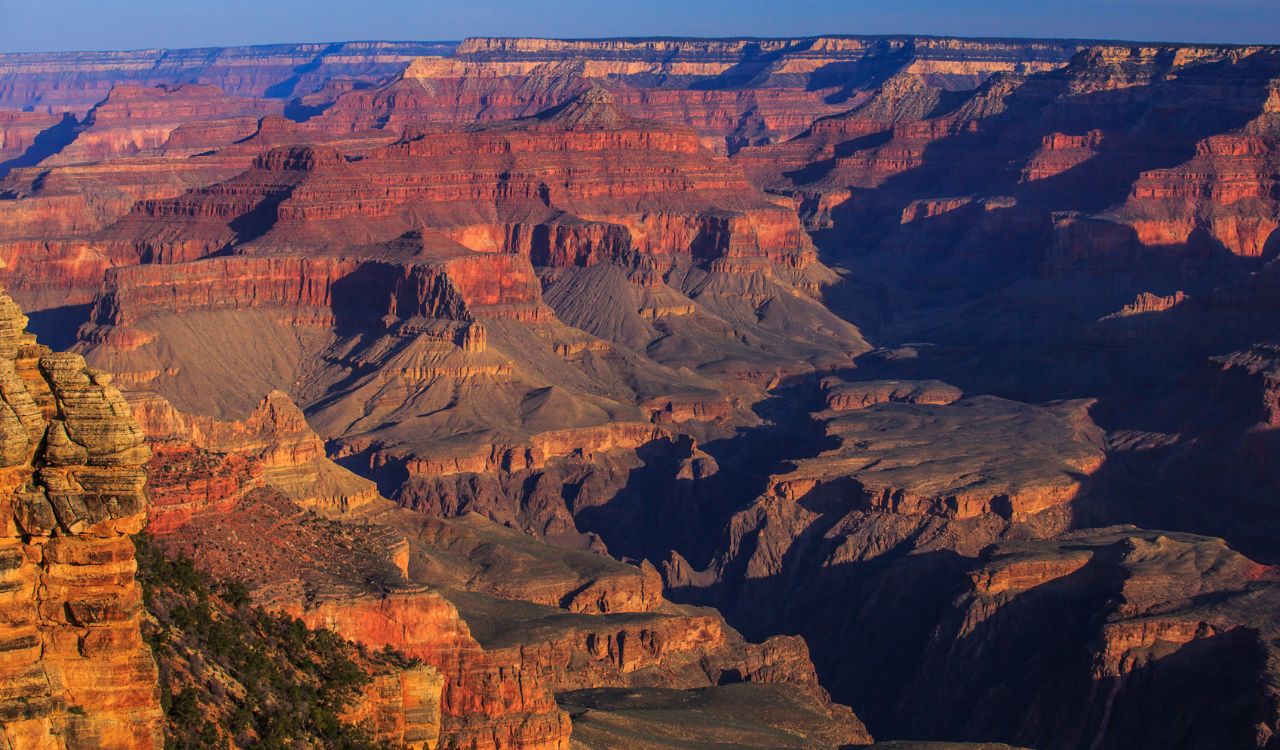
The Grand Canyon stretches 277 miles long and reaches over a mile deep, but erosion threatens its cliffs and ridges. Flash floods, intensified by heavy rain and climate change, are gradually destabilizing trails and viewpoints, while human activity accelerates rockwear. Scientists estimate that over 100 million tons of rock continue to shift annually due to natural forces. Without sustainable tourism management and preservation strategies, some of the canyon’s most famous spires and overlooks may collapse or become inaccessible, altering the landscape forever and erasing parts of this geological marvel.
4. Everglades National Park, Florida
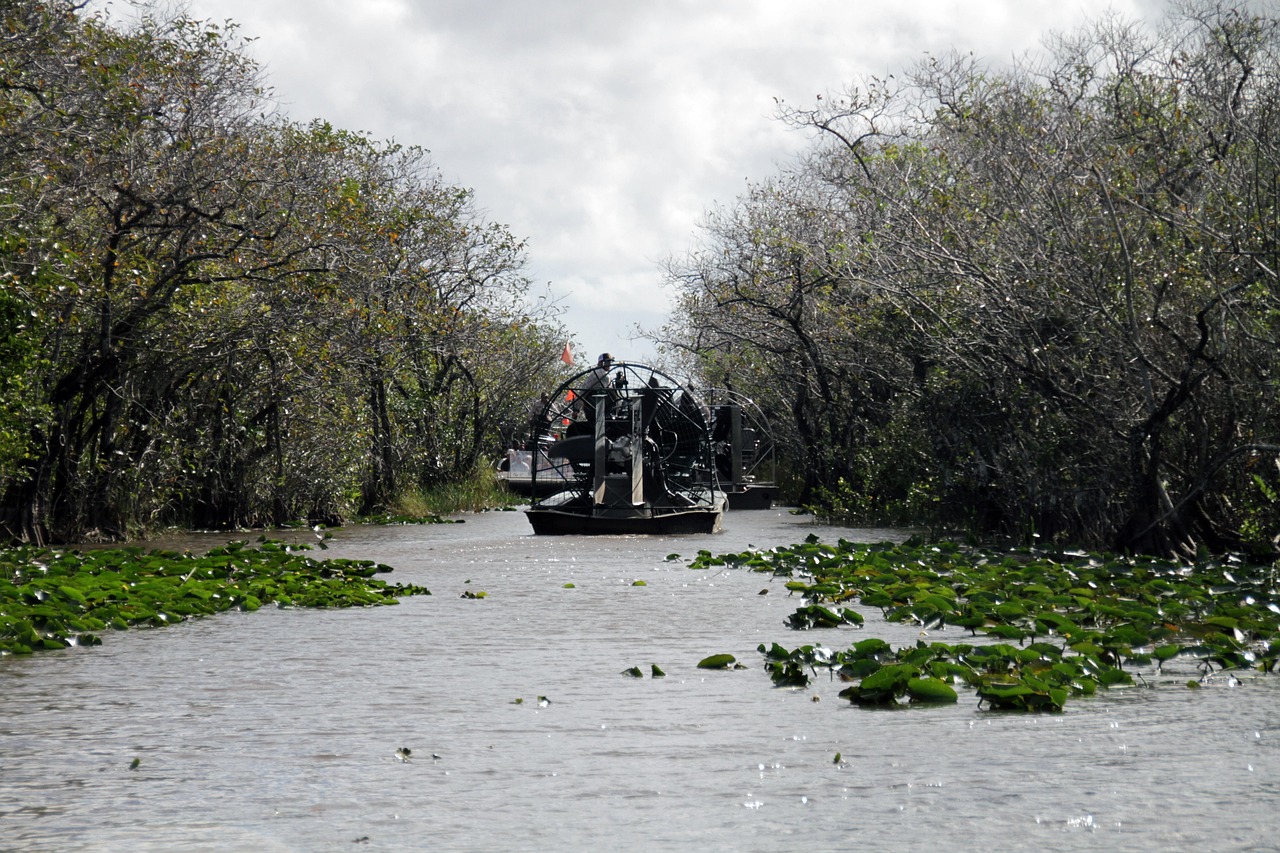
Covering 1.5 million acres, the Everglades are a critical wetland ecosystem, but rising seas and saltwater intrusion threaten 25% of its marshes. Reduced freshwater flow from urban and agricultural use has damaged habitats for species like the Florida panther and American crocodile. Sea-level rise projections indicate that up to 50% of the southern Everglades could be submerged by 2100. Despite ongoing restoration programs, without significant action to restore water flow and protect wildlife, much of this unique ecosystem could be permanently lost, altering both biodiversity and cultural heritage.
5. Yosemite Valley, California
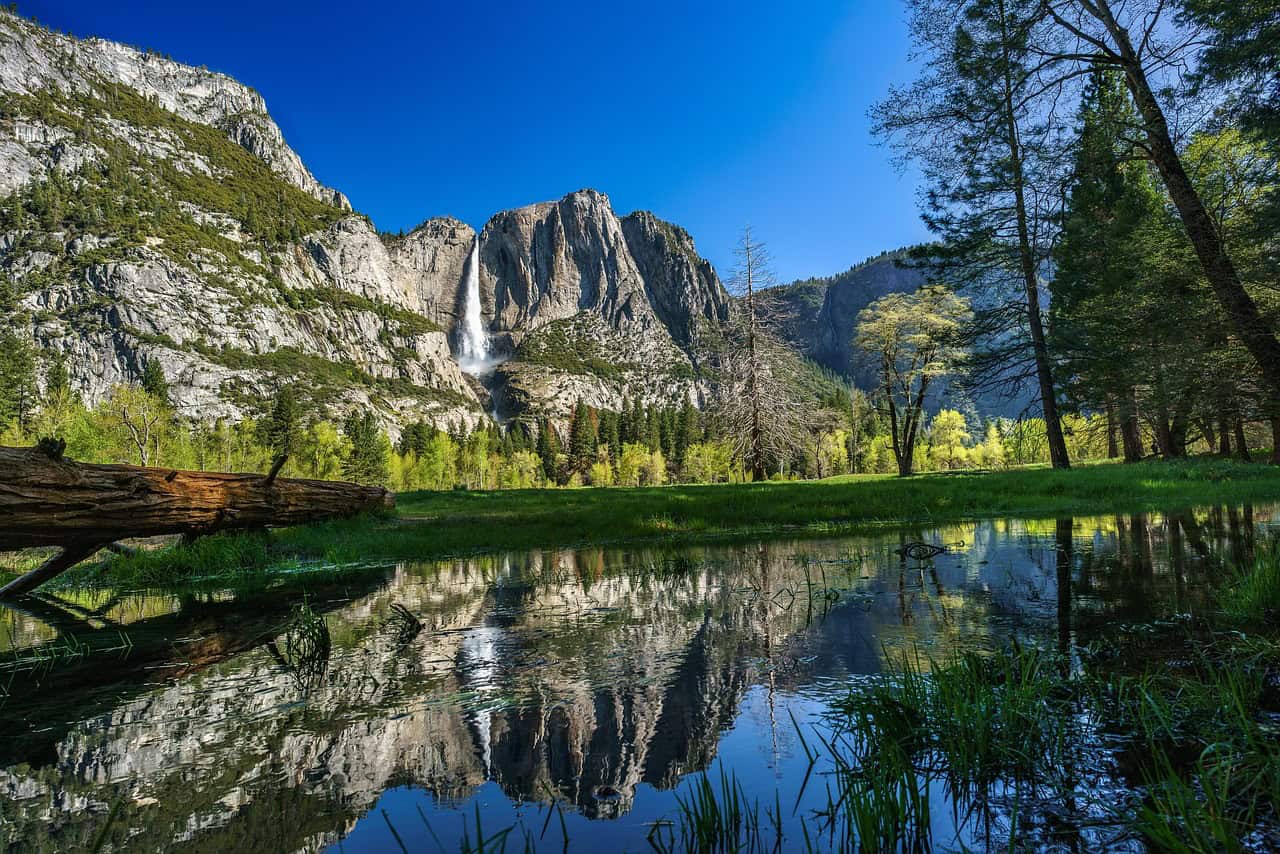
Yosemite Valley, with El Capitan towering 3,000 feet above the valley floor, is increasingly vulnerable to rockfalls, droughts, and wildfires. Studies indicate that over 90 major rockfalls have occurred in the last century, accelerated by climate change. Wildfires threaten the 2,000-year-old giant sequoias, while prolonged drought weakens forest soil, increasing landslide risks. Park authorities monitor hazards, yet experts warn that extreme weather could drastically reshape the valley’s iconic vistas. Without enhanced conservation and fire management, Yosemite’s most famous landmarks may be forever altered.
6. Ellis Island, New York
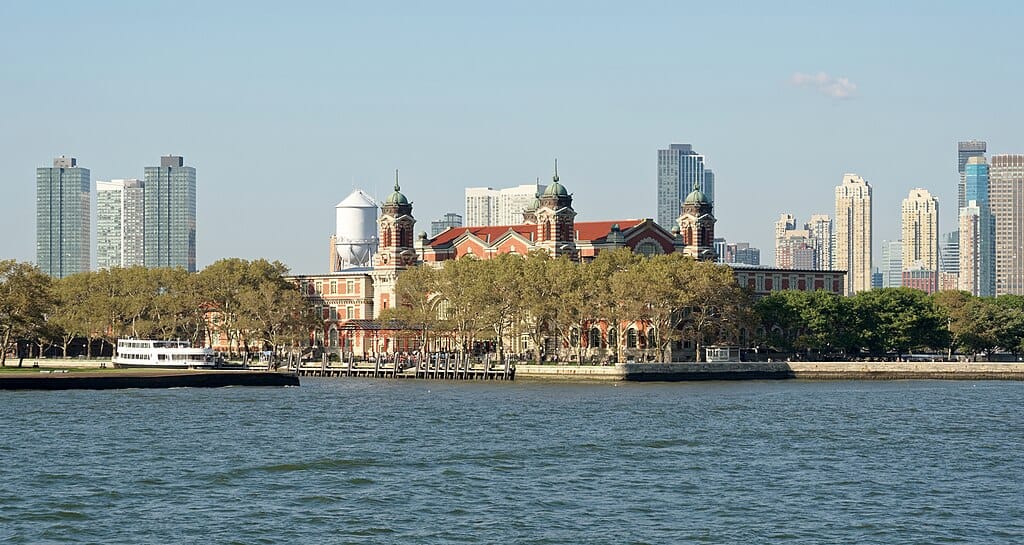
Ellis Island, historic entry point for over 12 million immigrants, is under threat from flooding caused by rising sea levels. Hurricane Sandy in 2012 revealed that the island’s foundations are vulnerable, and projections show severe storm surges could submerge parts of the site by 2050. Restoration costs exceed $120 million, but continuous saltwater exposure accelerates deterioration of brick buildings and steel reinforcements. Without extensive climate adaptation and preservation measures, key structures, including the Registry Hall, risk irreparable damage, putting a crucial piece of American immigration history in jeopardy.
7. Chesapeake Bay, Maryland/Virginia
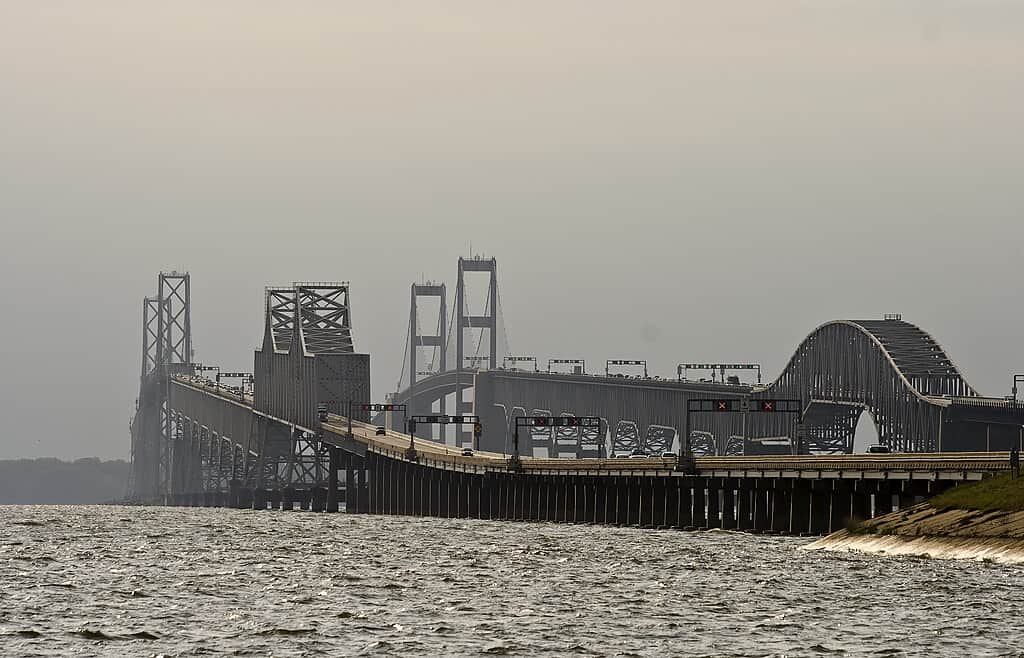
Chesapeake Bay, spanning 200 miles with a watershed of 64,000 square miles, faces rapid shoreline erosion and habitat loss. Rising sea levels threaten up to 100,000 acres of wetlands, while nutrient pollution and overfishing disrupt ecosystems. Blue crab populations have declined by nearly 30% in recent decades, illustrating the bay’s fragility. Conservation programs aim to restore marshes and control runoff, yet projections suggest continued habitat loss could permanently alter the bay’s ecology. Without urgent intervention, the Chesapeake Bay’s identity as America’s largest estuary may be irreversibly transformed.
8. Hoover Dam, Nevada/Arizona
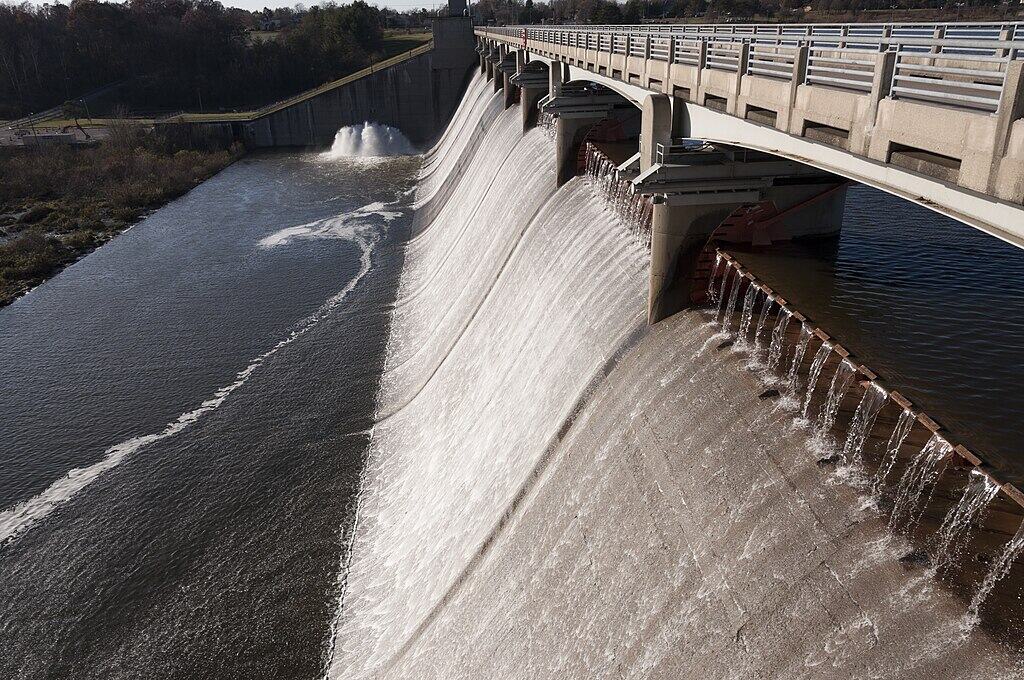
Hoover Dam, completed in 1936 and towering 726 feet, faces operational risks due to dropping Lake Mead water levels. Prolonged drought and climate change have reduced the reservoir to just 35% of capacity, limiting hydroelectric generation. Engineers warn that if water levels fall further, reduced output could impact over 1.3 million homes and strain regional electricity grids. Though the dam’s structure will not vanish, its function as a vital water and power source is under threat. Without sustainable water management policies, Hoover Dam’s legacy and utility could decline dramatically.
9. Monument Valley, Arizona/Utah
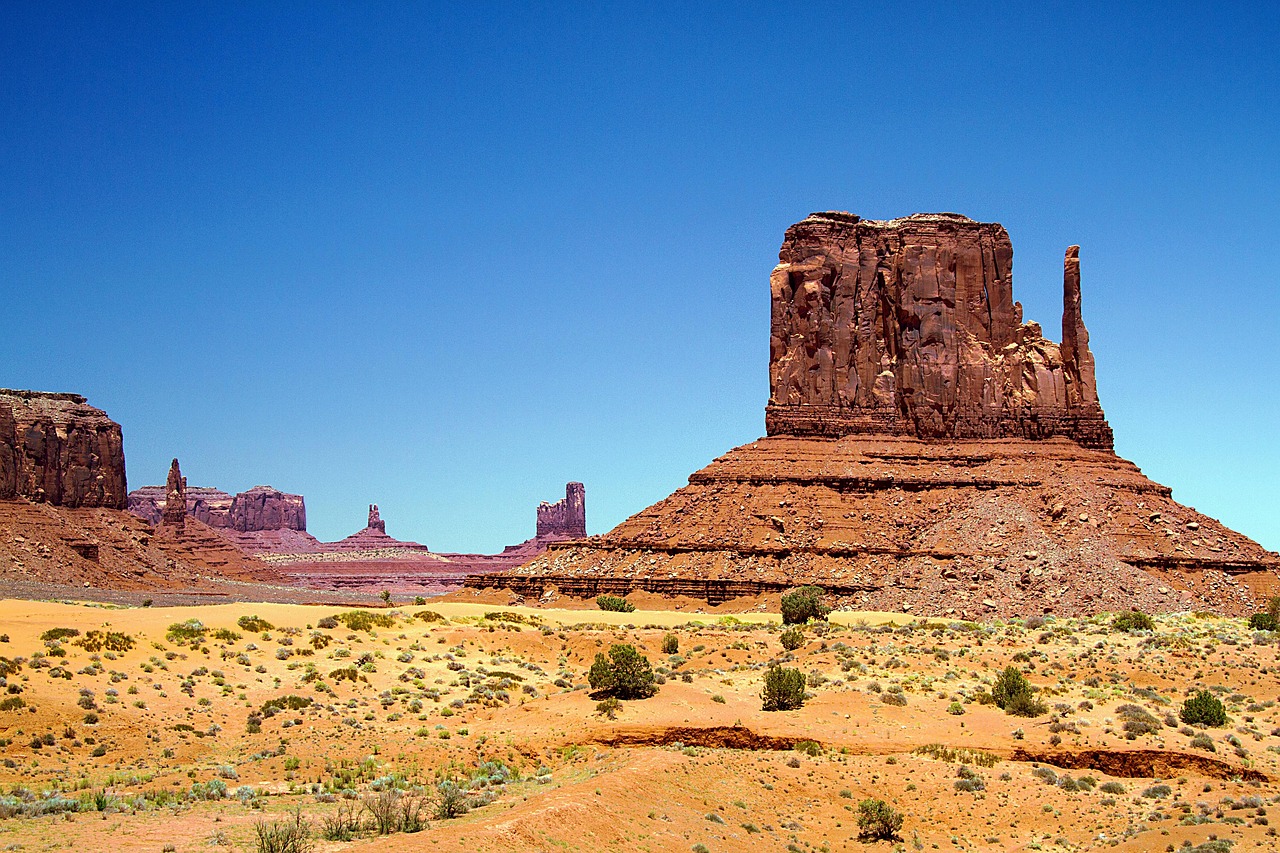
Monument Valley’s sandstone buttes, rising up to 1,000 feet, are gradually eroding from wind, rain, and temperature fluctuations. Geologists estimate that 1–2 inches of rock erode annually in exposed areas, slowly altering the iconic silhouettes that have appeared in countless films. Tourism contributes to soil degradation around trails and access roads, further accelerating natural wear. While the valley remains a desert landmark, the unique formations that define its scenery may change irrevocably over the next century. Without targeted erosion control, Monument Valley’s iconic vistas could vanish.
10. Statue of Liberty’s Torch, New York
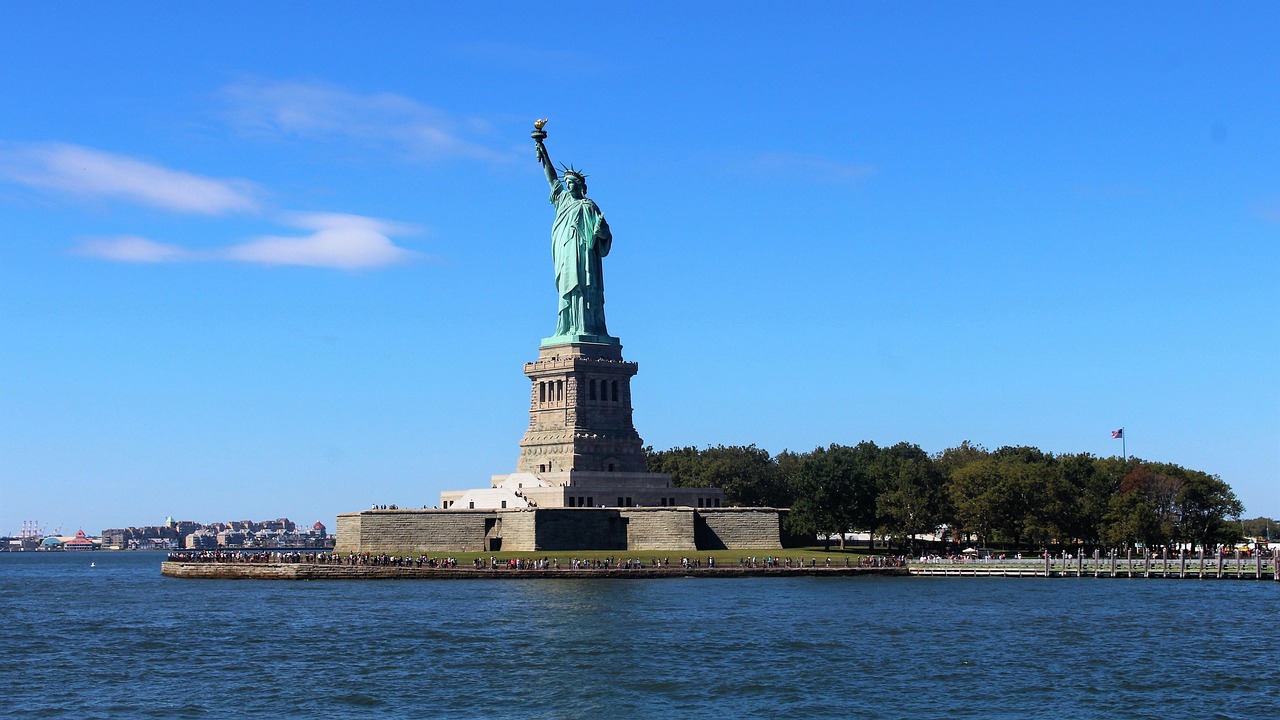
The Statue of Liberty’s torch, 151 feet above the ground, has long faced structural decay. Copper corrosion and rusted iron supports threaten its durability despite multiple restorations, including a $27 million centennial project in 1986. Storms and salt-laden air accelerate deterioration, with engineers projecting significant maintenance needs every decade. Rising seas make access for inspections more difficult. Without continuous investment in preservation and protective measures, the torch, an emblem of enlightenment and hope could eventually lose its iconic shine and stability, diminishing the statue’s worldwide recognition.
11. White Sands National Park, New Mexico
White Sands National Park spans 275 square miles of gypsum dunes, creating a rare desert landscape. Altered rainfall patterns, groundwater extraction, and human activity threaten dune integrity, while 30% of the dunes show signs of accelerated erosion. Off-trail tourism and nearby development disturb fragile habitats, further degrading the ecosystem. Climate projections suggest that ongoing environmental stress could permanently reshape the dunes’ flowing patterns. Without strict preservation efforts and sustainable visitor management, the park’s striking white dunes, America’s largest gypsum desert, could be irreversibly altered.
12. Mount St. Helens, Washington
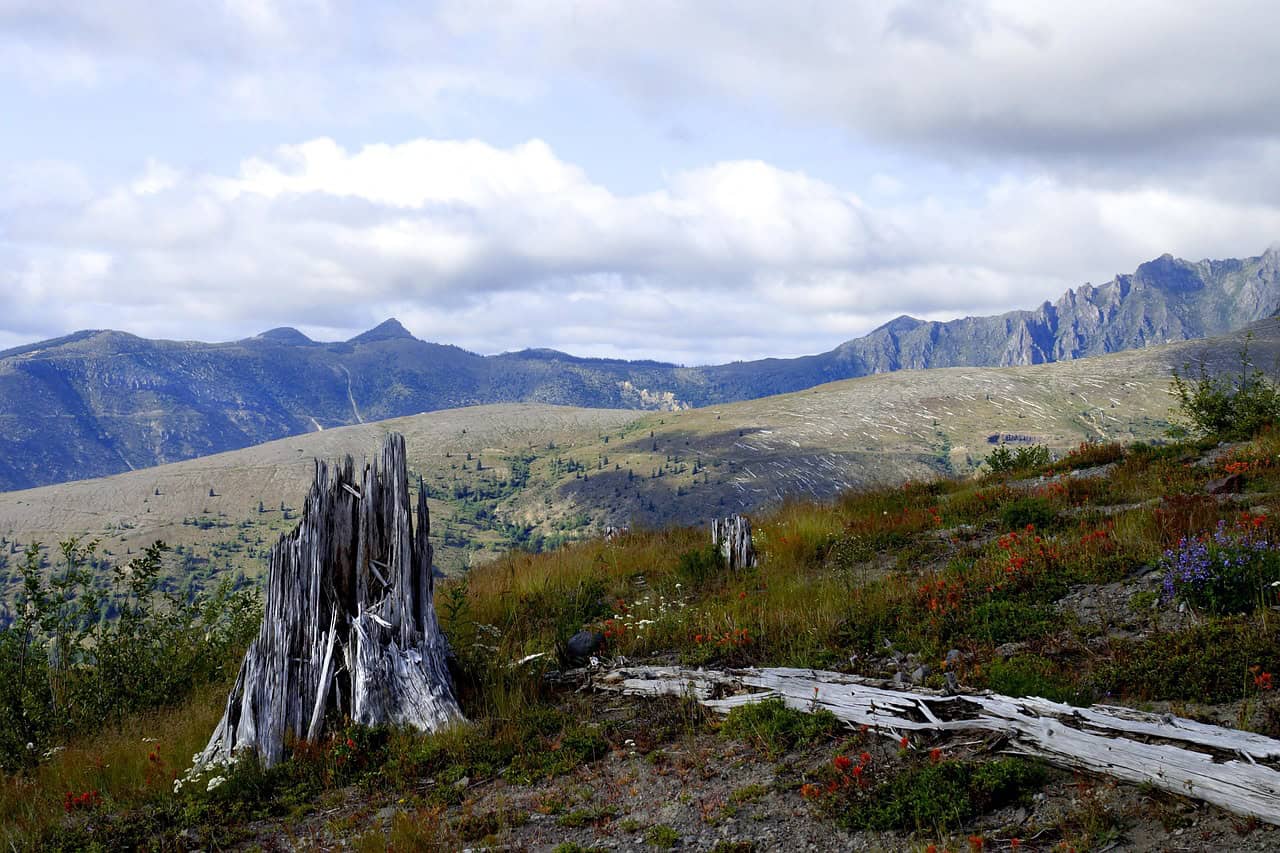
Mount St. Helens, 8,366 feet tall, continues to evolve decades after its 1980 eruption. Glacial melt, landslides, and minor eruptions reshape the crater and lava domes, with scientists estimating that over 2 million cubic meters of volcanic material shift annually. While the volcano will not disappear, key features defining its current landscape could change permanently. Visitors hoping to see the iconic crater may witness a very different formation in the coming decades. Continuous geological monitoring is essential, yet natural forces ensure that Mount St. Helens remains an impermanent monument to nature’s power.