We may earn money or products from the companies mentioned in this post. This means if you click on the link and purchase the item, I will receive a small commission at no extra cost to you ... you're just helping re-supply our family's travel fund.
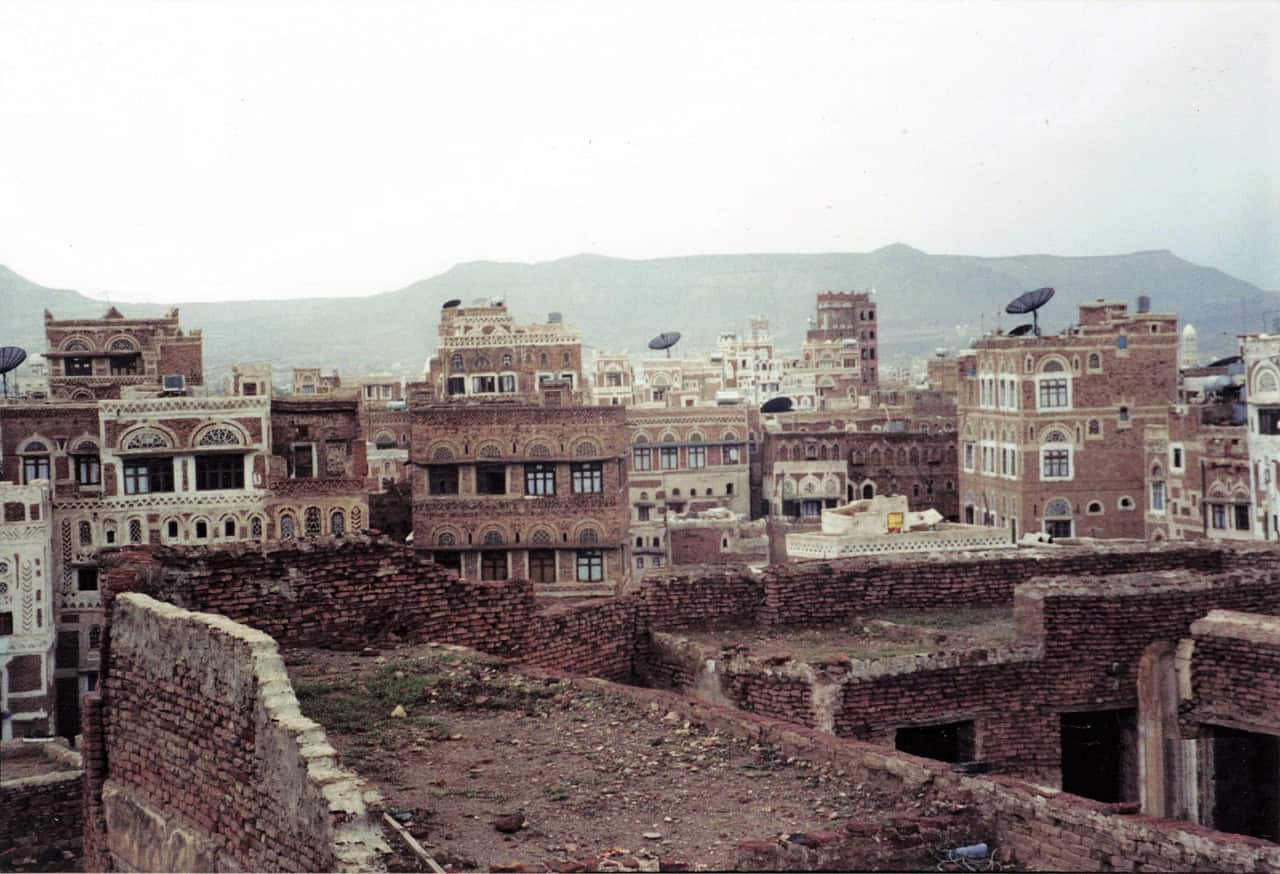
Some destinations captivate with beauty, culture, or history. Others command attention for far darker reasons. Across several regions, armed conflict, political collapse, terrorism, and extreme crime have created environments where daily life carries real danger. The locations below are widely considered among the most hazardous in the world today. Each section explains the key risks, includes current numerical context, and outlines why travel is strongly discouraged.
1. Afghanistan
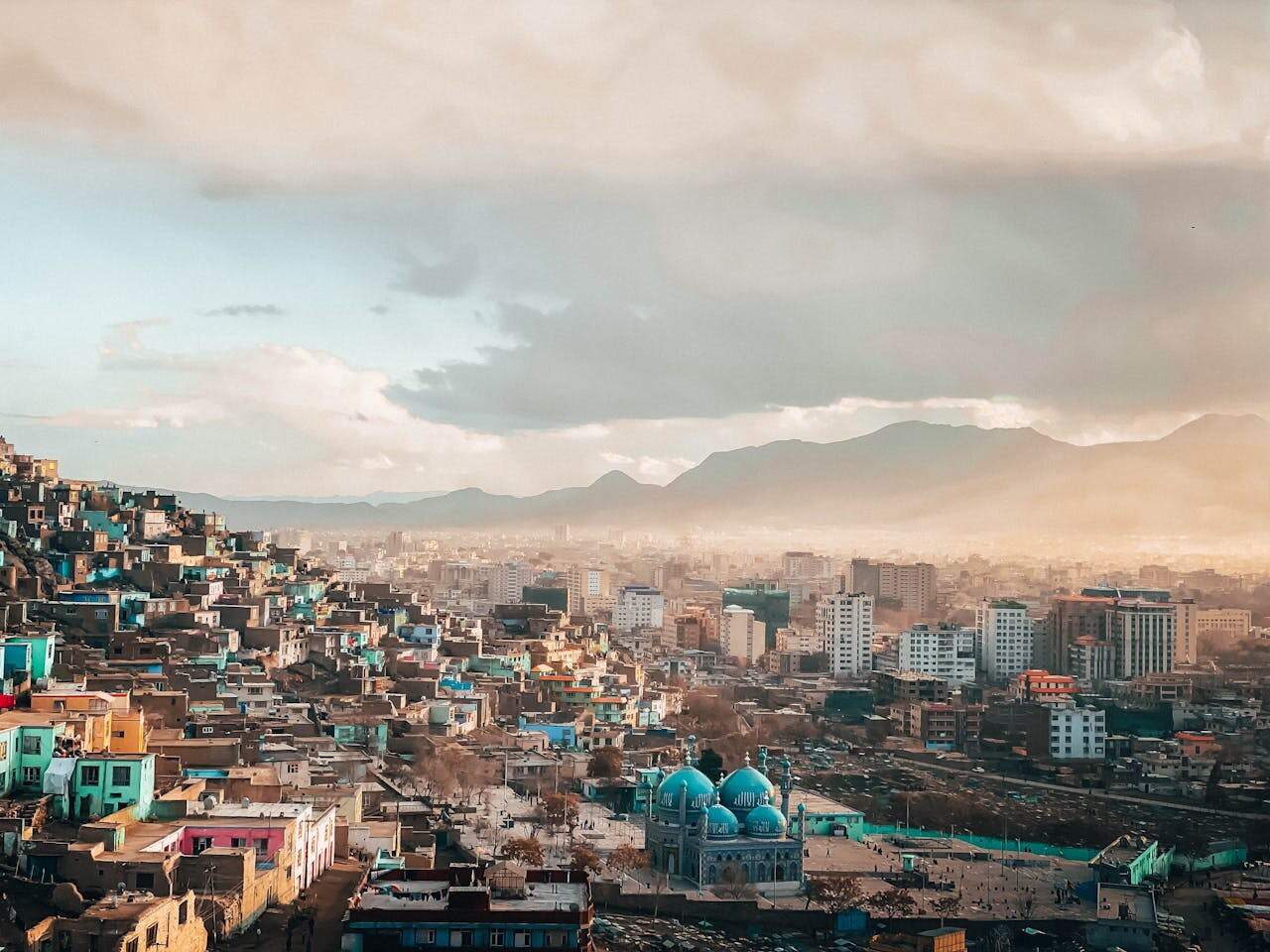
Afghanistan remains one of the world’s most volatile states. Since 2021, the Taliban has controlled the country, yet ISIS-K has claimed dozens of bombings, including attacks that killed more than 100 people in single incidents. The Global Terrorism Index consistently ranks Afghanistan among the top countries affected by terrorism.
Beyond attacks, economic collapse affects over 40 million residents, with more than half needing humanitarian aid. Kidnappings of foreigners, armed checkpoints, and restrictions on movement create constant uncertainty. Healthcare capacity is limited, and emergency evacuation options are extremely restricted.
2. Syria
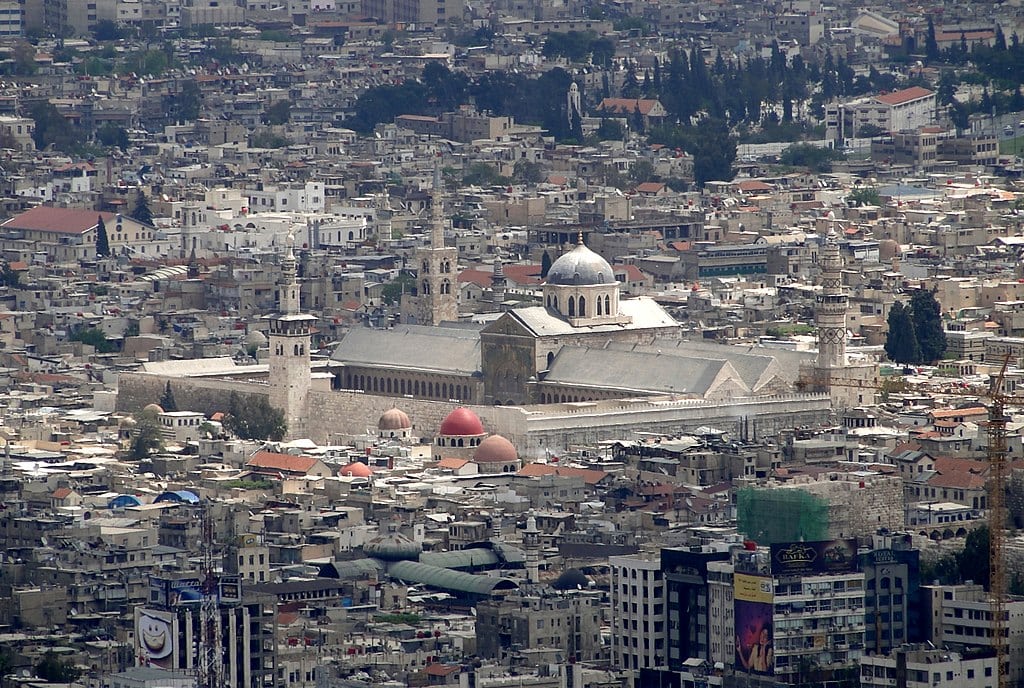
Syria has endured conflict since 2011, a war that has caused over 500,000 deaths and displaced more than 13 million people. Although frontlines have shifted, fighting, airstrikes, and drone attacks still occur in several regions. Unexploded ordnance remains scattered across cities and rural areas.
Large portions of infrastructure are damaged, with electricity available only a few hours daily in some areas. Armed factions control different territories, complicating security conditions. Kidnappings, arbitrary detentions, and sudden escalations continue to pose serious risks.
3. Yemen
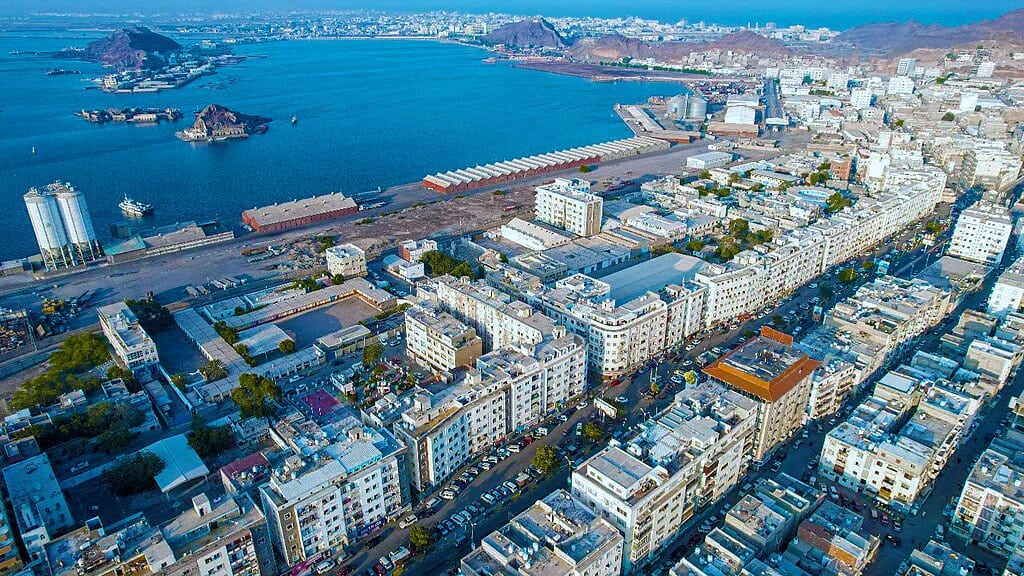
Yemen faces one of the world’s gravest humanitarian crises. Since civil war intensified in 2015, more than 150,000 people have died from violence, while millions confront food insecurity. Airstrikes and missile attacks still occur, particularly around contested regions.
Nearly 21 million people require humanitarian assistance. Armed groups operate checkpoints, and kidnappings targeting foreigners have been documented. Healthcare infrastructure is fragile, with repeated cholera outbreaks affecting over 2 million suspected cases in past years.
4. Somalia
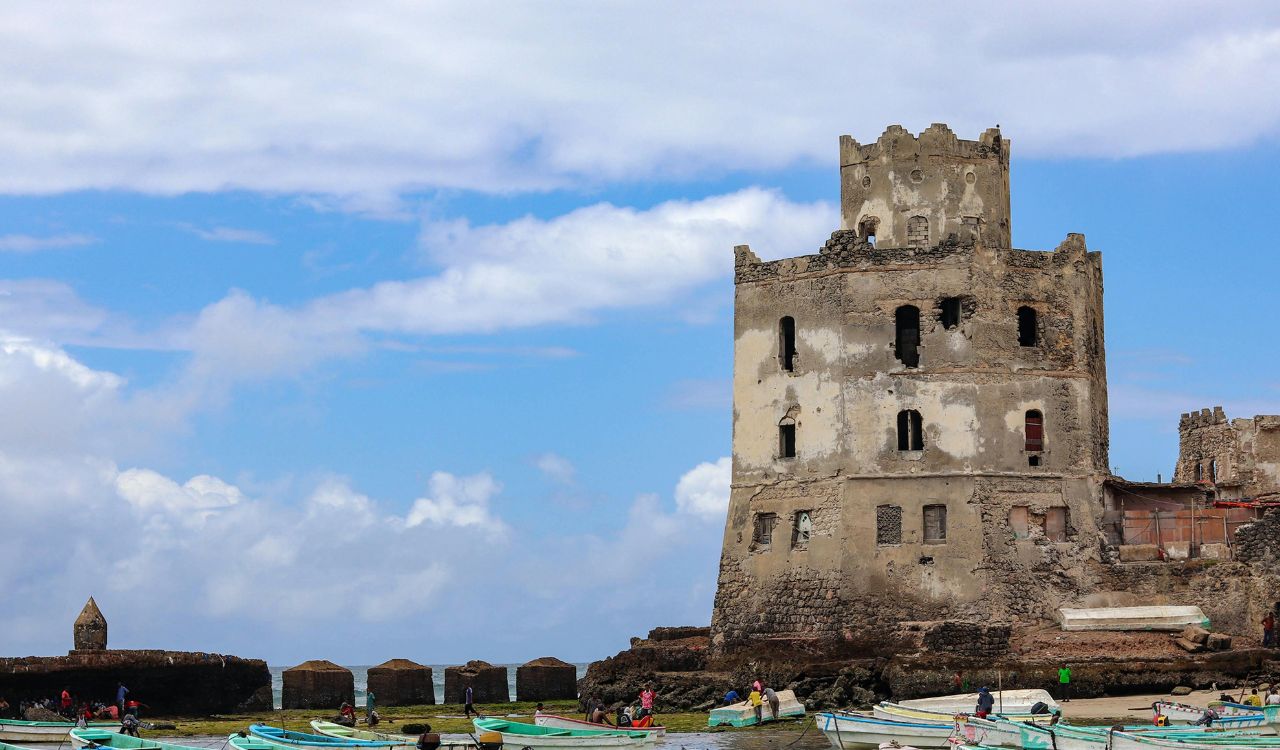
Somalia continues to struggle with an insurgency led by Al-Shabaab, which carries out frequent bombings in the capital, Mogadishu. Major attacks have killed 100 or more people in a single day. The Global Peace Index ranks Somalia among the least peaceful nations.
Piracy off the Somali coast once peaked with over 200 attacks annually, and though reduced, maritime risks persist. Government authority remains limited outside protected zones, and kidnappings, roadside explosives, and armed assaults remain ongoing threats.
5. South Sudan
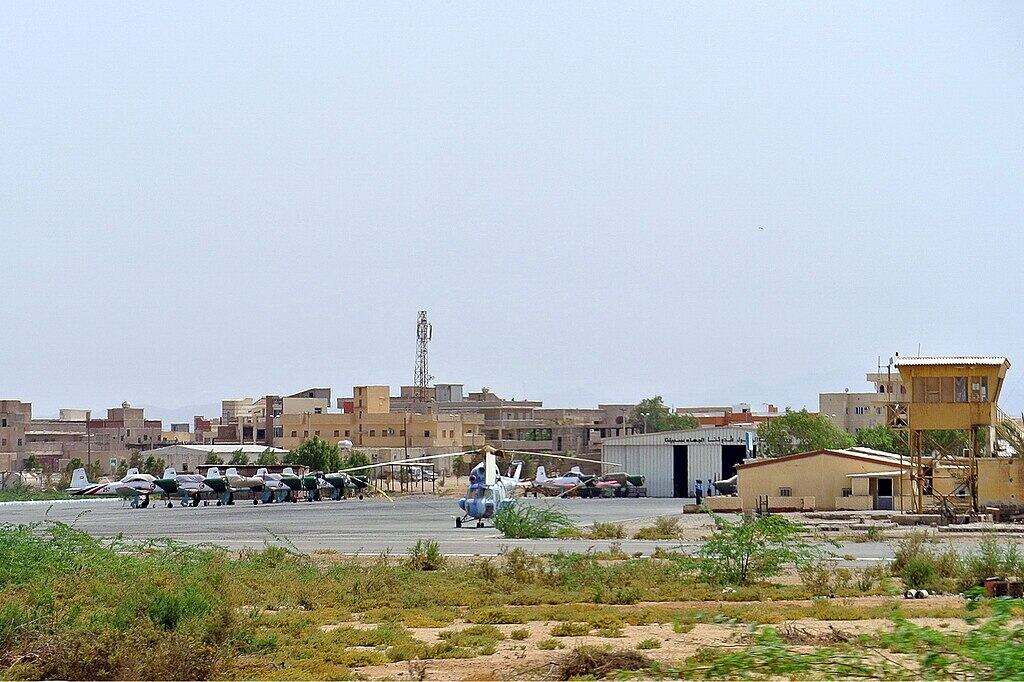
South Sudan gained independence in 2011 but soon descended into civil conflict that killed an estimated 400,000 people. Though a fragile peace agreement exists, clashes between armed groups still erupt, especially in rural regions.
Over 2 million refugees have fled the country, and millions more are internally displaced. Flooding in recent years has affected more than 1 million residents, compounding instability. Armed robbery, limited law enforcement, and severe infrastructure shortages heighten daily risk.
6. Ukraine
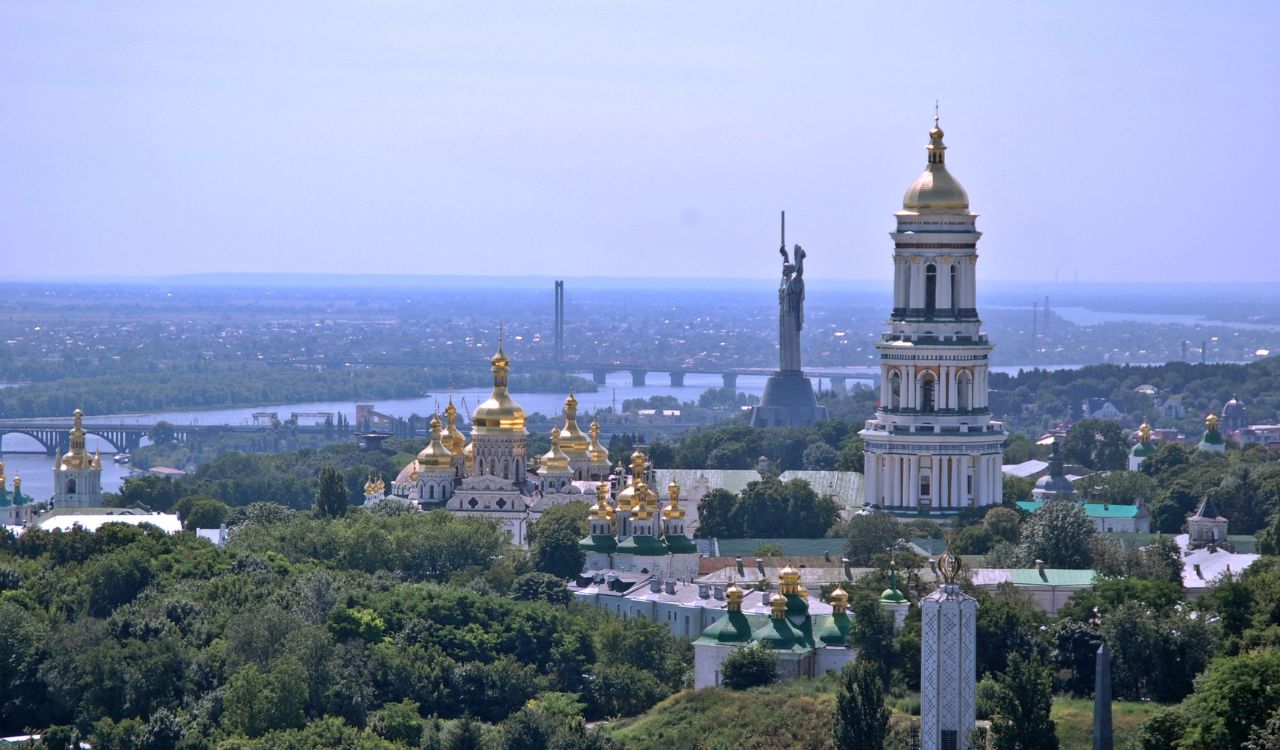
Ukraine has faced a full-scale invasion since February 2022. Tens of thousands of civilians and soldiers have been killed or injured, and missile and drone strikes continue to target major cities. Air raid alerts can sound multiple times per week in affected areas.
Millions have been displaced, and vast areas remain contaminated by landmines, with estimates exceeding 100,000 square kilometers of potentially hazardous land. Energy infrastructure has repeatedly been damaged, causing periodic blackouts during winter months.
7. Democratic Republic of the Congo
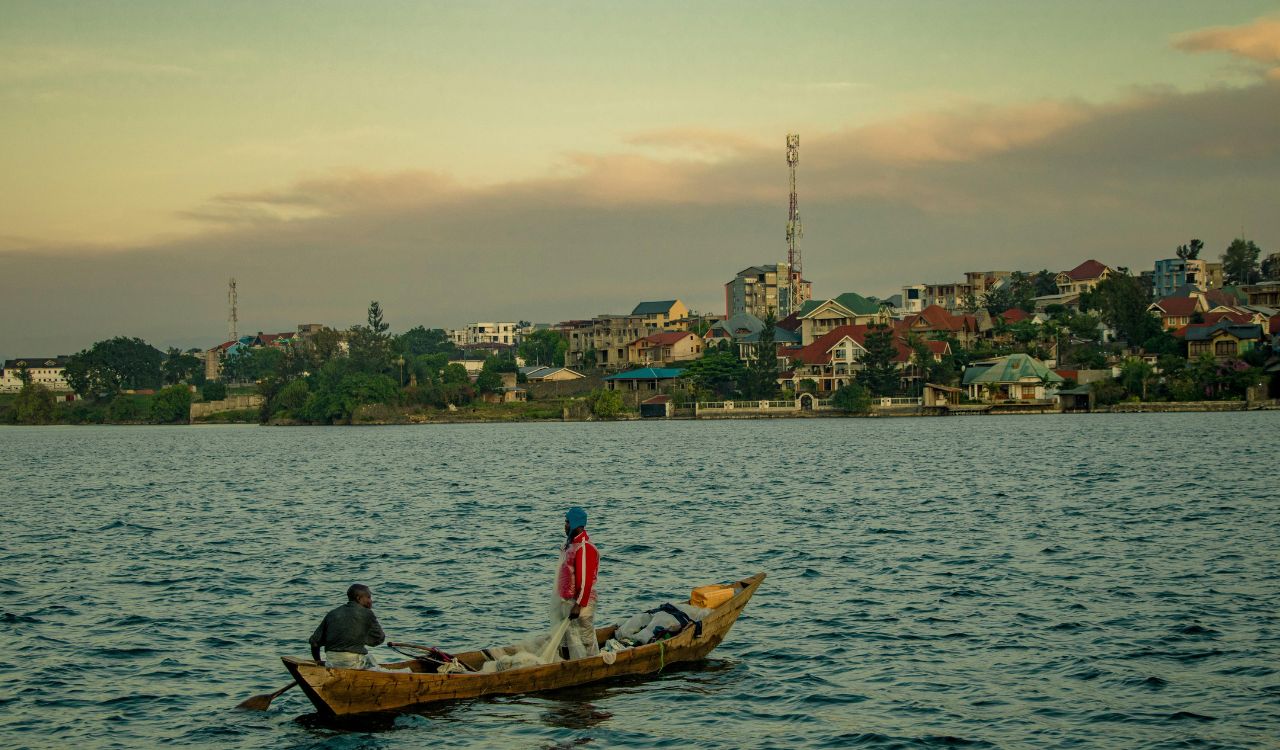
Democratic Republic of the Congo has long battled armed rebel groups, particularly in the eastern provinces. The conflict has contributed to more than 5 million deaths over decades, making it one of the deadliest crises since World War II.
Dozens of militias operate in mineral-rich areas, and kidnapping for ransom is reported frequently. Disease outbreaks, including Ebola with over 11,000 deaths in past epidemics, compound insecurity. Infrastructure remains weak across a nation of roughly 100 million people.
8. Haiti
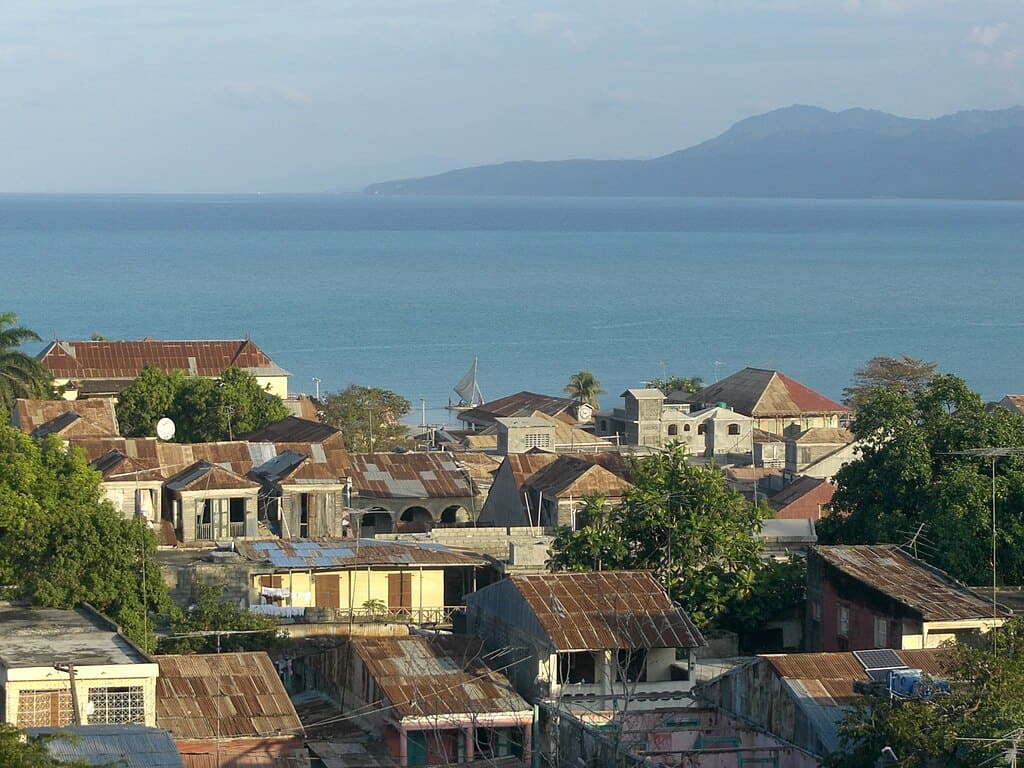
Haiti has experienced severe political instability and gang violence, especially in the capital, Port-au-Prince. In recent years, armed groups have controlled large sections of the city, with thousands killed annually in gang-related violence.
Kidnappings surged dramatically, sometimes exceeding 1,000 reported cases in a single year. Fuel shortages, blocked ports, and overwhelmed hospitals intensify the crisis. Police capacity is limited, and armed clashes can erupt unpredictably in urban neighborhoods.
9. Venezuela
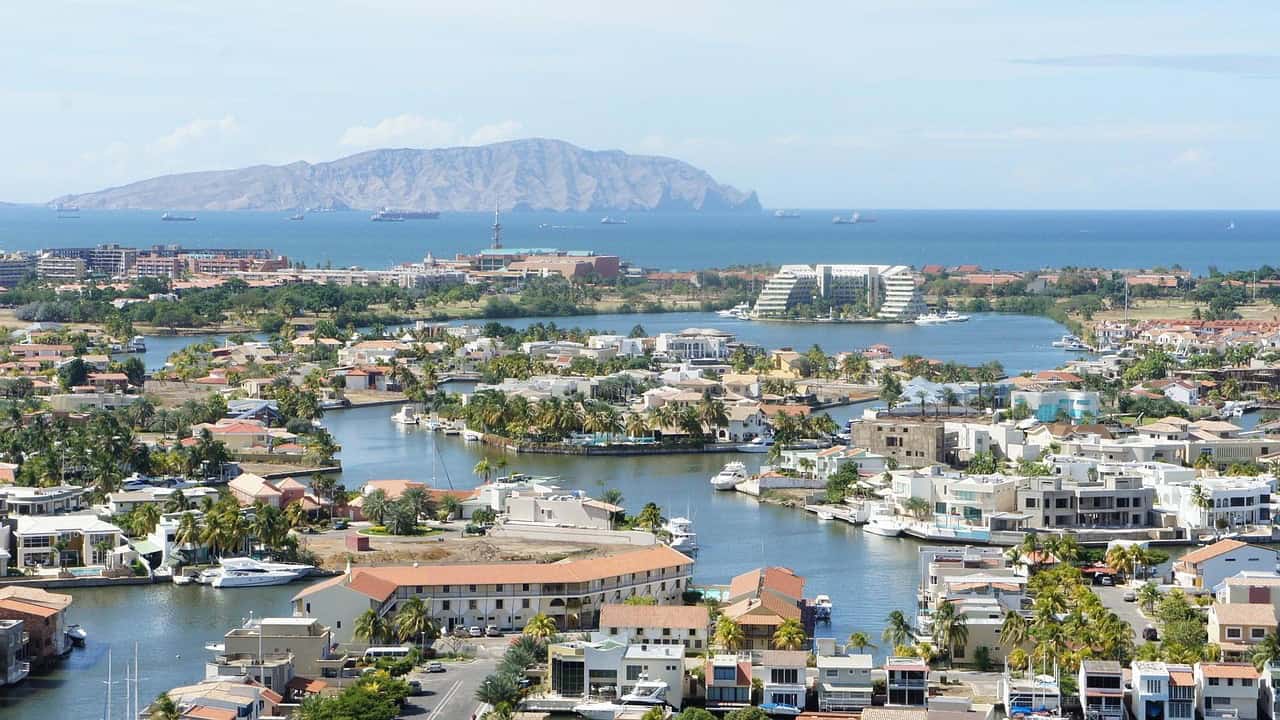
Venezuela has endured prolonged economic collapse, with inflation once exceeding 1,000,000 percent in 2018. Although inflation has eased, shortages and economic instability persist across a population of about 28 million.
The country has recorded homicide rates surpassing 40 per 100,000 people in certain years. Armed robberies and kidnappings remain concerns, particularly in parts of Caracas. Over 7 million Venezuelans have emigrated since 2015, reflecting ongoing instability.
10. Central African Republic
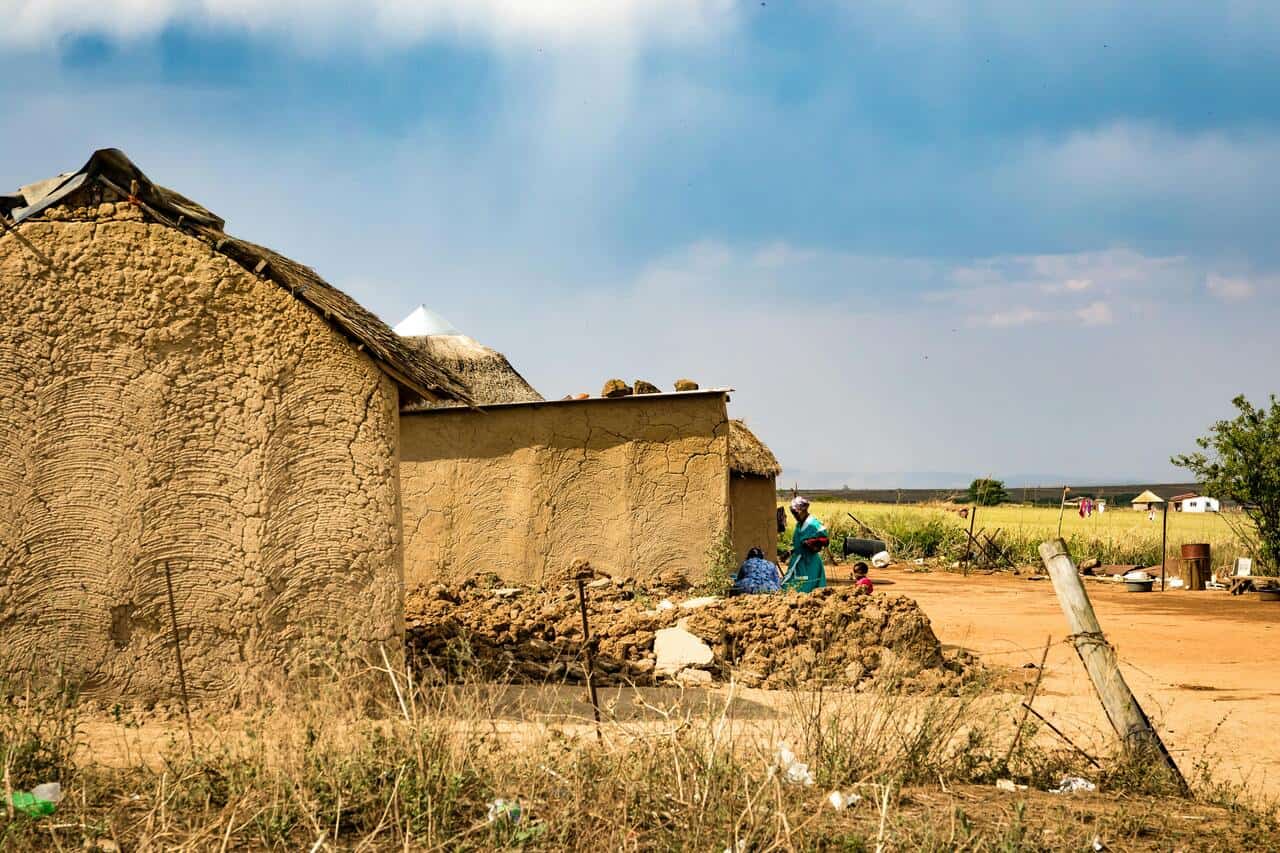
The Central African Republic remains heavily affected by militia violence despite peacekeeping efforts. Armed groups control significant territory outside the capital, Bangui. Thousands have died in clashes since conflict reignited in 2013.
More than 25 percent of the population has been displaced internally or as refugees. Road travel outside main routes carries risk of armed banditry. Humanitarian access is limited, and basic services remain scarce for much of the country’s 5.5 million residents.
11. San Pedro Sula, Honduras
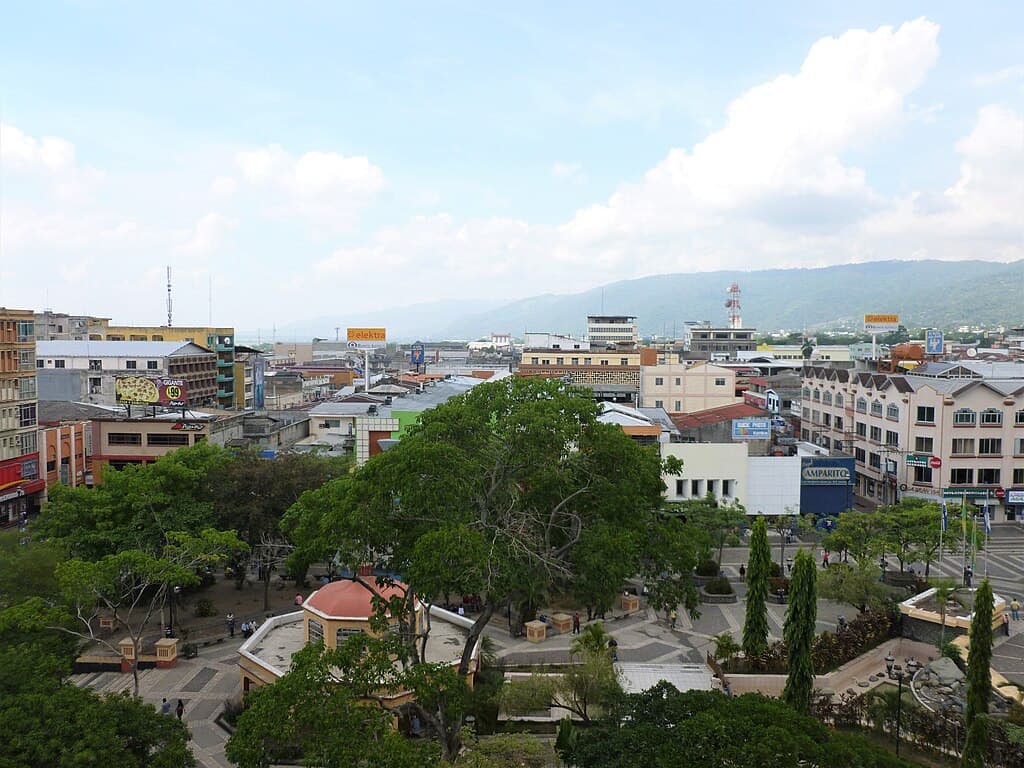
San Pedro Sula in Honduras once recorded homicide rates exceeding 150 per 100,000 residents, ranking among the highest globally. While rates have declined, gang activity linked to organized crime still influences parts of the city.
Extortion, armed robbery, and territorial disputes remain concerns in certain districts. Honduras overall has struggled with violence, prompting migration northward. Law enforcement presence has increased, yet localized insecurity persists.
12. Iraq
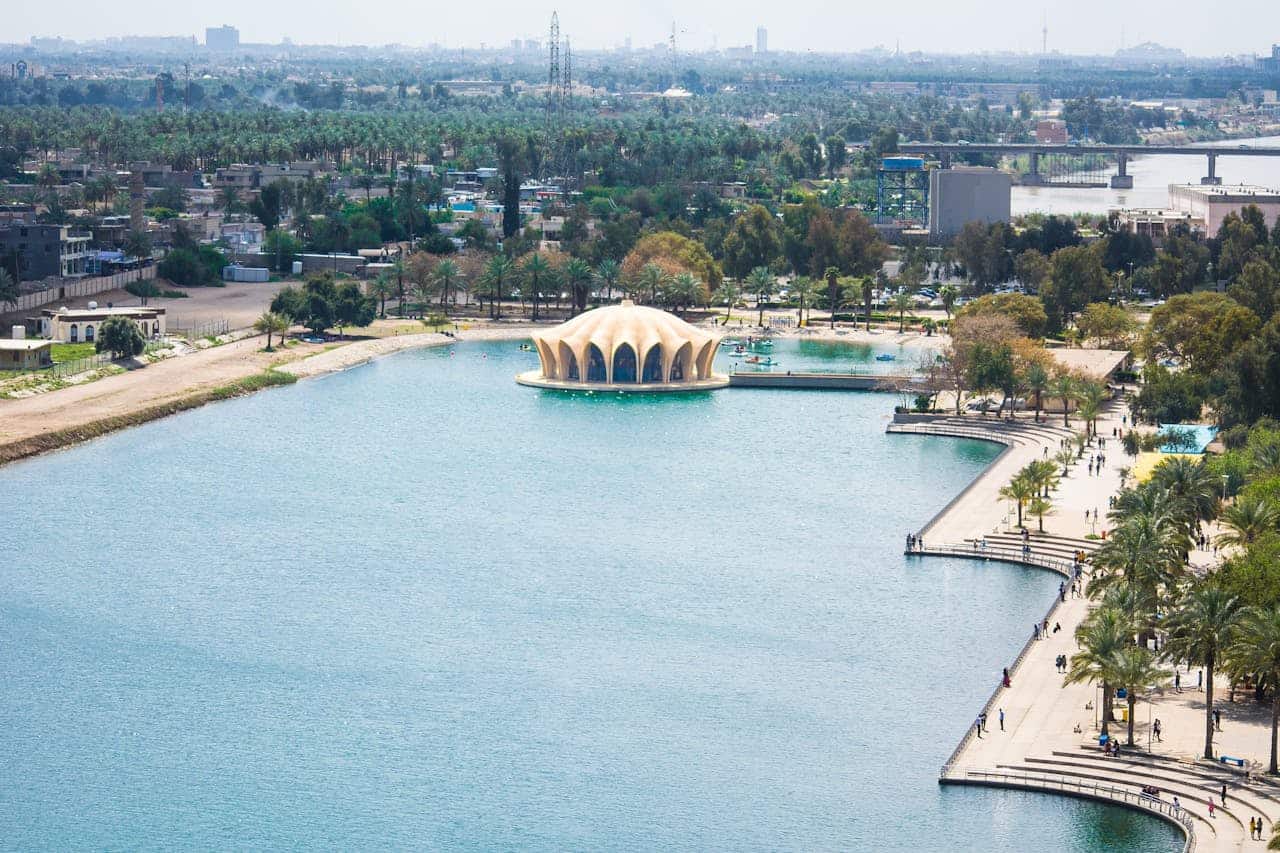
Iraq has improved security compared to the height of ISIS control in 2014, when militants seized nearly one-third of the country. However, sporadic attacks and militia clashes continue in some provinces.
Bombings and rocket attacks, though less frequent than a decade ago, still occur. Over 1 million people remain internally displaced from earlier conflicts. Regional tensions and political unrest can escalate quickly, especially near contested territories.