We may earn money or products from the companies mentioned in this post. This means if you click on the link and purchase the item, I will receive a small commission at no extra cost to you ... you're just helping re-supply our family's travel fund.

Across the United States, there are remarkable places where stories of Black brilliance are preserved with pride and care. These landmarks honor inventors, scientists, engineers, medical pioneers, and visionaries whose ideas reshaped industries, saved lives, and opened doors for future generations. Together they tell a story stretching over 200+ years of innovation, from laboratories and universities to transportation breakthroughs, creative engineering marvels, and world-changing discoveries that continue inspiring millions of visitors each year.
1. Smithsonian National Museum of African American History and Culture : Washington, D.C.
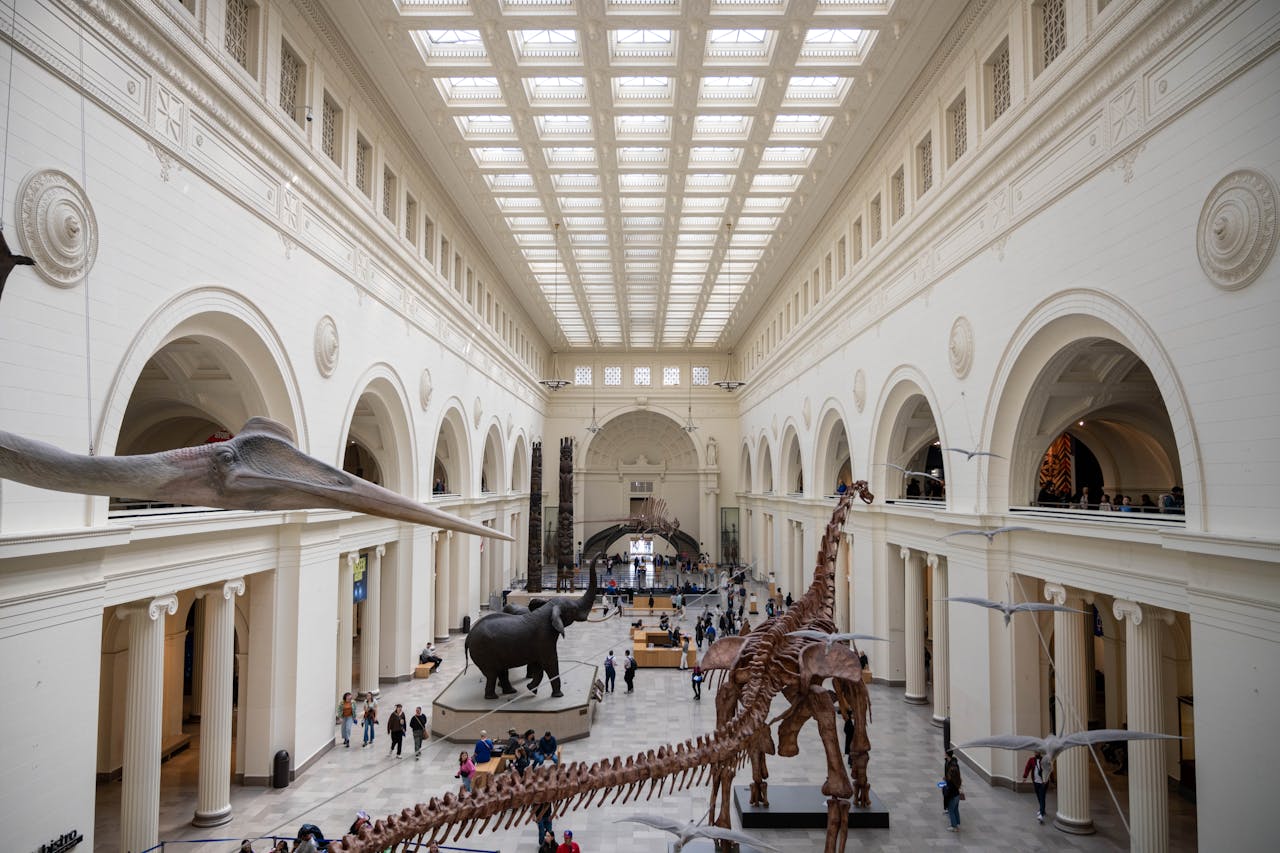
This national treasure spans over 400,000 square feet and opened in 2016, welcoming more than 9 million visitors in its first few years. Inside, carefully designed exhibits highlight over 3,000 artifacts linked to creativity, invention, science, and progress. Interactive galleries show breakthroughs in communication, engineering, transportation, and medicine, helping visitors understand how Black innovators quietly shaped the United States for more than 150 years while often battling legal and social barriers.
2. George Washington Carver National Monument : Diamond, Missouri
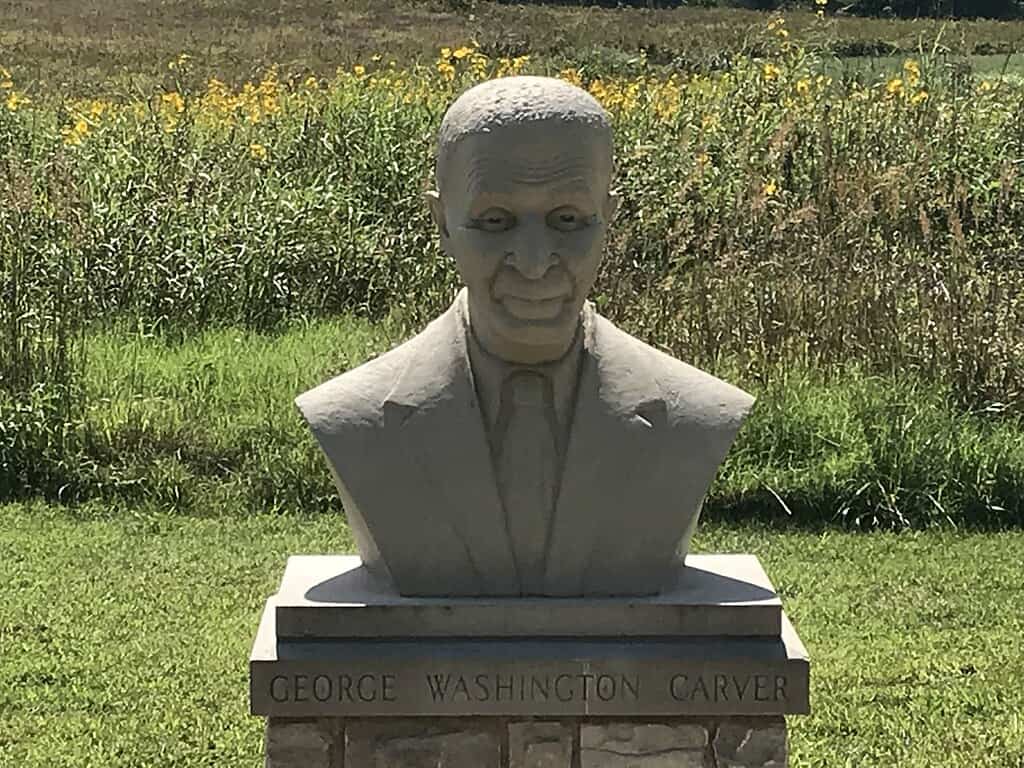
Established in 1943 as the first U.S. national monument dedicated to an African American, this 240-acre site preserves the childhood landscape of George Washington Carver, a scientist credited with developing hundreds of agricultural solutions and inspiring sustainable farming practices. Visitors explore museum exhibits, a 0.75-mile nature trail, original farm structures, and documented accounts of Carver’s dedication to education, creativity, and service, making it both a peaceful retreat and a powerful symbol of scientific perseverance.
3. Tuskegee University & George Washington Carver Museum : Tuskegee, Alabama
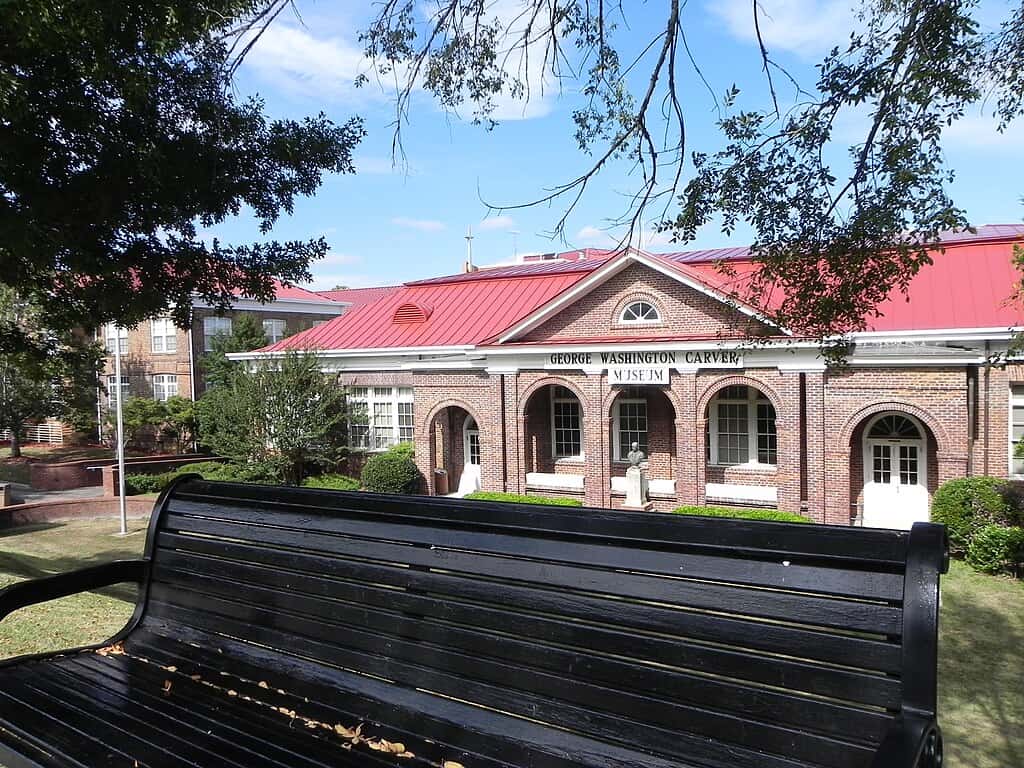
Founded in 1881, Tuskegee University became a powerhouse of scientific curiosity and hands-on discovery, and today its historical campus draws thousands of visitors annually. The Carver Museum preserves equipment, research documents, and personal memorabilia linked to more than 40 years of his work. Life-size exhibits explain how he developed agricultural innovations that improved farming across millions of acres in the American South, while also teaching students who later shaped technology, education, medicine, and national progress.
4. National Inventors Hall of Fame Museum : Alexandria, Virginia
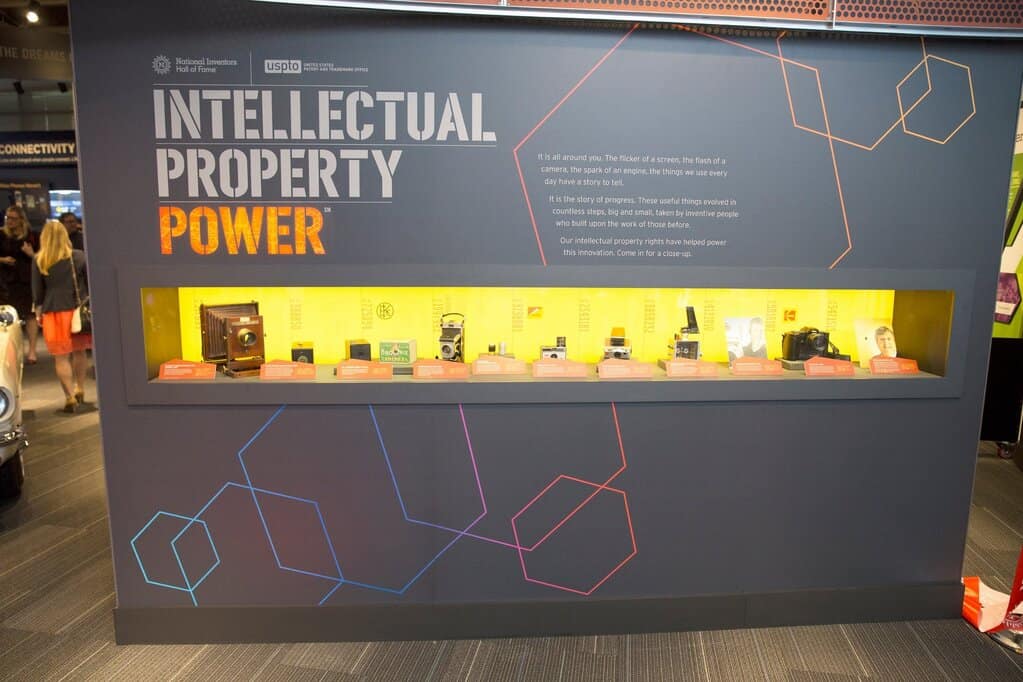
Housed near the U.S. Patent and Trademark Office, this museum honors more than 600 inventors nationwide, including influential Black innovators such as Patricia Bath, Lonnie Johnson, and Mark Dean. Exhibits share the stories behind inventions ranging from medical laser technology to modern computer systems and energy advancements. With engaging learning stations, historic patent records, and multimedia storytelling, the museum helps visitors visualize how one creative idea can impact millions of people across decades and industries worldwide.
5. Garrett Morgan Memorial Recognitions : Cleveland, Ohio

Cleveland proudly celebrates Garrett Morgan, born in 1877, whose inventions transformed public safety. Memorial plaques, educational displays, and community tributes explain his creation of the early gas mask in 1912 and the three-position traffic signal in 1923, technologies that protected countless lives in cities globally. These recognitions remind visitors that engineering brilliance is often born from compassion and responsibility, and they highlight how one determined mind helped shape safer streets, workplaces, and emergency systems still relied on today.
6. Charles H. Wright Museum of African American History : Detroit, Michigan
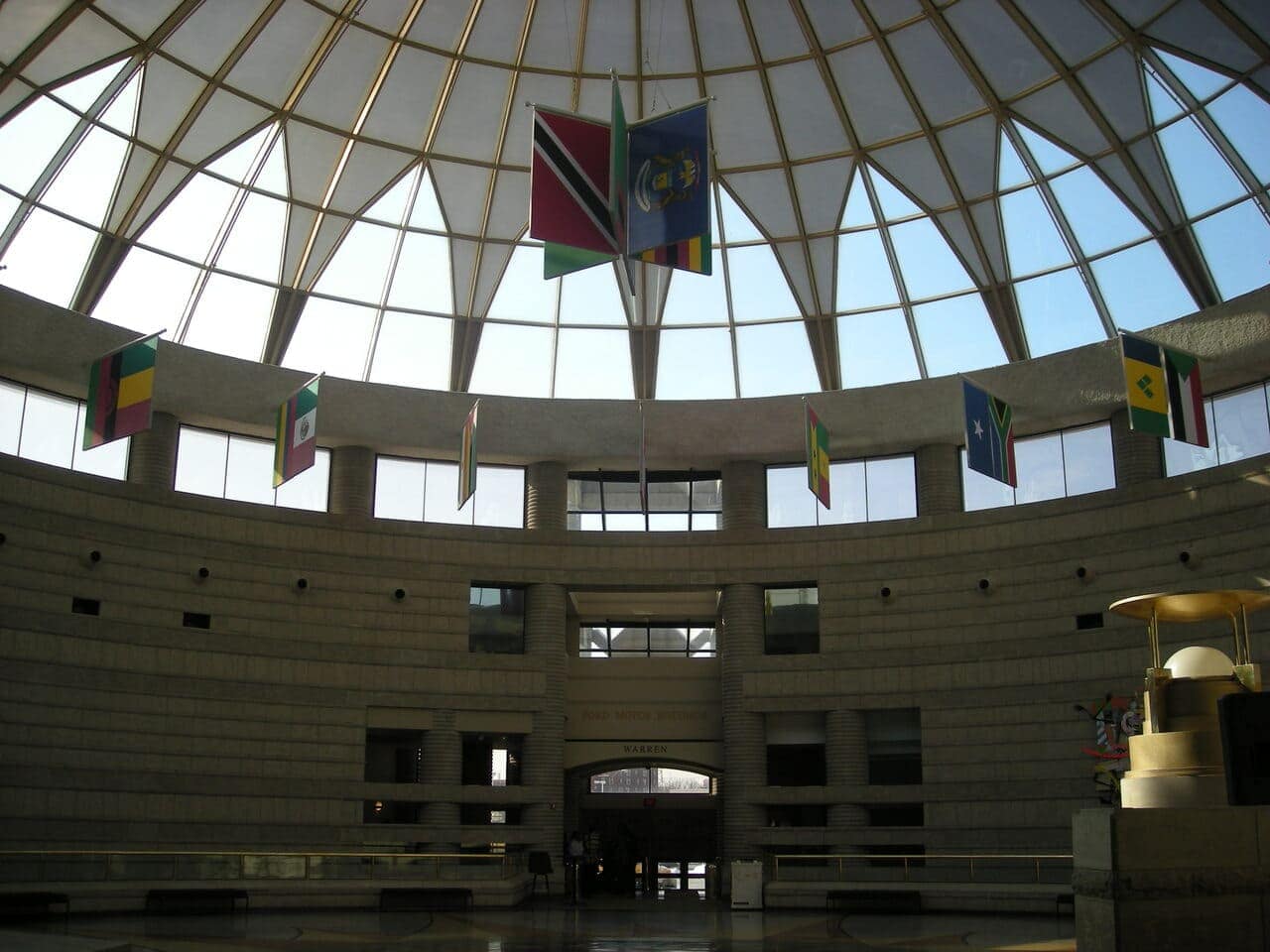
Covering more than 125,000 square feet and housing over 35,000 artifacts, this museum is one of the world’s largest institutions dedicated to African American history. Among its many exhibits are tributes to inventors, doctors, engineers, and industrial innovators who reshaped American progress. Visitors follow a thoughtful, emotionally rich narrative that blends cultural heritage with scientific achievement, making it a place where learning feels alive, inspiring, and deeply rooted in stories of strength, intelligence, and creative determination.
7. Granville T. Woods Memorial Sites : Ohio

Honoring the man often called the “Black Edison,” Ohio hosts historical markers and educational installations celebrating Granville T. Woods, born in 1856. Over his lifetime he received more than 50 patents, significantly improving railway safety through telegraph innovations that helped prevent collisions. These memorials explain how his engineering breakthroughs influenced transportation systems carrying millions of passengers annually. They also highlight his determination to protect his intellectual property during an era when Black inventors constantly faced legal challenges and discrimination.
8. Legacy Museum & National Memorial for Peace and Justice : Montgomery, Alabama

Opened in 2018, this powerful site welcomes hundreds of thousands of visitors yearly and invites reflection on history, human dignity, and resilience. While centered on justice and remembrance, it also connects the past to the present, acknowledging that many scientific and cultural advancements emerged despite oppression. By pairing documented history with forward-looking storytelling, the museum encourages visitors to recognize that Black innovation has always existed alongside struggle, shaping modern America through courage, skill, and unwavering creativity.
9. Patricia Bath Medical Innovation Tributes : Multiple Locations
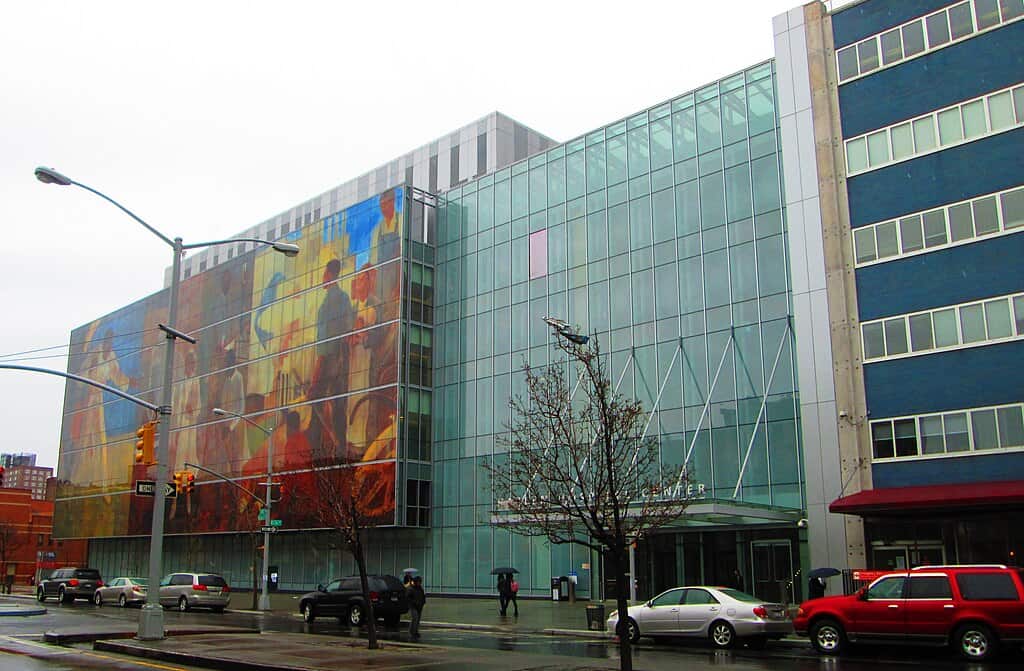
Across universities, medical centers, and innovation exhibits in the U.S., growing recognition honors Dr. Patricia Bath, born in 1942, whose development of laser cataract surgery technology transformed global eye care. Her work restored or improved vision for millions of patients worldwide, and educational displays share both her research achievements and her advocacy for equal healthcare access. These tributes emphasize how representation in science leads to new breakthroughs, inspiring young researchers to continue pushing medical boundaries with purpose and compassion.
10. Lonnie Johnson Exhibits : Atlanta, Georgia and Beyond

Atlanta proudly acknowledges engineer Lonnie Johnson, born in 1949, whose creative thinking produced both advanced energy research and the iconic Super Soaker, which sold over 1 billion dollars in global revenue. Exhibits showcase his early engineering curiosity, NASA contributions, and dedication to innovation education. By balancing technical achievement with playful imagination, these displays demonstrate that science can be both groundbreaking and joyful, encouraging children and adults alike to experiment fearlessly and believe their ideas truly matter.
11. National Civil Rights Museum : Memphis, Tennessee
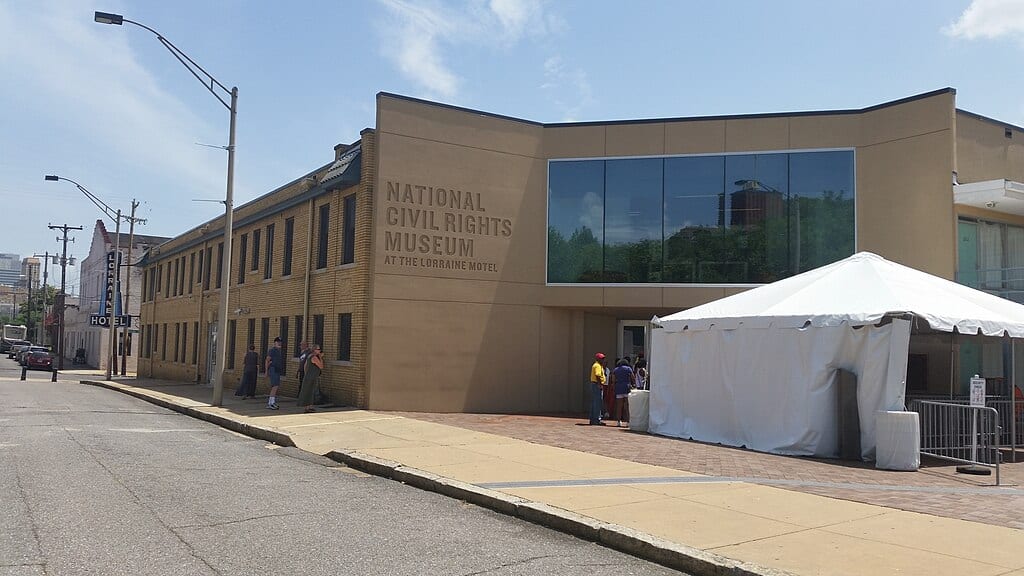
Located at the historic Lorraine Motel, the museum opened in 1991 and attracts more than 250,000 visitors each year. While its central narrative explores civil rights history, it also highlights how access to education, equality, and opportunity paved the way for breakthroughs in science, medicine, and technology by Black innovators. Through immersive storytelling, preserved spaces, and detailed documentation, the museum reminds visitors that innovation thrives where justice exists, linking social progress directly to human creativity and advancement.
12. African American Museum of History and Culture Exhibitions Nationwide
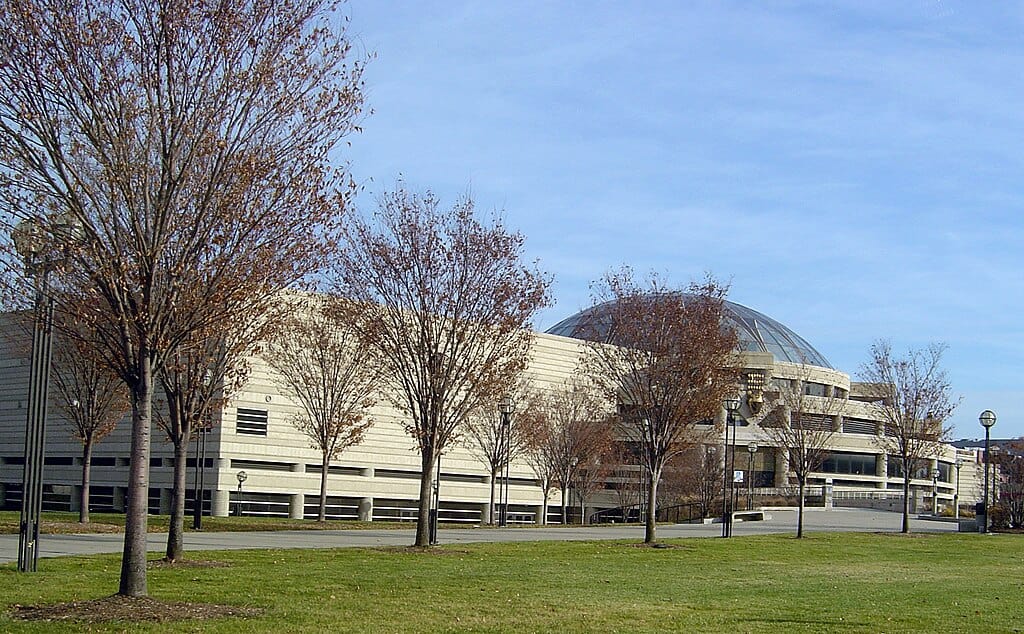
Across several U.S. states, specialized exhibitions and rotating showcases continue to celebrate Black inventors through educational programs, archival material, and engaging displays. Many collections include over 100 documented inventions, personal histories, photographs, and interactive demonstrations that help younger generations understand how creativity grows through perseverance and vision. These exhibitions collectively inspire millions of visitors, highlighting that innovation is not a single achievement but a continuous legacy built across decades of effort, courage, and intellectual brilliance.