We may earn money or products from the companies mentioned in this post. This means if you click on the link and purchase the item, I will receive a small commission at no extra cost to you ... you're just helping re-supply our family's travel fund.
Hurricane season runs from June 1 to November 30, and forecasts show that 2026 is expected to be another above-average year, with 14–18 named storms predicted across the Atlantic basin. While storms rarely ruin an entire trip, even minor disruptions can cause flight cancellations, port closures, or hotel evacuations. Flexible bookings; free cancellations, refundable flights, and rebooking credits become essential tools rather than optional upgrades. The destinations below are popular, affordable, and tempting during hurricane season, but they demand careful planning. Each trip highlights where flexibility matters most, why risks exist, and how travelers can protect both schedules and budgets.
1. Eastern Caribbean Cruises
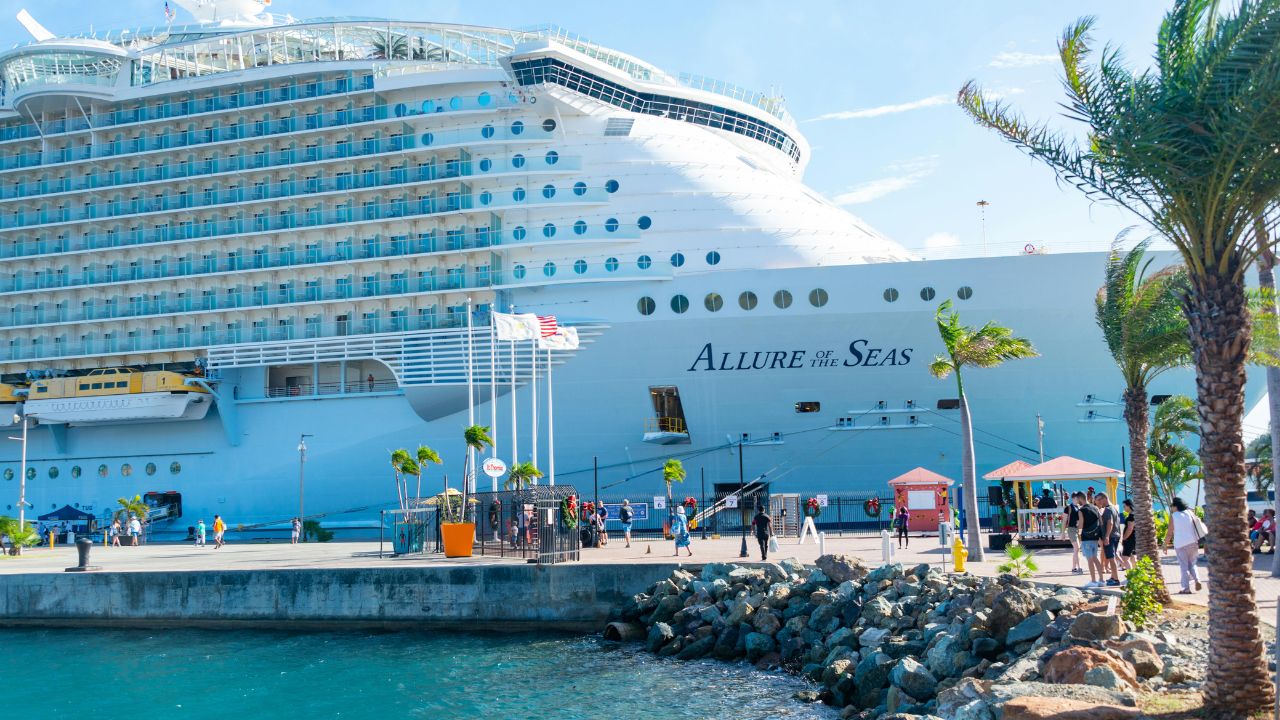
Eastern Caribbean cruises operate mainly between June and October, when storm activity peaks. In 2024 alone, cruise lines rerouted or skipped ports on 22% of hurricane-season sailings. Ports like St. Thomas and Antigua may close with less than 72 hours’ notice, forcing itinerary changes. Flexible cruise fares allow rebooking or future cruise credits worth 100% of fare value. Weather disruptions rarely cancel entire sailings, but port substitutions are common. Travelers flying to embarkation ports also face delays, making refundable airfare critical. Flexibility ensures financial protection while still enjoying onboard experiences despite unpredictable storm tracks.
2. The Bahamas
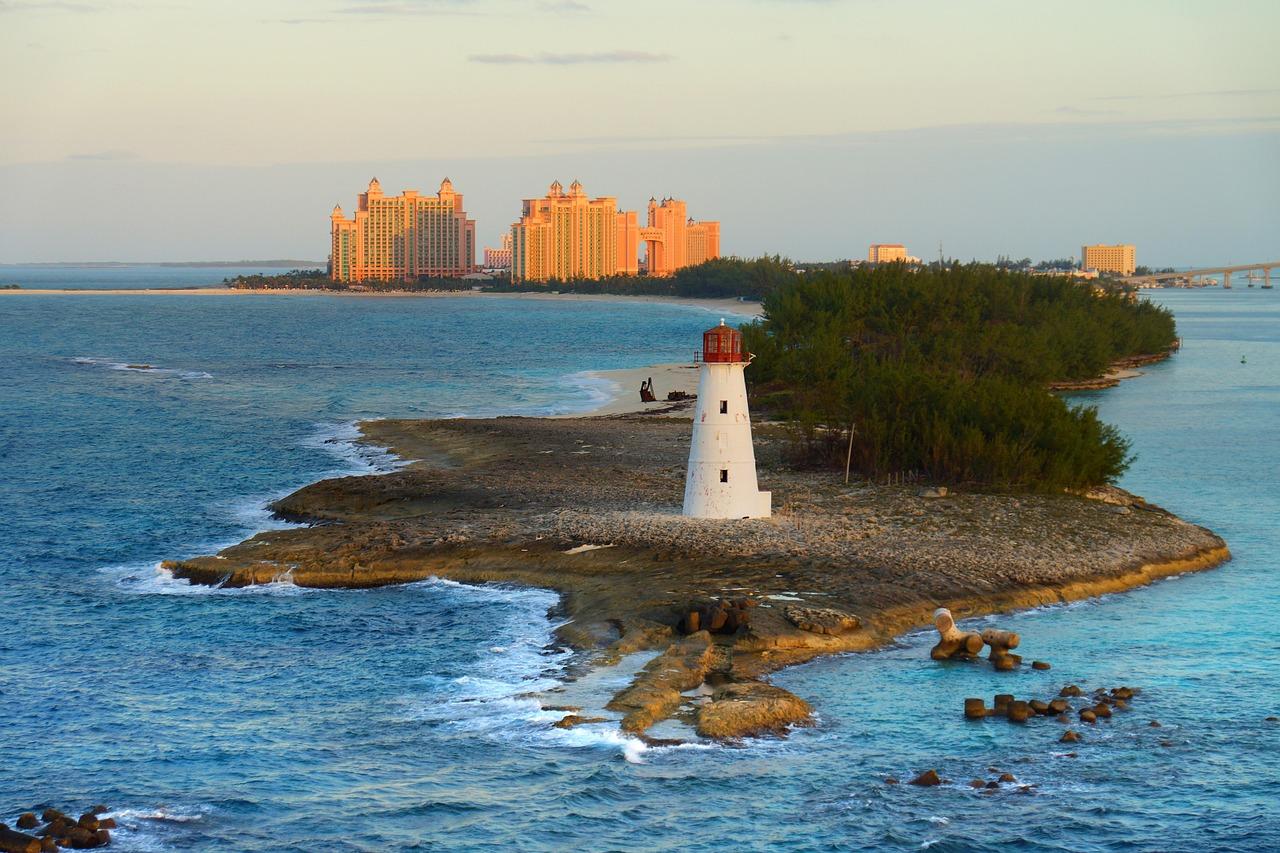
The Bahamas sit directly in the Atlantic hurricane corridor and experience tropical systems on average once every 2.3 years. Between August and October, rainfall increases by 35%, and flight delays rise sharply. Major airports like Nassau handled over 18,000 weather-related delays in recent peak seasons. Hotels may close temporarily during storm warnings, even without direct impact. Flexible reservations allow date changes without penalty, which is vital when storm paths shift days before arrival. While most storms pass quickly, booking rigid packages can turn short disruptions into total losses, making flexibility essential here.
3. Jamaica
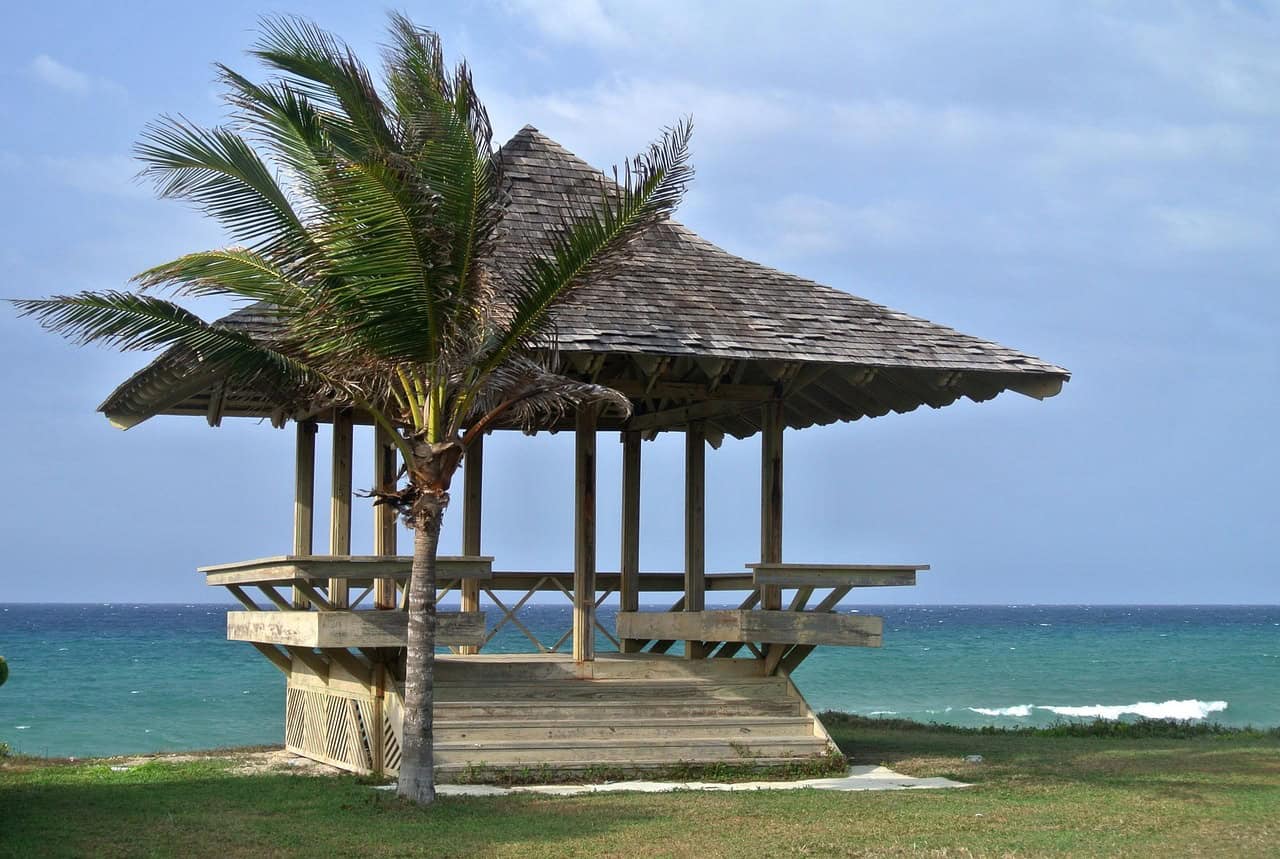
Jamaica experiences fewer direct hurricane hits than northern Caribbean islands, averaging one major storm every 5–6 years, but flight disruptions remain common. During hurricane season, 27% of arrivals face weather delays exceeding three hours. Montego Bay and Kingston airports often halt operations preemptively. Resorts usually remain open but may suspend activities for 24–48 hours. Flexible bookings allow travelers to shift dates around storms while still enjoying lower seasonal rates, which drop by 20–30%. Without refundable options, even short-term airport closures can result in missed nights and lost excursion costs.
4. Florida Gulf Coast
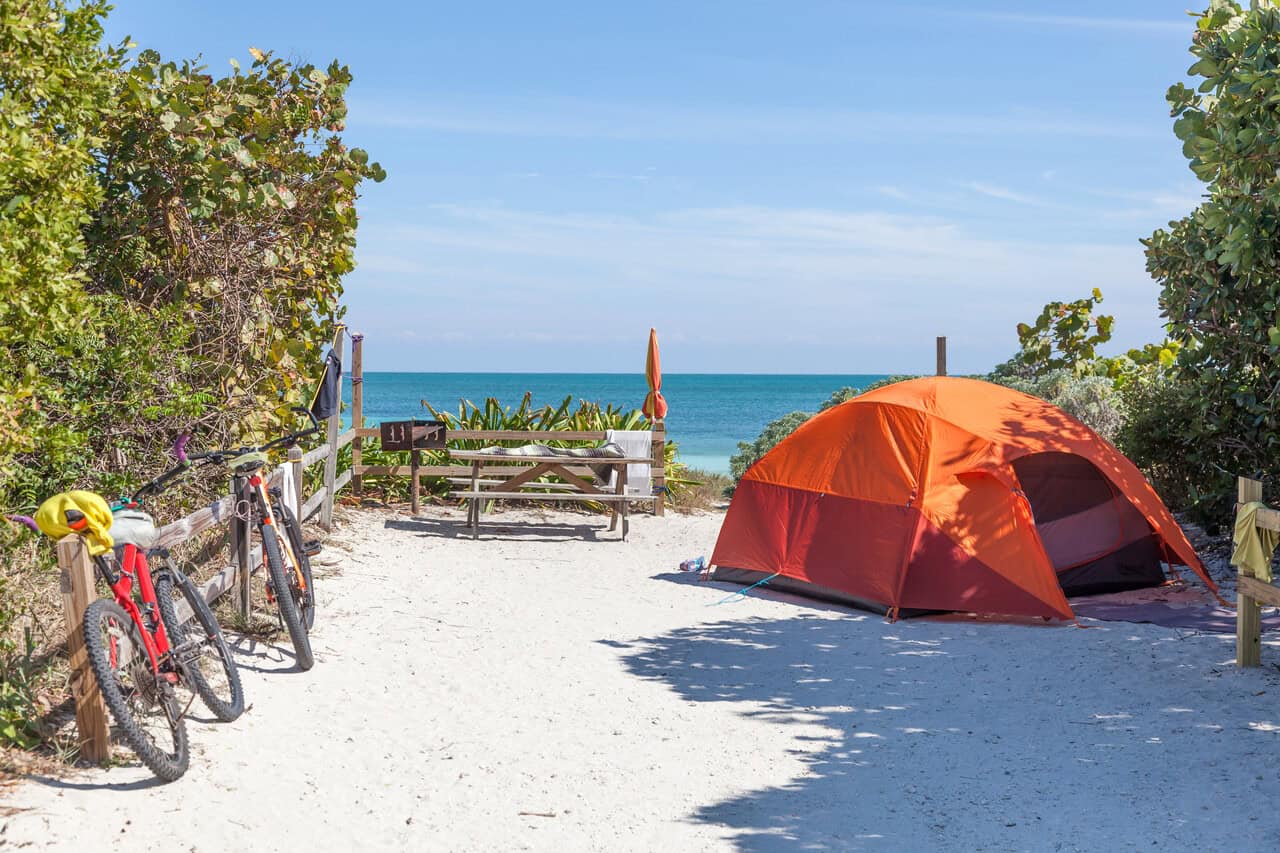
Florida’s Gulf Coast sees some of the highest hurricane exposure in the U.S., with 40% of landfalls affecting this region. Cities like Tampa, Naples, and Fort Myers see mandatory evacuations during severe storms, sometimes issued 48 hours before landfall. In 2022–2024, over 1.2 million hotel nights were canceled due to hurricane warnings. Flexible hotel and flight bookings are critical, as road closures and airport shutdowns can last days. Even storms that weaken before landfall can disrupt travel logistics, making refundable arrangements essential for coastal Florida trips.
5. Cancun and Riviera Maya
Mexico’s Caribbean coast experiences tropical storms almost every season, with September alone accounting for 34% of annual storm activity. Cancun International Airport handles over 500 daily flights, and even mild storms can delay operations. Resorts often remain structurally safe but may close beaches and tours for 1–3 days. Flexible bookings allow travelers to reschedule without losing prepaid resort fees, which can exceed $300 per night. While hurricanes rarely make direct hits here, frequent tropical depressions make rigid travel plans risky during peak storm months.
6. Puerto Rico
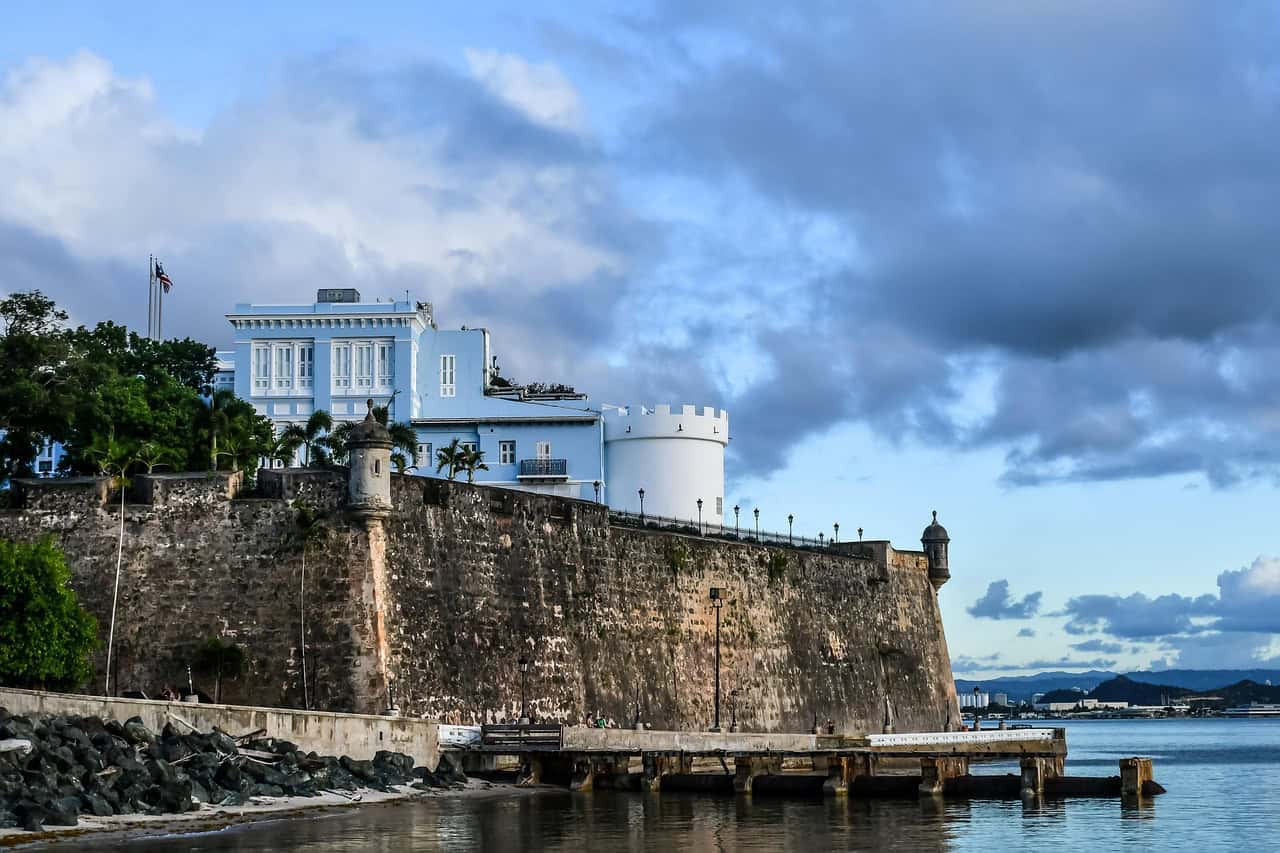
Puerto Rico lies directly in the main Atlantic storm path and averages one hurricane impact every 4 years. In recent seasons, flight cancellations increased by 31% between August and October. San Juan’s airport often suspends operations ahead of storms, affecting both arrivals and departures. Hotels may enforce evacuation protocols in flood-prone zones. Flexible bookings help travelers avoid losses during weather alerts that may only last 24–72 hours. With tourism contributing 7% of the island’s GDP, accommodations fill quickly after disruptions, making rebooking flexibility especially valuable.
7. Turks and Caicos
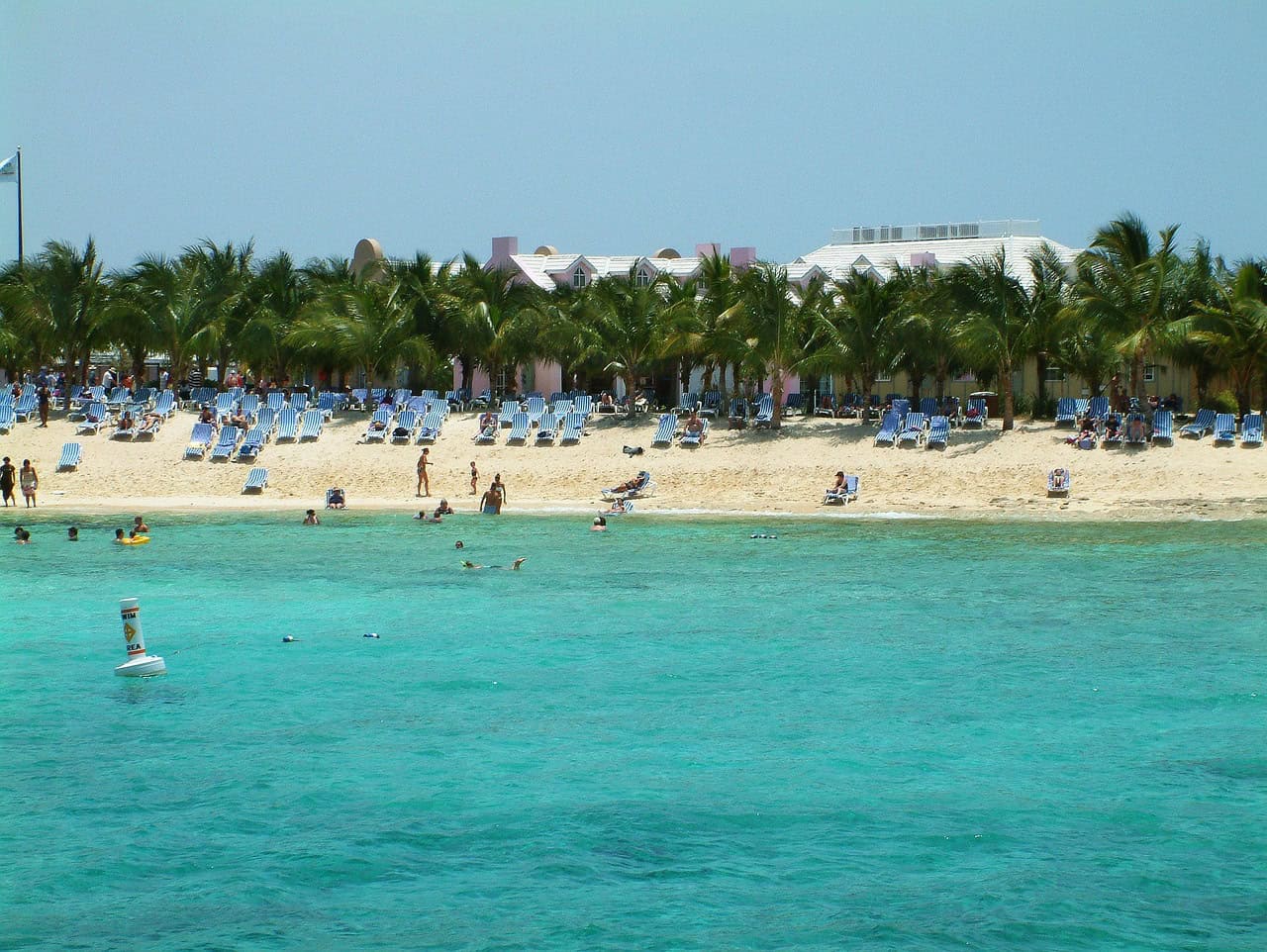
Turks and Caicos experience fewer storms but higher disruption risk due to limited infrastructure. With only one major international airport, even minor weather events can halt arrivals entirely. Between 2020 and 2024, 19% of peak-season flights were delayed or canceled during storm alerts. Resorts are premium-priced, often exceeding $450 per night, making non-refundable bookings risky. Flexible reservations allow travelers to shift dates or destinations when storms threaten. Although storms may pass without damage, logistical bottlenecks make flexibility crucial for protecting high travel costs.
8. Dominican Republic
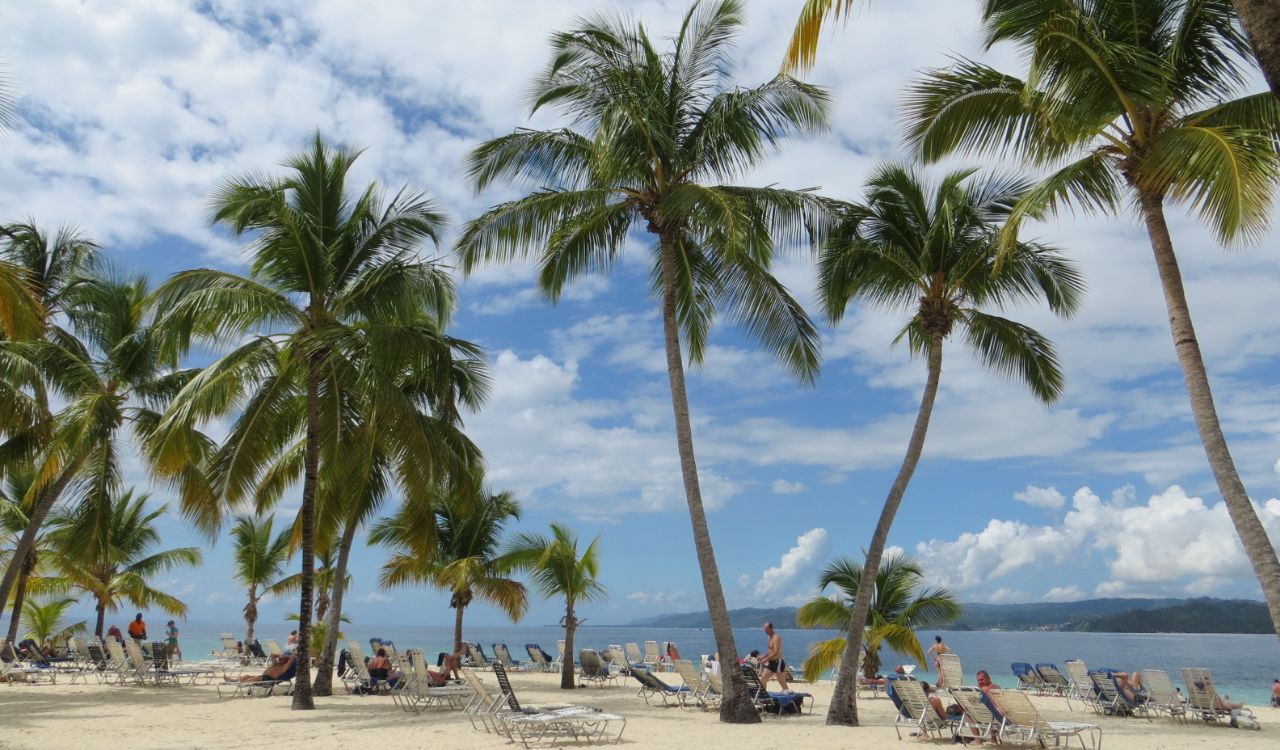
The Dominican Republic sees consistent tourism year-round, but hurricane season still brings challenges. The country averages one tropical system every 3–4 years, with September rainfall rising by 40%. Airports in Punta Cana and Santo Domingo may experience rolling delays rather than full closures. Resorts often stay open but suspend excursions and water activities. Flexible bookings allow travelers to reschedule around weather windows without forfeiting prepaid packages, which average $1,200 per stay. Without flexibility, short-term disruptions can significantly reduce trip value.
9. U.S. East Coast Beach Towns
Destinations like the Outer Banks, Myrtle Beach, and Charleston are highly seasonal and vulnerable. Nearly 60% of hurricane warnings affecting these areas occur between August and October. Bridge closures, airport shutdowns, and evacuation orders can happen with 36–48 hours’ notice. Vacation rentals often require week-long stays, making cancellations costly. Flexible policies protect travelers from losing deposits averaging $1,500 per rental. Even glancing storms can cause erosion and flooding, disrupting beach access for days, making rigid bookings especially risky.
10. Cuba
Cuba experiences hurricane impacts more frequently than many Caribbean nations, averaging one direct hit every 2 years. Havana and Varadero are particularly exposed. Flight suspensions are common, with 30% of seasonal flights affected during severe alerts. Hotels may close temporarily due to power or water disruptions. Flexible bookings are essential because travel restrictions, airport closures, and rebookings can change rapidly. With limited alternative routes and infrastructure, flexibility ensures travelers aren’t stranded or financially penalized when storms approach or recovery timelines extend unexpectedly.
11. Belize
Belize’s Caribbean coast is smaller but highly vulnerable, especially between August and October, when 70% of annual storms pass nearby. Philip S. W. Goldson International Airport has limited capacity, so cancellations create cascading delays. Island destinations like Ambergris Caye may suspend ferry service entirely. Flexible bookings allow travelers to shift inland or delay arrivals without losing prepaid lodging, which averages $250 per night. While major hurricanes are rare, tropical storms frequently disrupt transport, making adaptability crucial during hurricane season travel.
12. Coastal Costa Rica (Caribbean Side)
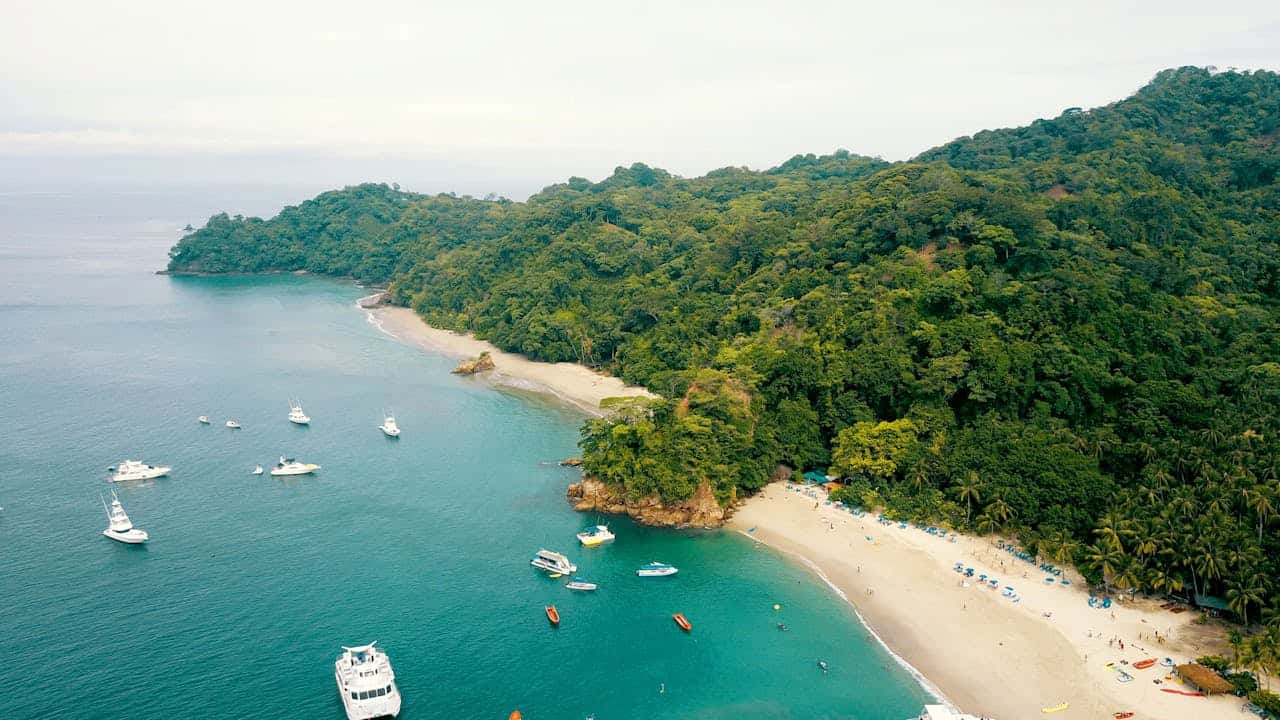
Costa Rica’s Caribbean coast experiences its rainiest months during Atlantic hurricane season, with rainfall increasing by 45% between September and November. While direct hurricanes are uncommon, storms often cause flooding and road closures. Flights to Limon are canceled more frequently, and tours may be suspended for safety. Flexible bookings help travelers adjust itineraries or switch to the Pacific coast, where conditions differ. Adventure tours average $120–$180 per activity, making refunds important when weather halts excursions unexpectedly during peak storm periods.