We may earn money or products from the companies mentioned in this post. This means if you click on the link and purchase the item, I will receive a small commission at no extra cost to you ... you're just helping re-supply our family's travel fund.

Hotels today handle millions of guests annually, yet scams remain surprisingly common, affecting an estimated 18–22% of travelers worldwide according to industry watchdogs. Many of these tricks persist because they exploit tiredness, urgency, and trust in the hotel environment. From fake room-service menus to deceptive billing tactics, these schemes often look harmless until personal or financial information is already exposed. Understanding how they work not only protects your wallet but also ensures safer, smoother trips across the thousands of hotels we stay in each year.
1. Fake Front Desk Verification Calls
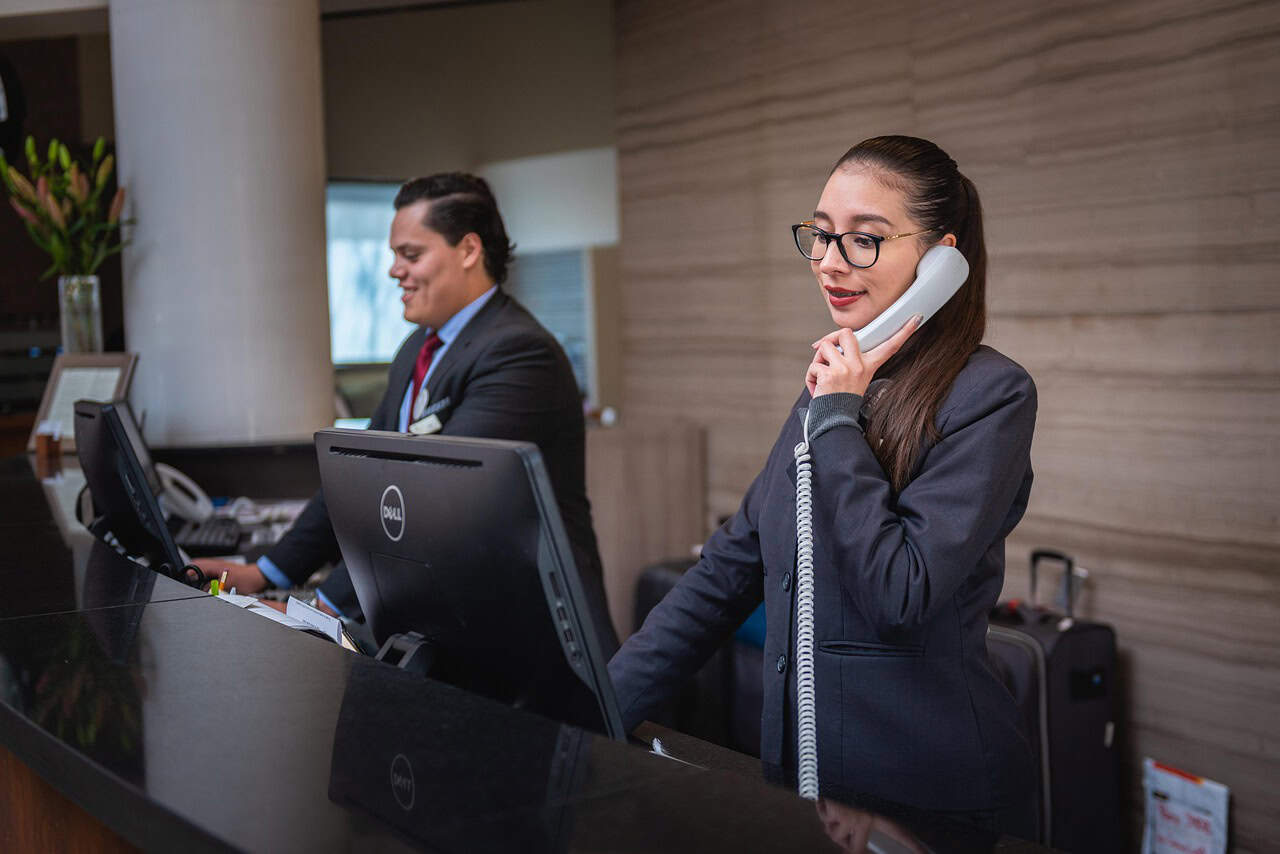
Scammers often target guests late at night, with over 40% of reports occurring between 11 p.m. and 3 a.m., when travelers are tired and less alert. They claim the hotel needs to “reconfirm” a credit card due to a system error and request the full number, expiry, and CVV. Because roughly 7 out of 10 hotels route external calls directly to rooms, the scam feels convincingly real. The best defense is to hang up, walk to the lobby, and confirm in person, since legitimate staff rarely request sensitive details by phone.
2. Fake Pizza Delivery Flyers Under Doors
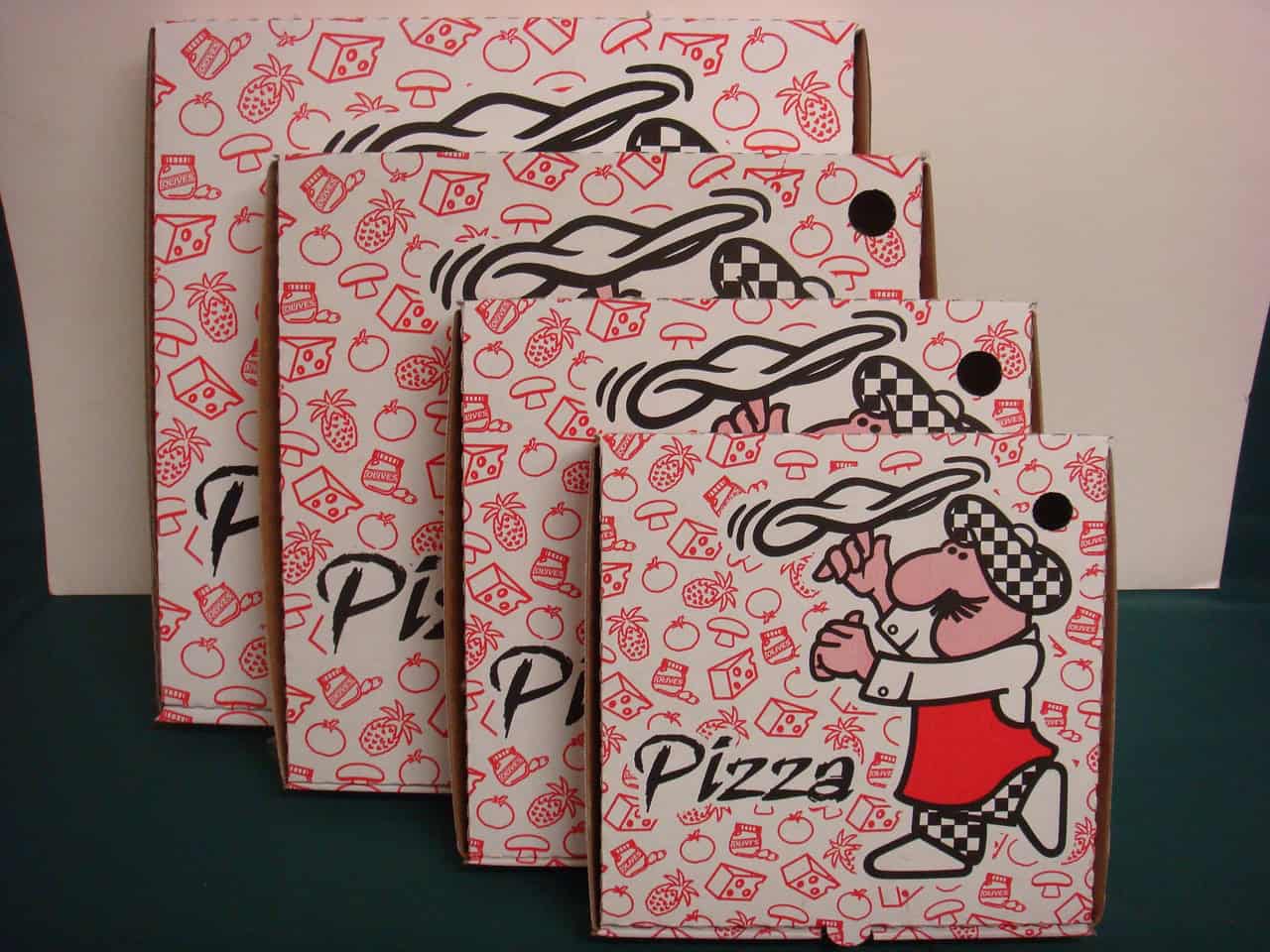
This long-running trick appears in cities that host more than 20 million tourists yearly, where outsiders blend easily. Scammers slip menus under hotel doors, offering unrealistically cheap meal deals like “two pizzas for $9.” When guests call, they’re asked to give card details for “pre-payment,” which is then used for fraudulent charges averaging $80–$140within hours. The scam works because hungry travelers want convenience. Always confirm any delivery partner with the front desk or use trusted food-delivery apps.
3. Rogue Wi-Fi Networks Mimicking Hotel Hotspots
Cyber-security audits show that 1 in 6 hotels in busy urban areas have at least one rogue network nearby using names like “HotelGuest_Free” or “LobbyNet_5G.” Once a traveler connects, hackers can intercept data packets and steal passwords or payment details within seconds. The risk increases when guests perform online check-ins or banking. Always ask the front desk for the exact network name and avoid logging in to financial apps on public Wi-Fi unless a VPN is enabled, greatly reducing interception attempts.
4. Fake Booking Websites and Duplicate Listings

Travel analysts estimate that around 15% of hotel searches lead to spoofed pages designed to mirror real booking platforms. These sites lure victims with discounts as high as 35% off standard rates and require full prepayment. Once paid, customers receive invalid confirmation numbers or arrive to discover no reservation exists. With more than 500,000hotels globally, subtle misspellings often go unnoticed. Always verify the URL and compare it directly to the official hotel website before entering card details.
5. Duplicate Room-Charge or “Shadow Billing” Fees
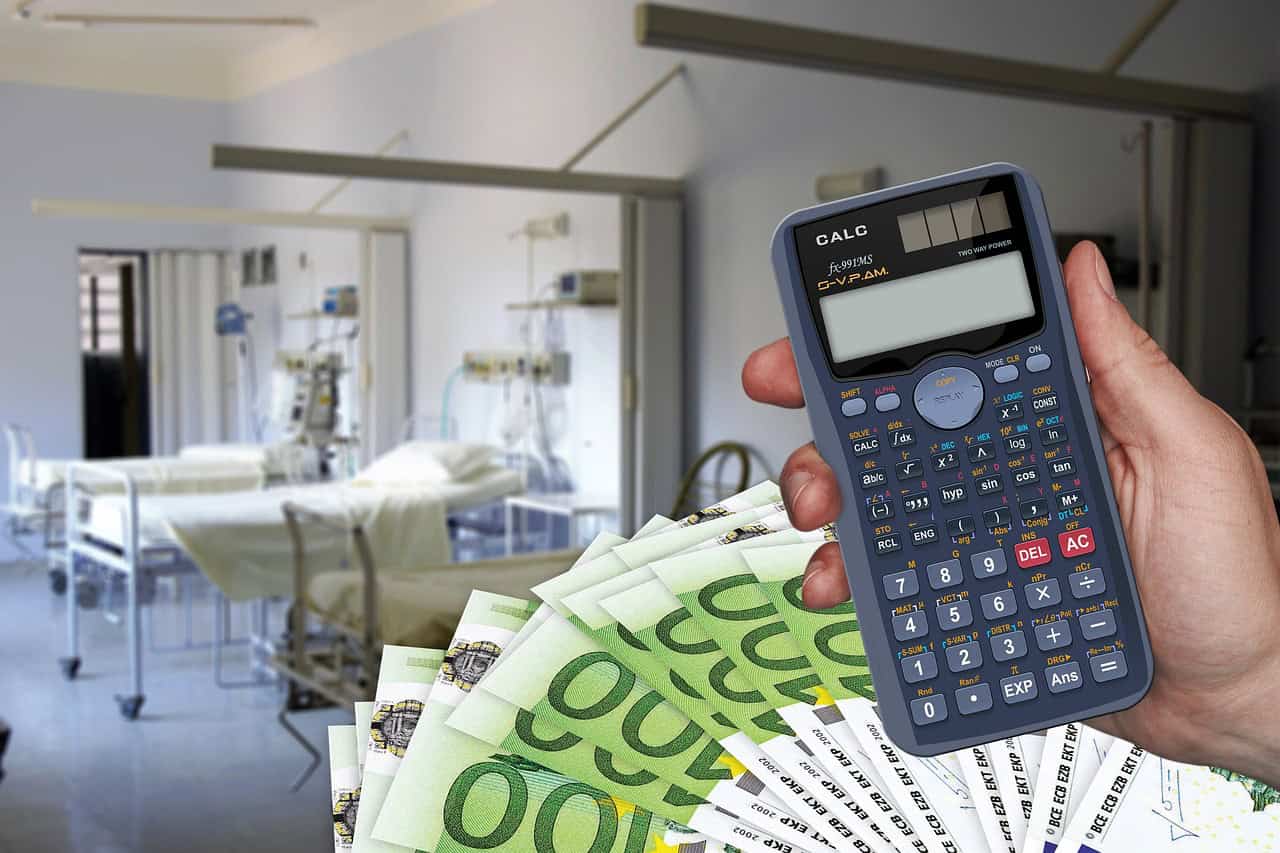
About 8–10% of travelers report unfamiliar charges on checkout bills, often added as “service adjustments,” minibar reopenings, or duplicated transactions. In some cases, automated systems mistakenly generate a second charge within 24–48 hours after checkout. Because many people are rushing to the airport, these fees go unnoticed. Reviewing the final folio line by line and requesting printed documentation prevents accidental or intentional overbilling, especially in resorts that handle thousands of transactions daily.
6. Housekeeping or Maintenance Impersonators

Hotels with more than 300 rooms often have rotating staff, making it easier for impostors to blend in. Scammers knock under the pretense of checking smoke alarms or repairing AC units, gaining quick access to valuables. Theft incidents typically last under 90 seconds, and reports show that 30% of guests don’t use room safes. Always call the front desk to verify unexpected staff visits and never allow workers in unless you initiated the request or confirmed their identity.
7. Fake Lost-Item Recovery Fees

This scam usually targets travelers who attended events or moved between multiple hotels. Scammers claim they found a bag, watch, or document folder and offer to ship it for a “small processing fee” of $20–$60. Because roughly 12% of guests lose items during trips, the story sounds believable. Victims pay the fee, but no item ever arrives. Only trust official hotel communication channels and insist on photo verification and direct billing before agreeing to any shipping charges.
8. Overpriced Taxi or Airport Transfer Scams
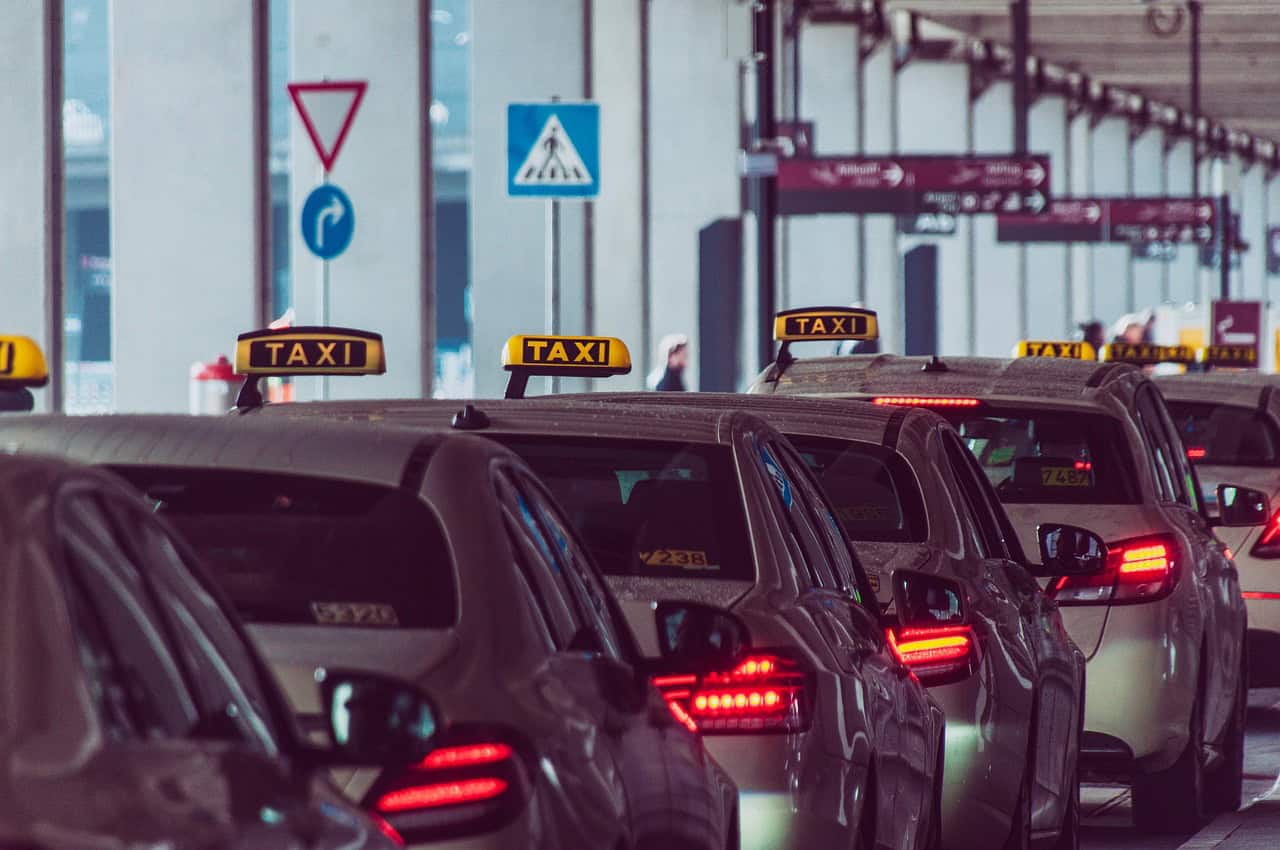
Hotels in high-traffic destinations often receive hundreds of transport requests daily, and scammers pose as “hotel-approved drivers” in lobbies or parking areas. They quote inflated prices, sometimes double the standard rate, turning a $25 ride into $50 or more. Reports show that 1 in 5 business travelers fall for this scheme during peak hours. Always book transportation directly through the desk or ride-share apps where the fare is predetermined and traceable.
9. Room-Switch or “Upgrade Trap” Scams

Busy properties sometimes claim your room category is “unavailable,” only to offer an unnecessary upgrade costing an extra $30–$80 per night. In reality, your booked room may still be free; the tactic aims to upsell without consent. This happens most often in resorts with occupancy above 85%, where confusion is easier to exploit. Politely insist on the original room type or request written confirmation before agreeing to any change to avoid inflated charges.
10. Fake Travel Agent Calls After Check-In

Guests who recently arrived are often contacted by scammers posing as third-party agents claiming there’s an “urgent issue” with the reservation. They request immediate verification of identity details or additional payment averaging $50–$150. Because more than 65% of travelers book through online agents or comparison sites, these calls sound plausible. Real agents never contact hotel rooms directly. Hang up and verify through the platform’s official customer service instead.
11. Mini-Bar Sensor Mischarges and Auto-Trigger Fees
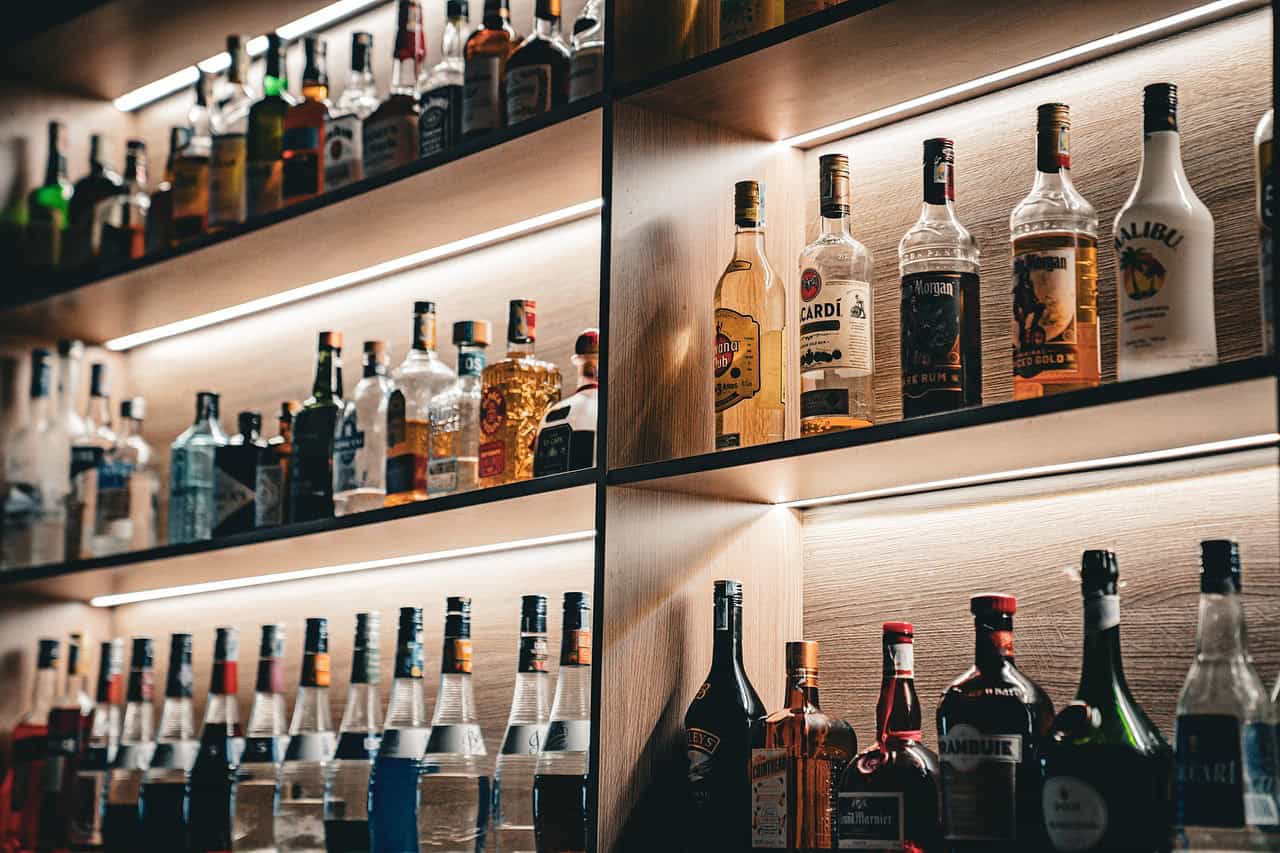
Modern minibars often use sensors that detect movement rather than consumption. In hotels with fully automated systems, even lifting an item for 3–5 seconds triggers a charge. Audits show that 11–14% of guests are billed for items they never consumed. These charges often fall between $6–$25 per item. The safest approach is to avoid touching minibar products unless you intend to use them and always request an itemized minibar report during checkout.
12. Fake Maintenance Hotlines Posing as Hotel Helpdesks
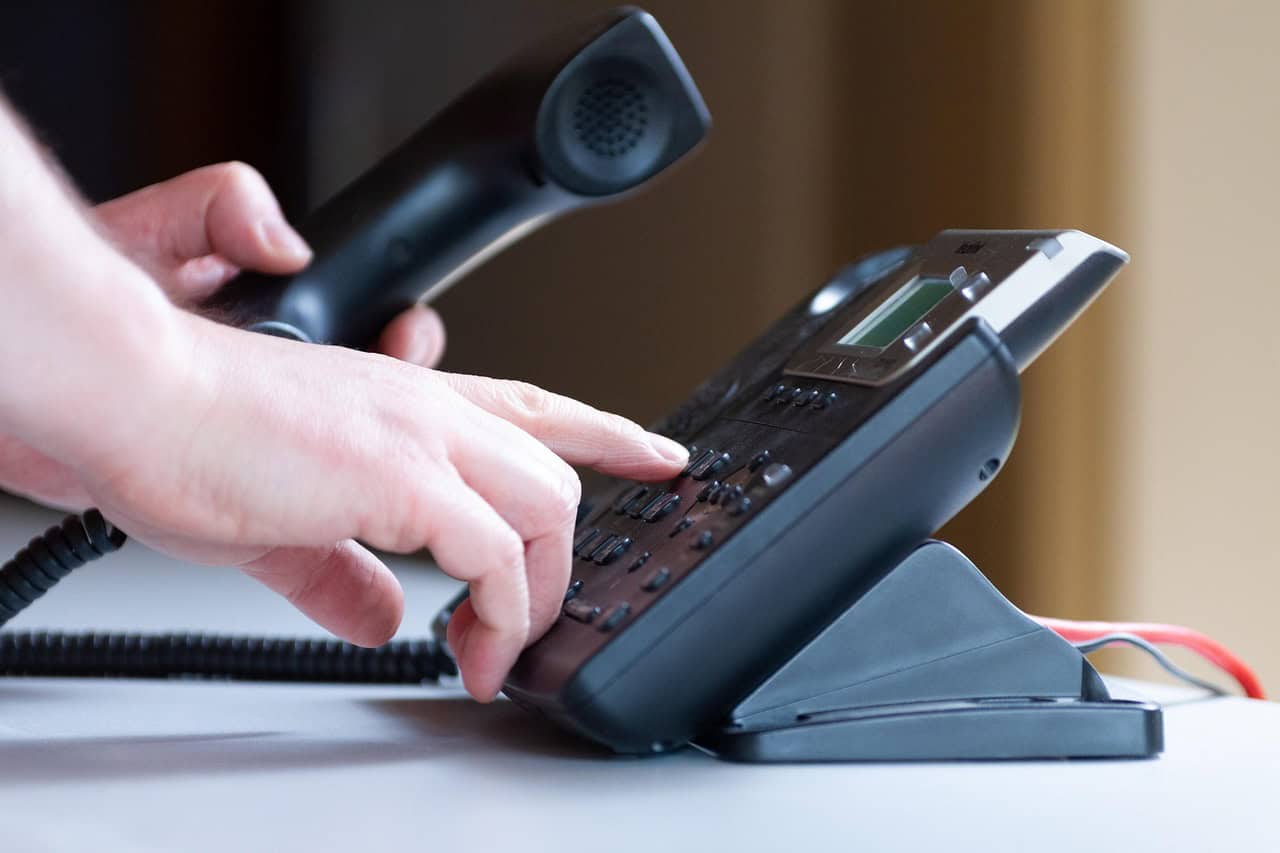
Some scammers slip cards under doors listing “direct helpdesk numbers,” claiming they resolve AC, Wi-Fi, or payment issues faster than the front desk. When guests call, they are asked for room numbers, personal details, and sometimes credit-card verification “to confirm identity.” Average losses per incident range from $70–$200. Always use the official phone buttons on the room telephone or call the main desk using the number displayed on official signage, not random cards.