We may earn money or products from the companies mentioned in this post. This means if you click on the link and purchase the item, I will receive a small commission at no extra cost to you ... you're just helping re-supply our family's travel fund.
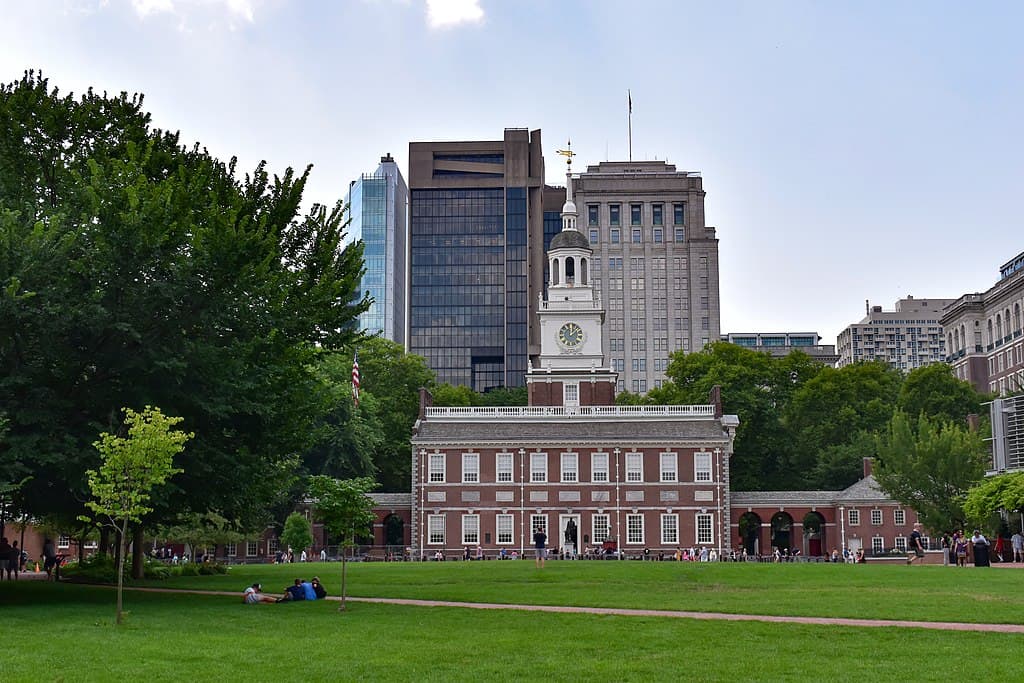
As the United States approaches its 250th anniversary in 2026, several historic sites are temporarily closing for long-planned restoration. These shutdowns are meant to preserve aging structures, improve safety, and update visitor facilities before the expected surge of more than 35 million heritage tourists. Below are twelve of the most notable sites undergoing repairs as the nation prepares for its Semiquincentennial.
1. Independence Hall : Pennsylvania
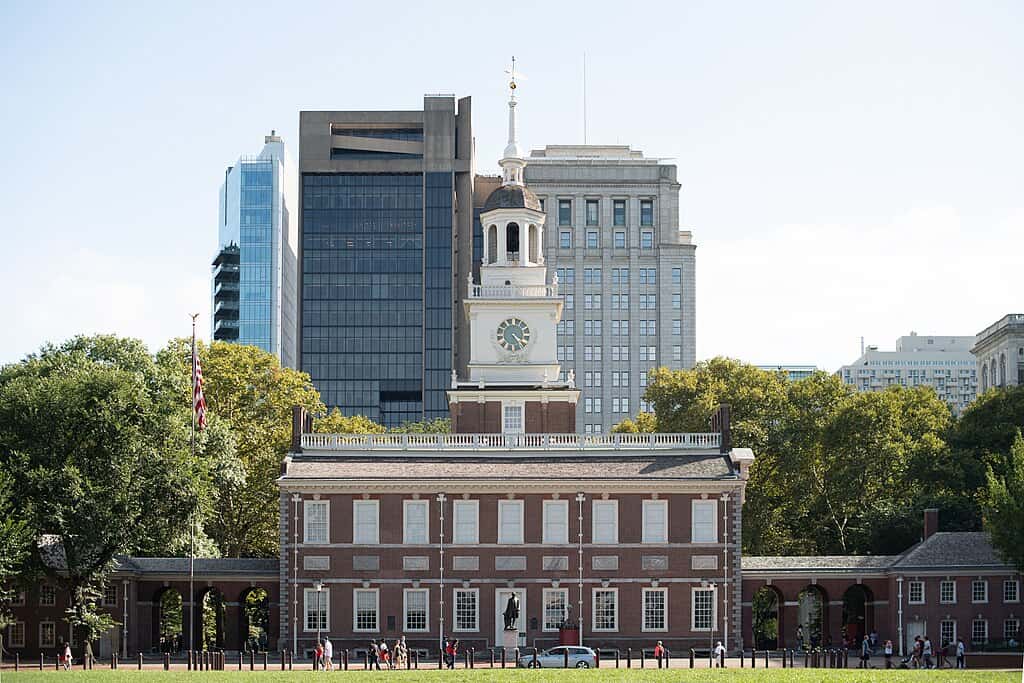
Independence Hall is closing for structural stabilization after engineers flagged stress wear in beams dating back to 1753. The project involves restoring nearly 4,200 square feet of interior woodwork, reinforcing masonry, and upgrading its outdated HVAC system to handle higher visitor flow. The hall will reopen just before July 2026, aiming to accommodate an anticipated 20% increase in annual foot traffic once festivities begin.
2. Old North Church : Massachusetts
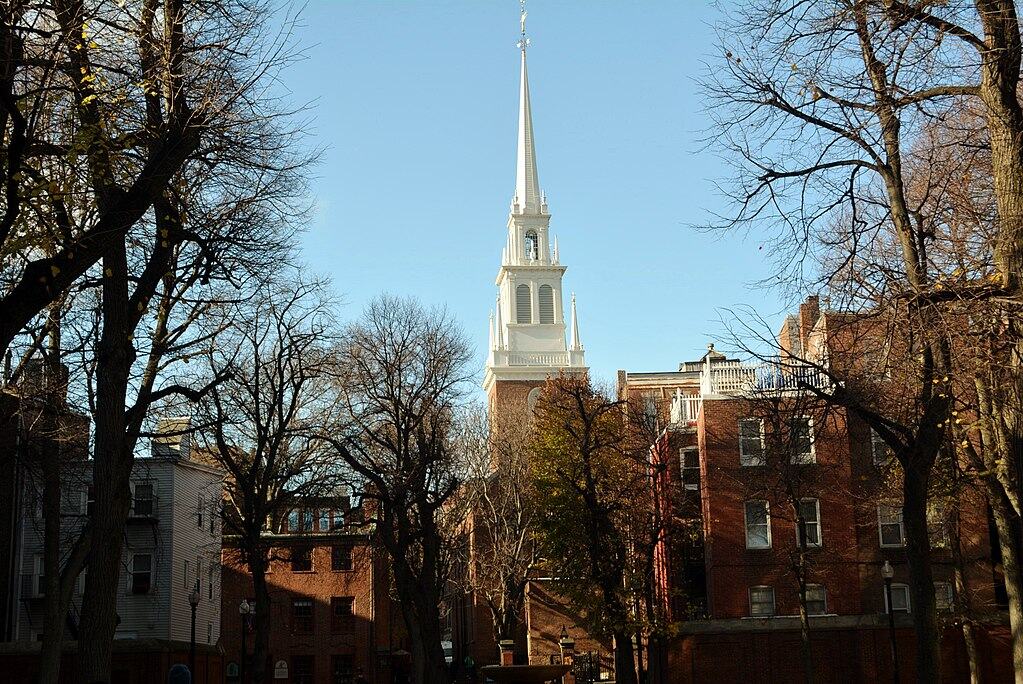
Boston’s Old North Church will undergo flooring replacement and tower reinforcement, as surveys showed nearly 18% moisture intrusion affecting its original timber supports. The site will also receive new fire-suppression systems and improved accessibility ramps spanning 40 linear feet along its entrance. The repairs address decades of delayed maintenance, ensuring the landmark can safely welcome tens of thousands of Semiquincentennial visitors.
3. Fort McHenry : Maryland
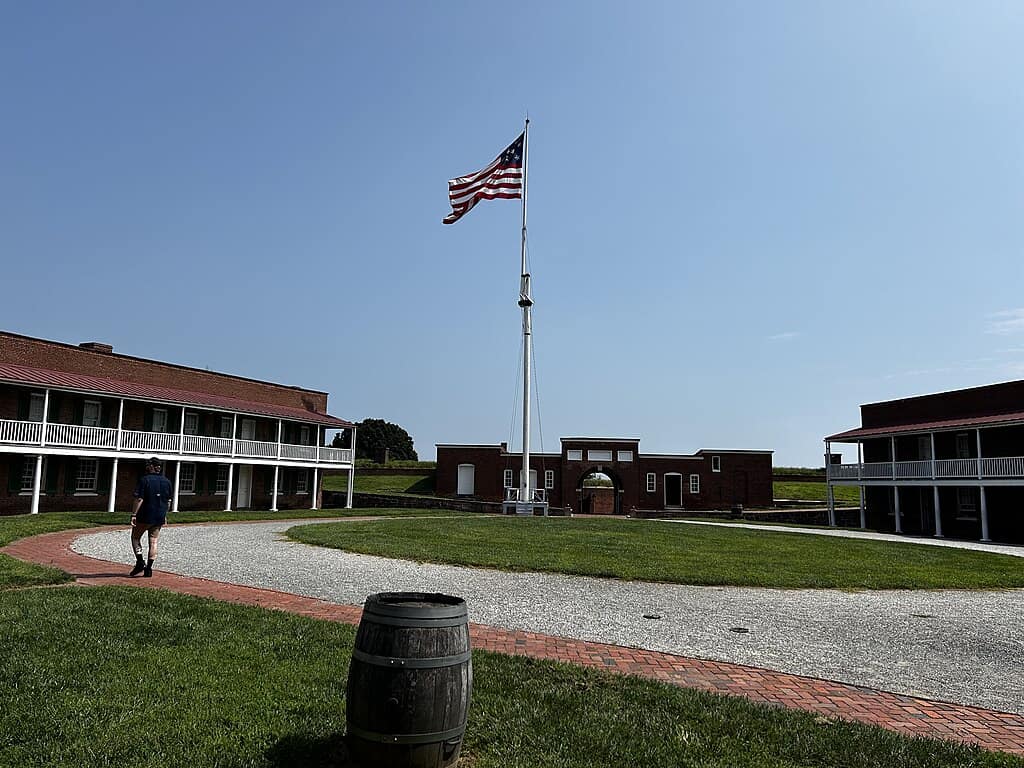
Fort McHenry is temporarily closing portions of its star-shaped bastion for repair work on eroding brick walls that have lost nearly 12% of structural integrity since the last assessment. Workers will regrade 2.3 acres of surrounding terrain to redirect stormwater and preserve the fort’s foundation. Interpretive exhibits are also being updated with new digital installations expected to draw 1.2 million visitors in 2026.
4. Colonial Williamsburg Capitol : Virginia
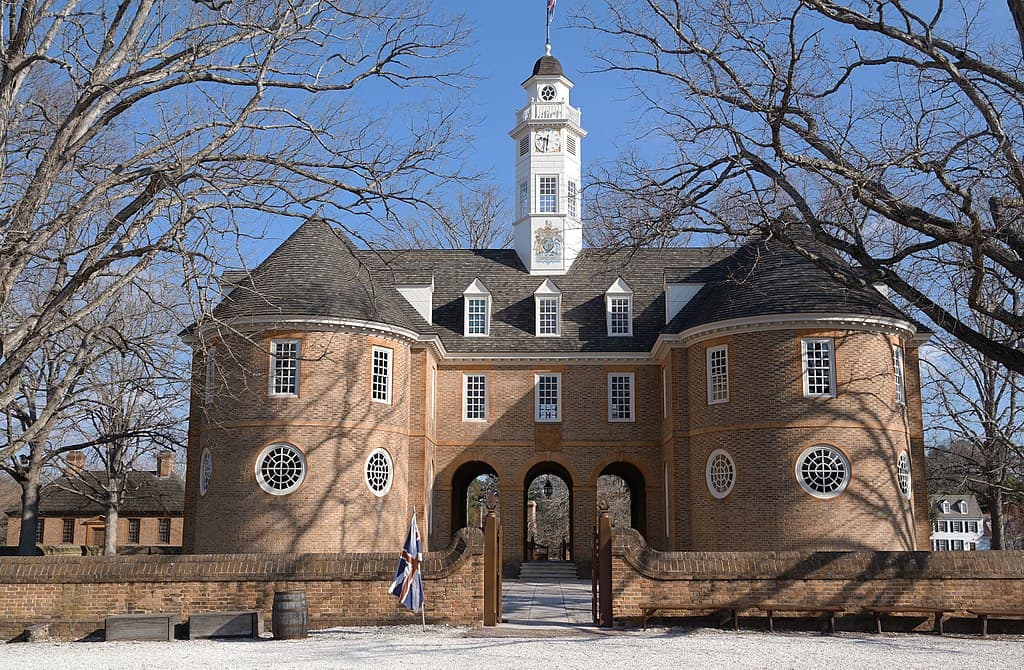
The Capitol building in Colonial Williamsburg is shutting its interior chambers while conservationists restore 11 original period rooms. The project focuses on stabilizing plaster that has deteriorated by 15–20%, replacing outdated wiring, and adding discreet climate controls. Nearly $14 million has been allocated to ensure the building meets modern codes while keeping the authentic 1700s atmosphere intact for the Semiquincentennial year.
5. Alcatraz Cellhouse : California
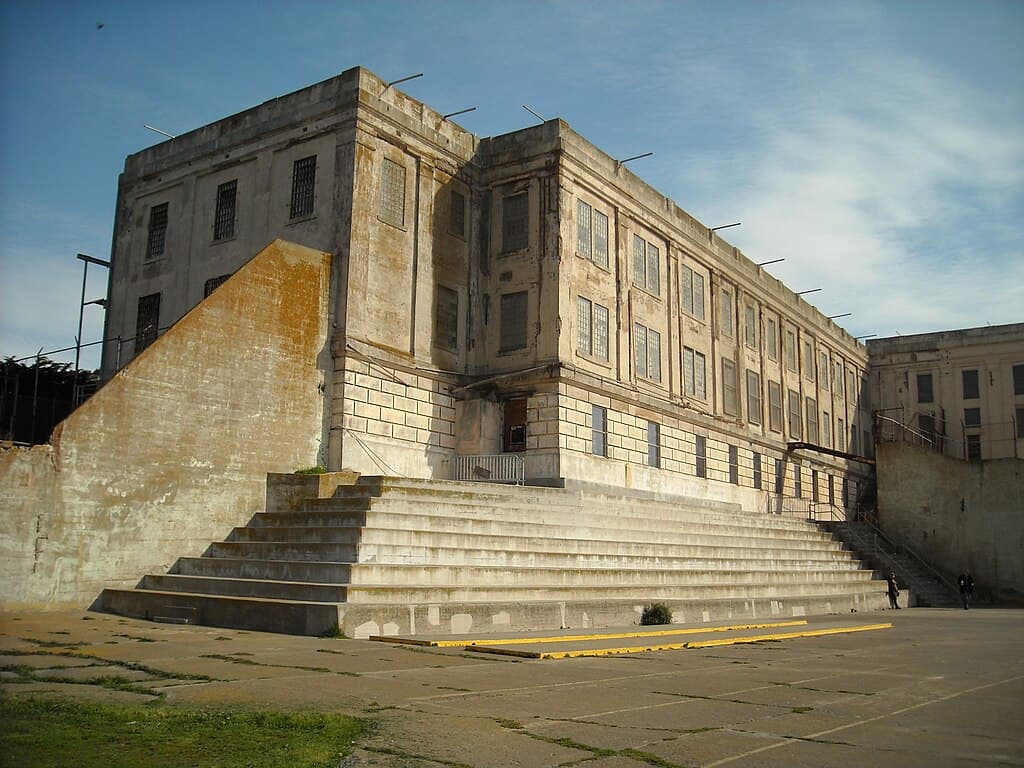
Alcatraz will close its main cellhouse for seismic upgrades after a recent inspection showed the structure could experience up to 40% higher stress loads during a major quake. Crews will anchor steel reinforcements into 600 linear feet of corridors and repair salt-damaged concrete caused by decades of marine exposure. The closure aims to protect the site before 2026, when attendance may rise above 2 million annual visitors.
6. Ellis Island Main Building : New York/New Jersey

Ellis Island’s main immigration hall is pausing tours as workers replace its aging roof tiles, nearly 30,000 units first installed during the 1980s restoration, and treat corrosion on its iconic steel framing. New humidity controls will protect its archive of 1.7 million immigrant records. The repair schedule is timed to ensure the building can display expanded Semiquincentennial exhibits highlighting arrival stories.
7. Castillo de San Marcos : Florida
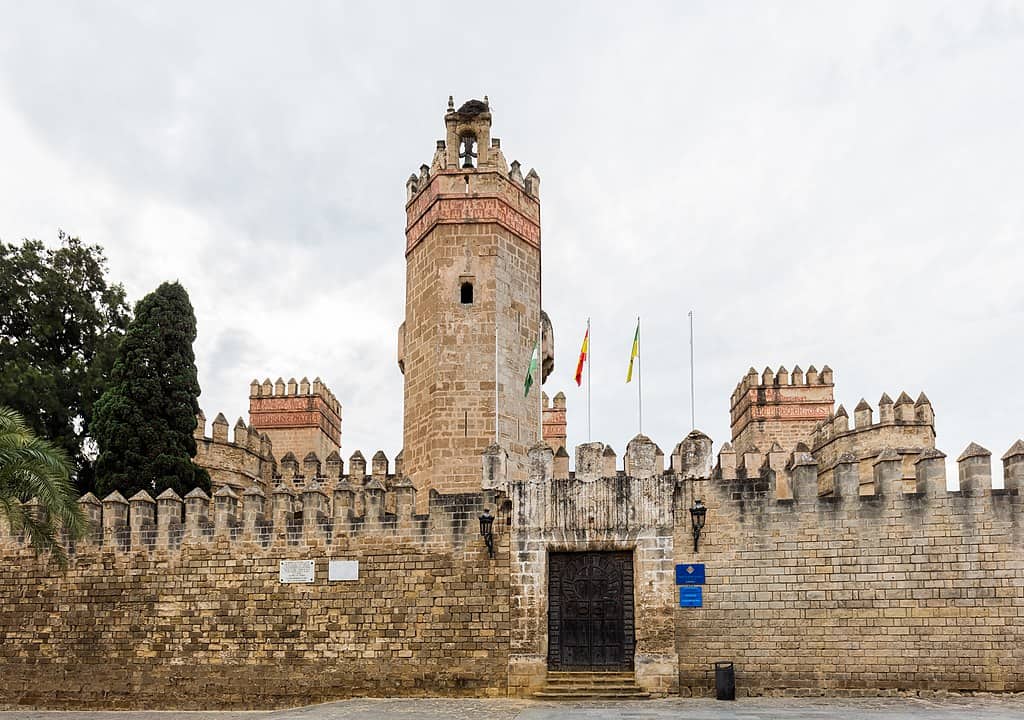
Castillo de San Marcos will temporarily close its upper levels while experts repack over 9,000 coquina blocks that have shifted due to coastal erosion. Engineers will also install barriers designed to reduce water intrusion during storm surges predicted to rise 8–12 inches this decade. The renovation ensures the oldest masonry fort in the U.S. remains structurally sound for upcoming historical commemorations.
8. The Hermitage : Tennessee
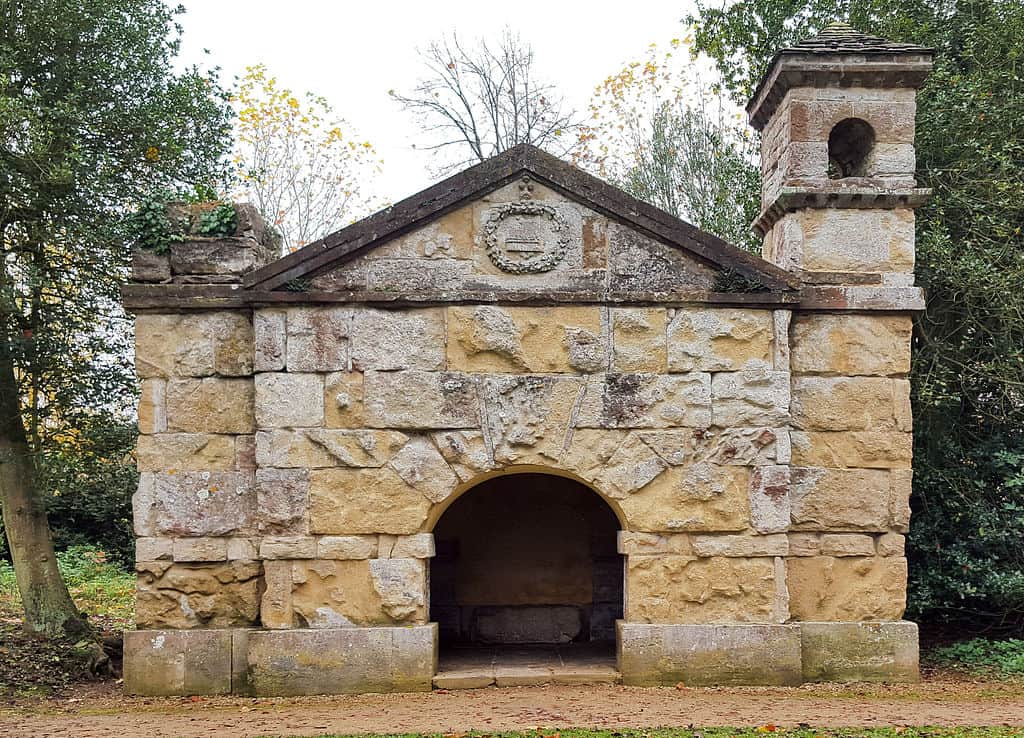
The Hermitage is sealing off its mansion interior to restore its original 1830s wallpaper fragments and stabilize wooden joists that have sagged by nearly 1.5 inches over time. A new climate-regulated storage wing of 4,500 square feet will protect thousands of artifacts during construction. The estate anticipates a 25% jump in visitors during the Semiquincentennial, prompting this early preservation effort.
9. Mission San Juan Capistrano : California
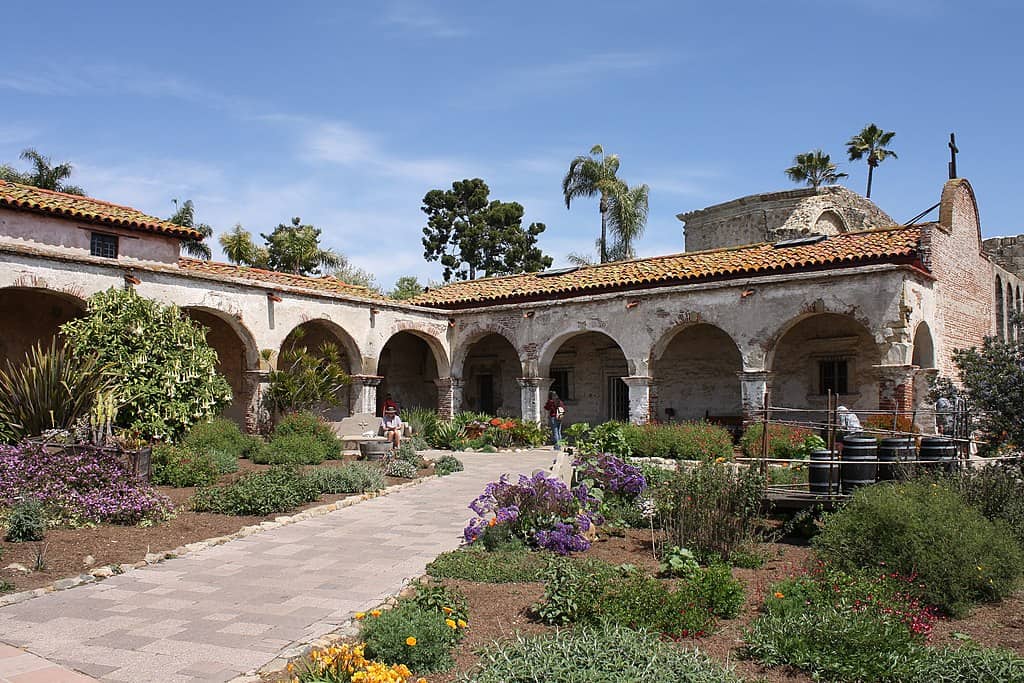
Mission San Juan Capistrano is closing its iconic Great Stone Church ruins while crews secure fractured stone sections that have widened by 6 millimeters over the past year. The mission is also upgrading walkways across 2.1 acres to improve accessibility and safety. With cultural tourism expected to exceed 1 million visitors in 2026, the mission’s preservation work is considered crucial for crowd management.
10. Fort Ticonderoga : New York
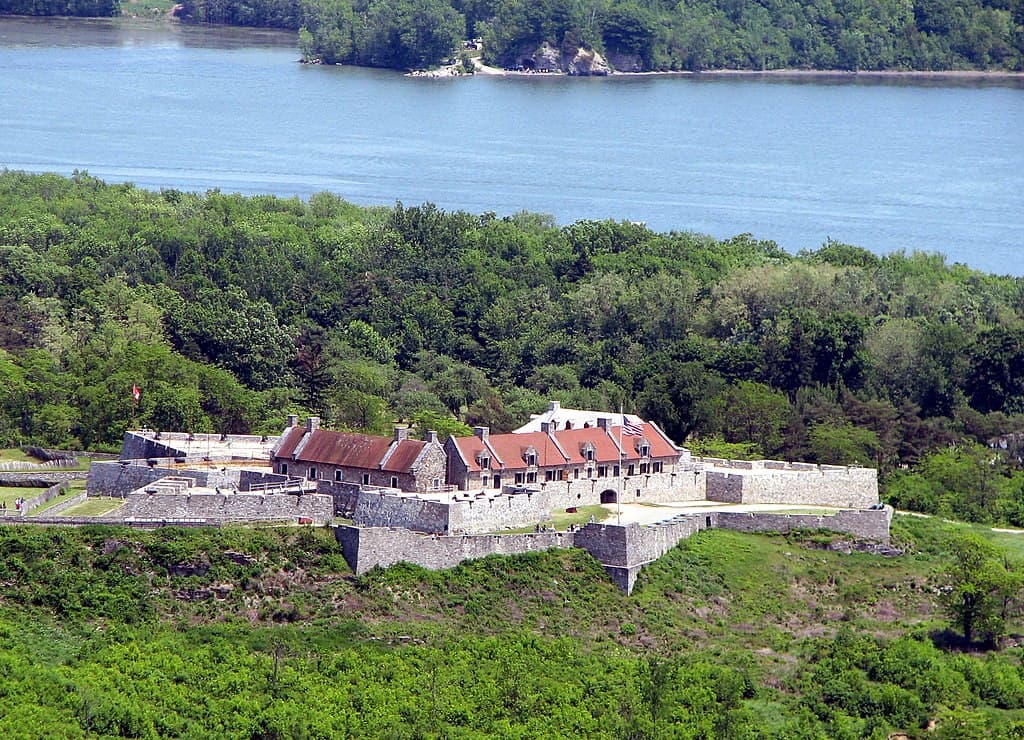
Fort Ticonderoga will suspend interior tours to replace timber structures weakened by nearly 28% wood decay in key support beams. Restoration teams will also restore five artillery platforms and regrade slopes susceptible to runoff damage. Investment in the multimillion-dollar project aims to prepare the fort for a significant surge in visitors as Revolutionary War interest peaks during the Semiquincentennial year.
11. Mount Vernon Wharf & Visitor Docks : Virginia

Mount Vernon’s historic wharf and docks are closing for reinforcement after riverbed surveys revealed 22% scouring beneath the pilings. Workers will rebuild 120 linear feet of waterfront decking and install new safety barriers for arriving boat tours. These improvements will help accommodate increased river traffic in 2026, when special heritage cruises are projected to carry more than 150,000 passengers to the estate.
12. The Liberty Bell Center : Pennsylvania
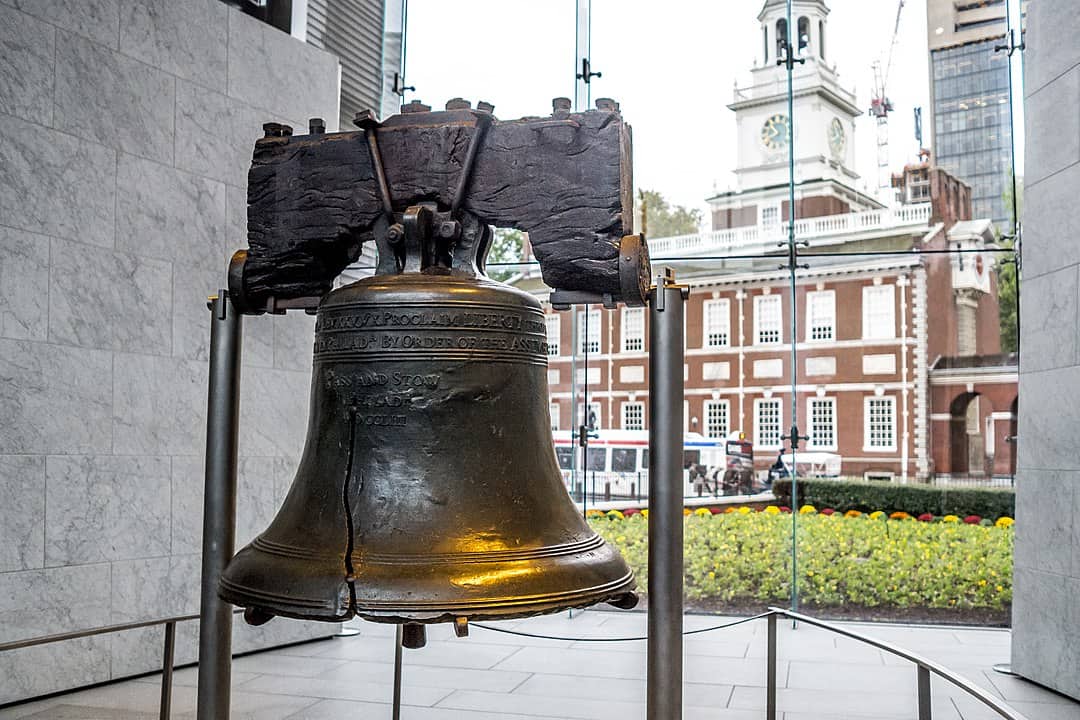
The Liberty Bell Center will close temporarily to replace worn glass panels, some showing up to 9% structural delamination and redo exhibit lighting to reduce UV exposure on fragile metals. New security systems covering 14 zones will also be installed. The renovation ensures the site can handle record visitor numbers expected during the Semiquincentennial, when interest in American symbols typically surges.