We may earn money or products from the companies mentioned in this post. This means if you click on the link and purchase the item, I will receive a small commission at no extra cost to you ... you're just helping re-supply our family's travel fund.
The United States is filled with landmarks everyone recognizes, but far fewer people notice the places quietly disappearing in the background. Some are victims of climate change, others of neglect, redevelopment, or simple loss of relevance. These landmarks matter not just because they are old, but because they hold stories that can’t be recreated once erased. Visiting them now means witnessing living history at the edge of extinction; places where time, nature, and human decisions are actively rewriting the landscape.
1. Cahokia Mounds, Illinois
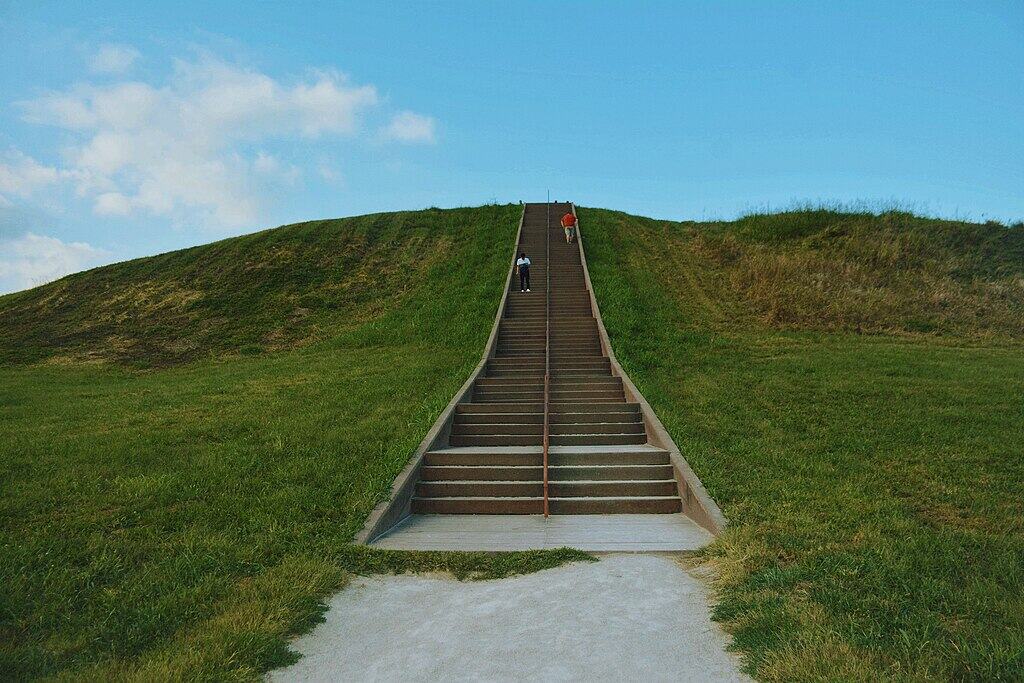
At its peak around 1100 CE, Cahokia covered nearly 6 square miles and supported an estimated population of 20,000 people, making it larger than London at the time. Today, fewer than 120 of the original mounds remain. Suburban expansion, farming damage, and erosion have destroyed over 90 percent of the site. Monk’s Mound still rises 100 feet high, but surrounding infrastructure pressure continues to threaten stability. Despite UNESCO status, annual visitors remain under 300,000, limiting preservation funding. Cahokia’s scale is staggering in person, yet its future grows smaller every decade.
2. Salton Sea Ruins, California
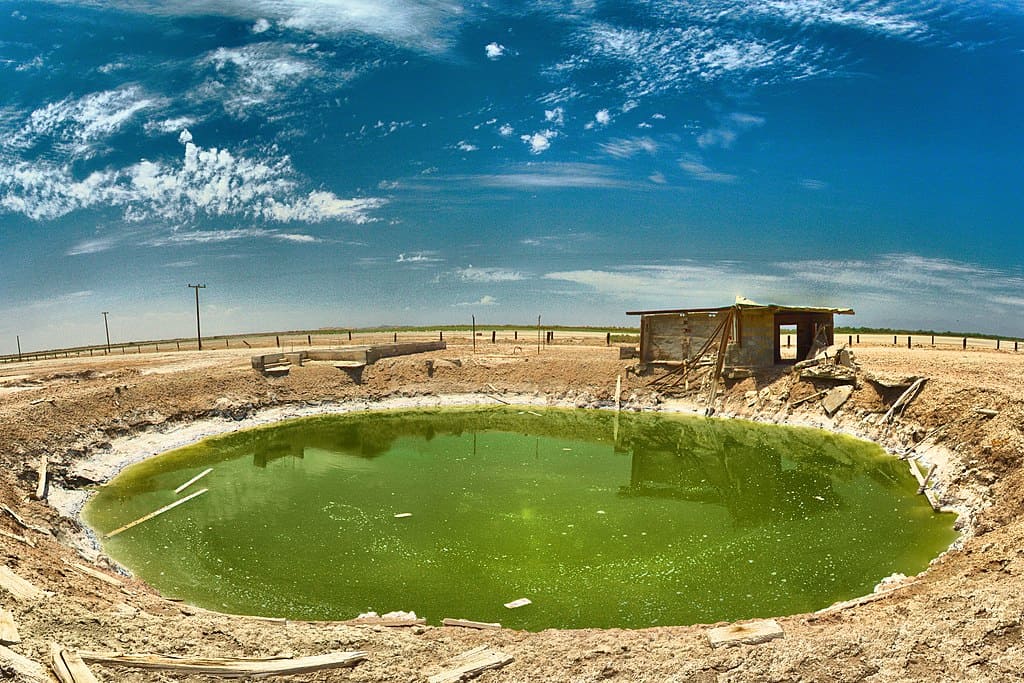
Formed accidentally in 1905, the Salton Sea once covered 376 square miles and attracted over 1.5 million visitors annually during the 1950s. Today, its surface area has shrunk by more than 35 percent. As water recedes, toxic dust containing arsenic and pesticides spreads across nearby communities. Abandoned marinas and skeletal buildings now line former beaches miles from the shoreline. With salinity levels 40 percent higher than the ocean, fish populations have collapsed. Ongoing restoration plans remain underfunded, making much of the area likely unrecognizable within the next 10–15 years.
3. Fort Jefferson, Dry Tortugas, Florida
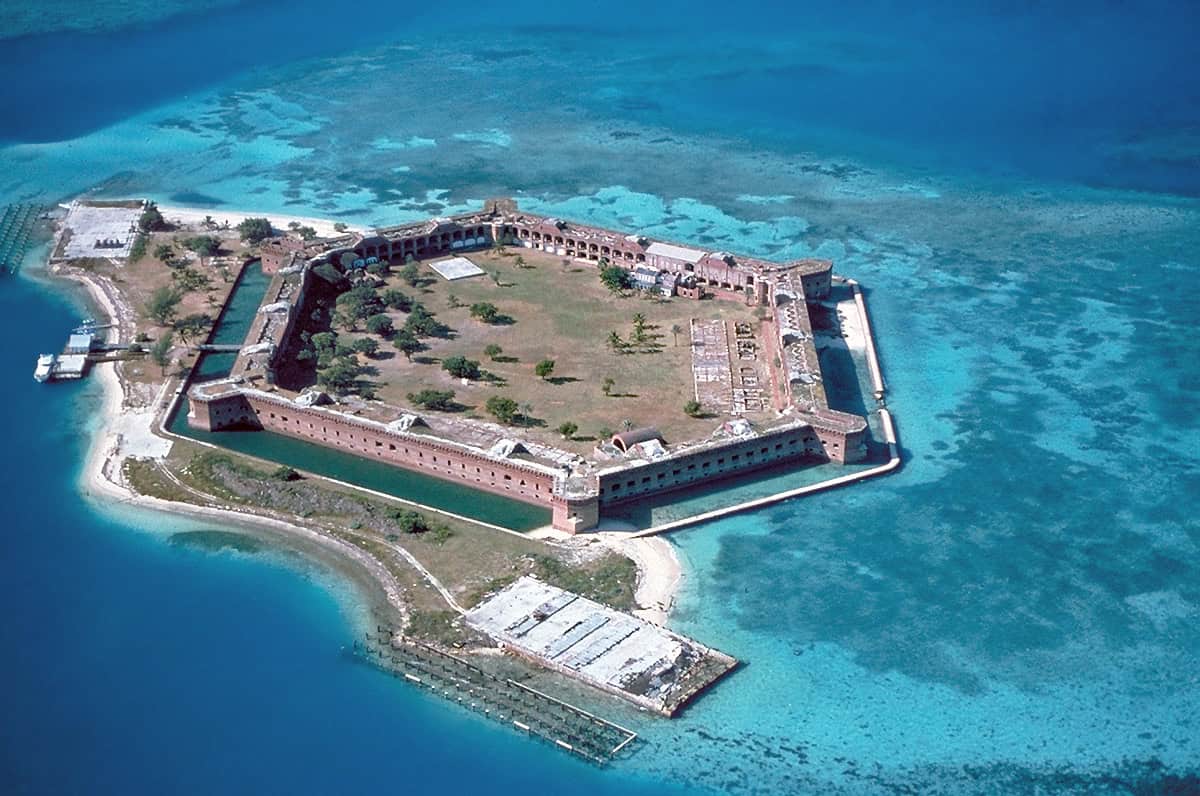
Built between 1846 and 1875, Fort Jefferson is the largest masonry structure in the Western Hemisphere, made from over 16 million bricks. It sits just 3 feet above sea level, leaving it extremely vulnerable. Since 1992, sea levels around the Dry Tortugas have risen approximately 4 inches, accelerating foundation erosion. Hurricanes now reach the area more frequently, with storm surges repeatedly flooding interior corridors. Annual visitation is limited to about 80,000 people due to access restrictions. Without major reinforcement, parts of the fort could become unsafe within the next few decades.
4. Route 66 Roadside Landmarks, Multiple States
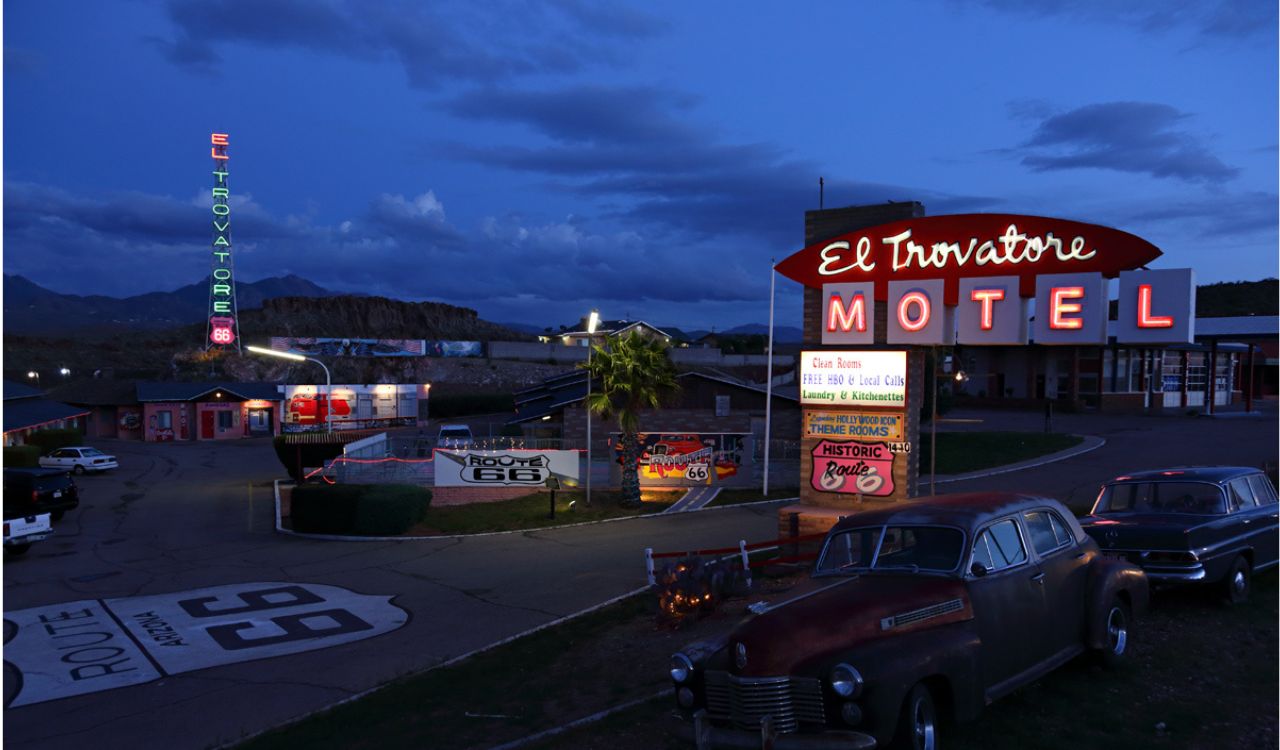
Stretching 2,448 miles, Route 66 once supported thousands of small businesses. Since its decommissioning in 1985, more than 60 percent of original roadside structures have vanished. Many remaining diners, motels, and gas stations sit in towns that have lost over half their population. Roof collapses, vandalism, and demolition for safety reasons continue yearly. Preservation grants are limited and inconsistent across eight states. Each lost stop removes another tangible piece of America’s automobile-era identity, making remaining landmarks increasingly rare and fragile with every passing year.
5. Gullah Geechee Cultural Sites, Southeast Coast
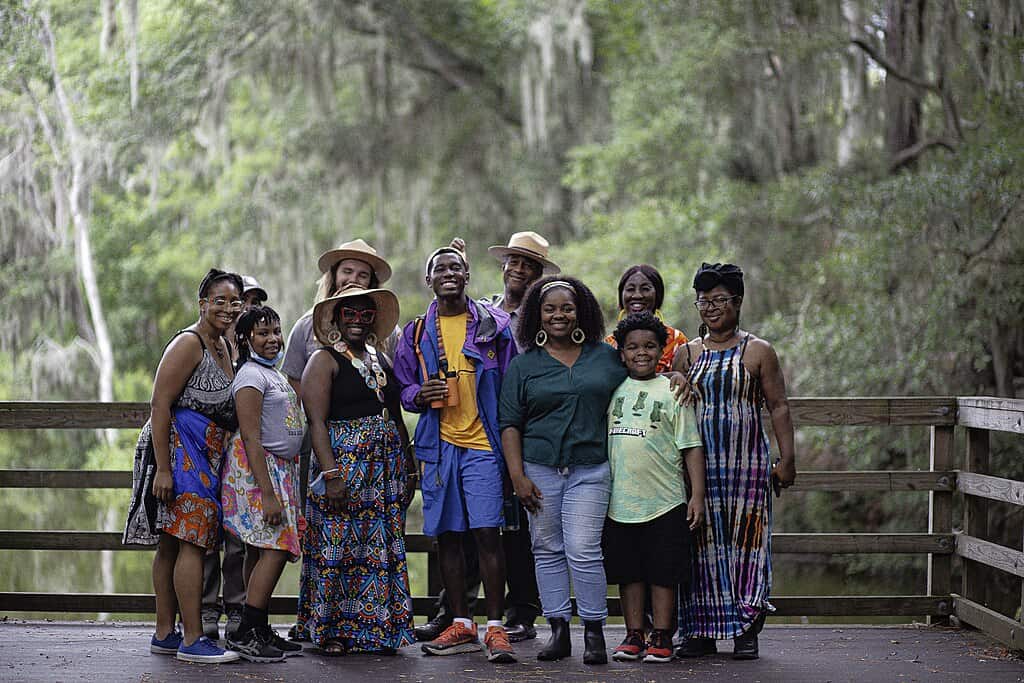
The Gullah Geechee people trace their culture back over 300 years along coastal South Carolina, Georgia, and Florida. Rising sea levels, averaging 1 inch every 3 years in some areas are flooding ancestral land. Property taxes in parts of Hilton Head have increased by over 400 percent since the 1990s, forcing families to sell. Fewer than 30 percent of historic communities remain intact. These sites aren’t just buildings; they represent language, foodways, and traditions that survive nowhere else in the U.S. Once displaced, this cultural landscape cannot be restored.
6. Texas Tallgrass Prairie Remnants
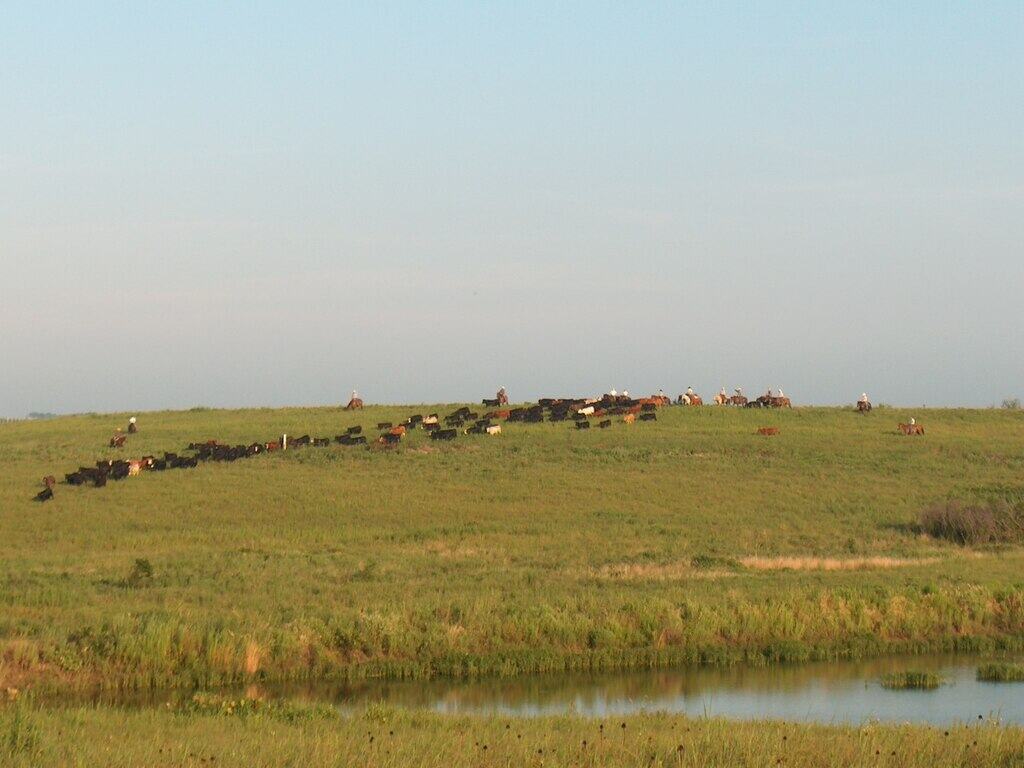
Before settlement, tallgrass prairie covered nearly 90 million acres across the U.S. Today, less than 1 percent remains, with Texas holding some of the last fragments. Many preserved patches are under 5,000 acres, isolated by highways and farmland. Native grasses once reached heights of 8 feet, supporting bison herds numbering in the millions. Development pressure continues as Texas adds roughly 1,200 new residents daily. Without expansion of protected land, remaining prairie ecosystems may collapse due to fragmentation within the next 20–30 years.
7. Ellis Island Hospital Complex, New York
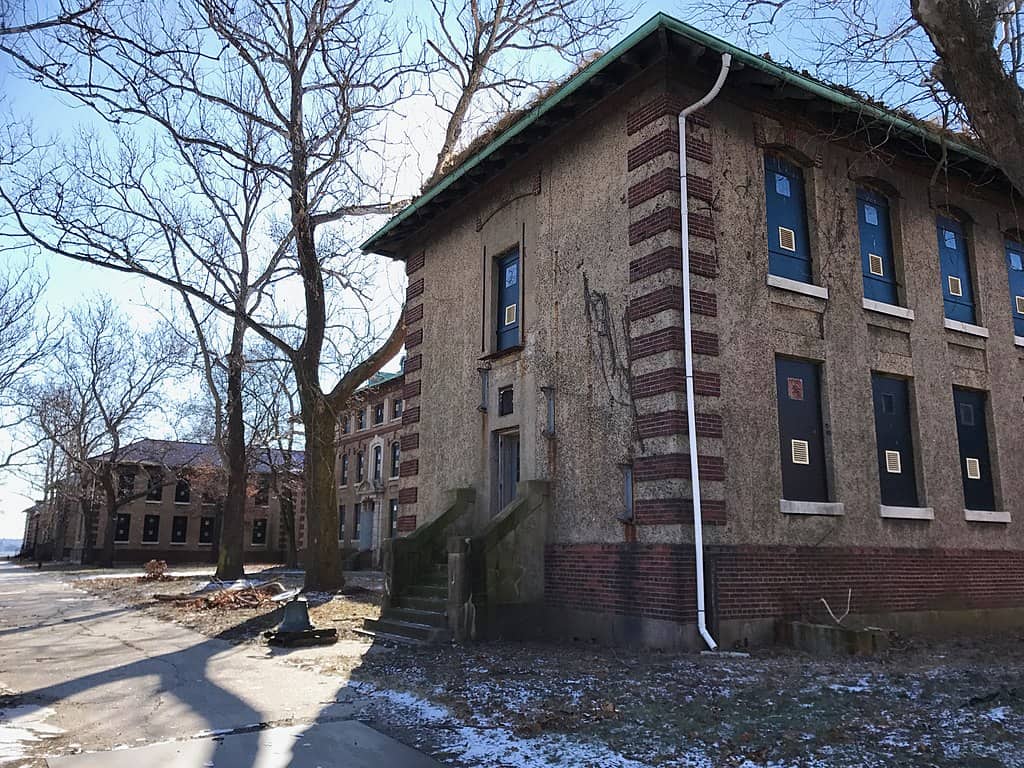
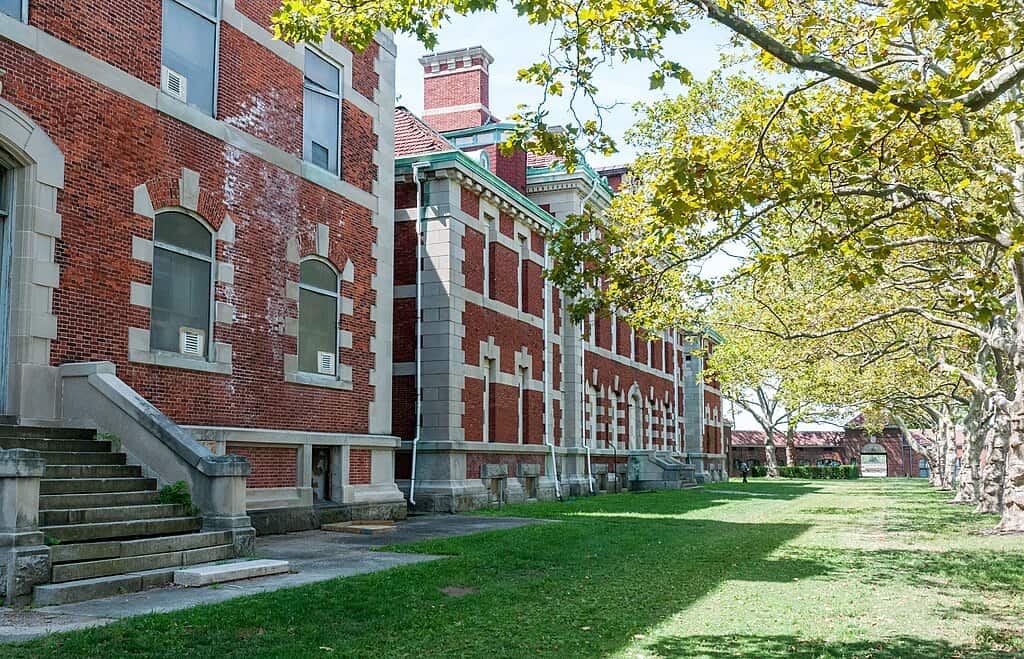
Operating from 1902 to 1930, the Ellis Island Hospital treated over 1.2 million immigrants deemed unfit for entry. The complex includes 22 buildings, many abandoned for nearly a century. Exposure to salt air has caused severe structural decay, with some roofs already collapsed. Restoration estimates exceed $100 million, but funding remains partial. Unlike the main immigration hall, these wards remain closed to most visitors. As deterioration accelerates, original interiors, medical records, and architectural details risk being lost permanently, erasing a crucial chapter of American immigration history.
8. Mississippi River Delta Wetlands, Louisiana
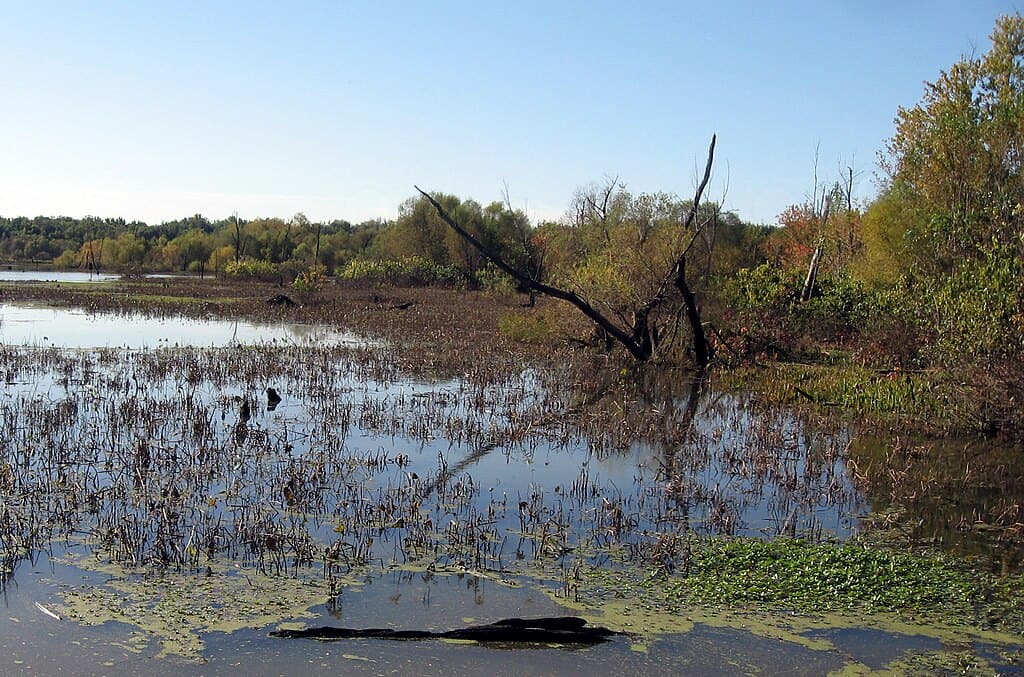
Louisiana loses roughly 25 square miles of land every year, equivalent to a football field disappearing every 100 minutes. Since the 1930s, over 2,000 square miles of wetlands have vanished. Entire fishing villages and historic cemeteries have already been claimed by rising water. Levees, oil canals, and subsidence worsen erosion rates. Storm surges now travel farther inland, destroying structures that once sat miles from open water. Without major restoration, projections show an additional 1,200 square miles could disappear by 2050.
9. Bodie State Historic Park, California
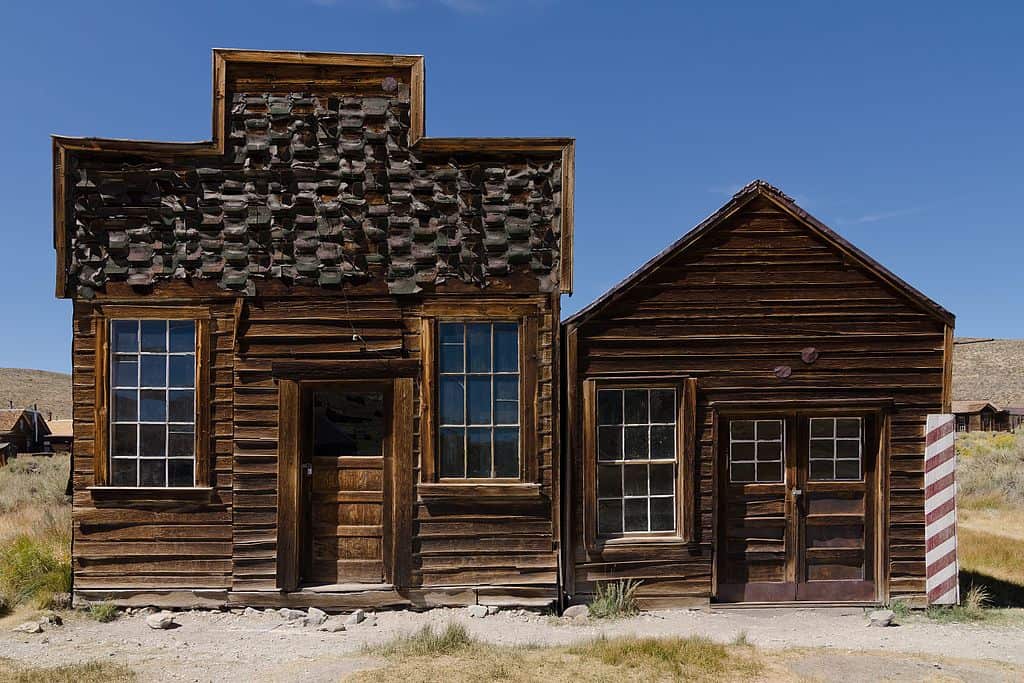
Bodie peaked in 1880 with nearly 10,000 residents and over 65 saloons. Today, fewer than 170 buildings remain. The park follows an “arrested decay” policy, but harsh winters, wind, and temperature swings accelerate deterioration. Preservation crews report losing structural elements every year despite maintenance. Visitor numbers hover around 200,000 annually, but funding hasn’t kept pace with aging infrastructure. Once walls collapse or interiors are destroyed, Bodie’s authenticity, the very reason it matters, cannot be recreated or restored.
10. Outlying Chacoan Ruins, New Mexico
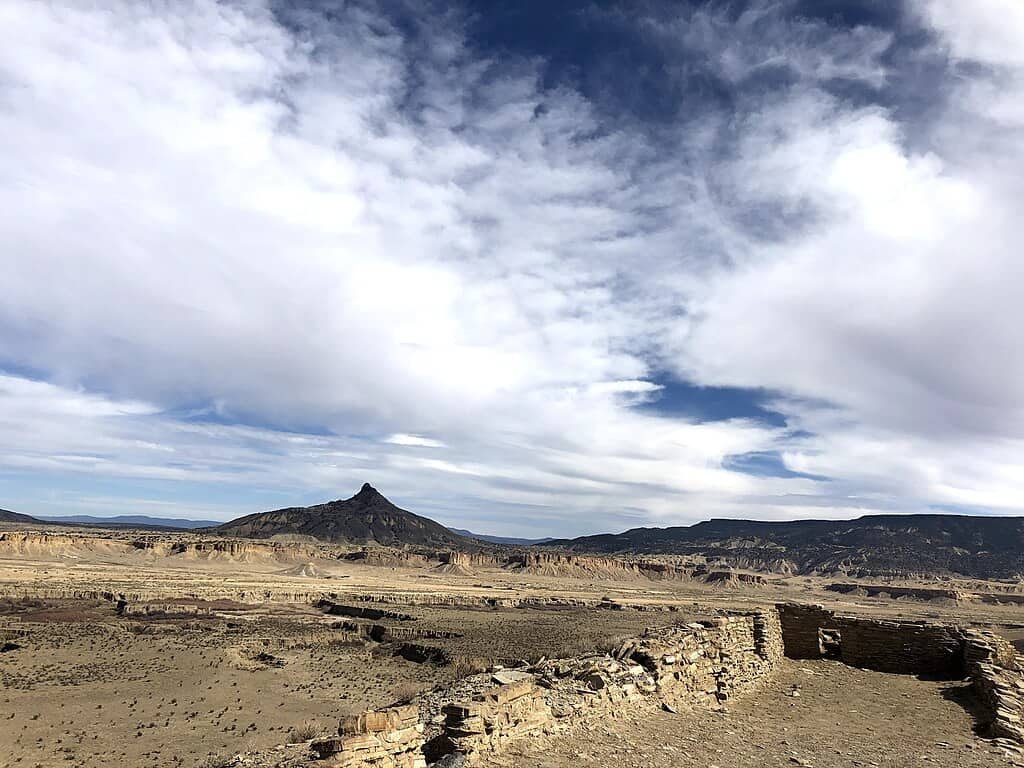
Beyond Chaco Culture National Historical Park lie hundreds of unprotected sites built between 850 and 1250 CE. Some structures align with astronomical events accurate to within days. Many sit on federal or private land with no surveillance. Looting incidents have increased as access roads expand due to nearby energy development. Wind erosion and freeze-thaw cycles weaken masonry annually. While the main park is protected, these satellite sites face gradual loss, removing context needed to fully understand one of North America’s most advanced ancient societies.
11. Rosenwald Schools, Southern United States
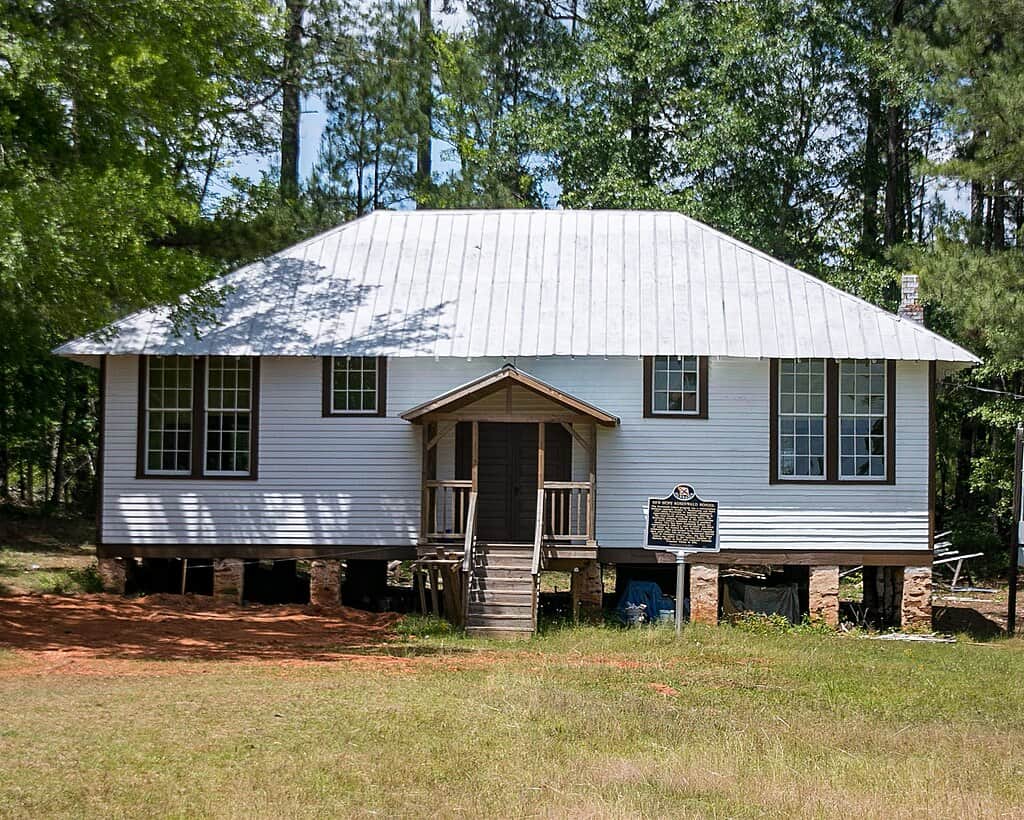
Between 1912 and 1937, over 5,000 Rosenwald Schools were built to educate Black children during segregation. Fewer than 10 percent still stand today. Many surviving buildings lack roofs, utilities, or legal protection. Restoration costs average $500,000 per site, far beyond what local communities can afford. These schools once educated nearly 40 percent of Black students in the rural South. Each abandoned structure represents a lost opportunity to preserve a story of resilience, self-funding, and determination during one of America’s most unequal eras.
12. Great Salt Lake Shoreline Structures, Utah

The Great Salt Lake has lost over 70 percent of its water since the 1980s. As shorelines retreat, historic pumping stations, docks, and industrial buildings are left exposed to corrosive salt and wind erosion. Salinity levels now exceed 18 percent in some areas, damaging foundations never designed for prolonged exposure. Dust storms from the dry lakebed threaten nearby cities. Without intervention, many shoreline structures may be dismantled or collapse naturally, removing physical evidence of how communities once depended on this rapidly vanishing lake.