We may earn money or products from the companies mentioned in this post. This means if you click on the link and purchase the item, I will receive a small commission at no extra cost to you ... you're just helping re-supply our family's travel fund.
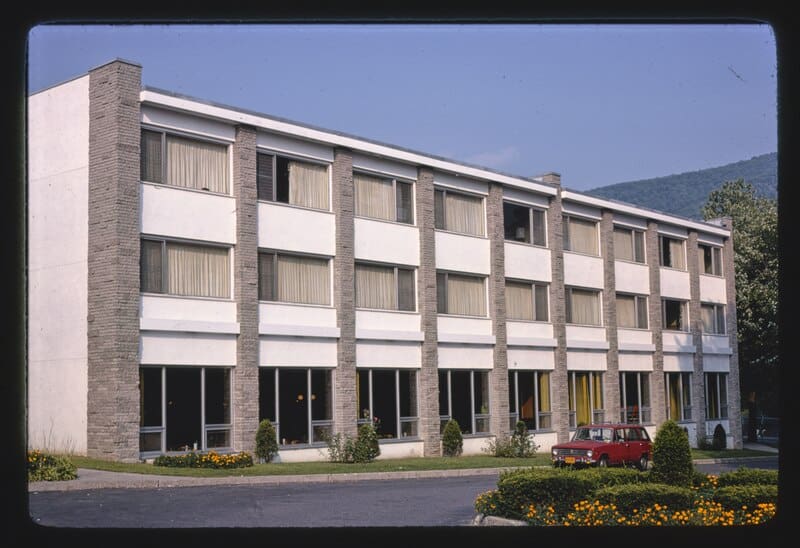
America was once dotted with glamorous resorts that drew thousands of visitors each year, shaping regional culture and defining the idea of leisure travel. Many of these destinations flourished during the 1900s, only to fade as air travel expanded and new vacation trends emerged. What remains today are fragments of their former prestige, stories of packed ballrooms, iconic entertainers, and crowds that once swelled far beyond what their quiet ruins now suggest.
1. Grossinger’s Catskill Resort : New York
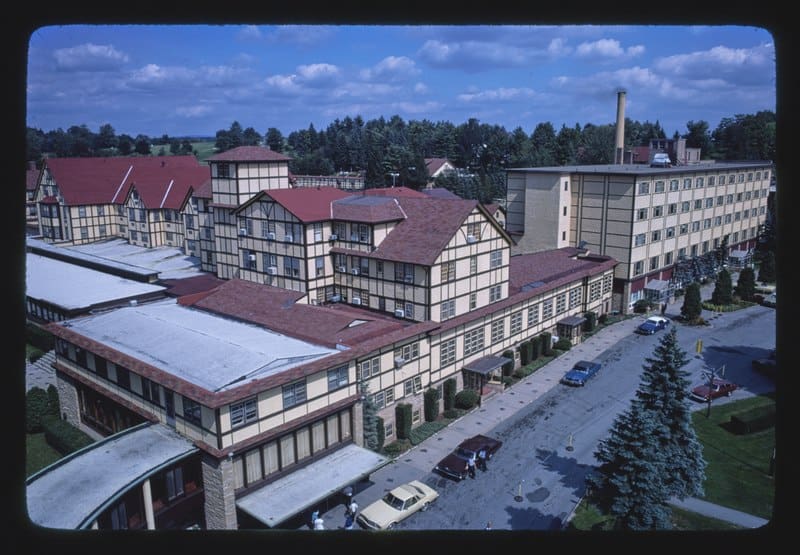
At its height, Grossinger’s welcomed more than 150,000 guests annually, becoming the unofficial capital of the Catskills from the 1920s through the 1970s. Its 600-acre property held ski slopes, Olympic-grade pools, and a staff of nearly 1,000 people during peak seasons. Decline came as travelers shifted to cheaper flights and modern hotels, reducing occupancy by more than 80% before its 1986 closure and eventual demolition decades later.
2. Mount Airy Lodge : Pennsylvania
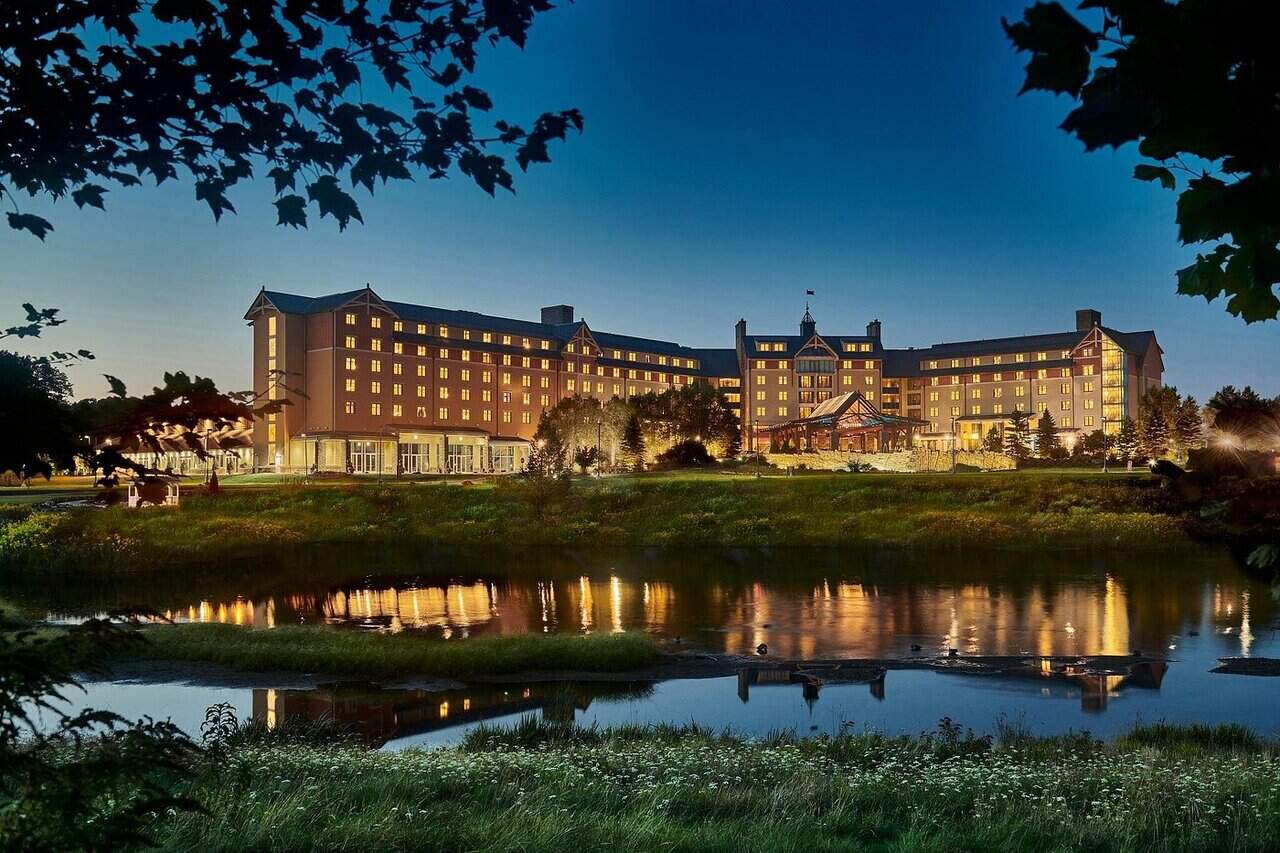
Mount Airy Lodge thrived as a honeymoon wonderland, famously advertising its 1,200 guest rooms and extravagant indoor gardens. During the 1960s, it hosted nearly 250 weddings a year, becoming a symbol of romantic escapes in the Poconos. As maintenance costs soared above $50 million and visitor numbers plunged by over 70%, the resort couldn’t keep pace. It closed in 2001, later reopening in a completely different form as a casino complex.
3. The Poconos Heart-Shaped Tub Resorts : Pennsylvania
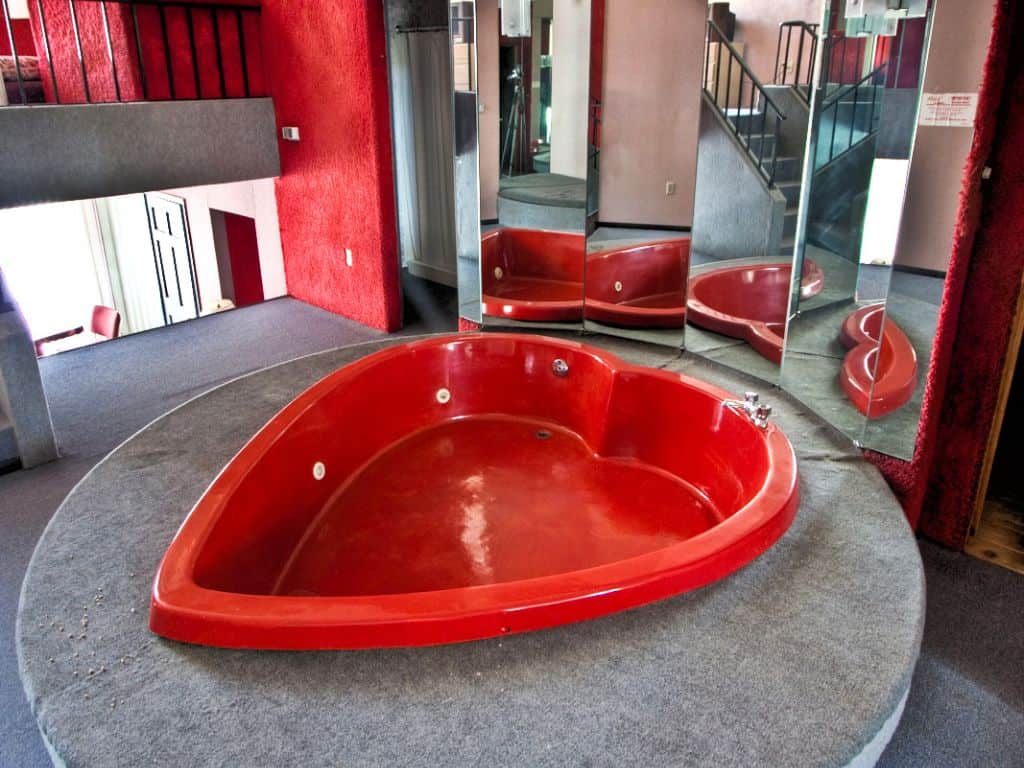
These themed resorts once drew more than 500,000 couples per year, thanks to novelty features like 7-foot-tall champagne-glass whirlpools and private pools. Their popularity peaked between the 1950s and 1980s, when drive-in vacations dominated. Interest dwindled as décor aged and renovation budgets ballooned beyond $20 million, forcing many properties to shut down or convert. Visitor rates dropped by 60%, leaving a nostalgic but fading legacy.
4. Homowack Lodge : New York
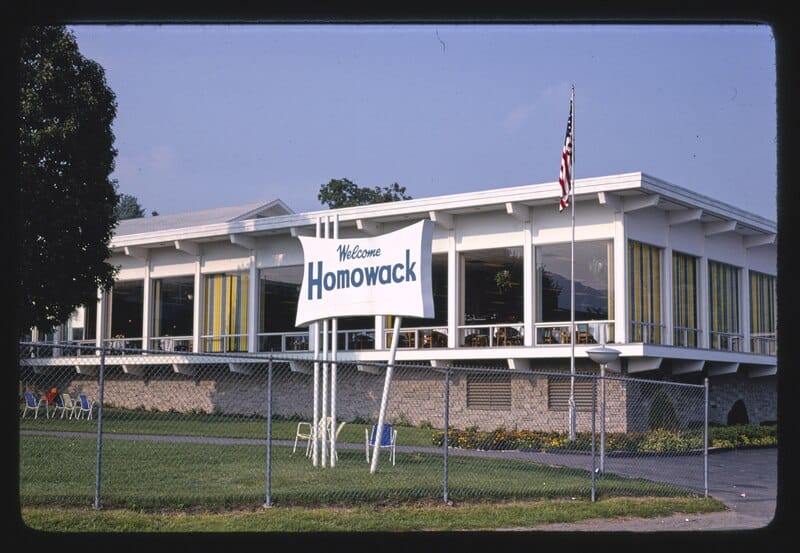
Homowack Lodge spread across 820 acres, offering bowling alleys, a 400-seat dining room, and one of the earliest indoor rinks in the region. In its prime, more than 3,000 families visited each summer, making it a Catskills favorite. Costs for repairs climbed past $10 million, and changing travel patterns cut its guest numbers by nearly 75%. The property fell into disrepair after closing in the 2000s, standing as one of the area’s most haunting relics.
5. Jekyll Island Club : Georgia
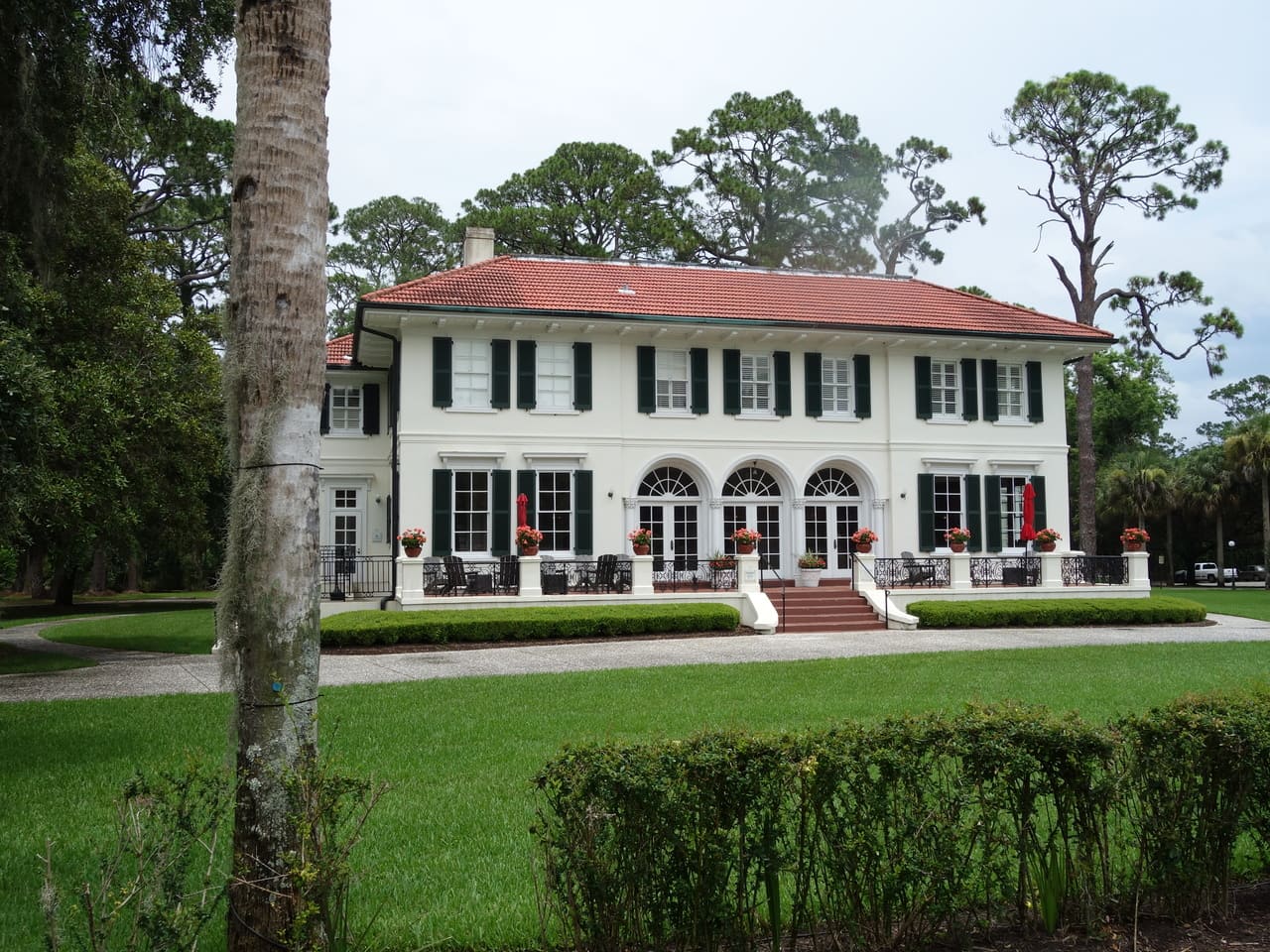
Once dubbed the “millionaires’ retreat,” Jekyll Island Club counted 100 of America’s wealthiest families among its seasonal members. At its height, the private grounds featured over 15 lavish cottages, a grand hotel, and staff exceeding 300 workers. The Great Depression reduced membership by over 60%, causing the estate to deteriorate. After closing in 1942, it remained abandoned for years until restoration revived parts of its original grandeur.
6. Imperial Palace Resort : Mississippi
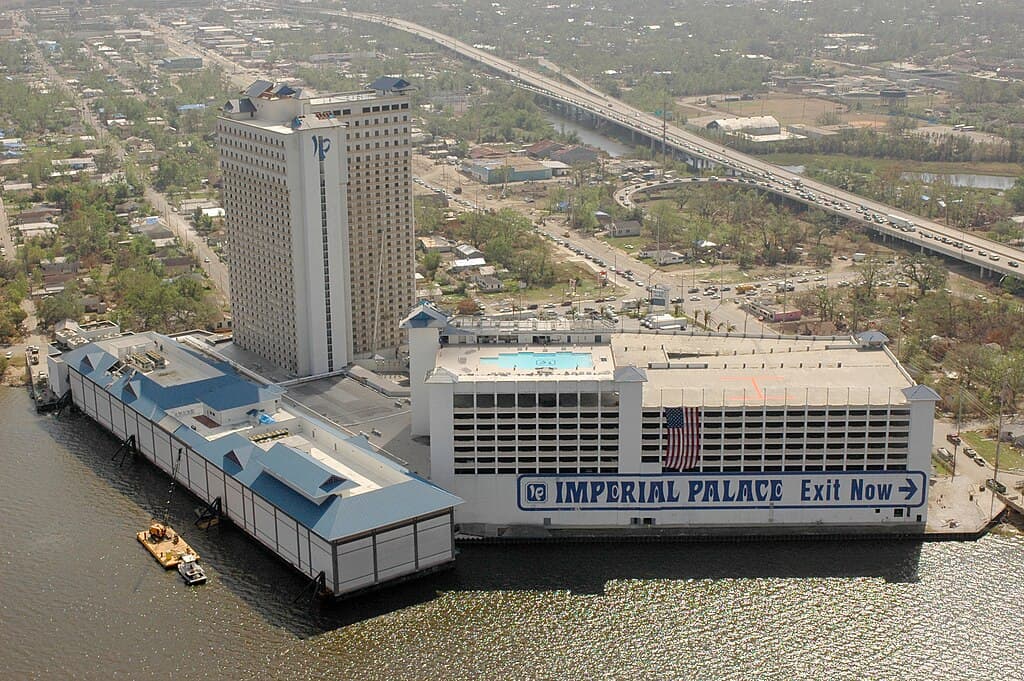
Before casinos dominated Biloxi, the Imperial Palace drew roughly 200,000 guests annually, thanks to its waterfront access and entertainment venues. The complex included more than 500 rooms and a marina that accommodated 100 boats. Damage from repeated hurricanes pushed repair estimates past $40 million, while new mega-resorts siphoned off nearly 50% of its visitors. Unable to compete, it closed, leaving behind memories of Mississippi’s early tourism era.
7. El Tovar Cabin Complex (Original) : Arizona
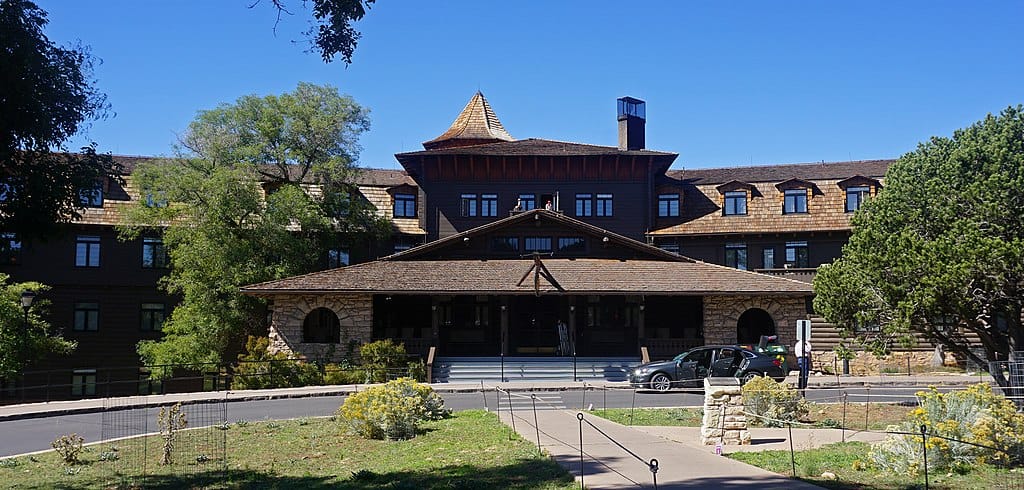
The early El Tovar cabins once formed a cluster of more than 90 rustic structures near the Grand Canyon’s rim, welcoming travelers long before modern facilities arrived. During peak seasons, they housed up to 1,500 visitors a week, showcasing frontier-style hospitality. As tourism numbers surged beyond 6 million yearly, infrastructure upgrades rendered many cabins obsolete. Several were removed or repurposed as the park evolved into a more contemporary destination.
8. Palisades Amusement Park Resort : New Jersey
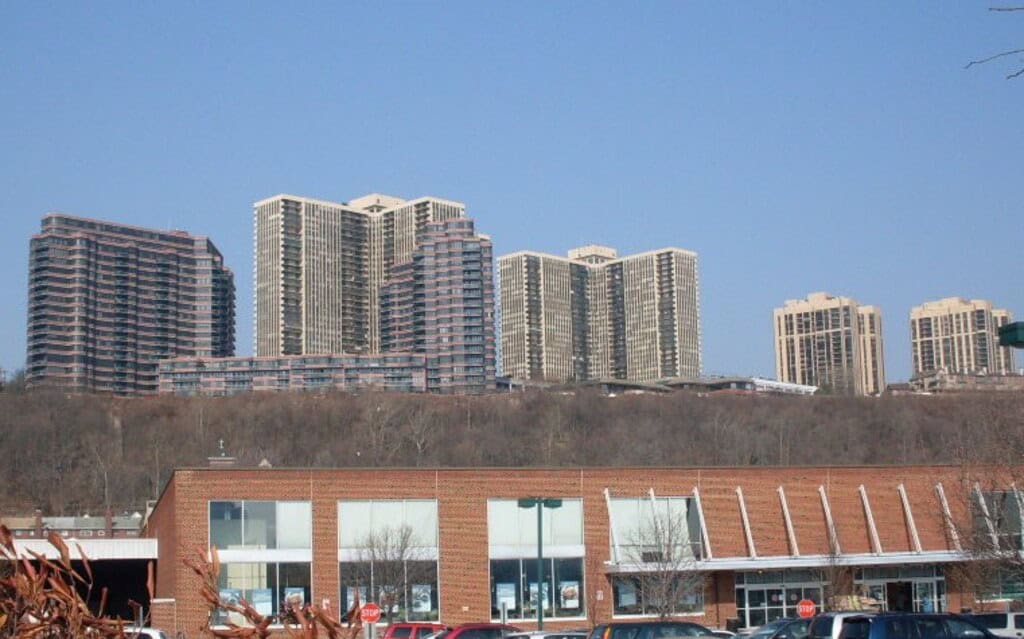
The Palisades resort combined beaches, pools, and thrill rides across its 38-acre cliffside grounds. At its peak in the 1950s, it attracted nearly 4 million visitors annually, thanks to concerts, dance halls, and carnival attractions. Rising insurance costs exceeded $2 million per year, while land developers offered enormous bids for the valuable riverfront site. Attendance fell by 30%, and the park closed in 1971, leaving only nostalgia behind.
9. Mineral Springs Resort : Colorado
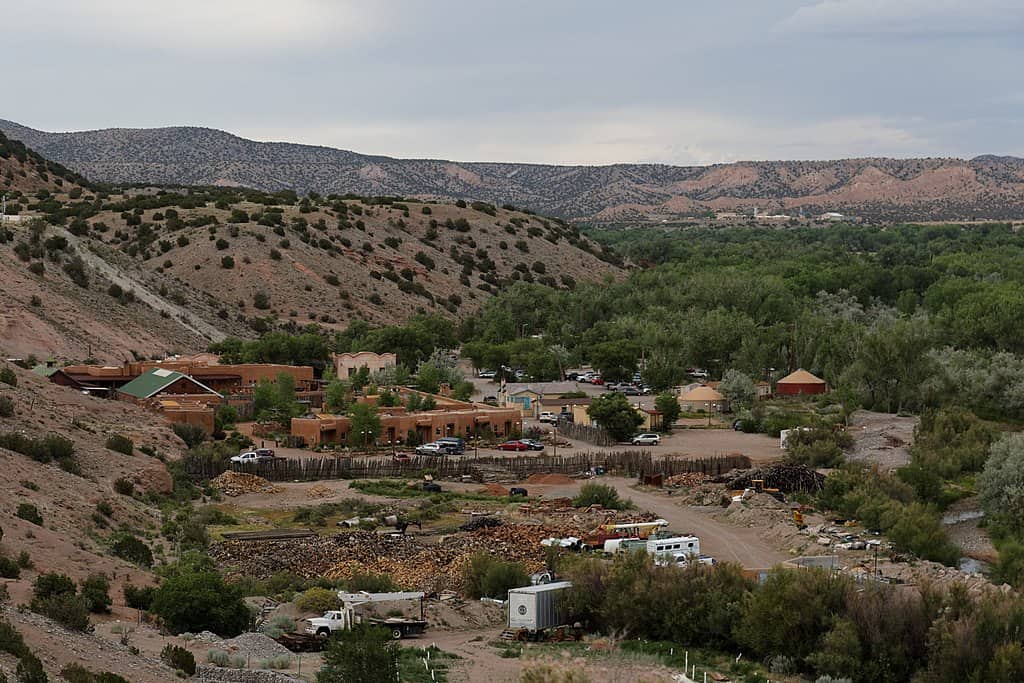
Famous for its bubbling mineral pools reaching 104°F, Mineral Springs Resort welcomed about 120,000 guests annually in the early 20th century. Its grand lodge held 200 rooms, hosting glamorous gatherings and wellness retreats. As ski towns like Aspen drew more affluent tourists, the resort’s revenue fell by nearly 50%, and modernization costs surpassed $15 million. Over time, structures were demolished or repurposed, leaving fragments of its early charm.
10. Ambassador Hotel Resort : California
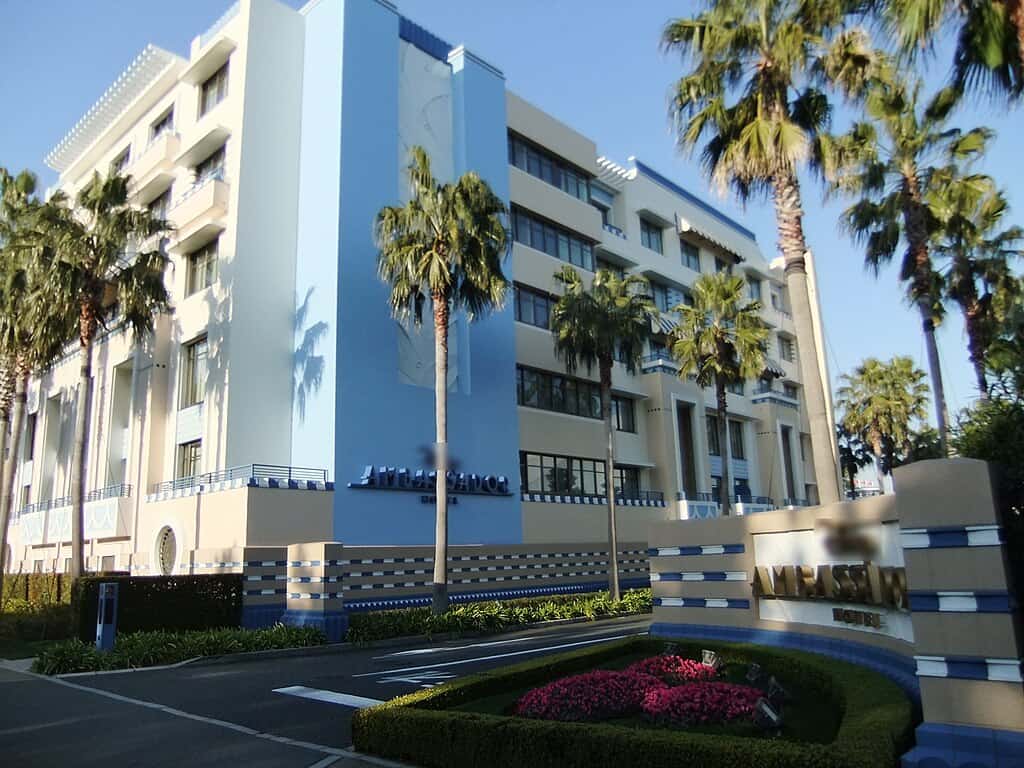
Beyond its celebrity-filled nightclub, the Ambassador’s resort side included 1,000 rooms, sprawling gardens, and a pool that drew thousands each summer. During its golden years, annual occupancy topped 90%, with major events hosted in its ballrooms. By the 1980s, renovation needs exceeded $60 million, while bookings fell by more than 40%. After closing in 1989, the historic complex deteriorated until its eventual demolition.
11. Paul Bunyan Land Resort : Minnesota
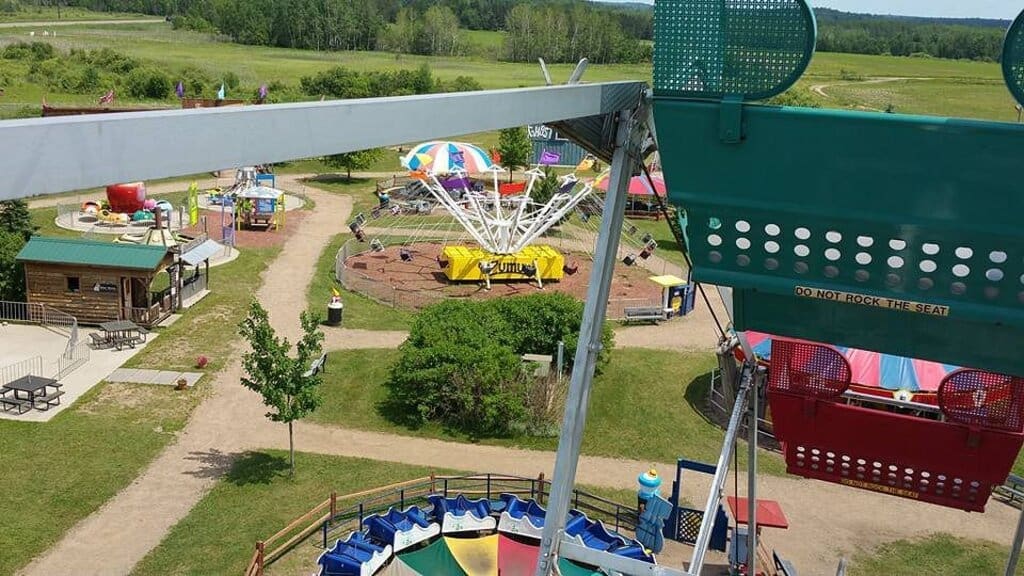
In its earliest decades, Paul Bunyan Land blended lodging with themed attractions spread across 20-plus acres, drawing nearly 300,000 visitors a year. Families stayed in rustic cabins while enjoying animatronic characters and rides. Rising upkeep costs topped $5 million, while attendance dipped by 45% as larger theme parks expanded. The resort component eventually closed, leaving only fragments of its original, quirky appeal.
12. Old Orchard Beach Grand Hotels : Maine

In the late 1800s, Old Orchard Beach hosted a row of massive wooden hotels, some boasting 500 to 600 rooms and attracting over 100,000 guests each summer. These seaside giants defined early New England tourism. A series of fires destroyed multiple properties, while shifts toward motels and modern resorts cut demand by nearly 70%. High maintenance costs forced closures, leaving only smaller, modernized buildings in their place.