We may earn money or products from the companies mentioned in this post. This means if you click on the link and purchase the item, I will receive a small commission at no extra cost to you ... you're just helping re-supply our family's travel fund.
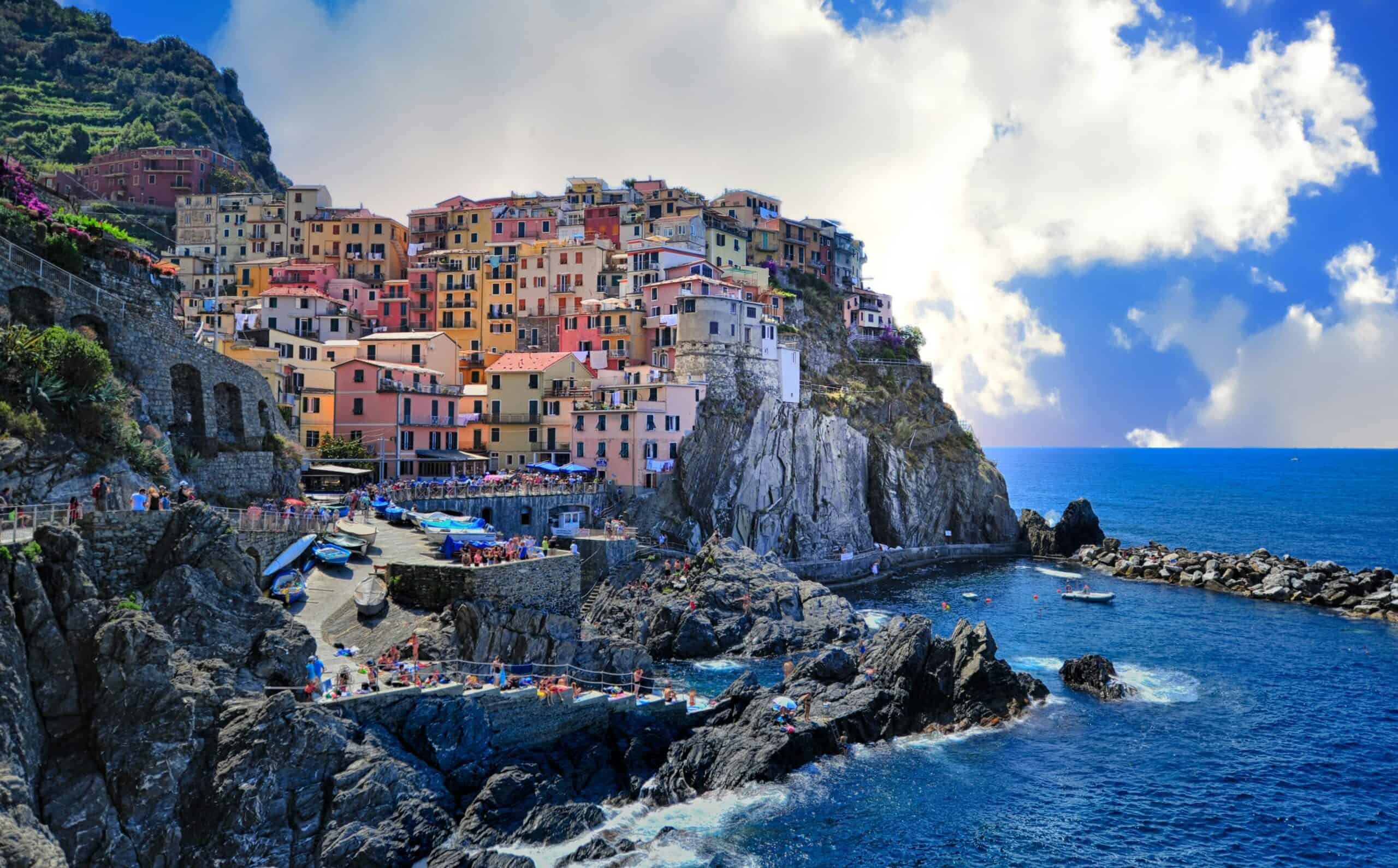
Some towns do not need special effects. They already have perfect lighting, strong character arcs, and settings that seem built for a final scene. A church bell, rain on stone, a harbor at dusk, that is often enough. Across Europe, certain places still hold visual rhythm and emotional texture that modern cities sometimes lose. These 12 towns feel cinematic for different reasons, from mountain drama to canal silence, but each offers the same rare sensation: stepping into a place that feels composed, lived-in, and unforgettable.
Hallstatt, Austria
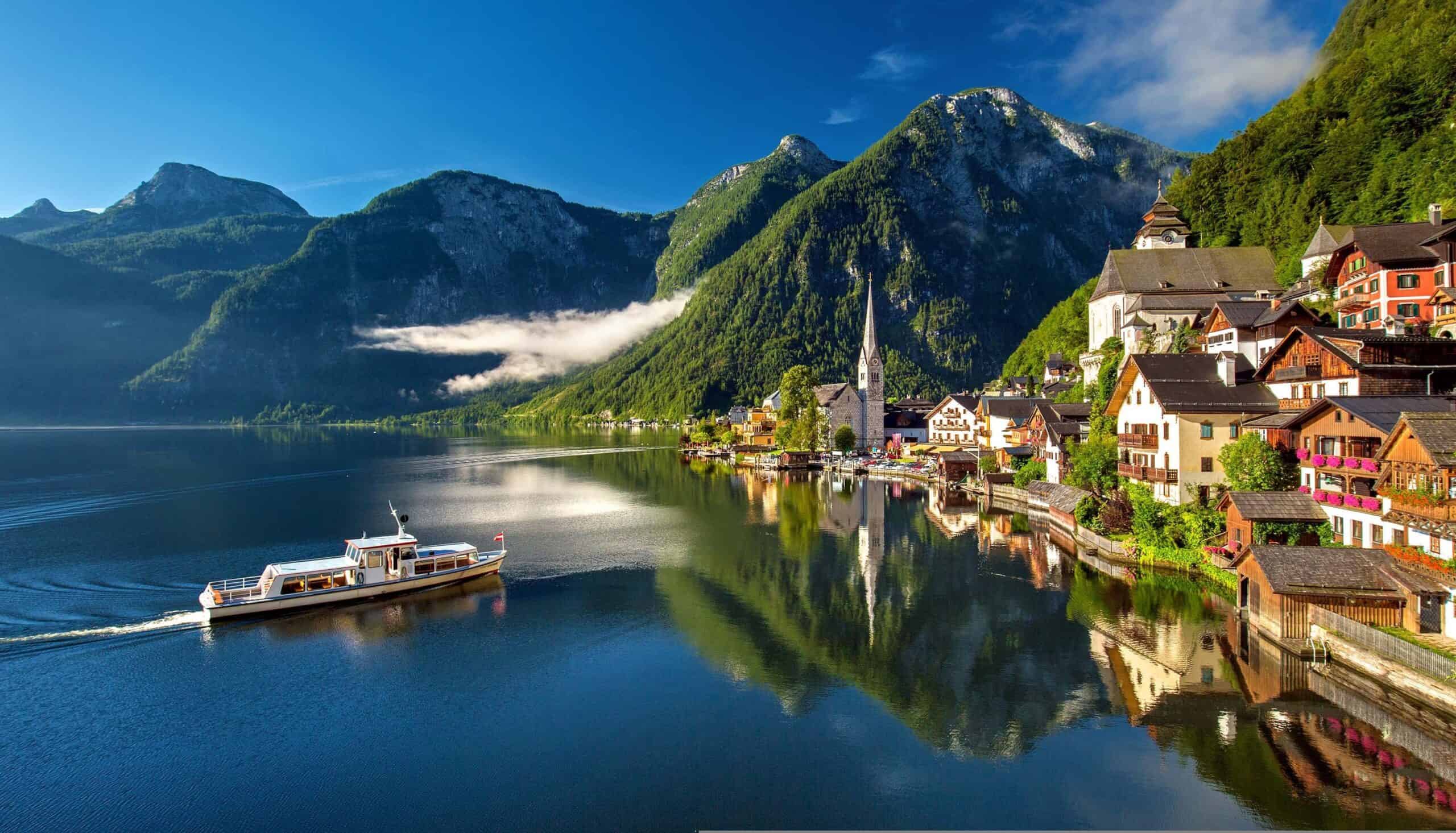
Hallstatt sits between a mountain wall and a glassy lake with such precise proportions that it can look unreal at first glance. Steep roofs, church spire reflections, and narrow lanes create a compact visual harmony that changes with weather every hour. Morning mist softens the village into pale gray and blue tones, while late sun adds warmth to timber facades and stone steps. Even with steady tourism, quiet pockets remain near the waterfront and side paths. Hallstatt feels cinematic because scale, light, and silence stay perfectly balanced.
Colmar, France
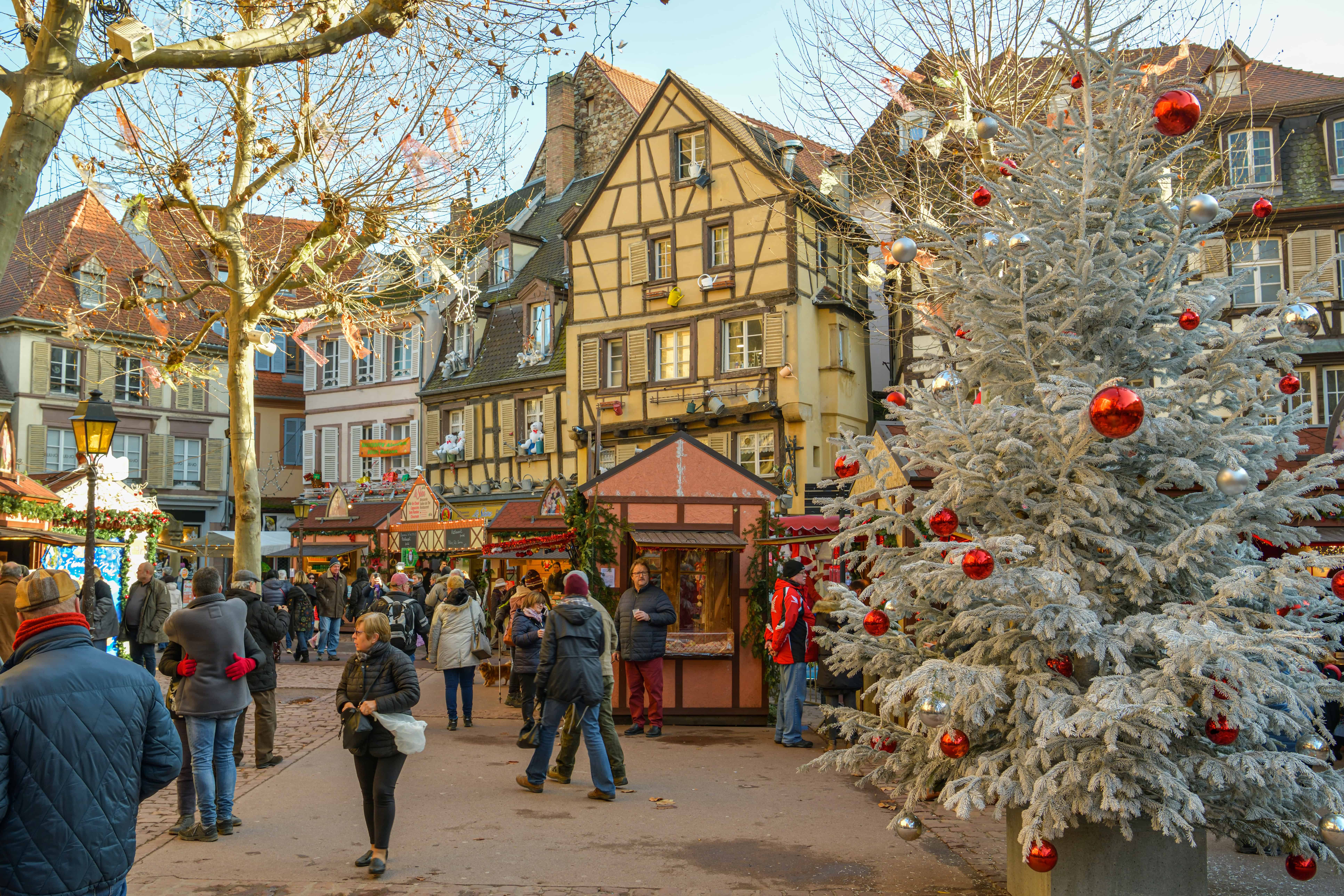
Colmar feels like a period set that never stopped being a real town. Half-timbered houses lean over canals, flower boxes spill color from upper windows, and cobbled lanes curve into small squares with market energy and café noise. Its charm is not just visual detail. It is continuity. Architecture, food culture, and daily routine still fit together naturally. Early morning brings soft reflections and near-empty streets, while evening lamps turn facades warm and intimate. Colmar delivers a gentle, storybook atmosphere without feeling staged or artificial.
Český Krumlov, Czech Republic
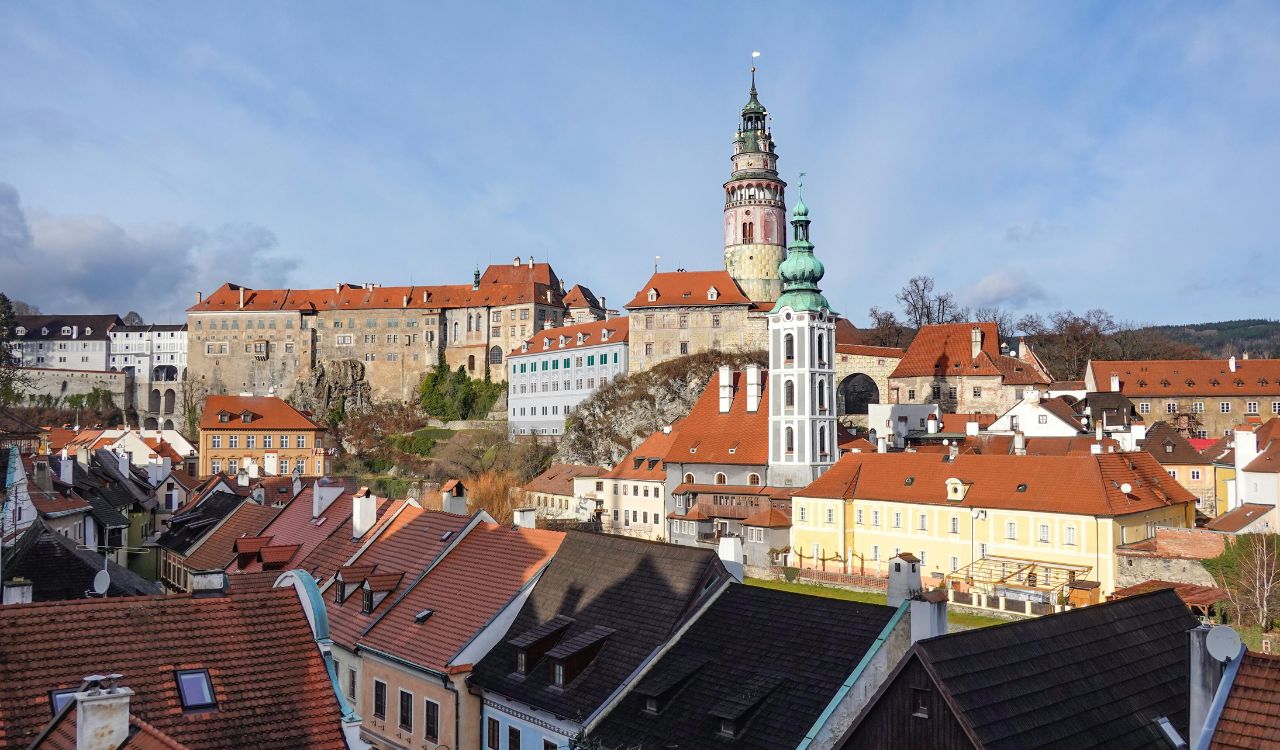
Český Krumlov wraps around a river bend beneath a castle complex that dominates the skyline without overpowering the town below. Red roofs, old stone, and narrow medieval streets create constant visual reveal as each turn opens a bridge, stair, or courtyard. At sunset, the facades absorb amber light and the river mirrors it back in long streaks. The town feels theatrical yet grounded, shaped by real topography and centuries of adaptation. That layered structure gives it a cinematic quality that stays strong in every season.
Positano, Italy

Positano is pure vertical drama with human scale built into every level. Houses in warm pastel tones stack down steep cliffs toward a narrow beach, and every stairway offers a different angle on sea, domes, and terraces. The town’s rhythm is physical, lots of steps, quick lane turns, sudden views, which keeps movement dynamic and memorable. Midday looks bright and sharp, but dusk is where Positano feels most cinematic, as lights appear gradually across the slope. It is romantic, yes, but also textured, lived-in, and deeply atmospheric.
Bruges, Belgium
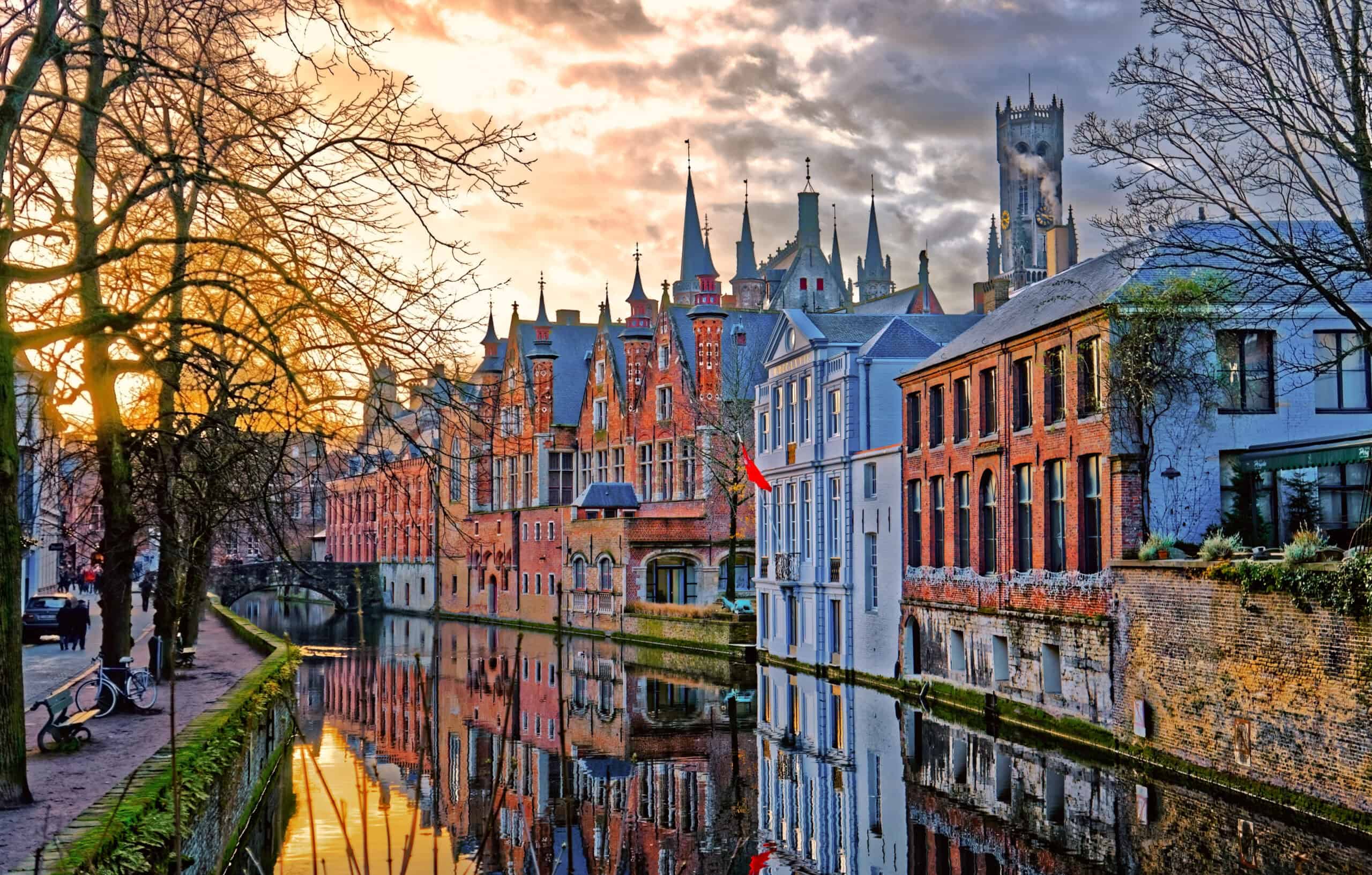
Bruges feels composed around water, stone, and restraint. Canals run quietly through Gothic facades, small bridges frame long reflections, and the historic center stays visually coherent block after block. What makes it cinematic is pacing. The town invites slower movement, so details surface naturally, carved doorways, hidden courtyards, faint bell sounds, and soft street lighting after dark. Early hours are especially striking when lanes are calm and the water doubles every tower line. Bruges proves that atmosphere can be powerful without being loud or dramatic.
Rothenburg Ob Der Tauber, Germany
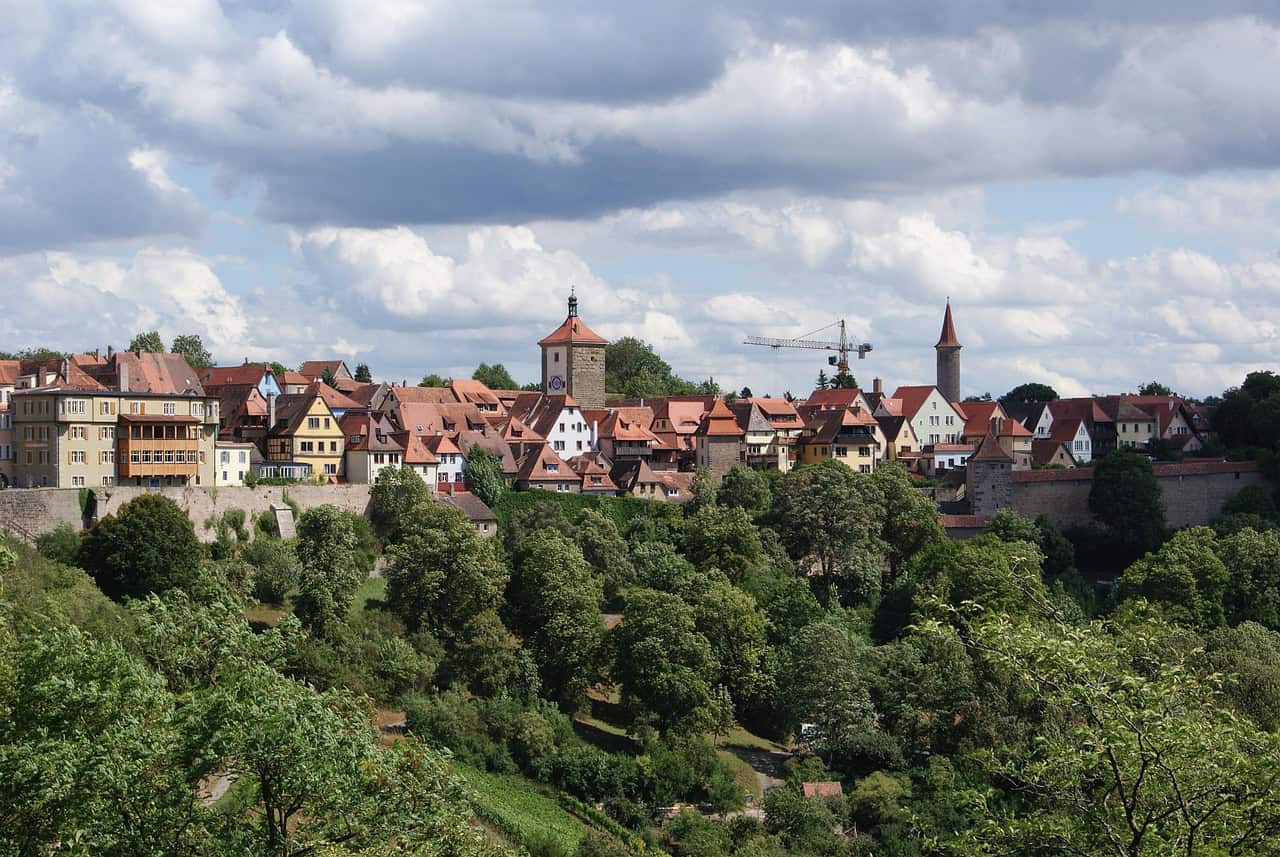
Rothenburg still feels enclosed by its own medieval narrative. Defensive walls, gate towers, timbered houses, and narrow lanes create a unified setting where modern intrusions stay surprisingly minimal. The town’s strongest moments often happen outside peak hours, when stone surfaces hold low-angle light and footsteps echo along quiet wall walks. From elevated points, rooftops and church spires form a tight, historic skyline set against open countryside. Rothenburg’s cinematic pull comes from preservation with purpose. It is not frozen. It is carefully maintained and still emotionally immediate.
Giethoorn, Netherlands
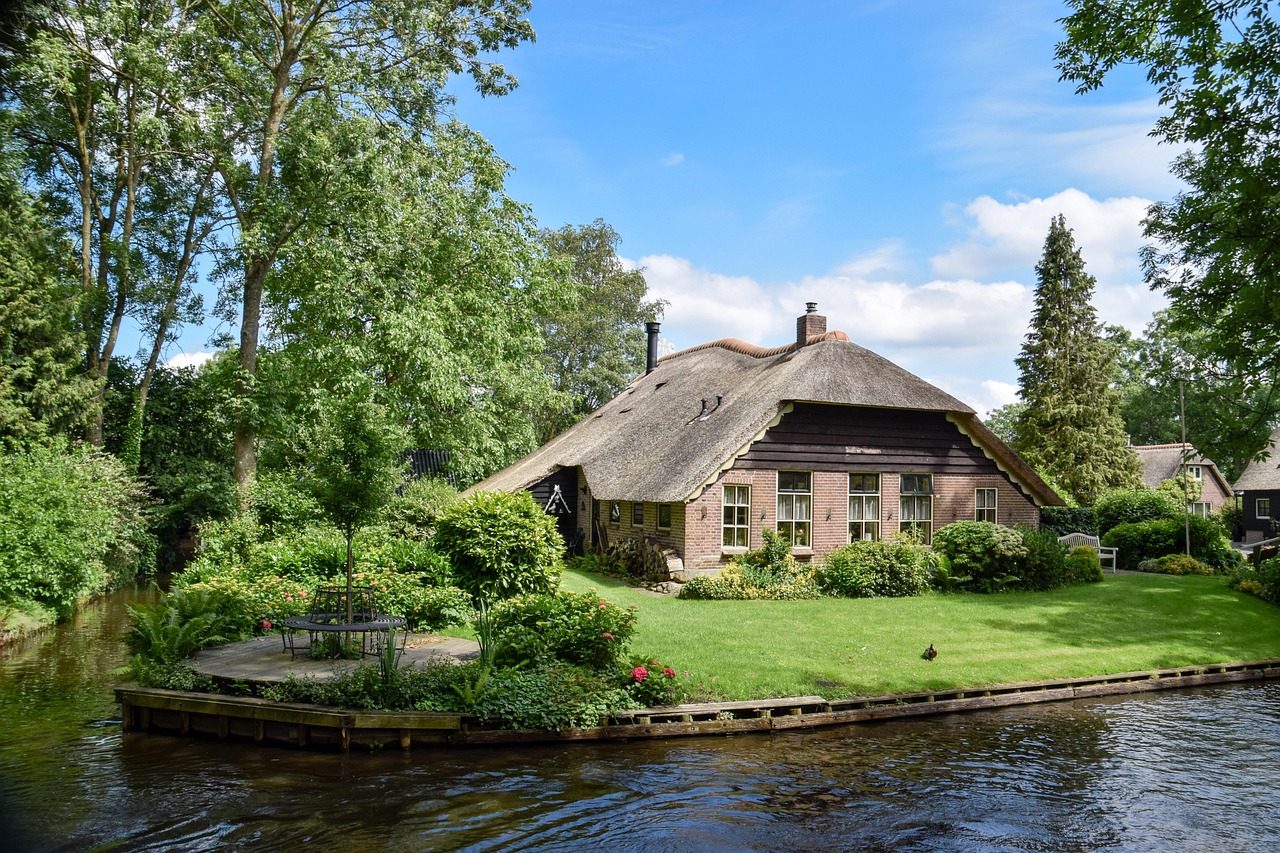
Giethoorn feels like a film scene built around water instead of streets. Canals replace roads, small boats replace cars, and low wooden bridges connect clusters of thatched cottages surrounded by gardens and reeds. The absence of traffic noise changes the mood completely and makes even simple movement feel calm and deliberate. Reflections often blur house, sky, and shoreline into one continuous image, especially in soft weather. Giethoorn’s appeal is not grand scale. It is controlled quiet, where design and landscape support a slower, more attentive way of seeing.
Reine, Norway
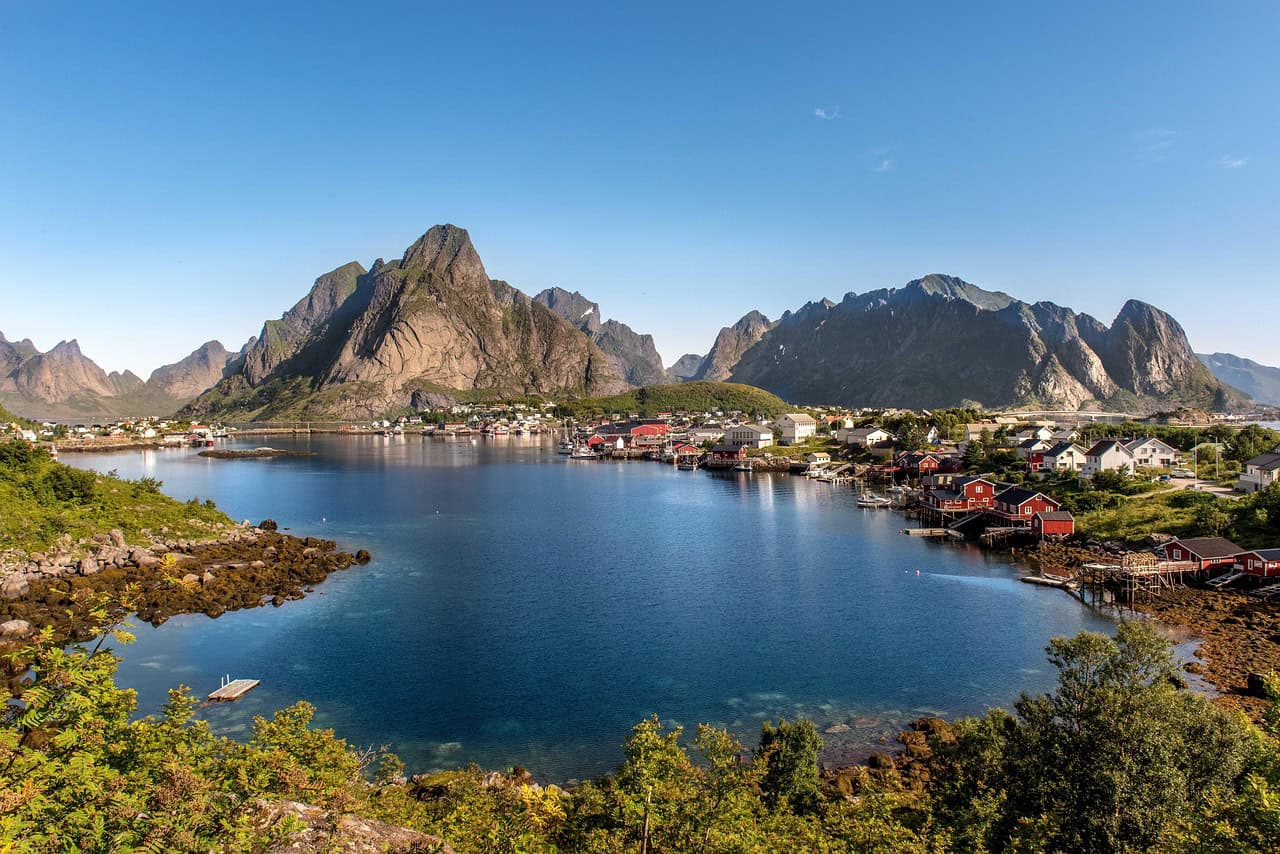
Reine sits in the Lofoten Islands where sharp peaks rise directly from cold fjord water, creating one of Europe’s most dramatic village settings. Red fishing cabins anchor the shoreline and add vivid contrast against gray rock, green slopes, and shifting northern light. Weather changes fast, so the same viewpoint can feel serene one moment and epic the next. In winter, long twilight and occasional aurora deepen the cinematic tone. Reine works because it mixes raw nature with working-community detail, scale and intimacy in the same frame.
Bibury, England
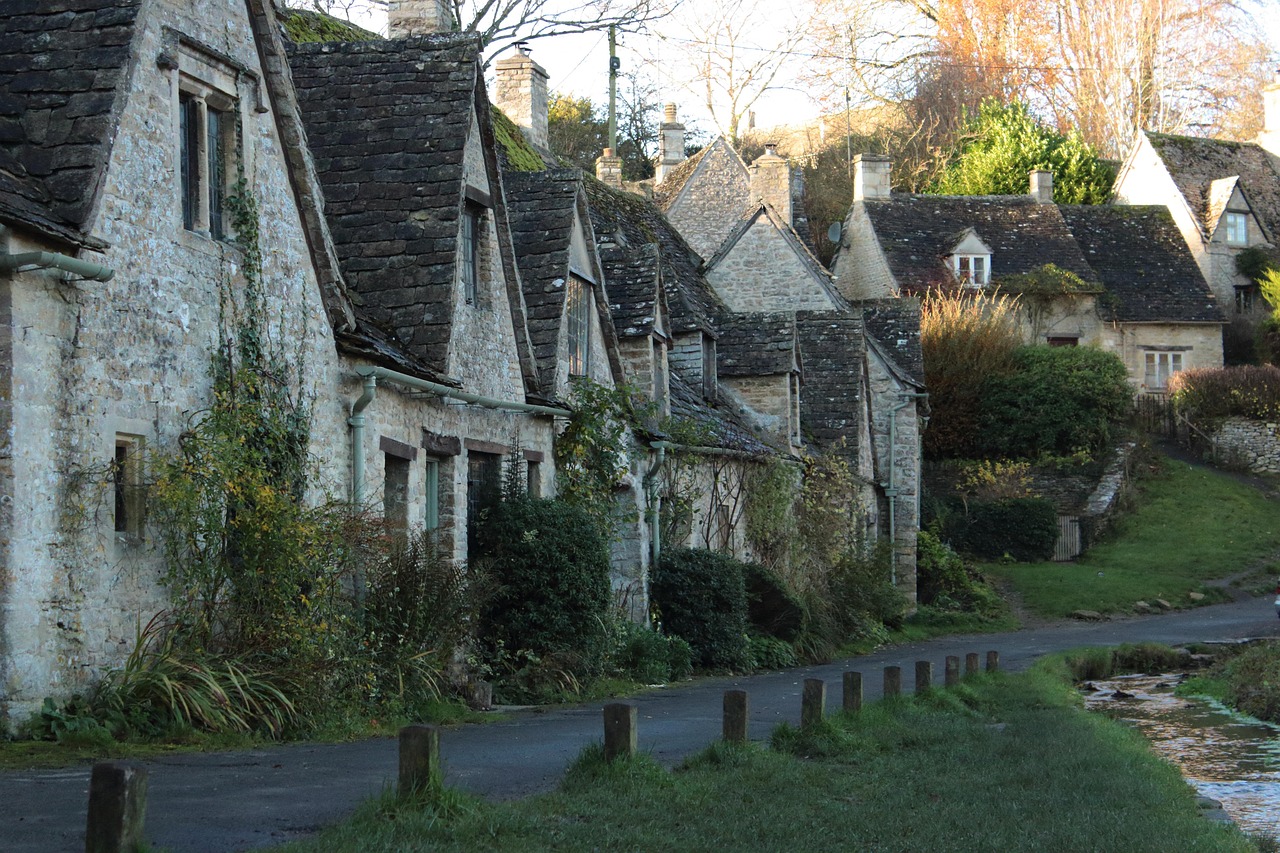
Bibury does not rely on spectacle. It works through proportion, material, and mood. Honey-colored stone cottages line the river, low bridges cross clear water, and surrounding meadows soften the architecture into a gentle, continuous scene. Arlington Row is famous, but the broader village holds the same visual language: narrow lanes, old masonry, and restrained color that responds beautifully to rain, fog, or late-afternoon sun. Bibury feels cinematic because nothing is overplayed. It trusts texture and timing, and that quiet confidence gives it lasting emotional weight.
Manarola, Italy
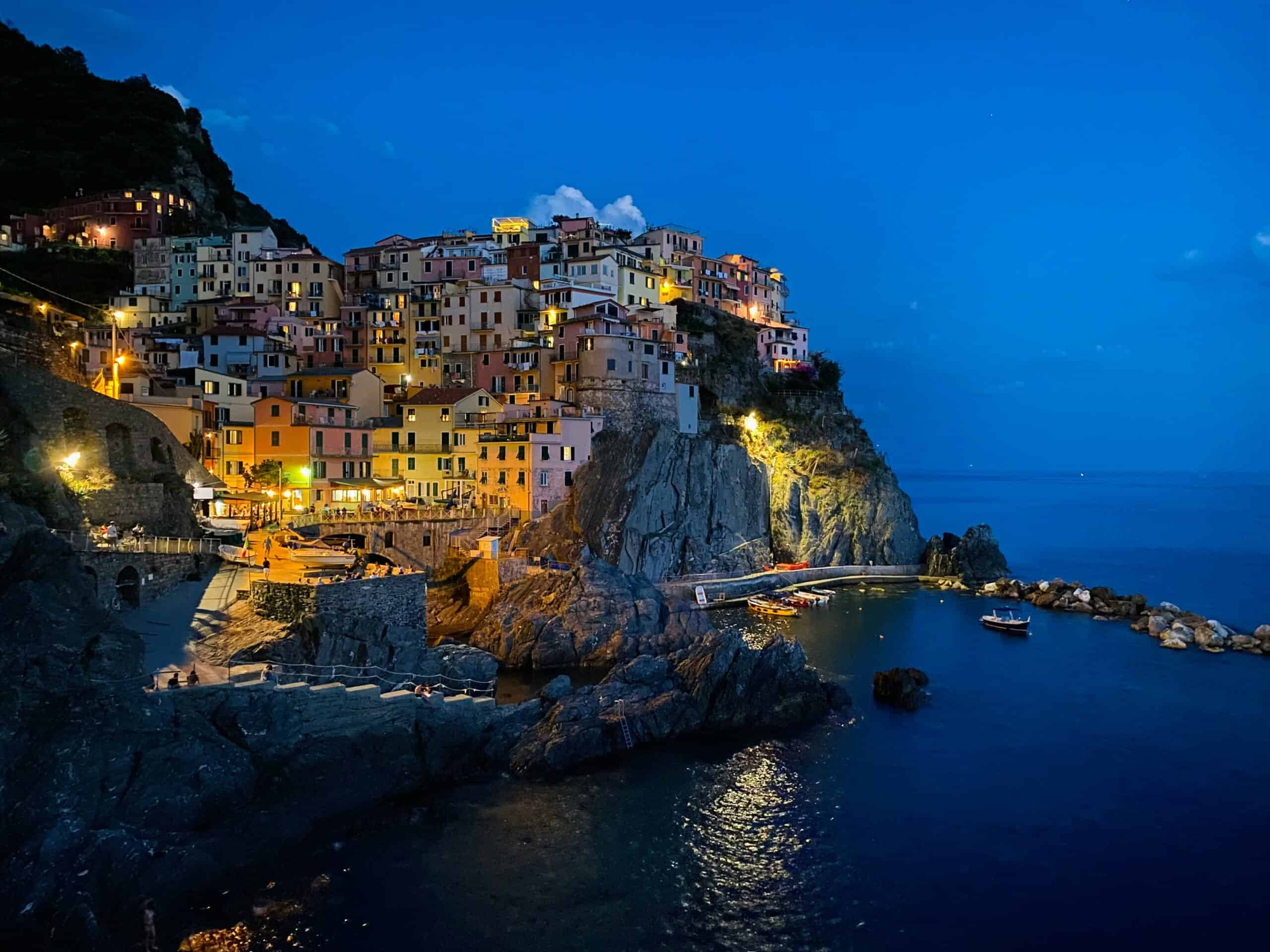
Manarola rises from rugged Ligurian rock in stacked bands of color, with houses climbing above a small harbor that catches changing light from dawn to night. The setting feels bold, but the town itself remains intimate, tight lanes, stairways, and terraces where daily life unfolds close to the sea. Vineyards on steep slopes remind visitors that this beauty was shaped by labor, not decoration. At blue hour, building lights reflect on water and the whole cove takes on a painted look. Manarola feels vivid, textured, and unmistakably alive.
Bled, Slovenia
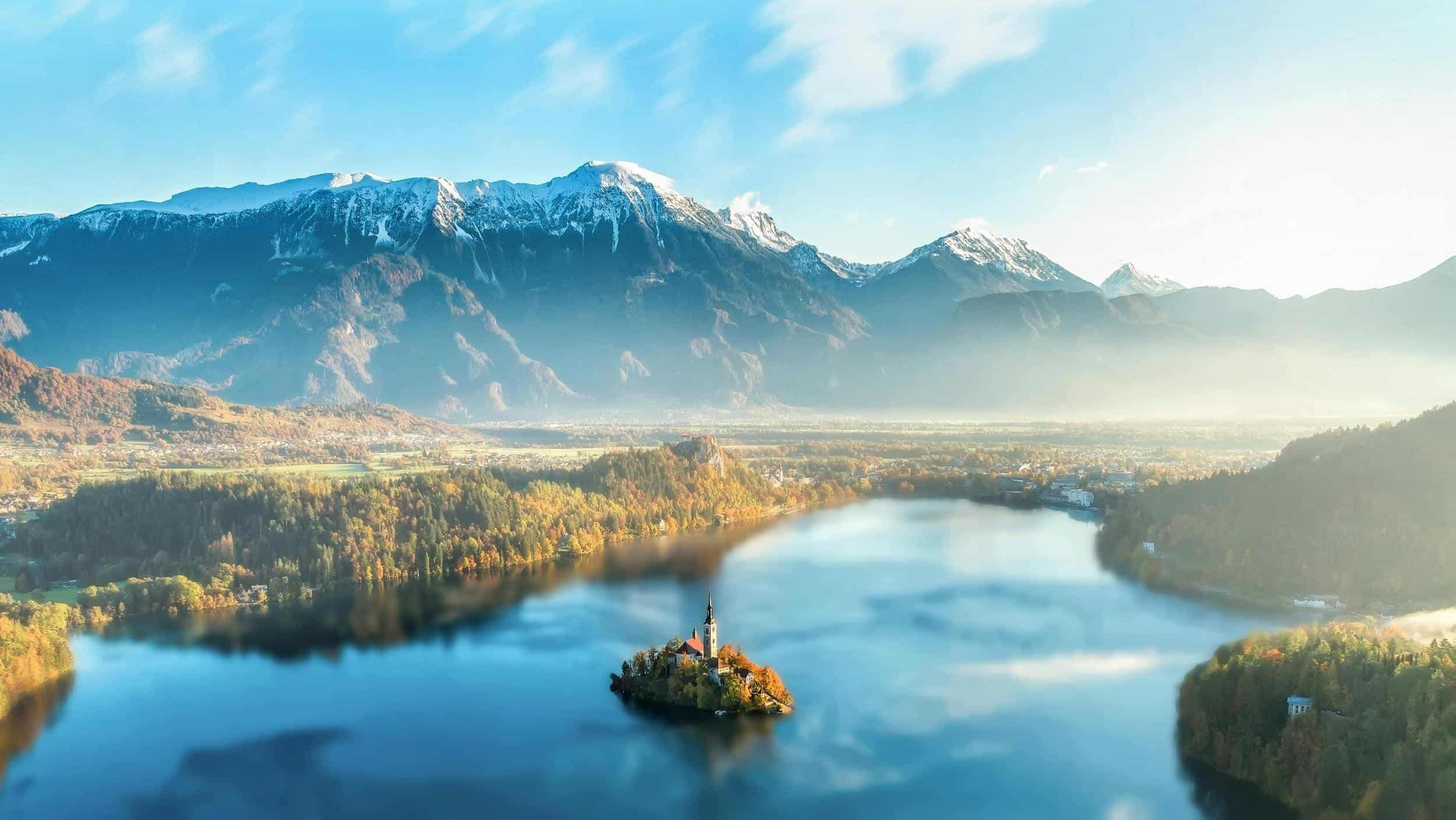
Bled feels designed for visual storytelling. A church on a small island sits at the center of the lake, a castle crowns a cliff nearby, and alpine ridges hold the background with clean, strong lines. Traditional wooden boats move slowly across reflective water, adding motion without disturbing the calm. Morning mist softens the edges into muted tones, while evening light sharpens contrast and color. The place is famous, yet still emotionally effective because composition and atmosphere remain intact. Bled offers cinematic beauty with warmth and accessibility.
Albarracín, Spain
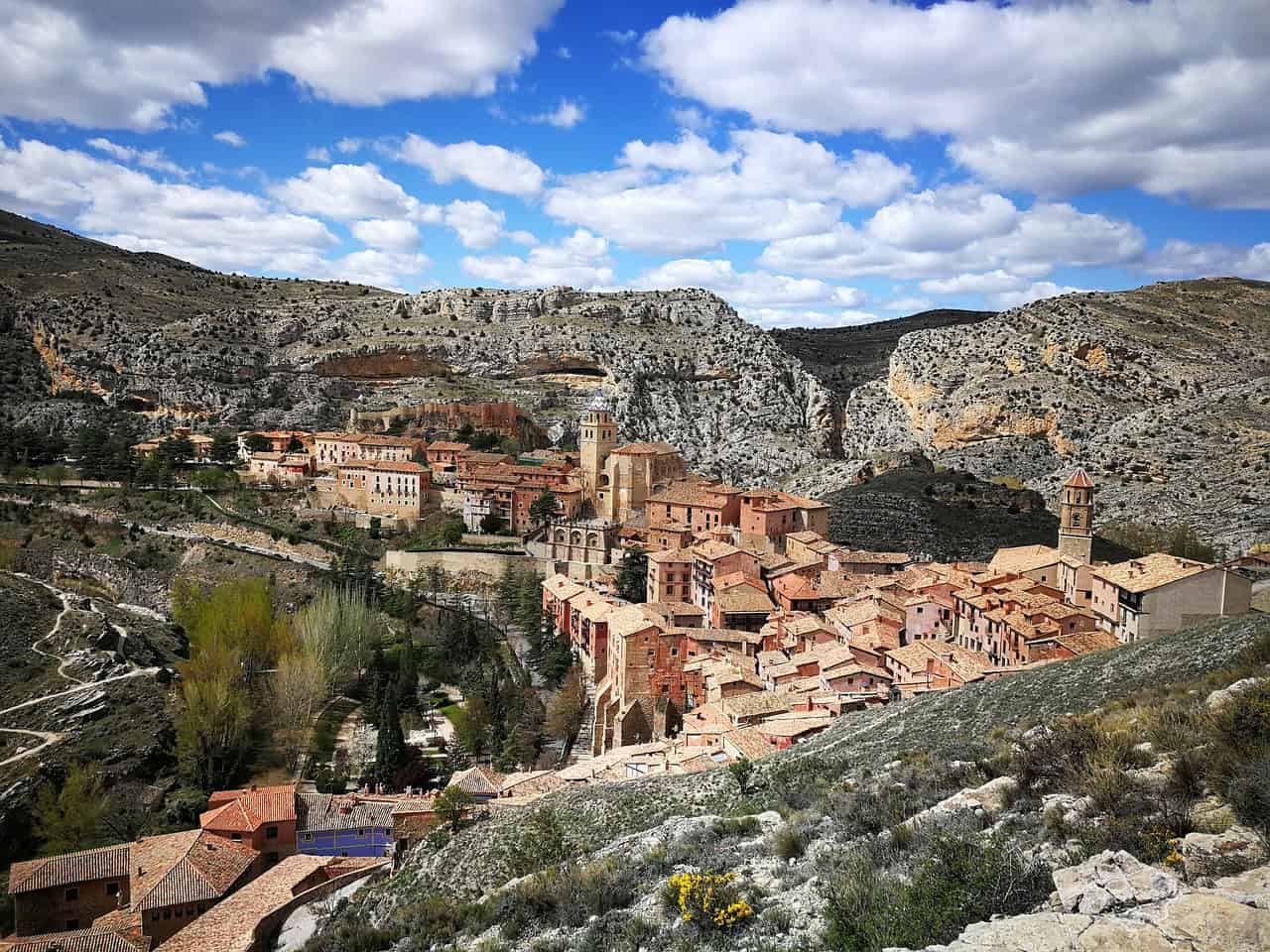
Albarracín clings to a hillside in Aragón with reddish walls, narrow lanes, and defensive lines that feel lifted from historical cinema. The town’s irregular layout creates constant discovery, angled facades, sudden viewpoints, and stone passages that open toward river and valley. Its palette of terracotta, ochre, and weathered wood stays consistent across streets, giving the whole place a unified visual tone. Light shifts make a big difference here, especially at dusk when surfaces glow softly. Albarracín feels timeless because architecture and landscape still speak one language.