We may earn money or products from the companies mentioned in this post. This means if you click on the link and purchase the item, I will receive a small commission at no extra cost to you ... you're just helping re-supply our family's travel fund.
International travel is surging again, but 2026 is proving to be a noticeably more expensive year for American tourists in several once-predictable destinations. A mix of global inflation, strong local currencies, new tourism taxes, and record visitor demand is pushing daily travel costs well beyond what many travelers budgeted just a few years ago. From iconic European capitals to long-haul Asia-Pacific favorites, prices for hotels, meals, transportation, and attractions are climbing at the same time. Below are 12 destinations where Americans are feeling the financial pinch the most in 2026, with each section breaking down exactly where the money goes and why careful planning matters more than ever.
1. France (Paris & French Riviera)
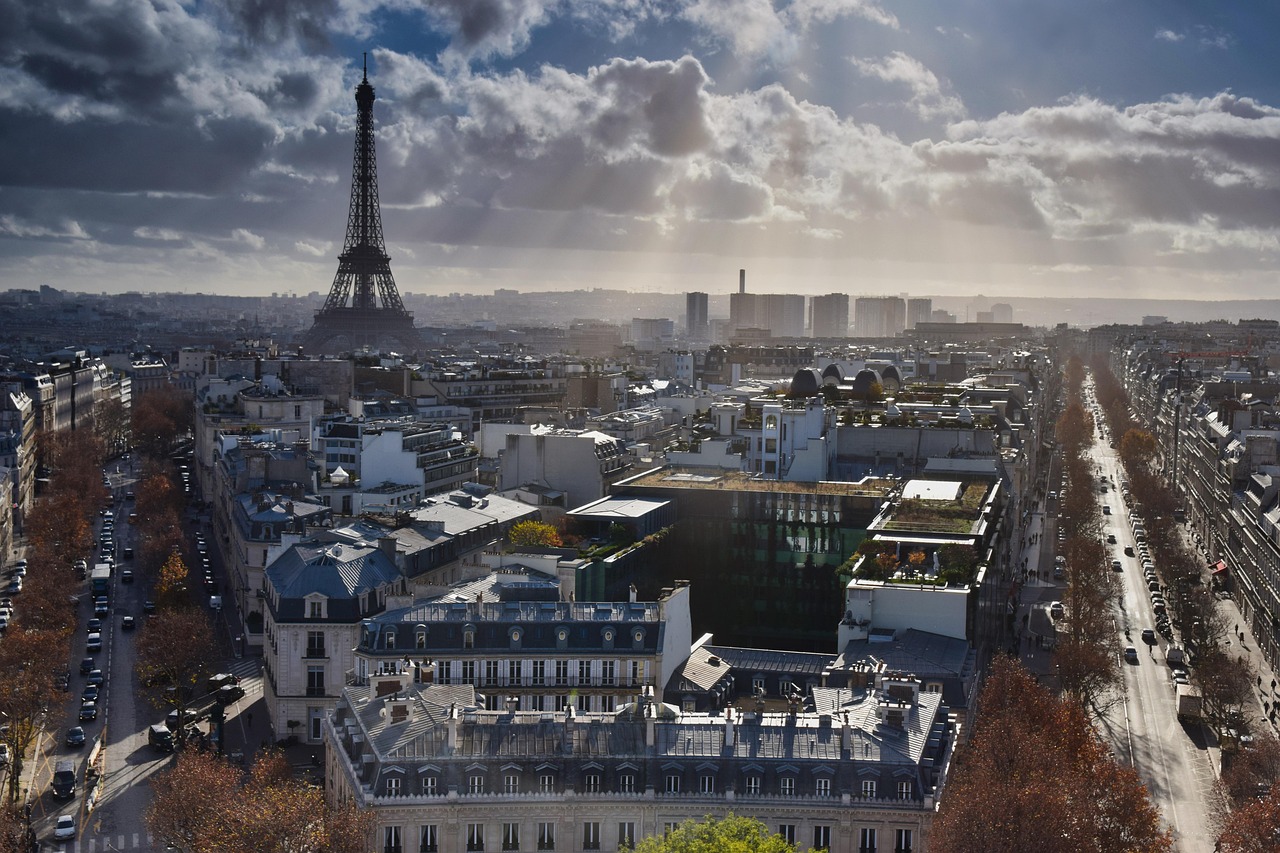
France continues to stretch travel budgets in 2026, especially in Paris and along the Riviera. Average hotel rates in central Paris now sit near USD 245 per night, around 18% higher than 2024. A simple café meal costs USD 22–25, while a mid-range dinner frequently exceeds USD 55 per person. Public transport passes, museum tickets, and guided experiences add another USD 18–30 per day. A relatively strong euro versus the dollar compounds these increases, making even short visits feel costly. Seasonal demand and accommodation taxes mean deals are rare, even outside traditional tourist districts.
2. United Kingdom (London Focus)
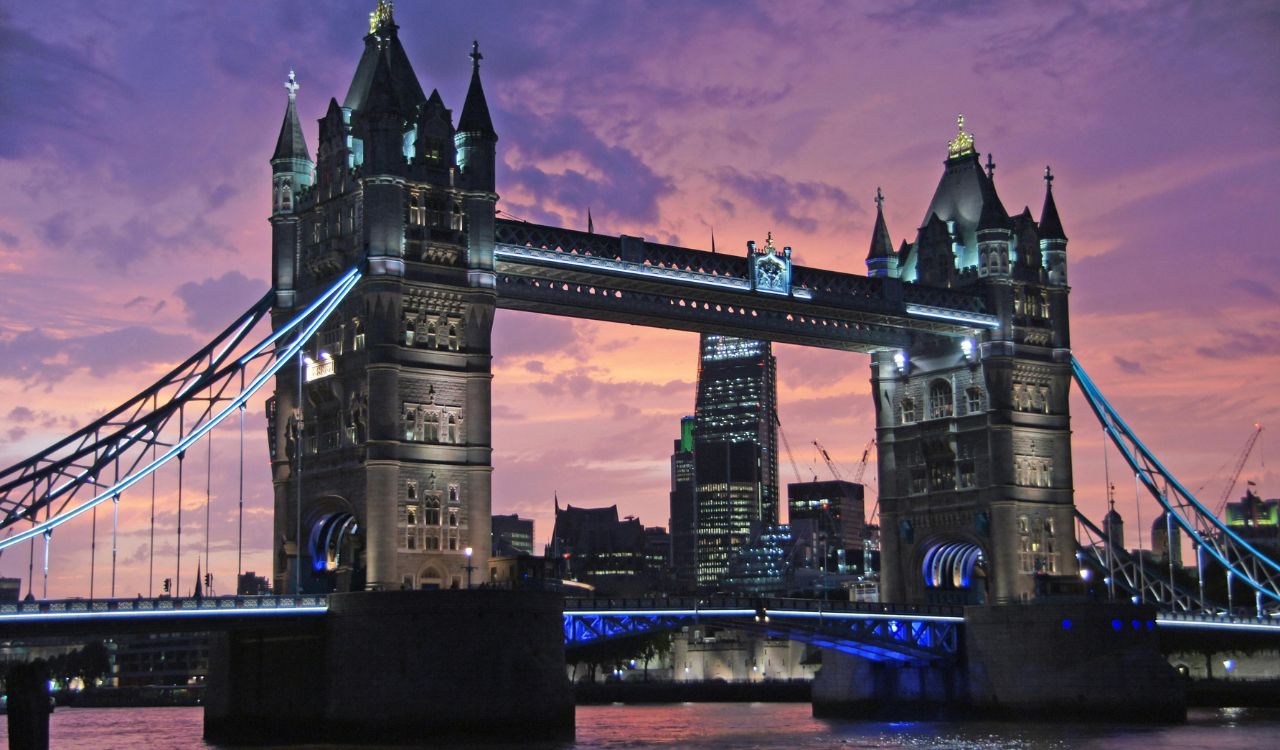
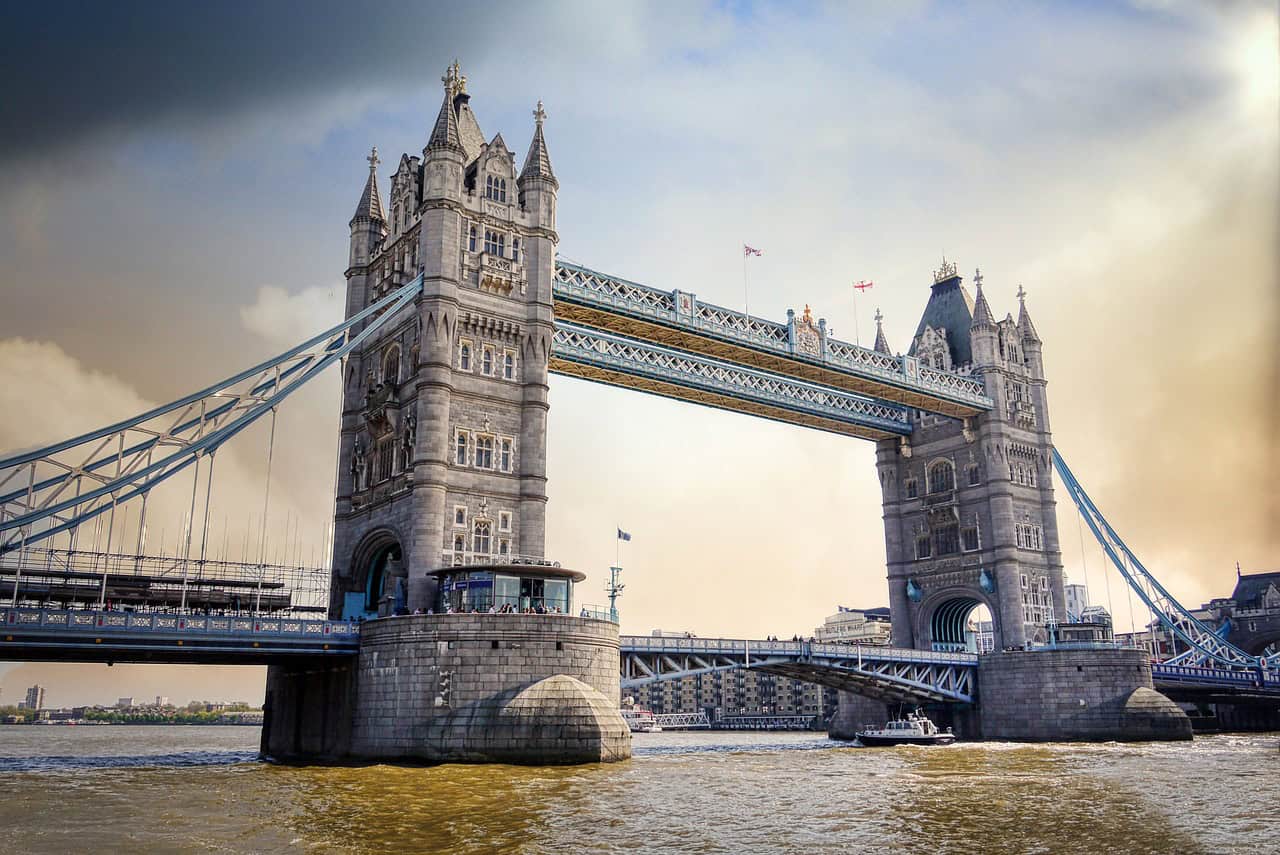
London remains one of Europe’s priciest capitals for Americans in 2026. Mid-range hotels now average USD 235–255 per night, up nearly 15% in two years. Pub meals hover around USD 20, while restaurant dining often reaches USD 50–60 per person. Daily transportation using contactless payments can total USD 12–15, and popular attractions regularly charge USD 35–40. The pound’s resilience against the dollar reduces purchasing power, and high demand for theater, concerts, and sporting events further drives up prices during peak travel months.
3. Switzerland
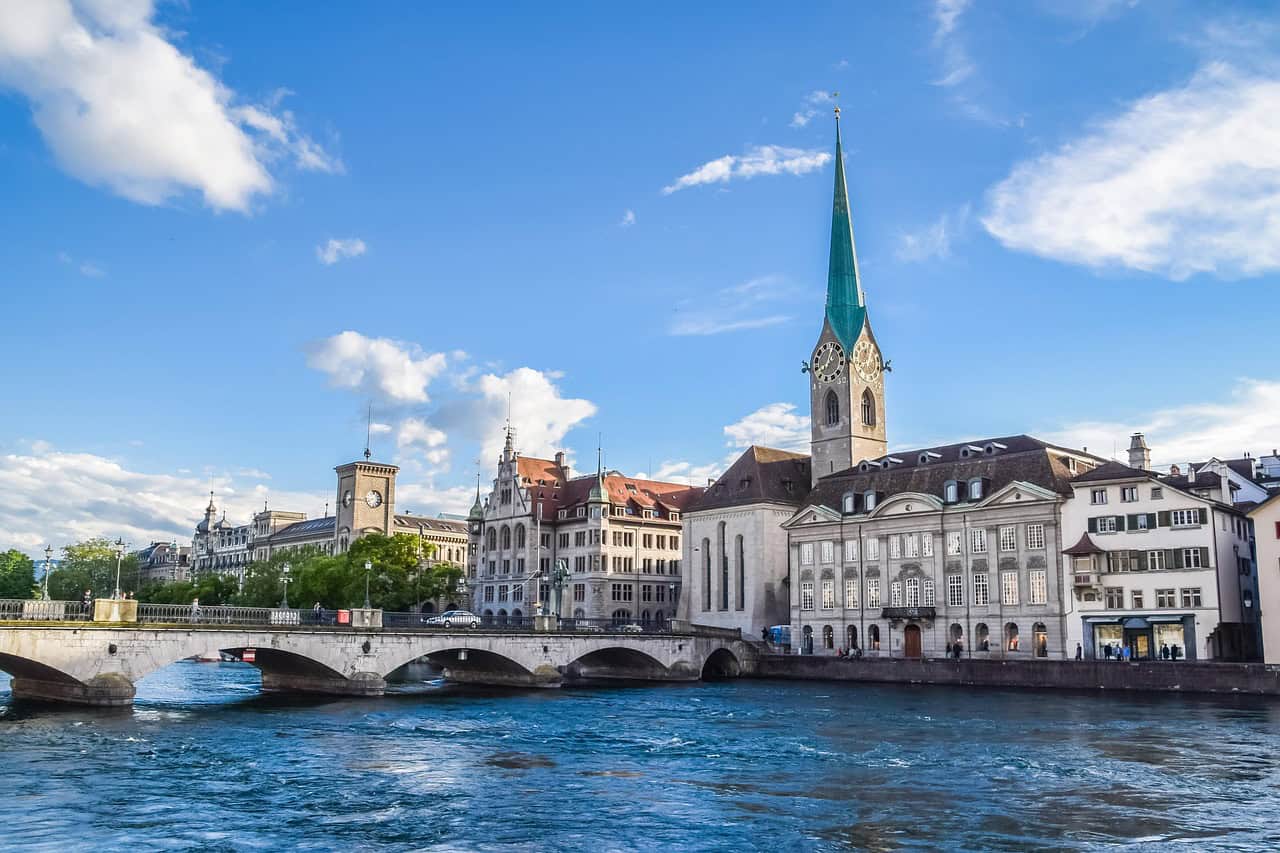
Switzerland’s reputation for high costs remains fully intact in 2026. Travelers can expect hotel rates of USD 260–290 per night in cities like Zurich, Lucerne, and Geneva. A casual lunch often costs USD 28–32, while dinner can exceed USD 65 per person. Train passes and mountain excursions quickly add up, with daily transportation expenses averaging USD 35–45. Even groceries are expensive, pushing average daily spending beyond USD 400. A strong Swiss franc against the dollar means Americans feel every price increase more sharply than before.
4. Japan (Tokyo & Kyoto)

Japan is no longer the bargain it once was for U.S. travelers. In 2026, Tokyo hotels average USD 175–195 per night, while Kyoto often exceeds USD 210 during peak seasons. Meals remain reasonable by global standards, but costs are rising, with casual dining around USD 12–15 and nicer meals near USD 35–40. New accommodation and regional visitor taxes can add USD 5–20 per night. Increased demand and partial currency recovery mean overall daily costs are about 20% higher than 2023.
5. Australia
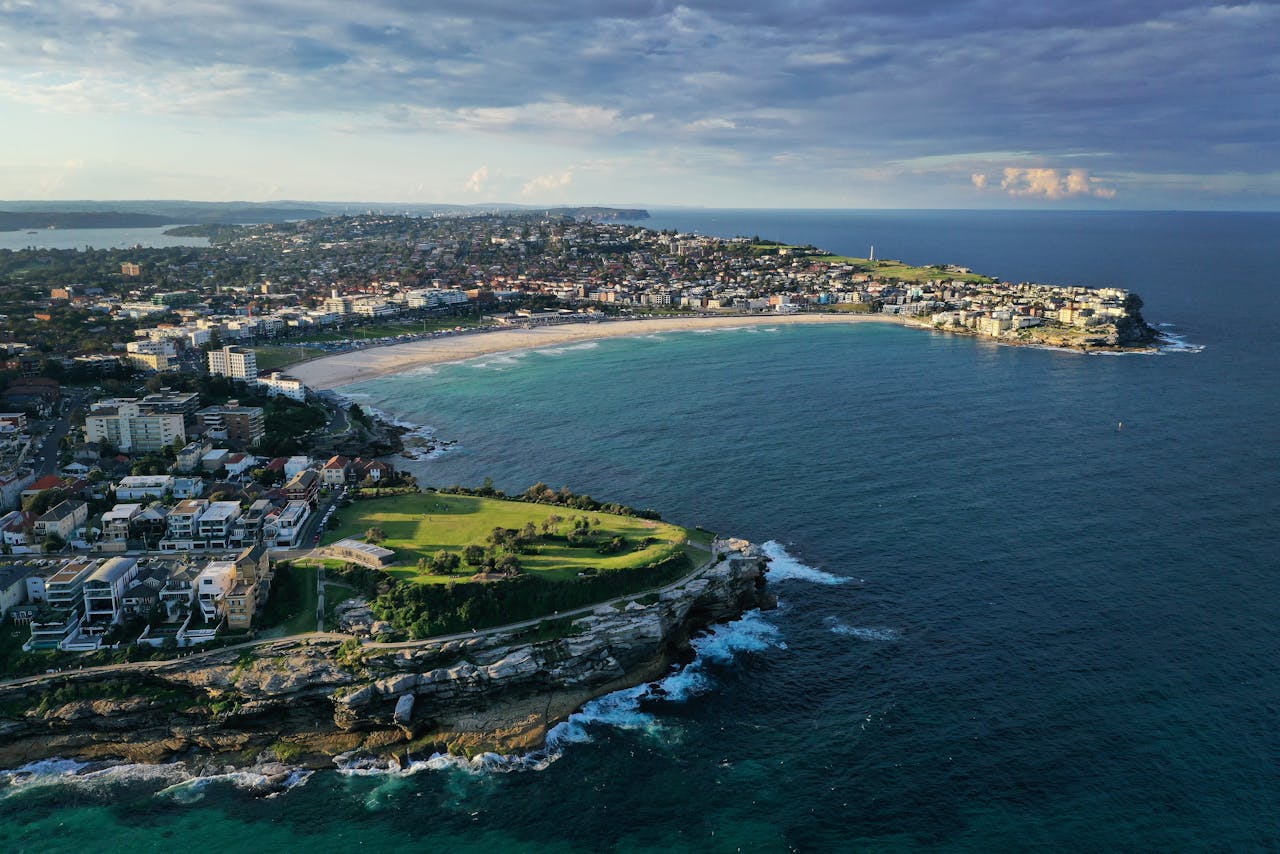
Australia has become a noticeably expensive destination for American travelers in 2026, particularly in major cities like Sydney and Melbourne. Mid-range hotels now average USD 230–260 per night, while centrally located properties frequently push higher during peak seasons. A casual café meal typically costs USD 18–22, and sit-down dinners often exceed USD 45 per person before drinks. Public transport, tours, and entrance fees add another USD 40–60 daily. Domestic flights between cities that once felt affordable now regularly cost USD 120–180 one way, making multi-city trips far more expensive. Daily spending commonly reaches USD 330–350.
6. Norway
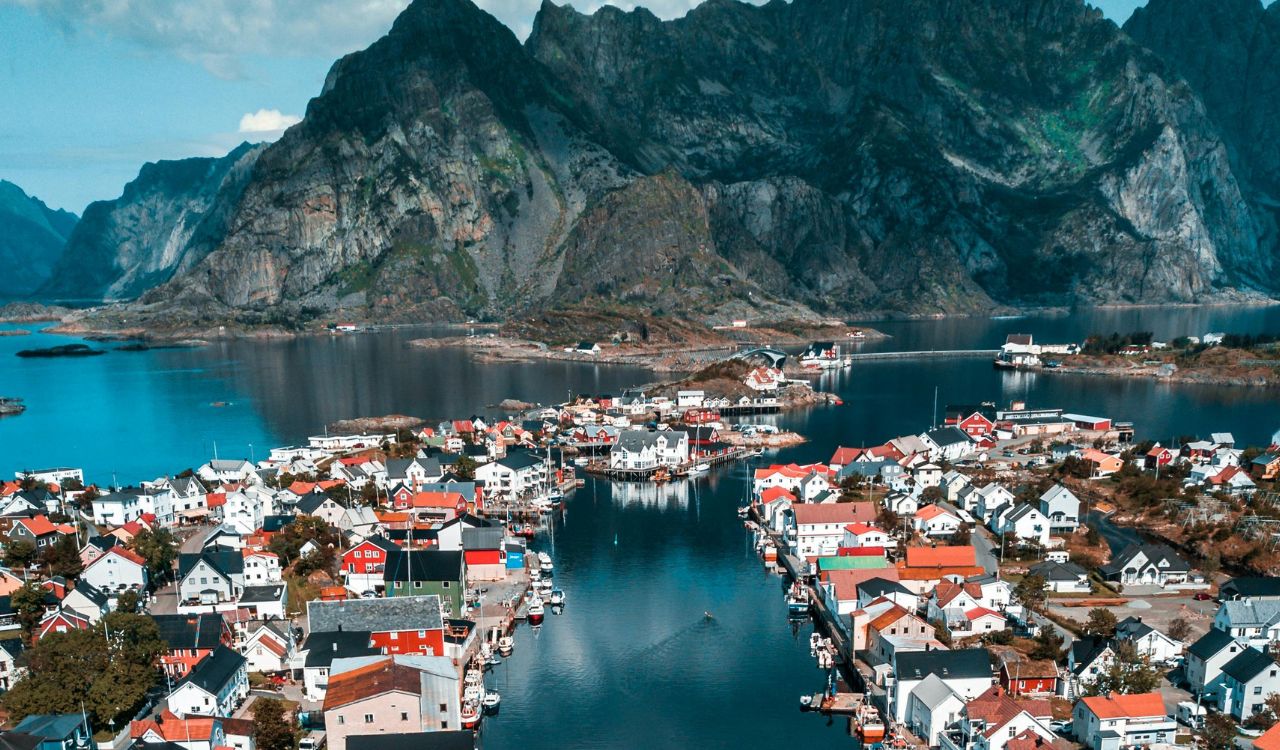
Norway remains one of Europe’s most expensive destinations for Americans in 2026, with little relief even for careful planners. Hotels in Oslo, Bergen, and Tromsø average USD 220–250 per night, while basic restaurant meals cost USD 30–35. Alcohol prices remain steep, with a single beer often priced at USD 12–14. Public transport, ferries, and museum entry typically add USD 25–35 per day. Even budget-minded travelers struggle to cut costs, as grocery prices and self-catering options are only marginally cheaper than dining out. Average daily spending approaches USD 380–400.
7. Canada (Toronto & Vancouver)
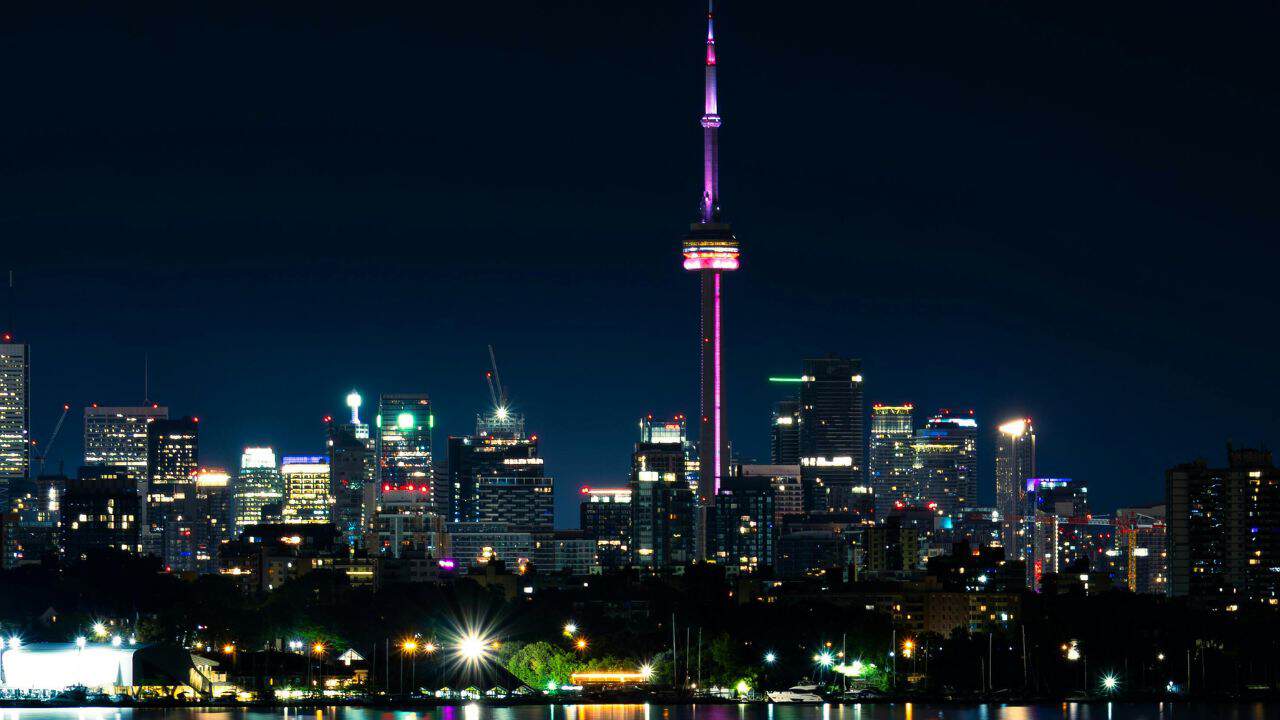
Canada has quietly become more expensive for American tourists in 2026, especially in Toronto and Vancouver. Mid-range hotels now average USD 210–230 per night, reflecting increases of roughly 14% since 2024. Casual meals usually cost USD 18–22, while mid-range restaurants average USD 40–45 per person. Public transportation, attractions, and cultural sites add USD 25–35 daily. Rising provincial taxes and service charges often inflate final bills by 10–15%, reducing the perceived value for U.S. visitors. Overall daily expenses frequently approach USD 290–310.
8. Singapore
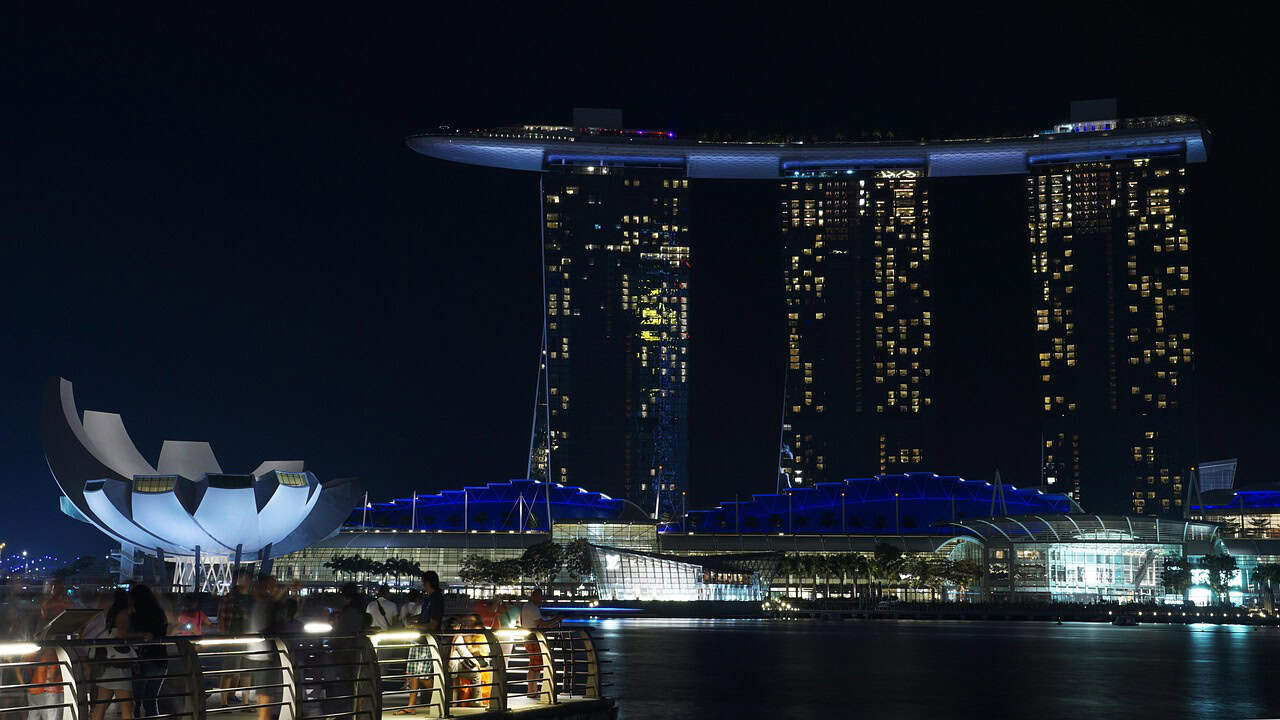
Singapore remains one of Asia’s most polished yet expensive destinations for American travelers in 2026. Mid-range hotels typically cost USD 235–260 per night, with limited availability below that range. Hawker centers still offer value at USD 6–8 per meal, but restaurant dining often exceeds USD 40 per person. Attractions such as observation decks, zoos, and theme parks range from USD 35–60 each. Strict regulations and limited space keep accommodation supply tight, preventing prices from easing even during slower travel months. Average daily spending sits around USD 310–330.
9. Greece (Santorini & Popular Islands)

Greece’s most famous islands are significantly more expensive for Americans in 2026, especially Santorini and Mykonos. Hotels routinely exceed USD 280 per night, while meals average USD 20–25 for lunch and USD 45–50 for dinner. New crowd-control fees and cruise passenger charges add USD 10–20 per stop. Inter-island ferries often cost USD 40–60, quickly inflating travel budgets. Short peak-season stays now include minimum-night requirements, forcing longer and costlier bookings. Daily expenses commonly reach USD 330–350 on popular islands.
10. Thailand
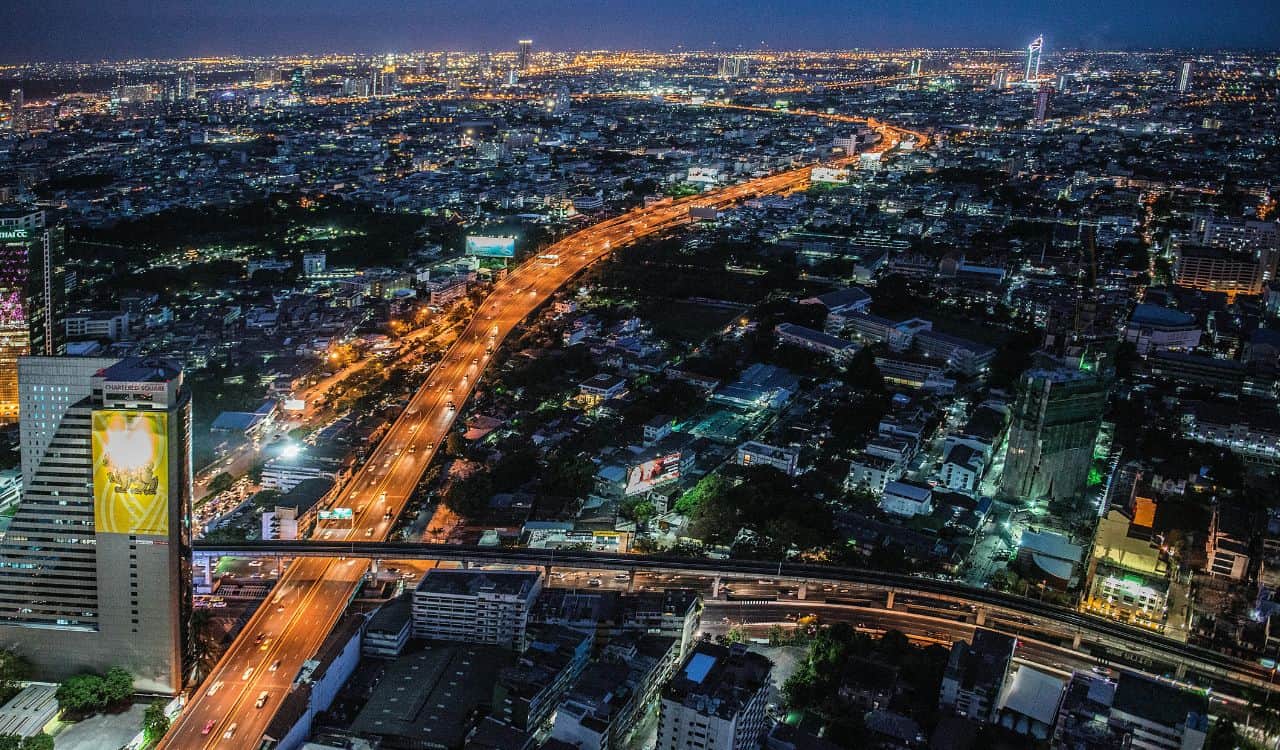
Thailand remains relatively affordable, but costs for American travelers have risen steadily in 2026. Bangkok hotels now average USD 120–140 per night, while beach destinations like Phuket and Koh Samui often exceed USD 160. Local meals still cost USD 4–8, yet transportation, excursions, and nightlife add up quickly. A nationwide visitor entry fee of about USD 9 is now standard. Luxury resorts and international-standard experiences have seen the sharpest increases, with some rates doubling since pre-pandemic years. Average daily spending now ranges from USD 180–200.
11. Iceland

Iceland continues to be one of the most expensive destinations Americans can visit in 2026. Hotels regularly average USD 260–300 per night, while rental cars cost USD 100–120 per day, excluding fuel. Simple restaurant meals often exceed USD 25–30, and guided excursions like glacier hikes or volcano tours range from USD 120–180. Limited competition keeps prices consistently high nationwide. Even everyday essentials like bottled water, snacks, and parking fees quietly add up, pushing total costs higher than expected. Average daily spending frequently reaches USD 420–450.
12. FIFA World Cup 2026 Host Cities
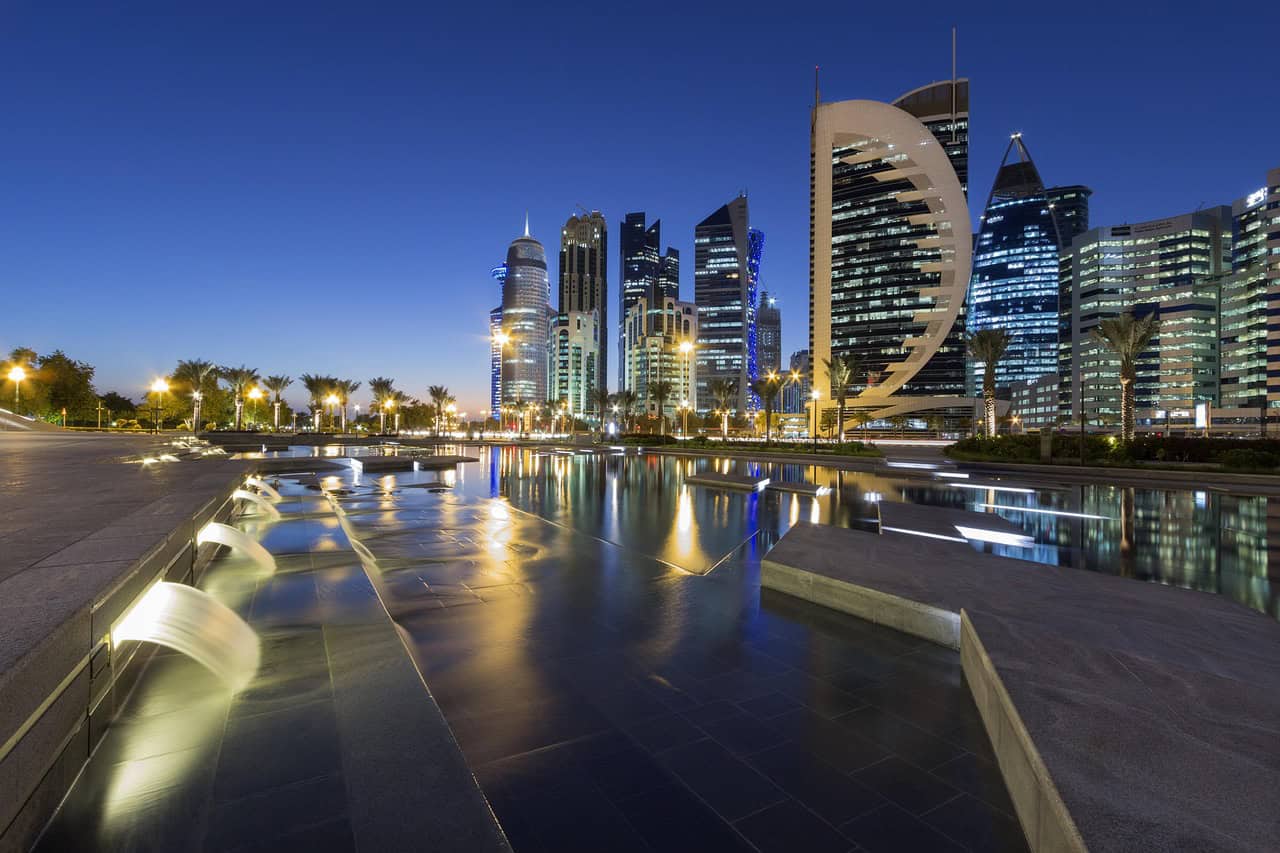
Traveling to FIFA World Cup host cities in 2026 comes with unusually high short-term costs for American tourists. During match periods, hotel prices in cities across the U.S. and Canada frequently surge to USD 400–600 per night, with premium locations climbing even higher. Restaurant menus, ride-share fares, and local transport often rise 20–40% on game days. Basic services like parking and last-minute accommodations carry inflated pricing. With limited availability and massive global demand, daily travel expenses can easily exceed USD 500, excluding match tickets and merchandise.