We may earn money or products from the companies mentioned in this post. This means if you click on the link and purchase the item, I will receive a small commission at no extra cost to you ... you're just helping re-supply our family's travel fund.
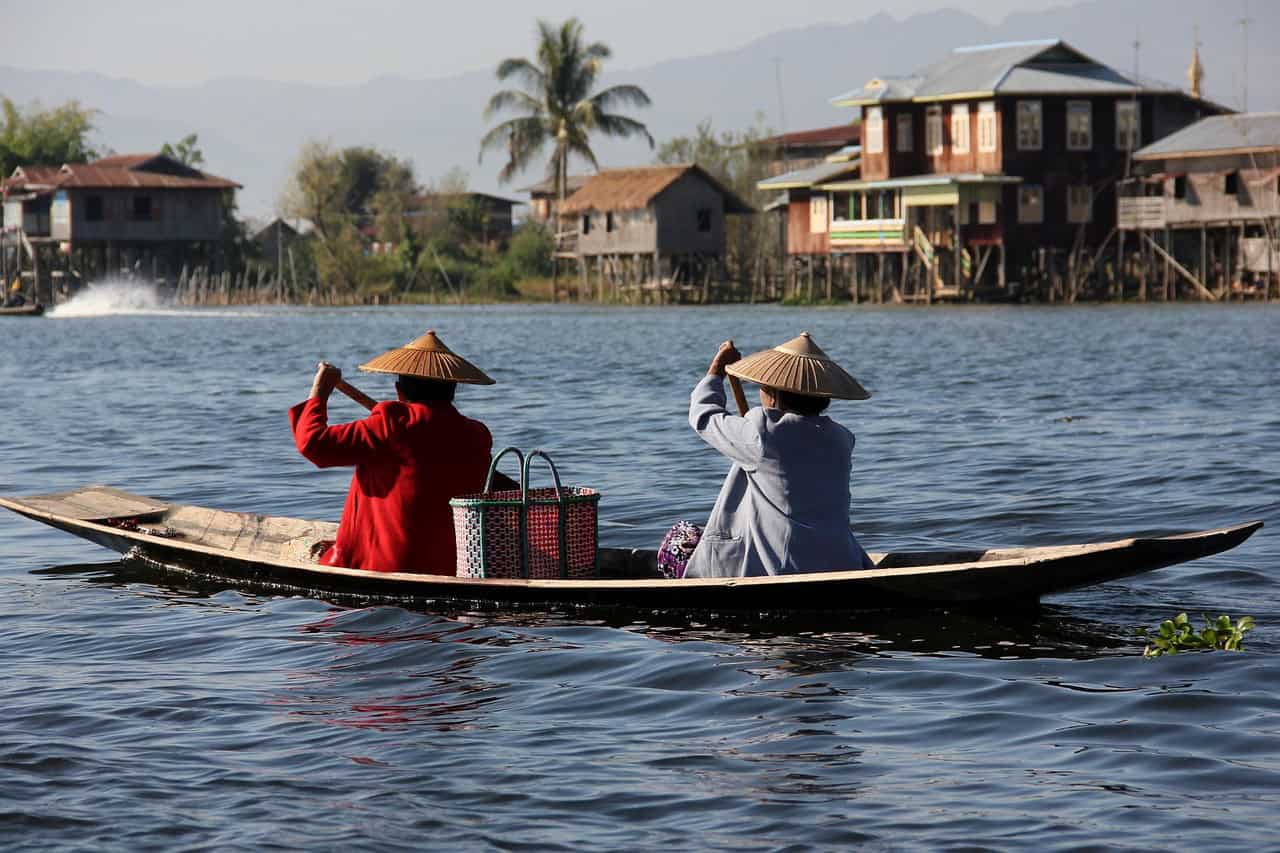
Global policies, tense diplomacy, and evolving conflicts have reshaped travel realities for Americans. What once felt like distant yet reachable countries are now surrounded by restrictions, suspended flights, and complex visa rules. For many destinations, U.S. warnings are at the highest level, visas can take months or may not be issued at all, and consular support is weaker than before. These twelve places illustrate how rapidly travel conditions can change and why Americans now face far stricter rules, heavier paperwork, and far greater risks than even 5 years ago.
1. Afghanistan
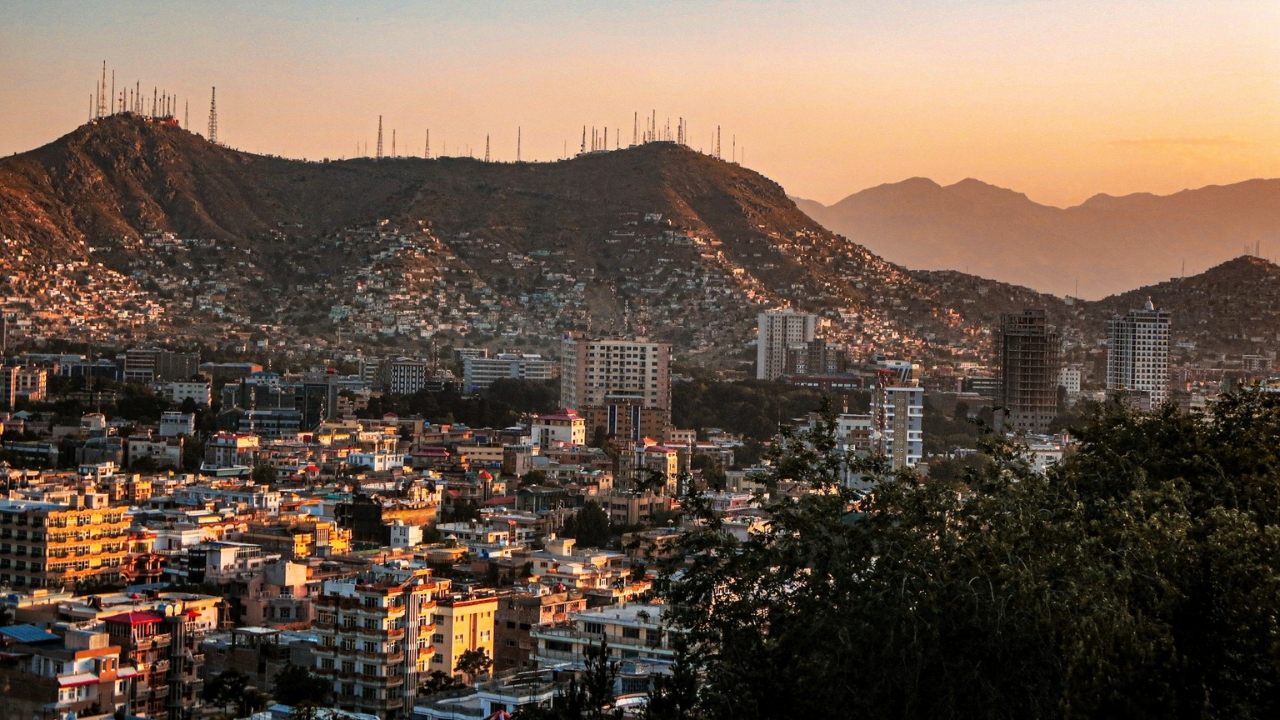
Afghanistan is one of the toughest destinations for Americans to reach today as full restrictions, missing commercial routes, and Level-4 warnings block normal travel. Embassy assistance is limited, airports operate irregularly, and security threats remain severe in over 30 of 34 provinces. With a population above 38 million, the country has minimal tourism structure, and many airlines no longer fly its routes. U.S. travelers require rare approvals, and evacuation support is difficult, meaning fewer than 2,000 Americans annually even attempt to travel compared to tens of thousands decades ago.
2. Myanmar (Burma)

U.S. restrictions and Myanmar’s unstable political climate have made entry extremely challenging, with many regions unsafe and visas unpredictable. Americans face rigorous screening, limited embassy assistance, and frequent route cancellations. With more than 54 million residents, Myanmar remains deeply affected by internal conflict, and over 70% of tourist arrivals from previous years have disappeared. Travel warnings remain severe, infrastructure has weakened, and many formerly popular cities are harder to reach. Even travelers with experience in Southeast Asia now reconsider visiting because documentation, safety guarantees, and flight options are far more limited today.
3. Chad
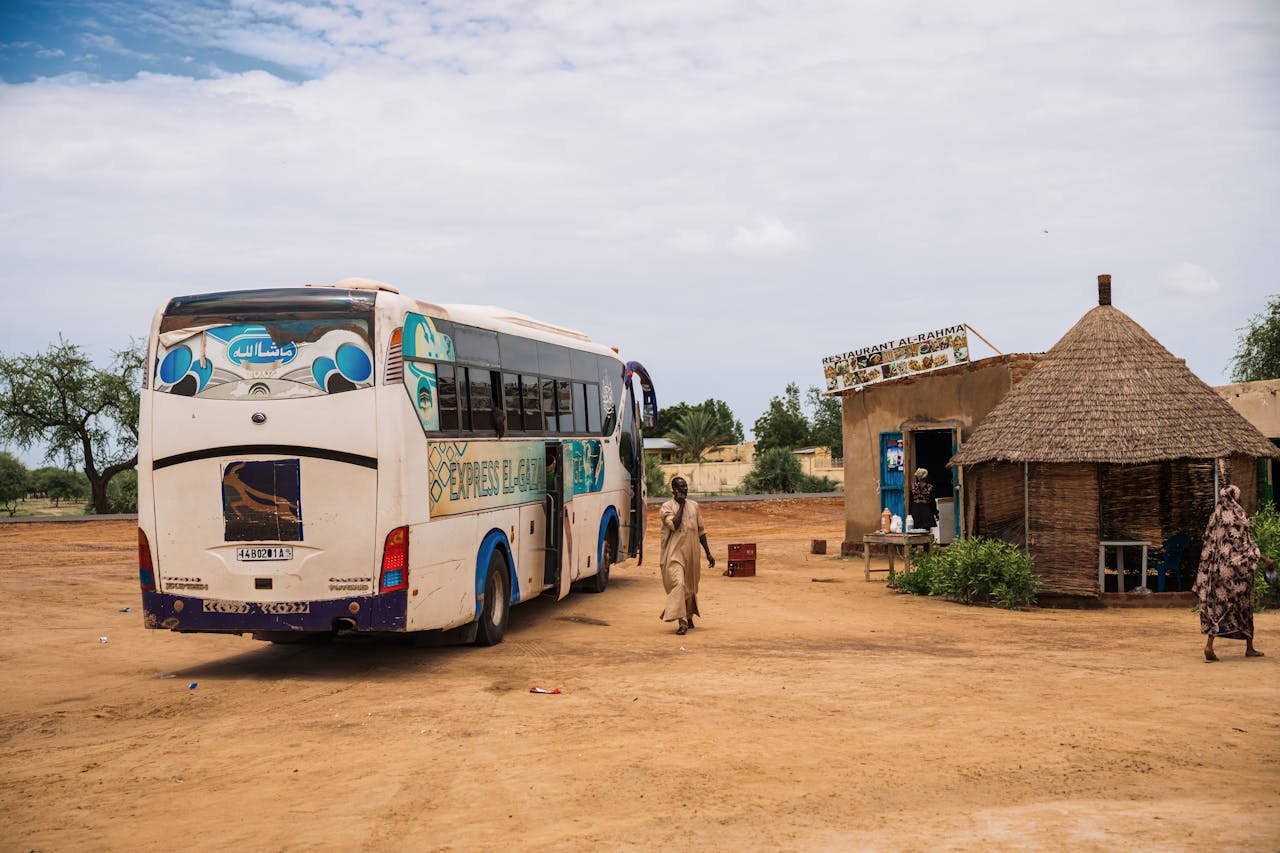
Chad has become significantly harder for Americans to enter due to reciprocal restrictions, suspended visa categories, and lengthy approval periods that can exceed 90 days with no guarantee. Diplomatic tension limits cooperation, and security advisories often warn against travel outside major cities. The country has about 18 million people, large desert regions, and limited tourism facilities, making logistics difficult even before restrictions. Now, far fewer than 10,000 U.S. visitors arrive yearly, compared with much higher interest earlier. Flights are fewer, documentation standards are stricter, and emergency support options have sharply reduced.
4. Haiti
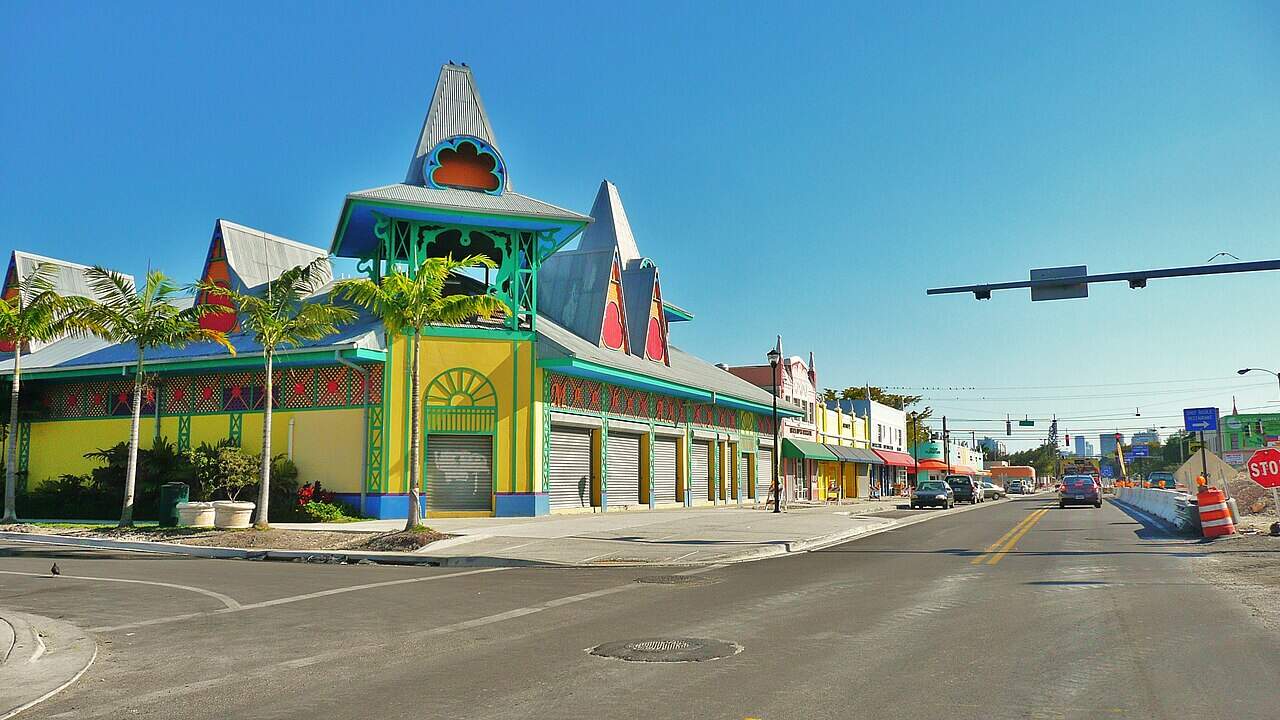
Haiti’s worsening instability and restricted diplomatic environment make travel complicated for Americans, even though it lies just 700 miles from Florida. Many embassy services are suspended, flights are reduced, and advisory levels remain at the highest due to violence and infrastructure collapse. With more than 11.6 million citizens, Haiti faces economic stress and limited tourism capacity, causing cancellations and heightened risk. Road travel is dangerous in several regions, and evacuations are difficult. Only a fraction of the over 500,000 yearly visitors the nation once welcomed now attempt travel, showing how sharply access has changed.
5. Iran
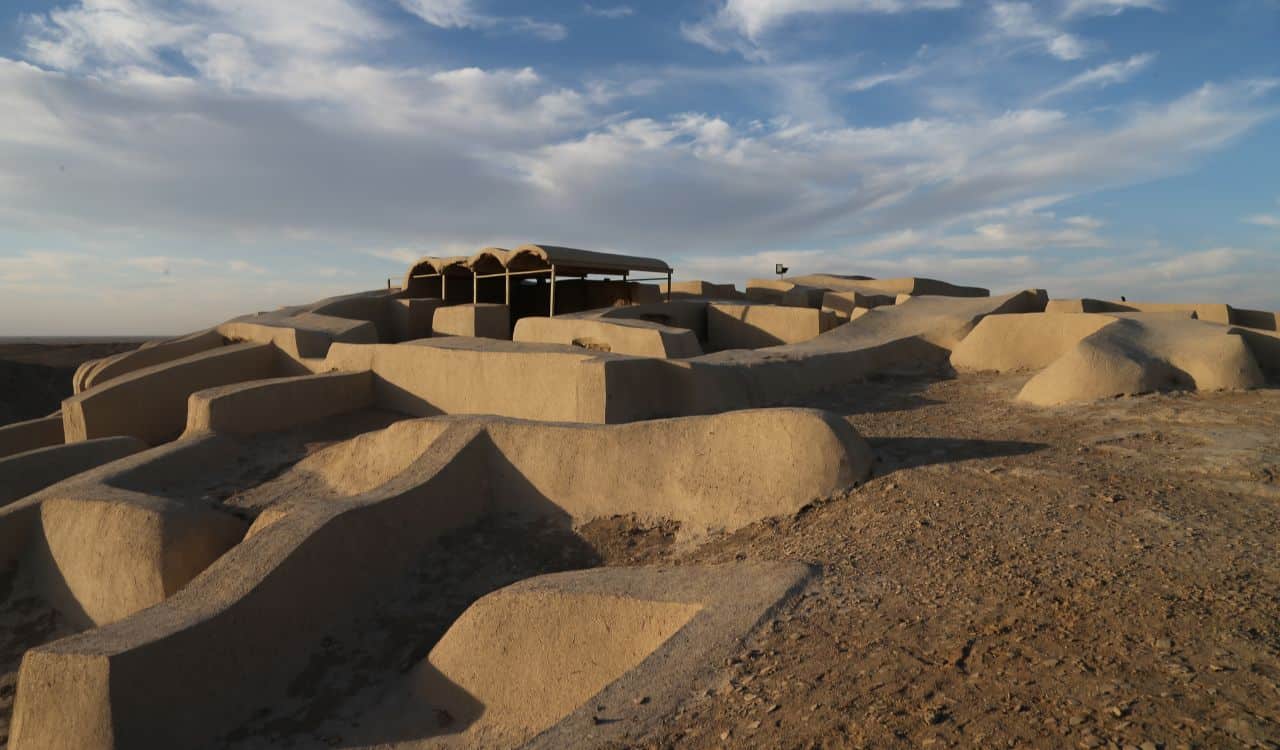
Iran remains extremely difficult for Americans to reach because visas require intense scrutiny, specialized approvals, and long waits that may stretch past 120 days. Diplomatic relations are limited, travel warnings are severe, and consular support is restricted since there is no direct U.S. embassy. With more than 85 million residents, Iran remains culturally rich but politically tense, and misunderstandings can have serious consequences. Flights from the U.S. do not exist, so travelers must route through third countries. As a result, only a very small number of Americans now visit compared with earlier decades.
6. Libya
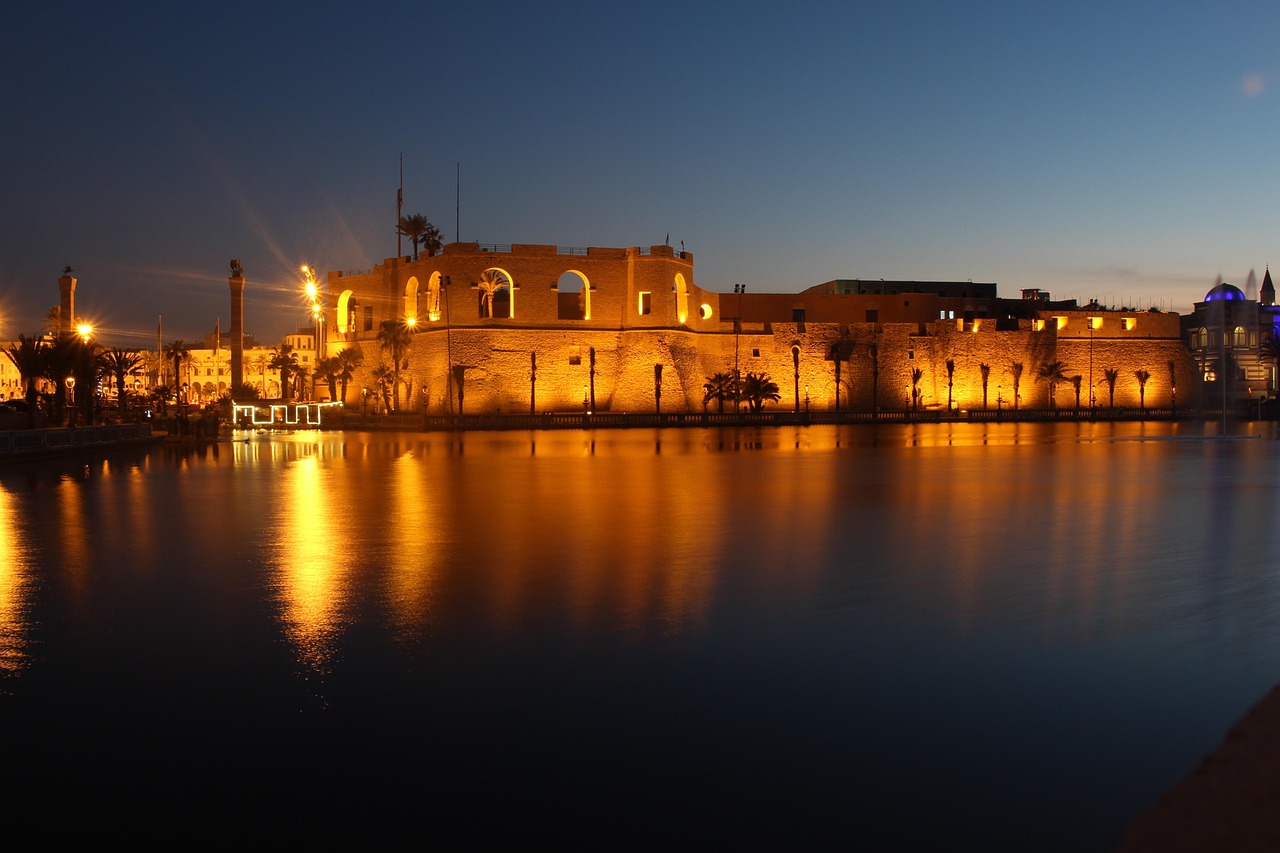
Libya is almost unreachable for casual American travelers, with full security concerns, ongoing instability, and a national situation labeled “Do Not Travel” by U.S. authorities. Tourist infrastructure is nearly nonexistent, airlines have heavily reduced services, and visas are rarely issued for leisure. Home to around 7 million people, much of the nation remains affected by conflict, making safe movement difficult. Embassy presence is limited, insurance rarely covers trips, and evacuation support is uncertain. Where thousands once traveled for business or exploration, fewer than 1,000 Americans yearly now attempt visits under controlled circumstances.
7. Somalia
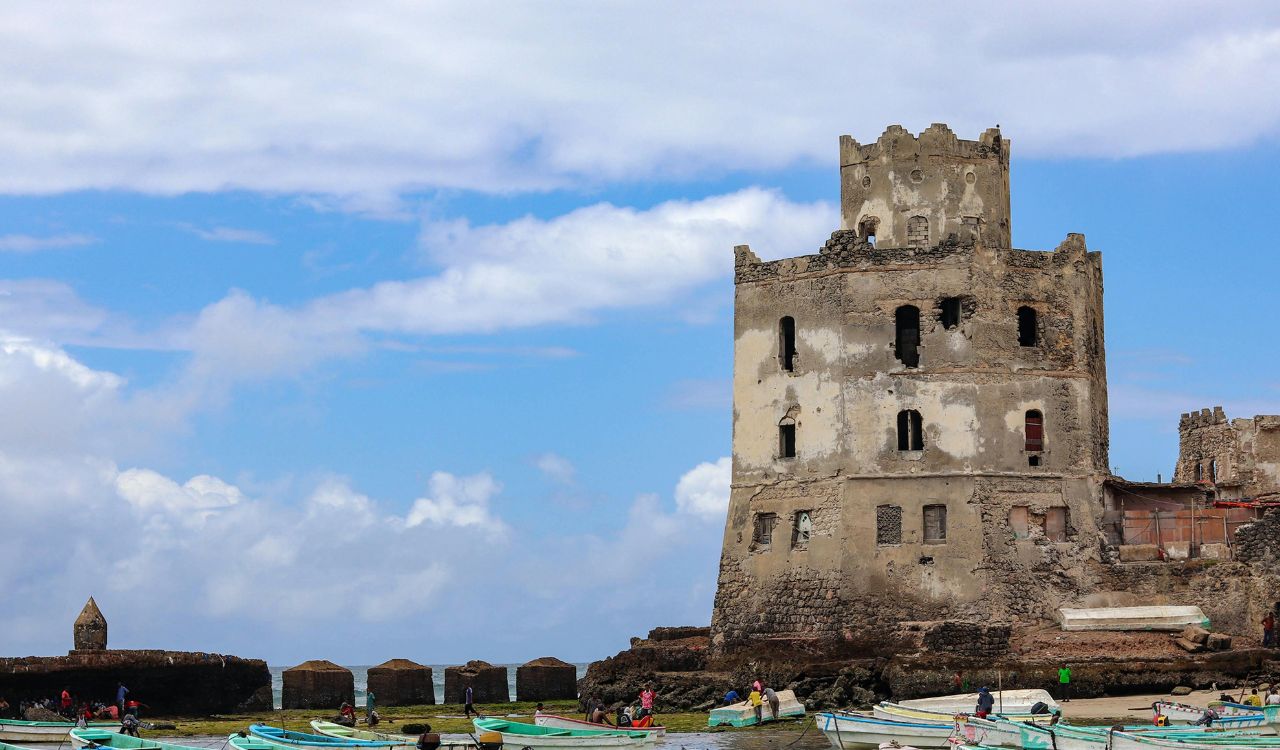
Somalia’s long-running instability, active conflict zones, and inclusion under full travel restrictions make it one of the most dangerous and complicated nations for Americans to reach. With over 17 million residents, major regions remain risky, flights are limited, and legal entry involves intense screening. The U.S. maintains Level-4 warnings, and kidnapping and terrorism threats are frequently cited. Visa processes are uncertain, infrastructure is fragile, and medical support is limited. For these reasons, tourism is almost nonexistent, and only tightly managed humanitarian or official missions now account for the very small number of U.S. arrivals.
8. Sudan
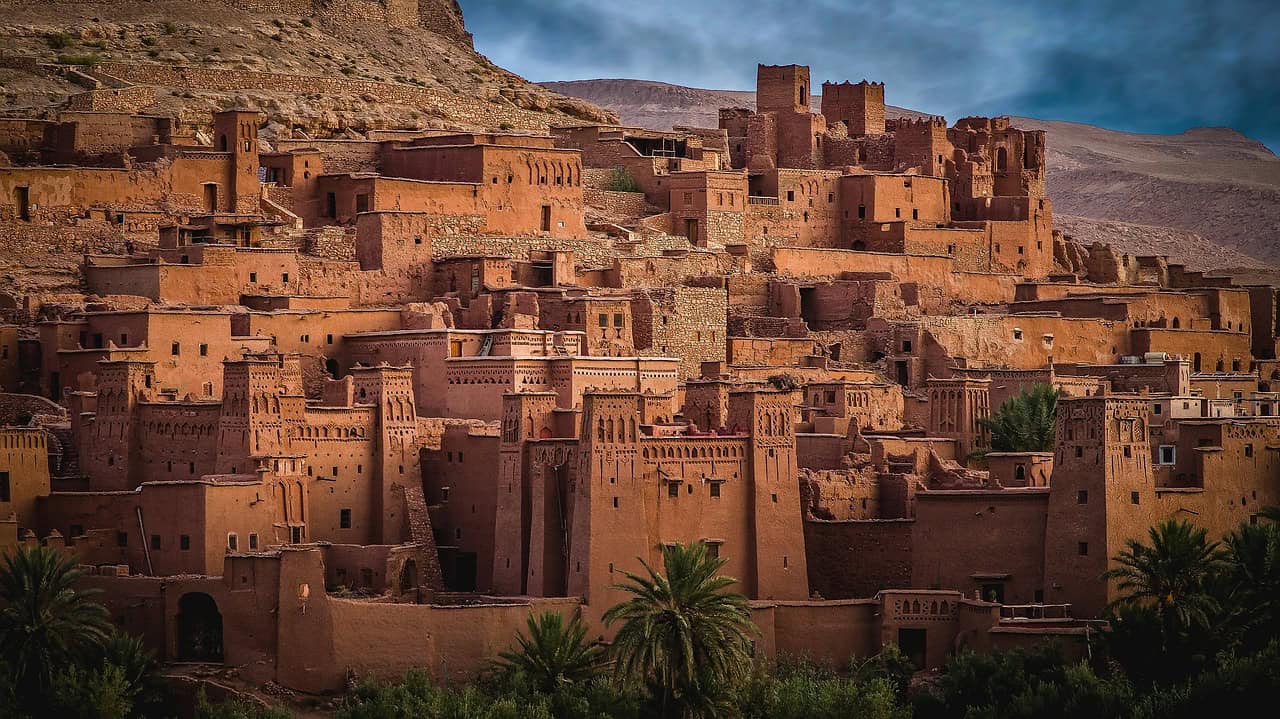
Sudan’s political turmoil and security breakdown mean Americans face some of the strictest travel barriers in recent history. Border controls fluctuate, embassy support is limited, and many regions are unsafe. With more than 45 million people, Sudan struggles with conflict, making infrastructure unreliable and transportation unpredictable. Visa approvals are difficult, travel advisories are at maximum severity, and evacuations can be complicated. Before instability intensified, hundreds of thousands visited annually, but today U.S. visitor numbers are near zero. Flights are limited, routes change rapidly, and travelers must accept extremely high personal risk if attempting entry.
9. Yemen
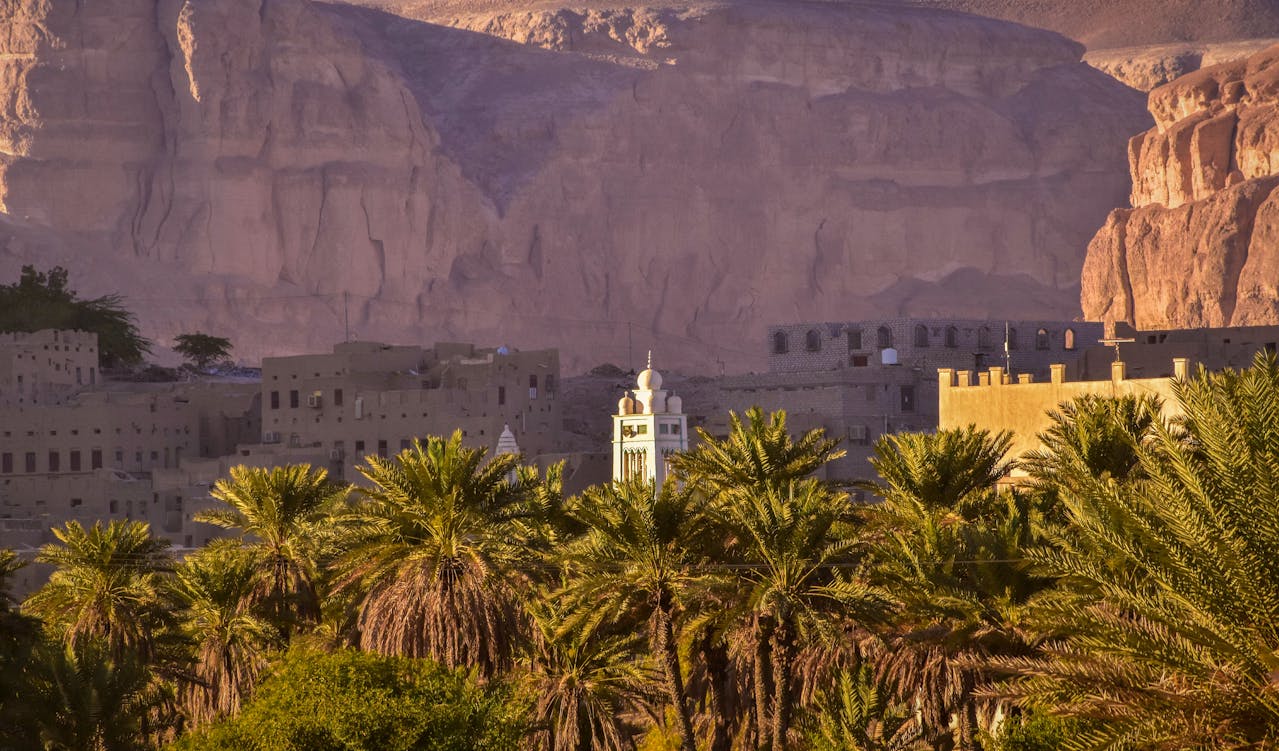
Yemen remains nearly impossible for Americans to travel to because commercial flights are scarce, ports face restrictions, and war-related dangers cover most regions. The U.S. applies a full “Do Not Travel” warning, while humanitarian crises affect more than 24 million people. Embassies operate with limited capacity, insurance policies often refuse coverage, and evacuation support can be extremely difficult. Visa permissions are rare, and many areas are inaccessible due to conflict. Before the crisis, tens of thousands traveled annually, but today American visitors are almost nonexistent, and travel planning is practically unrealistic.
10. Syria
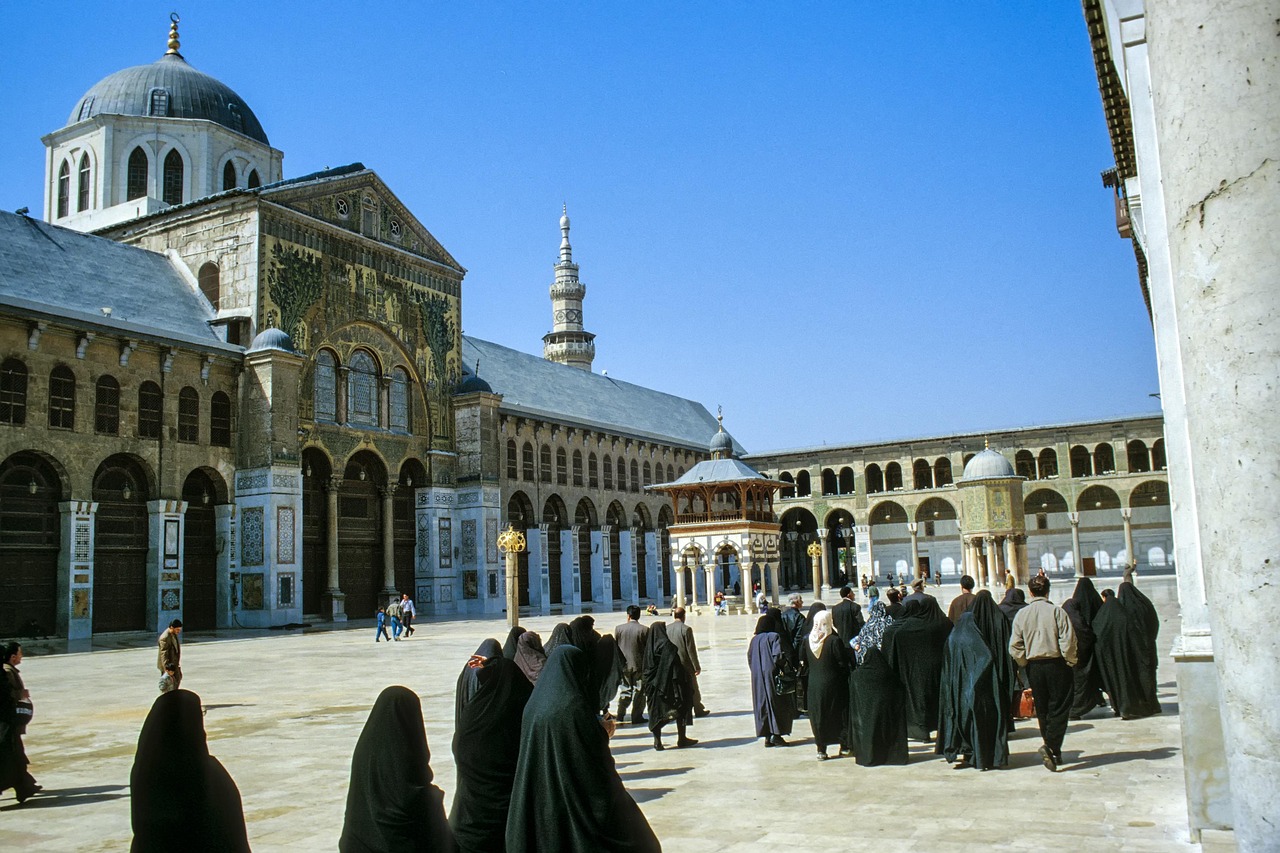
Syria combines collapsed infrastructure, intense conflict zones, and very restrictive entry policies, making it one of the hardest destinations in the world for Americans to access. With a population estimated around 22 million, many cities remain damaged, and movement can be dangerous. U.S. advisory levels remain at their highest, consular presence is limited, and visas are rarely granted. Flights are restricted, checkpoints are numerous, and routes can change suddenly. Where millions once visited annually before war—over 8 million tourists in the early 2010s—today only extremely rare, controlled entries occur, and Americans almost never travel freely.
11. Niger
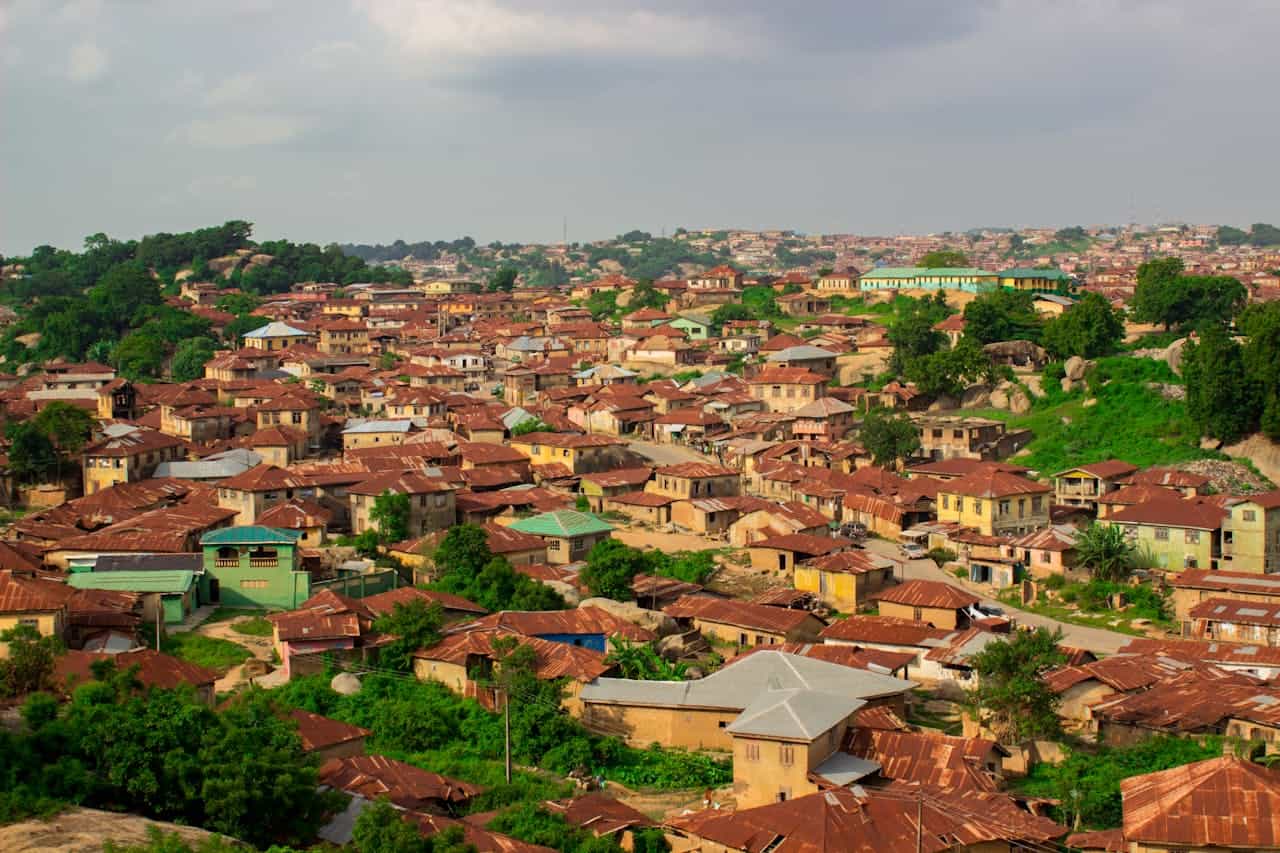
Niger has become increasingly restricted due to political shifts, regional instability, and reciprocal reactions to U.S. policies. Visa processes are suspended in many cases, approvals are limited, and travel can involve serious risk in several provinces. With over 27 million residents, much of the nation remains tense, and advisories routinely warn against visiting. Flights are fewer, land borders can experience sudden closures, and support services are limited. A country that previously saw tens of thousands of foreign visitors yearly now receives significantly fewer, with Americans representing a very small and shrinking portion.
12. Venezuela
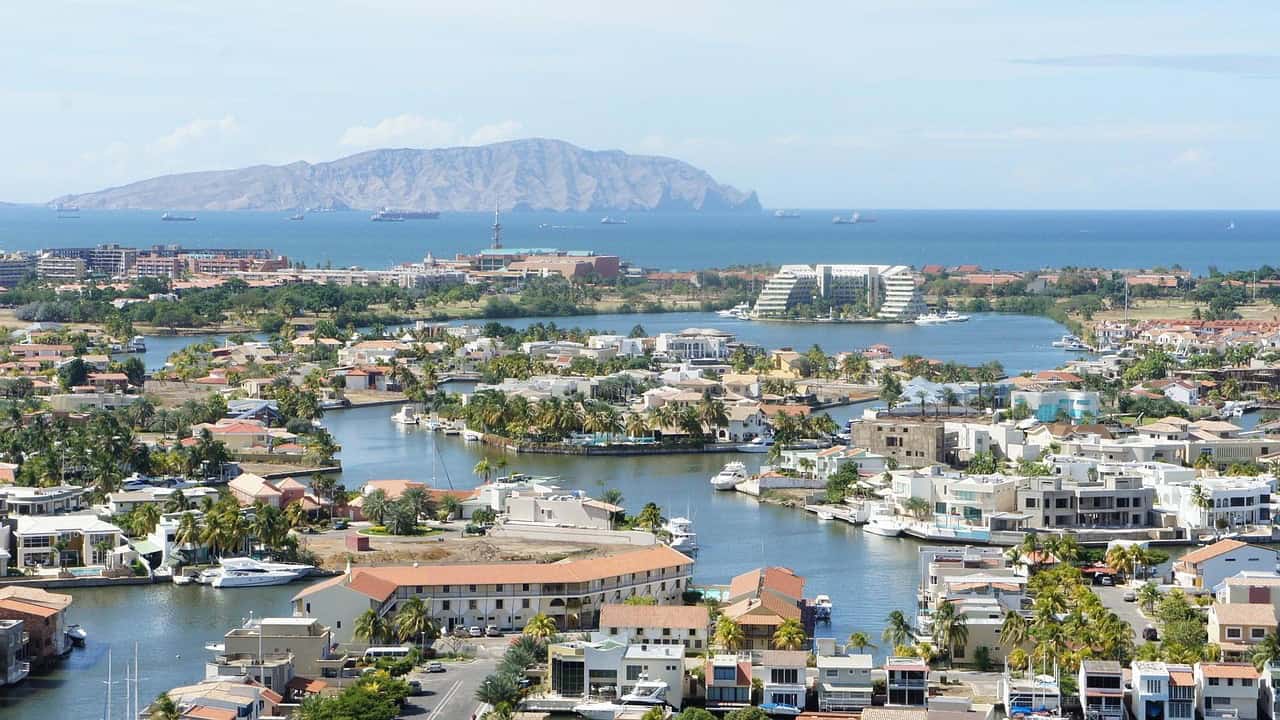
Venezuela is not fully banned but remains extremely difficult for Americans to access safely. Many visa categories are restricted, embassy services are reduced, and the U.S. warns about wrongful detentions and crime. With more than 28 million people, economic crisis and political tension affect transportation, medical care, and personal safety. Flights are fewer than in past years, documentation requirements change frequently, and insurance coverage can be uncertain. Before economic collapse, millions visited annually, but American arrivals have dropped dramatically, making Venezuela a destination many travelers now reluctantly avoid.