We may earn money or products from the companies mentioned in this post. This means if you click on the link and purchase the item, I will receive a small commission at no extra cost to you ... you're just helping re-supply our family's travel fund.
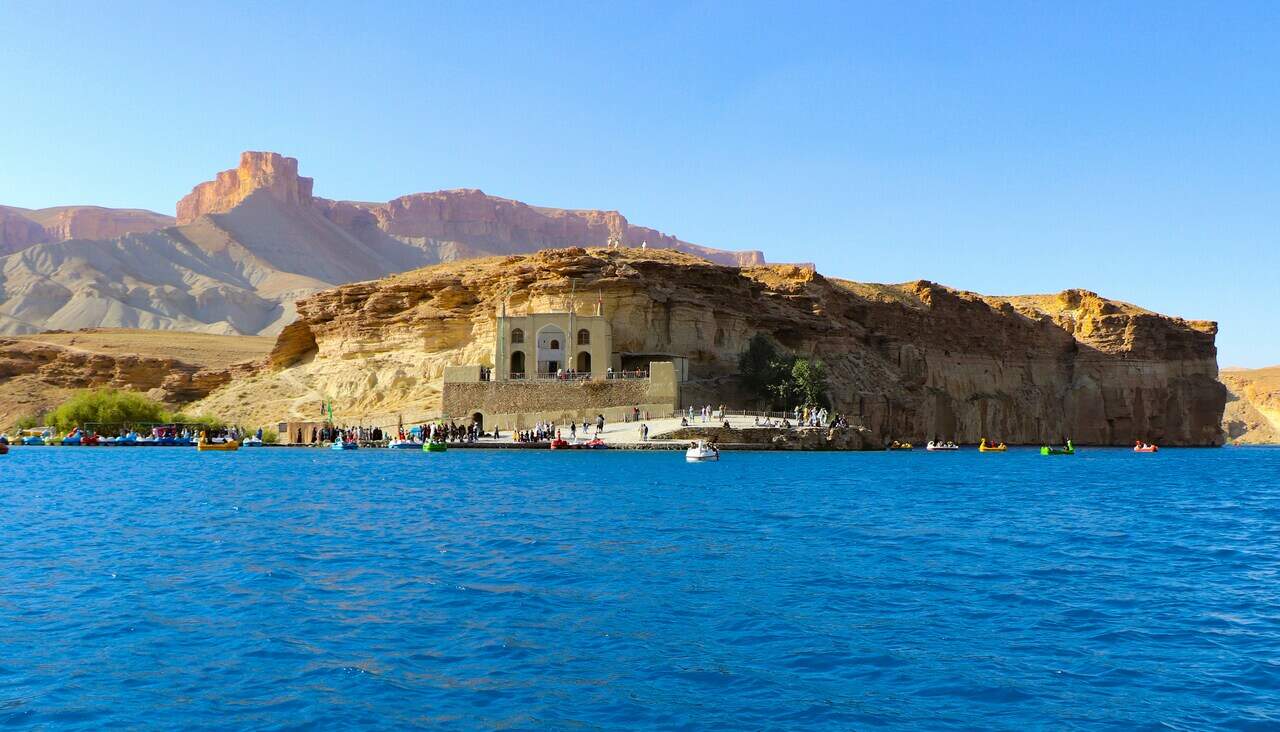
Travel has the power to transform us, but timing matters. While curiosity may pull you toward complex corners of the world, some destinations are currently facing levels of conflict, crime, or instability that make leisure travel an unnecessary gamble. From active war zones to states struggling with armed militias and collapsing infrastructure, the risks in these places are not abstract, they’re measurable and immediate. Below are 12 destinations where current conditions suggest most travelers should press pause, stay informed, and wait for safer days ahead.
1. Afghanistan
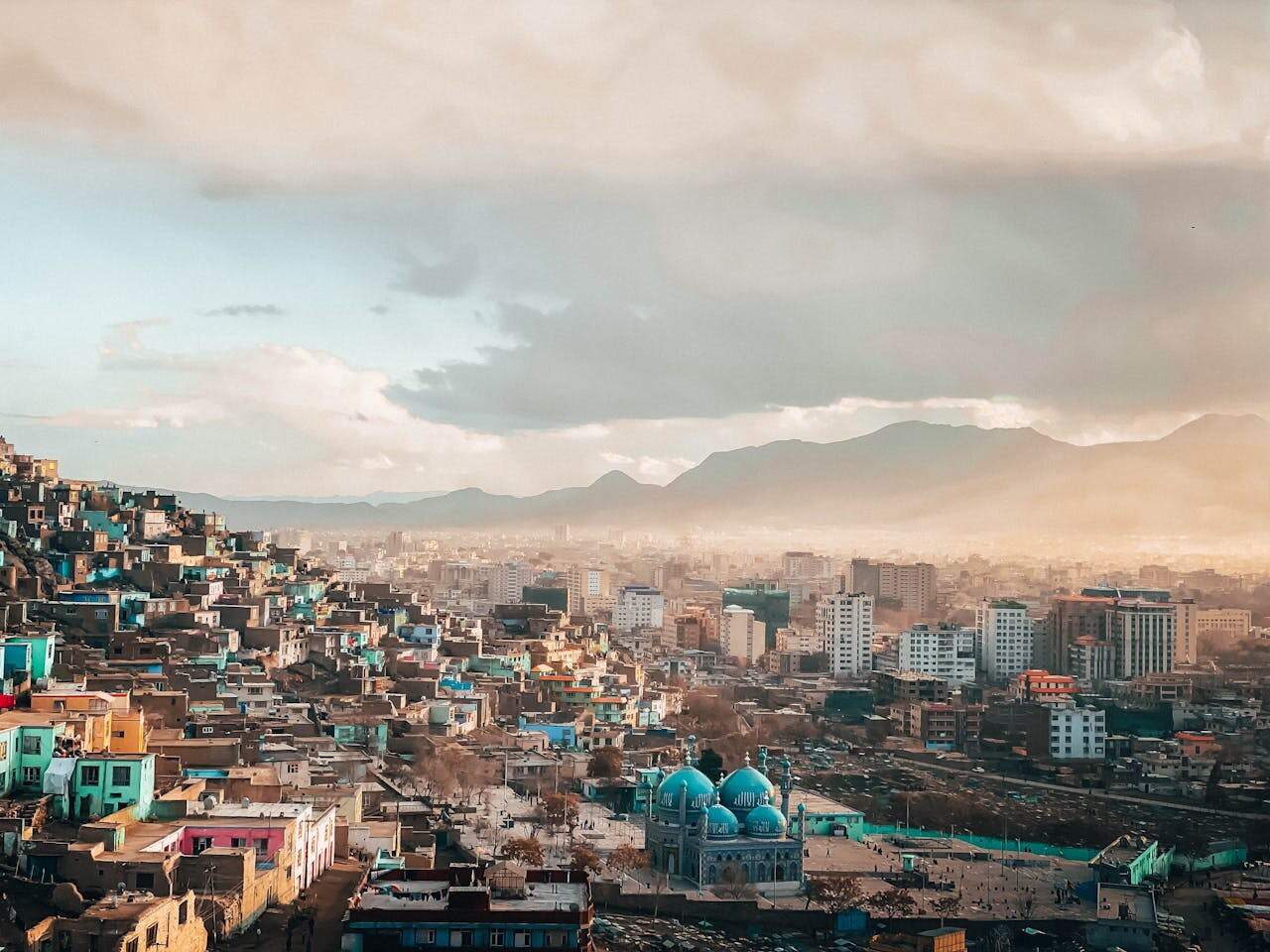
In Afghanistan, security risks remain extreme following years of conflict and political upheaval. Armed groups continue to operate across multiple provinces, and terrorist attacks have caused hundreds of civilian casualties annually in recent years. Kidnappings targeting foreigners have been documented, and emergency medical facilities are limited outside major cities. The Global Peace Index consistently ranks the country among the bottom five worldwide. With restricted embassy operations and minimal evacuation support, even routine travel disruptions can escalate quickly. For leisure travelers, the margin for error is virtually nonexistent at this time.
2. Yemen
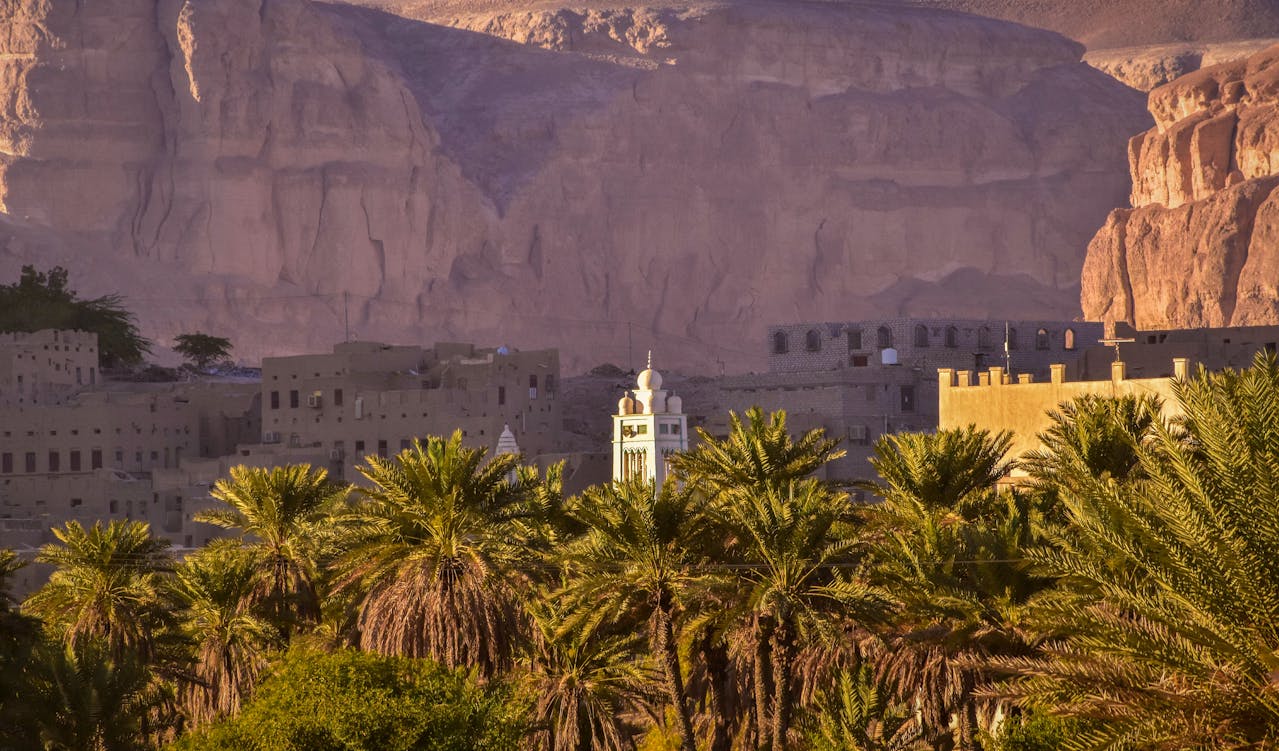
Yemen has endured nearly a decade of civil war, creating one of the world’s most severe humanitarian crises. More than 4 million people remain internally displaced, and large areas are controlled by competing factions. Airstrikes, missile attacks, and armed clashes have caused tens of thousands of casualties since 2015. Infrastructure is heavily damaged, with frequent fuel shortages and limited access to clean water. International flights are extremely restricted, and consular assistance is scarce. With ongoing hostilities and unpredictable security shifts, tourism here is not just discouraged, it is considered extraordinarily dangerous.
3. Sudan
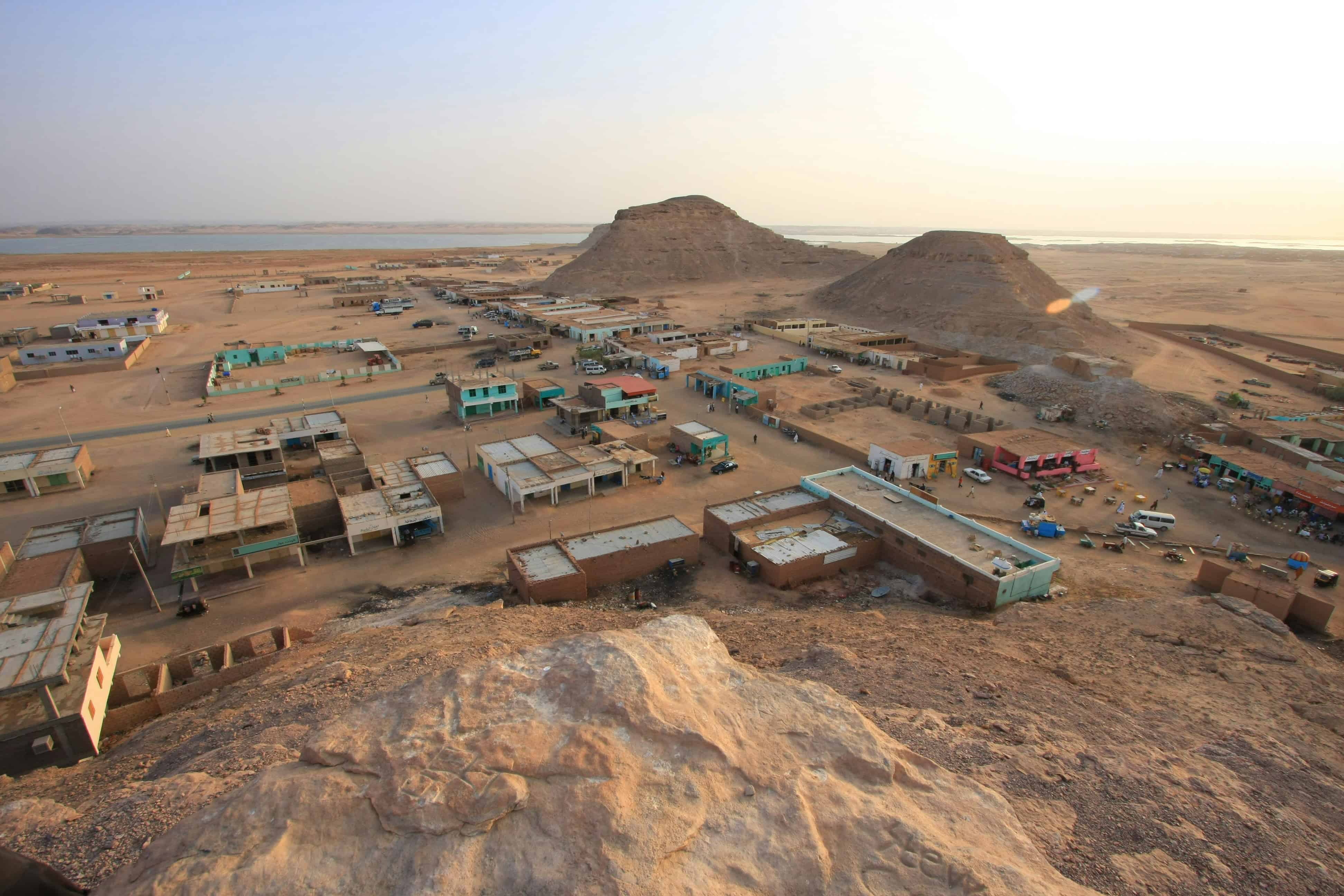
Armed conflict between rival military factions has destabilized Sudan since 2023. Fighting in the capital and western regions has displaced over 7 million people, one of the largest displacement crises globally. Airports have closed intermittently, and gunfire has erupted in densely populated neighborhoods. Medical services are overwhelmed, and supply chains for food and fuel remain fragile. Curfews and communications blackouts occur without warning. With active combat zones and fragmented authority structures, travelers face risks that extend far beyond petty crime. Conditions remain volatile and unsuitable for non-essential visits.
4. Syria
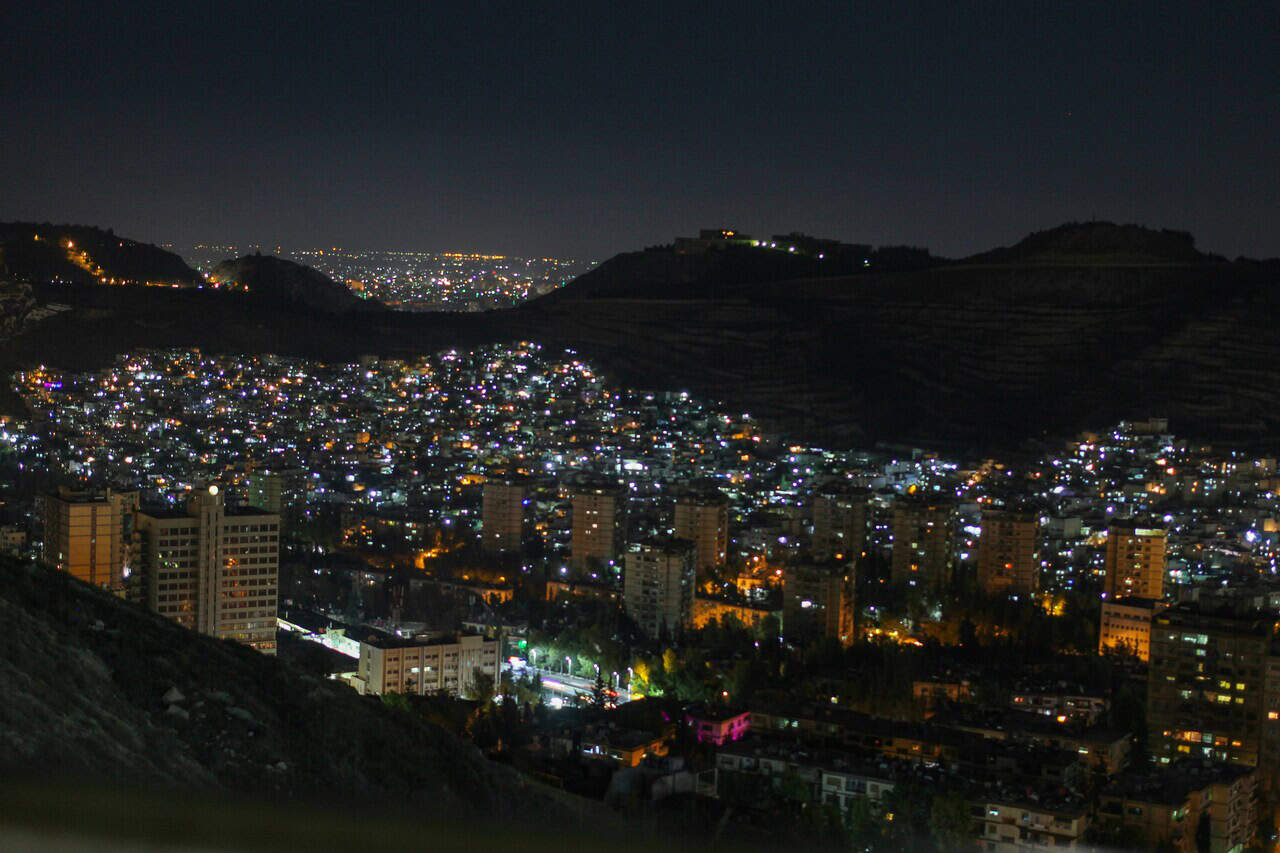
More than a decade of war has left Syria deeply fractured. Although front-line fighting has decreased in some areas, sporadic airstrikes and clashes continue, particularly in the north. Over 300,000 civilians have died since 2011, according to UN estimates, and unexploded ordnance still contaminates parts of the countryside. Infrastructure damage affects electricity and healthcare systems, with many hospitals operating at reduced capacity. Multiple foreign militaries maintain a presence in different regions. With shifting control lines and ongoing security threats, independent travel carries serious and unpredictable danger.
5. Somalia
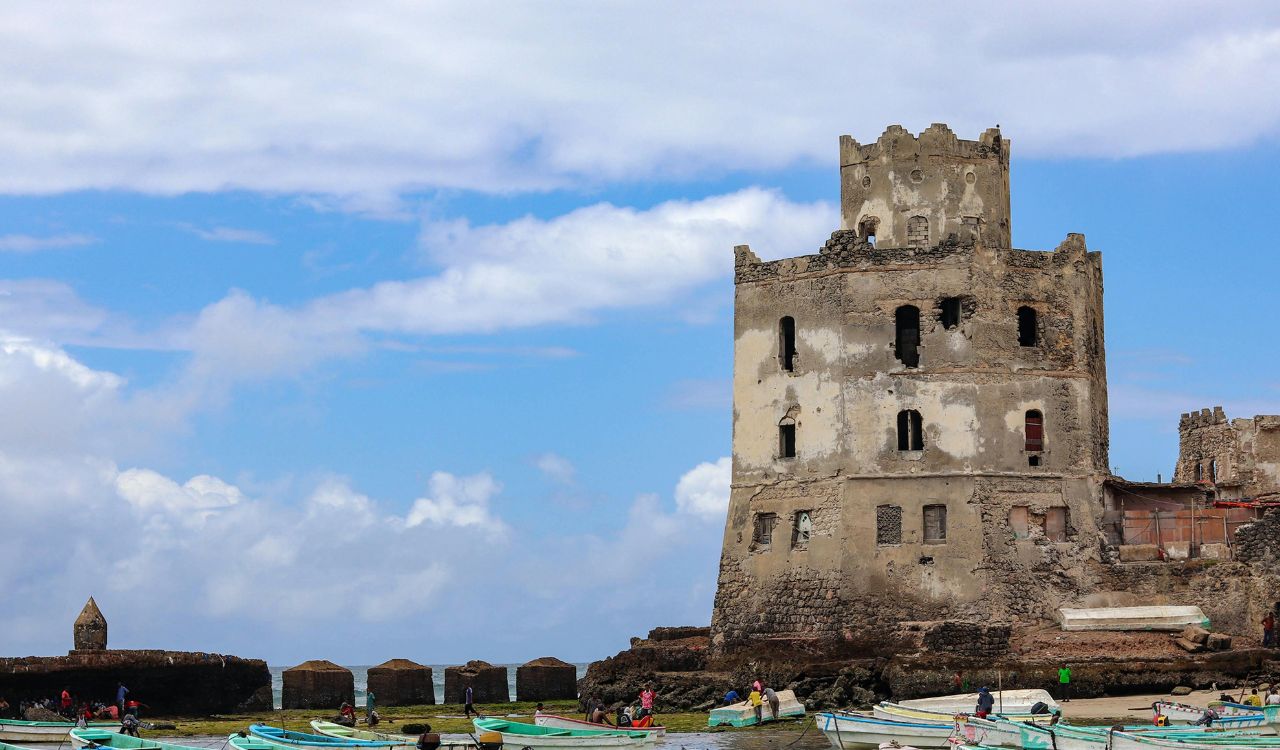
For decades, Somalia has struggled with insurgency and piracy. The militant group Al-Shabaab continues to conduct bombings in the capital, causing dozens of casualties in single incidents. Kidnapping remains a concern, and maritime piracy incidents, while reduced from their 2011 peak, still occur in regional waters. Government authority outside major urban centers is limited. Infrastructure challenges include unreliable electricity and limited trauma care facilities. Security escorts are common for diplomatic missions. For tourists without specialized security arrangements, the operational risks are substantial and ongoing.
6. South Sudan
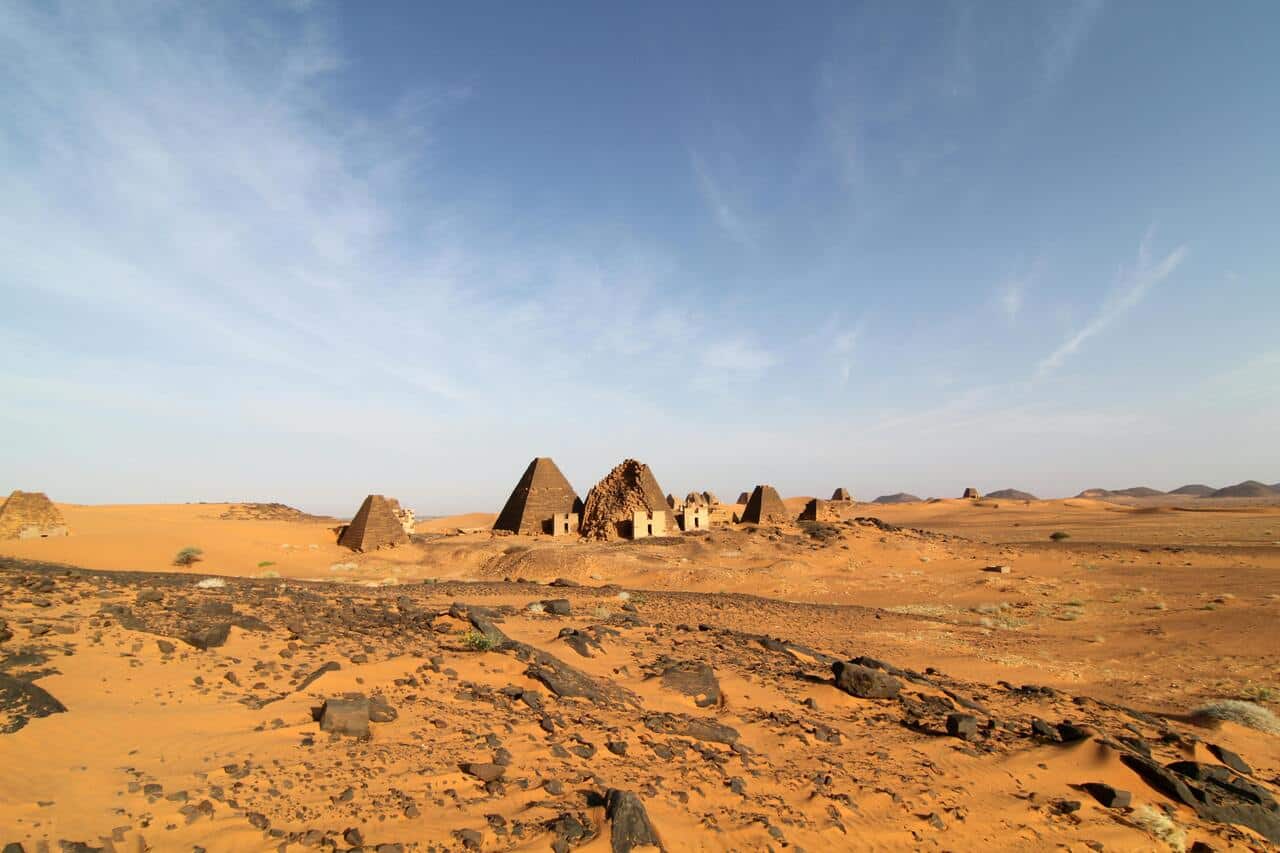
Since gaining independence in 2011, South Sudan has faced recurring internal conflict. Intercommunal violence and armed clashes have displaced more than 2 million people internally. Flooding frequently compounds humanitarian pressures, affecting transport routes and food access. Armed checkpoints appear unpredictably along highways, and crime rates in urban centers remain high. Medical infrastructure is sparse, with fewer than 1 hospital bed per 1,000 residents in many regions. Political tensions persist despite peace agreements. Given fragile governance and localized fighting, leisure travel poses significant and unnecessary risk.
7. Central African Republic
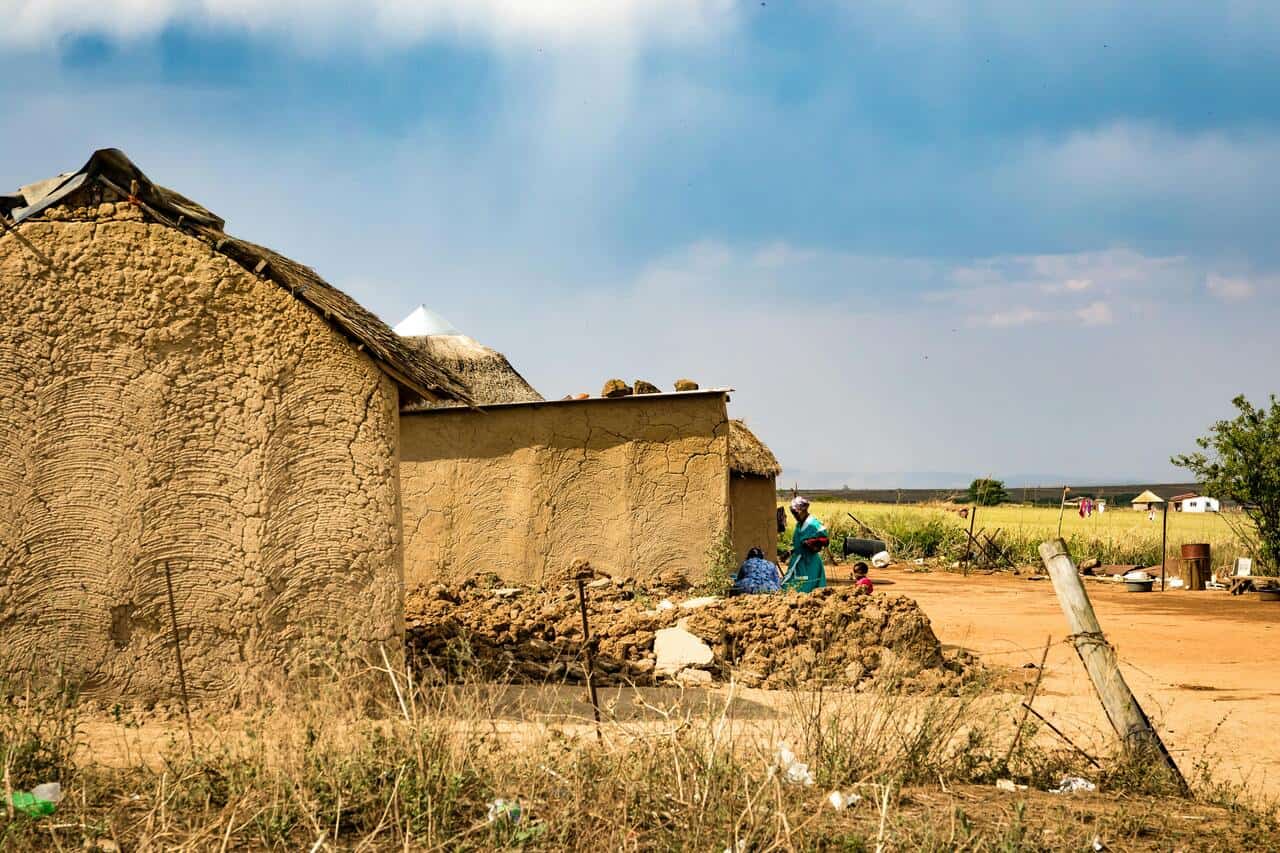
The Central African Republic continues to experience instability driven by armed rebel groups controlling portions of territory outside the capital. Roughly 1 in 5 citizens is displaced either internally or across borders. Road travel can involve illegal checkpoints and sporadic clashes between militias. Infrastructure remains underdeveloped, with limited paved roads and scarce emergency services. International peacekeepers operate in several regions, reflecting ongoing security concerns. While wildlife reserves attract interest, the broader environment remains fragile. Travelers face logistical hurdles and unpredictable safety conditions across much of the country.
8. Libya
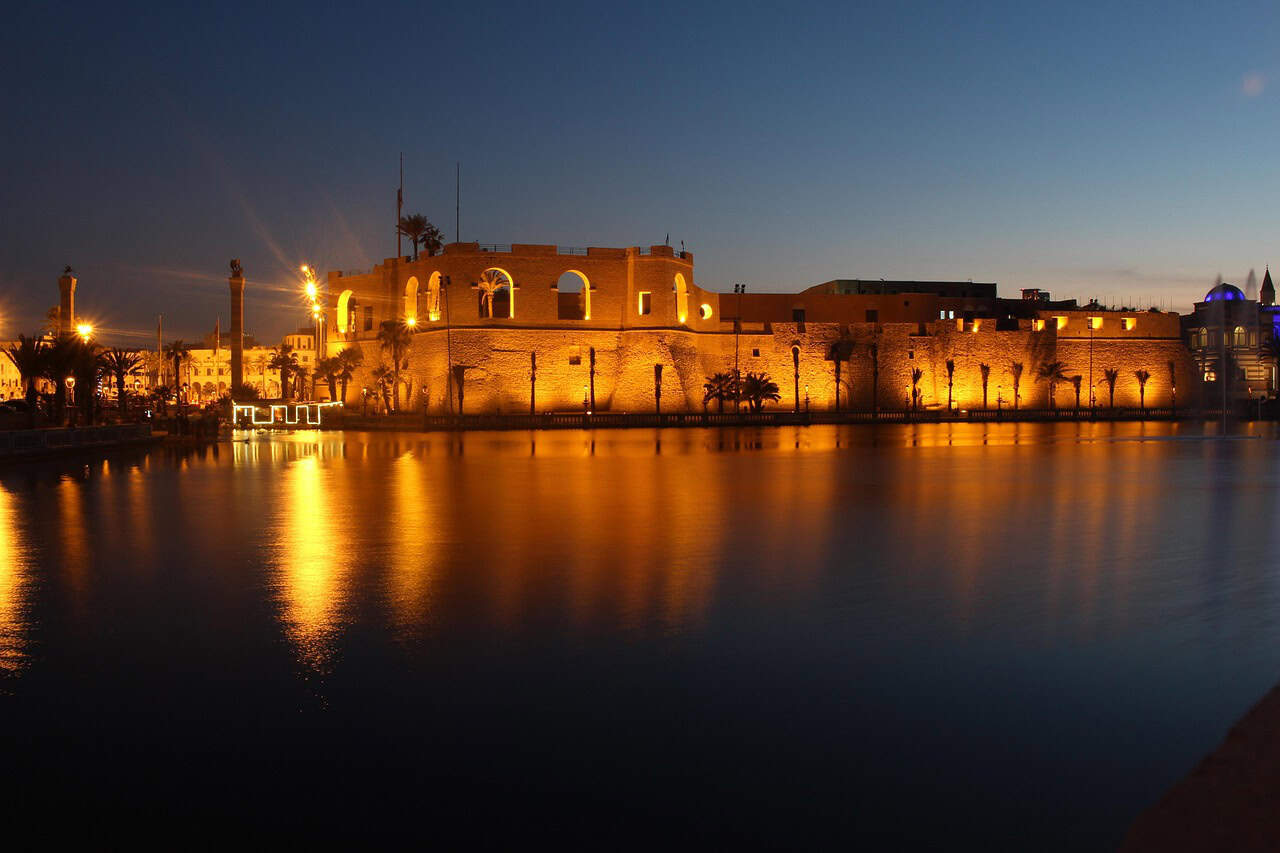
Political fragmentation defines modern Libya. Rival administrations and armed militias continue to compete for influence, particularly around strategic oil facilities. Although large-scale fighting has eased compared to 2019 levels, localized clashes still occur. Kidnappings for ransom have targeted both locals and foreigners. Landmines and unexploded remnants of war remain in some urban outskirts. International flights operate intermittently, and consular support is extremely limited. With shifting alliances and weak centralized control, even routine travel logistics can unravel quickly, making tourism a high-risk endeavor for now.
9. Mali
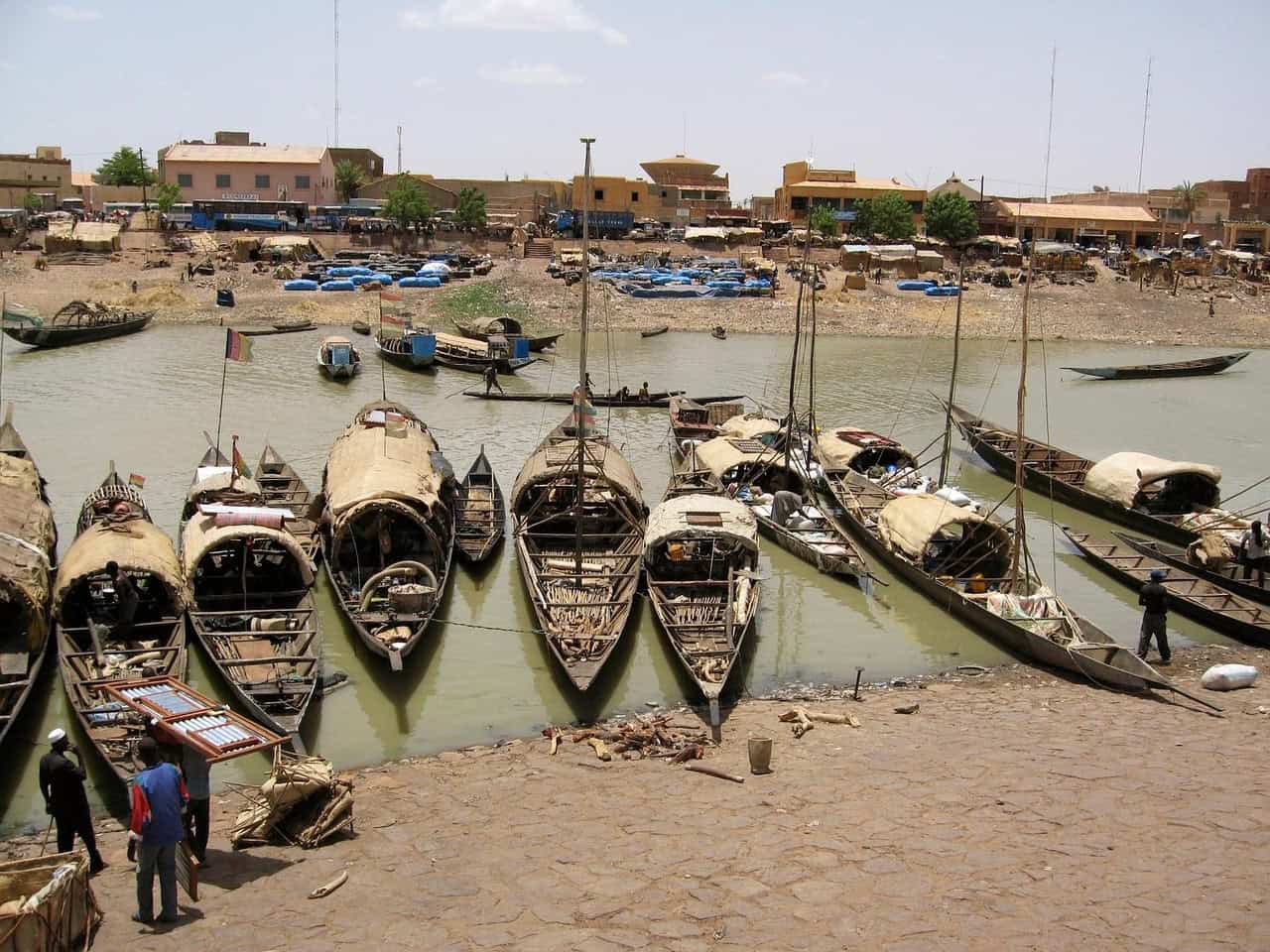
Security conditions in Mali have deteriorated due to extremist violence and military coups. Armed groups linked to regional insurgencies conduct attacks in central and northern regions, sometimes striking hotels or transport hubs. Thousands have been killed in conflict-related incidents over the past decade. Curfews and sudden road closures are not uncommon. International peacekeeping missions have reduced their presence, altering security dynamics. Infrastructure outside the capital is limited, and emergency response capacity is thin. For independent travelers, the unpredictability of attacks creates serious exposure.
10. Myanmar
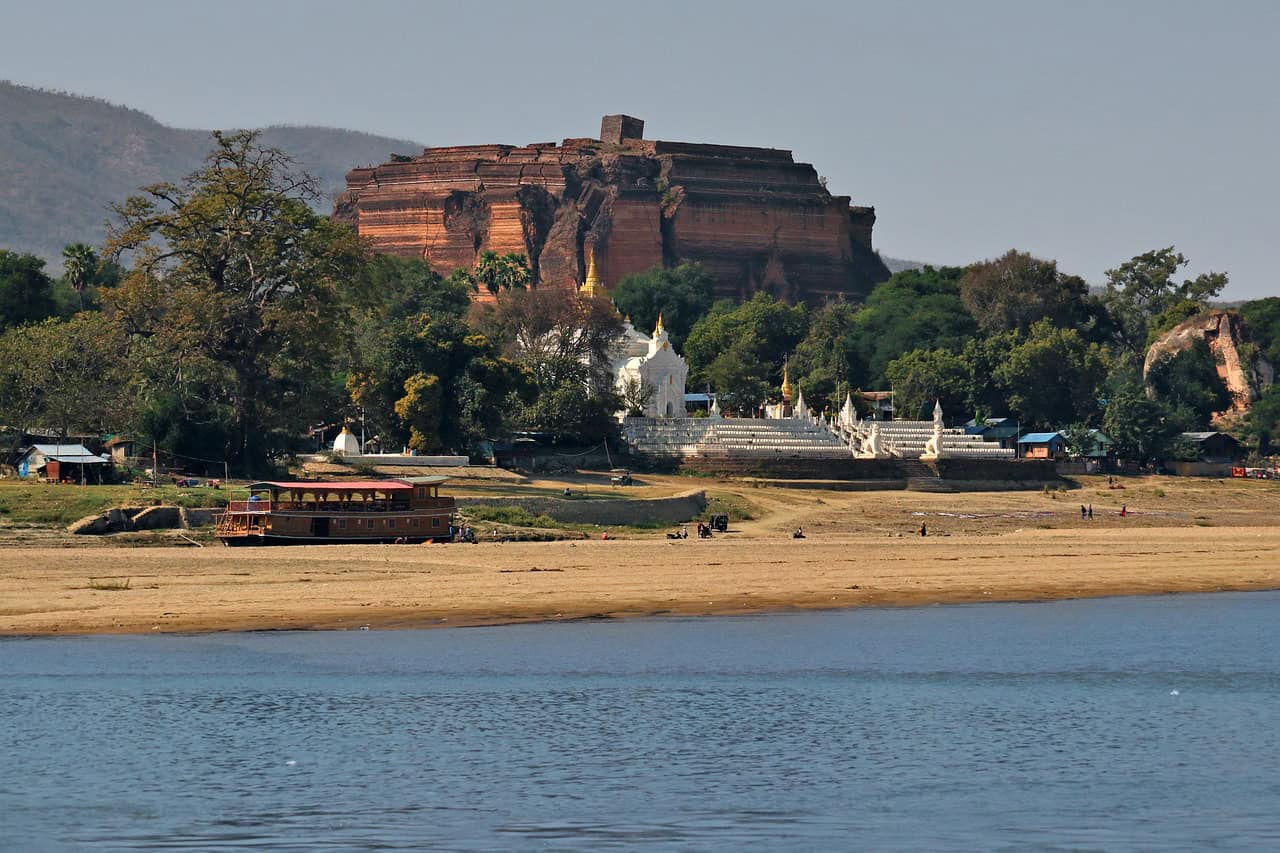
Following the 2021 military takeover, Myanmar has experienced widespread unrest and armed resistance. Clashes between the military and opposition groups occur in multiple states, displacing more than 2 million people. Airstrikes and artillery fire have been reported in rural regions, while urban protests have sometimes turned violent. Internet shutdowns and communication blackouts complicate emergency coordination. Several border areas are effectively conflict zones. Though cultural landmarks remain intact, the broader political instability and active fighting in parts of the country make tourism highly uncertain.
11. Haiti
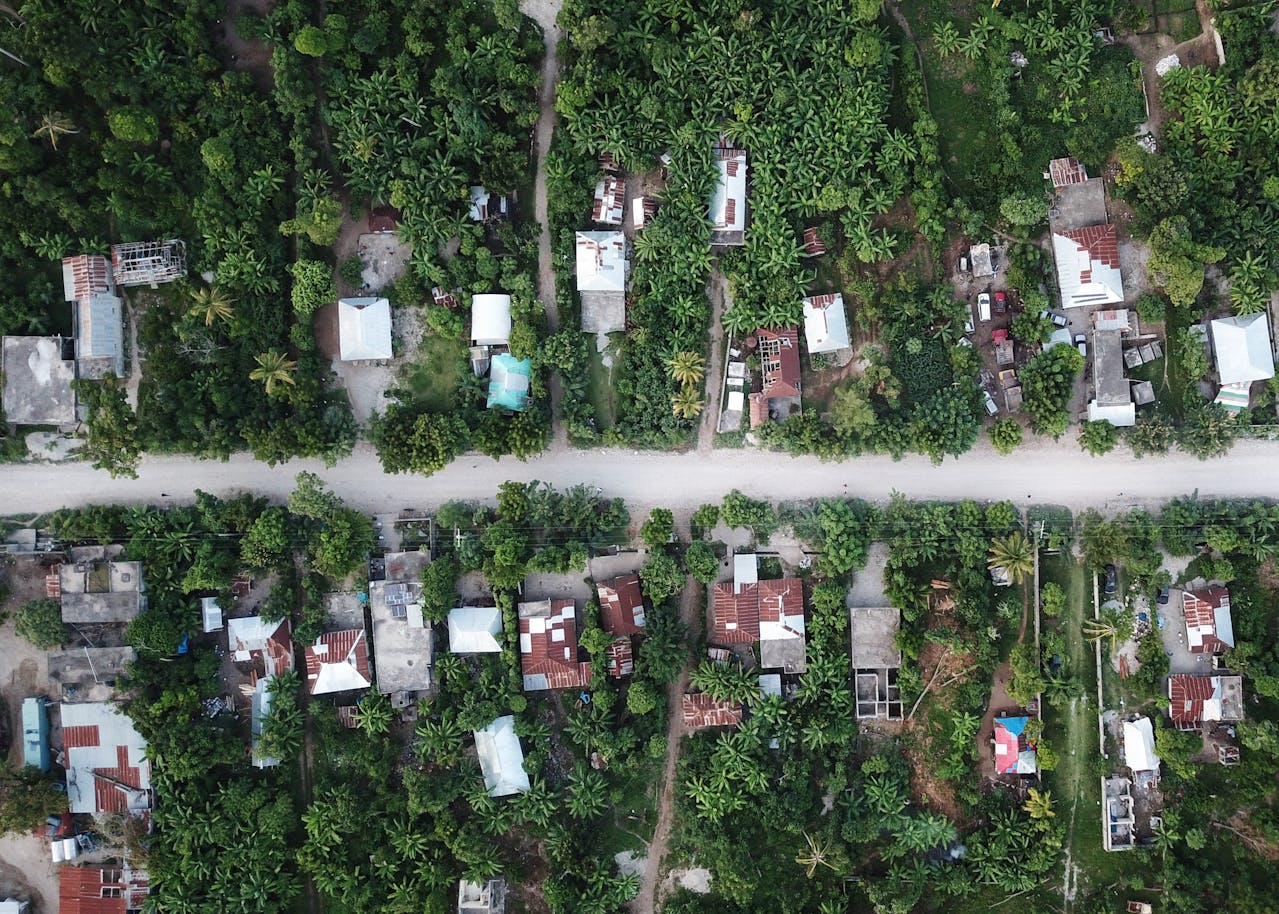
Gang violence has surged across Haiti in recent years, particularly in the capital. Armed groups control significant portions of Port-au-Prince, and kidnapping incidents have affected both locals and foreigners. Homicide rates have climbed sharply, with thousands of violent deaths reported annually. Fuel shortages and airport closures have disrupted basic mobility. Political instability has further weakened public institutions and policing capacity. Humanitarian organizations operate under heavy security protocols. While Haiti’s culture and history remain compelling, the current security climate poses serious and immediate risks.
12. Ukraine
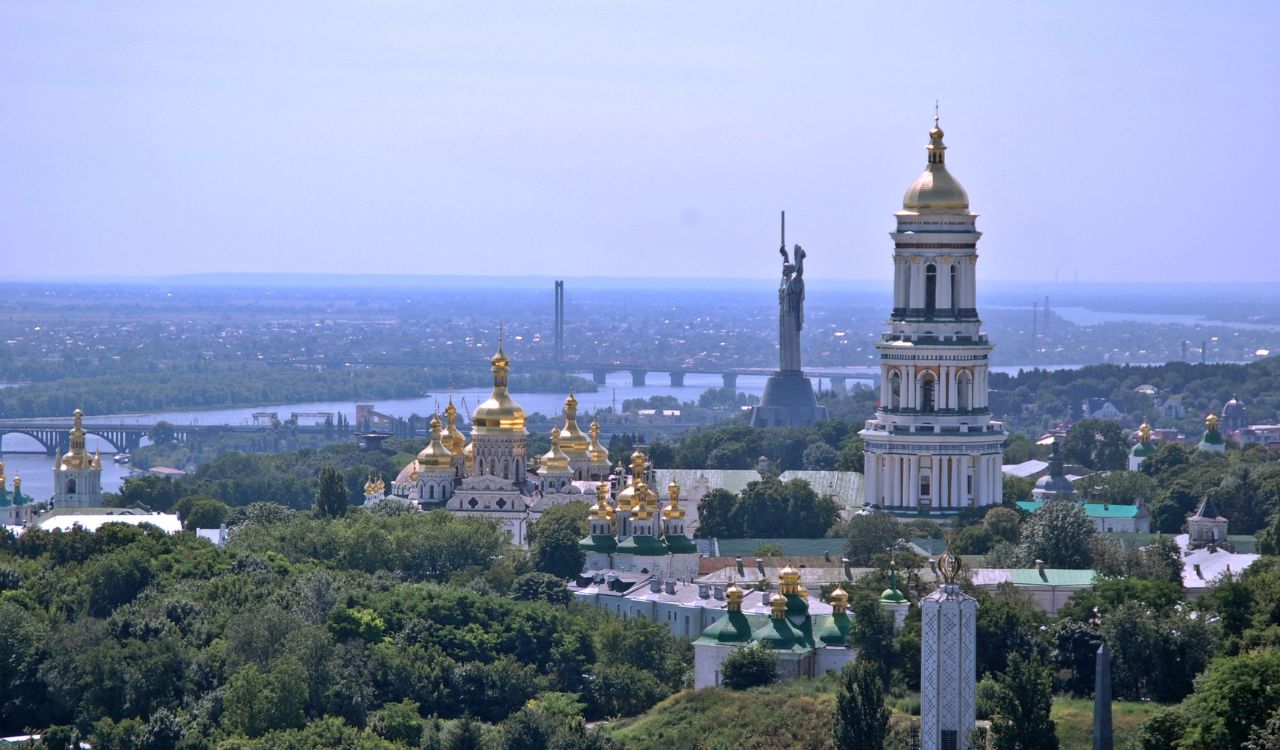
Since 2022, Ukraine has been the site of a large-scale international conflict. Active front lines stretch across hundreds of miles in the east and south. Missile and drone strikes have targeted infrastructure in major cities, including energy facilities and transport hubs. Millions of residents have been displaced internally or abroad. Air raid sirens and curfews remain part of daily life in many regions. Although western areas are comparatively calmer, the nationwide security environment is fluid. Non-essential travel carries substantial and evolving risk.