We may earn money or products from the companies mentioned in this post. This means if you click on the link and purchase the item, I will receive a small commission at no extra cost to you ... you're just helping re-supply our family's travel fund.
America’s small towns have learned that mystery can be an economy. A rumored footprint, a blurry photo, or a sky story can turn into festivals, museums, and weekend traffic that keeps diners open through slow seasons. In 2026, the best crypto-tourism stops balance fun with place, letting visitors laugh, listen, and still feel the quiet power of the landscape. Whether the legend points to Bigfoot or something above the clouds, the draw is the same: shared wonder in a world that rarely pauses.
Roswell, New Mexico
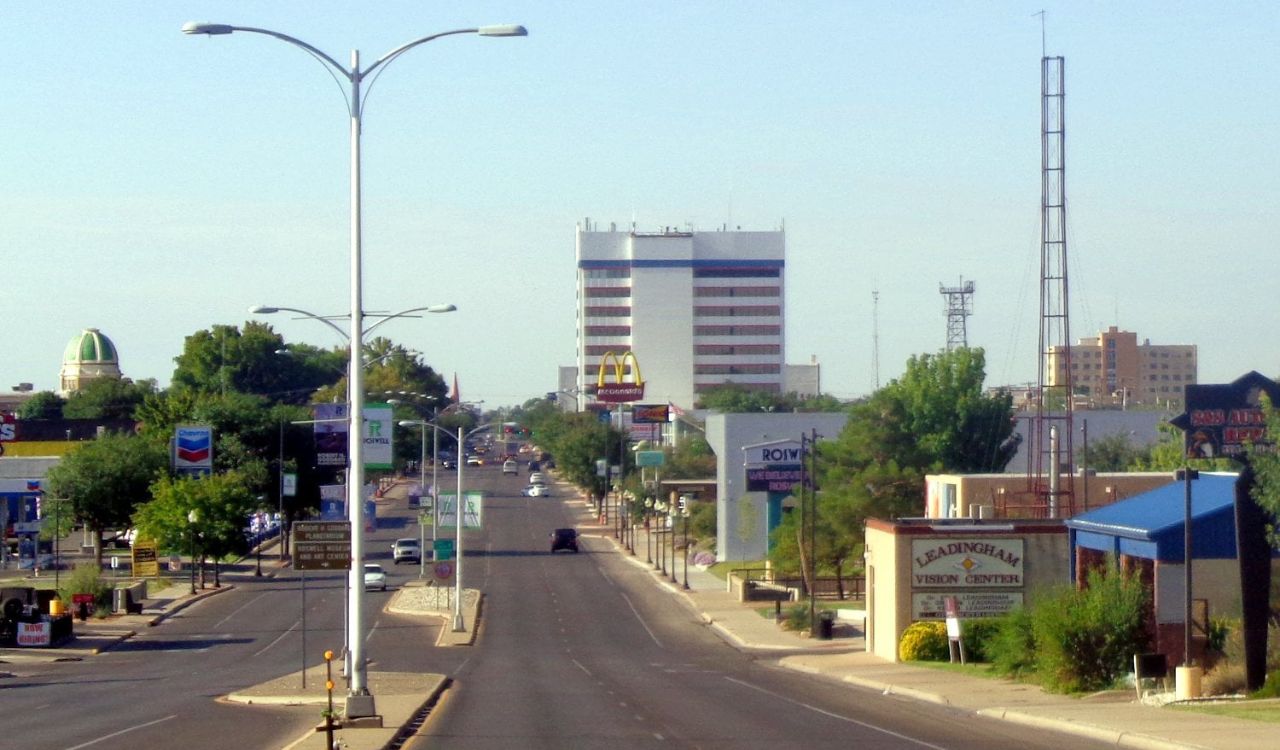
Roswell turned a 1947 headline into a year-round identity that pays the bills and keeps the town’s sense of humor intact. The International UFO Museum and Research Center anchors downtown, and the Roswell UFO Festival typically lands over the July Fourth weekend, with parades, panels, art, and costume contests that turn Main Street into a friendly sci-fi block party. The appeal is not proof but permission: believers and skeptics share the same cafés, debate balloons versus saucers, drive a few miles out for darker skies where the Milky Way shows off, and let the empty horizon do the persuading after midnight, in desert air, away from traffic.
Rachel, Nevada
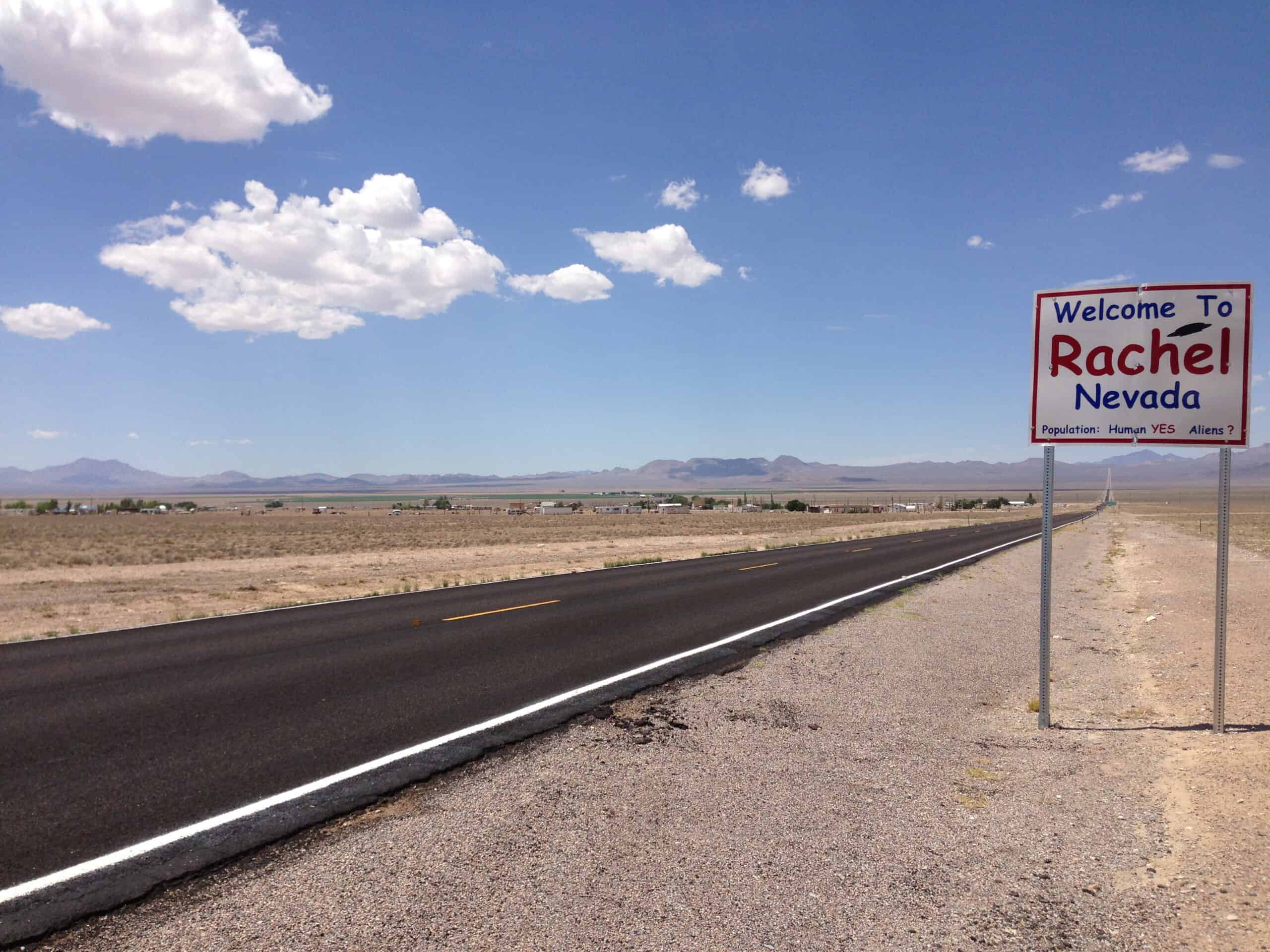
Rachel is little more than a dot on Nevada’s Extraterrestrial Highway, and that sparseness is part of the spell, especially after sunset when the desert turns almost noiseless under a famously dark sky. The Little A’Le’Inn acts as motel, bar, diner, and community bulletin board, a place where visitors sign guest books, buy stickers, and trade road intel about strange lights, military planes, and where the pavement stops. Area 51 stays fenced and silent, yet the town sells a version of closeness, where curiosity feels allowed as long as it stays on public roads, keeps cameras polite, and respects the warning signs that end arguments very fast.
Hiko, Nevada

Hiko plays the friendly on-ramp to Nevada’s alien corridor, a quiet place where the joke arrives before the science and the highways feel intentionally remote. Tourism guides call it a gateway stop on the way to Area 51, and the Alien Research Center sits right on the Extraterrestrial Highway as a gift shop and photo stop, complete with a towering metal figure outside, shelves of maps and merch, and the kind of roadside theater that makes even skeptics smile. It works because the landscape does half the storytelling: wide skies, almost no light pollution, and long empty stretches where a rumor can travel farther than a cell signal after dark.
McMinnville, Oregon
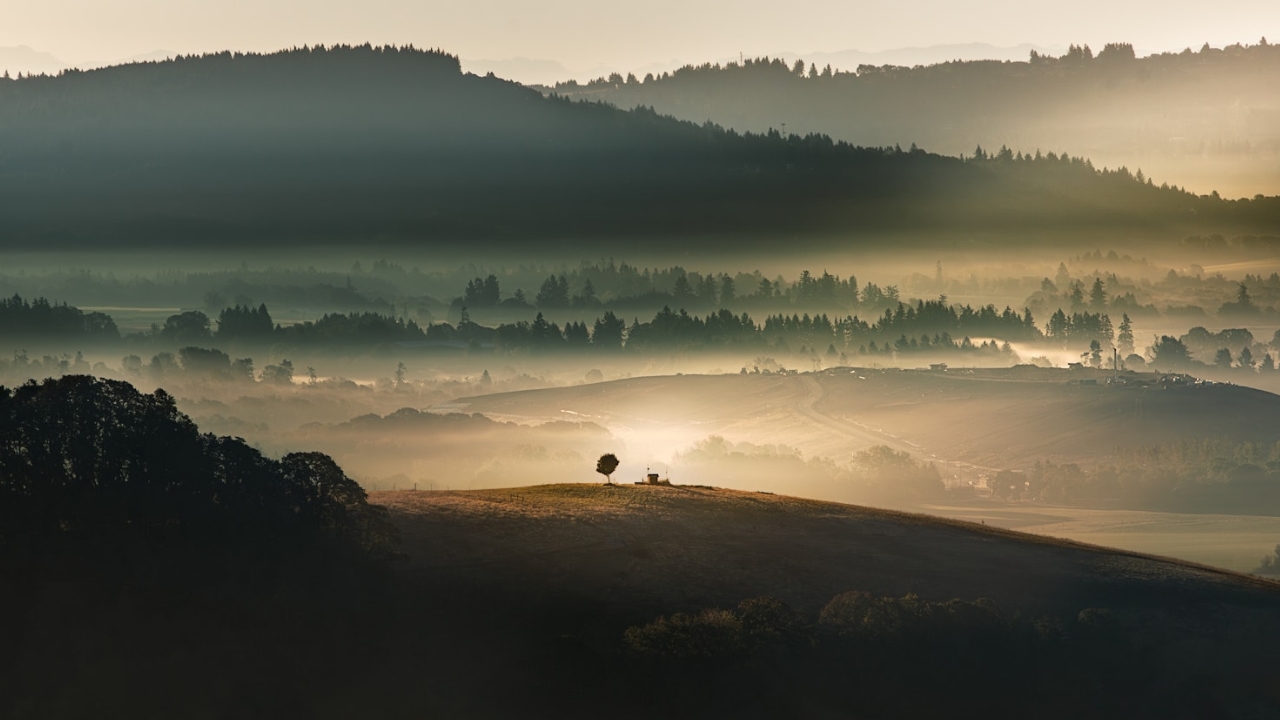
McMinnville leans into its small-town charm and the long shadow of the 1950 Trent photos, shot on a nearby farm and still debated far beyond Oregon wine country. Each May, the McMenamins UFO Festival, billed by local tourism as one of the nation’s biggest, fills downtown with panels, costumes, and vendor streets mixing serious sky-watchers with families who show up for parades, themed menus, and a weekend that feels like a friendly convention. The tone stays playful rather than so tense, and that balance is the real draw: folklore becomes a civic hobby when a town hosts it with confidence and good logistics, for locals and visitors alike too.
Pine Bush, New York
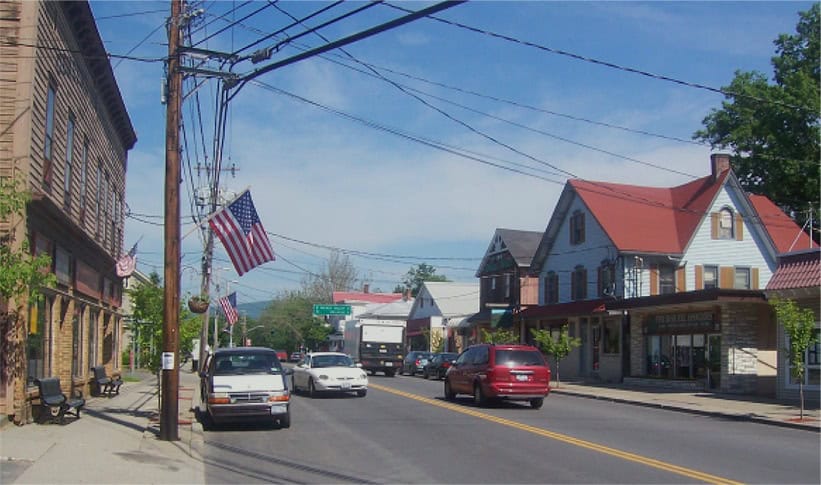
Pine Bush wears its reputation as the UFO capital of the East Coast with a wink, built on decades of reported sightings that locals talk about like weather. The Pine Bush UFO & Paranormal Museum keeps the lore organized, and the UFO Fair & Parade in June brings costumes, speakers, and vendors to a hamlet that might otherwise be a quiet Hudson Valley detour for antique shops and weekend drives. What keeps repeat visitors coming back is the blend of ordinary and strange: diners, country roads, and the shared thrill of treating the night sky like a neighborhood rumor that never quite dies, without demanding faith, just attention and imagination.
Willow Creek, California
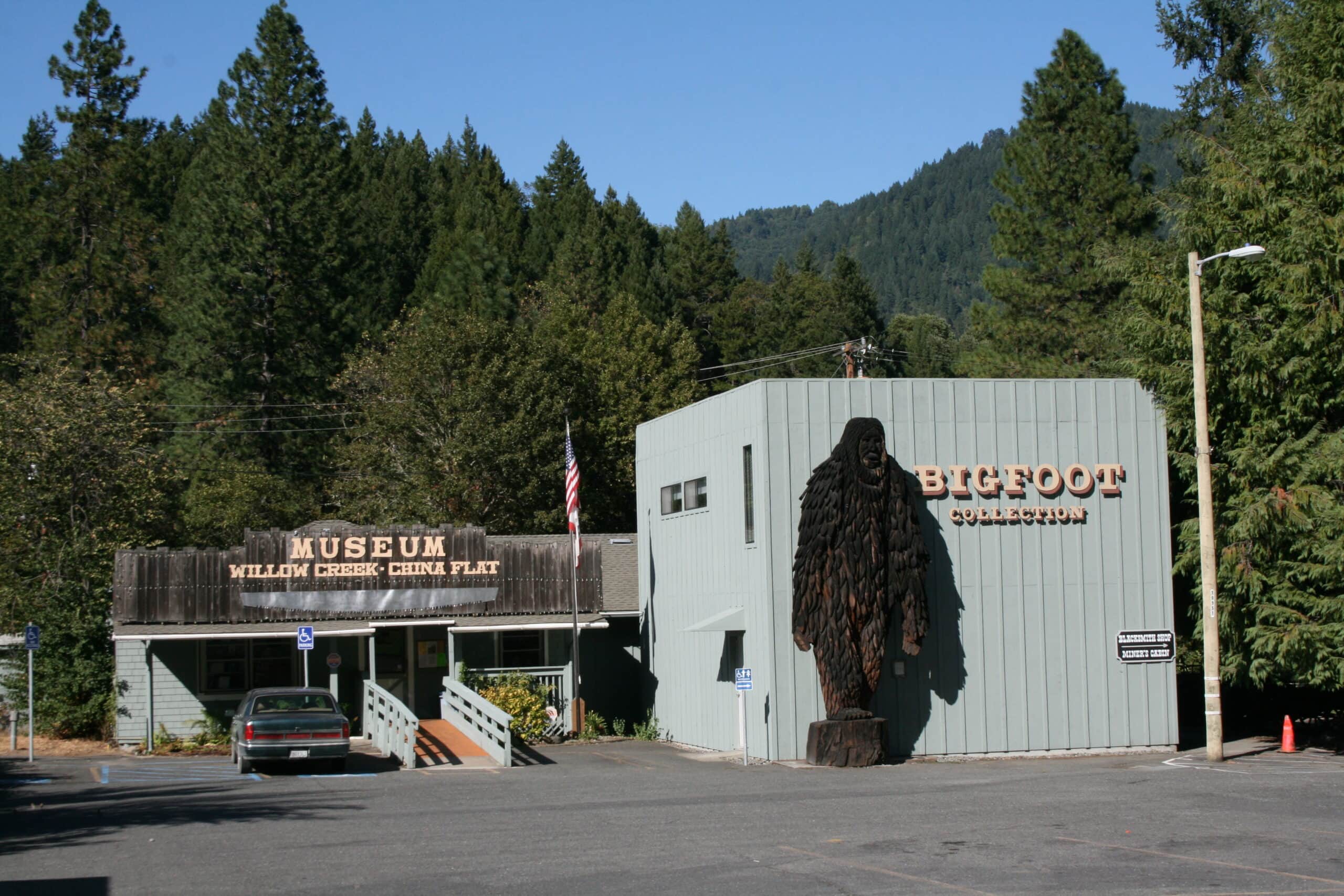
Willow Creek calls itself the Bigfoot Capital of the World, and it commits to that identity with real civic pride and a steady stream of roadside charm. The China Flat Museum’s Bigfoot collection gives the legend a physical home, and Bigfoot Daze, held each summer, fills the streets with parades, craft booths, and calling contests that feel half carnival and half hometown reunion. Nearby Bluff Creek lore and the surrounding redwood country add atmosphere along the Trinity River corridor, turning ordinary hikes into quiet tests of attention, as if the forest is inviting people to just notice what it usually hides, without giving anything away.
Happy Camp, California
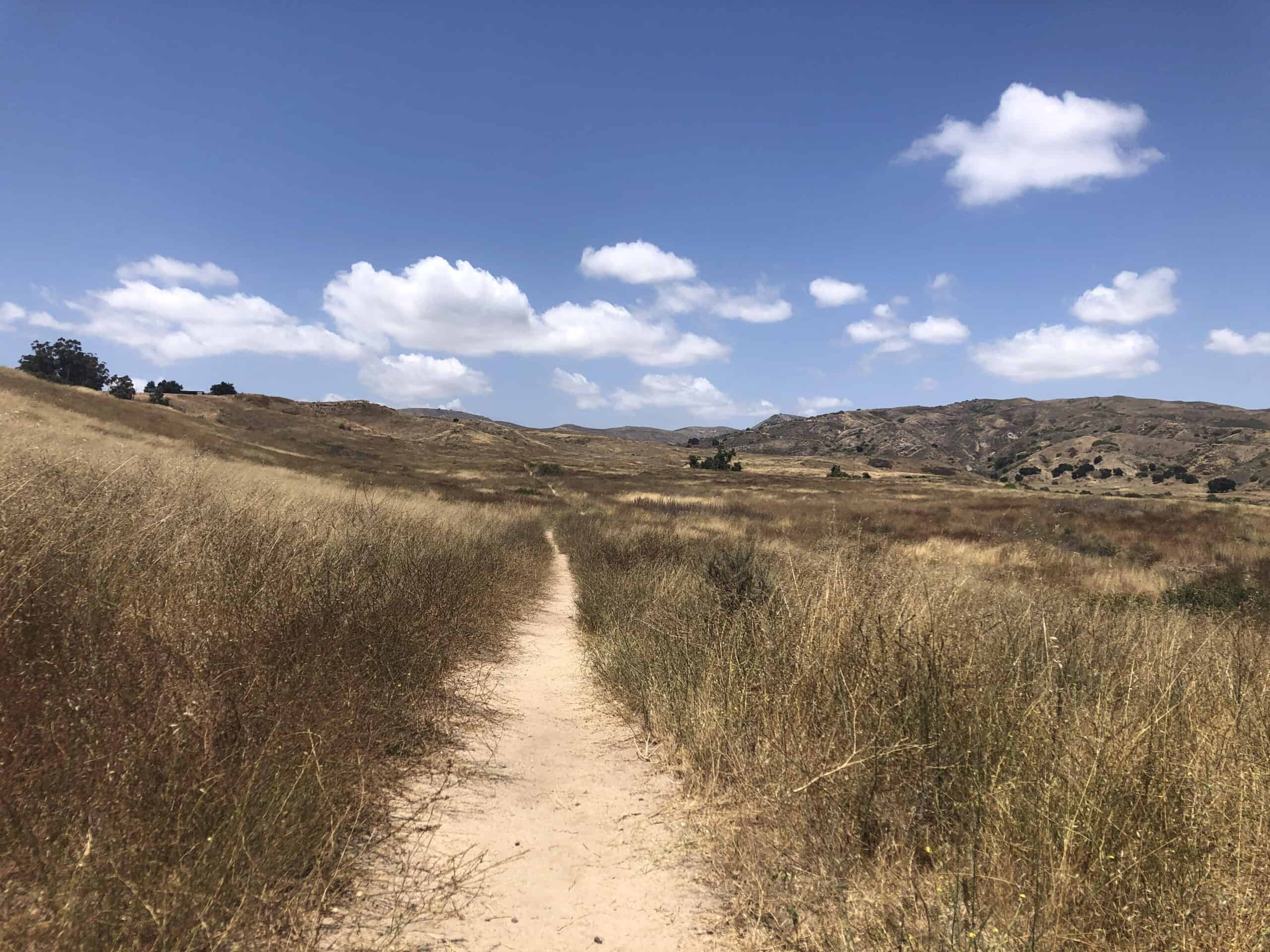
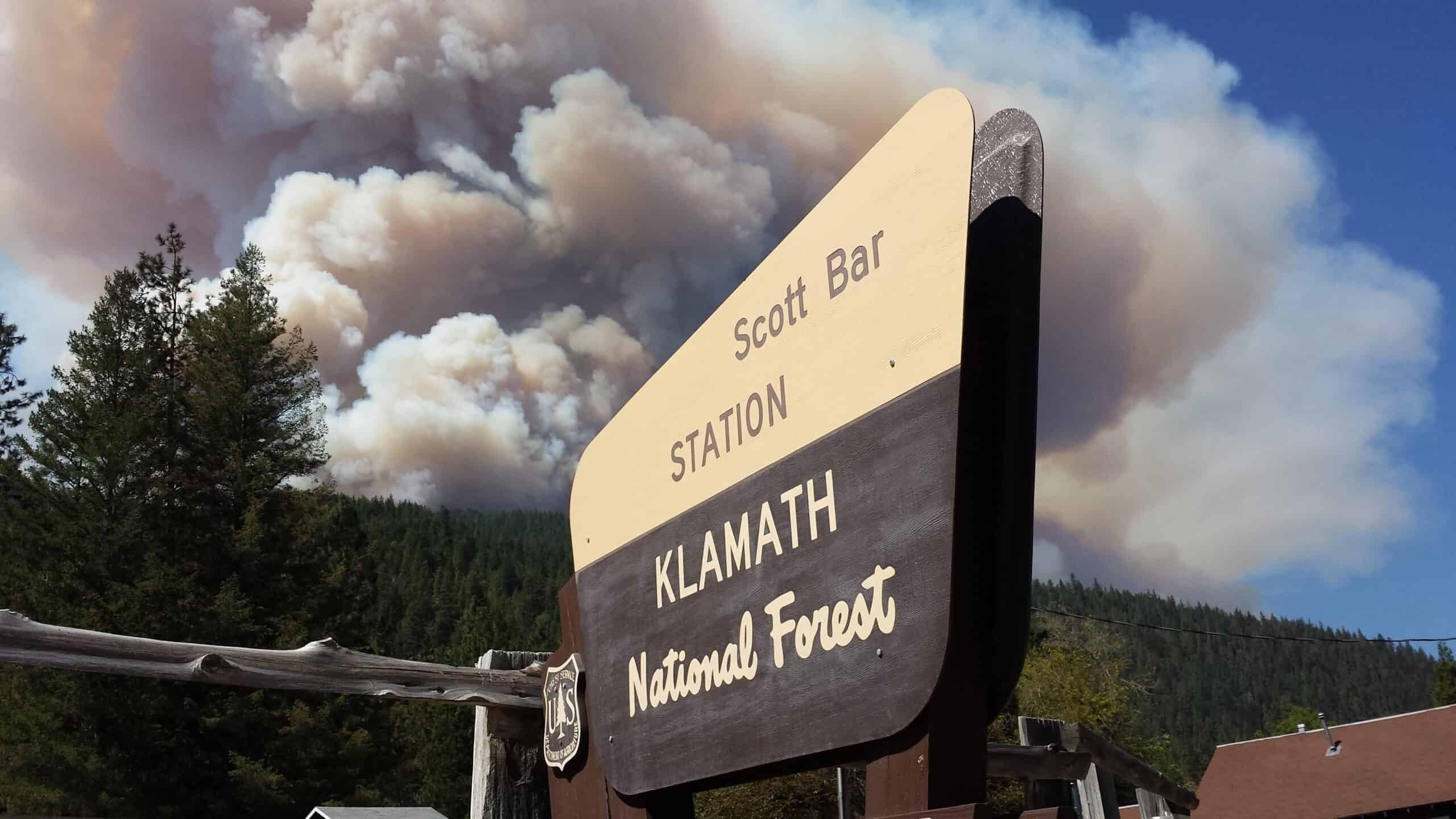
Happy Camp sits along Northern California’s Bigfoot Scenic Byway, where forests feel endless and the road often narrows to a single ribbon between river bends. The Bigfoot Jamboree, staged over Labor Day weekend at River Park, blends classic small-town tradition with Sasquatch branding, from parades and live music to pancake breakfasts, a salmon barbecue, and even a Bigfoot Queen crowning that locals treat as pure fun. It is crypto-tourism with a neighborly center where the joke stays so warm, families camp nearby, and the night air off the Klamath makes every rustle outside town sound just a little larger and nobody seems in a hurry, either.
Fouke, Arkansas
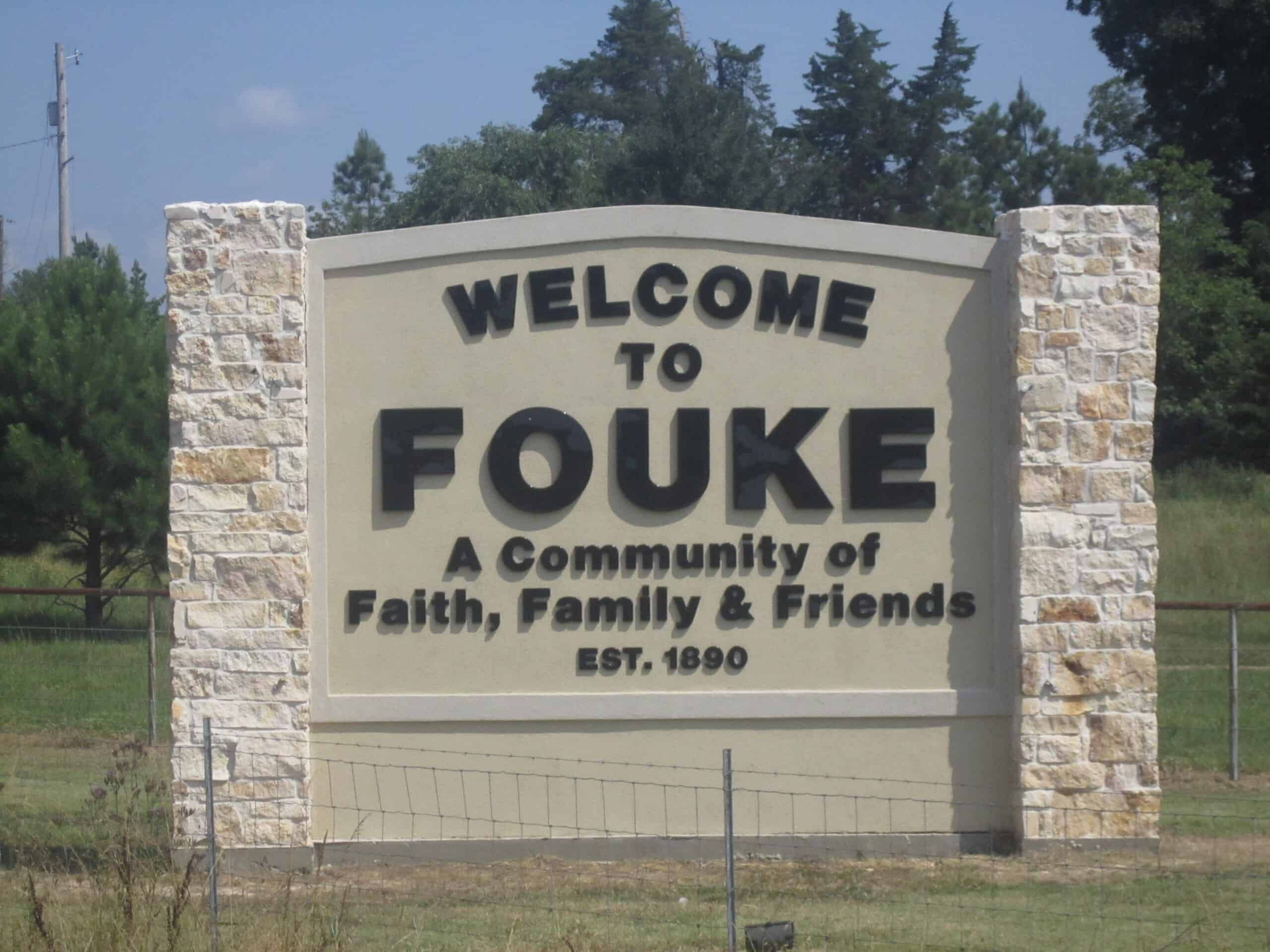
Fouke’s claim to fame is the Boggy Creek Monster, a swampy Bigfoot cousin that became part legend, part local brand on the Arkansas-Texas line. The story was amplified by the 1972 film “The Legend of Boggy Creek,” and Arkansas travel writing still ties the creature to the lowlands around town, where creeks, cypress, and night sounds make imaginations work overtime, especially during summer humidity that seems to thicken every shadow. Crypto-tourism here feels unhurried: roadside lore, quiet diners, and the sense that a decades-old sighting can become a hometown signature without ever needing closure for outsiders and locals alike, year-round.
Bailey, Colorado
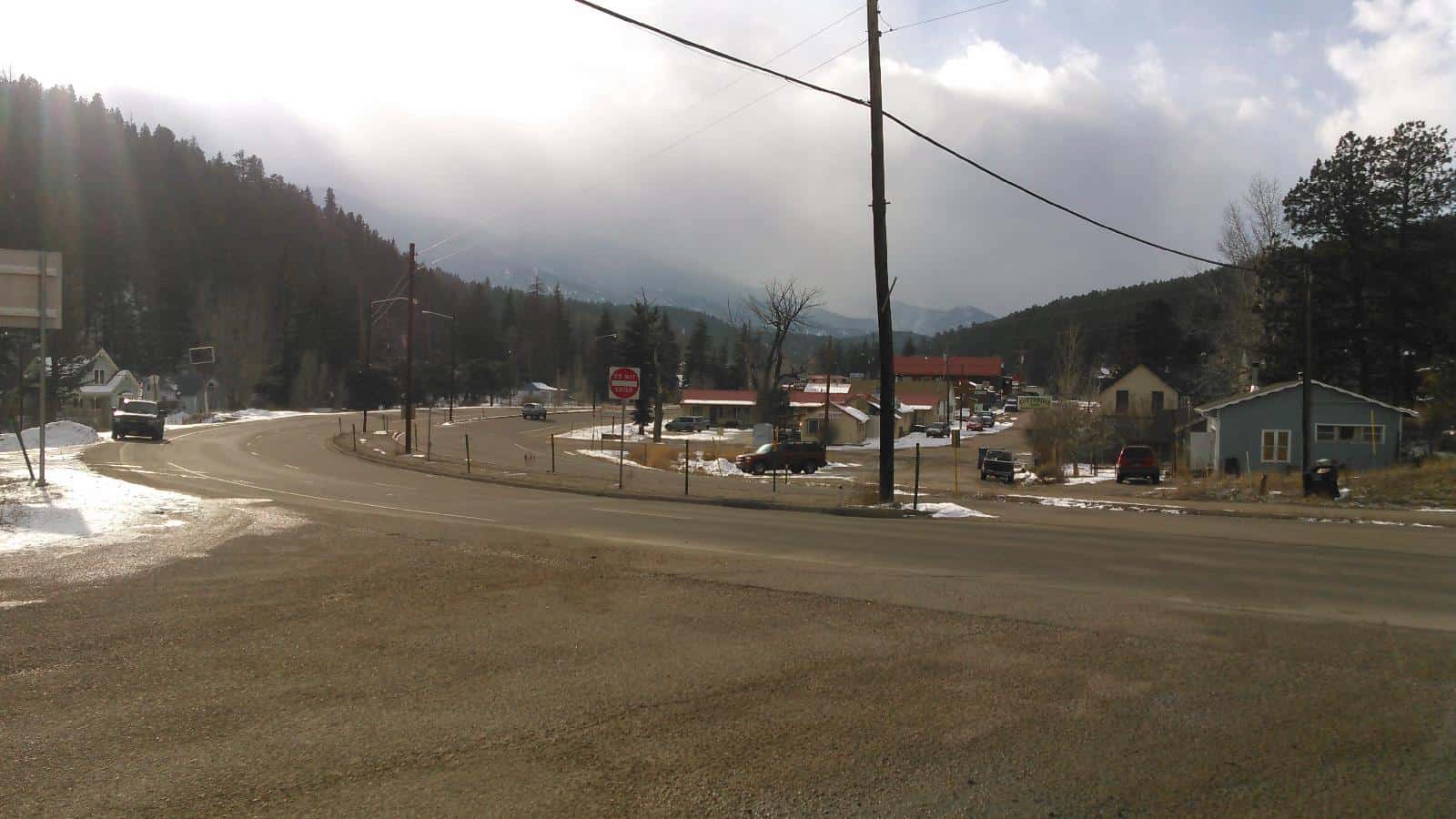
Bailey sits off U.S. 285 in Colorado’s Front Range, close enough to Denver for a day trip, yet wooded enough to feel like a different world. The Sasquatch Outpost built a local magnet with its shop and the Sasquatch Encounter Discovery Museum, offering photo ops, trail tips, and a steady stream of roadside folklore that fits the region’s cabin-and-camp culture, plus exhibits that let kids take the legend seriously for an hour. It is a place where coffee, souvenirs, and snow forecasts share the same counter, and the Bigfoot narrative slips in easily, like a local accent that visitors start to recognize on the drive west, without needing proof.
Whitehall, New York
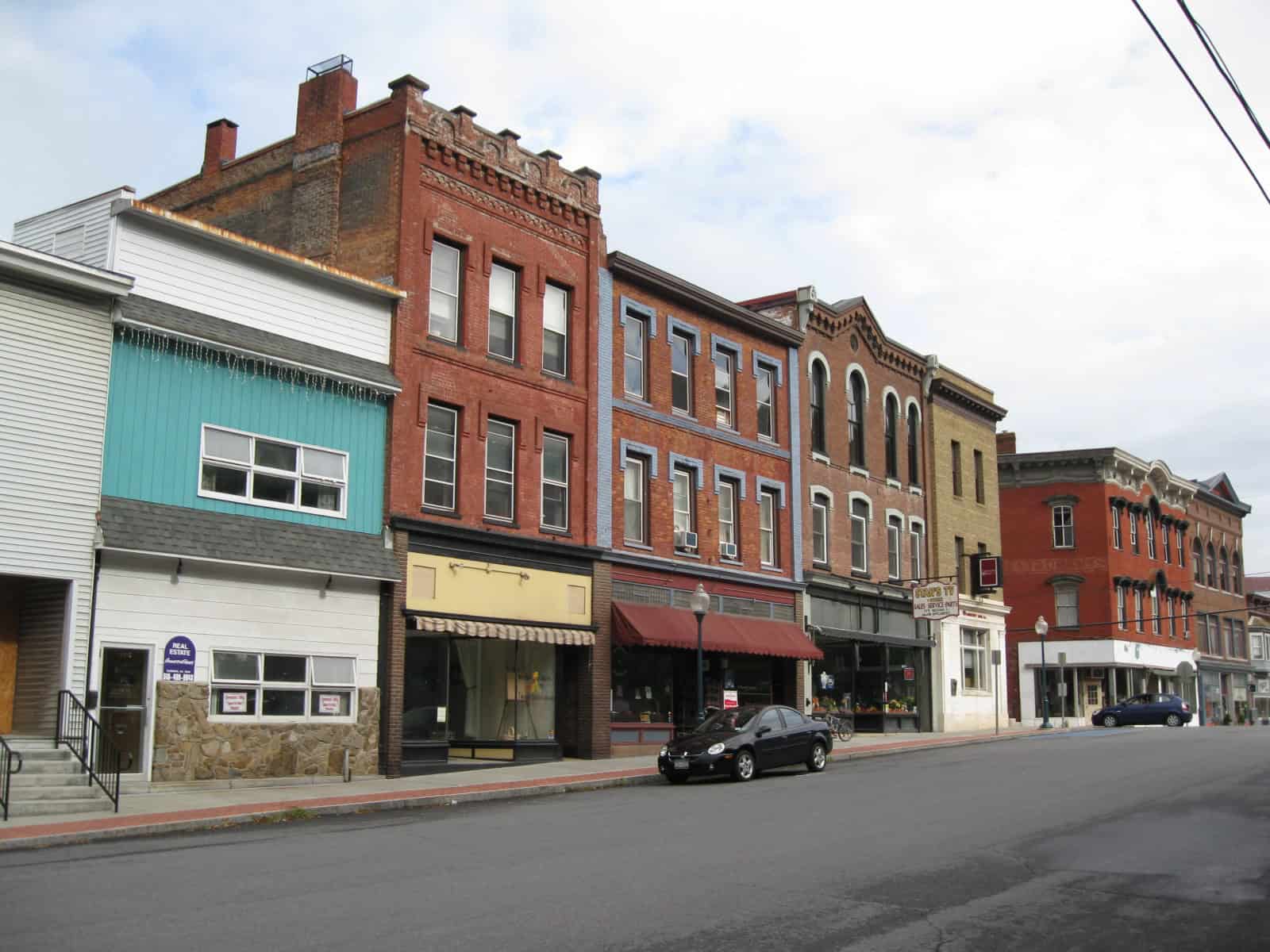
Whitehall leaned into its Sasquatch reputation so fully that a roadside marker names it a Bigfoot sanctuary, turning a quirky claim into civic branding near the edge of Lake Champlain. Local organizers host an annual Sasquatch Festival with vendors, talks, and family events that give the town a reason to feel busy outside peak leaf-peeping season, and they fold the legend into shop windows the same way other places use sports mascots. The charm is the confidence: the community protects a story without pretending it is science, using folklore to keep Main Street lively and conversations light when the weather turns and the hills go very quiet.
Mount Shasta, California
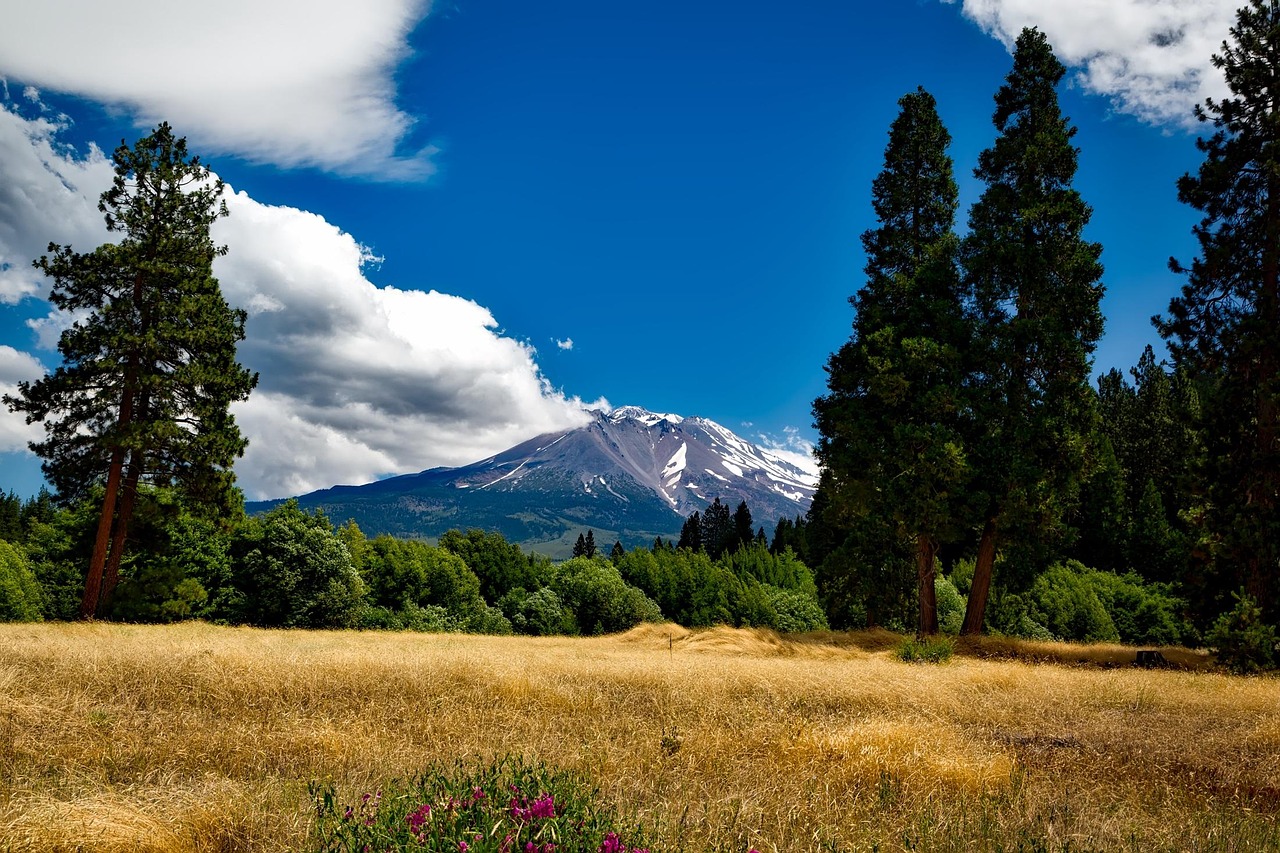
Mount Shasta’s silhouette has long attracted stories, from UFO sightings to underground myths that treat the peak like a signal tower for outsiders that grows stronger on clear nights too. Even skeptical travelers notice how quickly conversations shift in town off I-5, where stargazing groups, lenticular clouds mistaken for craft, unusual encounter tales, and spiritual storefronts sit beside ordinary grocery runs, trail gear, and ski rentals. The mix is the point: dramatic geology, dark skies, and a local culture that invites wonder without demanding agreement, making the area feel like a soft landing pad for the unexplained, year after year.
Sedona, Arizona
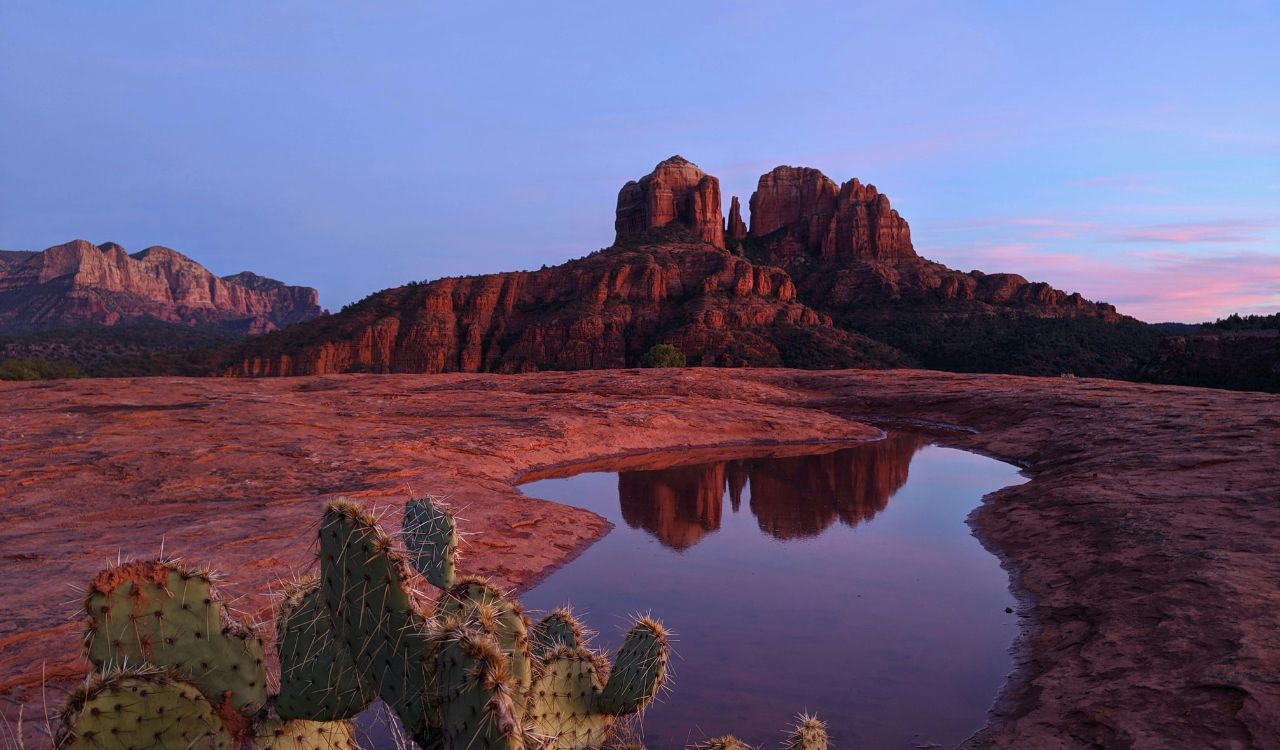
Sedona’s red rock geometry makes the sky feel close, which helps explain why UFO tours remain a steady part of the local economy, alongside jeep rides and spa weekends. Guided night outings frame reported sightings as part astronomy lesson, part campfire story, with lasers tracing constellations while groups scan for lights that move the wrong way above the mesas, then linger in silence when the Milky Way brightens over the dark canyon edges. The town already trades in awe, but its strangest draw is the idea that the high desert can still surprise, even in an era of satellites, drones, and constant video, making skeptics pause for a beat too.