We may earn money or products from the companies mentioned in this post. This means if you click on the link and purchase the item, I will receive a small commission at no extra cost to you ... you're just helping re-supply our family's travel fund.

Cruise ships operate like small, floating cities, carrying anywhere from 2,000 to over 6,500 passengers at a time. To keep things safe, smooth, and enjoyable, crew members are trained to quietly monitor behavior that could disrupt operations, violate maritime law, or create safety risks. Most passengers never realize how closely patterns are observed from keycard data to CCTV coverage that can exceed 3,000 cameras on large ships. The behaviors below don’t always lead to punishment, but they do place passengers on staff radar. Knowing them helps you avoid unnecessary scrutiny and enjoy a stress-free voyage.
1. Repeatedly Ignoring Muster Drill Requirements
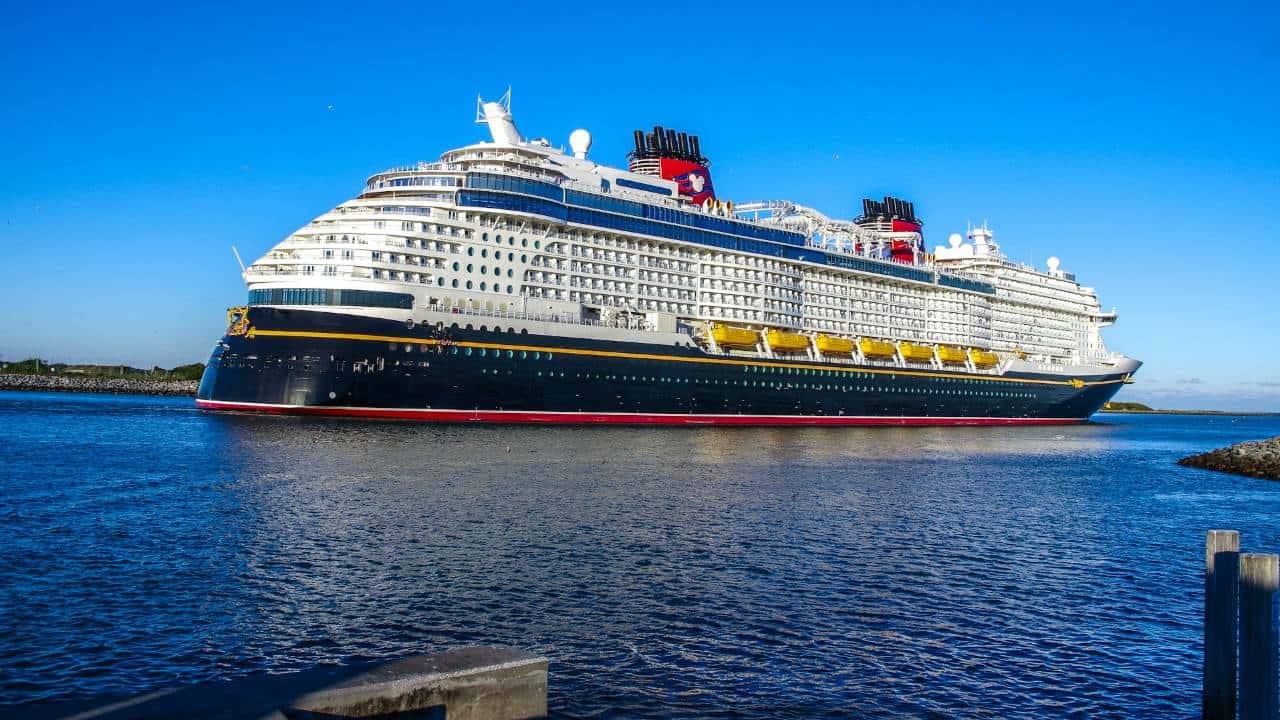
Failing to attend the mandatory muster drill is one of the fastest ways to get flagged. Maritime law requires 100% participation, and cruise lines can be fined heavily if compliance drops below 98–99%. Staff track attendance digitally through cabin scans or app check-ins. Passengers who skip, arrive late, or leave early are logged and often personally escorted to repeat sessions. Repeated resistance can lead to warnings placed on your onboard profile. Since safety briefings cover evacuation timelines often under 30 minutes crew treat noncompliance as a serious liability risk.
2. Excessive Alcohol Consumption in Public Areas
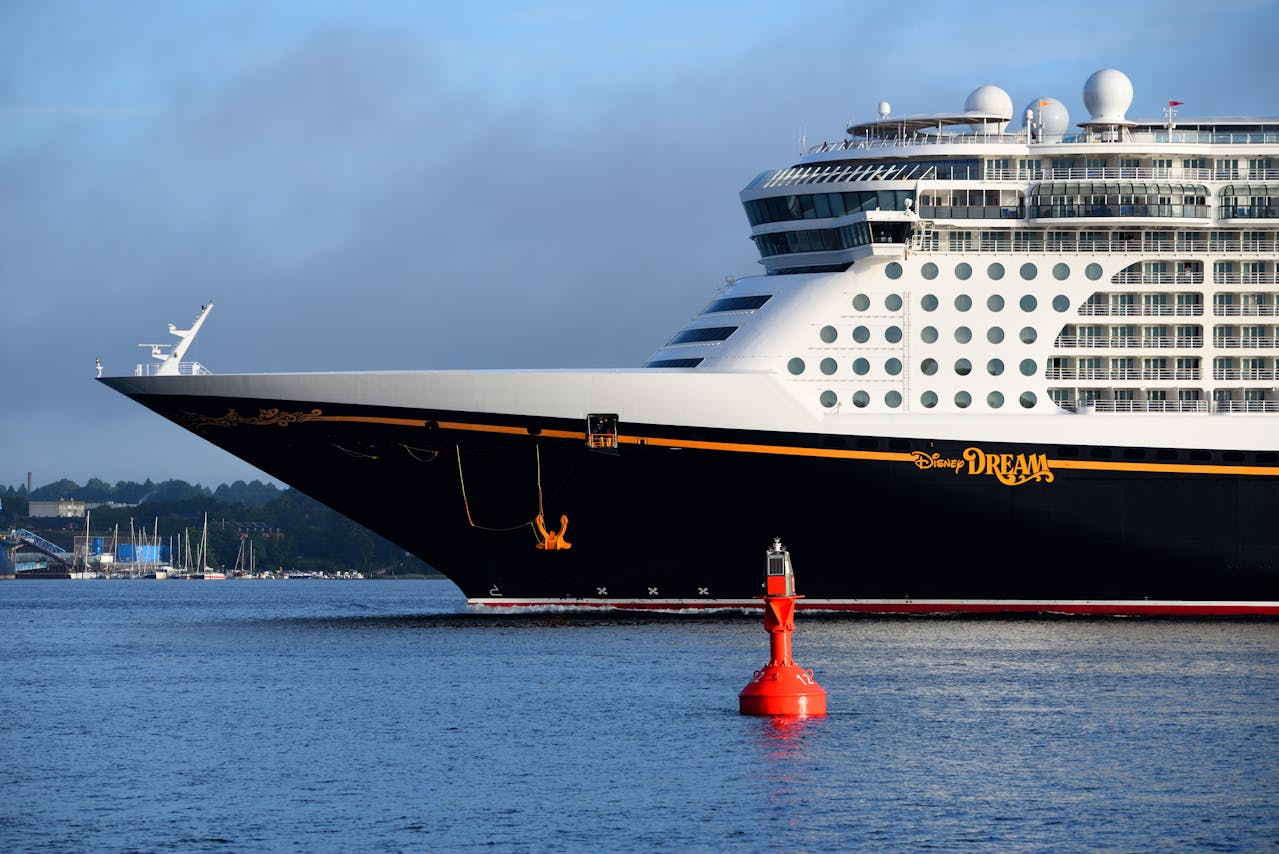
Cruise lines monitor alcohol intake closely, especially when passengers average 8–12 drinks per day, a threshold often linked to incidents. Bars log purchases through keycards, allowing staff to identify binge patterns quickly. Slurred speech, balance issues, or aggressive behavior trigger silent alerts to security. Statistics show that over 70% of onboard altercations involve alcohol. Even if you’re not causing trouble, consistently overindulging may result in drink limits, denied service, or increased monitoring for the remainder of the voyage.
3. Verbal Aggression Toward Crew Members

Raising your voice, using insults, or showing repeated impatience toward staff is logged more often than passengers realize. Cruise ships employ crews of 1,000–2,500 people, trained to report abusive interactions discreetly. Even one serious incident can be entered into the ship’s incident management system. Data from major cruise lines indicates that passengers involved in verbal disputes are 3 times more likely to face service restrictions later. Politeness matters because crew reports follow you shipwide, not just within one department.
4. Attempting to Bypass Dress Codes Repeatedly
Ignoring dining room or venue dress codes may seem minor, but repeated attempts are tracked. Specialty restaurants often enforce compliance rates above 95% to maintain brand standards. Passengers who argue with hosts or try to sneak in after being turned away are flagged for noncooperation. Over a 7-day cruise, attempting entry improperly more than 2–3 times can prompt notes on your profile. While rarely punitive, it signals disregard for ship policies, which staff are trained to notice.
5. Tampering With Balcony Doors or Railings

Balcony safety violations are treated with extreme seriousness. Ships record an average of 15–25 balcony-related warnings per voyage, most involving climbing or sitting on railings. Modern vessels use motion sensors and CCTV to detect risky behavior. Even leaning objects over the edge can trigger alerts due to falling-object risks at heights exceeding 150 feet above sea level. Passengers involved are often visited by security and may lose balcony privileges. These incidents are logged due to past overboard accidents industry-wide.
6. Smoking in Non-Designated Areas
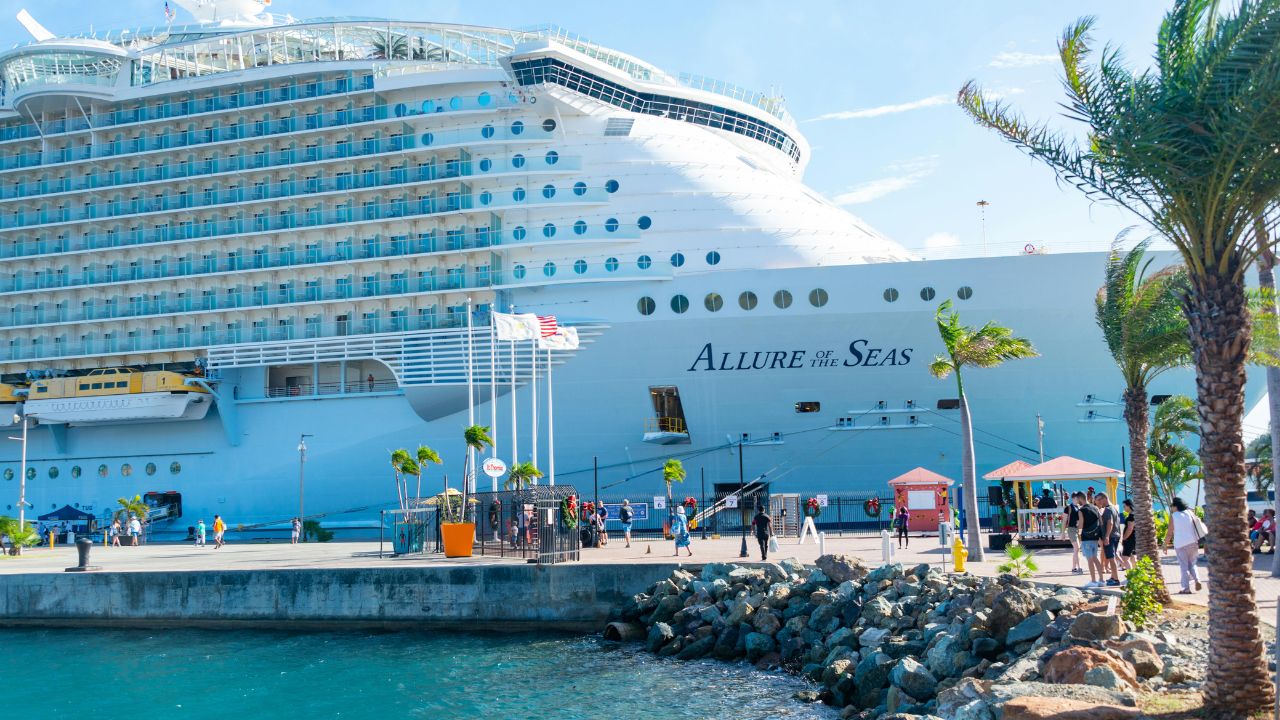
Cruise ships enforce smoking rules strictly because onboard fires account for nearly 20% of maritime emergencies. Smoke detectors can pinpoint locations within seconds. Passengers caught smoking in cabins or balconies face fines ranging from $250 to $500, and repeat offenders are flagged immediately. Crew members are trained to check nearby cabins once an alert occurs. Even vaping is monitored, as many systems can’t distinguish vapor from smoke. One violation is often enough to place a passenger under closer observation.
7. Repeatedly Losing or Sharing Keycards
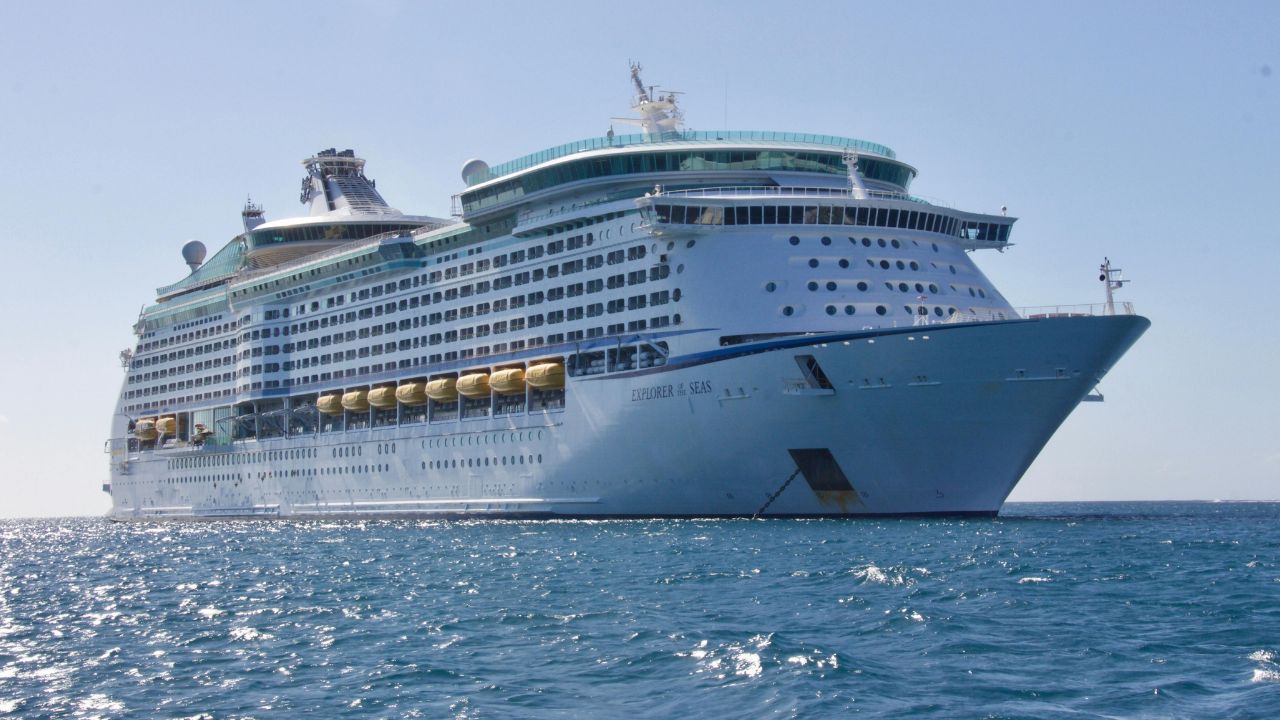
Keycards track access to cabins, purchases, and movement across restricted areas. Losing or sharing a card more than 2 times per cruise raises security concerns. Staff monitor unusual access patterns, such as multiple entries within minutes or use in crew-only zones. On ships carrying over 5,000 guests, keycard data is crucial for crowd control and emergency readiness. Frequent issues can result in identity verification checks or restrictions on charging privileges to prevent fraud or unauthorized access.
8. Disregarding Pool and Hot Tub Capacity Limits
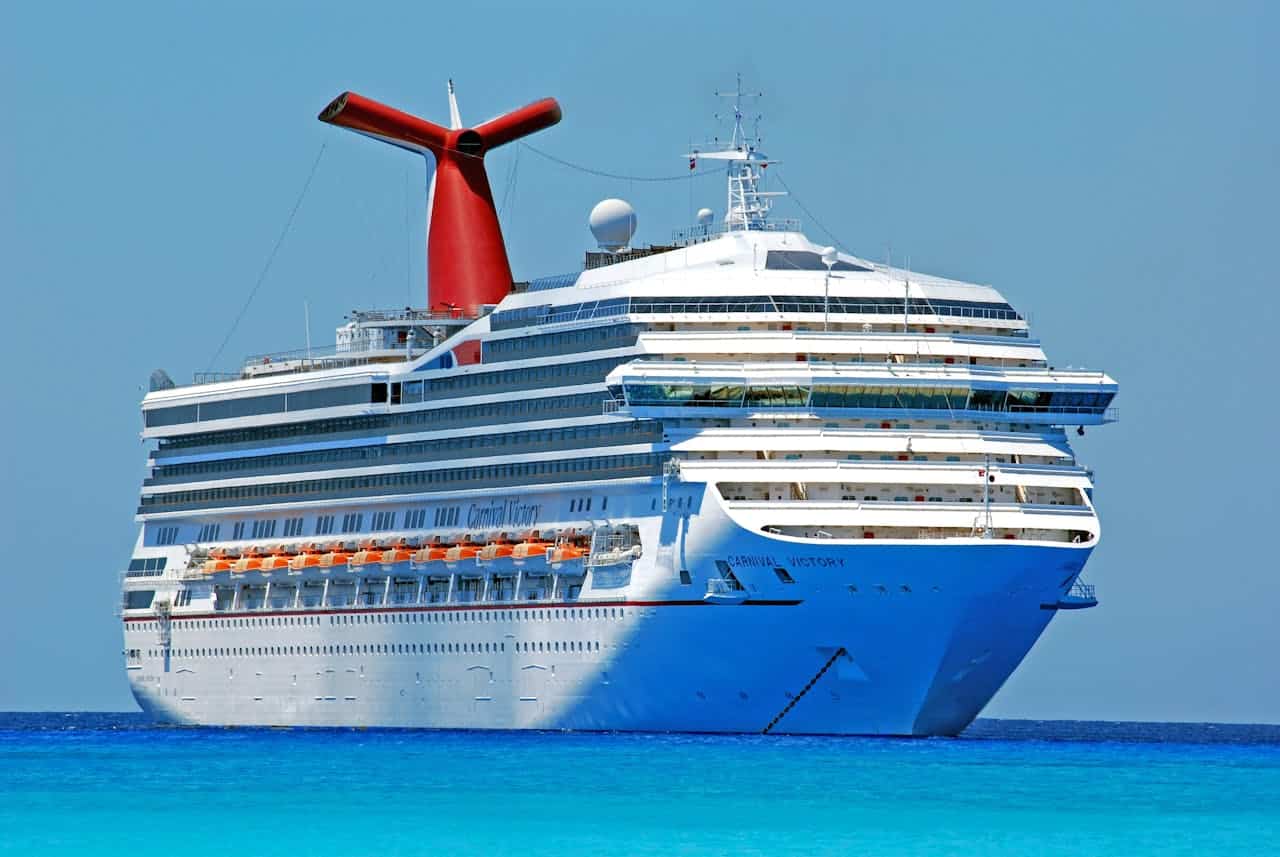
Pools and hot tubs have strict limits, often 10–12 people per spa, to prevent injury and system overload. Crew members routinely count usage, especially during peak sea days when pool decks exceed 120% capacity. Passengers who ignore posted limits or argue with attendants are flagged for noncompliance. Statistics show that most onboard slip-and-fall injuries around 60% occur in wet deck areas. Repeated disregard suggests a safety risk, prompting staff to monitor future behavior more closely.
9. Bringing Prohibited Items Onboard
Attempting to board with banned items such as irons, drones, or alcohol immediately flags a passenger. Security screening processes examine 100% of carry-on bags using X-ray scanners. Confiscation incidents are logged, and passengers who argue or attempt concealment face increased scrutiny. On average, ships confiscate 300–500 prohibited items per sailing. While many are returned at disembarkation, repeat attempts or dishonesty can lead to notes on your profile that follow you across future cruises.
10. Excessive Complaints Without Resolution Attempts
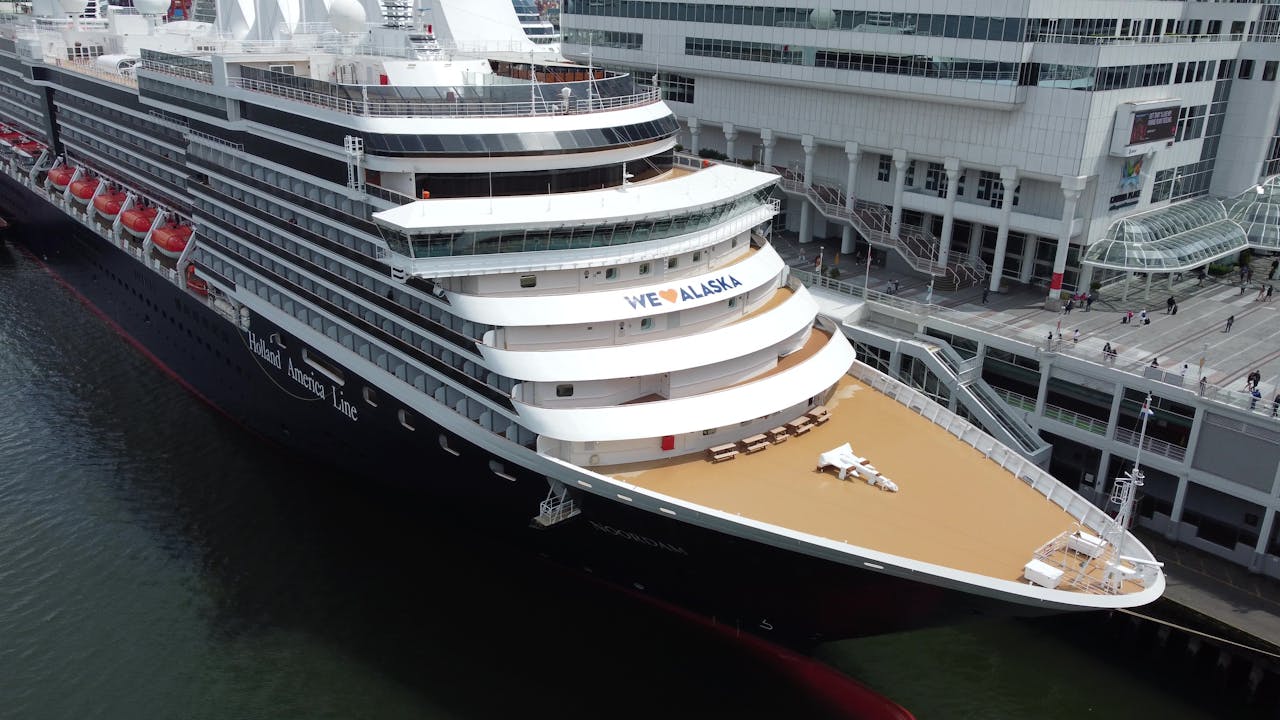
Complaints are normal, but patterns matter. Passengers who log 5 or more service complaints without allowing resolution are often flagged as high-friction guests. Cruise lines track satisfaction metrics closely, aiming for 90%+ positive feedback. Repeated complaints across departments; dining, housekeeping, excursions, signal potential compensation abuse. Staff may escalate these cases to guest services managers, who monitor interactions closely. While legitimate concerns are addressed, excessive unresolved complaints draw attention quickly.
11. Ignoring Crew-Only Area Restrictions
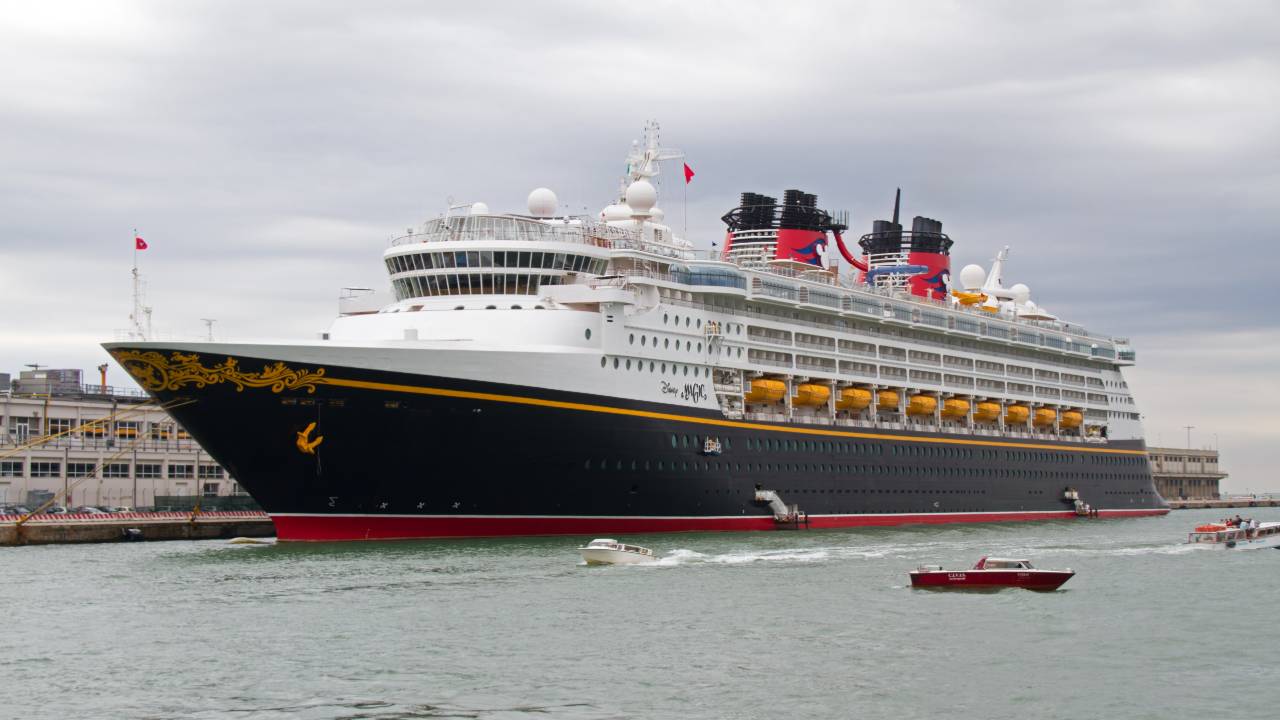
Crew-only zones are clearly marked and strictly enforced for safety and operational efficiency. Entering these areas, even accidentally, is logged via CCTV and access controls. Ships typically restrict 30–40% of onboard space to crew operations. Passengers who wander repeatedly into these zones are flagged for security awareness. While most incidents are harmless, repeated violations can trigger escorts or warnings, especially if they interfere with food prep, engineering, or emergency access routes.
12. Disruptive Behavior During Shore Excursions
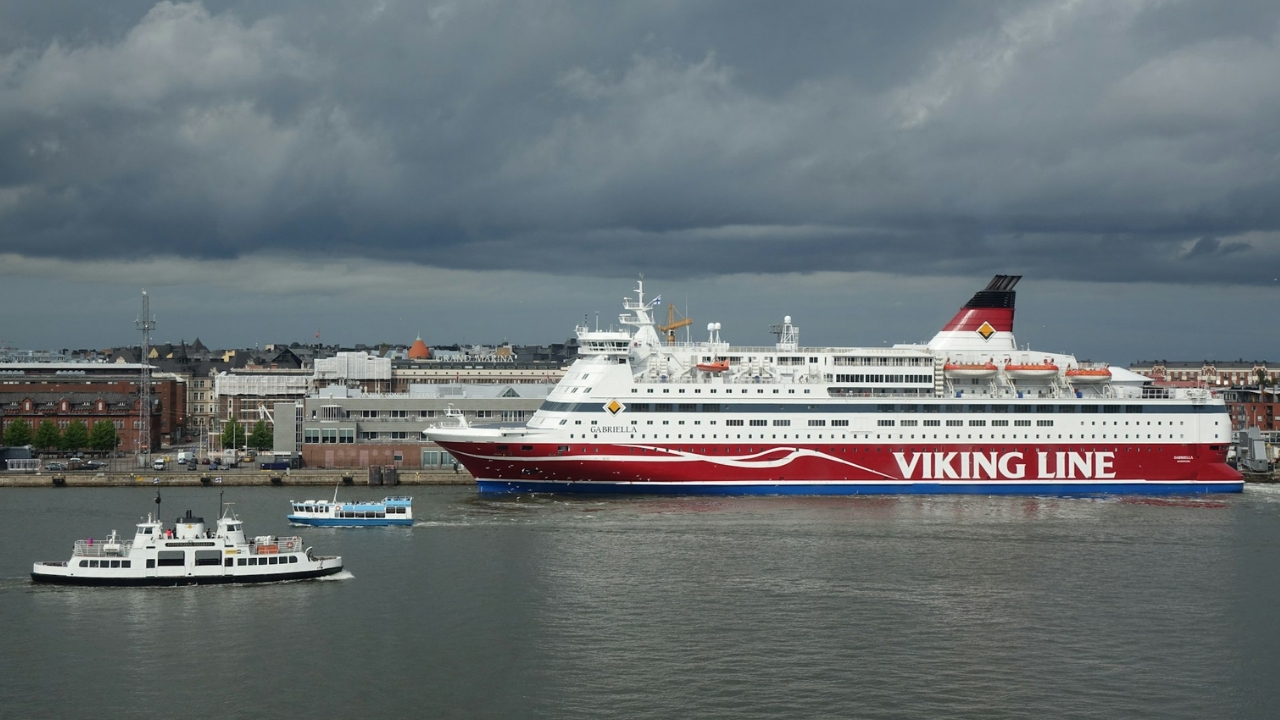
Shore excursions operate under strict timelines, often allowing delays of no more than 10–15 minutes. Passengers who consistently return late, argue with guides, or ignore safety briefings are reported back to ship staff. Data shows that 1 in 200 passengers misses all-aboard times annually, causing significant logistical issues. Even if the ship waits, your behavior is logged. Repeat disruption may result in denied participation in future excursions for safety and liability reasons.