We may earn money or products from the companies mentioned in this post. This means if you click on the link and purchase the item, I will receive a small commission at no extra cost to you ... you're just helping re-supply our family's travel fund.
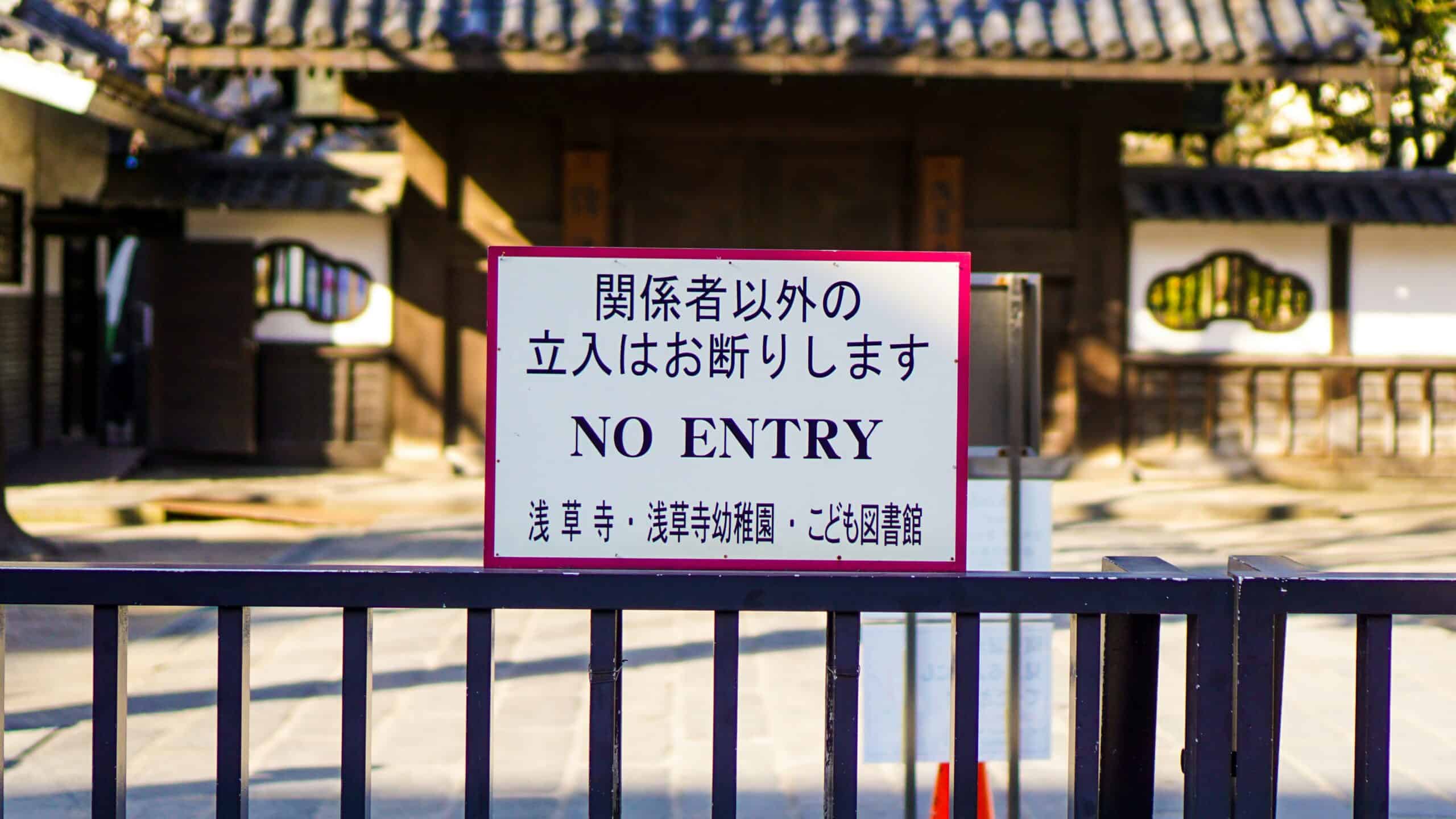
Travelers often expect a friendly welcome everywhere, but in many popular destinations, the mood has shifted. The change is rarely about disliking outsiders. It is more often about overcrowded streets, housing pressure, fragile ecosystems, and neighborhoods that feel overrun in peak season. Across several countries, that tension now shows up in public protests, new visitor fees, stricter rules, and tougher enforcement. The message is not that tourism is unwelcome in general. It is that many places now expect slower, more respectful, lower-impact travel.
Spain
bloodua/123rf
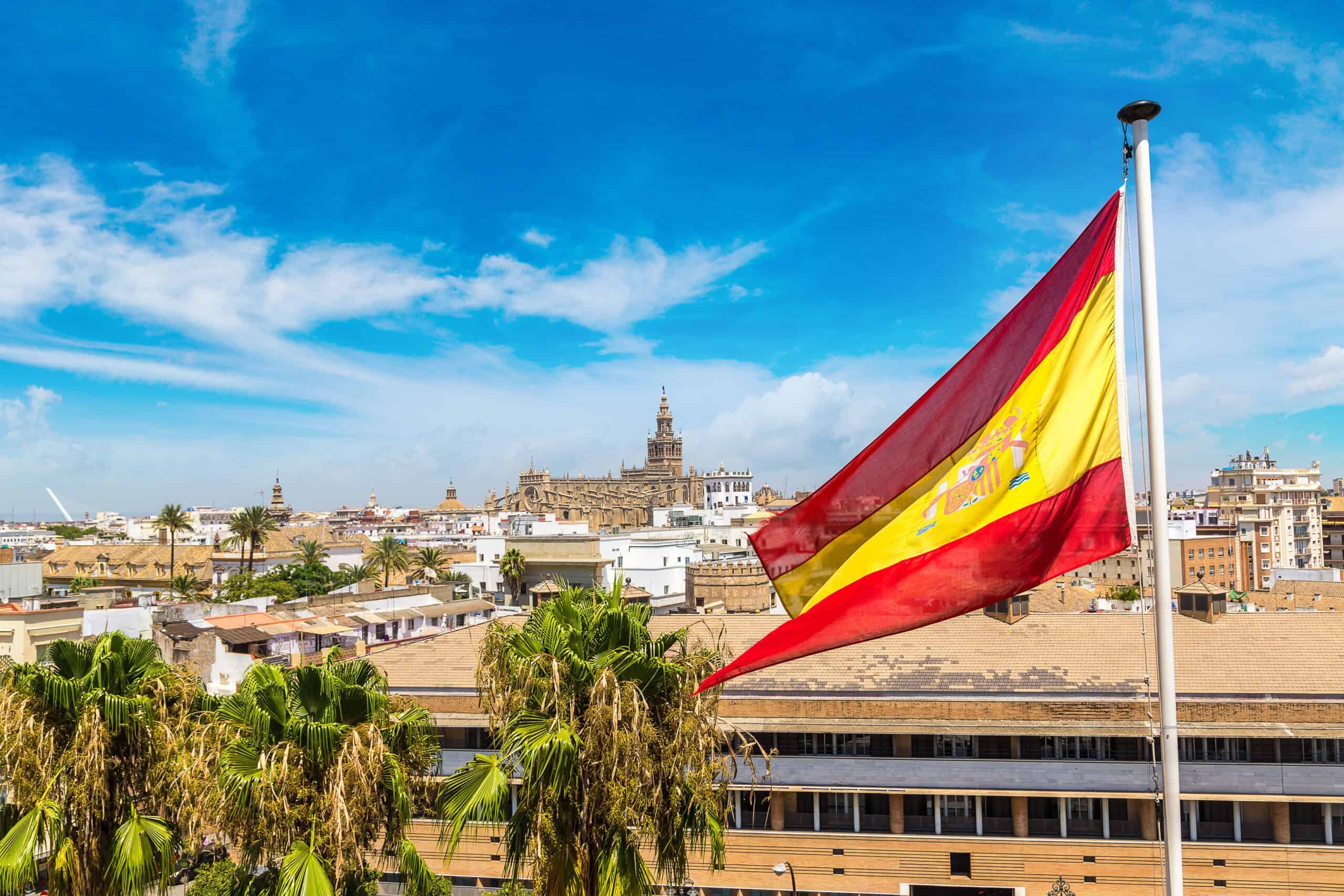
In Spain, the pushback is hardest to ignore in peak-season hotspots, where protests in Mallorca and other major destinations have turned overtourism into a public argument over rents, crowded services, and neighborhoods that no longer feel built for residents first. Spain is still posting record tourism numbers, which keeps the pressure high even as officials talk about more sustainable travel and tighter housing rules. In places like Barcelona, the policy mood is clearly shifting, and that can make the welcome feel cooler in the busiest districts.
Italy
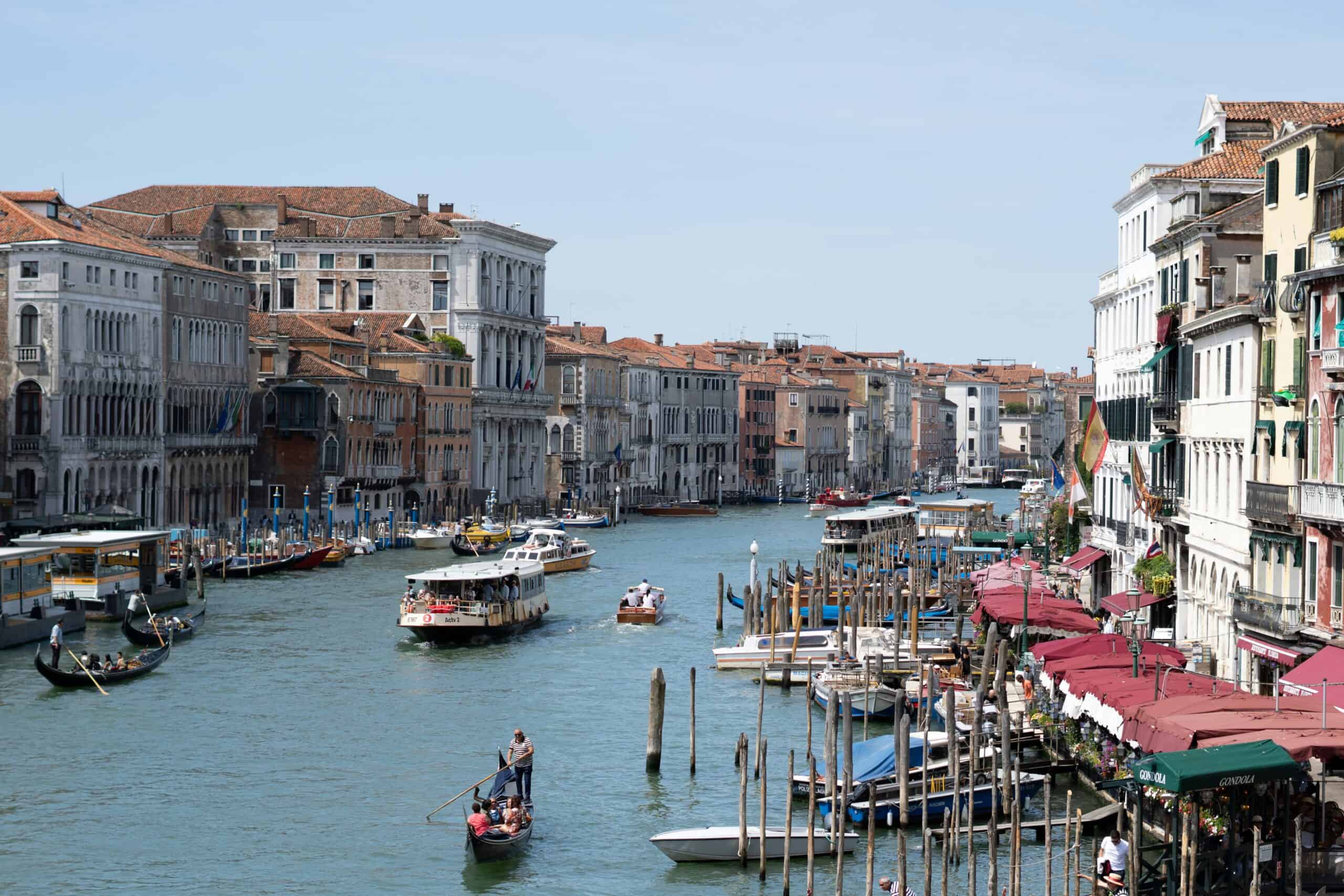
Italy still attracts huge crowds, but Venice has become the clearest symbol of a more controlled welcome, with an access-fee system tied to selected peak dates, registration, and QR-based checks for many day visitors entering the historic center. City messaging makes clear that the goal is to regulate tourist flows, not simply collect money from people passing through. In a place defined by narrow lanes, water traffic, and fragile infrastructure, that shift creates a tone that is still open, but far less casual than before.
Netherlands
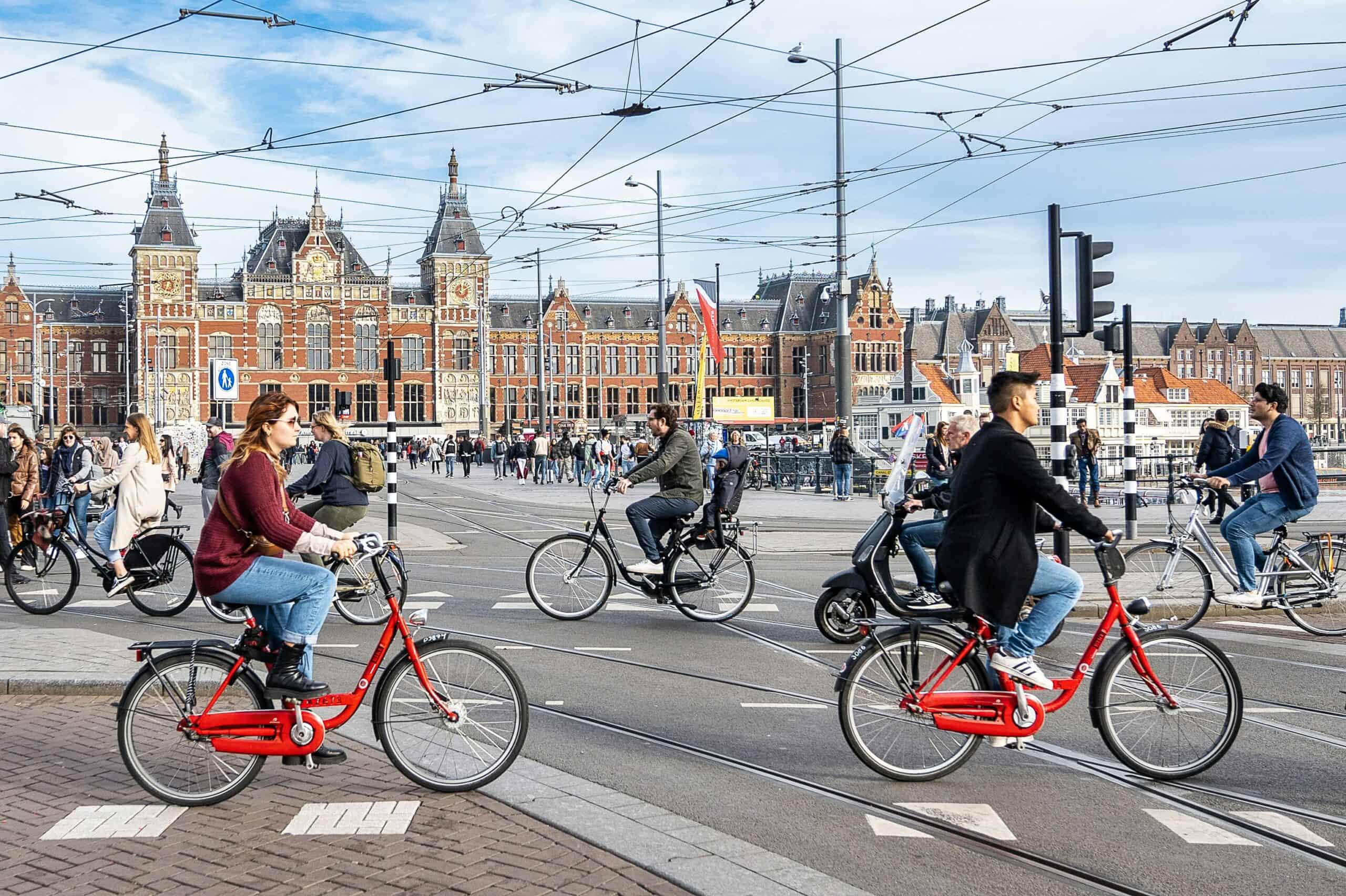
The Netherlands is not broadly unfriendly to tourists, but Amsterdam has become unusually direct about the kind of tourism it wants less of, especially in areas worn down by noise, public smoking, and weekend party traffic. City policy now centers on nuisance reduction and resident quality of life, and officials have openly used campaigns like Stay Away to discourage disruptive behavior in the inner city. The city still welcomes visitors, yet the social temperature feels cooler wherever local life has been pushed too far by nightlife tourism.
Portugal

rh2010/123rf
Portugal remains deeply appealing, yet Lisbon shows how quickly local patience can wear thin when housing gets tight, because the pressure residents describe is often less about individual travelers and more about constant turnover in buildings that once housed long-term neighbors. Reuters reported support for a referendum effort aimed at limiting short-term rentals in residential blocks, which reflects how central the housing issue has become. In some neighborhoods, that tension can make everyday interactions feel more guarded than the country’s warm reputation suggests.
Greece
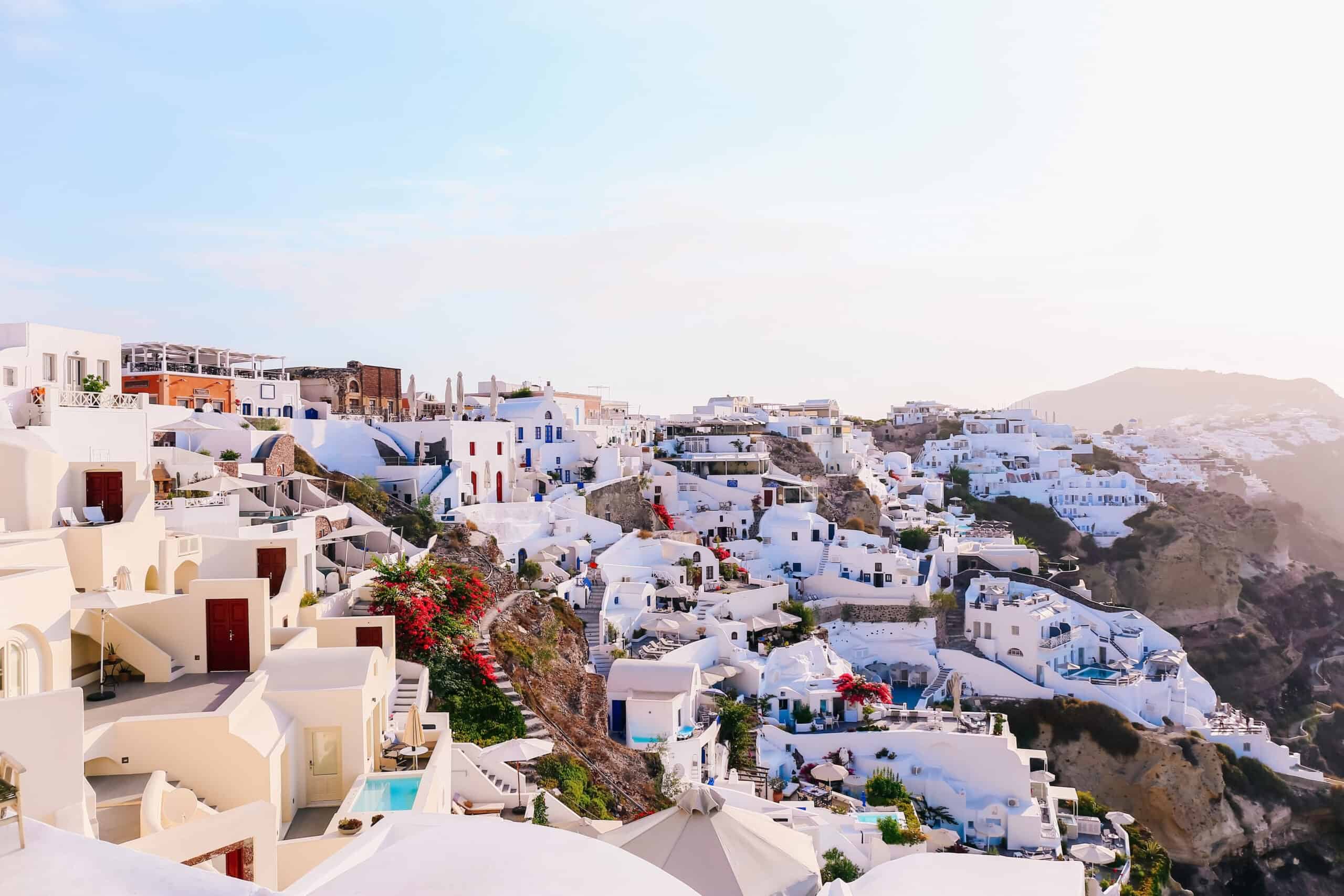
In Greece, the tension is concentrated rather than nationwide, and the islands make that clear as the government backs new levies on cruise arrivals to Santorini and Mykonos while also raising taxes tied to short-term rentals and tourist stays. Those measures were framed around infrastructure strain and climate-related costs, which gives them more weight than a simple tourism crackdown. In small island communities where water, waste, traffic, and housing all tighten at once, the welcome can feel cooler during peak months even when local hospitality remains strong.
Japan
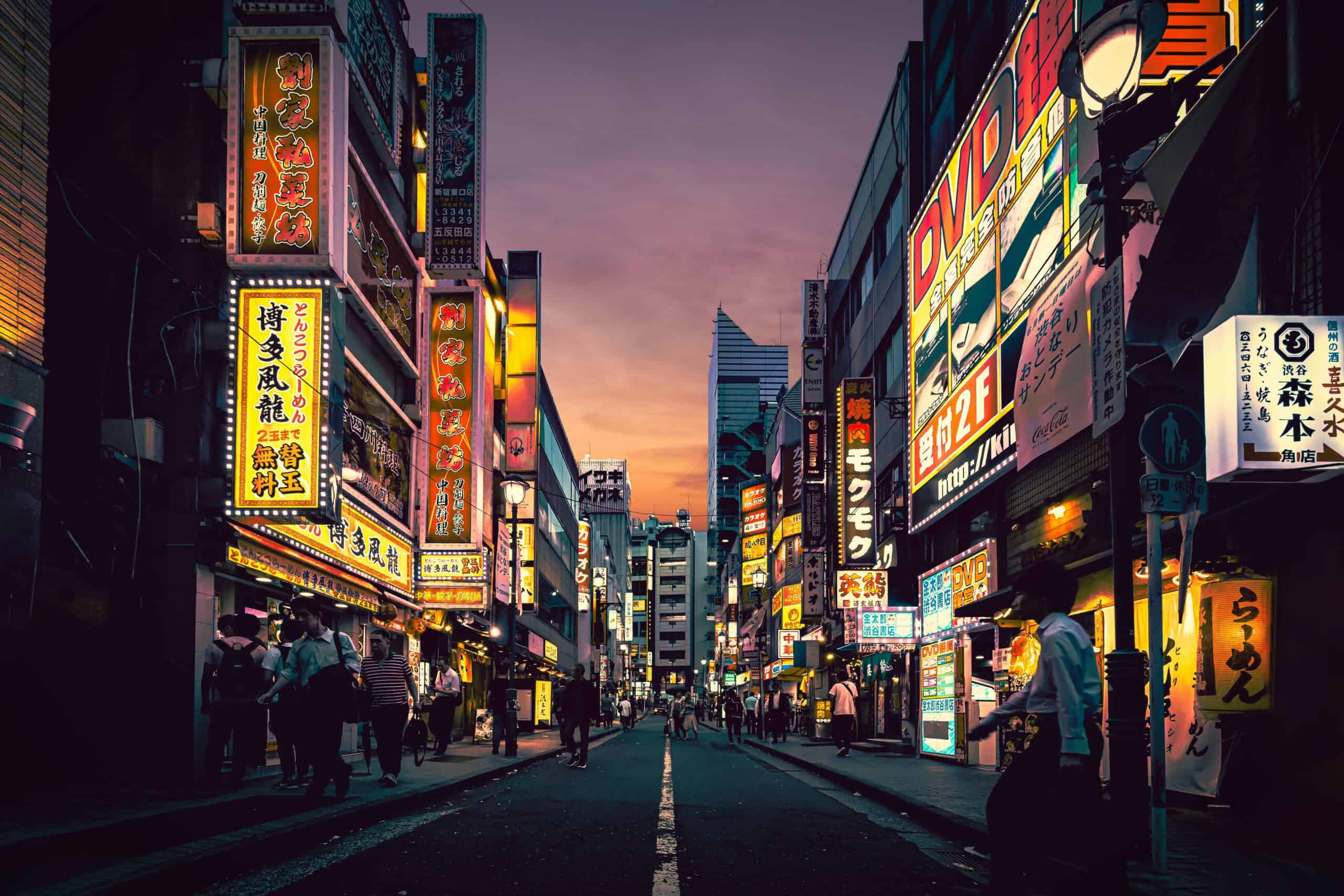
Japan’s hospitality culture remains strong, but several destinations have tightened boundaries as visitor pressure surged, including new climbing caps and fees on Mount Fuji routes and restrictions around a viral Fuji photo spot after repeated nuisance behavior. Kyoto also moved to protect parts of Gion by restricting access to private alleys after years of complaints about disrespectful conduct. The overall message is not anti-tourism, but it is clear that local communities are drawing firmer lines around daily life and sacred or residential spaces.
Indonesia
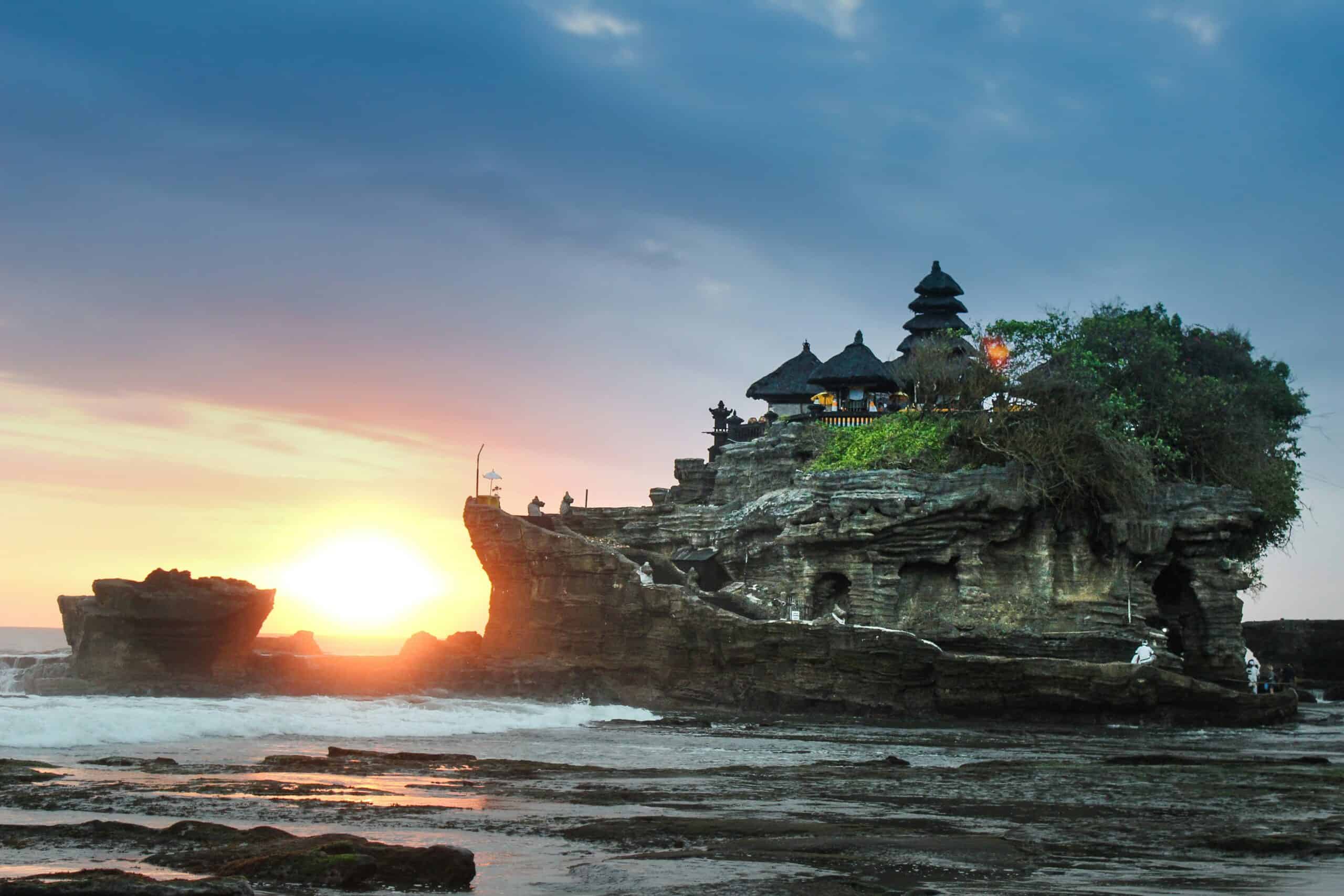
Indonesia’s tourism map is broad, but Bali shows the clearest signs of fatigue, where local leaders have shifted the language toward sustainable tourism and introduced a foreign tourist levy tied to protecting culture, nature, and infrastructure. That policy change reflects a long-running local concern that the island cannot absorb unlimited growth without visible social and environmental costs. In the busiest areas, travelers can still find warmth, but they are more likely to encounter stricter expectations and less tolerance for careless behavior than in earlier years.
Thailand
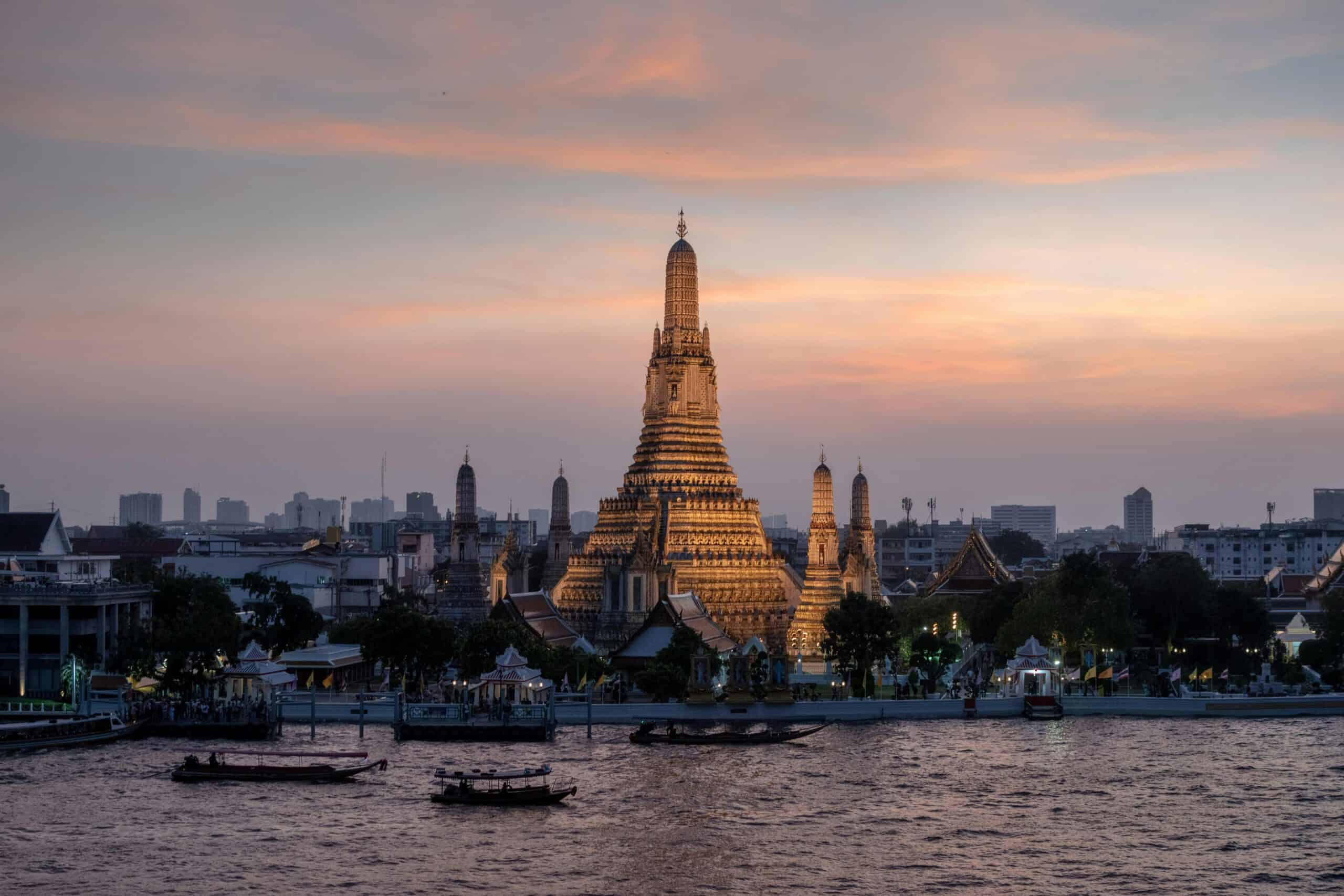
Thailand is widely known for hospitality, yet Maya Bay shows how ecological strain can rewrite the terms of access when a postcard-famous place absorbs years of heavy tourism beyond what the ecosystem can handle. Thai authorities have repeatedly used restoration closures and strict national park rules there, and official guidance has emphasized no-swim zones in protected sections to reduce damage. The result is a welcome shaped by conservation first, where the experience feels more regulated and less spontaneous than travelers often expect.
Croatia
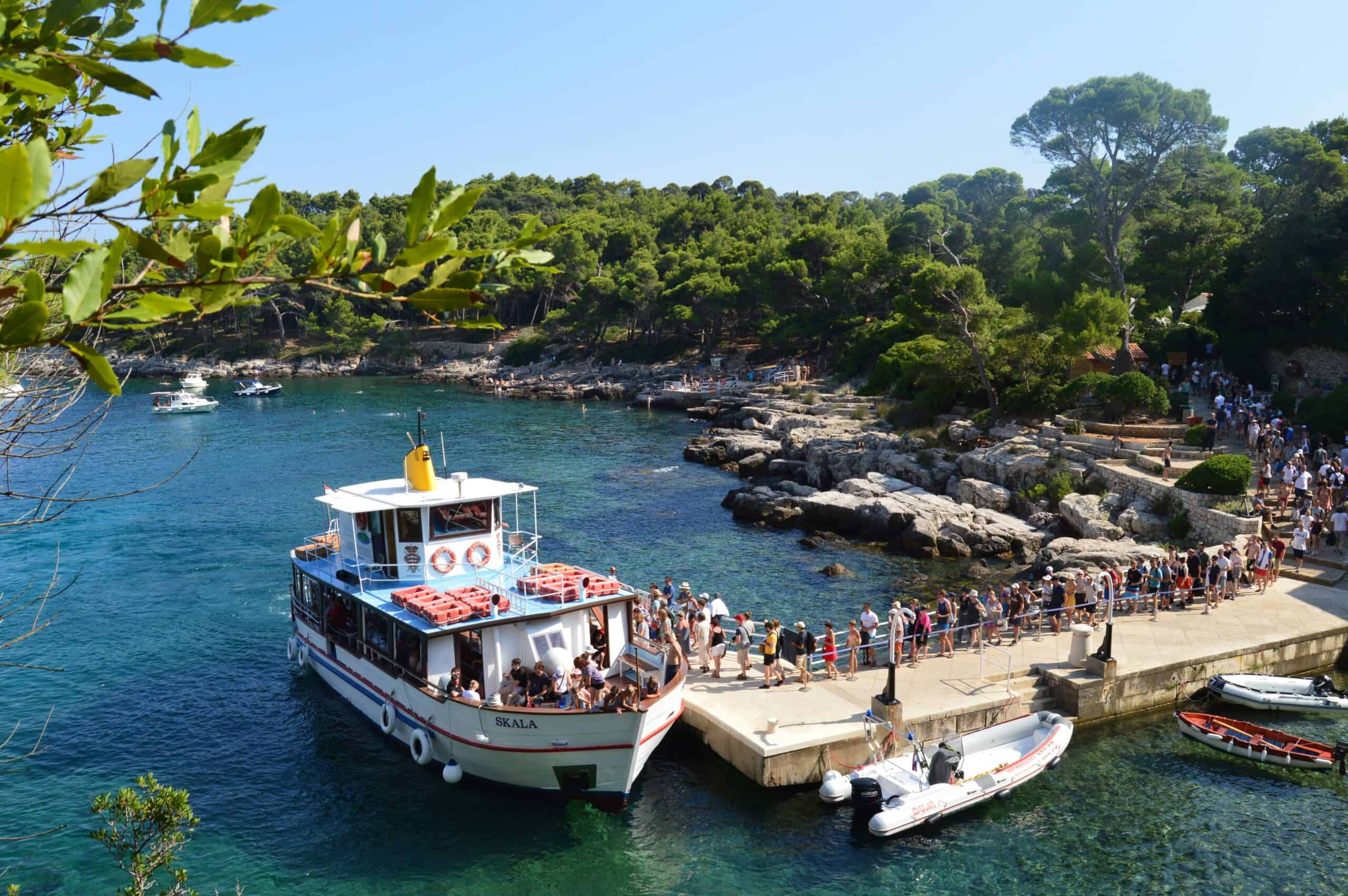
Croatia’s coast remains one of Europe’s biggest summer draws, but Dubrovnik has spent years trying to cool down crush-level traffic that can overwhelm its old town within hours of multiple ship arrivals. European tourism authorities have highlighted the city’s limits on daily cruise visitors and simultaneous ship arrivals as a core part of its sustainability strategy. Those caps send a clear message that the destination is still open, but it is no longer pretending that unlimited arrivals are harmless to local life or heritage.
Czech Republic

The Czech Republic offers rich, memorable travel, but Prague has become far more explicit about rejecting rowdy nightlife tourism after years of complaints from residents in the historic center. City leaders approved a ban on organized nighttime pub crawls, tying it to noise, garbage, and security concerns, while also framing the move as part of a shift toward more cultural, longer-stay tourism. Prague still wants visitors, but it is signaling more clearly than before which kind of tourism it is willing to protect.
Peru
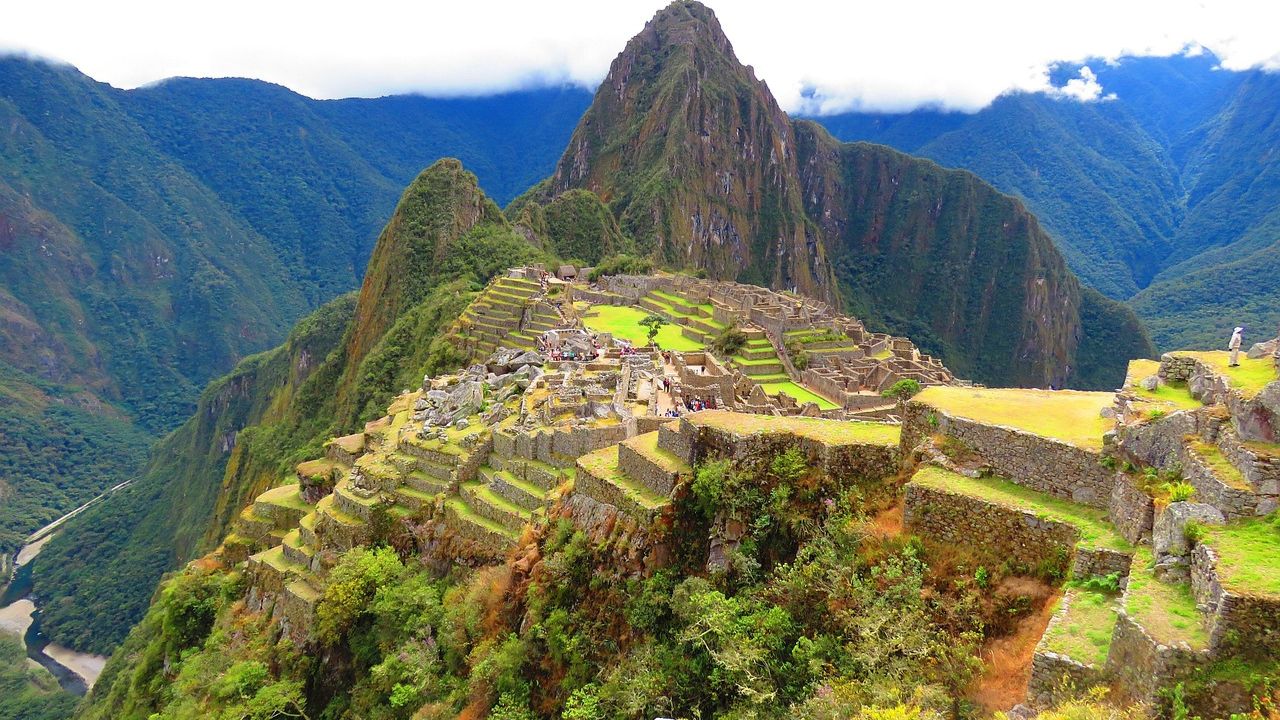
Peru’s tension is often most visible around Machu Picchu, where ticketing, access, and preservation are tightly linked to local livelihoods as well as national heritage management. Reuters reported protests in early 2024 that disrupted access after ticketing changes, while official channels now direct visitors through state-managed ticketing and structured circuits that are meant to control flow. That mix of economic dependence and site protection can make the atmosphere feel more fragile than warm during periods of policy change or heavy congestion.
Bhutan
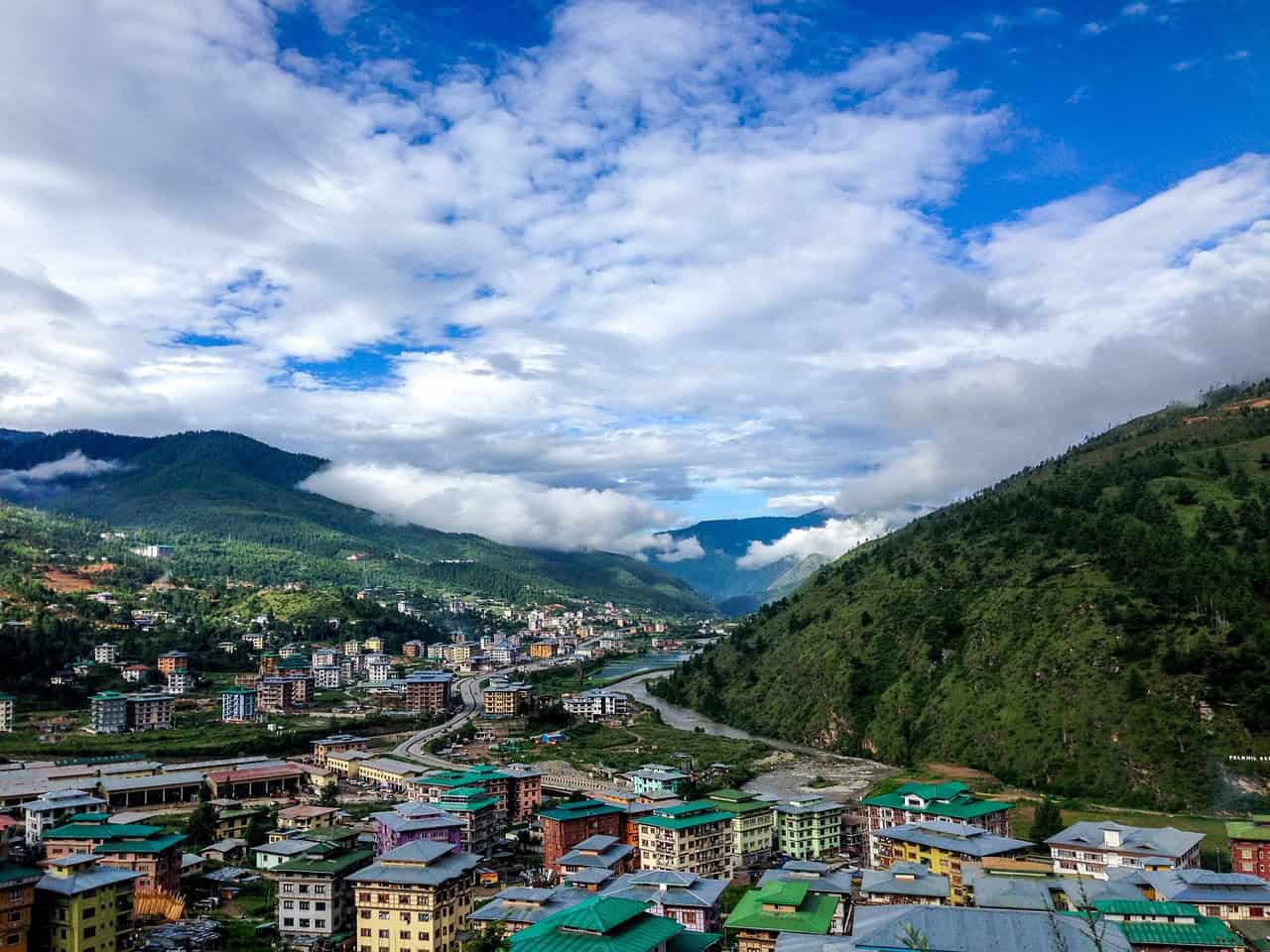
Bhutan stands apart because its cooler welcome is intentional by design, not a sudden reaction, and official tourism policy openly emphasizes high value, low volume travel. Bhutan also maintains a Sustainable Development Fee framework, which reinforces slower, lower-impact visits and helps limit pure mass-market tourism. It can feel restrictive compared with cheaper destinations, but the policy is built around protecting culture, environment, and social balance rather than expanding visitor numbers at any cost.