We may earn money or products from the companies mentioned in this post. This means if you click on the link and purchase the item, I will receive a small commission at no extra cost to you ... you're just helping re-supply our family's travel fund.
Travel fashion is often treated as harmless self-expression, but in many parts of the world, clothing carries legal, religious, and political weight. What feels casual or comfortable to a visitor can signal disrespect, defiance, or even criminal intent to local authorities. In these destinations, “tourist dressing” has led to fines, detentions, and travel bans. Understanding where style crosses into risk is not about fear, it’s about awareness. Below are twelve countries where what you wear can genuinely shape how safely, legally, and smoothly your trip unfolds.
1. Saudi Arabia
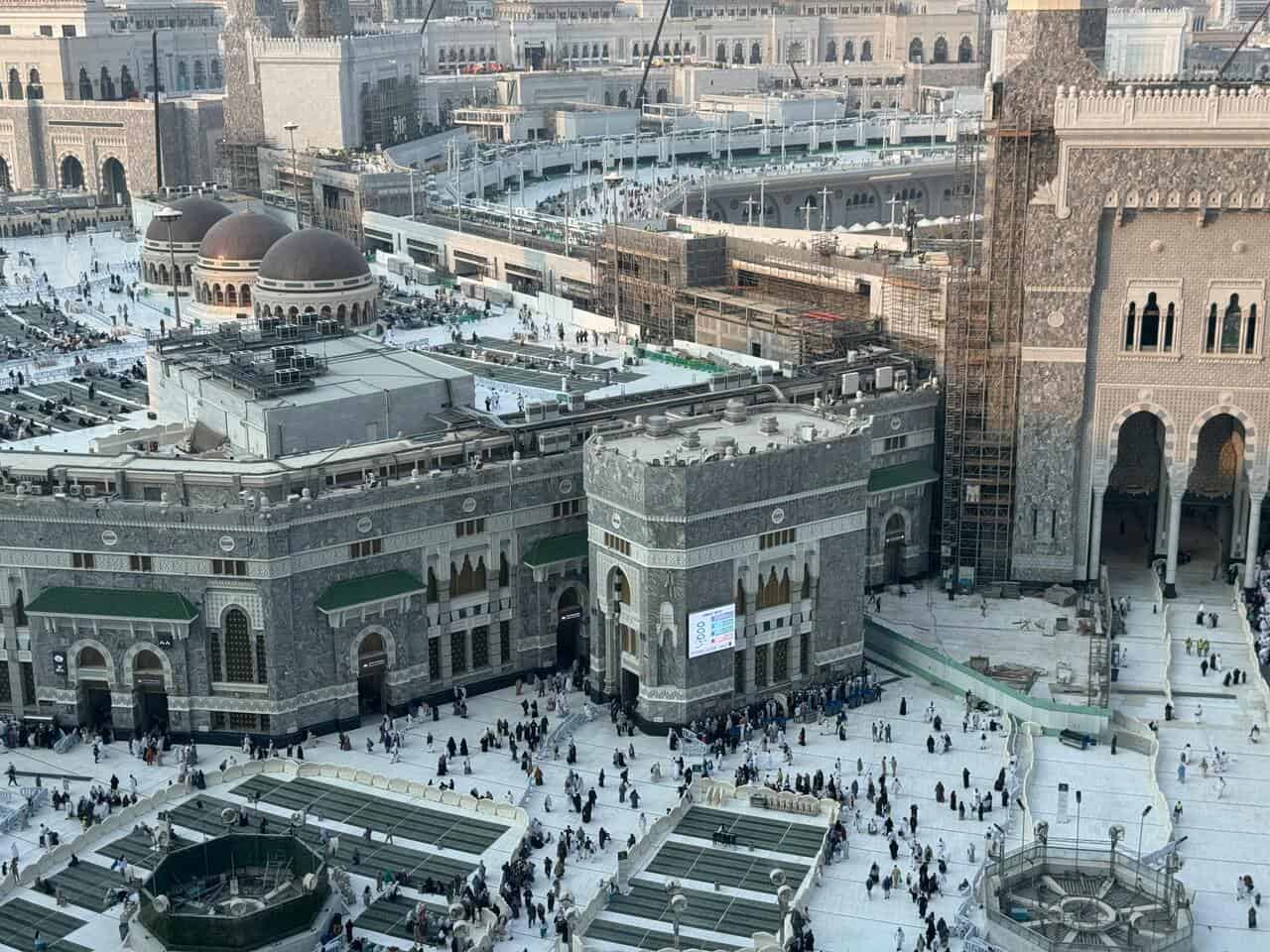
In Saudi Arabia, clothing laws are tied to public decency regulations enforced nationwide. Tourists wearing shorts above the knee, sleeveless tops, or sheer fabrics risk being stopped by authorities. Between 2019 and 2023, over 3,200 fines were issued to foreign visitors for dress violations, with penalties ranging from $80 to $270 USD. Women are no longer required to wear abayas, but modest coverage remains mandatory. In smaller cities, enforcement is stricter than in Riyadh or Jeddah, where over 65% of violations occur outside tourist zones. Clothing with slogans or symbols is also monitored closely.
2. Iran
Iran enforces one of the world’s most clearly defined dress codes for foreigners. Women must cover hair and wear loose clothing covering arms and legs; men are prohibited from shorts in public. According to tourism police data, roughly 1 in 12 female visitors is warned for improper dress during their stay. Fines typically range from $20 to $150 USD, but repeated violations can lead to detention. Enforcement increases near government buildings and shrines, where over 70%of reported incidents occur. Dressing “casually Western” is often interpreted as political defiance rather than ignorance.
3. North Korea
In North Korea, clothing is treated as a reflection of ideological respect. Tourists are advised to wear dark, conservative outfits with no logos, slogans, or distressed designs. Ripped jeans, religious symbols, and Western branding are explicitly discouraged. Tour operators report that 100% of tourist groups receive mandatory dress briefings, yet violations still occur. Consequences include interrogation, confiscation of items, or expulsion. In past cases, even minor clothing infractions extended detainment by 24–72 hours. There are no fines—punishments are administrative and unpredictable, making compliance essential.
4. Afghanistan
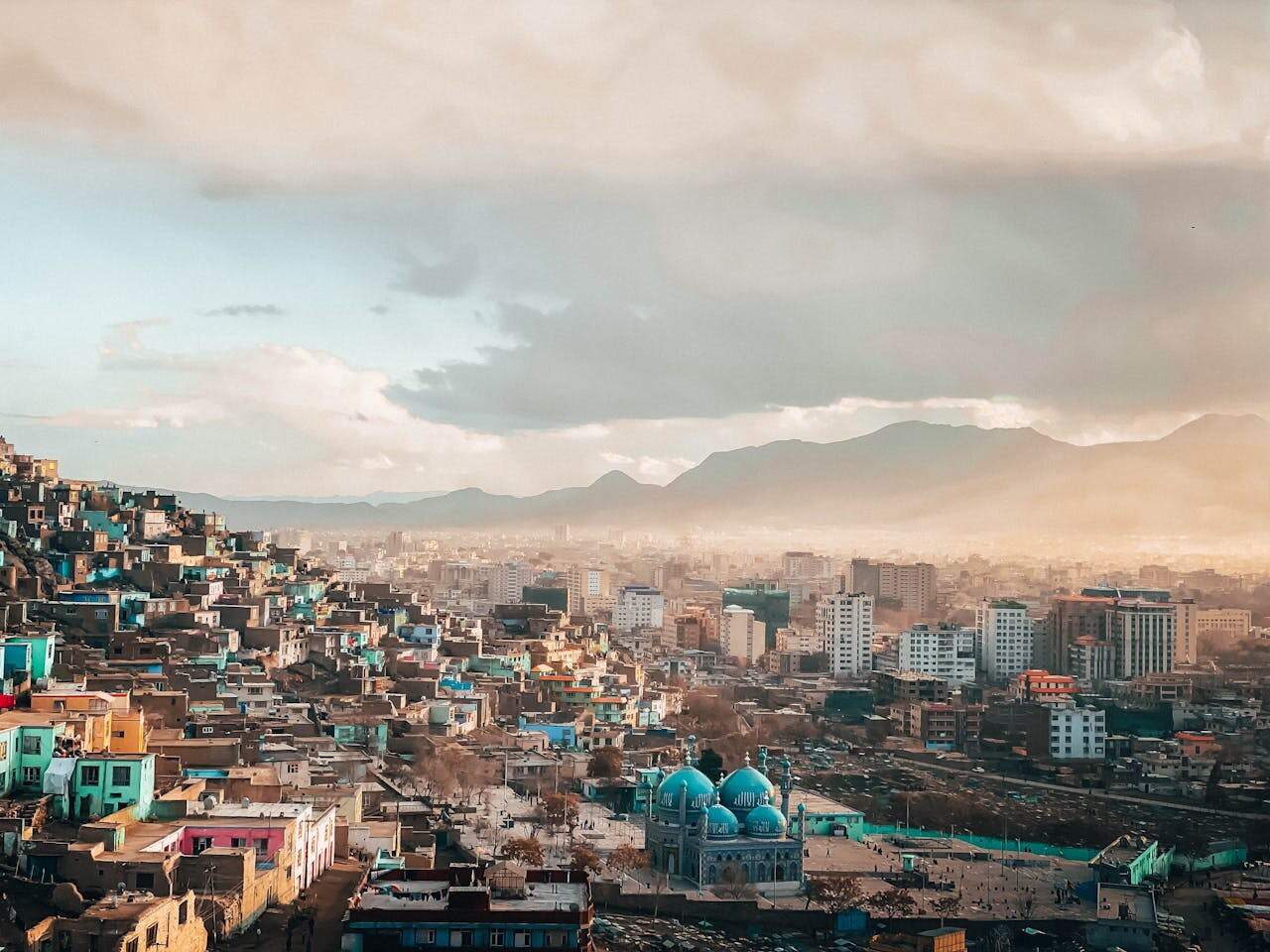
In Afghanistan, especially in regions under strict Taliban oversight, clothing norms are aggressively enforced. Women must wear full coverage, often including face coverings, while men are expected to avoid Western-style casual wear. Aid organizations estimate that over 90% of foreign visitor warnings relate to dress or appearance. Bright colors, shorts, or fitted clothing can attract immediate attention. There are no standardized fines; consequences range from forced clothing changes to detention. Tourists wearing identifiable travel gear are statistically 3 times more likely to be questioned than those dressed locally.
5. United Arab Emirates
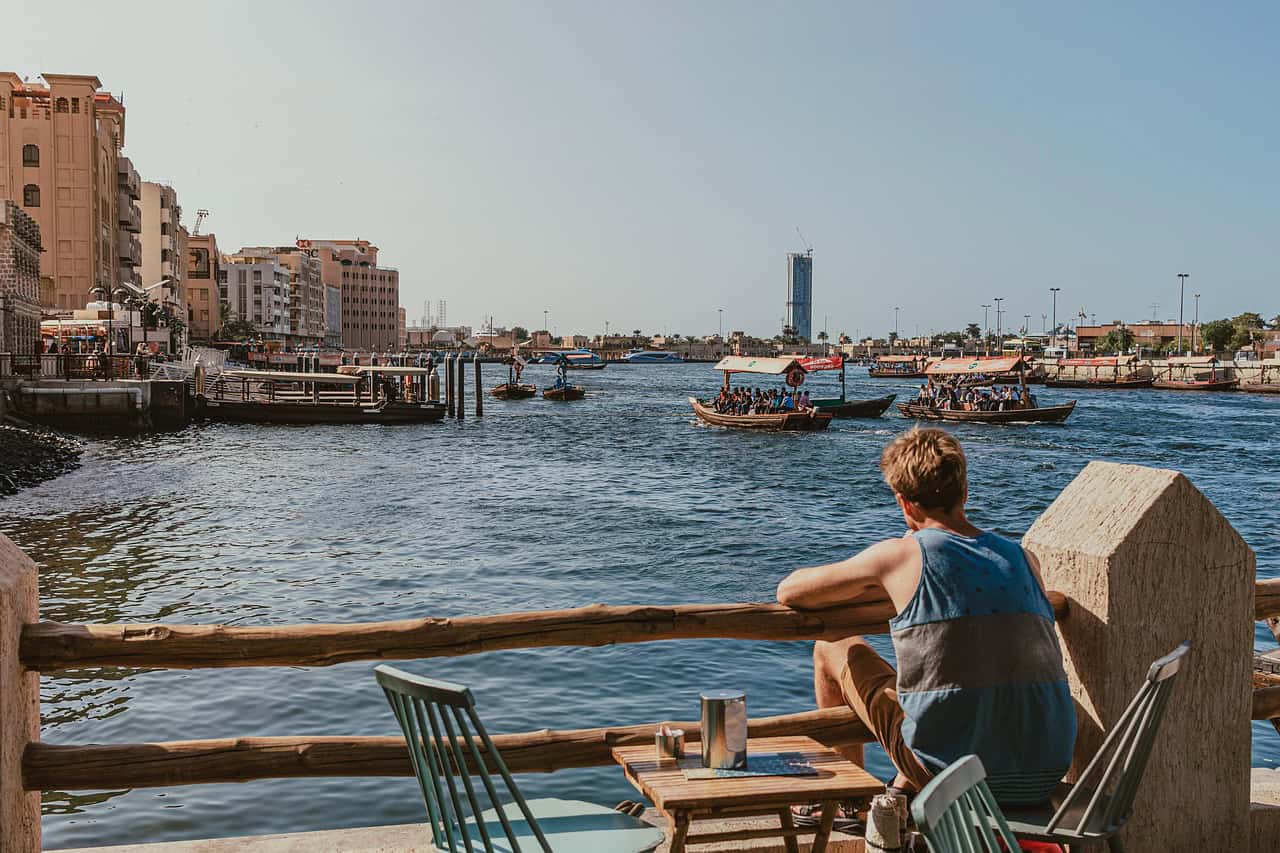
The UAE blends luxury tourism with conservative law. While beach areas are relaxed, public spaces enforce dress standards. Between 2018 and 2022, Dubai police logged over 1,500 complaints involving tourist attire. Wearing swimwear in malls or revealing outfits can result in fines between $135 and $540 USD. During Ramadan, enforcement increases by nearly 40%. Clothing displaying profanity or sexual imagery is also penalized. Visitors often underestimate how quickly a public complaint can escalate into police involvement, especially in family-oriented districts.
6. Thailand
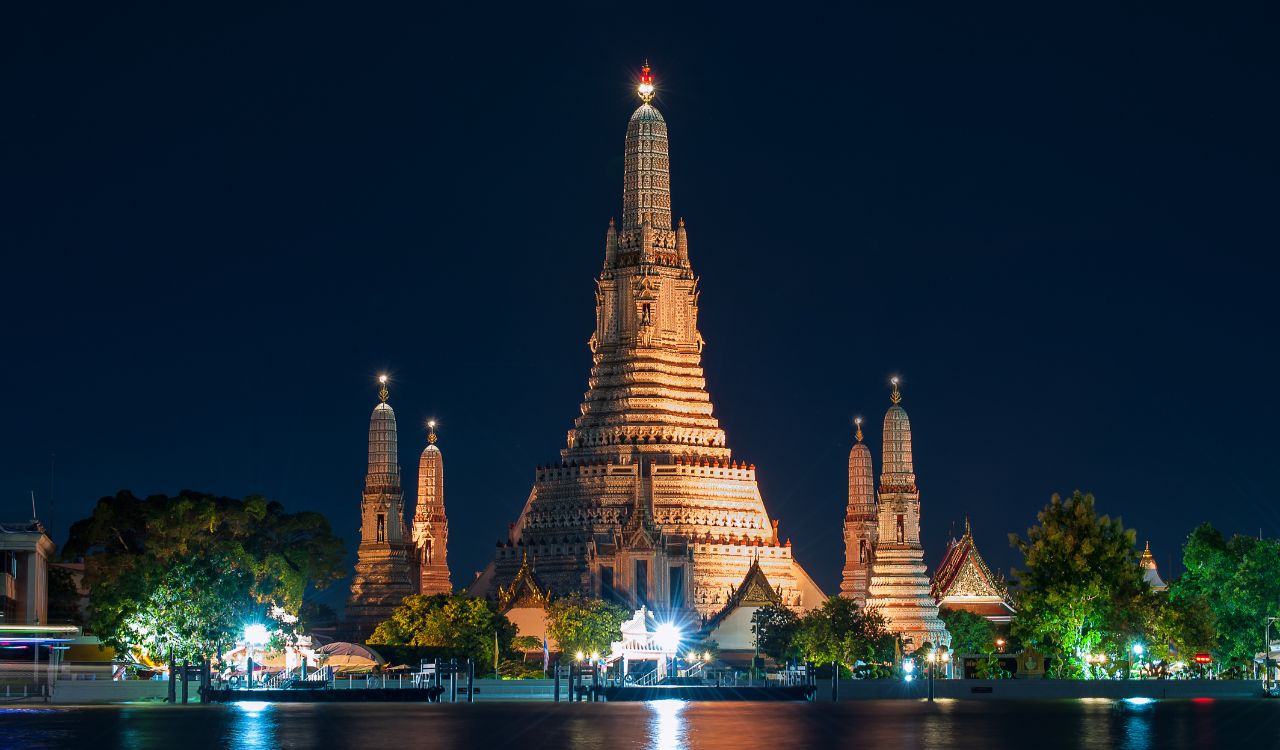
Thailand’s relaxed reputation fades quickly at temples and royal sites. Visitors wearing shorts, tank tops, or clothing with offensive graphics are routinely denied entry. More seriously, garments referencing the monarchy even humorously can violate lèse-majesté laws, which carry penalties of up to 15 years in prison. Tourism officials report that approximately 8% of temple entry refusals involve foreign visitors. Fines are rare, but detentions and questioning have occurred. Dress enforcement is strictest in Bangkok, Chiang Mai, and Ayutthaya, where cultural sensitivity is legally protected.
7. Indonesia
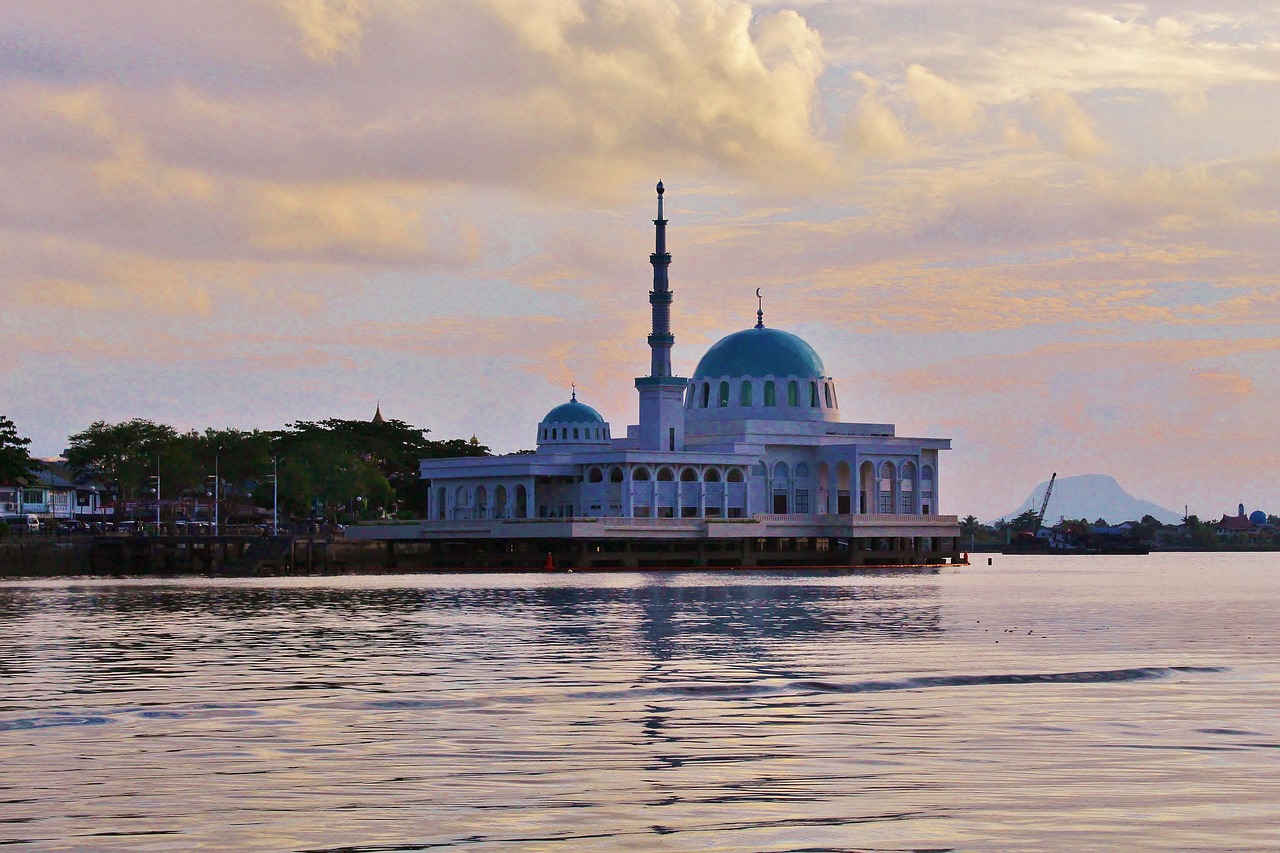
Aceh is the only Indonesian province governed by Sharia law, and dress codes are enforced on locals and tourists alike. Shorts, sleeveless tops, and tight clothing are prohibited in public. Between 2016 and 2023, authorities recorded over 2,800 public dress violations, including foreign nationals. Penalties range from $25 to $100 USD, with some cases involving public warnings. Over 60% of tourist infractions occur within the first 48 hours of arrival, often due to confusion with Bali’s relaxed norms just one flight away.
8. Morocco
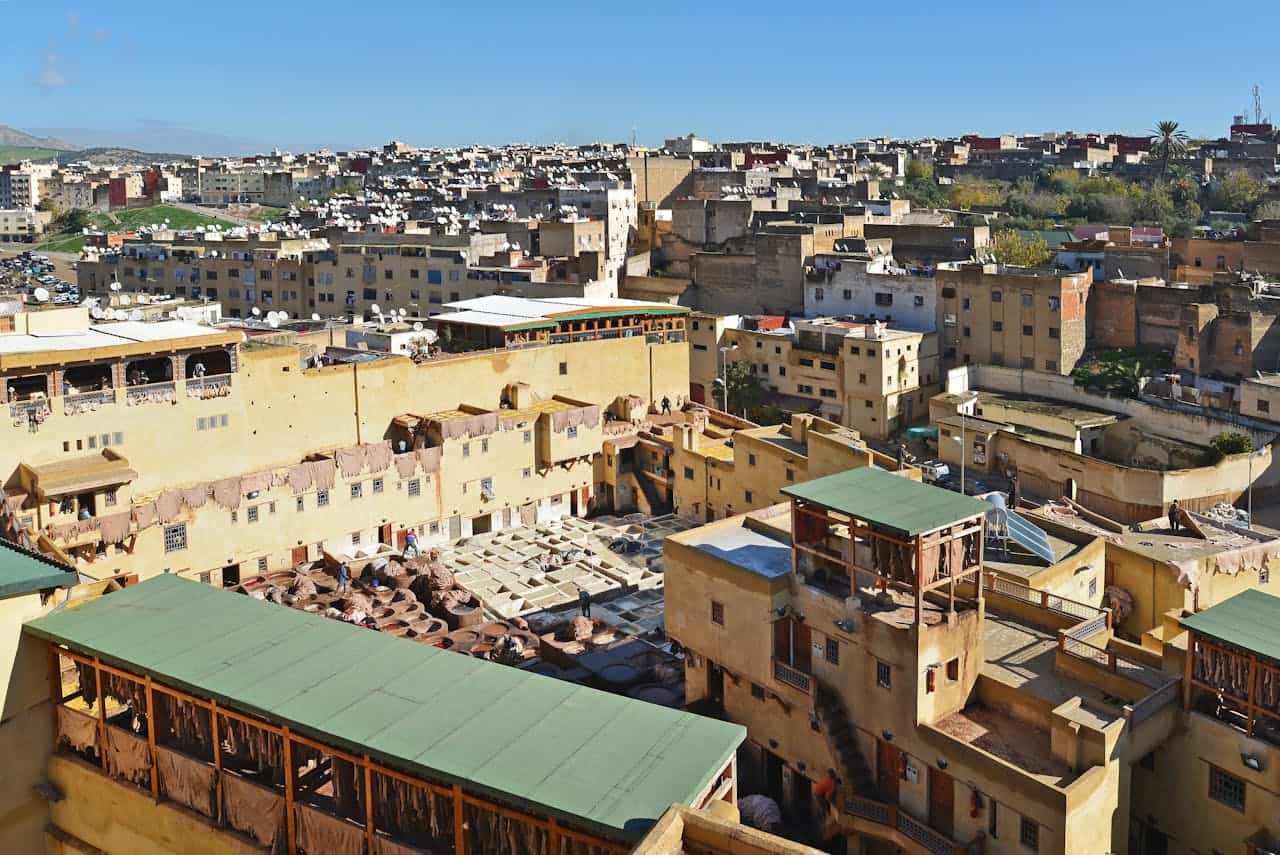
Morocco does not publish strict dress laws, but public decency regulations allow police discretion. Tourists wearing revealing clothing report significantly higher rates of harassment and police questioning, particularly outside Marrakech and Casablanca. Travel safety surveys show that 72% of female visitors who dressed conservatively experienced fewer incidents. While fines are uncommon, police may intervene if attire is deemed disruptive. In rural areas, expectations are tighter, and clothing choices account for roughly 1 in 5 reported tourist confrontations involving authorities or local complaints.
9. Egypt
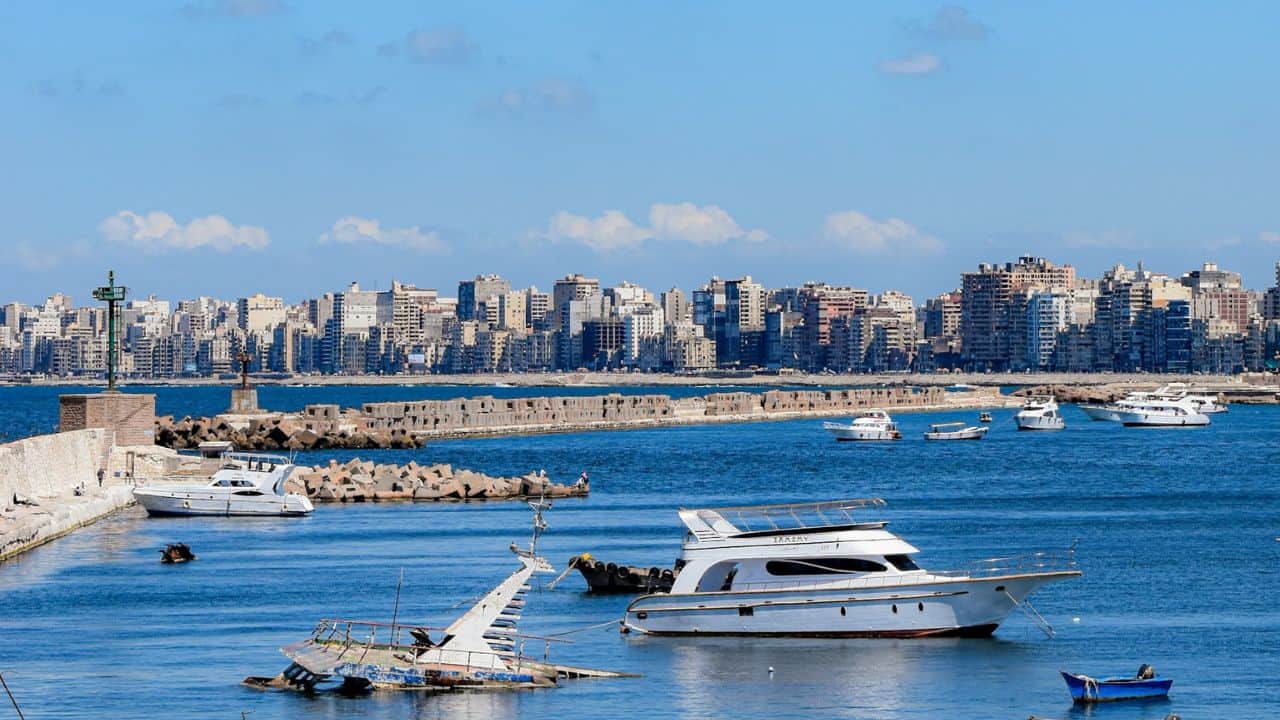
Egypt enforces conservative norms in urban and religious areas. Tourists wearing revealing clothing near mosques or government sites may be questioned or asked to leave. Between 2019 and 2022, tourism police documented over 900 dress-related interventions, mostly involving shorts or crop tops. Fines range from $10 to $50 USD, but confiscation of items has occurred. Enforcement spikes near historical sites, where over 55% of incidents are reported. Resorts are exempt, but travelers often underestimate how quickly rules change outside hotel zones.
10. Russia
In Russia, clothing intersects with strict public expression laws. Apparel displaying political slogans, protest imagery, or LGBTQ+ symbolism can trigger fines or arrest. Since 2020, over 4,000 administrative cases have involved “public expression violations,” including tourist clothing. Fines typically range from $50 to $400 USD, but detention for questioning is common. Foreign visitors account for approximately 6% of these cases. Neutral, logo-free clothing significantly reduces risk, especially in Moscow, St. Petersburg, and transit hubs where surveillance is high.
11. China
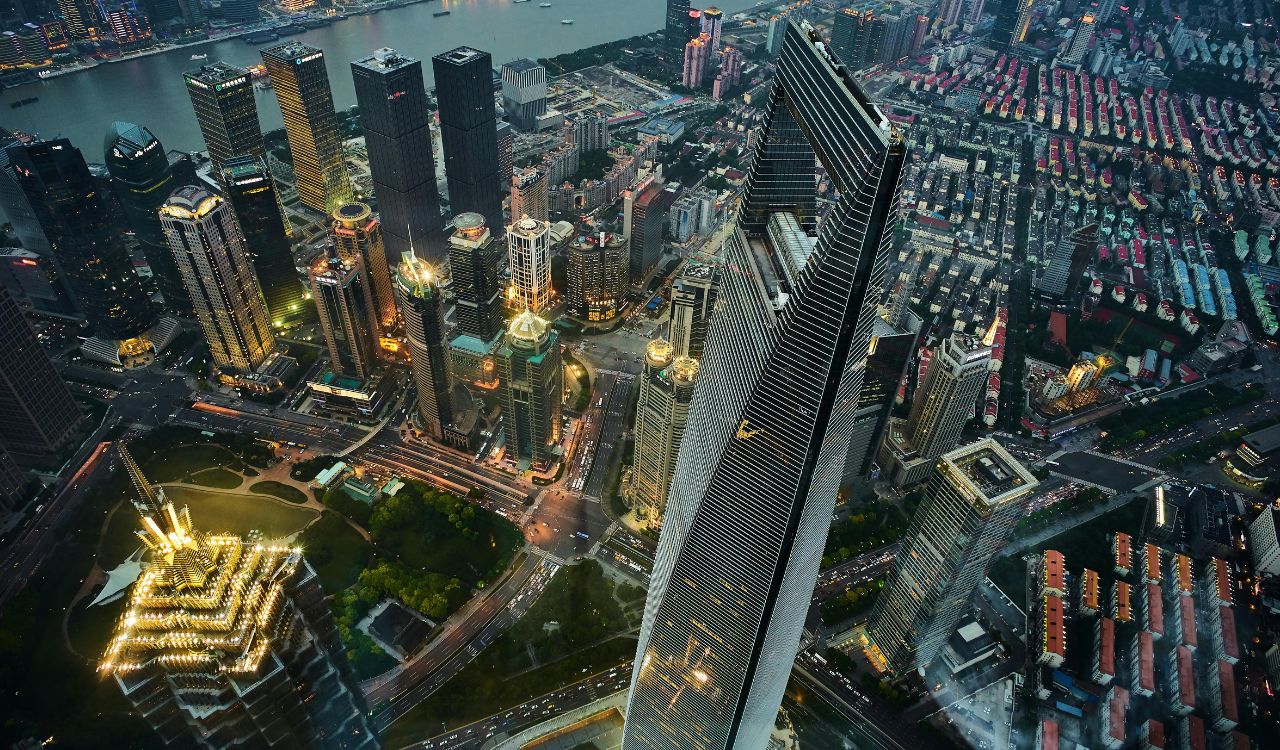
China treats clothing as a form of public messaging. Shirts referencing Tibet, Taiwan independence, Hong Kong protests, or anti-government themes are taken seriously. Public security reports indicate that over 1,200 foreign nationals have been questioned since 2018 for politically sensitive apparel. Detention can last from 2 to 48 hours, with items confiscated. There are rarely fines, but travel delays are common. Enforcement is strictest in Beijing, Shanghai, and Xinjiang, where over 70% of incidents occur due to heightened political sensitivity.
12. Turkey

Turkey balances modern fashion with rigid laws on national and religious respect. Clothing perceived as insulting Islam, the flag, or state institutions can result in questioning or fines. Since 2021, authorities have issued over 1,100 penalties linked to public expression, including tourist attire. Fines range from $30 to $200 USD, with higher scrutiny near mosques and government buildings. While Istanbul is fashion-forward, enforcement increases during political tension periods, when even subtle symbols or slogans can be misinterpreted by authorities.