We may earn money or products from the companies mentioned in this post. This means if you click on the link and purchase the item, I will receive a small commission at no extra cost to you ... you're just helping re-supply our family's travel fund.
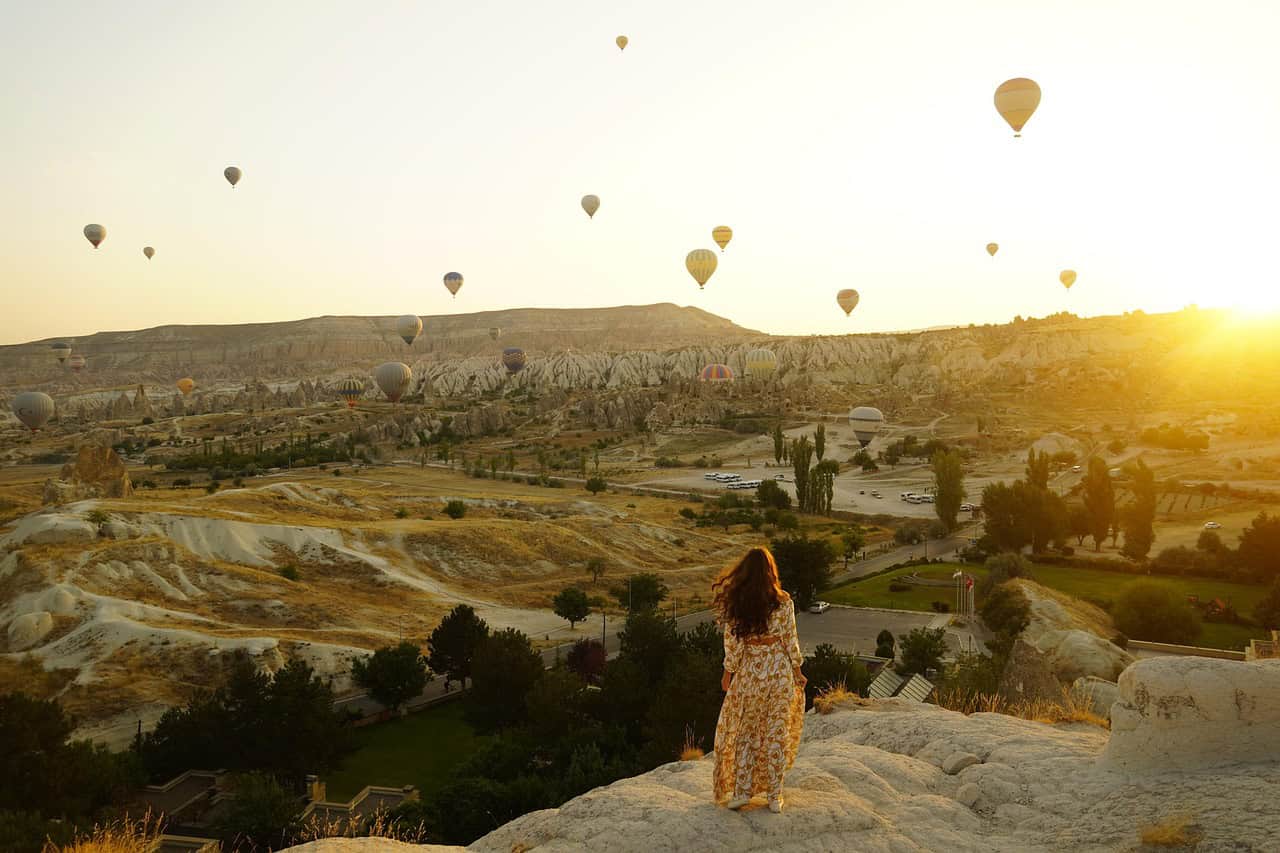
Traveling with an American passport opens doors in more than 180 countries, but it can also draw attention in places where political tensions, local attitudes, or security challenges create unease. While millions of Americans travel safely each year, staying discreet can make a meaningful difference in destinations where perceptions of the United States are shaped by conflict, economic strain, or recent events. In these places, being cautious about displaying nationality isn’t about fear, it’s about making smart choices, blending into daily rhythms, and understanding how local realities can shift from one neighborhood to the next.
1. Iran
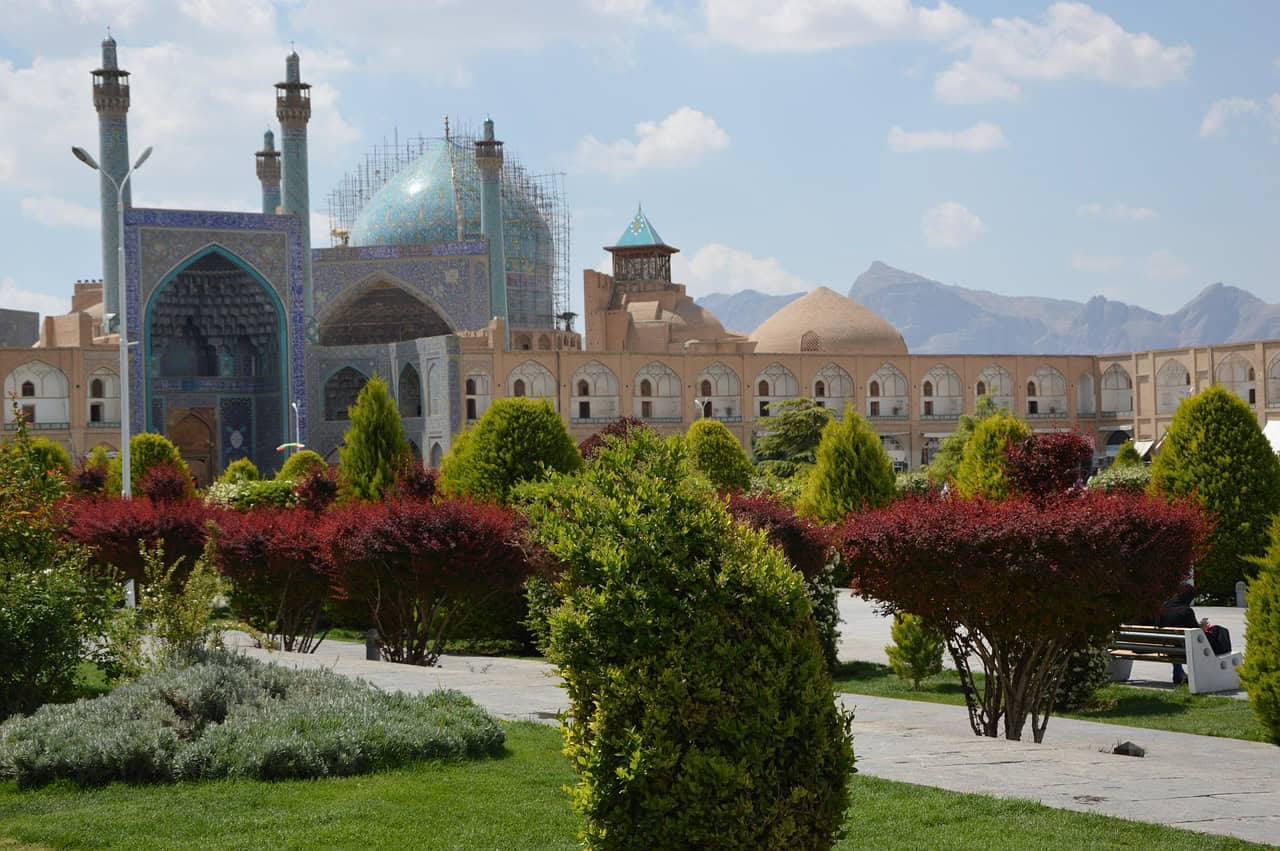
Iran receives over 4 million tourists annually, yet fewer than 1% are Americans due to longstanding political strain and mandatory travel restrictions requiring U.S. citizens to join guided tours. In major cities, curiosity toward Westerners is common, but authorities may scrutinize travelers who appear to document sensitive areas or discuss political topics. Anti-U.S. sentiment isn’t universal, but it does exist, and even small misunderstandings can escalate. Avoiding overt symbols, limiting discussions about foreign policy, and following guide instructions help travelers navigate a country known for both hospitality and rigid oversight.
2. Russia
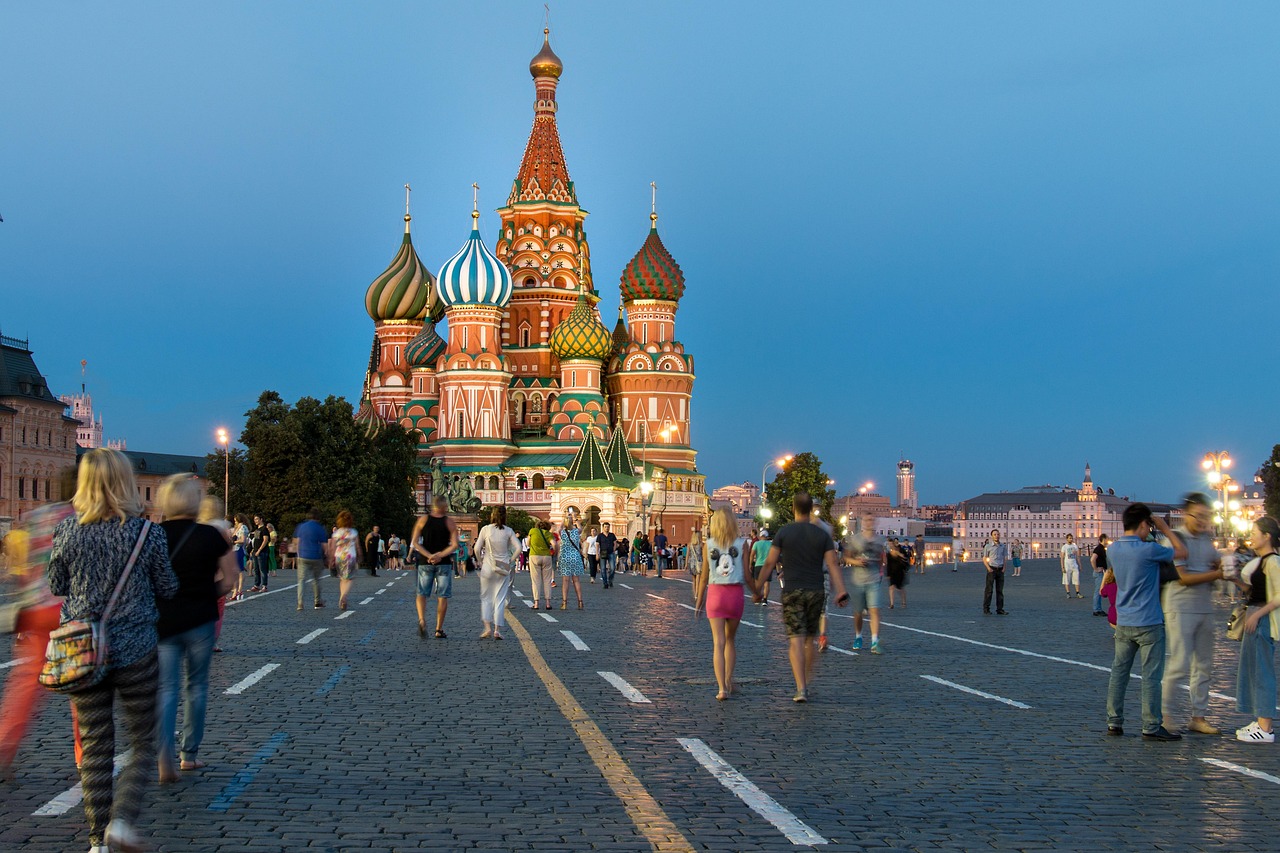
Russia welcomed nearly 11 million visitors before travel disruptions, but American arrivals dropped by more than 85%after diplomatic tensions intensified. The atmosphere for U.S. travelers can feel unpredictable, with increased ID checks, stricter visa rules, and occasional detentions for minor infractions. In large cities, locals may remain friendly, but political conversations can quickly become sensitive, particularly since state media often portrays the U.S. skeptically. Keeping a low profile, avoiding photography of official buildings, and using neutral clothing helps travelers stay unnoticed while exploring a nation rich in history but cautious toward foreigners.
3. China
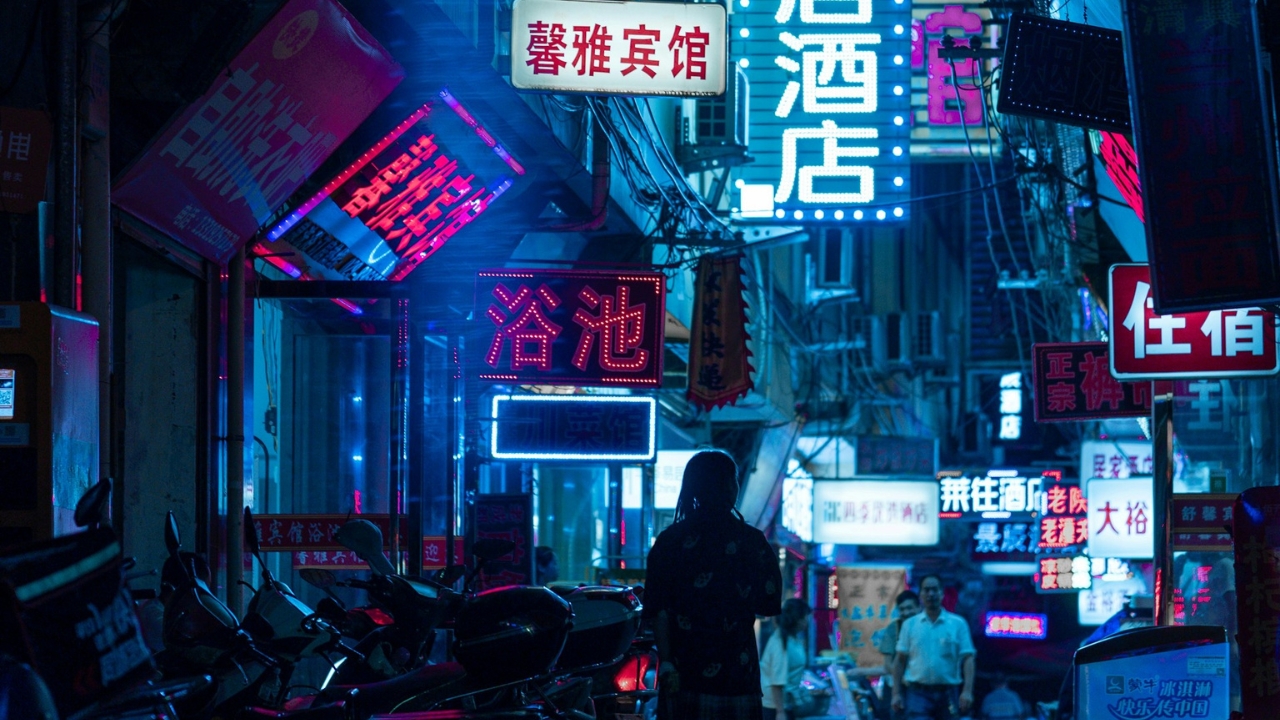
China draws over 65 million foreign tourists yearly, yet Americans now represent a smaller share than in previous years due to rising geopolitical friction. While major cities offer relative comfort and efficient transport, U.S. travelers may experience heightened digital monitoring, routine police registration checks, and questions about their purpose of visit. Political discussions—especially about Taiwan, protests, or military issues—can create awkward or tense moments. Remaining discreet, using secure communication habits, and avoiding visible national symbols allow visitors to appreciate China’s cultural depth without inviting unnecessary attention.
4. Venezuela
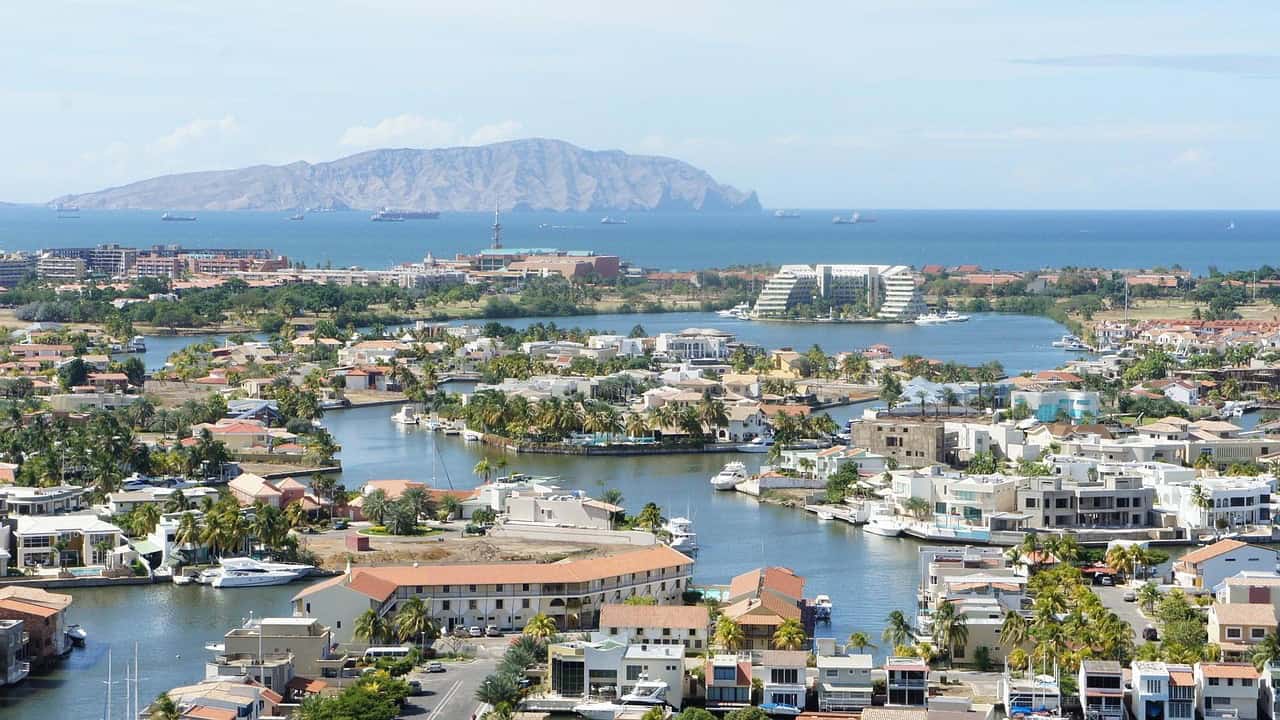
Despite boasting some of the world’s largest oil reserves and 2,800 kilometers of coastline, Venezuela’s tourism has fallen by over 70% due to economic collapse and high crime rates. American visitors face particular risks, including targeting for robberies or extortion because foreigners are perceived as wealthy. Political tensions between the U.S. and Venezuelan government can also complicate interactions with authorities. Travelers who must visit should avoid public displays of nationality, stay clear of protests, use trusted drivers, and limit movement after dark, as even well-known districts may experience sudden security shifts.
5. Lebanon
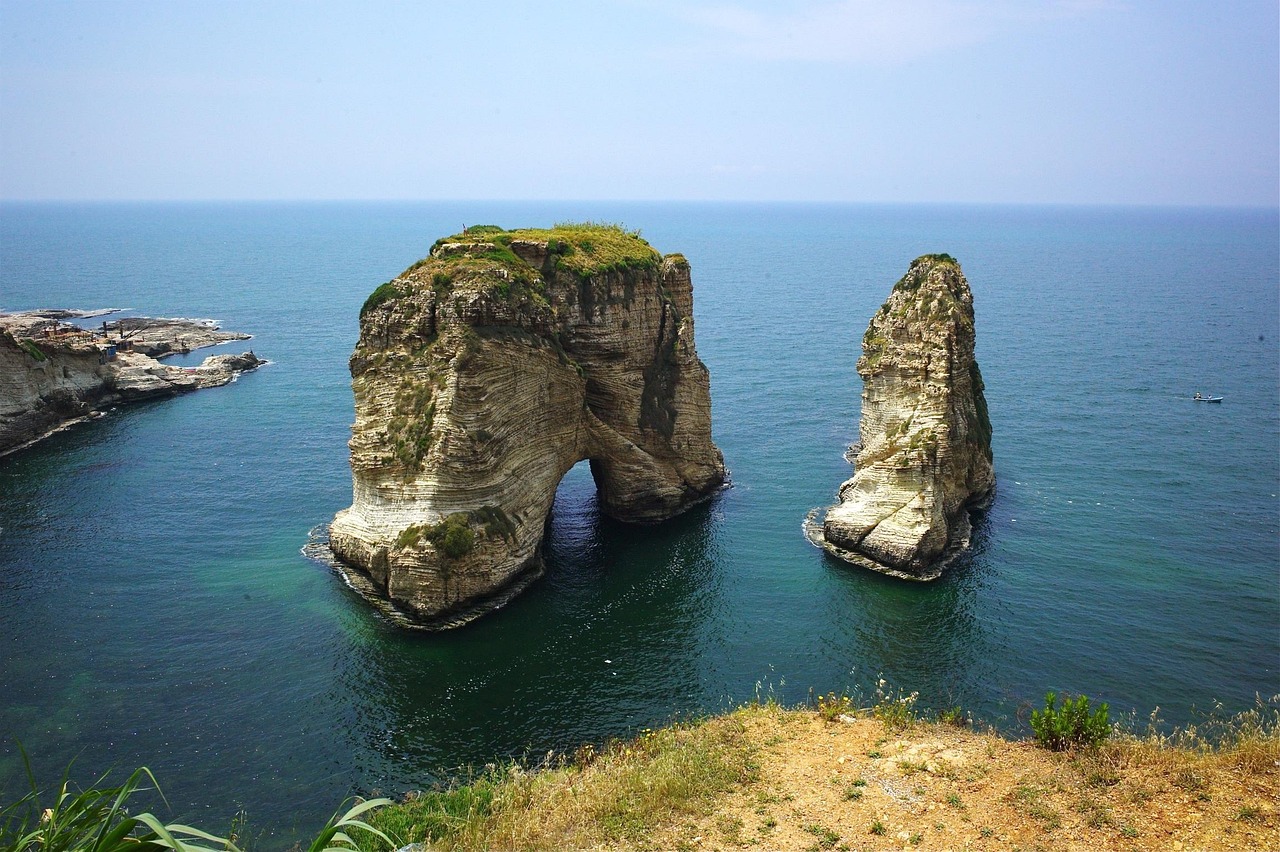
Lebanon once hosted over 2 million tourists annually, but ongoing instability has reduced arrivals significantly. Americans may encounter mixed attitudes, with urban districts showing openness while certain areas remain aligned with groups critical of U.S. policies. Power outages, economic stress, and regional conflicts can create unpredictable conditions, and foreigners sometimes face questioning at checkpoints. Keeping conversations neutral, avoiding politically sensitive regions, and not highlighting U.S. affiliations reduces the chance of attracting unwanted attention. Despite challenges, the country’s hospitality remains genuine, though situational awareness is essential.
6. Yemen
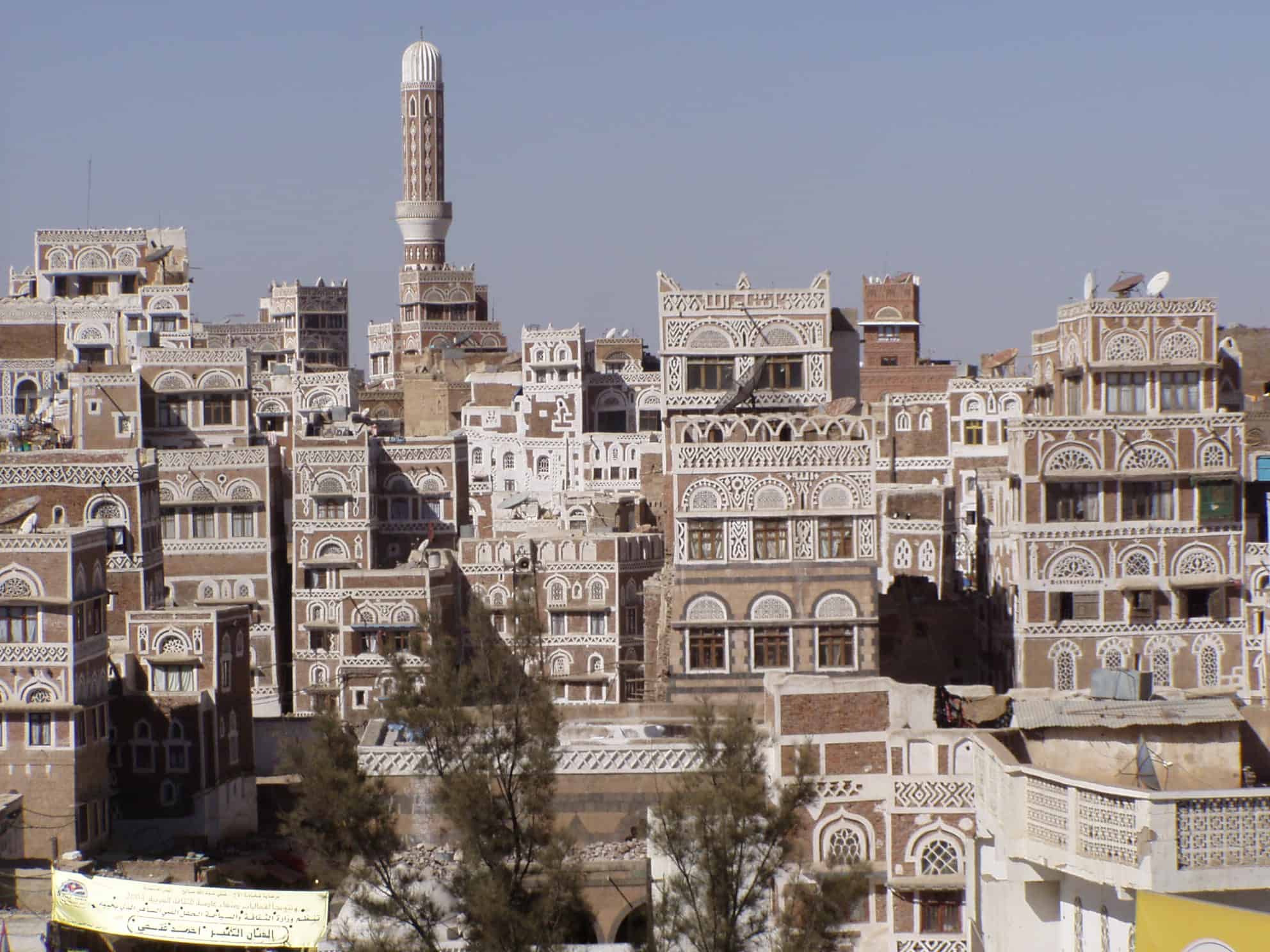
Yemen’s prolonged conflict has caused tourism to collapse from hundreds of thousands yearly to nearly zero, and U.S. citizens face extreme risks, including kidnapping and militant activity. Several regions remain controlled by groups openly hostile to Westerners, and infrastructure is unreliable, with limited medical support and constrained transport. Even essential travelers operate under strict security protocols. Revealing American nationality can significantly elevate danger, as foreign passports are often seen as bargaining leverage. Anyone entering the country must rely on professional security guidance while maintaining complete discretion.
7. Syria
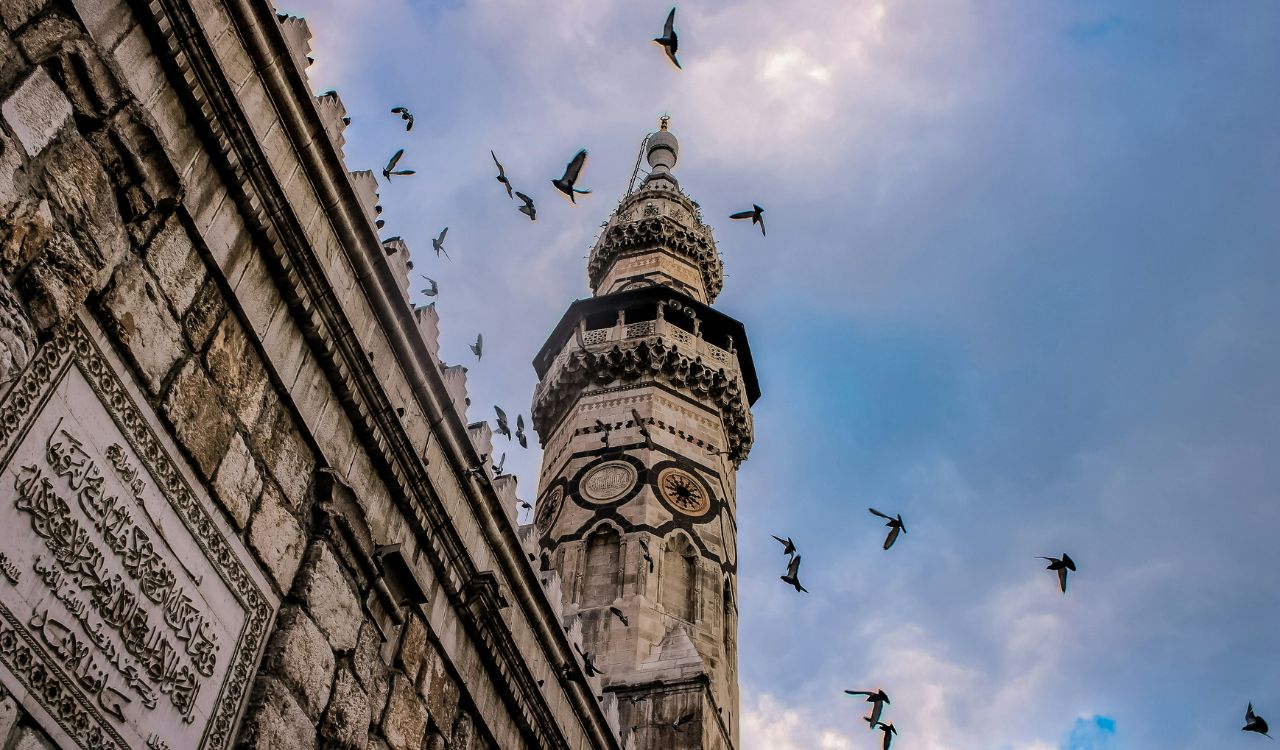
Syria once welcomed over 8 million visitors per year, but conflict has left many regions unstable, and extremist groups still operate in rural pockets. Americans face particular risks due to historical tensions and incidents involving hostage-taking. Movement is heavily restricted, government checkpoints are frequent, and misunderstandings can escalate quickly. Displaying nationality or discussing U.S. involvement in regional issues may provoke hostility. Travelers who enter for journalism, aid work, or essential duties must operate with controlled communication, minimal public exposure, and robust security coordination to avoid drawing attention.
8. Iraq
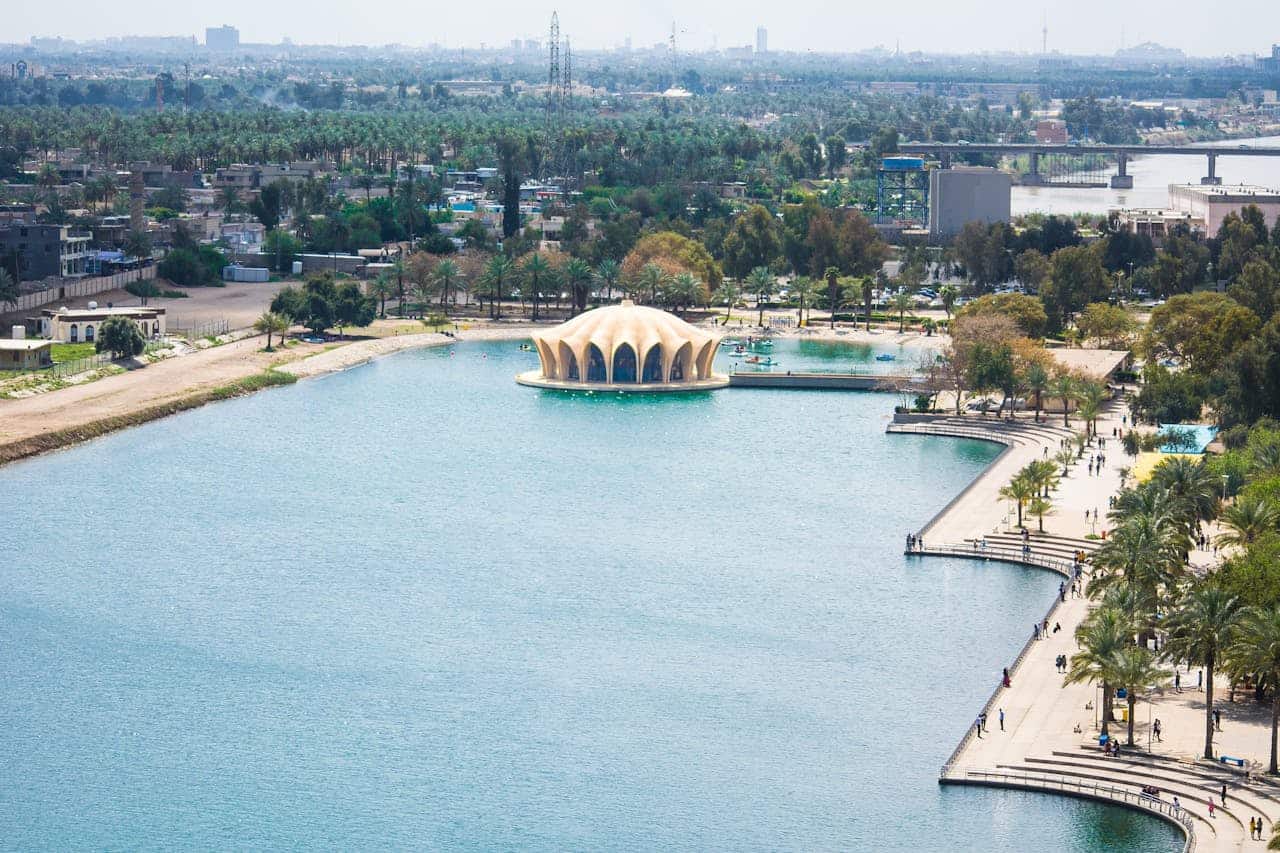
Iraq receives limited tourism often fewer than 300,000 leisure visitors yearly, yet remains culturally rich and historically significant. Americans, however, are more visible targets for militias and criminal groups, with kidnapping and surveillance risks still documented in some provinces. Green Zone security helps in Baghdad, but areas outside it can shift rapidly in safety. Avoiding obvious American markers, limiting discussion about military topics, and traveling only with vetted local contacts are essential precautions. Despite vibrant markets and archaeological sites, discretion remains a necessary safeguard.
9. Pakistan
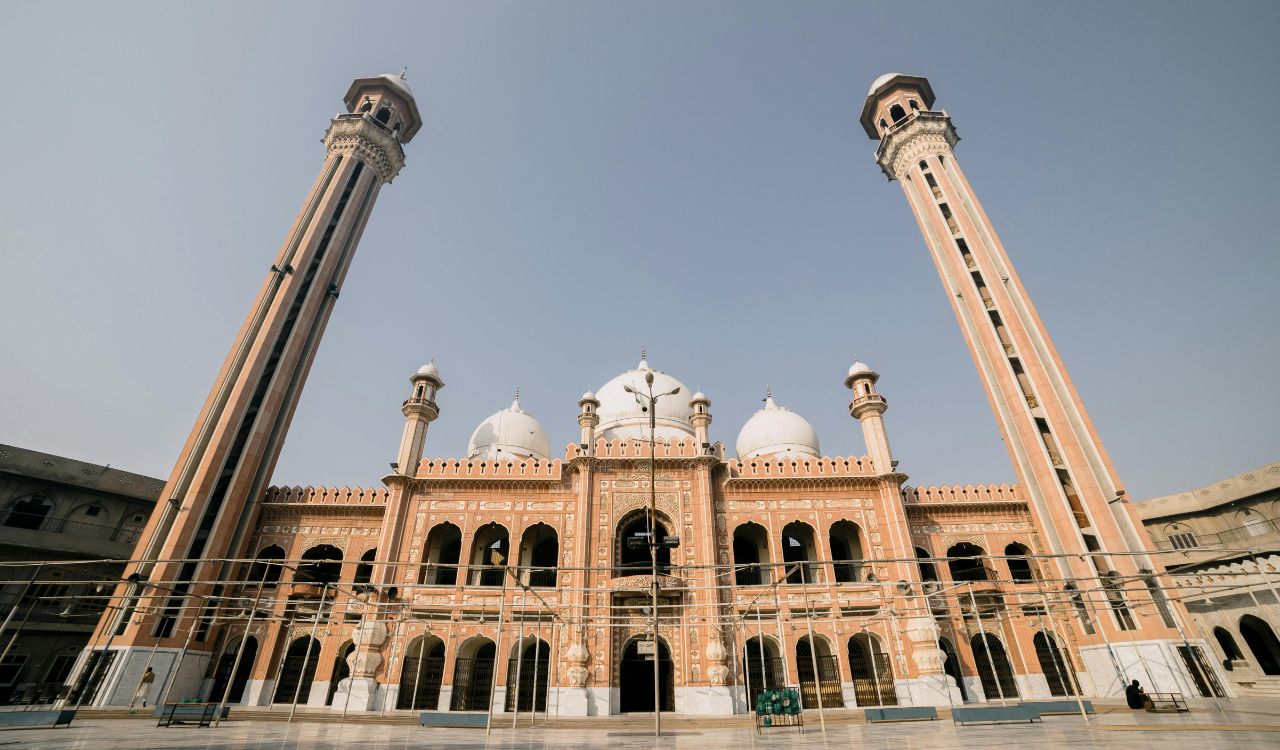
Pakistan welcomes over 1 million foreign tourists, but U.S. visitors make up a small portion, partly due to uneven security conditions. Major cities are generally manageable, yet rural and tribal regions may harbor anti-Western sentiment or militant activity. Americans can stand out due to accents or clothing, sometimes attracting unwanted curiosity. Avoiding political conversations, dressing modestly, and sticking to secure transit routes reduces potential friction. With proper caution, travelers can still enjoy the country’s landscapes and hospitality without drawing unnecessary attention.
10. South Africa
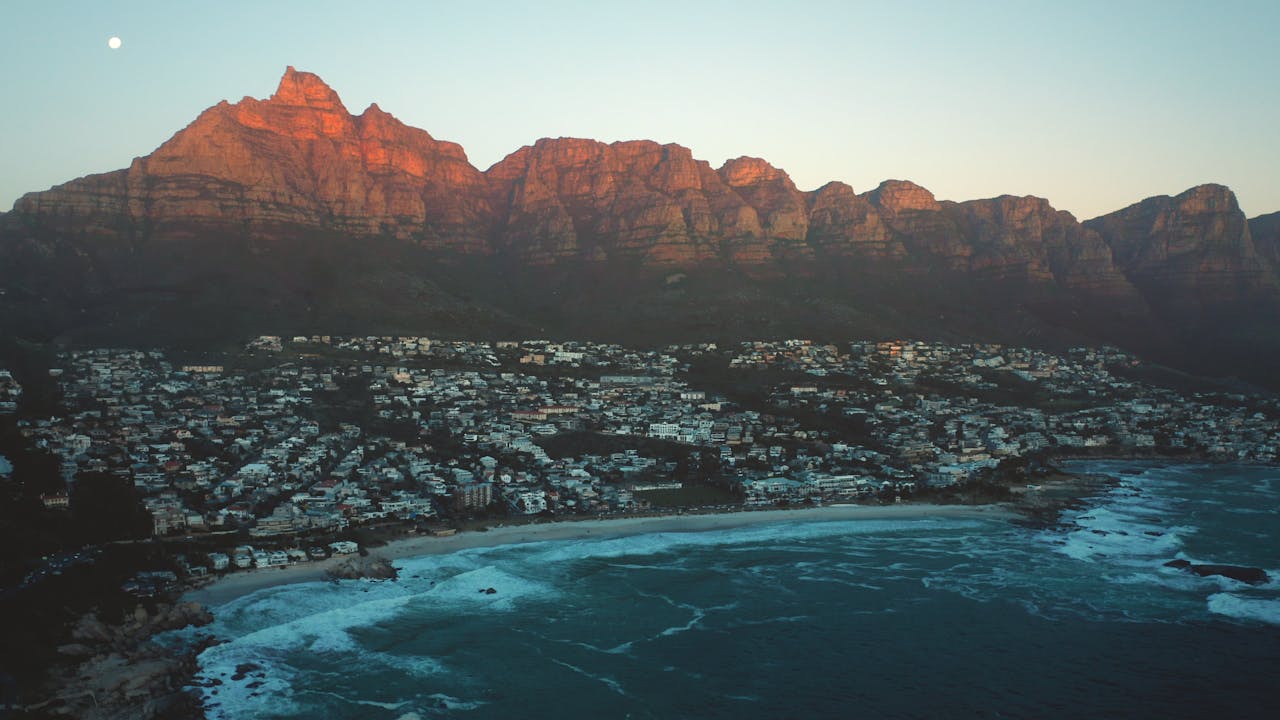
South Africa hosts nearly 10 million tourists per year, and while it isn’t politically hostile toward Americans, crime rates remain among the highest globally, with over 2 million incidents reported annually. Criminals sometimes target foreigners who appear affluent, and American tourists can unintentionally stand out through clothing or behavior. Blending in is less about geopolitics and more about personal safety. Avoiding flashy items, using registered transportation, and keeping routes discreet help travelers move through cities confidently while still enjoying major attractions.
11. Turkey
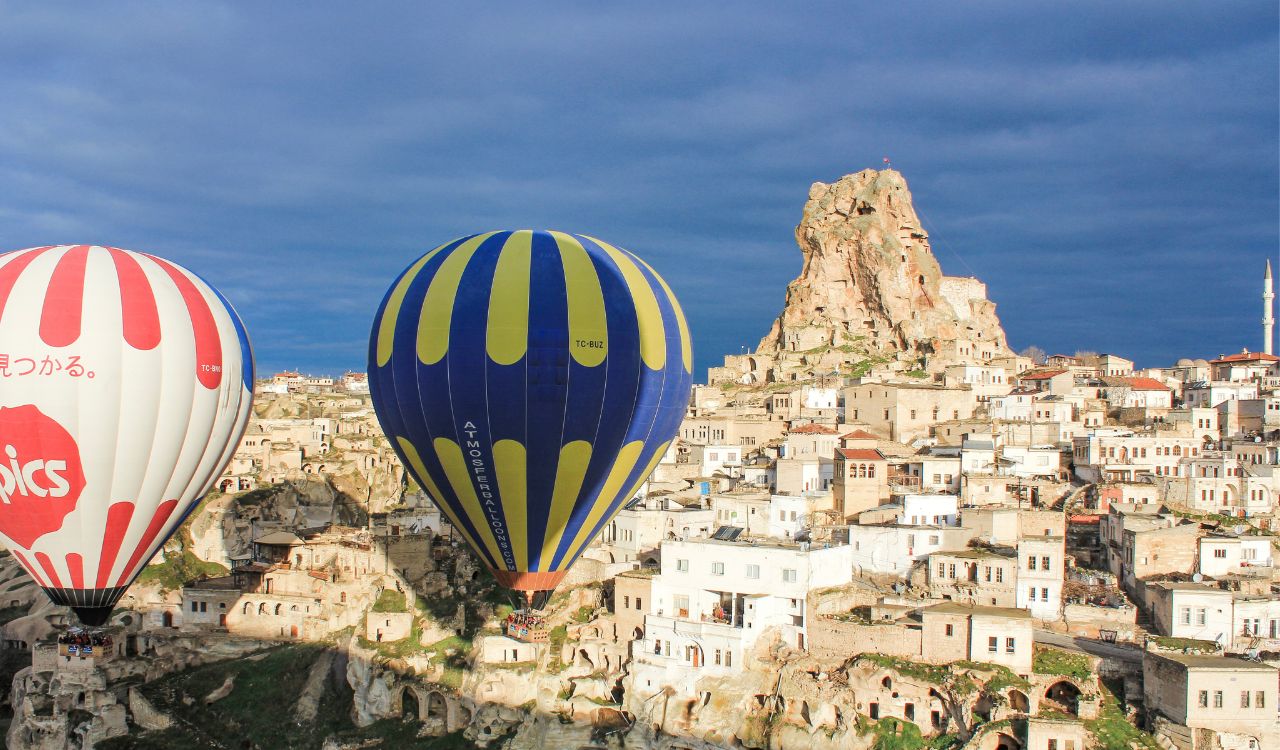
Turkey receives over 45 million visitors yearly, and while generally welcoming, political strain with the U.S. occasionally fuels sensitive conversations. Certain protests or nationalist gatherings may feature anti-Western rhetoric, and travelers near government buildings or border regions may undergo additional scrutiny. Americans who avoid displaying national emblems and keep discussions light typically encounter no issues. Remaining aware of local news, steering clear of demonstrations, and using practical discretion allows visitors to navigate Turkey’s cultural and historical wonders without unwanted attention.
12. Mexico
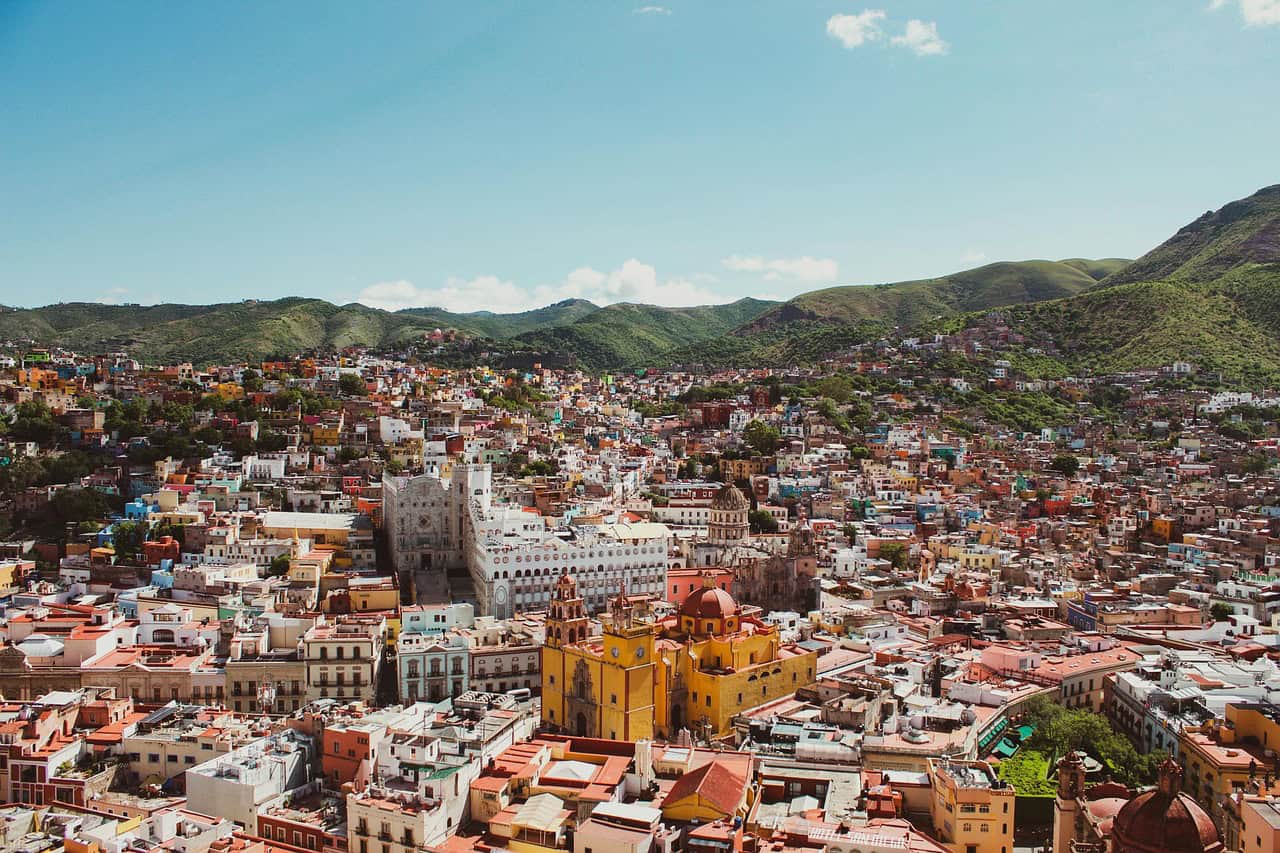
Mexico sees more than 39 million international arrivals, and Americans make up a large share, yet crime against tourists still occurs, especially in states affected by cartel activity. U.S. travelers can sometimes be singled out because they’re assumed to carry more cash or valuables. Blending in by avoiding loud displays of nationality, limiting nightlife exposure, and sticking to secure travel corridors reduces these risks. While resort areas remain relatively safe, mixed regions require awareness, making discreet behavior a practical choice rather than a political one.