We may earn money or products from the companies mentioned in this post. This means if you click on the link and purchase the item, I will receive a small commission at no extra cost to you ... you're just helping re-supply our family's travel fund.

Travel has always rewarded the prepared, but 2026 raises the bar for American passports in subtle, time-stealing ways. A few destinations now ask for pre-trip authorizations that feel like mini visas. Others add fees, biometric checkpoints, or paperwork that turns a simple weekend into a planning project. None of it is meant to scare travelers off. It is meant to manage crowds, screen arrivals earlier, and shift border work from booths to apps. The result is a new kind of friction: small steps that add up.
United Kingdom, ETA Before Boarding
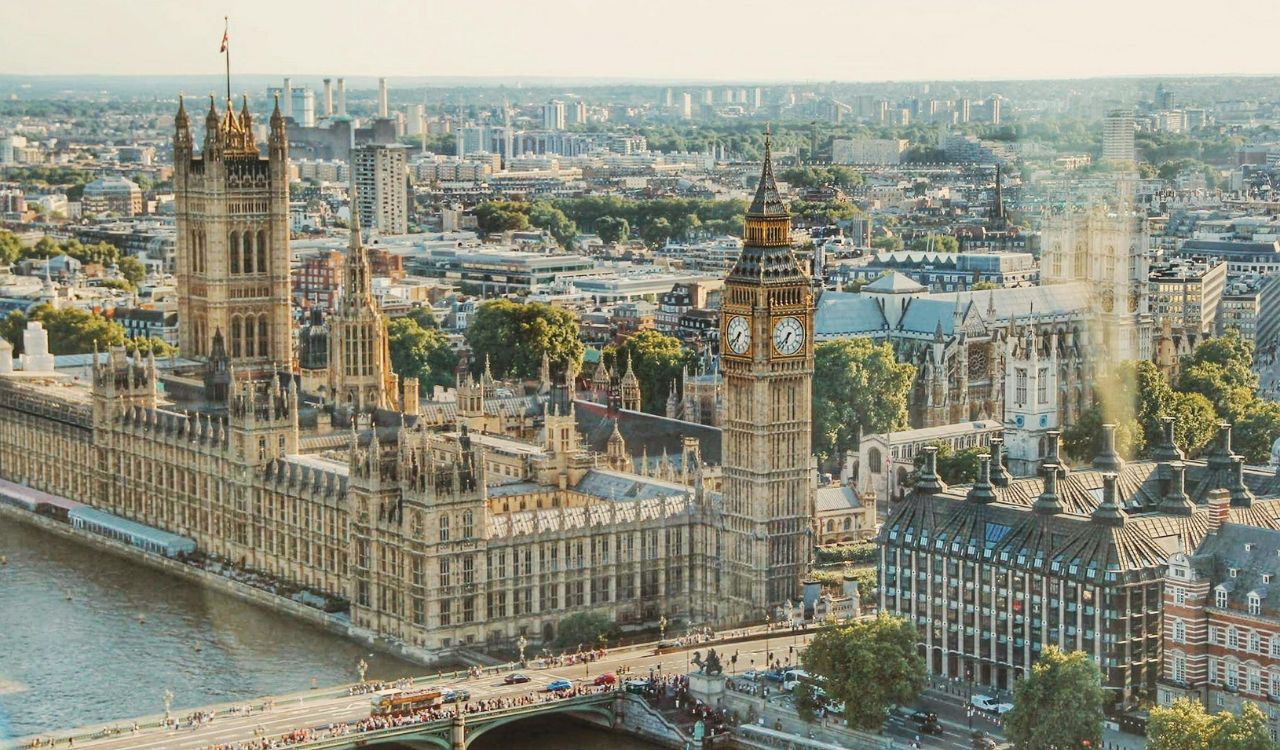
The United Kingdom’s Electronic Travel Authorisation changes the vibe of a quick London hop from casual to checked. U.S. visitors who once arrived with only a passport now need an approved ETA before travel, and airlines, trains, and ferries can refuse boarding when it is missing as enforcement tightens in February 2026. The rule bites hardest on spontaneous plans: a late-night fare sale, a funeral trip, or a conference add-on that now requires an application, a valid passport link, and enough lead time to fix a mismatch before the departure board starts counting down. It turns the UK into a destination where a digital receipt matters.
Israel, ETA-IL For Short Stays

Israel’s ETA-IL requirement adds a pre-flight gatekeeper for U.S. travelers who previously arrived visa-free for short stays. The online authorization is meant to move fast, but it still demands exact passport matching, basic trip details, and a fee, with approvals tied to passport validity and check-in screens. For pilgrimages, family visits, and urgent meetings, the emotional shift is real: the journey starts with a form and a waiting window, plus the quiet knowledge that forgetting one step can strand a traveler at the airport curb. The new habit is simple: travel plans now begin with compliance, not excitement.
Brazil, Visa Requirement Returns

Brazil reinstated a visitor visa requirement for U.S. passport holders, so 2026 beach weeks and city breaks come with an extra layer of logistics. The e-visa route keeps it digital, yet it introduces forms, document uploads, a fee, and processing time that can clash with last-minute deals and tight work calendars. Brazil frames the move as reciprocity, but the practical impact is simpler: more pre-trip administration, more chances for minor mistakes, and fewer trips that can be booked on impulse and still feel carefree. For many, the real cost is not the fee, but the loss of effortless spontaneity.
New Zealand, NZeTA Plus A Higher Visitor Levy

New Zealand already leans on pre-arrival screening, and the price of entry now signals that reality before the plane even boards. Visa-waiver travelers must secure an NZeTA, and most also pay the International Visitor Conservation and Tourism Levy, set at NZD $100, at the moment that authorization is requested. The country still feels like a reset button once the air turns crisp and green, yet 2026 arrivals increasingly begin with receipts and app screens, including a levy that is typically non-refundable even when plans change. The paperwork is polite, but it is still paperwork, and it sets the tone.
France, Biometric Borders Become Normal

France is where many Americans will first feel Europe’s new border rhythm hit the body, not just the calendar. The EU Entry/Exit System gradually replaces passport stamps with electronic records and can require fingerprints and a facial image at first entry, with full implementation at border checkpoints expected in April 2026. At Charles de Gaulle, Orly, or the Eurostar halls in Paris, that change turns a familiar glance into a procedure, and the first tight moment of the trip may happen under fluorescent lights before a café chair ever appears. Paris still feels timeless, but the border is learning to count in data points.
Spain, First Entry Takes Longer

Spain’s famous ease meets a more structured arrival as Europe shifts to biometric borders. Under the EU Entry/Exit System, non-EU short stays are logged digitally, and first entries can involve fingerprints and a photo rather than the quick stamp travelers expect, especially as the rollout matures into 2026. In Madrid, Barcelona, and the Balearics gateway airports, the difference shows up as slower first lines and tighter connection math, turning a morning landing into a small test of patience before tapas, plazas, and late sunsets reclaim the day. Once through, the country remains generous, yet the gateway is less forgiving.
Italy, Romance Meets Registration

Italy still sells romance, but 2026 arrivals can start with a biometric checkpoint before espresso ever appears. The EU Entry/Exit System records non-EU short stays electronically and may enroll travelers with fingerprints and a facial image, replacing the familiar stamp routine as full implementation arrives in April 2026. When multiple flights land together in Rome, Milan, or Venice, those extra seconds per person add up, and timed museum entries or fast trains can feel oddly fragile for a country built around slow beauty and sudden surprises. The trip can still feel cinematic, but the opening scene is more administrative.
Greece,Connections Get Tighter

Greece thrives on quick island connections, yet new EU border checks can stretch the runway-to-ferry timeline. The Entry/Exit System’s biometric registration may add minutes per traveler at first entry, and the cumulative effect shows up as tighter transfers, fuller corridors, and longer waits at peak gates through the 2026 season. The Aegean still delivers its calm, but travel days may start with a sharper contrast between airport pressure and the soft quiet that arrives only after a bag is claimed, a ferry ticket is printed, and the horizon finally widens. It is a reminder that paradise now begins with a queue number and a scanner.
Germany,Precision With More Steps

Germany’s airports run on precision, which makes new friction feel louder than it would elsewhere. The EU Entry/Exit System digitizes short stays for non-EU visitors, replacing passport stamping with electronic records and capturing fingerprints and a facial image as the rollout reaches full implementation in April 2026. In Frankfurt or Munich, the first entry can take longer and feel more formal, and that extra formality ripples outward, turning tight rail connections and carefully planned check-ins into something that depends on the pace of a border queue. The culture of order stays intact, but it asks visitors to arrive equally organized.
Netherlands,Amsterdam Lines Get Stickier

The Netherlands loves efficiency, but Amsterdam’s popularity already makes arrival lines feel like choreography under pressure. With the EU Entry/Exit System, first entries can include fingerprints and a facial image, and those seconds repeat for every traveler as stamps fade out and biometric lanes become routine. For weekend trips built around timed museum tickets, reserved canal cruises, and narrow check-in windows, border delays quietly steal the only flexible hour, even though the city itself returns to easy the moment the tram doors slide shut. In a city that runs on reservations, those minutes matter more than they should.
Portugal, Soft Landings, Harder Gates

Portugal’s appeal is its softness: slow lunches, tiled streets, and a relaxed pace along the Tagus and Douro. New EU border systems push in the opposite direction, digitizing entry and exit for non-EU short stays and often requiring fingerprints and a facial image at first entry as the rollout completes in April 2026. Lisbon and Porto remain welcoming, yet the airport experience can feel more procedural during summer surges, when every added step magnifies and the calm arrives only after the last bag drops and the city’s light starts doing its work. The welcome is warm, but the entry process is increasingly exacting.
Switzerland, Schengen Rules, Plus ETIAS Next

Switzerland is not in the EU, but Schengen border rules still shape its entry points, and 2026 makes that easier to notice. The EU Entry/Exit System rollout applies across the Schengen area, meaning non-EU travelers can face fingerprinting and a facial image capture when entering for short stays, with full implementation by April 2026. ETIAS is slated to start late 2026, adding an online travel authorization layer that turns even an Alpine weekend into something that begins at home, with confirmations saved beside the passport. It is less dramatic than a visa, yet it adds another checkbox to every plan.