We may earn money or products from the companies mentioned in this post. This means if you click on the link and purchase the item, I will receive a small commission at no extra cost to you ... you're just helping re-supply our family's travel fund.

Europe rewards attention. The travelers who move through it best are rarely the ones who race hardest or photograph most, but the ones who notice how a city actually works. A greeting at the door, a pause before stepping into a bike lane, a dinner reservation made for the right hour, these small decisions shape the mood of a trip. What irritates locals is not curiosity. It is the assumption that every country, street, meal, and queue should bend to the habits a visitor brought from home.
Thinking Europe Is One Big Culture
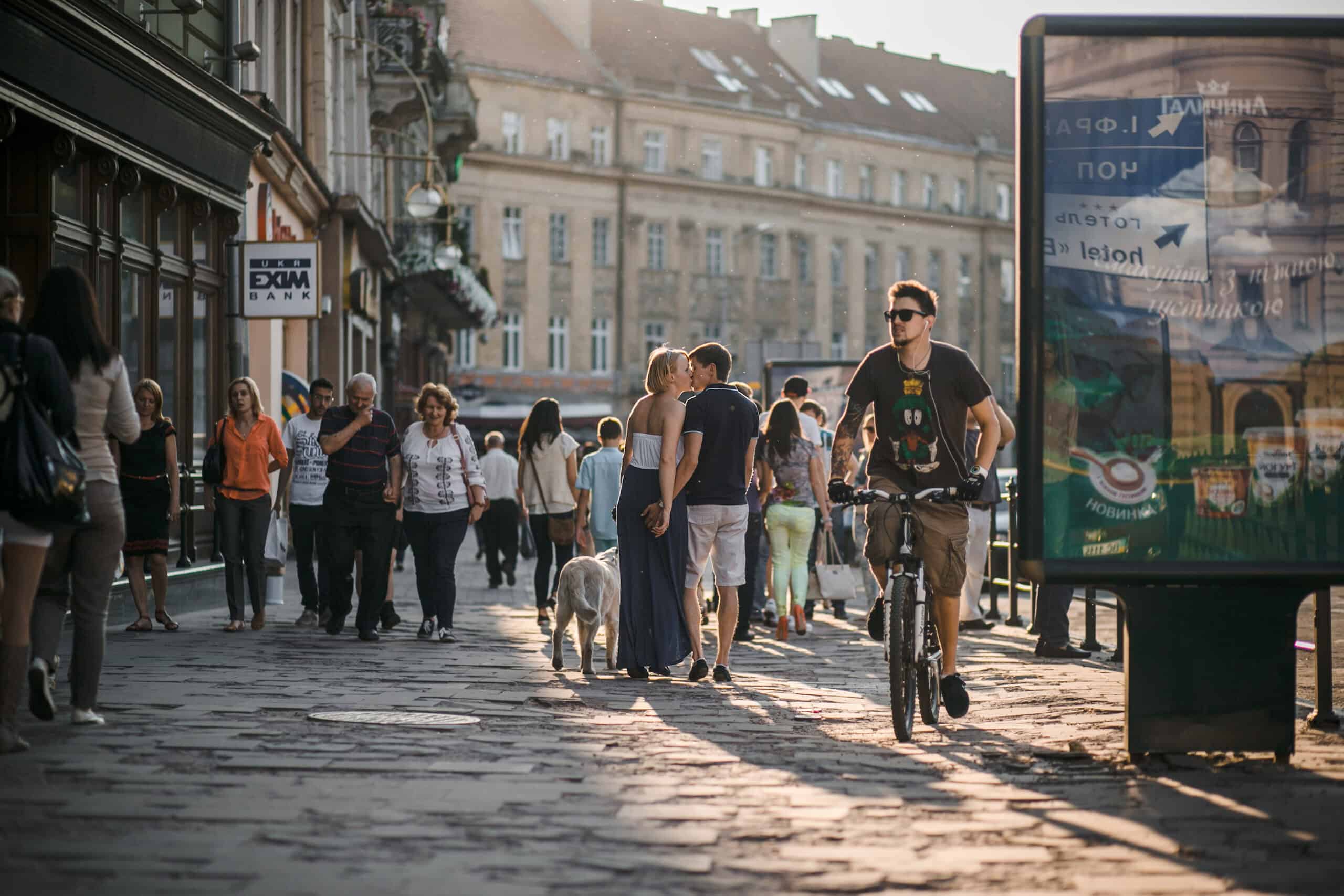
One of the fastest ways to look clumsy in Europe is to treat the continent like a single social script. Dinner in Spain runs later than dinner in much of northern Europe, the euro works in 21 EU countries rather than all of Europe, and local expectations around greetings, pace, and public space shift from city to city. Locals tend to roll their eyes not at honest confusion, but at the traveler who expects Rome, Amsterdam, Paris, and Prague to respond to one set of habits, one dining clock, and one idea of what counts as normal politeness.
Skipping The Greeting And Going Straight To The Question
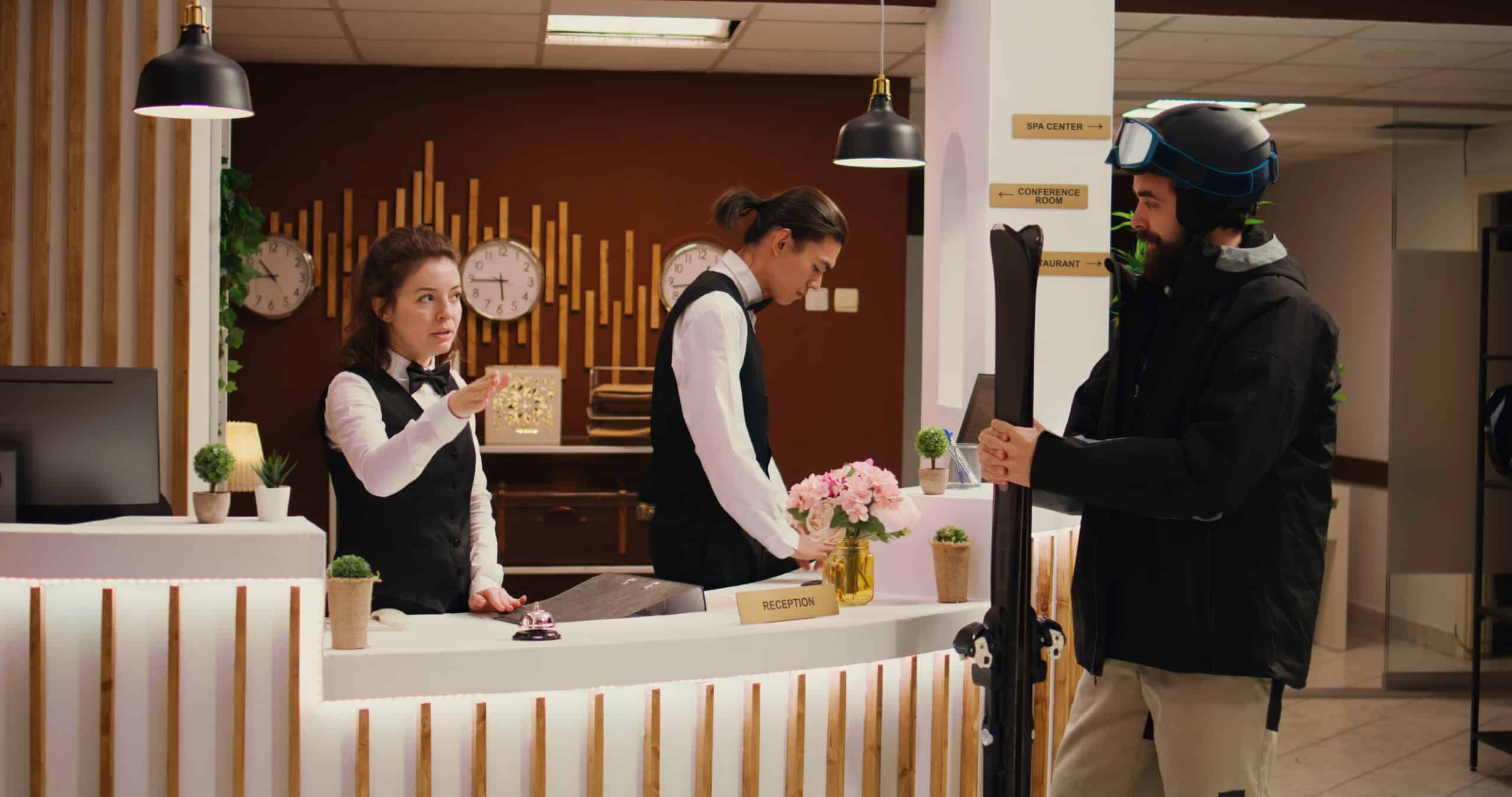
In much of France, barging into a shop or café with a request before saying hello can land badly. A simple “bonjour” is not ornamental there; it signals basic respect before the transaction begins, and skipping it can make even a harmless question sound abrupt, transactional, and oddly cold. That is why visitors sometimes mistake cool service for hostility when what really happened was smaller: they entered, spoke too fast, and forgot the social doorway that locals still treat as part of everyday good manners.
Assuming English Should Carry The Whole Encounter

In Europe’s most visited cities, English often gets the basics done, but that does not erase the value of a local greeting or a few courteous words. The eye roll usually comes from the entitlement, not the accent, especially when a traveler leads as though no local language deserves even a first attempt and translation should simply happen around them on demand. People are often generous with visitors who try, and notably less charmed by those who act as if adaptation belongs only to everyone else in the room, café, or ticket line.
Stopping Dead In The Middle Of The Flow
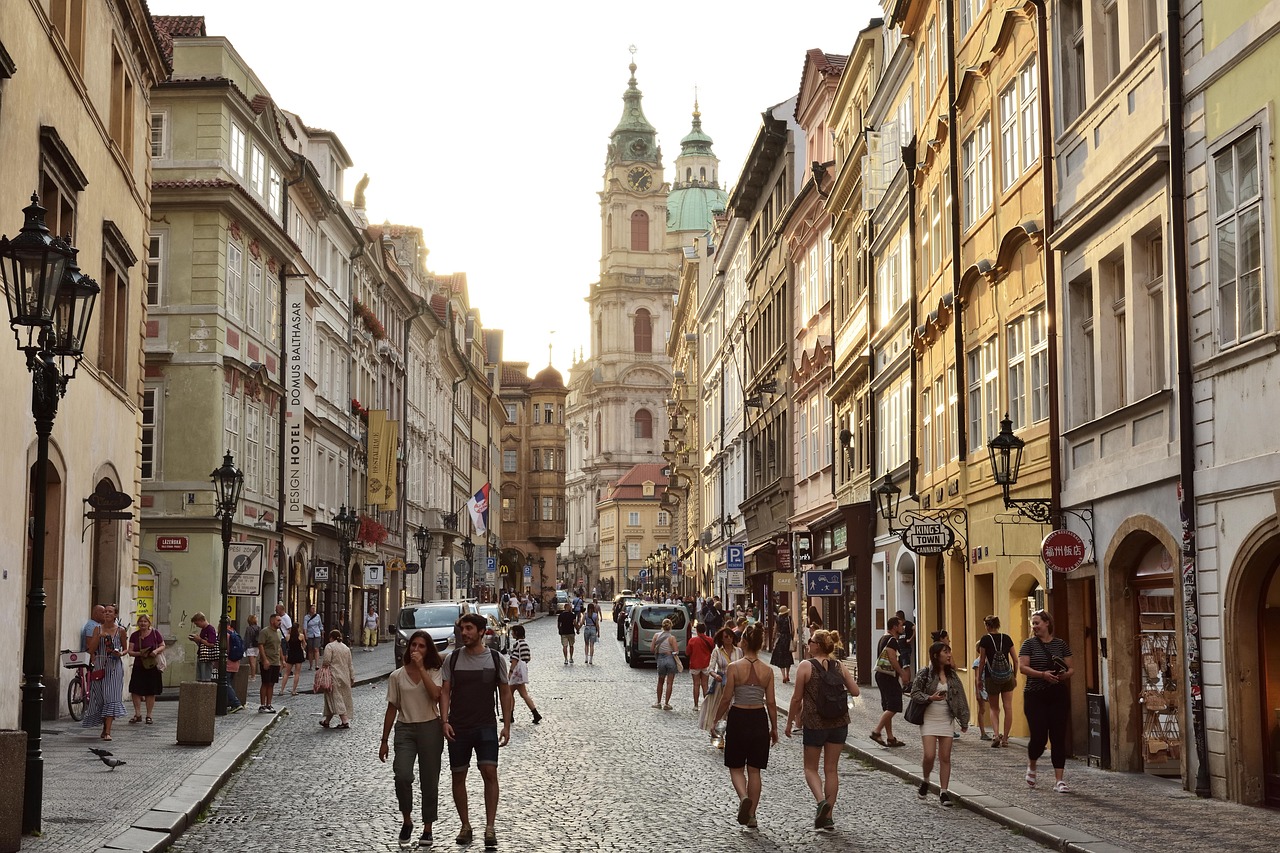
Busy European sidewalks, station corridors, and escalators tend to run on an unspoken rhythm. When tourists halt in the center of a narrow street to unfold a map, or stand on the left side of an escalator while people are trying to pass, they do not just pause themselves; they jam the whole current in places that often have little extra space to spare and very little patience for avoidable blockage. A city can absorb confusion more easily than obstruction, which is why the sharpest looks often go to the visitor who turns a shared walkway into a private planning zone right in the flow.
Treating Bike Lanes Like Extra Sidewalk
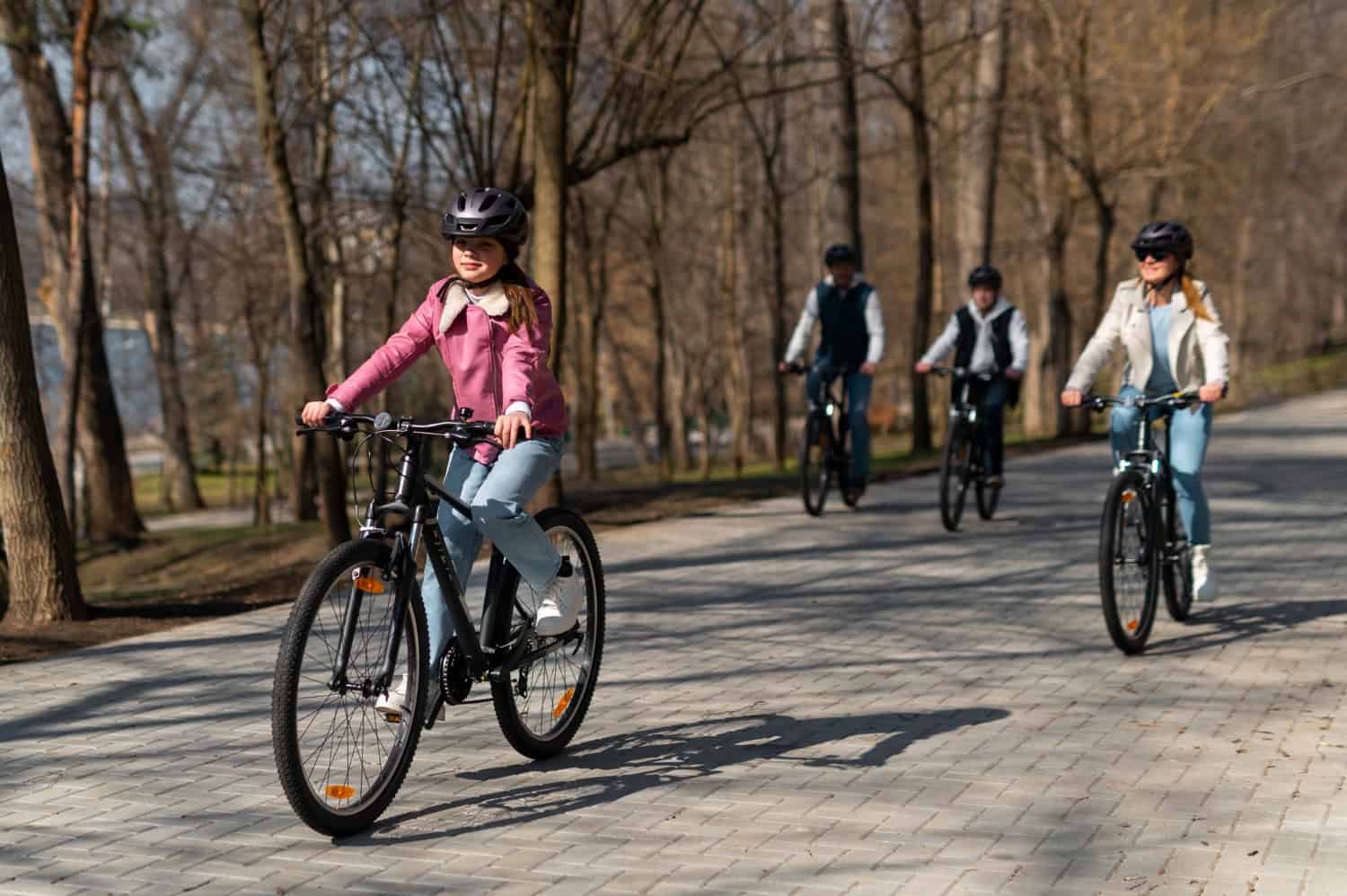
In cities like Amsterdam, the bicycle lane is not decorative. It is part of the city’s bloodstream, and stepping into it absentmindedly can create real danger within seconds, especially on narrow streets where bikes move fast and tourists are busy looking at façades, phones, or canal views instead of the lane. The eye roll there often comes with a bell, a brake, or a shouted warning, because what looks like casual wandering to a visitor feels to residents like stepping into the middle of moving infrastructure they rely on every day to get anywhere.
Dressing For Heat Instead Of The Setting
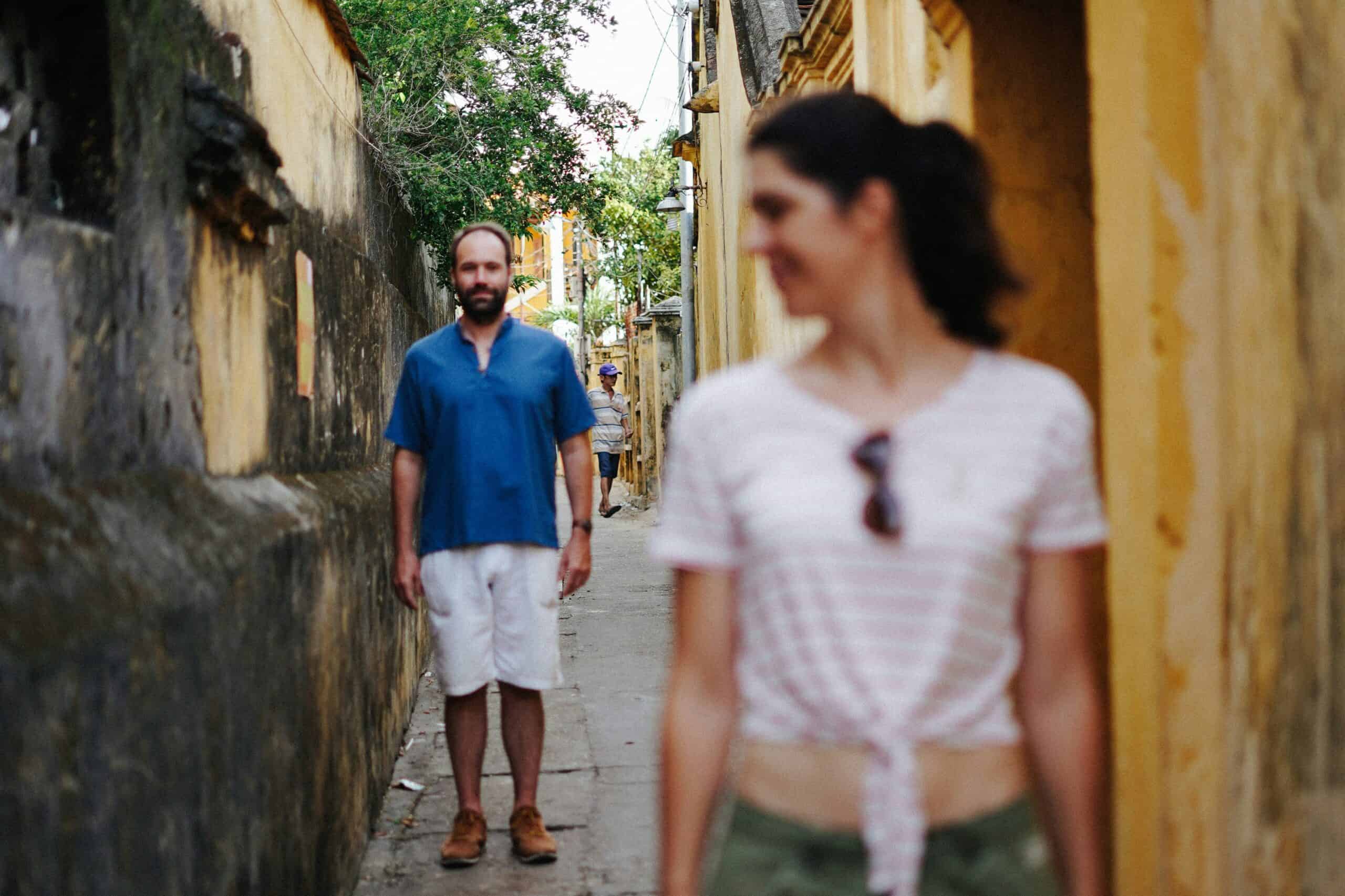
Summer in Europe tempts visitors into shorts, tank tops, and sandals all day long, which is fine until the itinerary includes a church or sacred site. St. Peter’s Basilica, for example, still requires shoulders and knees to be covered for both men and women, and similar expectations appear across religious spaces that are not interchangeable with beach promenades, rooftop bars, or sun-drenched plazas. Locals rarely object to comfort; what irritates them is the insistence that every place should accept vacation wear simply because the temperature outside is high and the day feels casual.
Showing Up For Dinner Hours Too Early
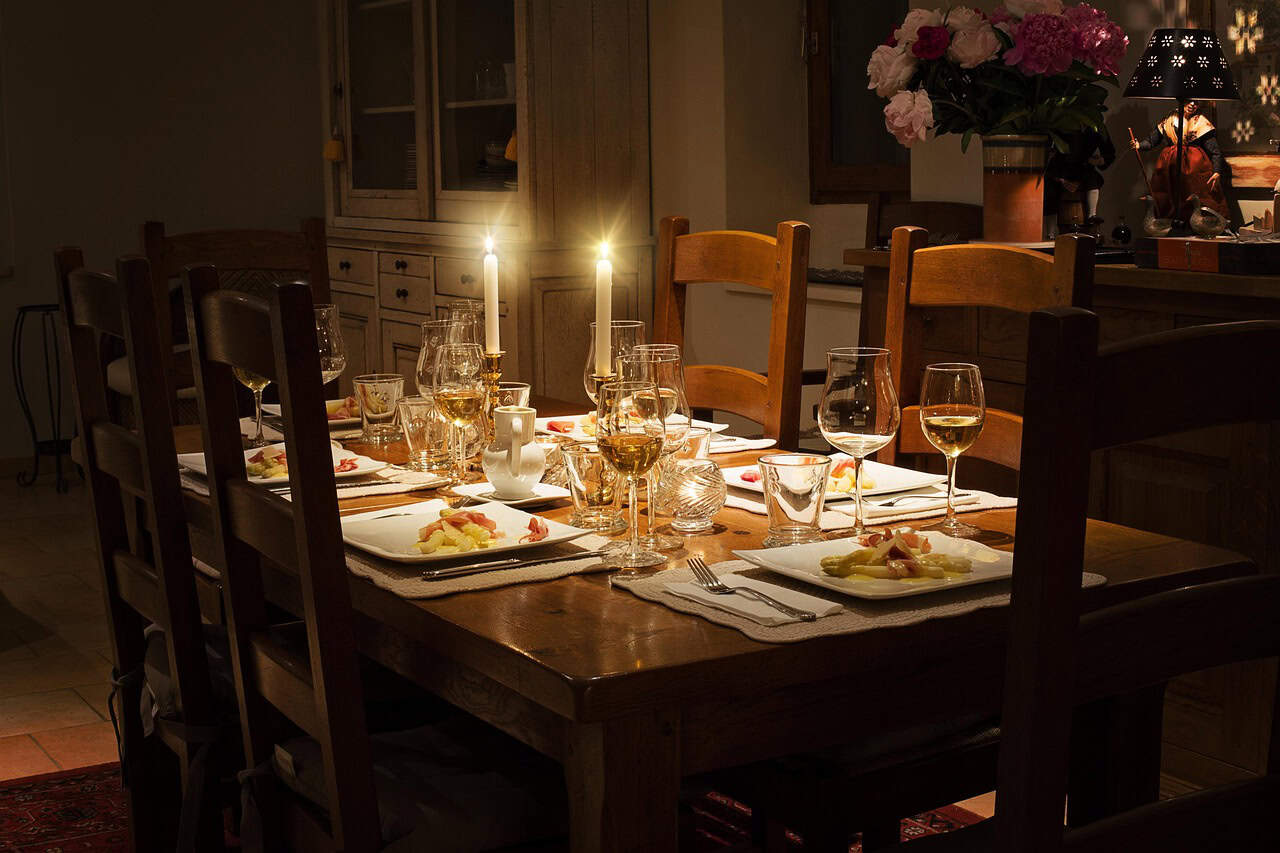
Travelers who expect Europe to eat on one tidy clock often end up hungry, annoyed, and standing outside shuttered restaurant doors. Spain’s tourism office notes that lunch commonly runs from 13:00 to 16:00 and dinner from 20:00 to 23:30, which means a 6 p.m. search for a full dinner can feel comically premature in many places, especially beyond the most tourist-heavy strips. Locals are used to visitors misreading the rhythm, but the eye roll starts when that mismatch turns into complaints that the city is doing dinner wrong instead of simply doing dinner differently.
Assuming The Euro Works Everywhere

Another classic mistake is waving around euros as though Europe settled the currency question years ago. The European Union says the euro is the official currency in 21 of its 27 member states, which means travelers still need other currencies in places such as Czechia, Hungary, Poland, Sweden, and beyond the EU in countries like Switzerland and the U.K., where a euro note solves nothing. Locals may forgive the confusion once, but after that it starts to read as incurious, especially when someone planned the whole trip carefully and never checked how anyone actually pays.
Forgetting To Validate Certain Train Tickets
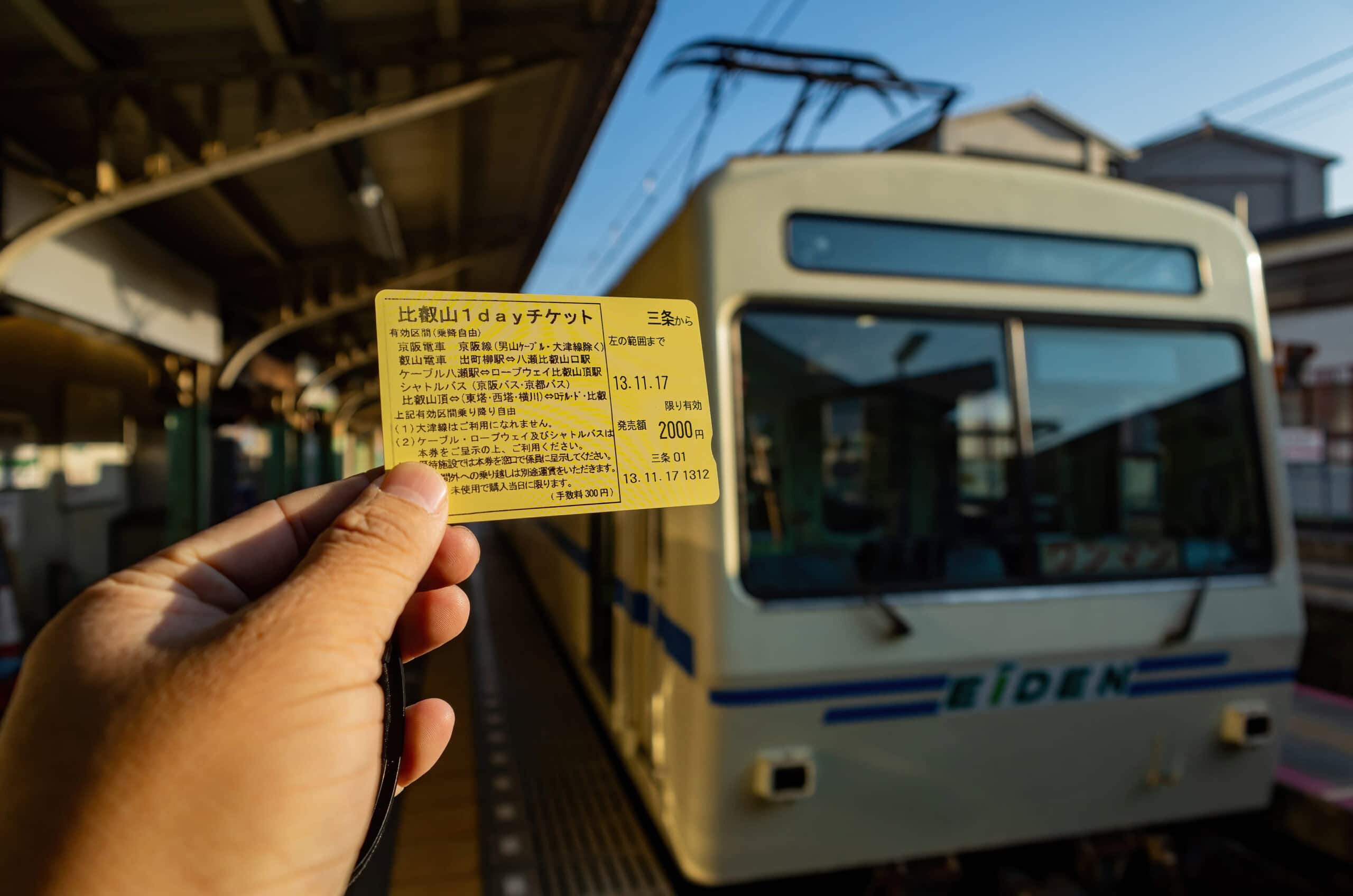
Train travel in Europe feels effortless right up until a visitor learns that having a ticket and having a valid ticket are not always the same thing. Trenitalia says paper regional tickets must be validated before departure, while digital regional tickets activate automatically, a distinction that catches plenty of tourists off guard and often only becomes clear when an inspector appears. Locals see the scene so often that it has become a stereotype: someone boards calmly, assumes purchase was the final step, and then discovers the rail system expected one more small act of attention.
Turning Historic Centers Into Picnic Grounds

Few places express this frustration more clearly than Venice. The city tells visitors not to stand on bridges, not to picnic on church steps or monuments, and not to treat St. Mark’s Square as a casual outdoor snack zone, because these spaces are part of daily life in a fragile, crowded place rather than empty scenery waiting to be used however someone likes. Locals do not mind people eating; they mind when a living city is used like a backdrop, with alleys blocked, stone worn down, and public space treated as disposable for a few minutes of convenience and a quick photo.
Playing Audio Out Loud On Public Transport

What feels minor to a traveler can feel invasive in a crowded carriage. Transport for London says its bylaws prohibit playing music or streaming content aloud without permission, and it recently launched another campaign encouraging passengers to use headphones because most riders want quieter journeys and fewer speakerphone performances. Across Europe, shared transit is often treated as a space for restraint rather than performance, which is exactly why the tourist who watches videos on speaker or shouts through a phone call earns instant disdain from the people trapped nearby.
Blocking Doors And Aisles With Giant Luggage
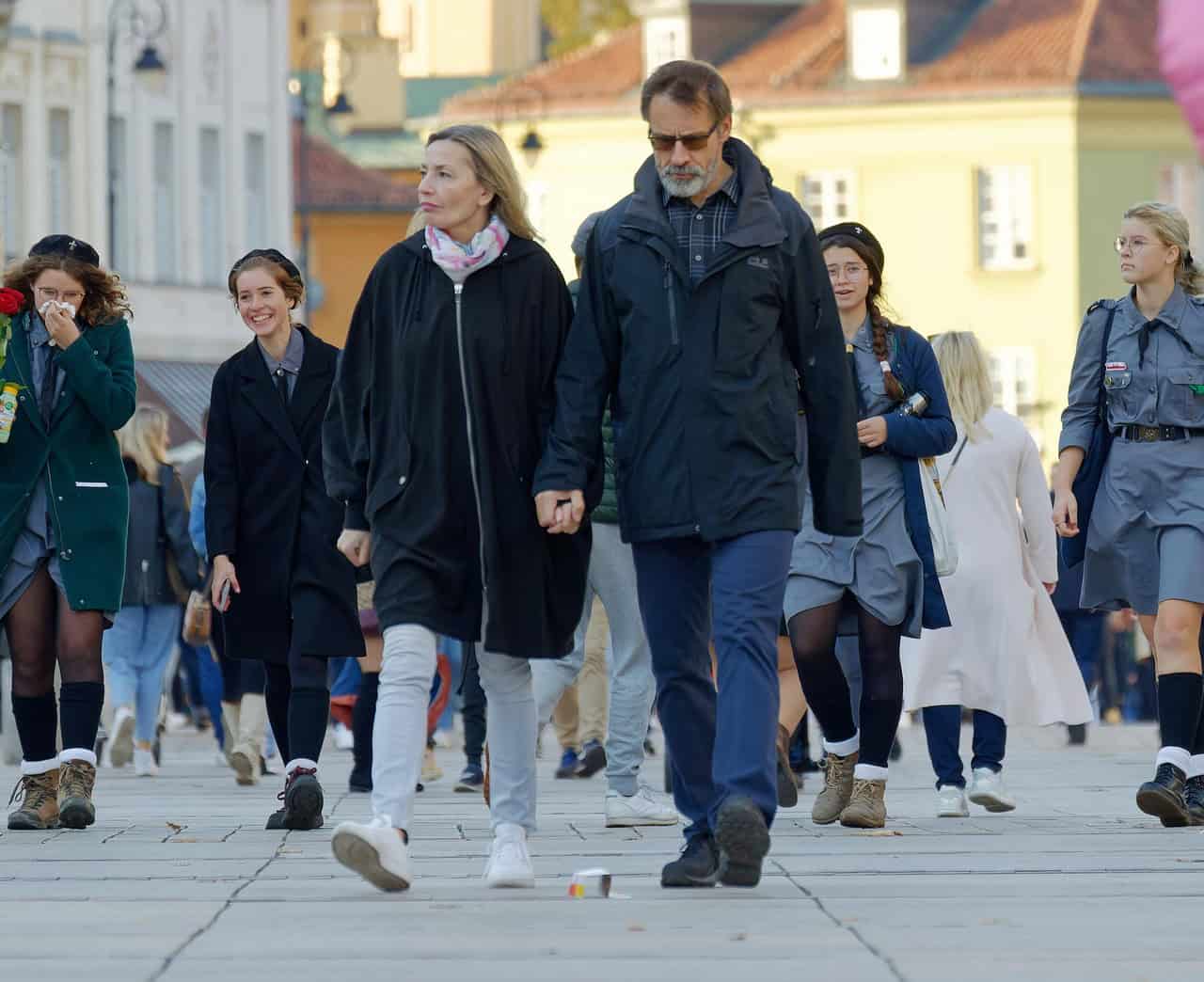
Europe’s old stations, compact trains, and dense urban transit were not designed around one traveler moving with three huge rolling suitcases and no plan. Rail Europe says bags should not block entryways and aisles, while Eurostar and SNCF stress that passengers must be able to carry and store luggage safely in designated areas rather than turning every doorway into a storage experiment. Locals can forgive heavy packing, but not the way oversized baggage turns boarding, staircases, and narrow platforms into a group problem strangers now have to solve together.