We may earn money or products from the companies mentioned in this post. This means if you click on the link and purchase the item, I will receive a small commission at no extra cost to you ... you're just helping re-supply our family's travel fund.

Across the United States, more retirees are swapping gated communities for college neighborhoods and library cards. College towns offer something many traditional retirement hubs never quite managed: strong hospitals, real culture, and a social calendar that does not revolve around golf. Days can move between doctor visits, gallery openings, and afternoon talks on subjects that have nothing to do with aging. These places feel curious rather than sleepy, which is exactly what many people want for the next long chapter.
Chapel Hill, North Carolina
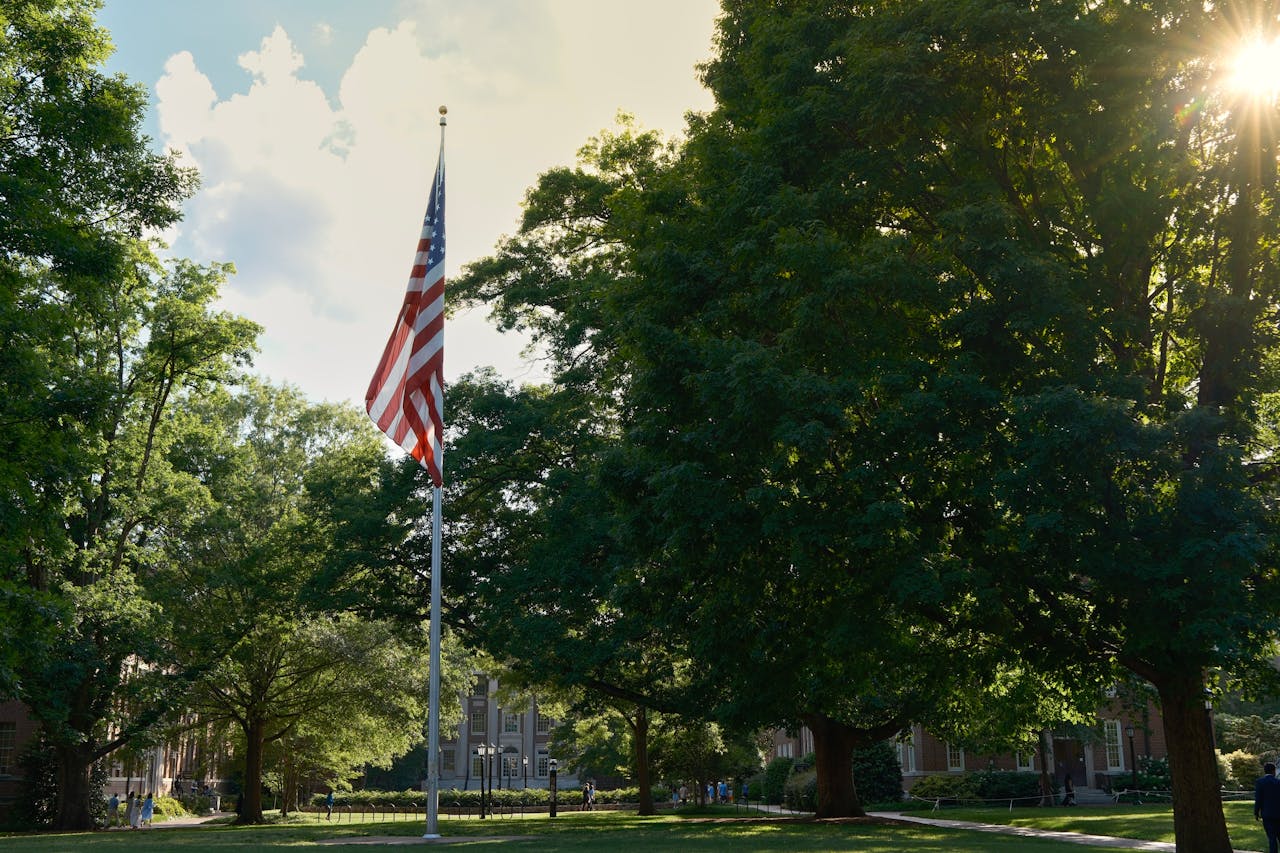
Chapel Hill gives retirees a soft landing wrapped in trees and Tar Heel blue. The University of North Carolina anchors a major academic medical center, while Durham and Raleigh add more specialists within an easy drive. Many retirees choose small homes or townhouses near reliable bus lines, so downtown and campus events stay accessible without constant driving. Book festivals, jazz nights, and basketball seasons keep the year from blurring together. The town’s pace feels calm, but the calendar stays full, which is why newcomers often say it is easy to stay informed, involved, and medically supported.
Ann Arbor, Michigan
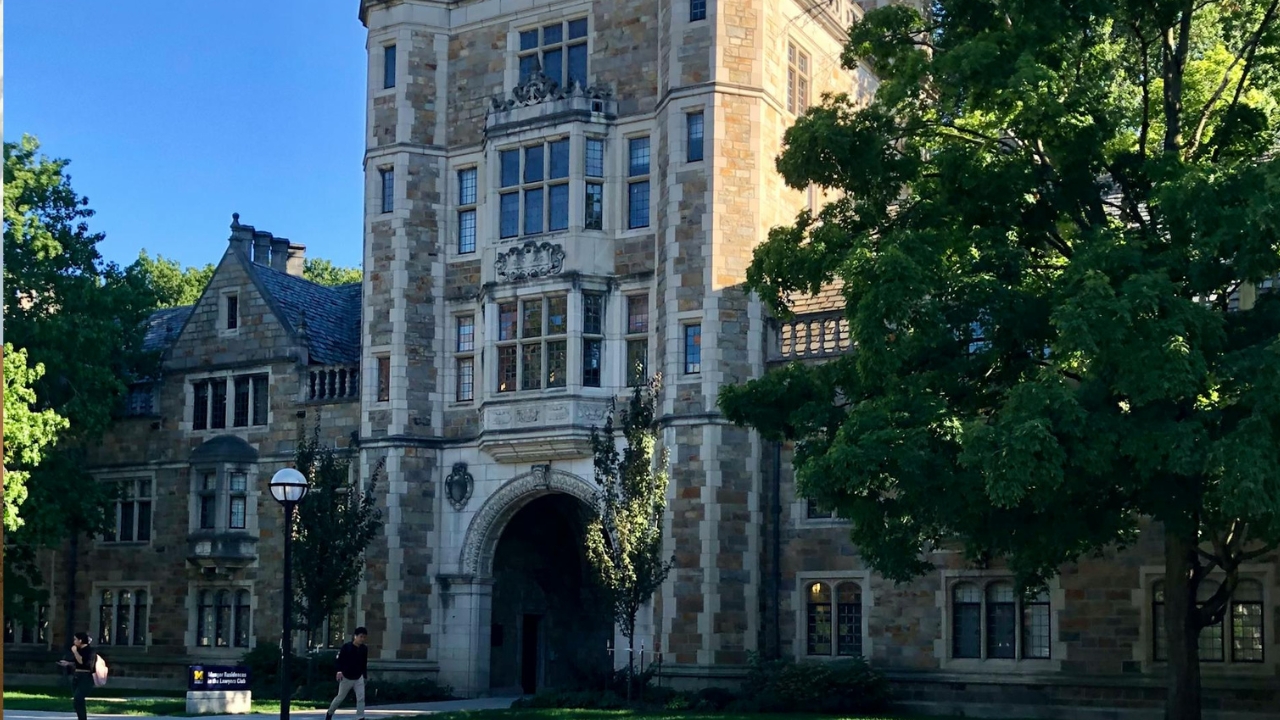
Ann Arbor has long been a quiet favorite for retirees who want life to feel active but not frantic. The University of Michigan brings top-tier hospitals, specialty clinics, and a steady flow of concerts, lectures, and museum programming into a walkable footprint. Tree-lined neighborhoods make daily errands feel simple, even if winter demands a warm coat and patience. Retirees talk about mornings at the farmers market, afternoons in independent bookstores, and evenings at film festivals or symphony performances that cost less than big-city equivalents. It feels intellectual without being stiff, and social without being exhausting.
Fort Collins, Colorado
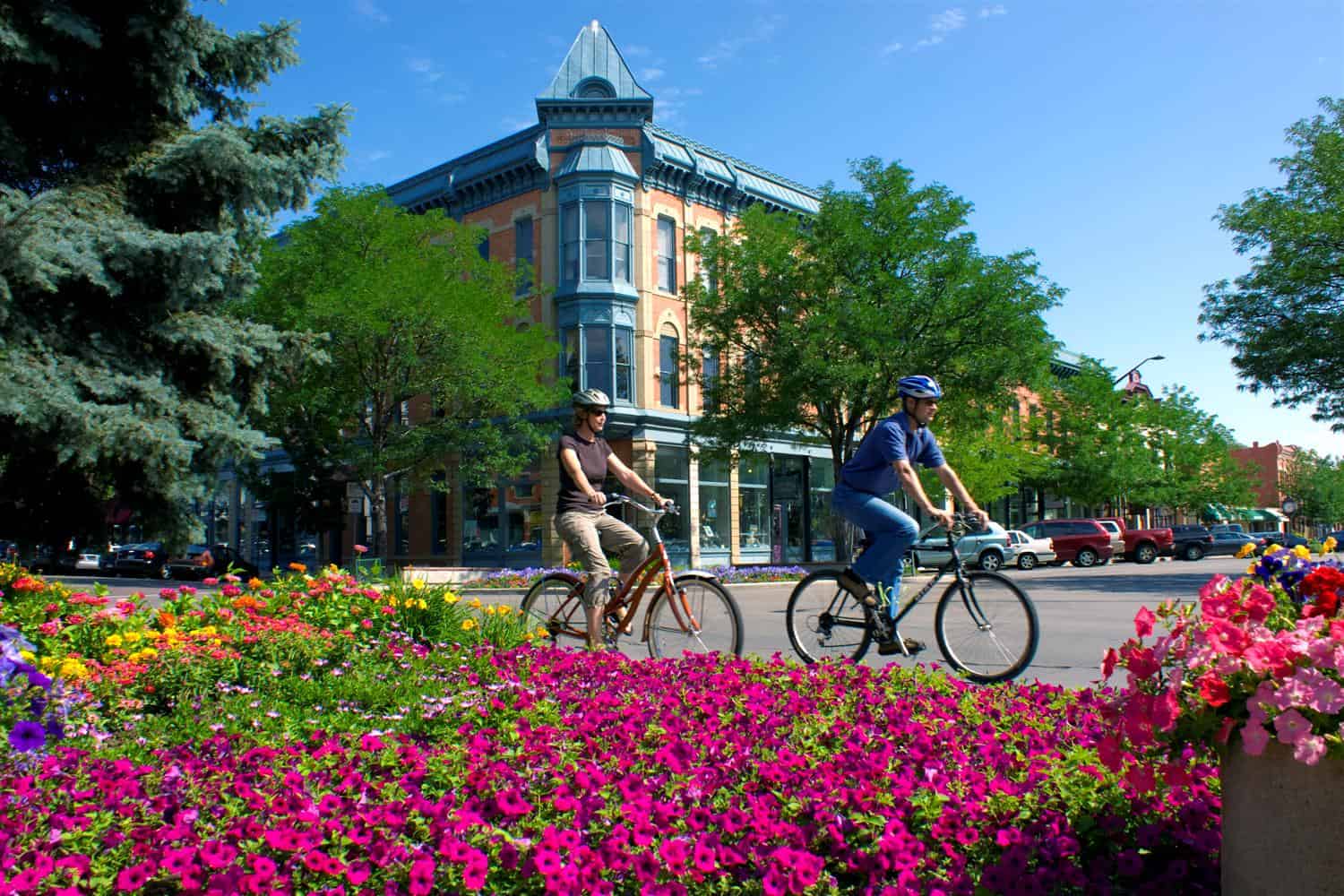
Fort Collins draws retirees who want an outdoors-first lifestyle without giving up university energy. Colorado State University keeps sports, theater, and science talks in steady rotation, and Old Town’s breweries and cafés stay lively well past graduation weekend. Housing prices have climbed, yet many still see better value than flashier mountain markets nearby. Bike lanes, lake paths, and quick foothill escapes make daily movement feel natural, then good medical care in northern Colorado brings peace of mind. The town does not feel like a resort built for visitors. It feels like a real place where every age shares the same sidewalks.
Athens, Georgia
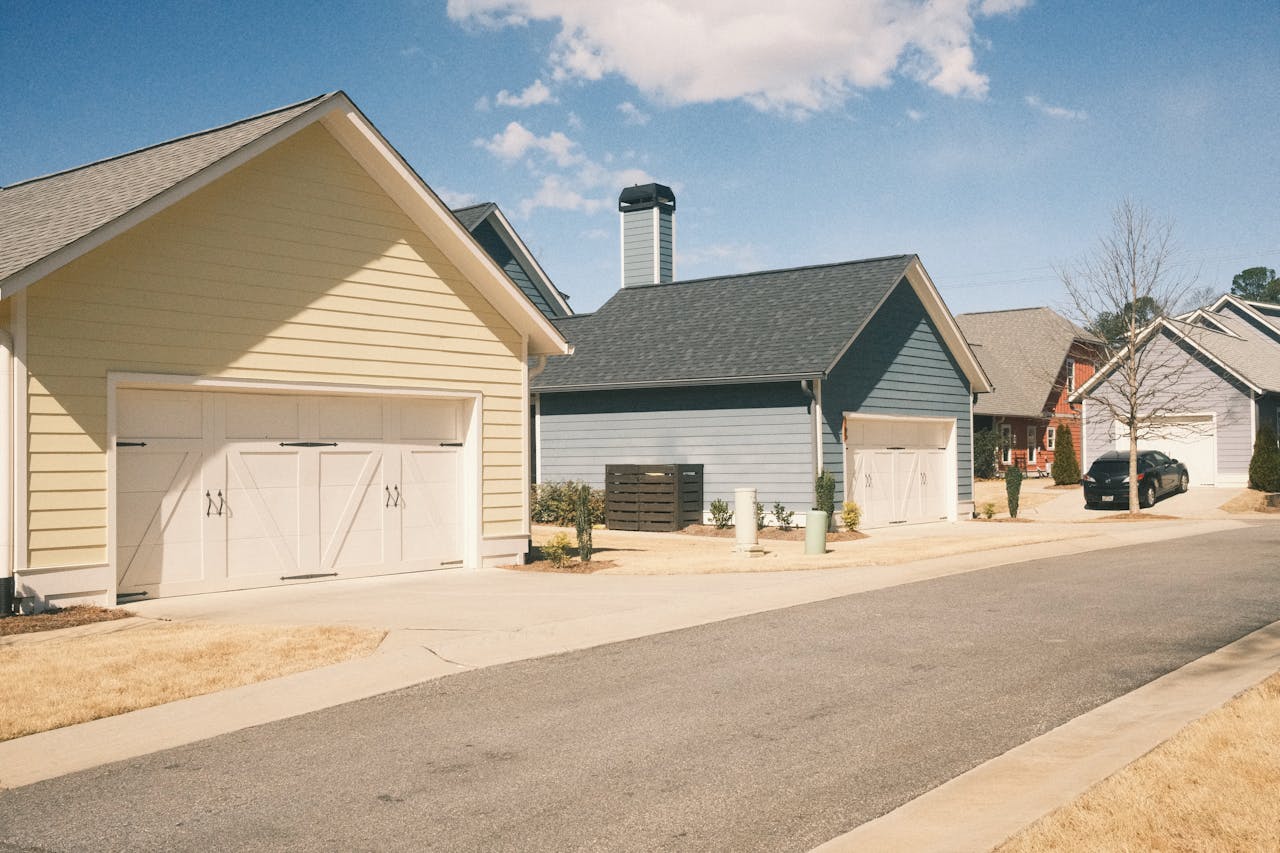
Athens pairs college-town buzz with a cost of living that can still make sense for many retirees. The University of Georgia fuels football intensity, research jobs, and an arts scene that stretches beyond campus borders. Classic music venues sit close to quiet streets lined with craftsman homes and bungalows, which gives newcomers both energy and privacy. Local hospitals and regional health networks add a practical safety net as needs change. Retirees often mention how easy it is to find a calm breakfast spot, then catch a lively game night or show within the same mile, without feeling swallowed by a big city.
Eugene, Oregon
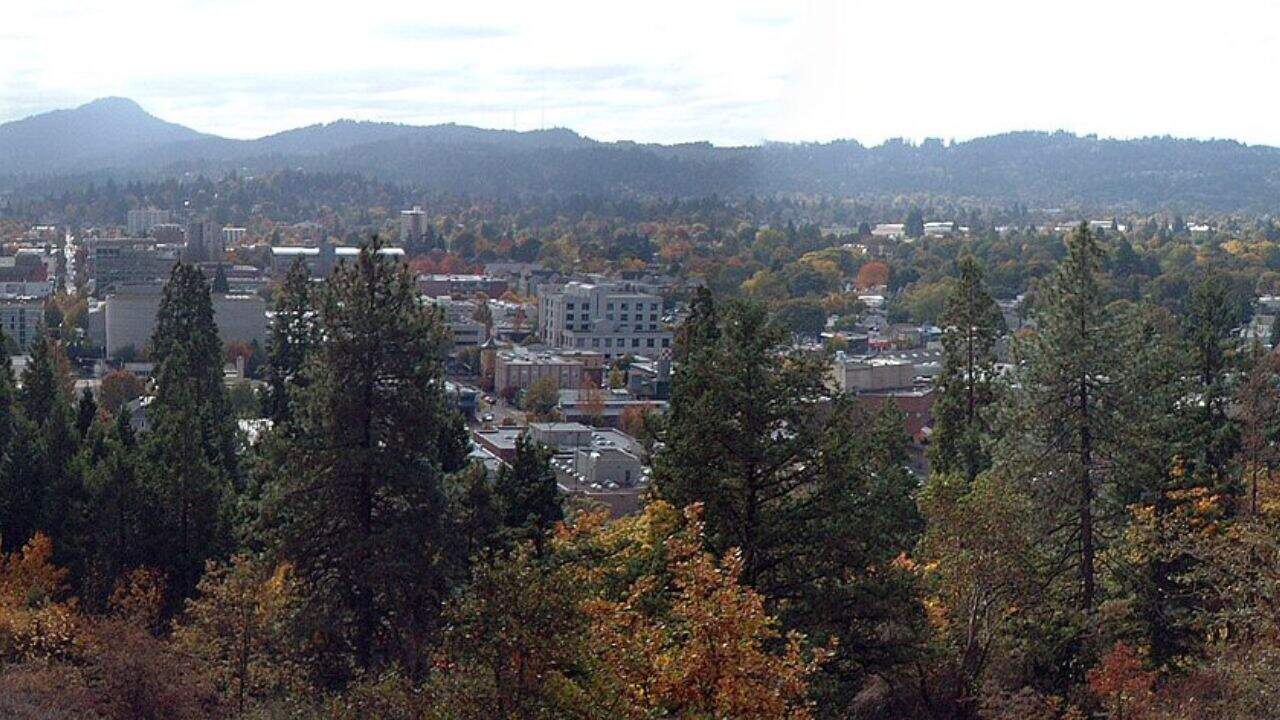
Eugene lands well with retirees who care as much about ideas and the environment as about sunshine. The University of Oregon delivers lectures, sports, and arts programming, while the surrounding Willamette Valley offers bike paths, rivers, and farmers markets that feel woven into everyday life. Health care quality scores and regional hospital options add a practical layer beneath the laid back image. Many older residents say they enjoy living in a place where talk of climate, books, and local food is part of normal conversation, not only a campus bubble. Retirement here feels more like joining a long running seminar.
Gainesville, Florida
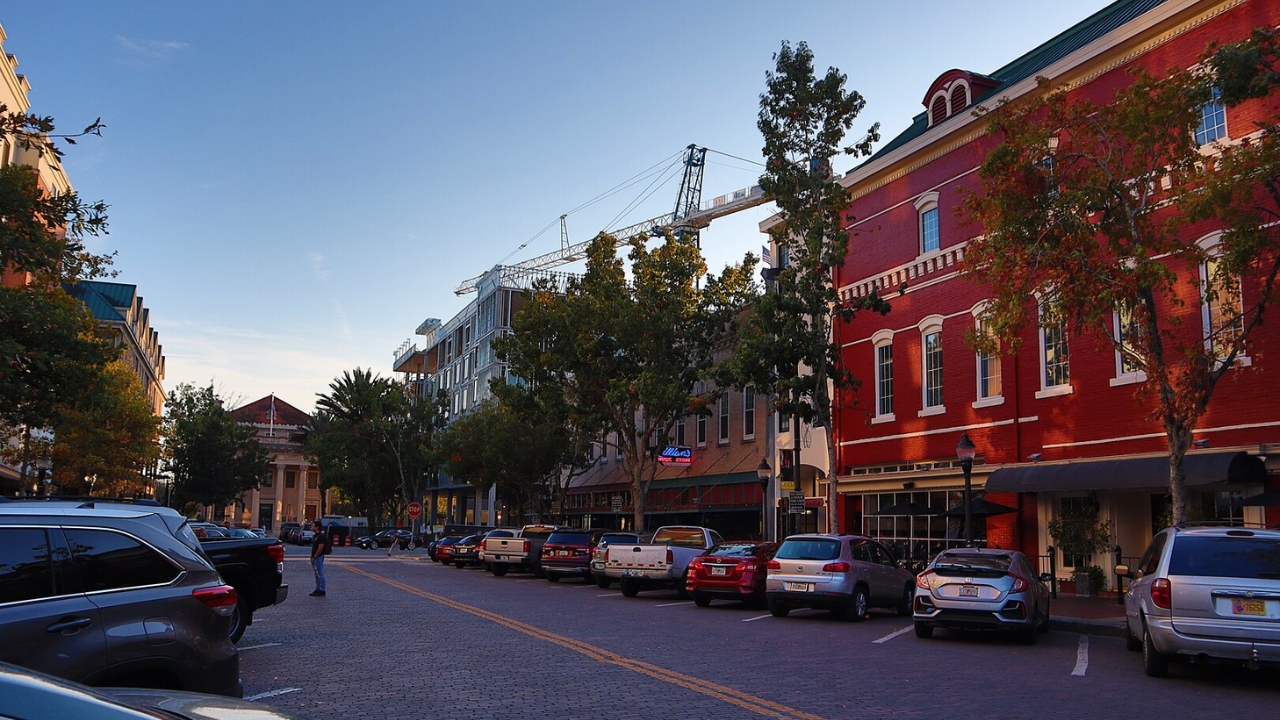
Gainesville tells a different Florida story than a row of high rises on the beach. The University of Florida brings a huge academic medical center, major sports, and steady cultural programming into a town still shaded by old trees. Retirees like that hurricane risk is lower than on the coasts and that home prices, while rising, can still look reasonable next to coastal counties. Springs and state parks sit a short drive away, giving hot afternoons somewhere green and cool to land. Many older newcomers say the campus keeps things young without swallowing the entire town.
Madison, Wisconsin

Madison puts the University of Wisconsin on a narrow isthmus between two lakes, creating a compact city that appeals to retirees who love walking as much as thinking. Bike trails snake along shorelines and through neighborhoods, while the farmers market circles the state capitol with serious produce and lively chatter. Winters are not for the faint of heart, but strong community centers, lecture series, and neighborhood events keep people out of isolation. Access to teaching hospitals and respected clinics makes the cold feel more manageable, especially for retirees who want care close by without giving up personality.
Lawrence, Kansas
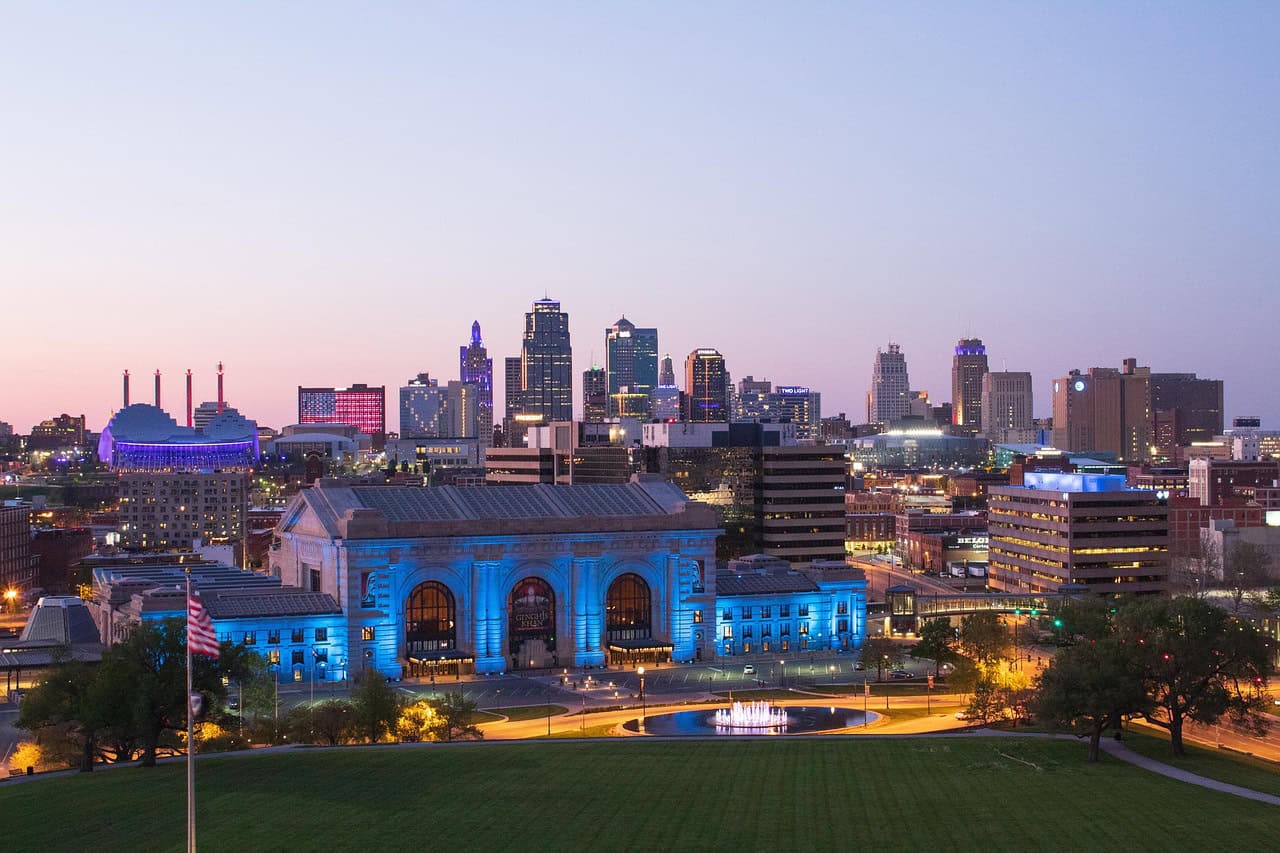
Lawrence gives retirees a comfortable mix of small town warmth and university driven curiosity. The University of Kansas adds basketball thrills, academic talks, and medical connections, while Massachusetts Street offers bookstores, cafés, and music venues that feel lived in rather than staged. Housing prices and taxes remain gentler than in big coastal cities, making it realistic for retirees who want to stretch savings without feeling cut off. Many older residents talk about how easy it is to know neighbors, volunteer, and still be a short drive from Kansas City’s airport and bigger cultural scene when needed.
Lexington, Kentucky
Lexington balances horse country charm with enough urban structure to keep retirees busy. The University of Kentucky anchors a medical complex that draws patients from across the region, giving local residents access to specialists without driving hours. Bluegrass landscapes sit just beyond the beltway, but within town there are galleries, theaters, and a growing restaurant scene. Retirees often land in tree lined neighborhoods where college students, young families, and older couples share sidewalks. That mix keeps conversations varied and makes it easier to imagine aging in place rather than feeling tucked away at the edge of town.
Morgantown, West Virginia
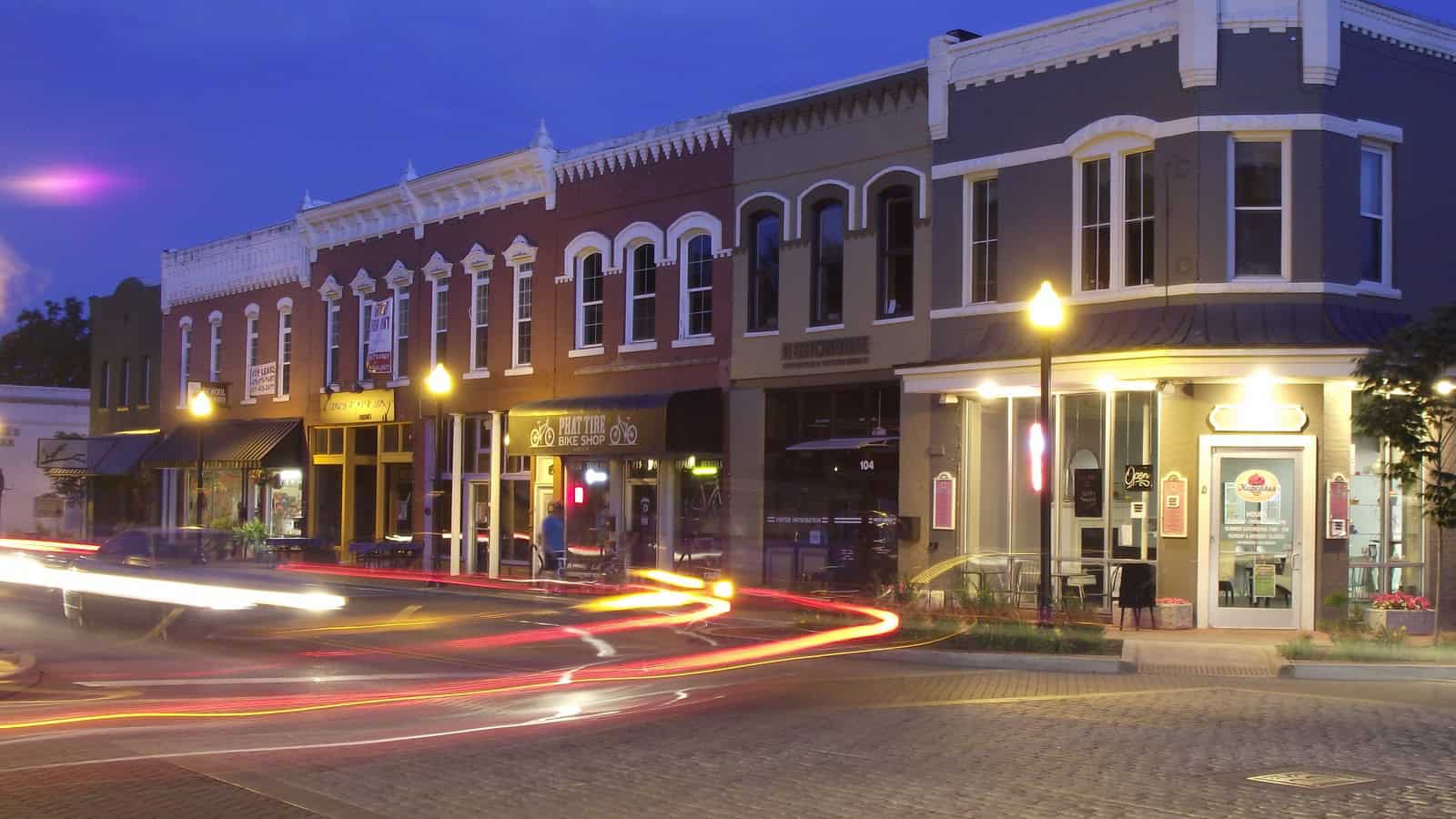
Morgantown often surprises retirees who arrive expecting a pure student town. West Virginia University brings football games and energy, but it also supports strong hospitals and research clinics that serve the broader region. The Monongahela River, surrounding hills, and changing seasons give daily life a sense of place that feels grounded rather than polished. Housing stays relatively affordable compared with many college hubs, and older residents appreciate that. Many say the town hits a useful middle: lively enough to stay interesting, small enough that familiar faces reappear at markets, trails, and local events week after week.
West Hartford, Connecticut

West Hartford offers retirees a polished version of the college town idea. The area hosts several campuses while functioning as a walkable suburb with dense clusters of cafés, bakeries, and small shops. Older newcomers often choose condos or compact houses near the town center, where errands can be handled on foot and evenings can end with a concert or talk without worrying about long drives. Proximity to Hartford’s job base and major hospitals adds security, while Boston and New York sit within train reach. It feels like a place built for daily routines rather than one big vacation.
Durham, North Carolina
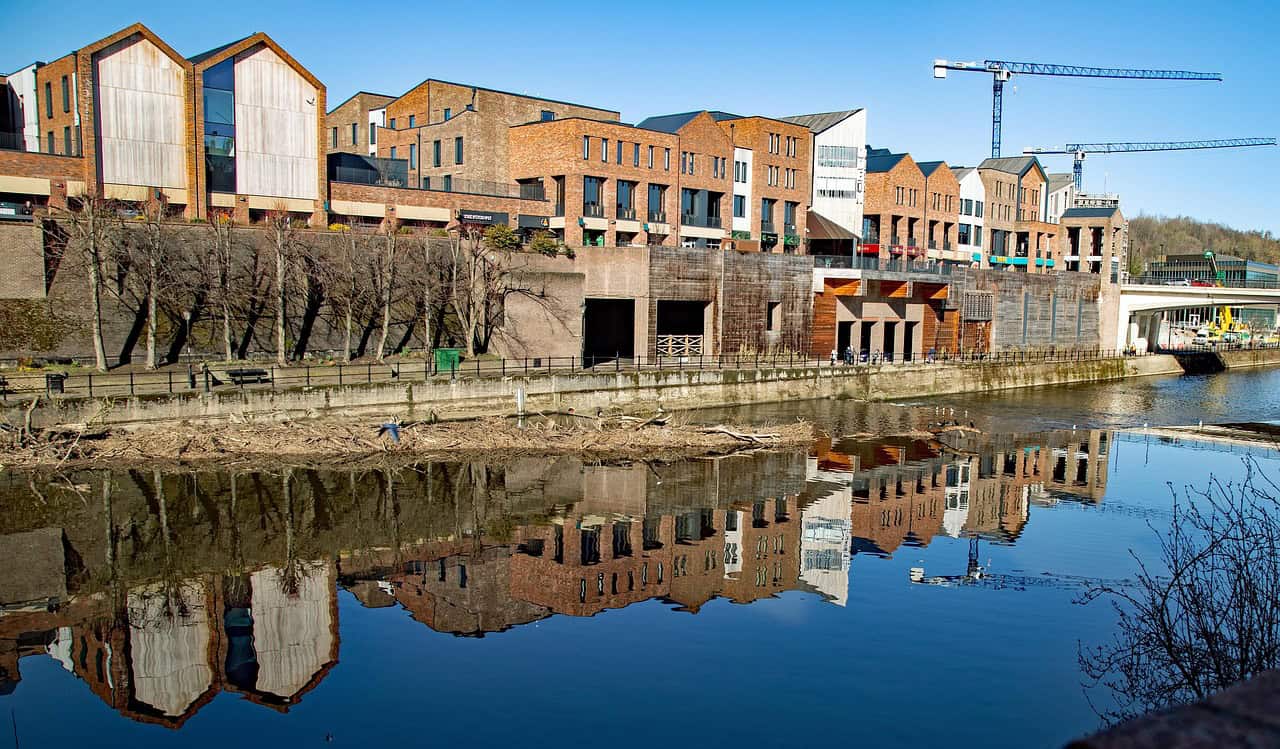
Durham has quietly shifted from tobacco hub to research magnet, and retirees have taken notice. Duke University anchors top tier hospitals, a respected cancer center, and a long menu of performances and lectures. Renovated warehouses now hold restaurants, lofts, and galleries, giving the city an industrial edge softened by parks and greenways. Older residents can live within a short drive of both cultural venues and trailheads, with Raleigh and Chapel Hill close enough to expand options. Many retirees like that Durham carries some grit, some polish, and a real sense of momentum instead of feeling finished.