We may earn money or products from the companies mentioned in this post. This means if you click on the link and purchase the item, I will receive a small commission at no extra cost to you ... you're just helping re-supply our family's travel fund.

For retirees living on fixed incomes, rising property taxes can quickly turn homeownership from a source of stability into a financial burden. Unlike general inflation, these costs don’t fluctuate with daily spending; they arrive in unavoidable annual bills that climb as property values rise. In many cities, median home prices have accelerated far faster than retirement income, and effective tax bills continue to rise with reassessments. Seniors who planned to age comfortably in place increasingly face difficult budgeting decisions, deferred maintenance, or the emotional weight of leaving long-time homes.
1. New York City, New York

New York City’s dense demand and steady appreciation leave many seniors managing substantial tax obligations despite static incomes. Typical home prices fall between $700,000–$900,000, and effective annual taxes often range from $7,000–$10,500, depending on borough and property type. Many retirees find reassessments particularly harsh, especially when neighborhood redevelopment inflates valuations. Even modest co-ops can generate higher bills than expected, pushing older homeowners to consider downsizing or relocating while trying to preserve long-established community ties.
2. San Francisco, California

San Francisco’s tight housing market places outsized pressure on retirees who purchased homes long before the tech boom reshaped the city. With median homes often priced around $1.2–$1.5 million, annual tax bills typically land between $9,000–$13,000, creating a heavy burden for seniors on fixed incomes. Although long-term owners benefit somewhat from capped assessment growth, any improvements or ownership changes can trigger sudden increases. Rising insurance and maintenance costs add to the strain, making aging in place more challenging and sometimes forcing difficult decisions about future financial stability.
3. Chicago, Illinois

Chicago’s tax system often shifts abruptly in response to county budget needs, making planning difficult for retirees. Median home prices commonly range from $280,000–$330,000, yet effective annual taxes can reach $6,000–$8,500, reflecting one of the nation’s higher tax rates. Seniors in revitalizing neighborhoods often feel the strain most acutely, as assessments climb faster than income. While exemptions exist, they rarely reduce bills enough to offset the city’s fiscal pressures. Many retirees find themselves reassessing budgets, trimming discretionary spending, or considering moves to nearby counties with lighter tax loads.
4. Houston, Texas

Houston’s rapid population growth has pushed home valuations upward, creating unanticipated challenges for retirees who once viewed the region as affordable. Typical homes cost around $330,000–$400,000, and annual taxes often run $6,500–$8,500 due to the city’s heavy reliance on property revenue. Seniors relying solely on pensions or Social Security may struggle when assessments jump unexpectedly, even with homestead caps in place. Added costs such as rising insurance premiums compound the issue, leaving older homeowners to reconsider long-term housing plans or explore downsizing options to stay financially secure.
5. Seattle, Washington

Seattle’s booming job market continues to inflate home values, narrowing options for retirees hoping to remain in their long-time neighborhoods. Median home prices often sit between $730,000–$830,000, paired with effective annual tax bills around $6,500–$9,000. For seniors on fixed incomes, this gap between rising taxes and stable earnings strains monthly budgets. Many fall just above qualifying thresholds for exemptions, leaving them vulnerable to sudden assessment shifts. Combined with higher utilities and insurance, these tax pressures force difficult conversations about whether remaining in the city is financially realistic.
6. Boston, Massachusetts

Boston’s strong housing demand and limited supply push property values higher each year, complicating life for retirees. Homes typically cost $650,000–$750,000, with annual taxes often ranging from $5,500–$7,500, depending on the neighborhood. While senior exemptions provide some relief, they rarely keep pace with market-driven increases. Older residents in historic or rapidly developing districts feel these pressures most sharply, facing tax bills that exceed expectations set earlier in their retirement planning. Many ultimately weigh the convenience of city living against the growing challenge of sustaining these expenses on fixed income.
7. Denver, Colorado

Denver’s transformation into a high-growth metropolitan area has pushed assessments higher than many retirees anticipated. Median home prices commonly fall around $550,000–$650,000, with yearly tax obligations of $3,700–$5,000, depending on county and specific location. While these taxes may appear moderate relative to home values, recent spikes create strain for seniors with limited income flexibility. Development in previously quiet neighborhoods amplifies this trend, pushing valuations upward even when owners make no improvements. These pressures frequently lead older homeowners to evaluate downsizing or consider nearby suburbs with more predictable tax structures.
8. Minneapolis, Minnesota
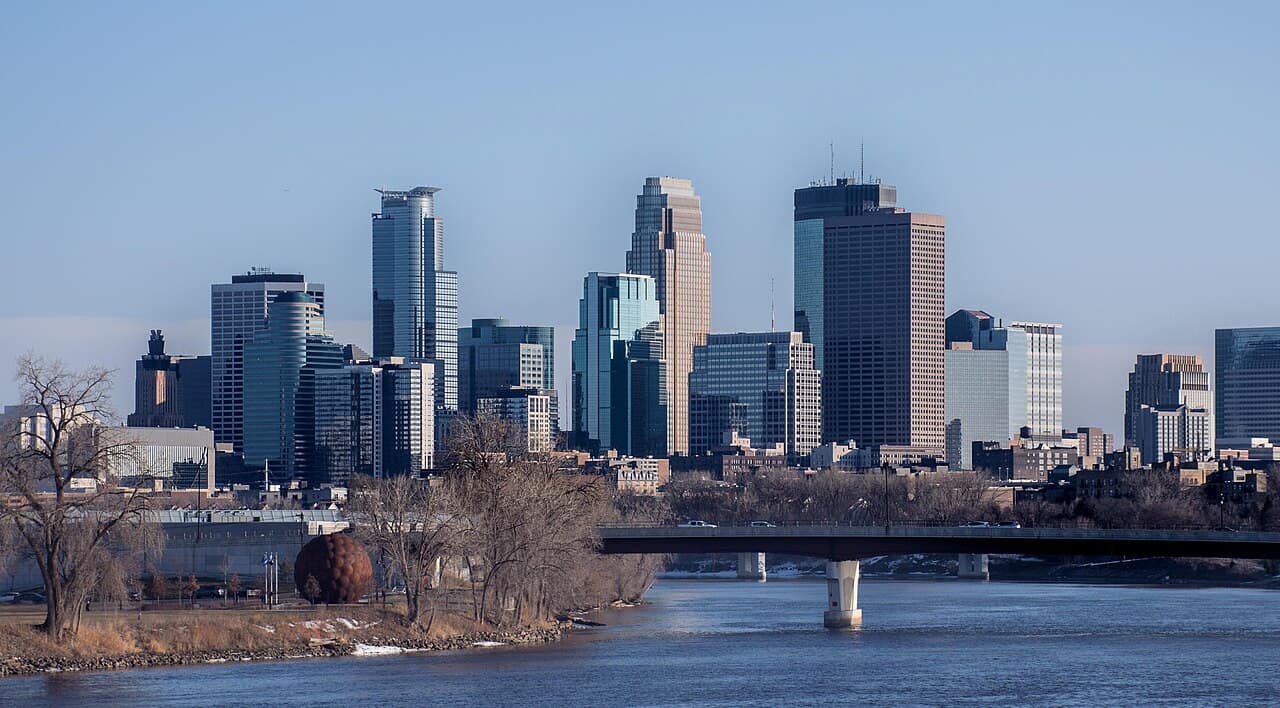
Minneapolis has seen steady appreciation driven by redevelopment and demand for centrally located housing. Typical homes cost around $350,000–$420,000, while annual property taxes often fall between $4,000–$5,200. Seniors living on fixed incomes experience difficulty when reassessments reflect rising neighborhood desirability rather than personal financial growth. Cold-weather maintenance and higher winter utility expenses amplify the weight of annual tax bills. Although relief programs exist, many retirees earn slightly too much to qualify for meaningful reductions, leaving them adjusting budgets or reevaluating long-term plans for remaining in the city.
9. Portland, Oregon

Portland’s mix of limited inventory, steady demand, and complex tax structures creates notable challenges for senior homeowners. Median home prices often land between $500,000–$580,000, with yearly tax bills in the $5,000–$7,000range. Market-driven appreciation means many retirees face increases despite stagnant incomes. Local programs frequently offer deferrals rather than reductions, prompting concerns about accruing long-term obligations. As neighborhoods continue to redevelop, older homeowners often feel squeezed between sentimental ties to their homes and the financial reality of growing tax responsibilities.
10. Austin, Texas

Austin’s continued growth as a technology and cultural hub drives home prices higher each year, complicating retirement budgets. Typical homes range from $500,000–$620,000, with annual taxes frequently reaching $8,000–$10,000 due to high local rates. Seniors who planned for stable costs now face assessments that surge faster than income, creating difficult trade-offs in daily spending. Rising insurance premiums further tighten budgets. Many older residents ultimately consider relocating to surrounding counties to regain financial breathing room while staying reasonably close to familiar medical and social networks.
11. Miami, Florida
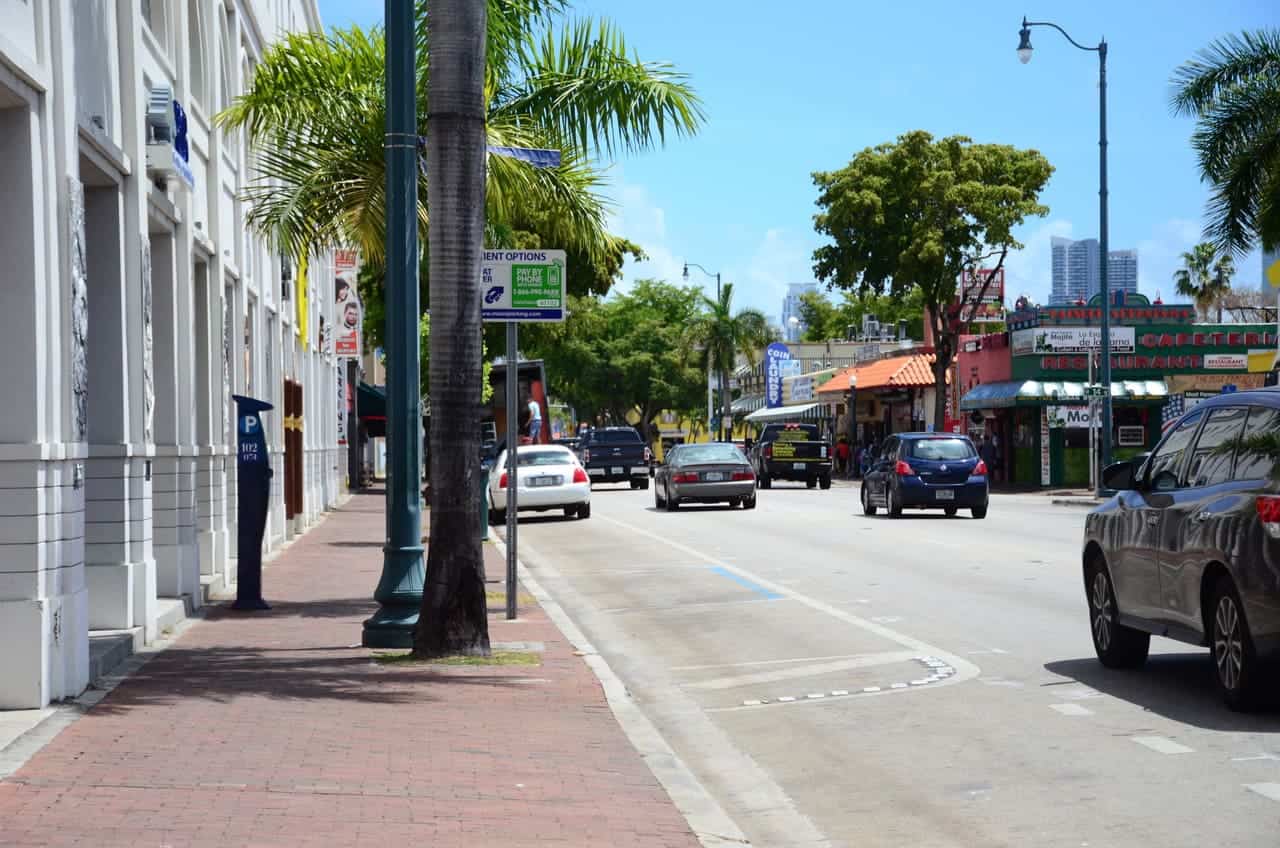
Miami’s rising coastal desirability inflates valuations, making property taxes a significant concern for seniors. Median homes often cost $520,000–$600,000, and annual tax bills typically fall between $5,500–$8,000, especially in areas affected by new construction. Even with homestead protections, neighborhood-wide appreciation can indirectly push costs upward for retirees. Insurance linked to climate risk intensifies the overall burden, forcing many seniors to rethink long-term housing plans. For some, relocating inland or to neighboring counties becomes a practical solution for maintaining financial stability.
12. Philadelphia, Pennsylvania

Philadelphia’s periodic reassessments create uncertainty for retirees seeking predictable housing expenses. Median home prices usually sit between $250,000–$320,000, with yearly tax bills of $3,000–$4,500, though revitalizing neighborhoods can experience sudden jumps. Seniors with long-time residency may find taxes rising despite stable incomes and minimal home improvements. Relief programs exist but often require complex applications or offer limited reductions. For many retirees, the cumulative effect of taxes, utilities, and maintenance costs forces reevaluation of whether staying in long-treasured homes remains financially sustainable.