We may earn money or products from the companies mentioned in this post. This means if you click on the link and purchase the item, I will receive a small commission at no extra cost to you ... you're just helping re-supply our family's travel fund.
Budget travel in 2026 is less about cutting corners and more about choosing places where daily life is naturally affordable. When meals are built around markets, when cities run on transit instead of taxis, and when culture spills into streets and parks, a smaller spend can still buy a rich week. Exchange rates shift and airfare fluctuates, yet certain destinations keep delivering: vibrant food scenes, walkable historic cores, and nature that is close enough for day trips. The common thread is value with personality, not deprivation.
Salvador, Brazil
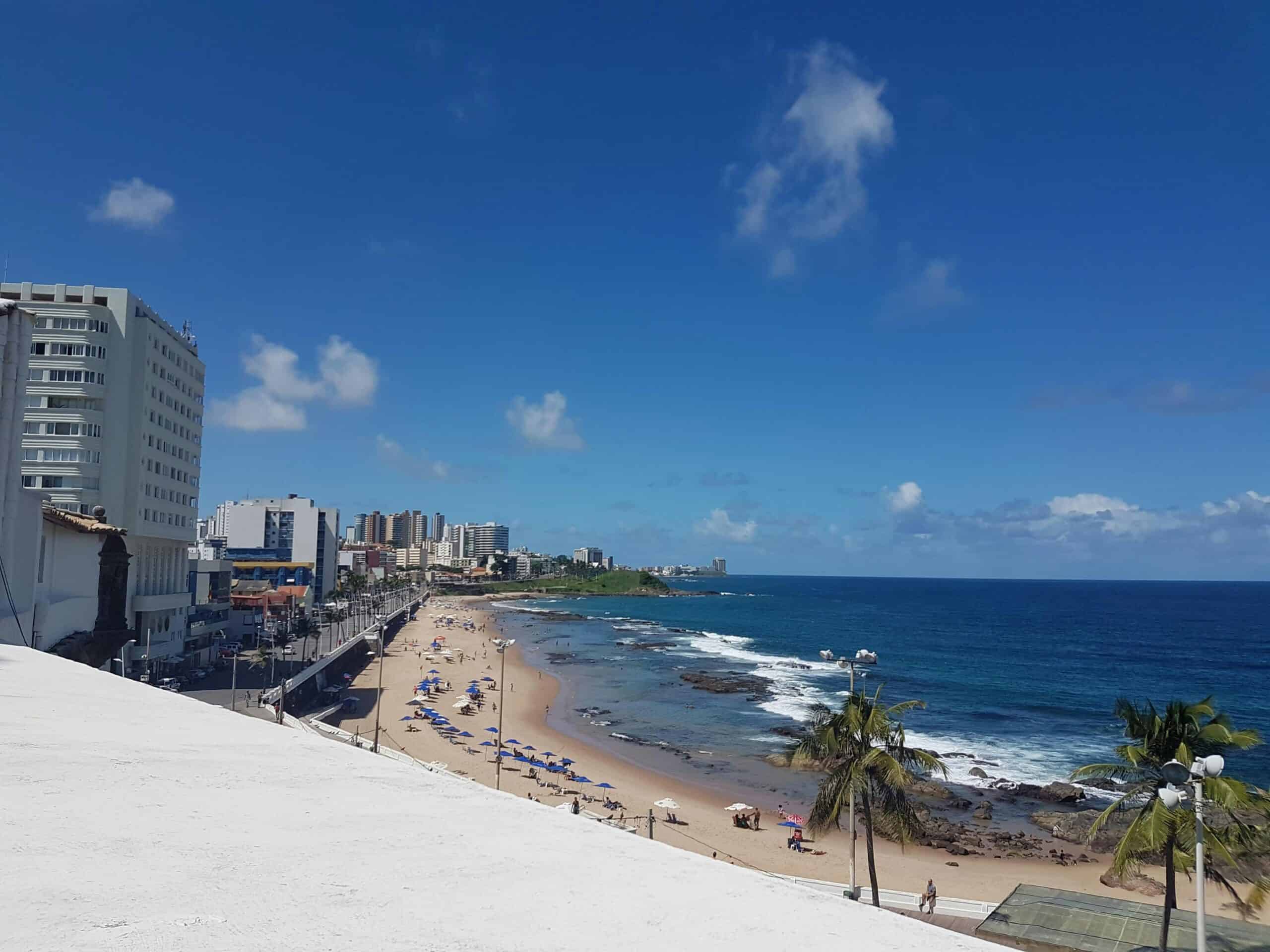
Salvador feels like a festival city that never fully turns the music down, and that joy often comes with prices that stay kind to a lean budget, even in 2026 when many beach towns spike. Pelourinho’s pastel streets, capoeira circles, and Afro-Bahian rhythms spill into small bars where a plate of moqueca or a hot acarajé can stand in for a full dinner, and weekend markets keep the atmosphere high without a ticket. Cheap buses, beach promenades in Barra, and free church steps for sunset make it easy to stack history, coastline, and nightlife, while a quick ferry hop to Itaparica adds a low-cost escape before heading back at dusk for drums too.
Guadalajara, Mexico
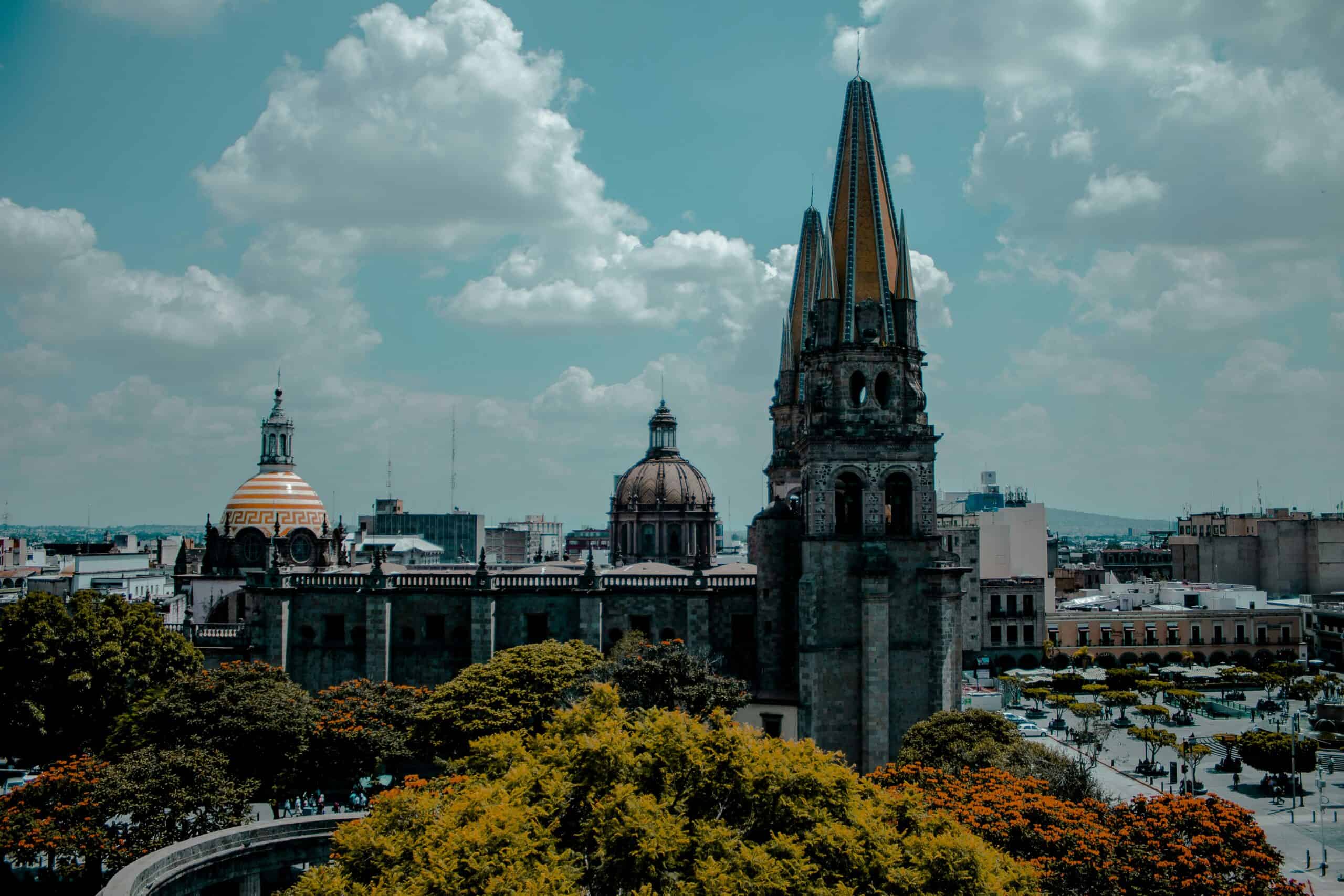
Guadalajara rewards budget-minded travelers with big-city energy and everyday costs that still feel grounded in 2026, especially when stays are booked in Centro or Colonia Americana. Mercado San Juan de Dios can cover an entire day of grazing, from birria and tortas ahogadas to fruit cups and aguas frescas, while cathedral squares, Plaza Tapatía, and Hospicio Cabañas murals handle much of the sightseeing for the price of a bus fare. Even the classic side trip to Tequila or the craft streets of Tlaquepaque stays doable on a modest spend, since local buses, public plazas, and late-night mariachi rarely demand a big ticket with change to spare.
Bogotá, Colombia
Bogotá stretches a travel dollar by mixing serious culture with simple pleasures that cost little more than time, even during busy 2026 travel weeks. Gold at the Museo del Oro, the Museo Botero’s calm rooms, street art in La Candelaria, and skyline views from Monserrate create full days without pricey add-ons, and Sunday Ciclovía turns major streets into a free, rolling festival. Coffee bars, bakeries, and set-menu lunches keep meals affordable, while TransMilenio and neighborhood buses link Chapinero and Usaquén, and make quick escapes to Zipaquirá feel realistic without private tours, and cool evenings make a cheap scarf feel smart in town.
Mérida, Mexico
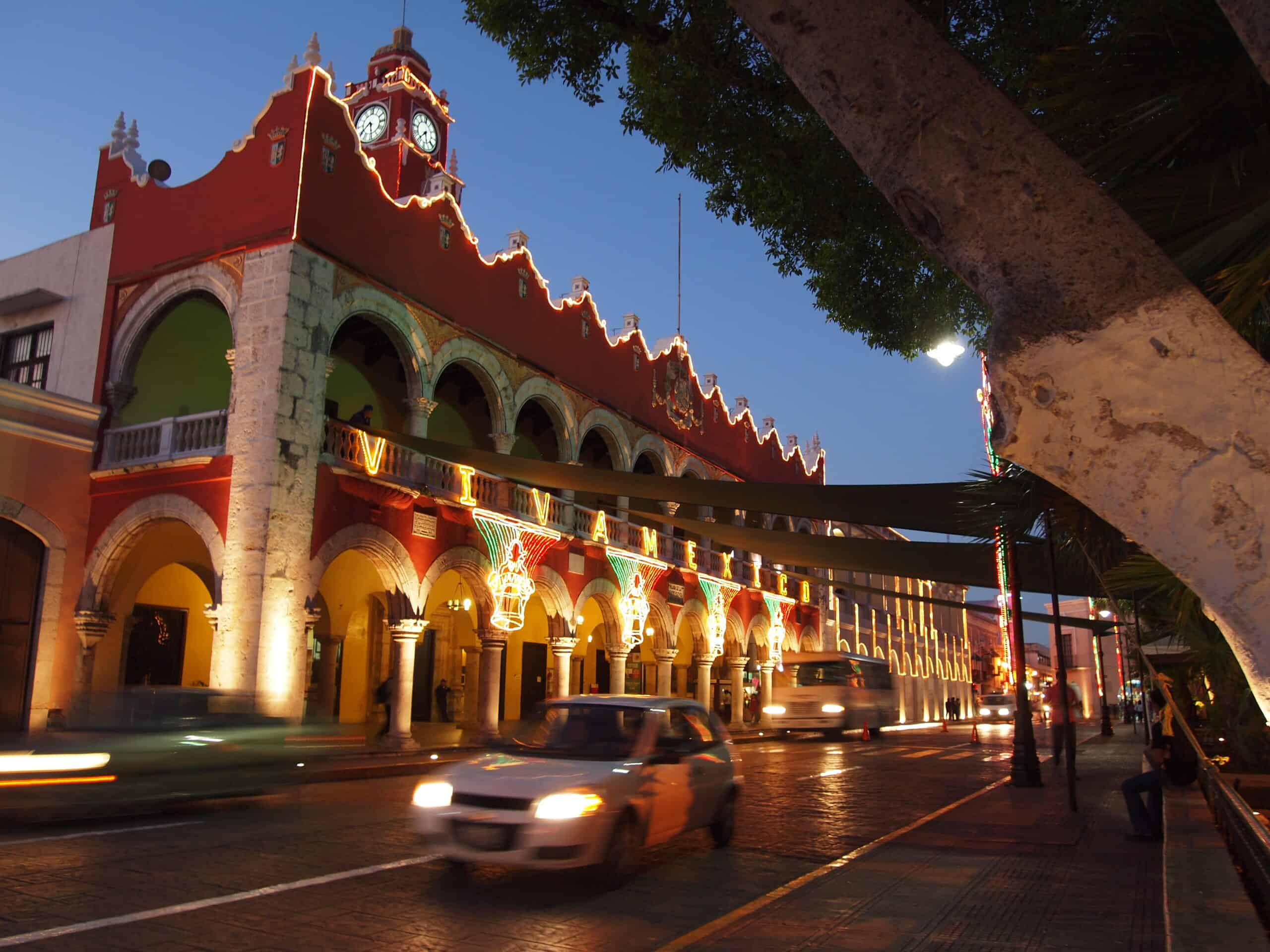
Mérida carries the calm confidence of a Yucatán capital, where evenings belong to plazas, live music, and people-watching that costs nothing, even in 2026’s peak months, and city-run cultural nights fill the calendar. Markets like Lucas de Gálvez keep breakfast and lunch cheap when panuchos, marquesitas, and cochinita pibil take the lead, and Plaza Grande plus Paseo de Montejo offer architecture and street life that ask only for a slow walk. Affordable colectivos and buses open the door to cenotes, Uxmal’s stone geometry, and quick Gulf escapes to Progreso, with Celestún’s mangroves nearby when nature feels essential for travelers on budgets.
Ho Chi Minh City, Vietnam
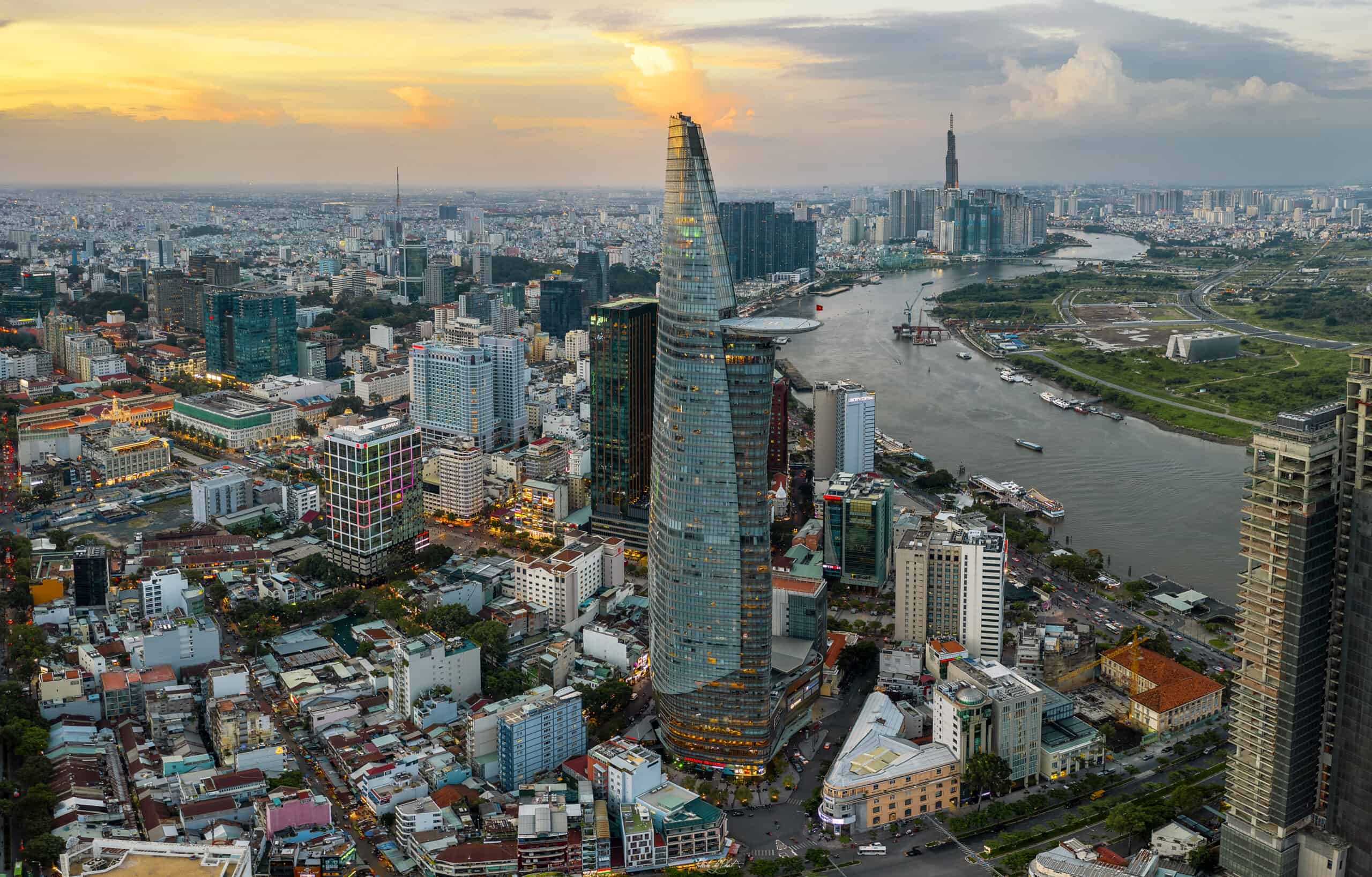
Ho Chi Minh City delivers one of the strongest budget-to-experience ratios in 2026, with street food, cafés, and neighborhood wandering doing most of the heavy lifting from morning to midnight. District One’s landmarks, District Three’s shaded lanes, and busy markets like Bến Thành can be stitched together with inexpensive rides and a bowl of noodles plus an iced coffee can stand in for a full meal when spending needs to stay tight. Day trips to the Mekong’s floating life or the Cu Chi tunnels add contrast without forcing a luxury upgrade, since local tours and buses keep prices approachable, and museums charge modest entry fees all day here.
São Paulo, Brazil
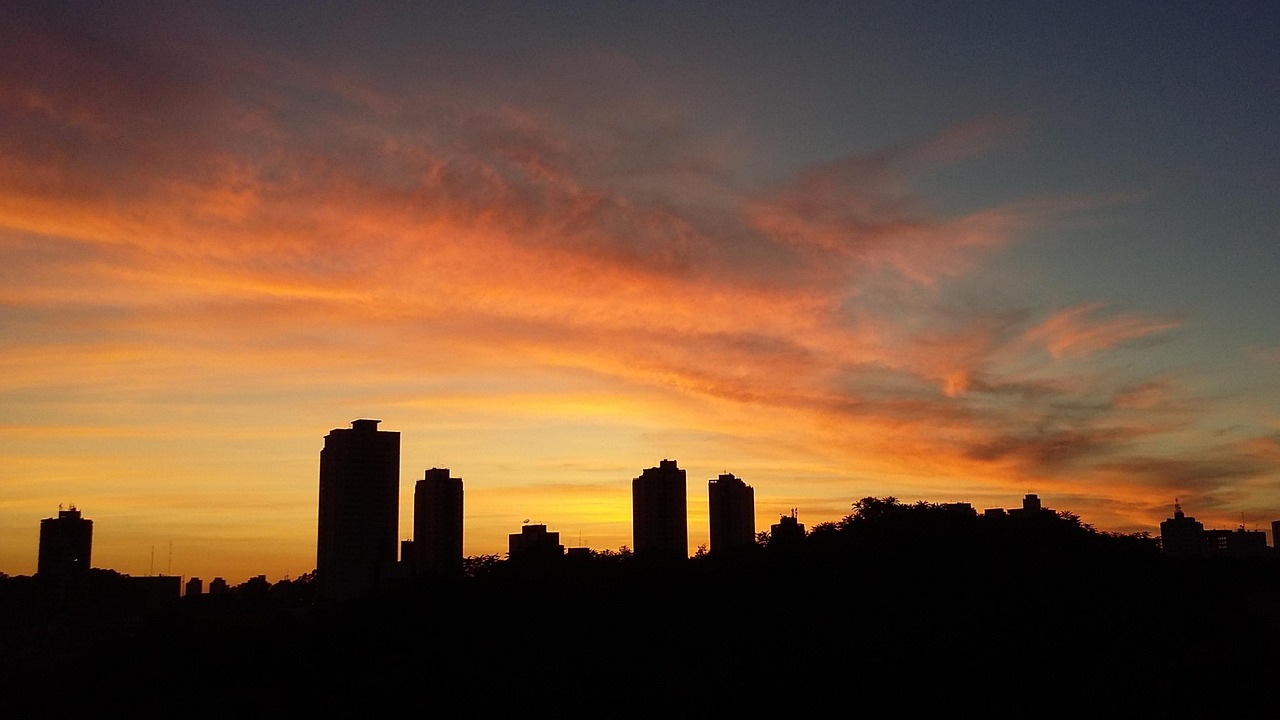
São Paulo can look pricey at first glance, yet local habits keep it surprisingly manageable for a sprawling cultural capital in 2026. Avenida Paulista offers free street life, and museums like MASP and the Pinacoteca often justify their modest fees with hours of art, while Ibirapuera Park handles the reset with lawns, lakes, and people-watching. Pay-by-weight lunch counters, corner bakeries, and the Mercado Municipal make meals flexible, and the metro connects Liberdade, Vila Madalena, and downtown so days can be built around neighborhoods instead of taxis, plus Sesc cultural centers, and weekend fairs keep entertainment low-cost after hours.
Bangkok, Thailand
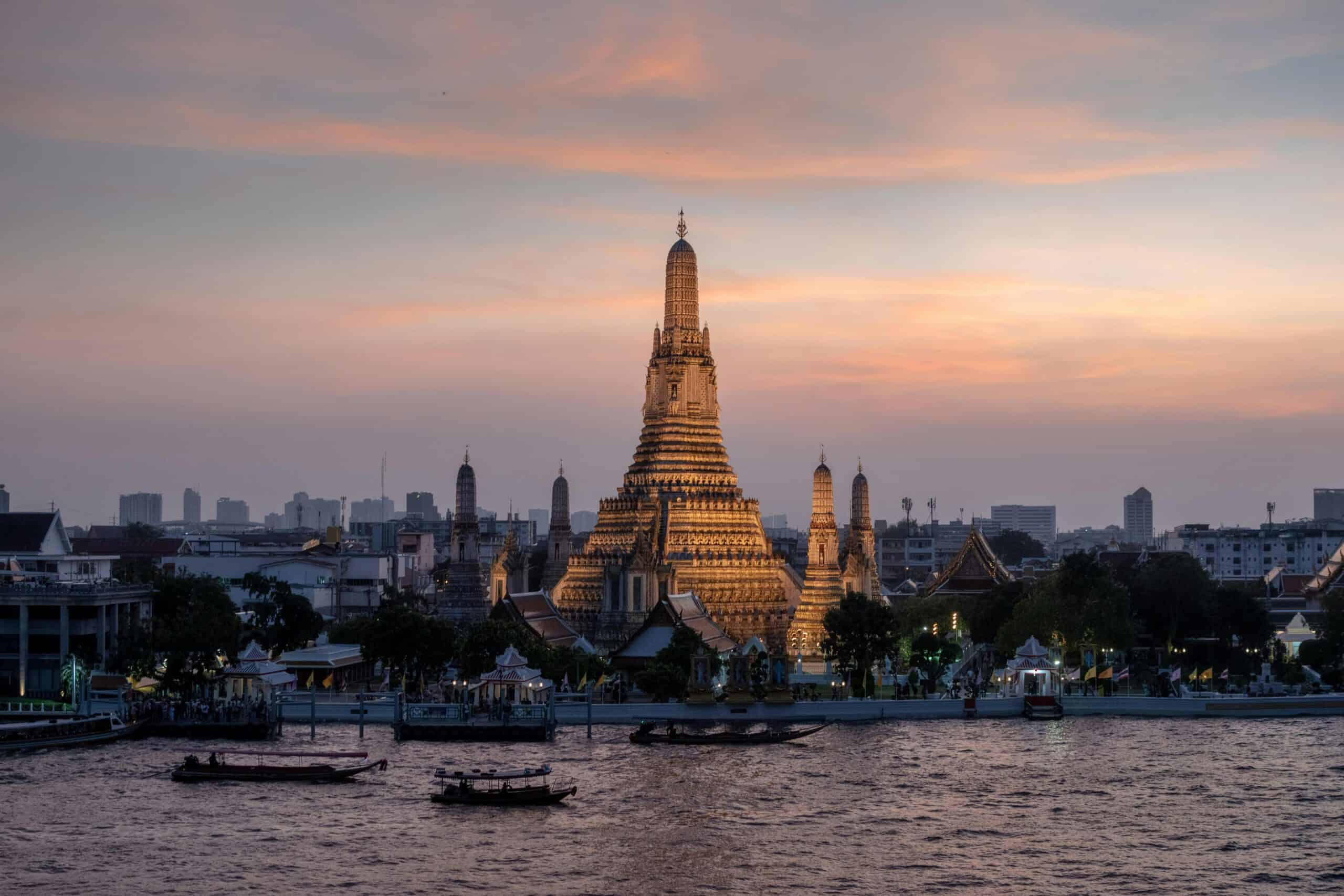
Bangkok stays a classic budget city because everyday life is built around inexpensive eats, fast transit, and sights that can be sampled in small, satisfying doses in 2026. River boats on the Chao Phraya and canal rides double as transport and scenery, and temple stops like Wat Arun or Wat Pho fit neatly between market snacks and fruit smoothies. Night markets handle dinner and souvenirs in one stop, and affordable rooms near the BTS lines keep the city’s glow close while leaving room in the budget for a quiet massage or a late dessert, and early mornings in Lumphini Park or Yaowarat add calm, cheap breakfasts, and cooler air, for slow walks.
Edmonton, Canada
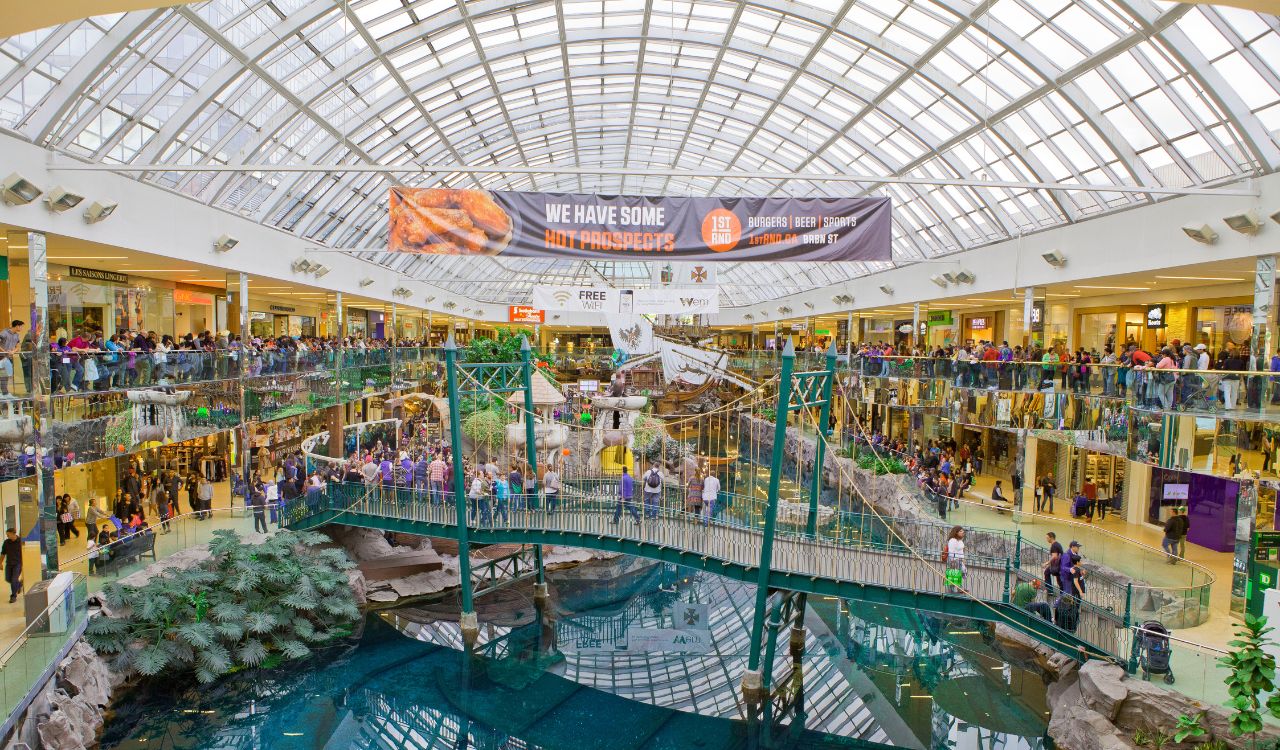
Edmonton is a budget surprise in 2026, offering a big urban playground without the sticker shock often tied to Canadian getaways, especially outside peak festival weekends. The River Valley trail system is essentially a free city park that runs for miles, and neighborhoods like Old Strathcona add street murals, indie shops, and low-cost bites that make evenings feel full. Transit passes simplify movement, and nearby Elk Island National Park or winter skating loops add nature and magic without the cost of a distant Rockies detour while shoulder-season hotel deals keep nights comfortable not cramped and local food halls stay easy on the wallet.
Kuala Lumpur, Malaysia
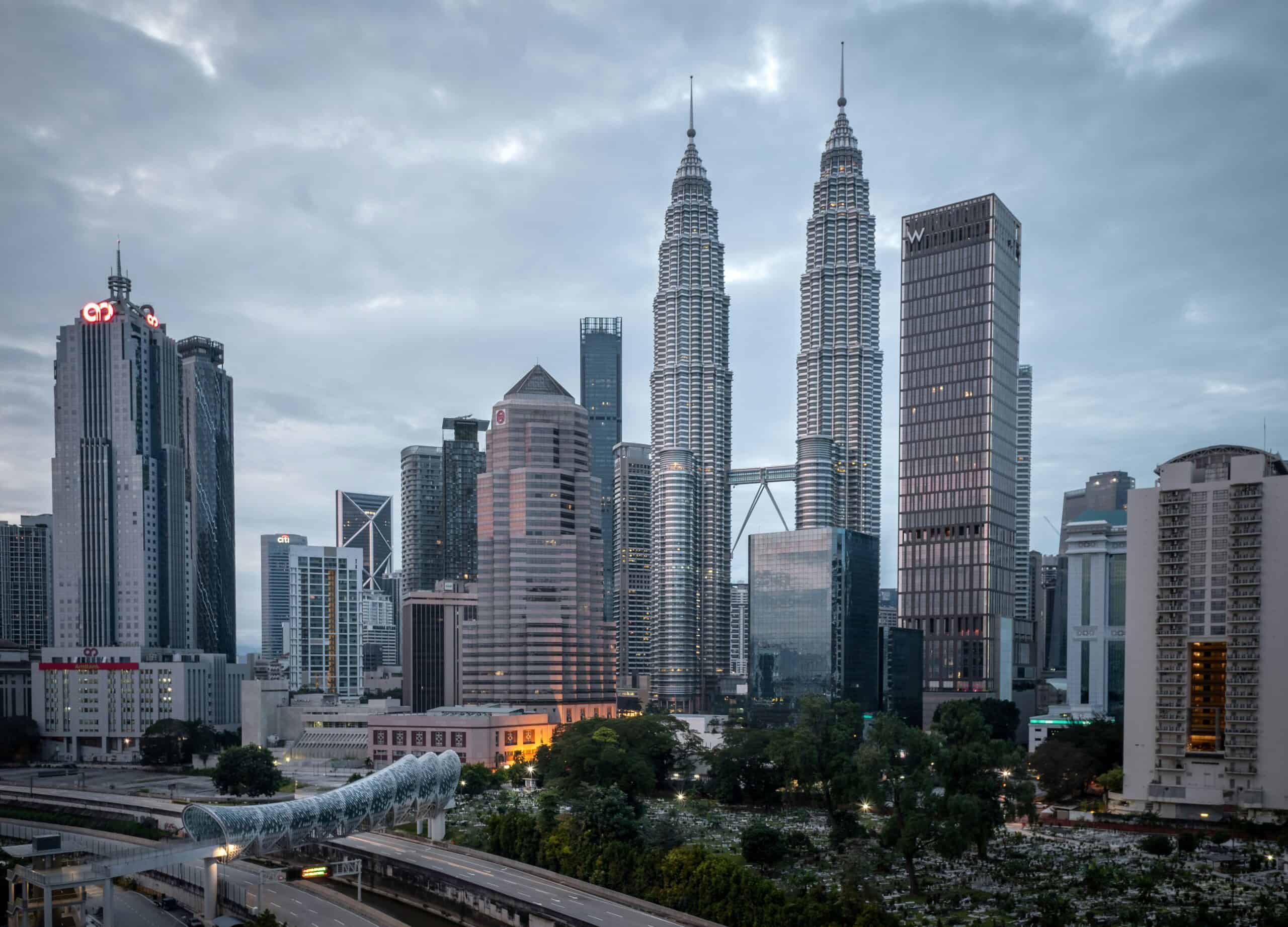
Kuala Lumpur makes budget travel feel polished, with modern trains, walkable pockets, and hawker stalls that serve deep flavor for modest prices in 2026. Jalan Alor brings smoky satay and noodles after dark, while KLCC Park and the city’s temples offer high-impact scenery without a ticket, and Batu Caves adds a dramatic half-day close to town. From there, cheap rail and buses connect Little India, Chinatown, and leafy gardens, so the trip can swing from street markets to quiet mosques without costs creeping upward while an easy side trip to Putrajaya adds grand architecture and lakeside calm for very little once rail tickets are planned now.
Santo Domingo, Dominican Republic
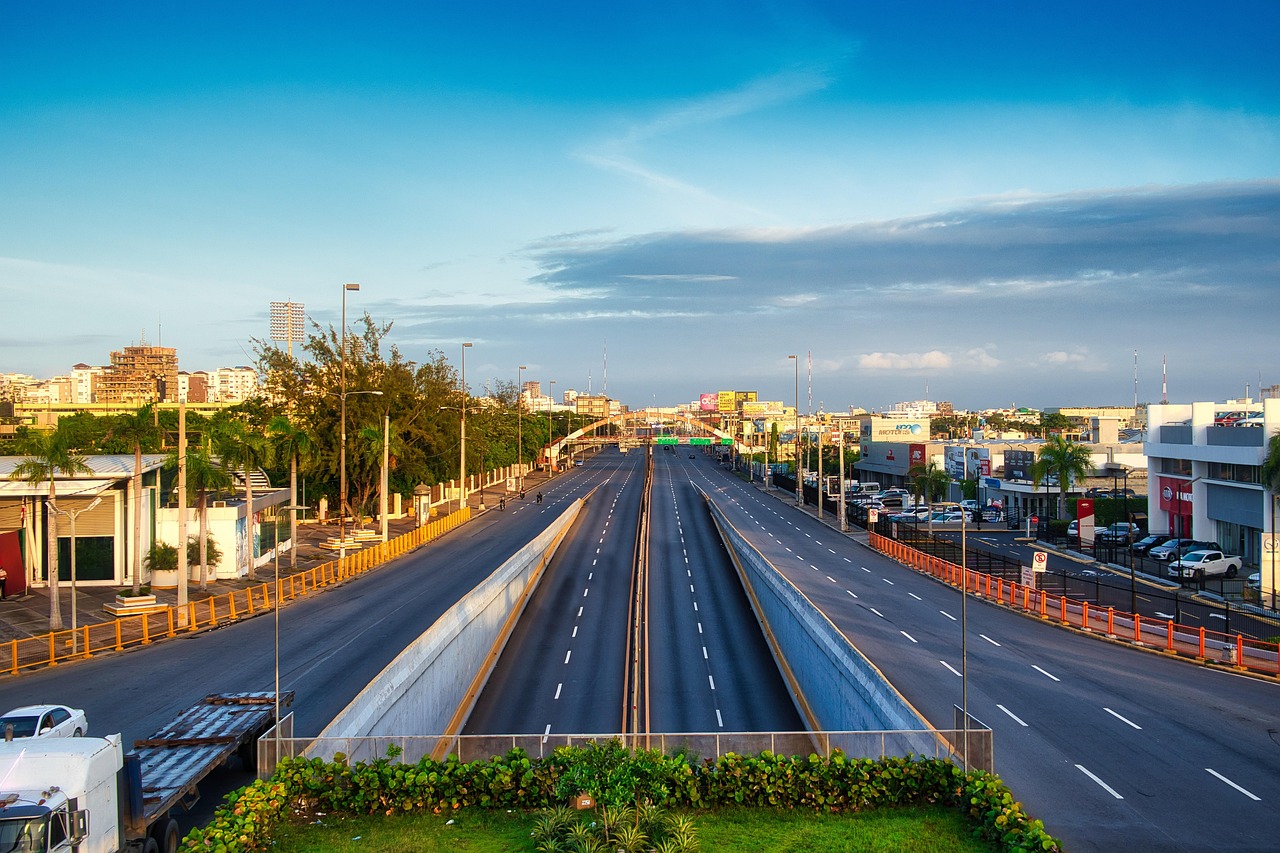
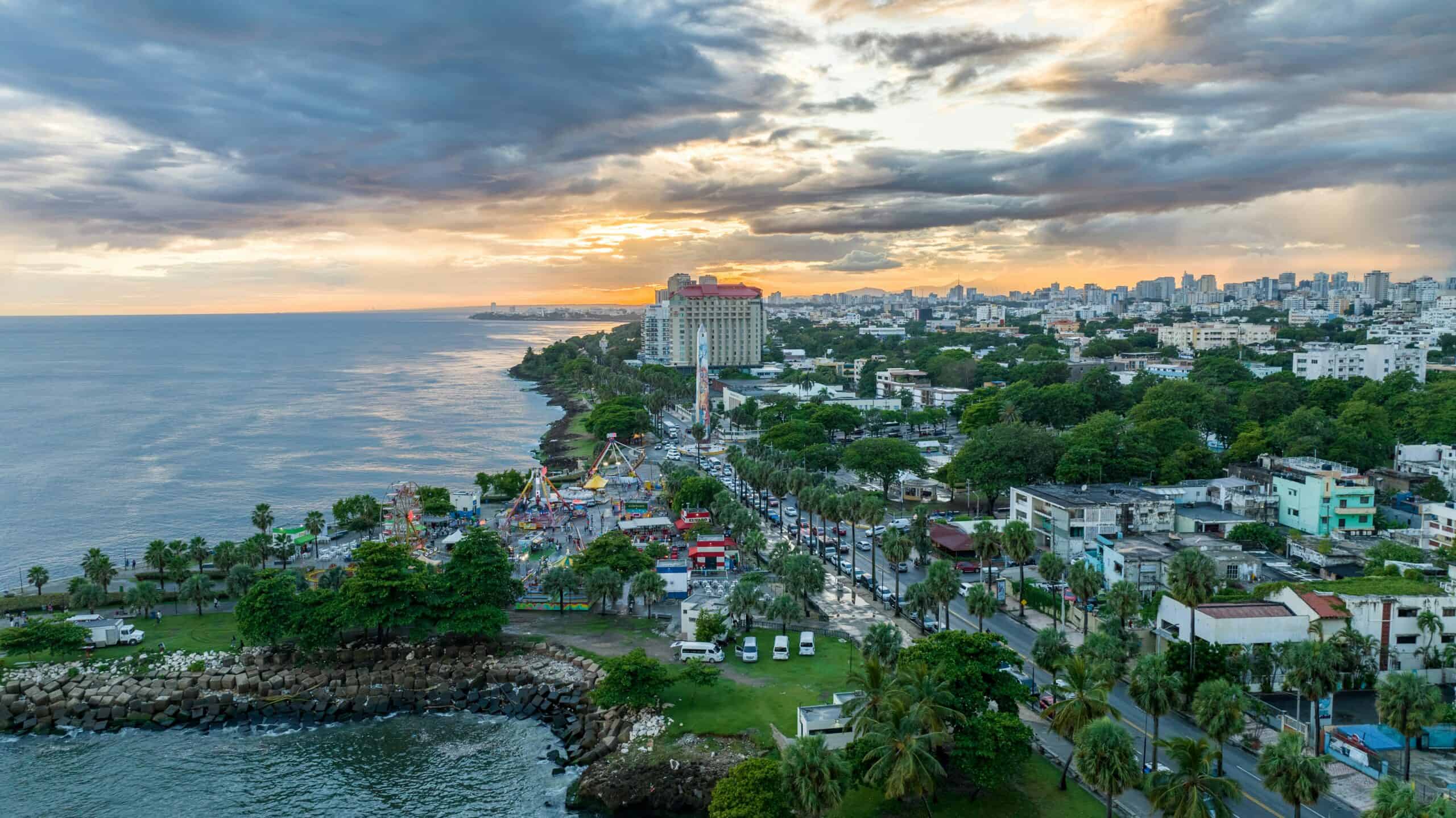
Santo Domingo blends Caribbean warmth with a historic core that is easy to explore on foot, which helps a budget stretch further than expected in 2026, even when flights elsewhere feel steep. The Zona Colonial offers the Alcázar de Colón, Fortaleza Ozama, street cafés, and shaded squares that invite slow wandering rather than pricey tours, and the Malecón delivers ocean air and sunset views for the cost of a cold drink. Local bakeries and casual comedor counters keep meals light on the wallet, while short rides to Boca Chica or Los Tres Ojos add an easy escape without resort-level markups and merengue nights, often start with no cover charge.
Tbilisi, Georgia
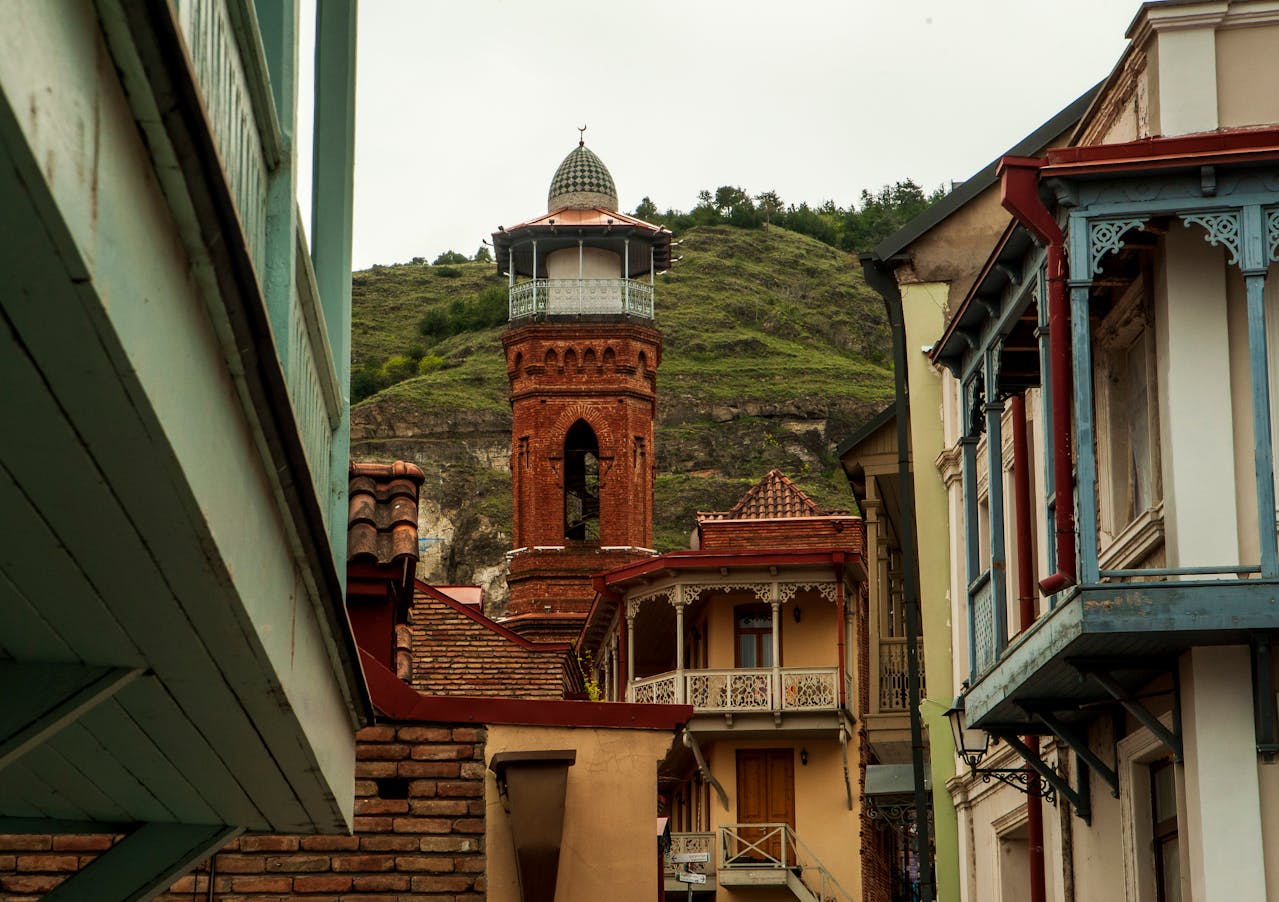
Tbilisi feels tailor-made for travelers who want rich culture without luxury pricing in 2026, especially in the old town where guesthouses and cafés stay approachable. Cobbled lanes lead to sulfur baths, hilltop churches, and the Narikala views, while hearty plates like khinkali and khachapuri keep dining simple and filling. The metro and marshrutka minibuses make day trips to Kakheti wine villages or mountain valleys realistic on a modest plan, and the Dry Bridge market turns souvenir hunting into a low-cost stroll where bargaining is part of the charm and a wine tasting can stay low cost for most budgets after museum stops on Rustaveli too.
Tirana and Berat, Albania
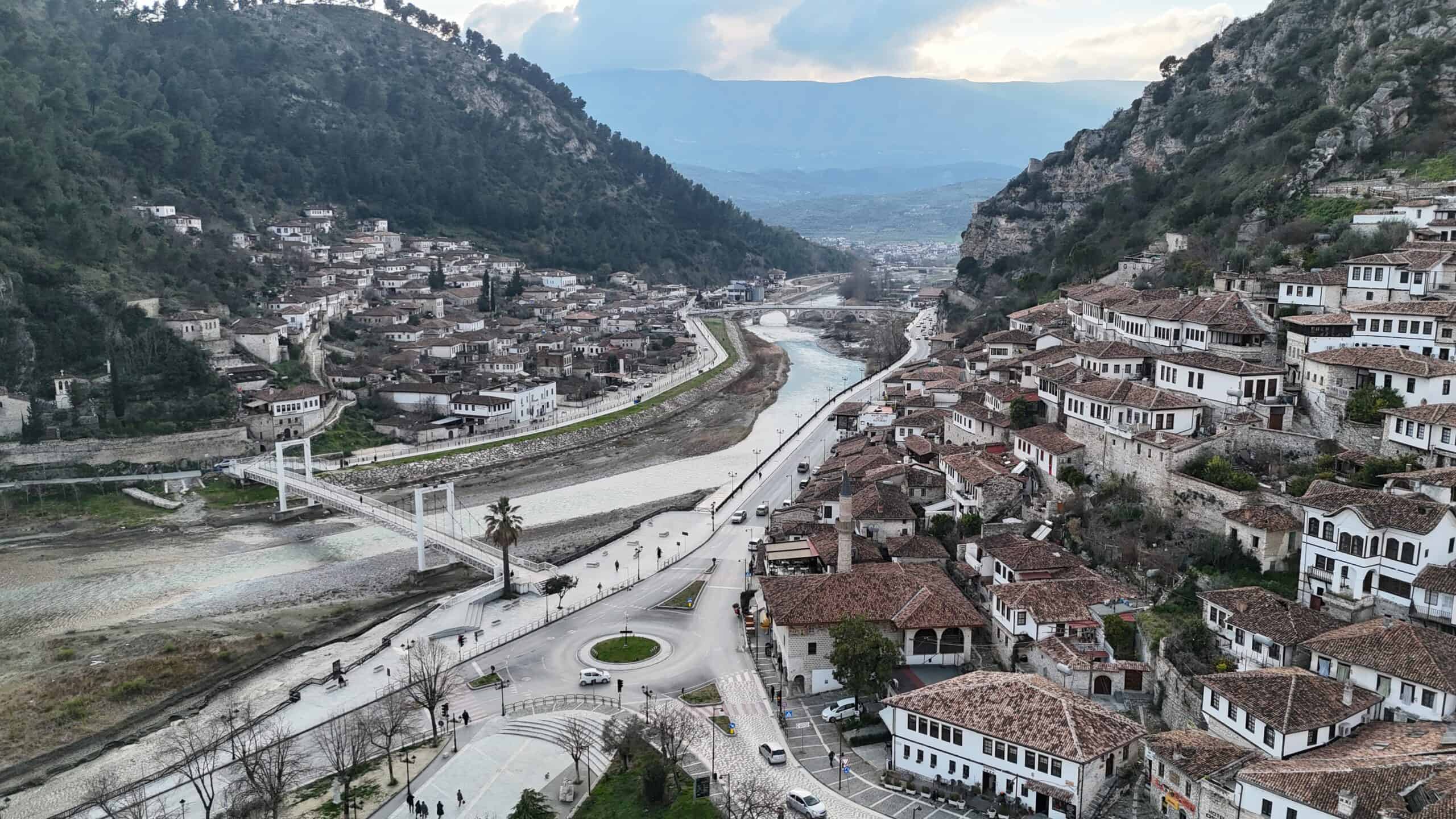
Albania is still one of Europe’s best-value corners in 2026, mixing Adriatic views with inland history at prices that feel closer to the Balkans than the Riviera. Tirana’s café culture, bunkers-turned-museums, and lively squares set the tone, then buses roll toward Berat’s stone houses and Gjirokastër’s fortress streets for a slower pace. Fresh seafood on the coast and family-run stays inland keep costs steady, and short hikes or beach days near Ksamil can feel lavish without the premium especially when travel is timed for late spring or early fall, when sea towns stay calm and prices drop, and Butrint’s ruins stay nearby on simple day trips.