We may earn money or products from the companies mentioned in this post. This means if you click on the link and purchase the item, I will receive a small commission at no extra cost to you ... you're just helping re-supply our family's travel fund.
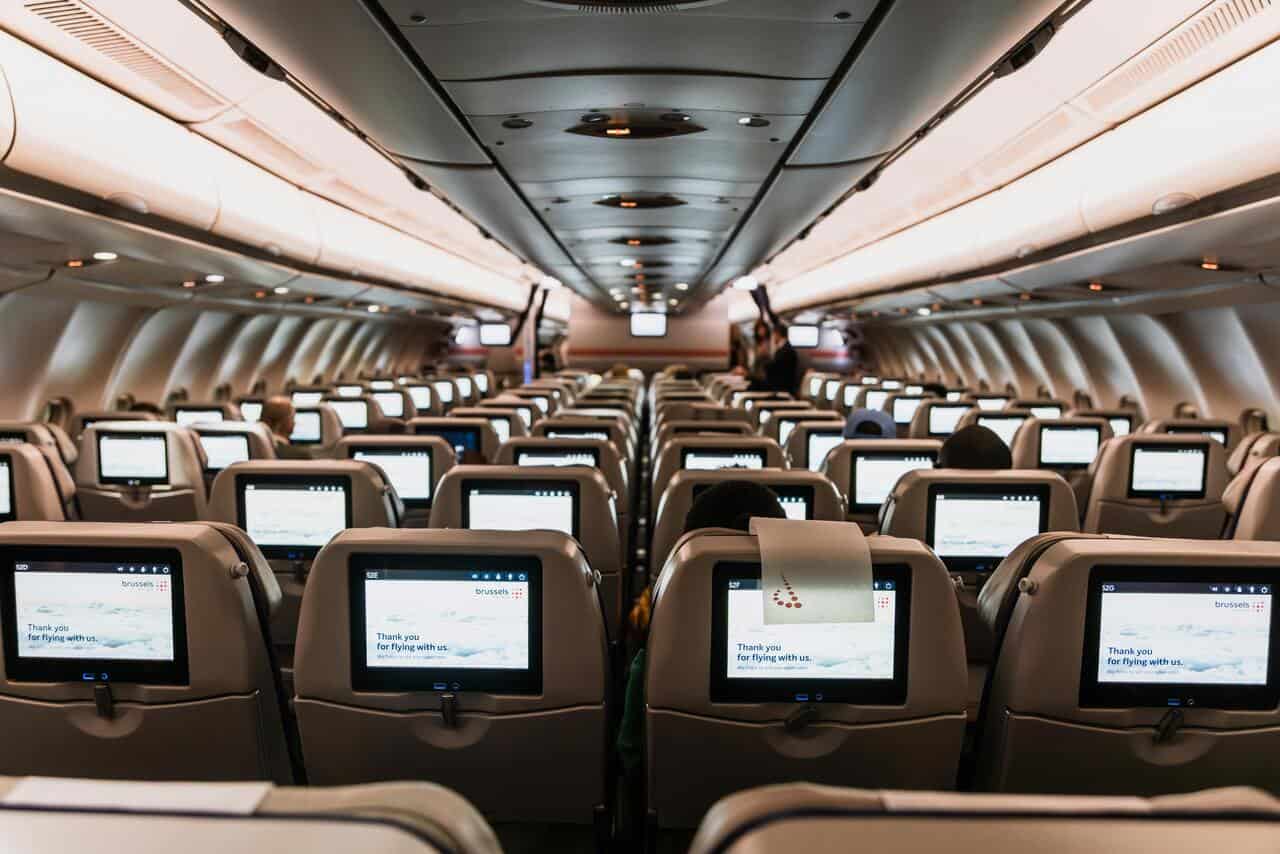
Boarding may look chaotic from a passenger’s perspective, but crew members operate under tight schedules, often aiming to load more than 150 travelers in under 25 minutes. That pressure makes small behaviors stand out sharply, especially those that disrupt the flow or create avoidable tension. These insider insights explain the habits that frustrate crews most, revealing how a few seconds of delay per person can snowball into major slowdowns across an entire aircraft.
1. The Passenger Who Treats the Aisle Like a Storage Zone
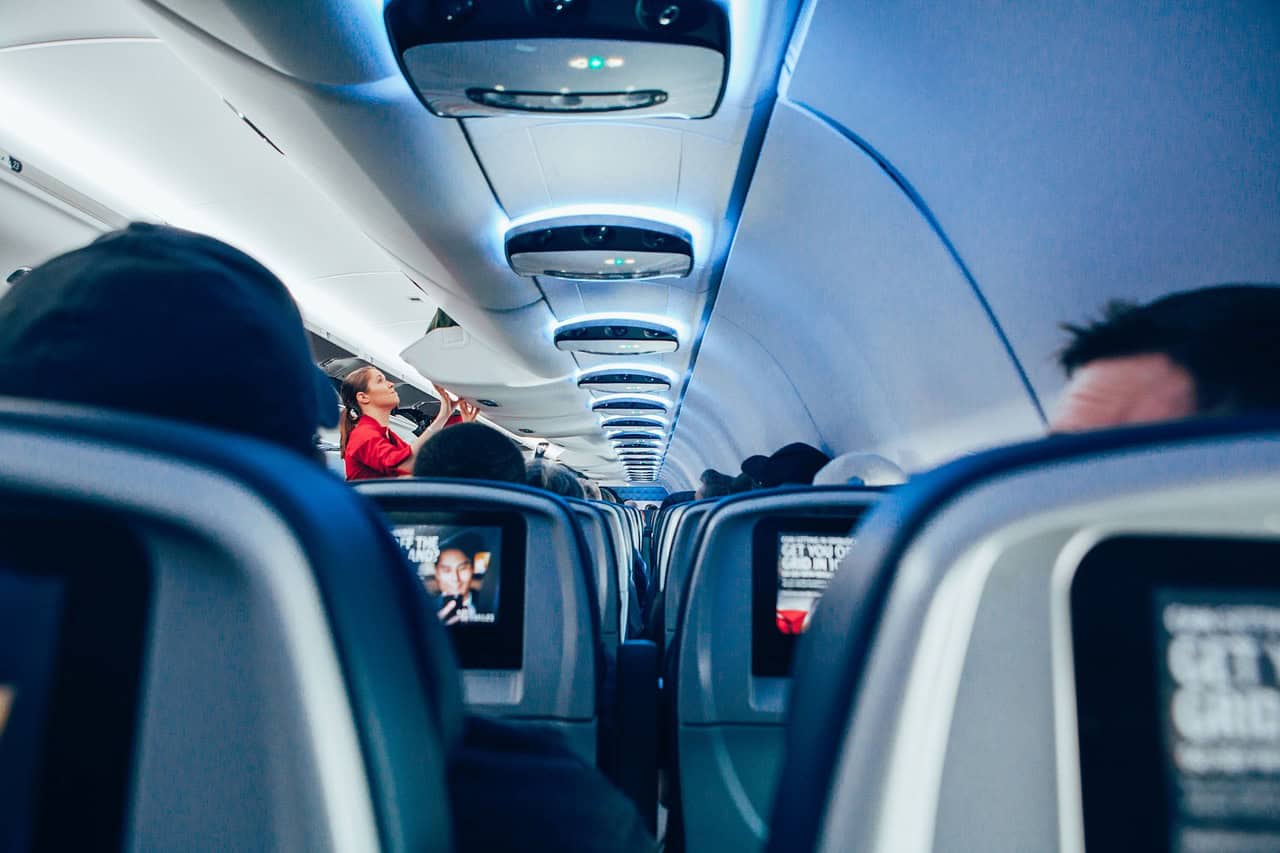
Crew members notice instantly when someone blocks the aisle while unpacking multiple items often five or more, before even sitting down. This behavior slows boarding by an estimated 20 to 40 seconds per person, which adds up quickly on planes with 25 or more rows. The issue isn’t the luggage itself but the lack of awareness, as people behind them can’t move forward. For crews racing against schedule pressure, this single habit becomes a predictable choke point.
2. The Traveler Who Claims Extra Overhead Space
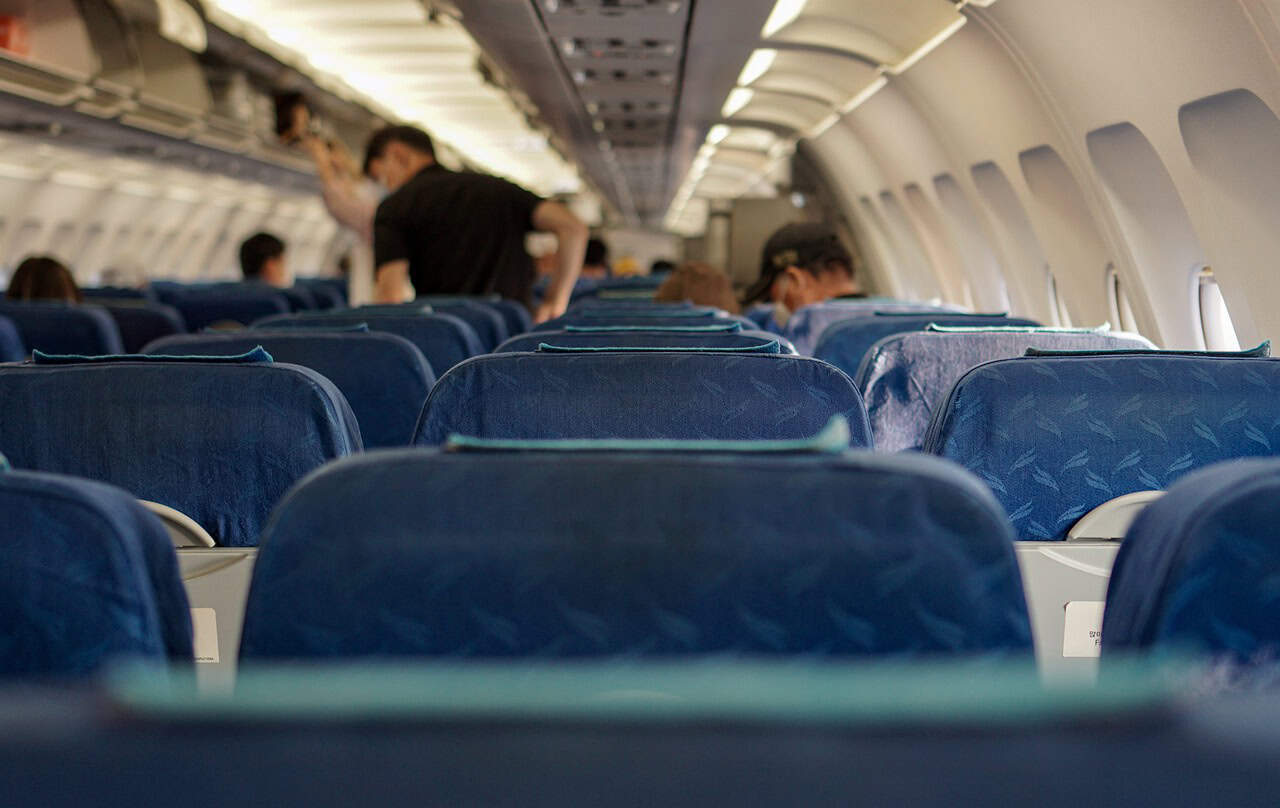
Many aircraft bins are designed to fit two standard 22-inch bags per section, yet some passengers still stash small items that should remain under the seat. Studies show that when bins fill prematurely by even 10 percent, boarding time increases by up to six minutes. Crew members dislike mediating disputes caused by a single person spreading belongings across three or more slots. It creates tension, slows boarding, and forces unnecessary gate-checking for others.
3. The Seat-Swapper Who Assumes Rules Are Flexible
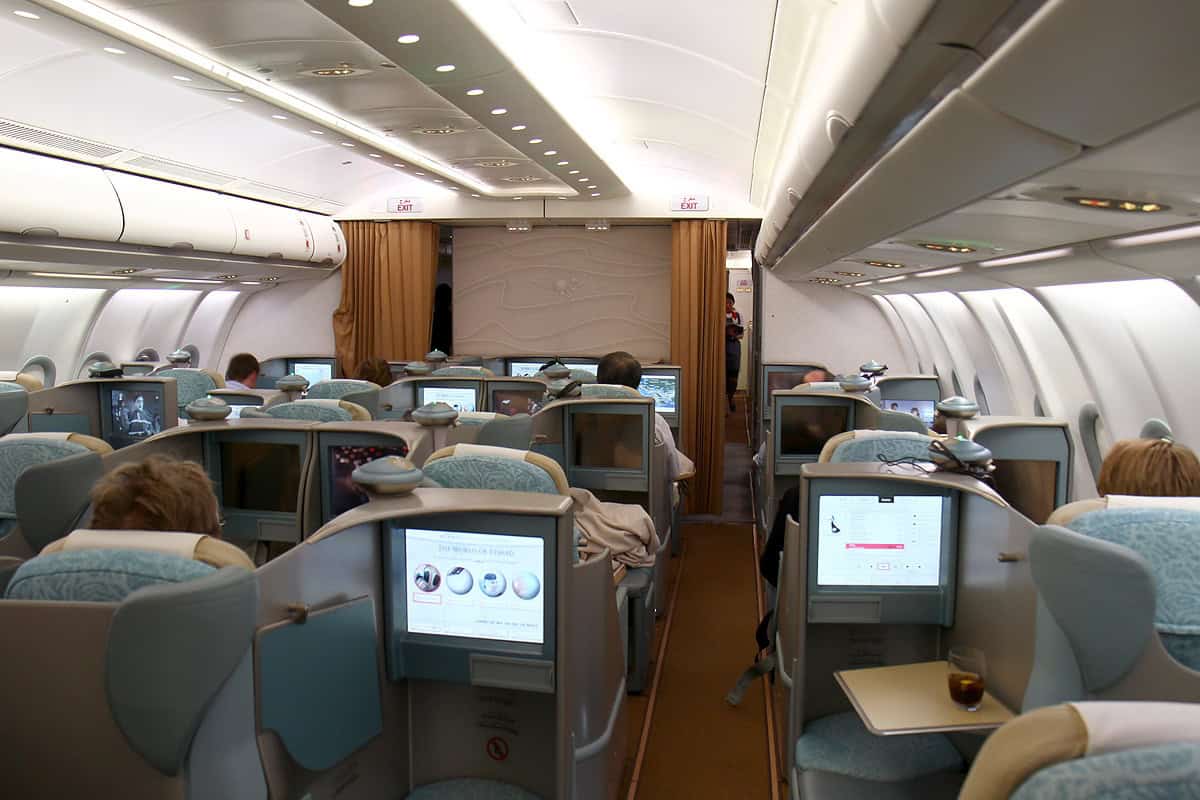
Crews frequently deal with passengers sitting in the wrong seat, a situation that can delay boarding by 30 to 90 seconds per interaction. On planes with over 180 passengers, even five such incidents cause noticeable slowdowns. Flight attendants dislike enforcing seating charts because it creates awkward confrontations that could have been avoided entirely. When people assume they can switch without asking, it forces the crew into referee mode, adding stress to tightly timed operations.
4. The Talker Who Engages Crew During High-Pressure Minutes
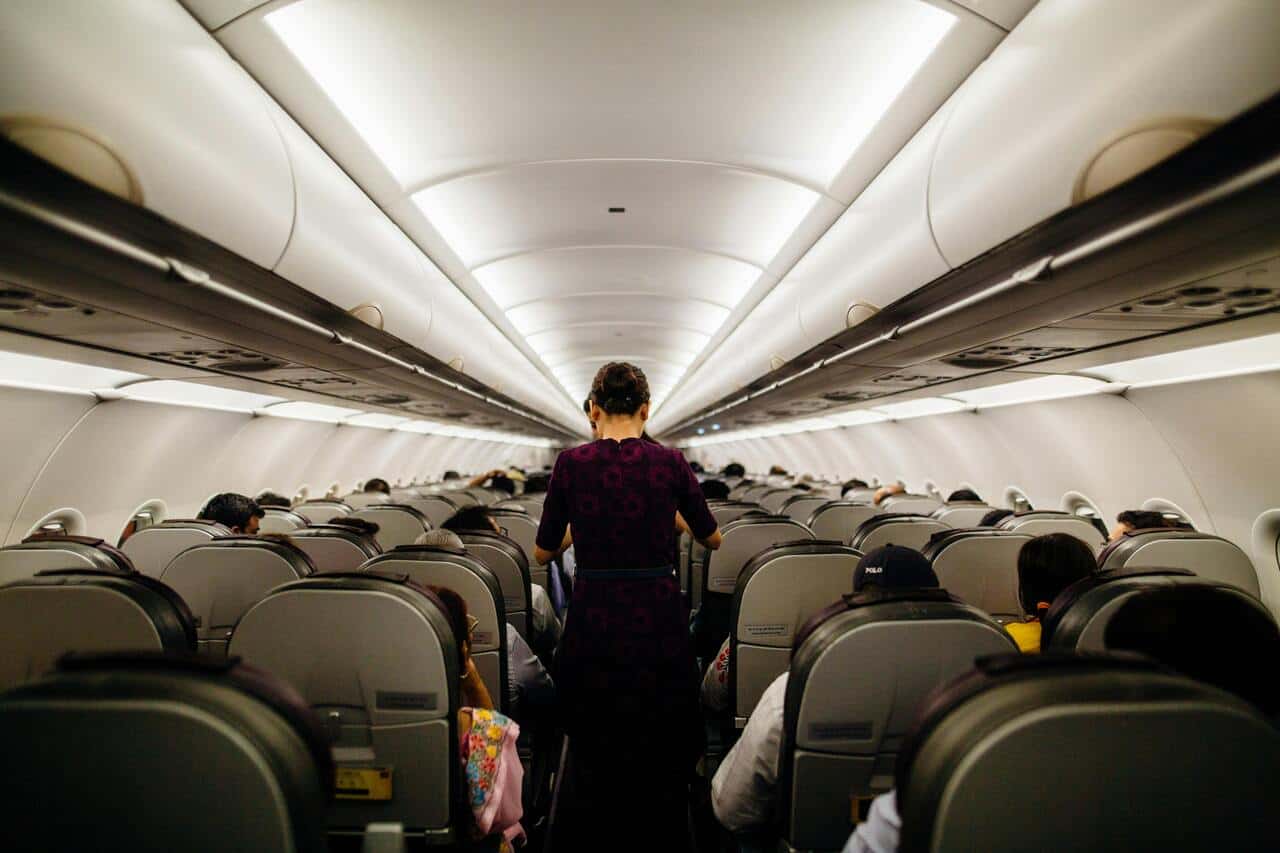
During boarding, attendants may complete up to 40 required checks, making interruptions especially disruptive. Passengers who ask multiple questions or share long stories slow progress by diverting attention at the worst time. Crew members appreciate friendliness, but timing matters: even a conversation lasting just 20 seconds can cause small delays that ripple through a cabin still filling with nearly 200 people. It’s a habit that unintentionally burdens the crew’s workflow.
5. The Passenger Who Forces Bags Into Tight Spaces
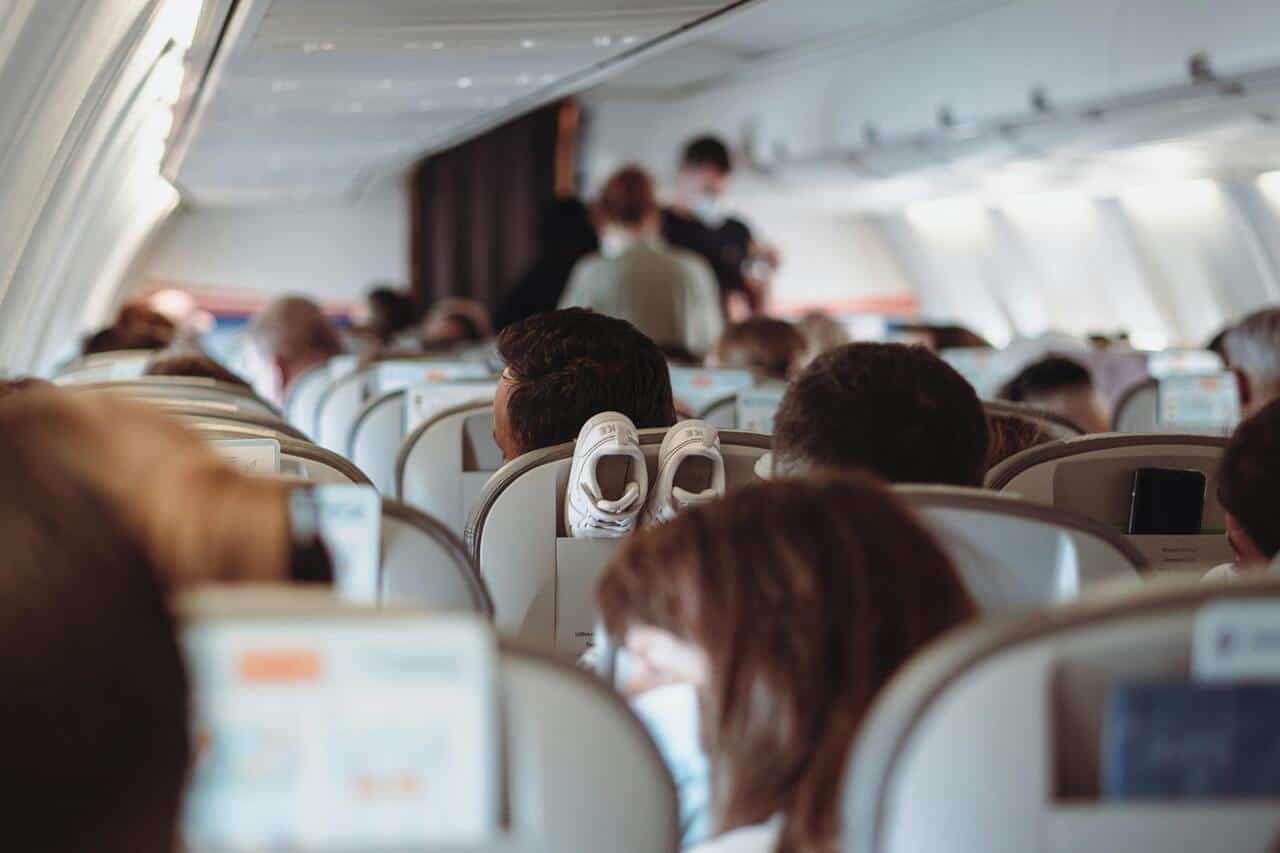
Some travelers attempt to shove oversized luggage often exceeding the 9-inch depth allowance into bins clearly too small. Forcing luggage can crack interior panels, a repair that airlines report can cost hundreds of dollars and cause future delays. Crew members dislike stopping to intervene because it costs valuable seconds and triggers arguments. A single jammed bin can delay an entire row, forcing attendants to reorganize storage for as many as 20 surrounding passengers.
6. The Stand-In-The-Aisle When Your Row Is Five Steps Away
Passengers often stop directly in the aisle without stepping into their assigned row, creating what crews call “micro-traffic blocks.” Each instance can add 10 to 15 seconds of delay for every person behind them. Multiply that by 50 passengers during peak boarding and the impact becomes obvious. Crew members dislike continually asking people to move aside, especially when the fix requires only one extra step into the row. It’s a small habit with big consequences.
7. The Gate-Check Debater Who Argues at the Worst Time
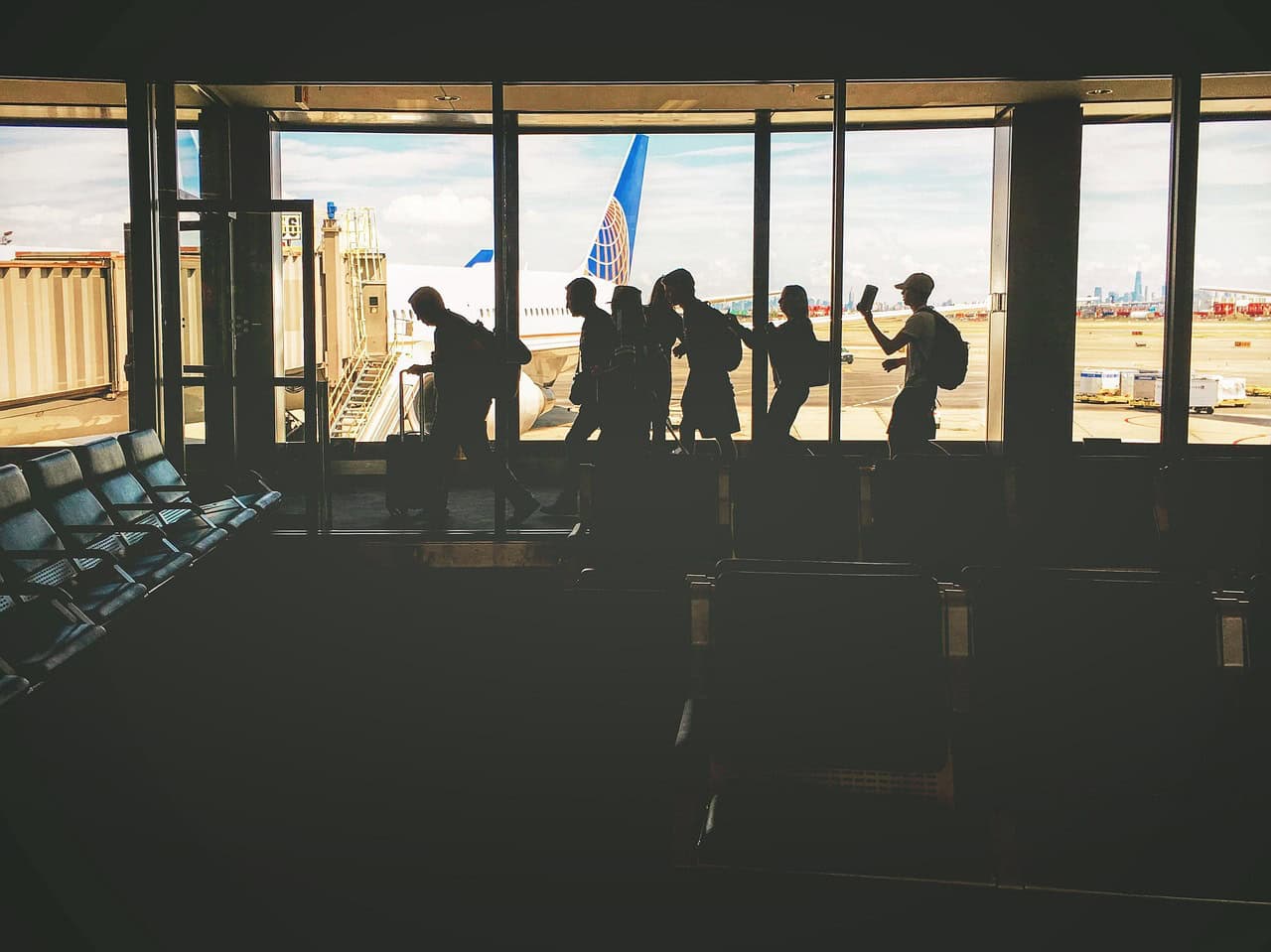
When overhead bins are full, often around 85 percent capacity, crew members must gate-check bags quickly. Passengers who argue add one to three minutes of delay per confrontation, creating tension throughout the queue behind them. With airlines aiming for strict turnaround times, this slow dispute becomes a major frustration. Even one person insisting their oversized bag “always fits” can disrupt the crew’s rhythm and create a domino effect across the remaining boarding window.
8. The Early Recliner Who Ignores Timing and Space
Reclining before takeoff forces the person behind to navigate awkwardly while stowing belongings and can delay their settling by 20 to 30 seconds. Crew members often remind early recliners two or three times before departure, which becomes repetitive and time-consuming. On larger aircraft, even 10 people doing this creates noticeable slowdowns. It signals disregard for cabin flow during the most congested minutes, making that row feel more demanding from the start.
9. The Passenger Doing Aisle Yoga During Boarding
Stretching routines in the aisle like lifting legs, bending sideways, or twisting backward, reduce the walkway’s width by as much as 30 percent. This forces other passengers to squeeze through or wait, slowing movement by up to 15 seconds per person. Crew members dislike having to constantly direct people to step aside when simple courtesy would prevent the obstruction. Even well-meaning stretching becomes disruptive when 100 people are still trying to reach their seats.
10. The Settler Who Creates Clutter Before Takeoff
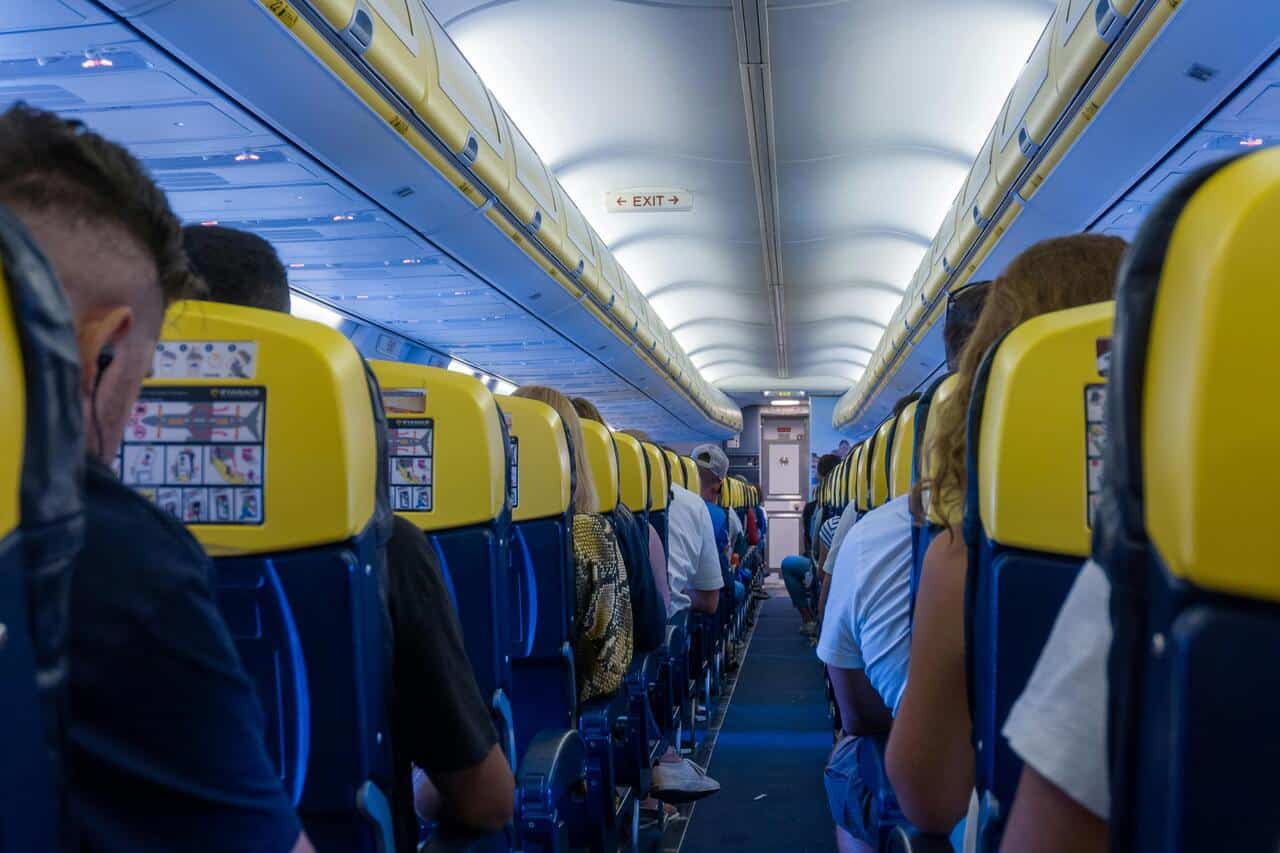
Some passengers unbuckle, unpack multiple items, remove shoes, and spread food or devices instantly upon sitting. This creates clutter that complicates safety checks and adds extra reminders for the crew. On average, flight attendants must follow up with such rows two to four times before departure. This slows final compliance and creates friction under time pressure. While getting comfortable is natural, doing it before boarding completes adds unnecessary workload for the crew.
11. The Row That Pretends Instructions Aren’t For Them
On nearly every flight, at least one row ignores instructions such as placing bags under seats or switching devices to airplane mode. This forces attendants to repeat themselves, adding 30 to 60 seconds of delay per reminder. Crew members cannot proceed until everyone complies, so one unresponsive row affects passengers in 10 to 15 rows around them. It’s a habit that instantly labels that section as high-maintenance and slows pre-departure checks significantly.
12. The Passenger Who Reports Tiny Problems at Bad Moments
Crews appreciate safety awareness, but reporting minor concerns like a wobbly tray table or slightly dim light, during active boarding is poorly timed. These issues often take one to two minutes to evaluate, and when multiplied across several rows, they stall the entire boarding sequence. Crews prefer to handle non-urgent problems after everyone is seated, as this preserves pace. Bringing them up too early disrupts workflow and makes your row feel more demanding than necessary.