We may earn money or products from the companies mentioned in this post. This means if you click on the link and purchase the item, I will receive a small commission at no extra cost to you ... you're just helping re-supply our family's travel fund.
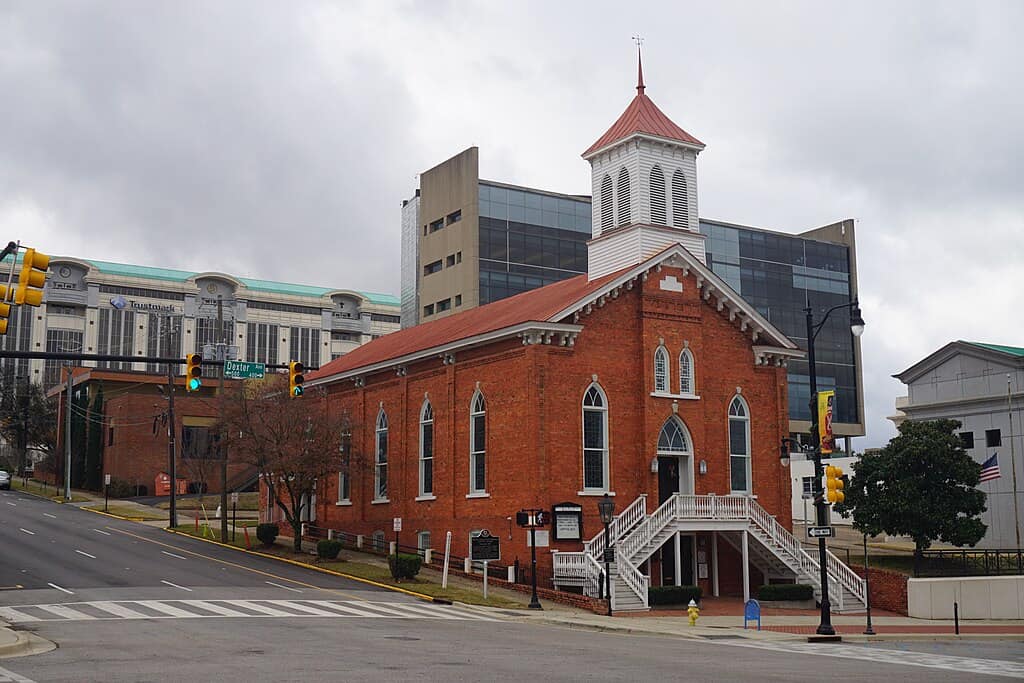
Across the United States, there are sacred pathways where history feels alive, and every mile carries memory, emotion, and courage. These pilgrimage routes do more than tell Black heritage stories, they place travelers inside moments that shaped democracy, resilience, culture, and identity. From cities where songs of freedom were born to roads where ordinary people risked everything for justice, each route invites reflection, respect, and a deeper understanding of America’s past and present. Whether you are traveling to learn, to honor ancestors, or simply to feel history beneath your feet, these twelve journeys offer truth, beauty, and unforgettable meaning.
1. Selma to Montgomery National Historic Trail : Alabama

This 54-mile route follows the 1965 voting rights marches where peaceful demonstrators faced brutal violence and forever altered U.S. law. Travelers walk across the Edmund Pettus Bridge, visit three national interpretive centers, and learn through recorded testimonies and preserved evidence. The march lasted 5 days, involved thousands, and influenced the Voting Rights Act signed that same year. Today, more than 600,000 visitors annually come here to honor sacrifice, reflect on democracy, and understand the extraordinary bravery behind a historic victory.
2. Harriet Tubman Underground Railroad Byway : Maryland to Delaware
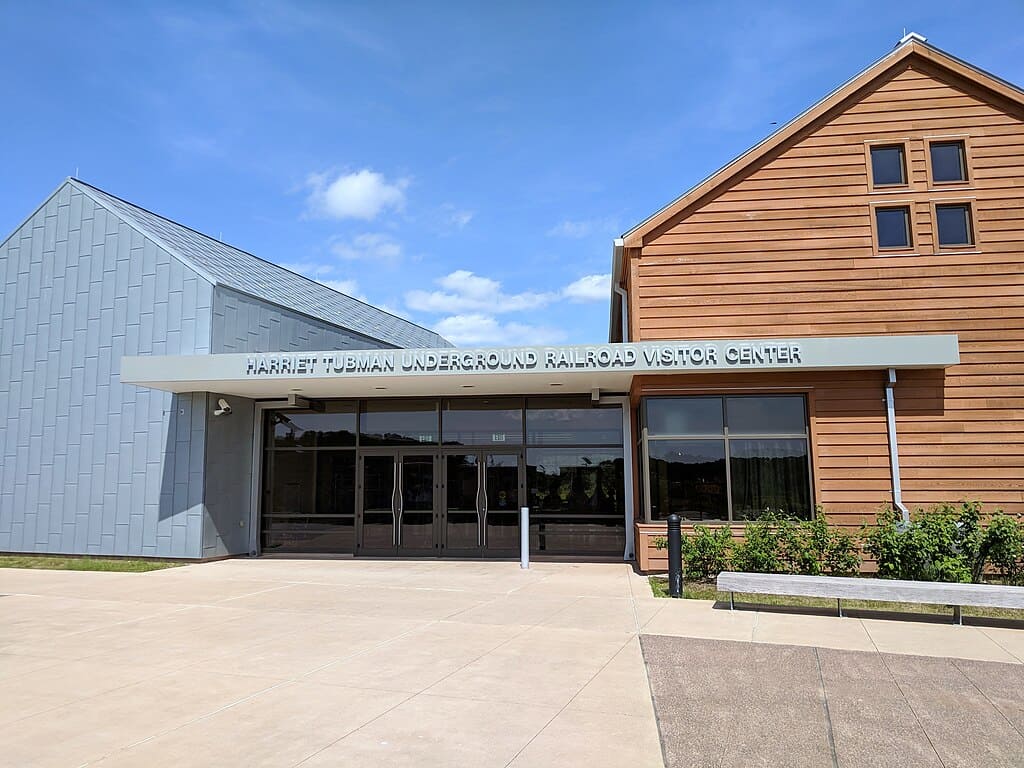
Stretching over 125 miles, this pilgrimage follows the courageous freedom missions led by Harriet Tubman, who personally rescued around 70 enslaved people during at least 13 daring journeys. Travelers encounter safe houses, marshlands, churches, and quiet countryside roads that once formed secret escape networks. Museums preserve documented accounts, while marked heritage stops share verified stories and artifacts. This route offers insight into 19th-century risk, faith, discipline, and leadership, reminding visitors how one woman’s determination changed the destiny of countless lives.
3. U.S. Civil Rights Trail : Multi-State South

Covering more than 15 states and linking over 120 officially recognized sites, this expansive pilgrimage connects many of the most important locations in the Civil Rights Movement. Travelers stand in historic churches, courthouses, schools, jails, and neighborhoods where protests, marches, and legal battles reshaped U.S. law. Sites like Birmingham, Atlanta, Little Rock, and Jackson collectively welcome hundreds of thousands of visitors every year. Detailed exhibits, preserved artifacts, documentary records, and powerful memorial spaces make this journey both educational and emotionally unforgettable.
4. Montgomery Legacy Sites : Alabama

Montgomery is one of the most powerful remembrance destinations in America, home to the National Memorial for Peace and Justice and The Legacy Museum. More than 800 steel monuments represent documented lynching victims from 12 states, forming an overwhelming visual acknowledgment of historical violence. Exhibits trace nearly 400 years of injustice from slavery through segregation to modern incarceration using records, interviews, and verified research. Since opening, millions have visited these sites, turning Montgomery into a deeply reflective pilgrimage city confronting truth with dignity.
5. Boston Black Heritage Trail : Massachusetts
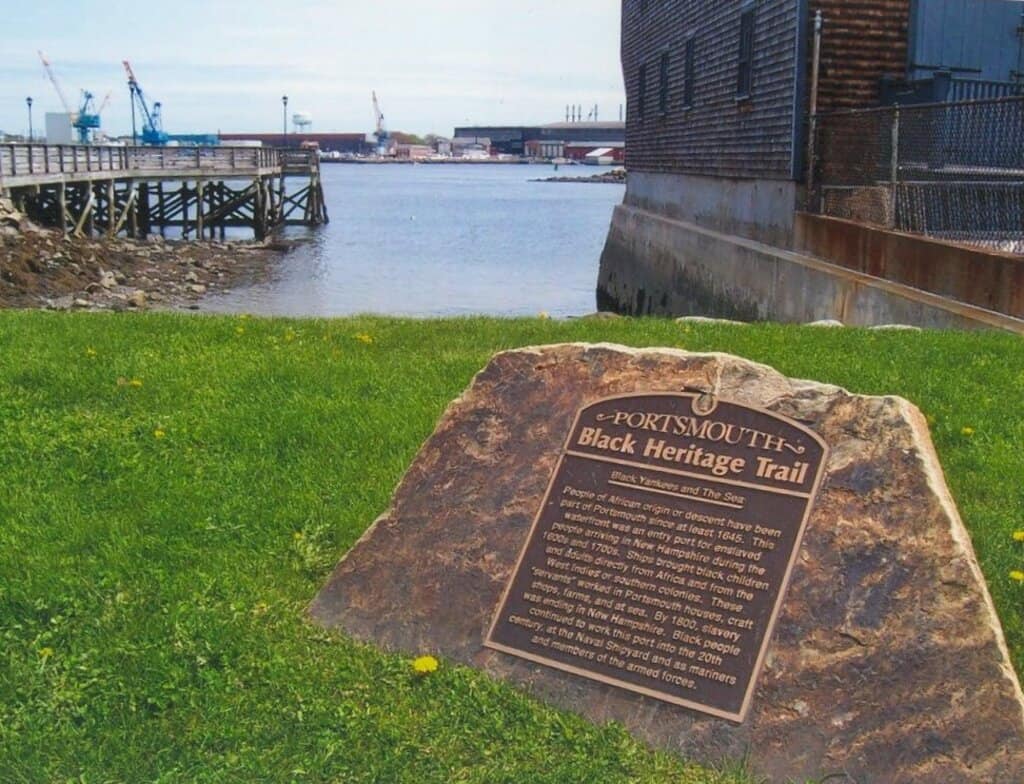
This 1.6-mile trail in Beacon Hill reveals one of the earliest organized free Black communities in the United States, active since the late 1700s. It connects 14 historically protected locations including homes, meeting halls, and schools where abolitionist strategies were planned and civil rights debates were led. The African Meeting House, founded in 1806, remains one of the nation’s oldest Black churches. Guided tours, plaques, and archives help travelers explore more than 200 years of leadership, activism, education, and proud cultural identity.
6. Gullah Geechee Cultural Heritage Corridor : Southeast Coast
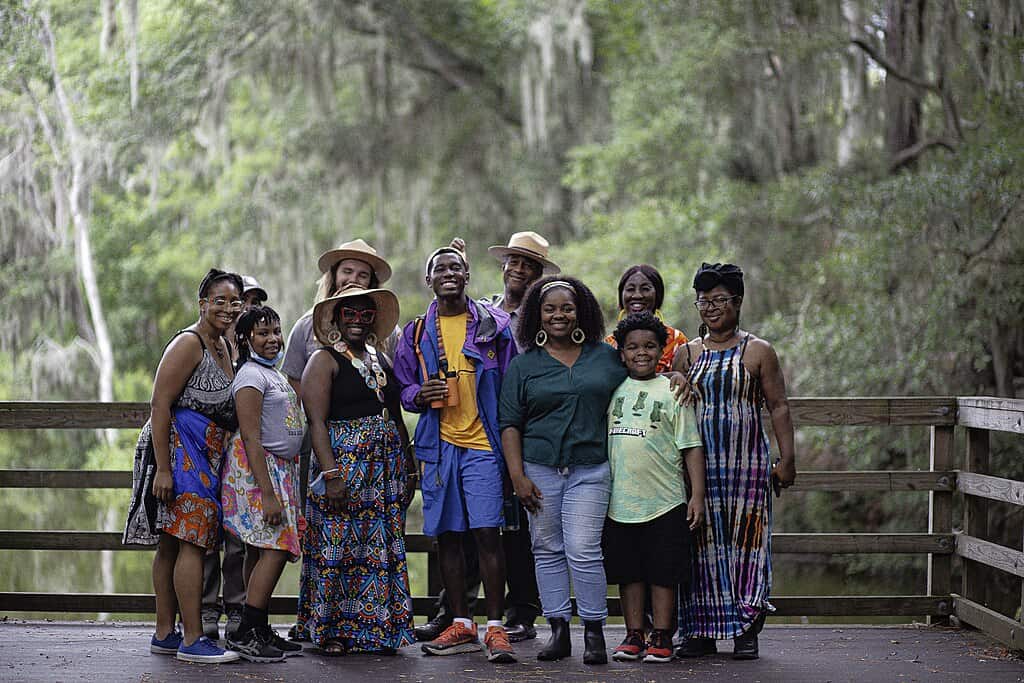
Spanning about 12,000 square miles from North Carolina to Florida, this congressionally recognized corridor protects the living culture of the Gullah Geechee people, direct descendants of enslaved West Africans. Travelers encounter historic rice fields, preserved islands, heritage towns, museums, praise houses, festivals, and oral history projects. Created in 2006, the corridor documents foodways, language, craftsmanship, and deeply rooted traditions that survived centuries of hardship. Each experience highlights an unbroken cultural continuum and one of the most distinctive African diasporic legacies in the world.
7. Memphis Civil Rights and Music Pilgrimage : Tennessee
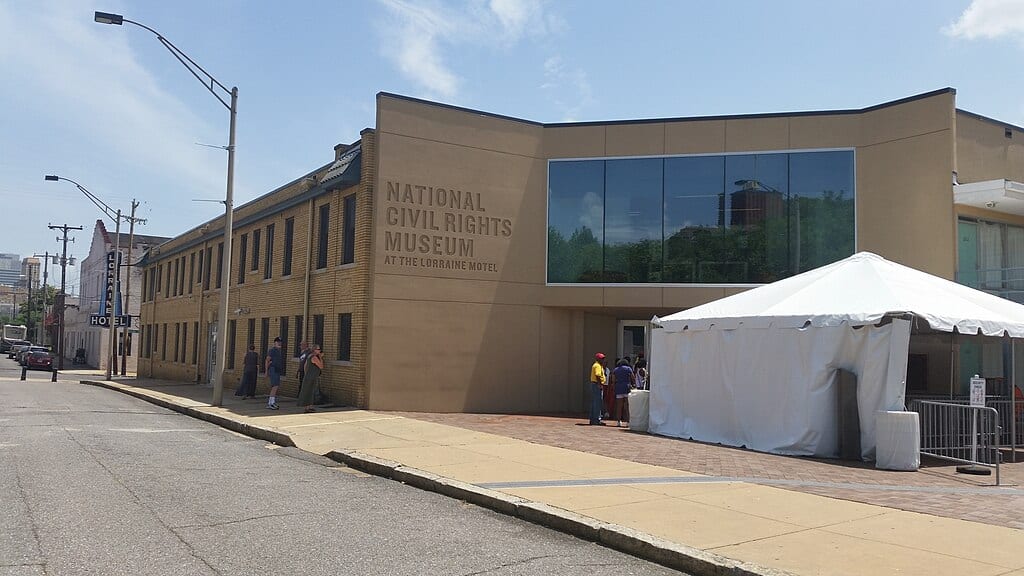
Memphis welcomes nearly 11 million visitors every year, yet its deepest meaning lies in its emotional connection to Black history and music. The National Civil Rights Museum stands at the Lorraine Motel, the site of Dr. King’s 1968 assassination, preserving hundreds of artifacts and recorded testimonies. Nearby Beale Street reflects blues heritage, while the Stax Museum honors the soul sound that influenced global music. Together these places create a pilgrimage where sorrow, pride, rhythm, activism, and artistic brilliance merge into one unforgettable experience.
8. Great Migration Memory Route : South to Northern Cities

Between 1916 and 1970, more than 6 million African Americans left the South seeking safety, opportunity, and dignity, reshaping the nation’s population and culture. Although not a single highway, this pilgrimage links Mississippi, Alabama, Georgia, and Louisiana to cities like Chicago, Detroit, Cleveland, and New York. Museums, neighborhoods, archives, murals, and jazz and blues legacies keep migration stories alive. Travelers witness how new communities formed, industries changed, political power grew, and cultural creativity expanded across thousands of miles.
9. Charleston and Savannah Slave History Pathways : South Carolina & Georgia

Charleston and Savannah are among the most beautiful cities in America, yet beneath their charm lies history that shaped millions of lives. More than 40 percent of enslaved Africans entered early America through Charleston alone, a fact acknowledged through carefully researched heritage sites. Travelers visit plantations, museums, documented auction locations, preserved churches, and sacred burial grounds. Tours span several miles and several centuries of memory, encouraging honest reflection on trauma, resistance, survival, and the communities who preserved culture despite unimaginable hardship.
10. New Orleans Black Cultural Pilgrimage : Louisiana
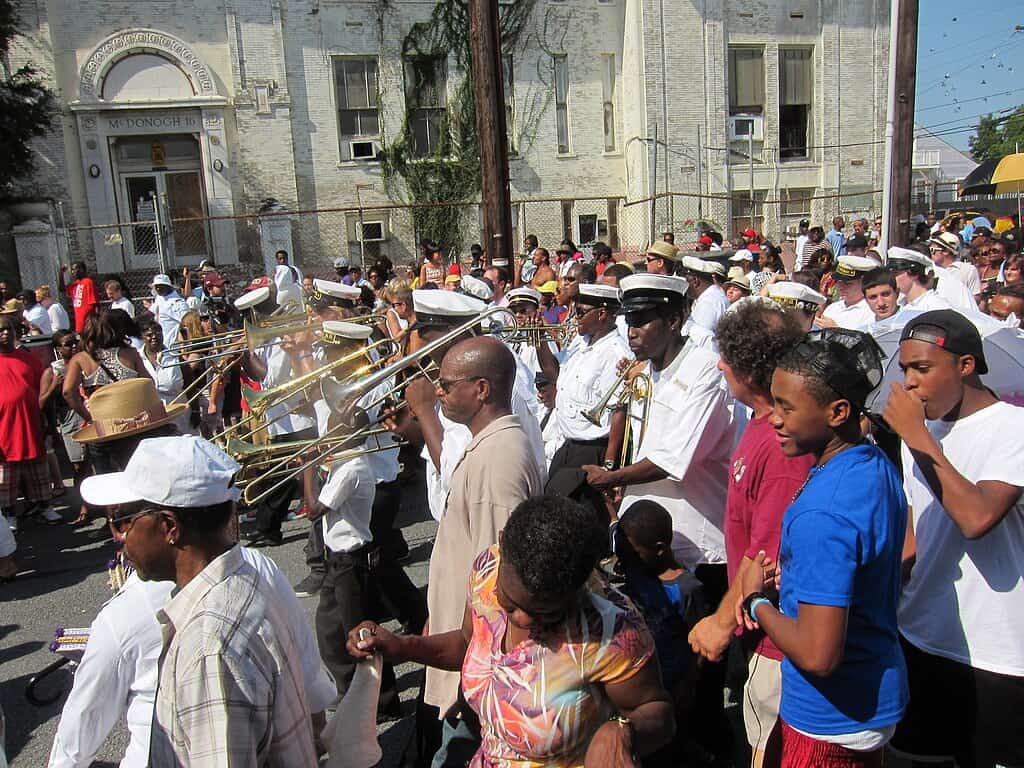
With more than 300 years of layered heritage, New Orleans remains one of the most culturally influential cities in the world. Congo Square, once one of the only legal gathering places for enslaved Africans, fostered rhythms that shaped jazz and global music traditions. Tremé, among America’s oldest Black neighborhoods, preserves music halls, museums, churches, and long-standing family histories. Annual festivals, cultural archives, and community institutions attract millions of visitors each year, making this pilgrimage both celebratory and historically meaningful.
11. Detroit Black History and Innovation Route : Michigan

Detroit tells a powerful story of migration, labor, activism, and world-changing creativity. The Charles H. Wright Museum holds more than 35,000 artifacts documenting African American experience in extraordinary depth. Motown’s Hitsville U.S.A., founded in 1959, birthed dozens of legendary artists whose music transformed global culture. Neighborhoods reflect housing struggles, union history, and community resilience, while millions of visitors arrive annually to learn, honor, and celebrate achievement. Detroit’s pilgrimage experience blends heritage, innovation, and unbreakable pride in remarkable ways.
12. Washington, D.C. Black Heritage Pilgrimage : Nation’s Capital
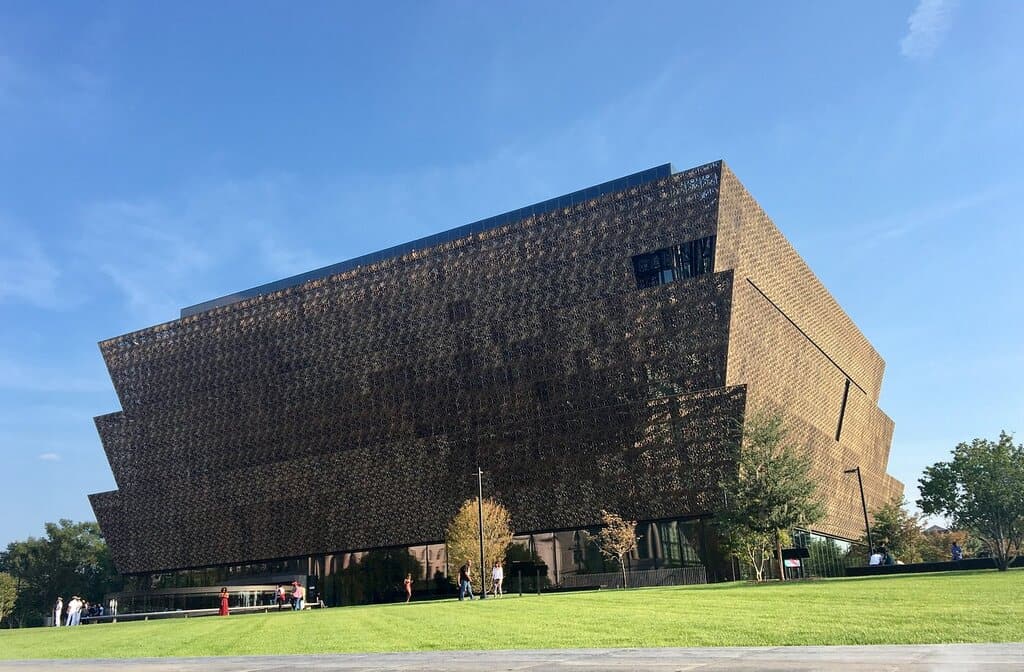
Washington, D.C. holds national memory and deeply personal heritage at once. The National Museum of African American History and Culture preserves more than 40,000 objects and has welcomed millions since opening in 2016. The 30-foot Martin Luther King Jr. The memorial looks toward the national horizon, symbolizing unfinished work and enduring hope. Howard University, U Street cultural history, historic churches, and preserved community landmarks together create a meaningful pilgrimage circle reminding all visitors that Black history is central to America’s identity.