We may earn money or products from the companies mentioned in this post. This means if you click on the link and purchase the item, I will receive a small commission at no extra cost to you ... you're just helping re-supply our family's travel fund.
American Christian cinema has long relied on meaningful places that do more than decorate a scene; they shape emotion, memory, faith, and storytelling in powerful ways. These landmarks, spread across more than 10 different states and visited by millions of travelers every single year, quietly hold spiritual depth while also serving as cinematic stages where directors explore belief, doubt, grace, and hope. Together they show how physical places and filmed faith journeys remain permanently connected, allowing viewers to experience devotion not only on screen, but also in real life landscapes that still echo those stories.
1. Ark Encounter : Williamstown, Kentucky
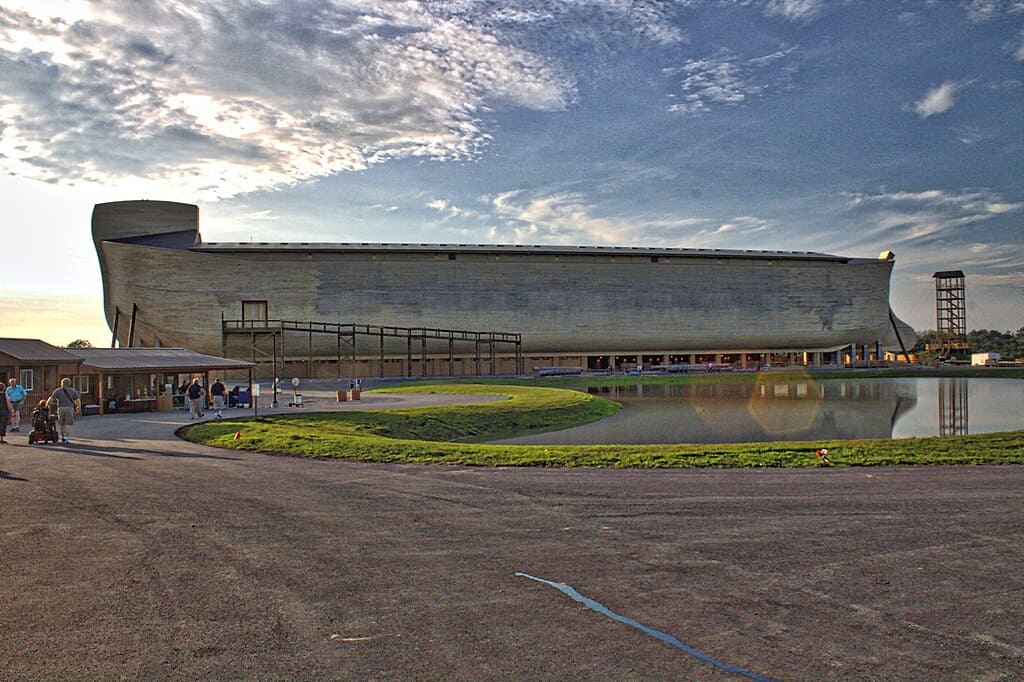
The Ark Encounter is one of the most visually striking Christian landmarks in the United States, built to the exact biblical dimensions of 510 feet long, 51 feet high, and 85 feet wide, drawing more than 1,000,000 yearly visitors. Featured in numerous faith films and documentaries, it brings the Genesis narrative into physical reality, helping filmmakers capture themes of trust, survival, and divine promise. With immersive exhibits spanning three massive decks, it offers storytellers real sets instead of digital illusions, making it a cinematic symbol of belief, perseverance, and imagination anchored inside wood and measurement.
2. Creation Museum : Petersburg, Kentucky
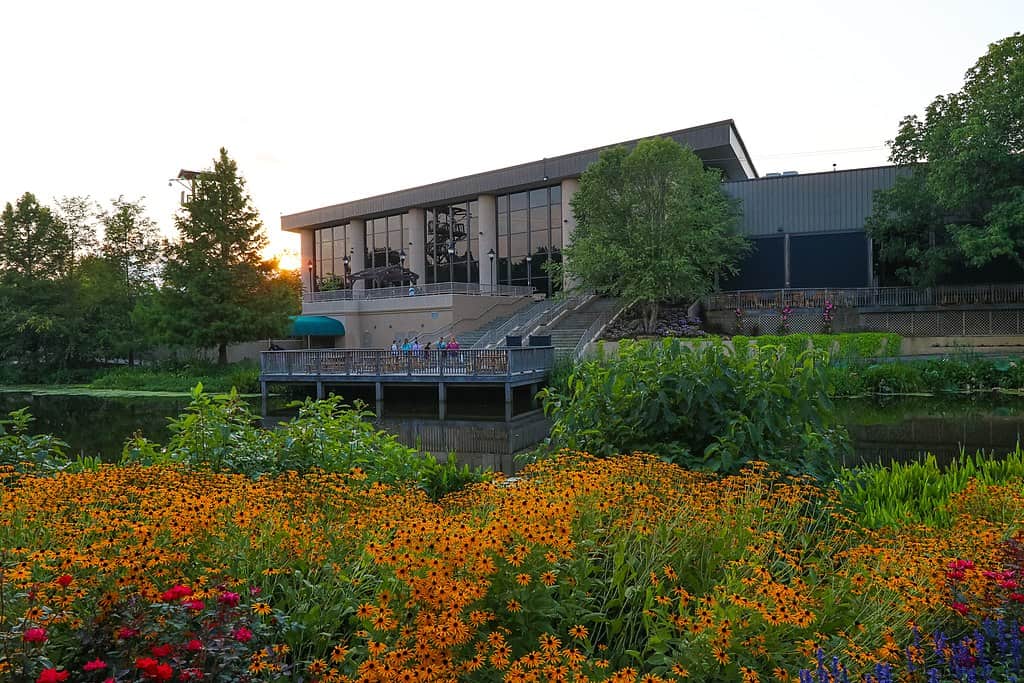
The Creation Museum, stretching across 75,000 square feet and opened in 2007, has appeared in both documentaries and Christian film features that explore origins, faith, and worldview discussions. More than 400,000 yearly visitors walk through its life-size exhibits, planetarium shows, and recreated Garden scenes, giving filmmakers visually rich environments filled with detail. It supports storytelling that addresses science, belief, and history through a uniquely Christian lens while offering natural cinematic composition with carefully designed lighting, indoor landscapes, and realistic set styling that feels both dramatic and reverent.
3. Cathedral Basilica of St. Louis : Missouri
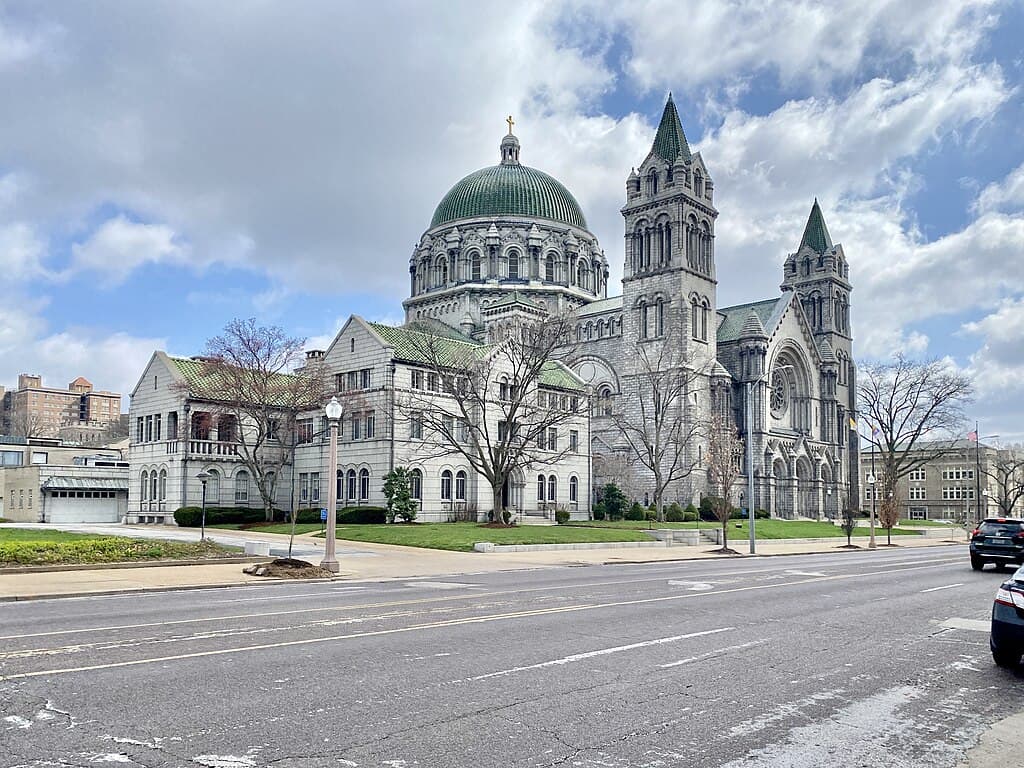
This cathedral, completed in 1914, features more than 41.5 million mosaic tiles across 83,000 square feet, making it one of the largest mosaic collections in the world. Its towering domes and solemn interior have appeared in Christian documentaries and spiritual film sequences emphasizing worship, beauty, and devotion. Directors love filming here because every arch, wall, and golden shimmer communicates reverence without needing exaggerated dialogue. The cathedral welcomes hundreds of thousands of worshippers and tourists each year, making it not just an architectural wonder, but a cinematic sanctuary that embodies endurance of faith across generations.
4. Billy Graham Library : Charlotte, North Carolina

Opened in 2007 and spanning 40,000 square feet, the Billy Graham Library preserves over 60 years of global ministry history while often appearing in Christian biographical films and tribute documentaries. The site attracts more than 200,000 annual visitors who come to explore exhibits, archival footage rooms, and the peaceful prayer garden. Filmmakers use it to explore legacy, calling, and influence, as it naturally carries emotional weight. Its farmhouse-style design and authentic memorabilia allow directors to portray both intimacy and global impact, showing how one individual’s message reached more than 215 million people in person across 185 countries.
5. Washington National Cathedral : Washington, D.C.
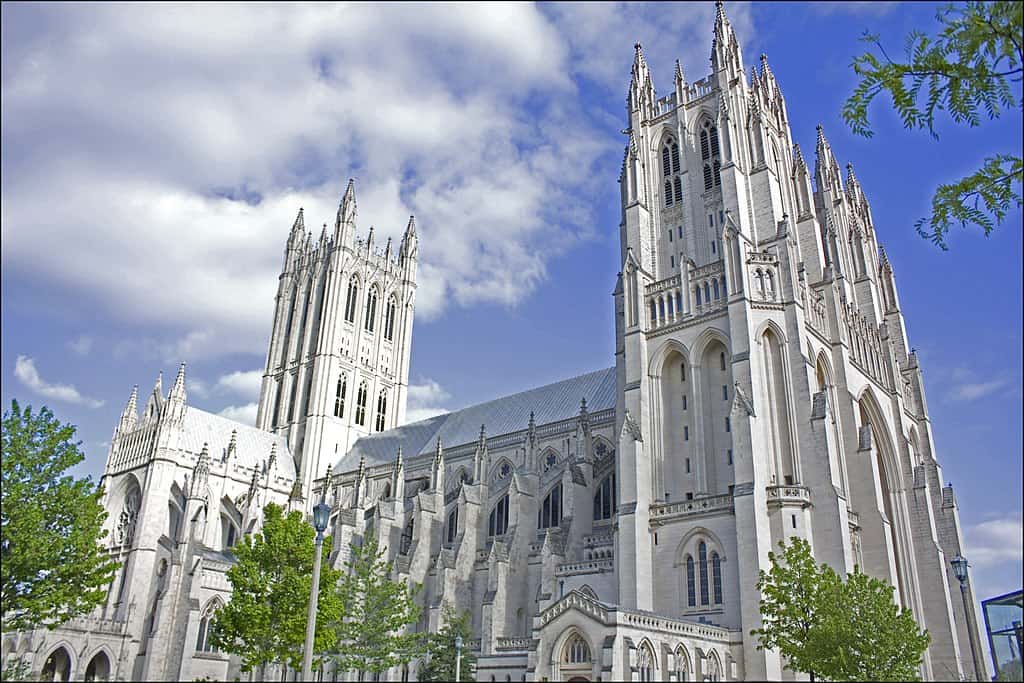
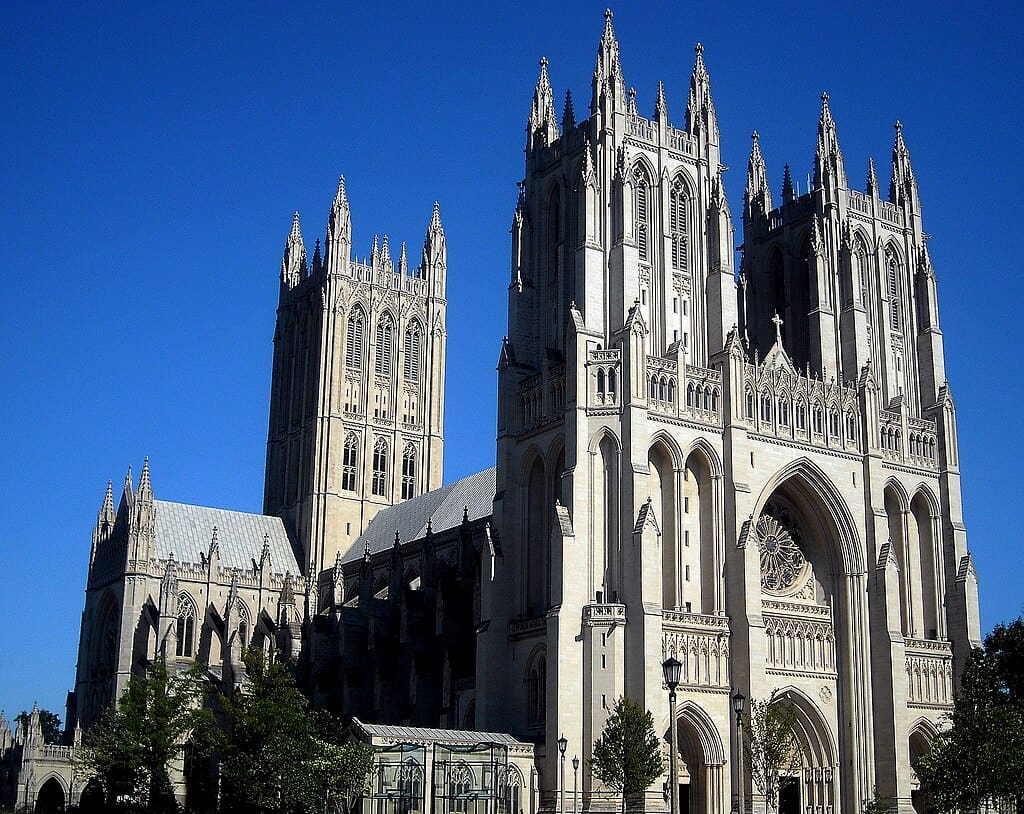
Standing 301 feet tall and completed across 83 years of construction, the Washington National Cathedral has appeared in countless faith-related productions and reflective Christian film scenes. Its Gothic arches, stained-glass windows, and grand hallways visually symbolize moral questioning, national prayer moments, and personal surrender. With millions of visitors recorded throughout its history and numerous televised worship events, the cathedral occupies both spiritual and cultural importance. Directors appreciate how every column and beam silently supports emotional storytelling, allowing scenes about conscience, hope, grief, or divine reassurance to unfold within an atmosphere already charged with meaning.
6. Grand Canyon : Arizona
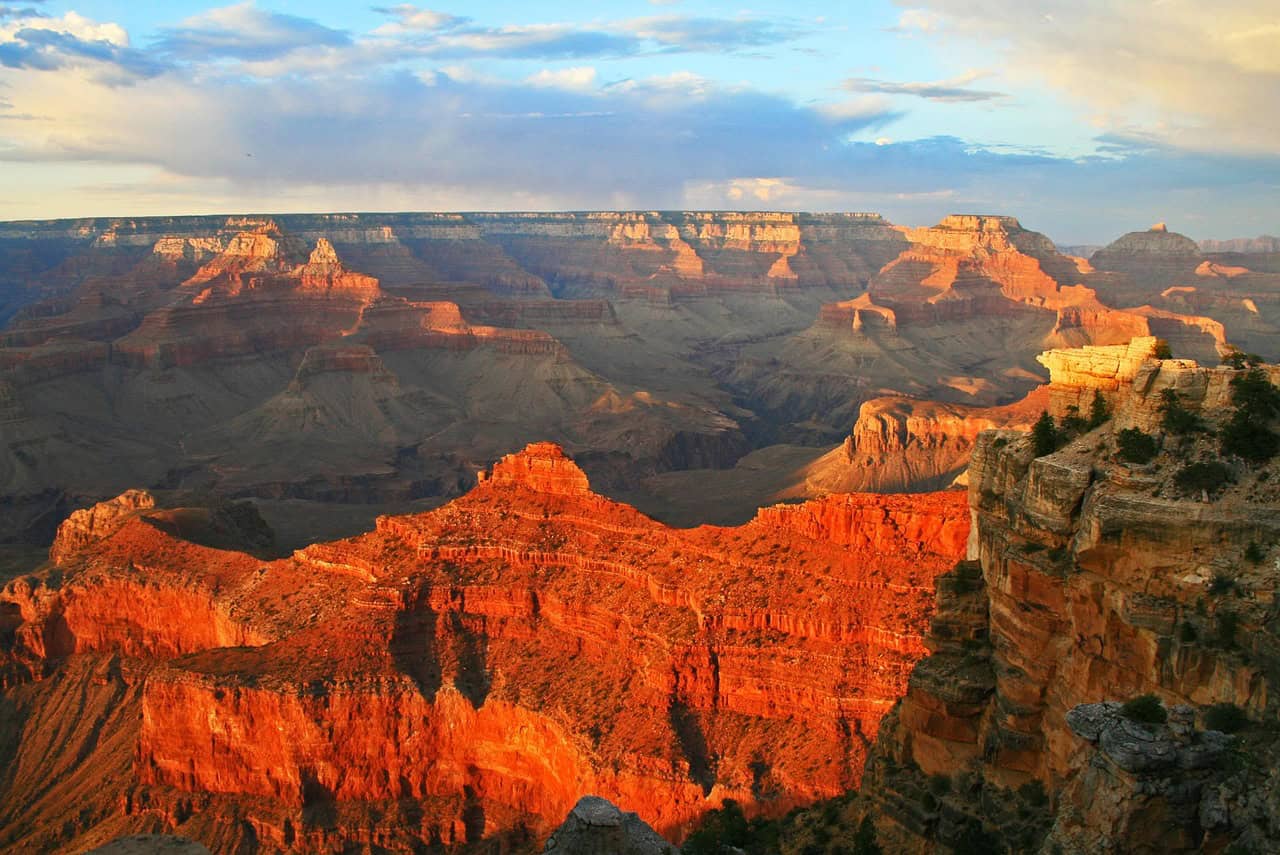
Though not limited to one film, the Grand Canyon consistently appears in Christian travel films, worship documentaries, and faith-centered visual sequences highlighting creation and divine majesty. Stretching 446 kilometers long, up to 29 kilometers wide, and descending over 1,800 meters deep, it gives filmmakers breathtaking symbolism of scale, wonder, and humility. With nearly 4.7 million visitors annually, it remains one of the most recognized natural landmarks in the world. In Christian storytelling, sweeping shots across its layered cliffs often represent perspective, endurance, and God’s creative power expressed across geological ages measured in millions of years.
7. Facing the Giants Locations : Coweta County, Georgia
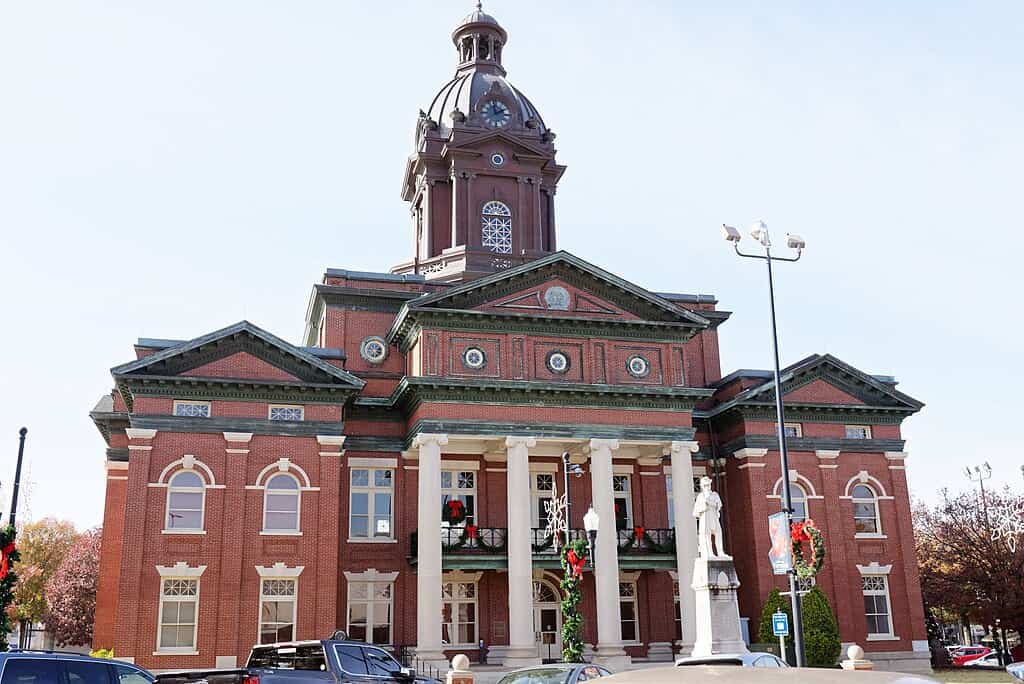
Many scenes from the 2006 film “Facing the Giants,” produced with a modest $100,000 budget yet grossing more than $10 million worldwide, were filmed in everyday Coweta County locations including school grounds, practice fields, and neighborhood streets. These places became symbolic landmarks among Christian audiences. Their simplicity makes them powerful: ordinary American spaces where prayer, doubt, failure, and triumph unfold naturally. Filmmakers intentionally avoided polished glamour, instead using local backdrops to reflect relatable faith experiences that thousands of viewers recognized in their own communities, proving powerful storytelling does not always require massive studio sets.
8. Albany, Georgia : Home of Sherwood Pictures
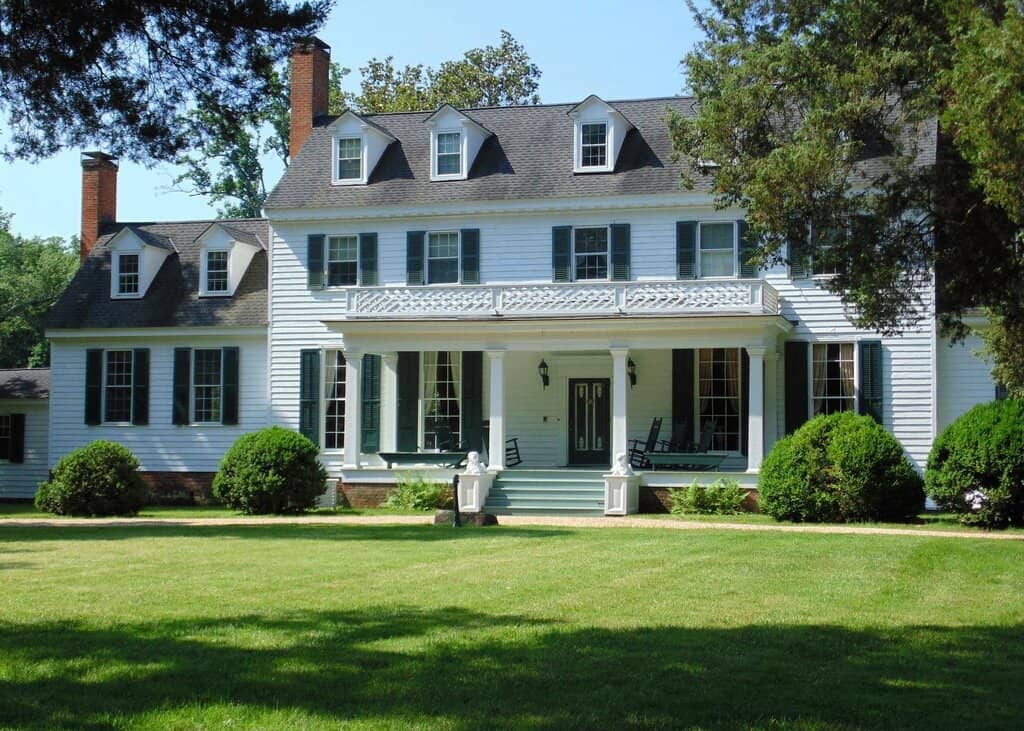
Albany, Georgia gained international recognition as the production base of Sherwood Pictures, creators of “Fireproof,” “Courageous,” and “War Room,” films that collectively earned more than $160 million despite relatively low budgets. Numerous streets, homes, offices, and church buildings throughout the city appear repeatedly in these stories, making Albany an informal pilgrimage destination for fans. What makes the landmark unique is that the environment feels sincerely lived-in rather than staged. The city’s real police departments, neighborhoods, and family spaces help films explore marriage struggles, integrity, prayer, and responsibility in settings grounded in authenticity rather than spectacle.
9. Los Angeles Union Station : California
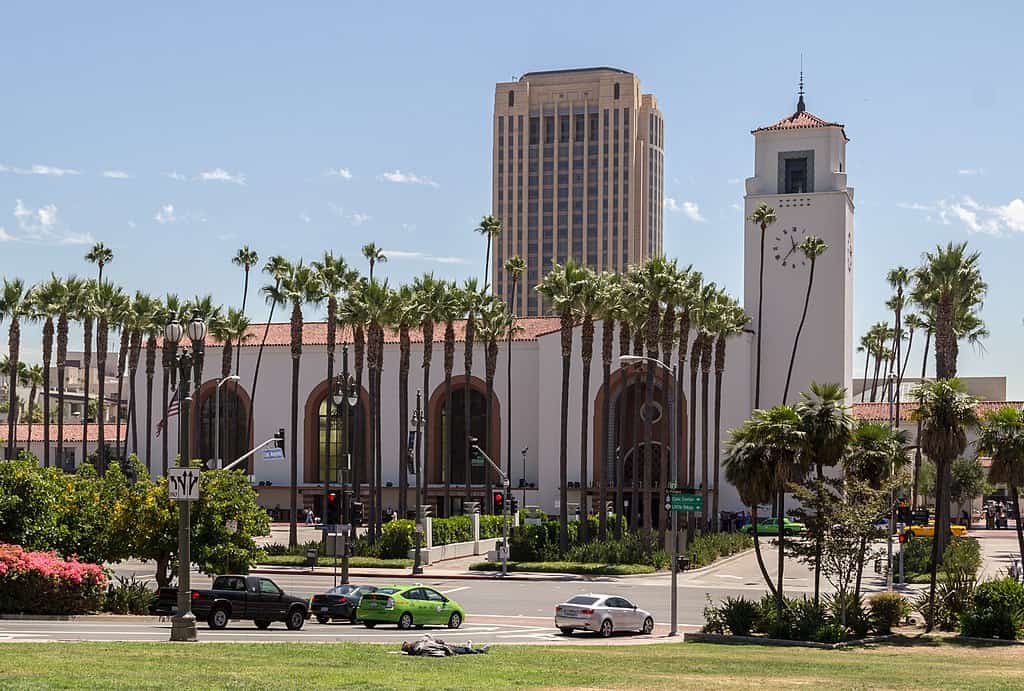
Opened in 1939 and handling more than 100,000 passengers daily, Los Angeles Union Station frequently appears in Christian and faith-inspired dramas as a place of decision, change, and emotional crossroads. Its sweeping interior halls, tall ceilings, and classic art-deco design create instant drama without forcing theatrical exaggeration. Directors use it when characters must choose direction, both physically and spiritually, making it an ideal symbol of transition. Over decades, the station has been featured in dozens of productions, and in faith narratives it often marks the moment where prayer, reflection, and bold steps forward quietly intersect.
10. The Alamo : San Antonio, Texas
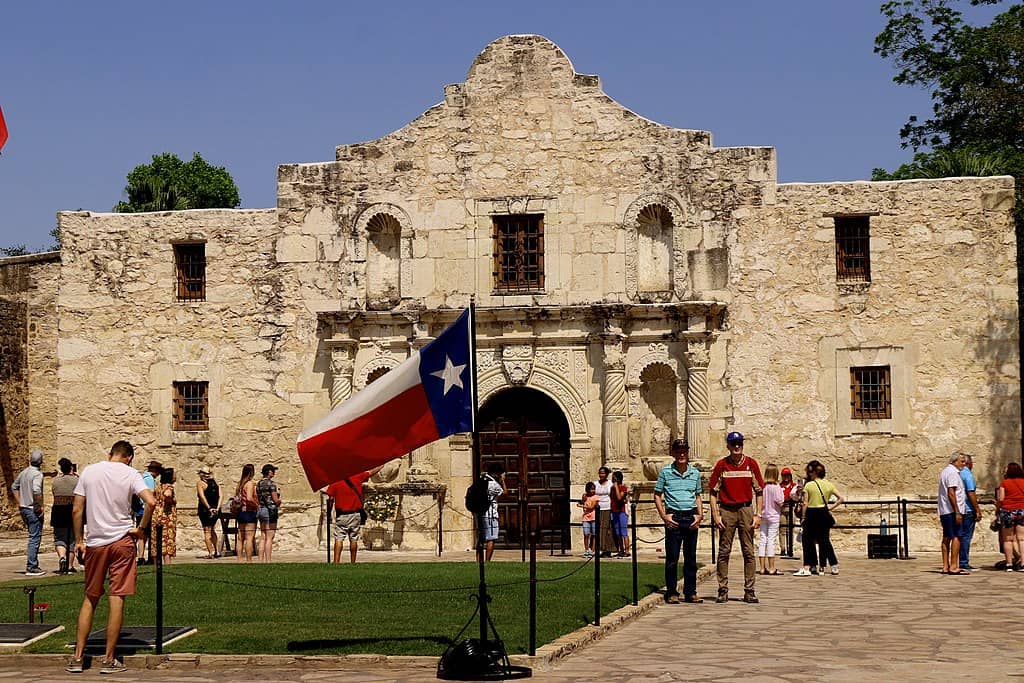
The Alamo, originally founded in 1718 and known for the 1836 battle where fewer than 200 defenders resisted thousands of opposing forces, regularly appears in Christian historical storytelling and patriotic faith films. It attracts over 2.5 million visitors annually who come to reflect on sacrifice, honor, and conviction. Filmmakers use its weathered stone walls and solemn courtyards to evoke courage under pressure and willingness to stand for belief even in overwhelming odds. The landmark’s enduring silence carries emotional depth, allowing Christian narratives to connect themes of moral steadfastness with real historical struggle and remembered bravery.
11. Rocky Mountain Landscapes : Western United States
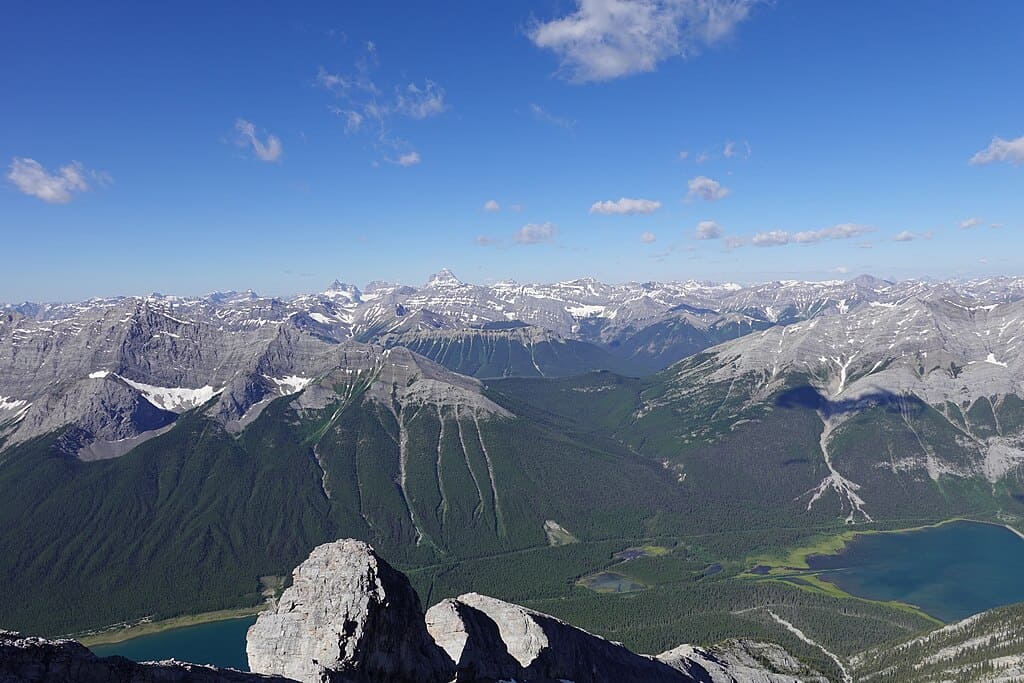
Stretching across more than 2982.58 miles and peaking at over 4,400 meters in elevation, the Rocky Mountains often appear in Christian films and inspirational sequences because they physically represent refuge, strength, and stability. Their sweeping ridges, snow-covered peaks, and quiet valleys allow filmmakers to frame moments of reflection, prayer, and renewal. Many Christian productions use these landscapes in transitional or climactic scenes to symbolize clarity after confusion or divine reassurance following hardship. Beyond their cinematic role, millions travel here yearly, finding the same stillness and perspective directors attempt to capture on screen.
12. New Orleans Churches and Streets : Louisiana
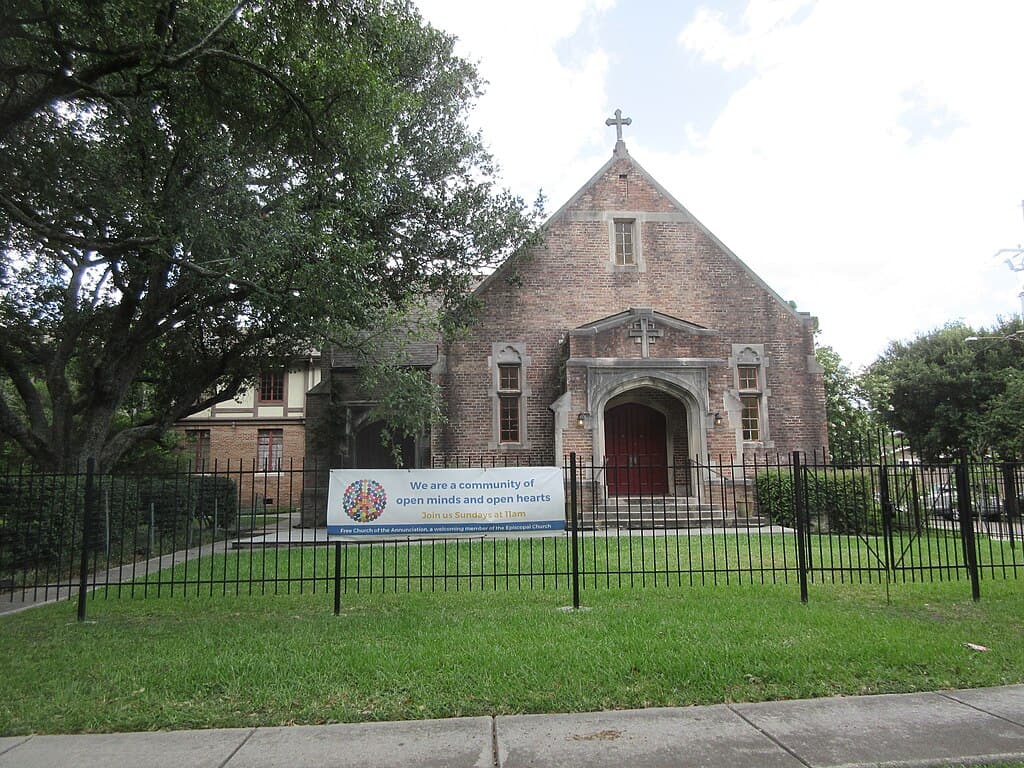
New Orleans, founded in 1718 and welcoming more than 18 million annual visitors, has appeared in Christian redemption-focused films that explore brokenness, grace, and spiritual recovery. Its historic churches, some dating back over 150 years, offer emotional visual weight through candlelit sanctuaries, weathered stone, and resilient congregations. Directors value the city’s layered atmosphere, where music, hardship, culture, and faith collide in powerful storytelling environments. The streets themselves often feel like characters, reflecting both struggle and hope, making New Orleans a perfect cinematic setting for Christian narratives centered on healing, forgiveness, and restored purpose.