We may earn money or products from the companies mentioned in this post. This means if you click on the link and purchase the item, I will receive a small commission at no extra cost to you ... you're just helping re-supply our family's travel fund.
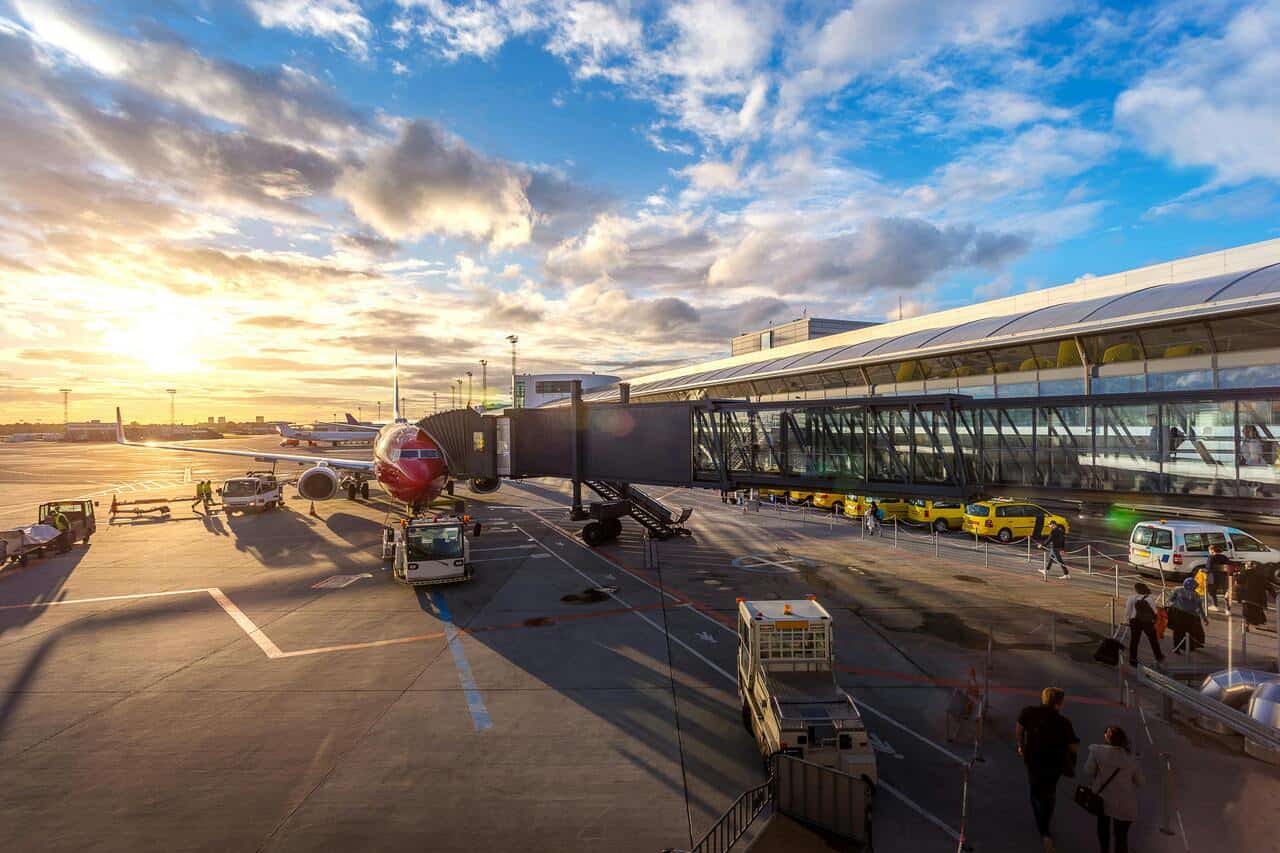
Biometric travel has quietly shifted from futuristic experiment to everyday airport reality, with several major hubs now using face scanning as a default identity check rather than a novelty. At these locations, the system isn’t simply optional convenience; it has become deeply tied to immigration control, boarding verification, and passenger management. Airlines and governments justify it with speed, accuracy, and security, often highlighting processing times dropping by 30–50 percent and accuracy rates reaching above 97 percent. Travelers, however, face growing questions over privacy, data retention periods, and exactly how long their facial data is stored once they pass through.
1. John F. Kennedy International Airport, USA

New York’s JFK is among the busiest U.S. gateways adopting biometric face scanning as part of mandatory border identity checks for millions of international travelers each year. With over 62,000,000 passengers annually and more than 130 gates operating, facial comparison now verifies people in seconds instead of manual document stamping. U.S. authorities report accuracy consistently above 98 percent while recording millions of biometric matches since rollout. Although there is technically an opt-out, immigration processing relies heavily on face capture and remains effectively unavoidable for most arriving passengers.
2. Los Angeles International Airport, USA
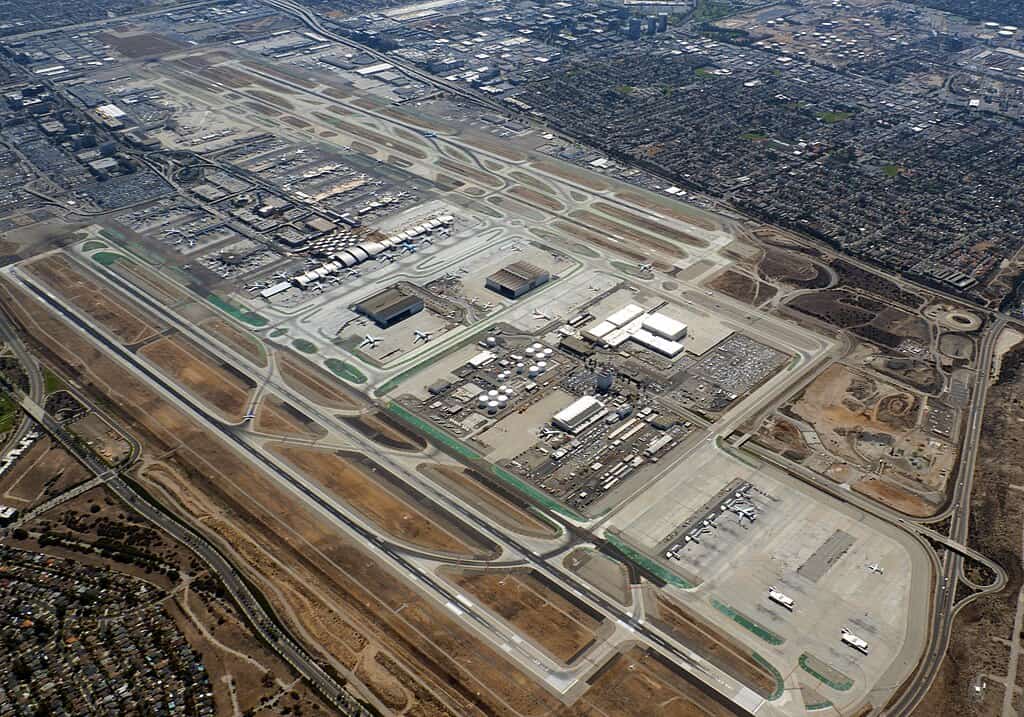
At Los Angeles International Airport, biometric face scanning has become deeply integrated into international arrivals and many departures, handling over 75,000,000 travelers every year. More than 40 biometric gates now support boarding and immigration flows, cutting average verification time to around 10–15 seconds per passenger compared to older manual checks taking roughly a minute. U.S. border systems link faces with passport databases, airline manifests, and exit records, allowing authorities to track legal compliance and overstays. The government reports millions of successful identity confirmations, making the technology central to airport movement.
3. London Heathrow Airport, United Kingdom
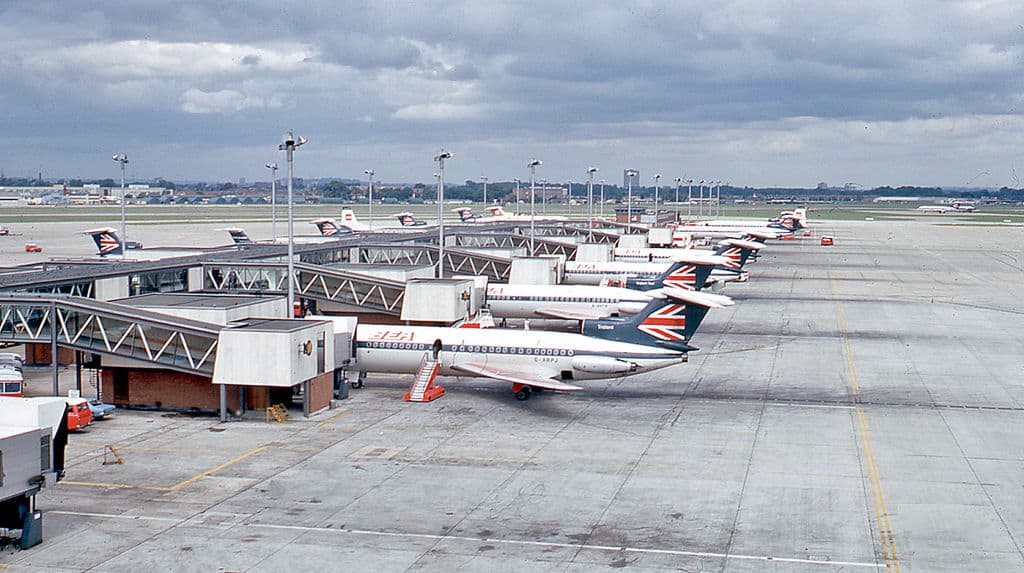
London Heathrow processes close to 80,000,000 passengers annually and relies heavily on biometric e-gates, where eligible travelers are required to place their passport and undergo facial comparison. More than 250 automated gates now handle immigration traffic, claiming accuracy rates near 99 percent and significantly reducing queues that once lasted over 40 minutes during peak periods. For many nationalities, using the facial gate is the primary legally recognized form of entry processing. The United Kingdom links these scans to national border databases, supporting both exit tracking and return monitoring for millions of travelers each year.
4. Singapore Changi Airport, Singapore

Singapore’s Changi Airport handles over 68,000,000 passengers and has shifted toward a biometric travel journey where face scanning validates identity from immigration to boarding. With over 120 automated lanes and expanding iris-and-face hybrid verification, Changi claims some of the world’s fastest clearance speeds, often under 20 seconds per traveler. The system links digital records with passports and boarding data, effectively reducing physical document dependency. Authorities emphasize high security with error rates reported below 2 percent, while travelers increasingly experience a largely document-free process that makes biometric identity practically unavoidable at key checkpoints.
5. Dubai International Airport, United Arab Emirates
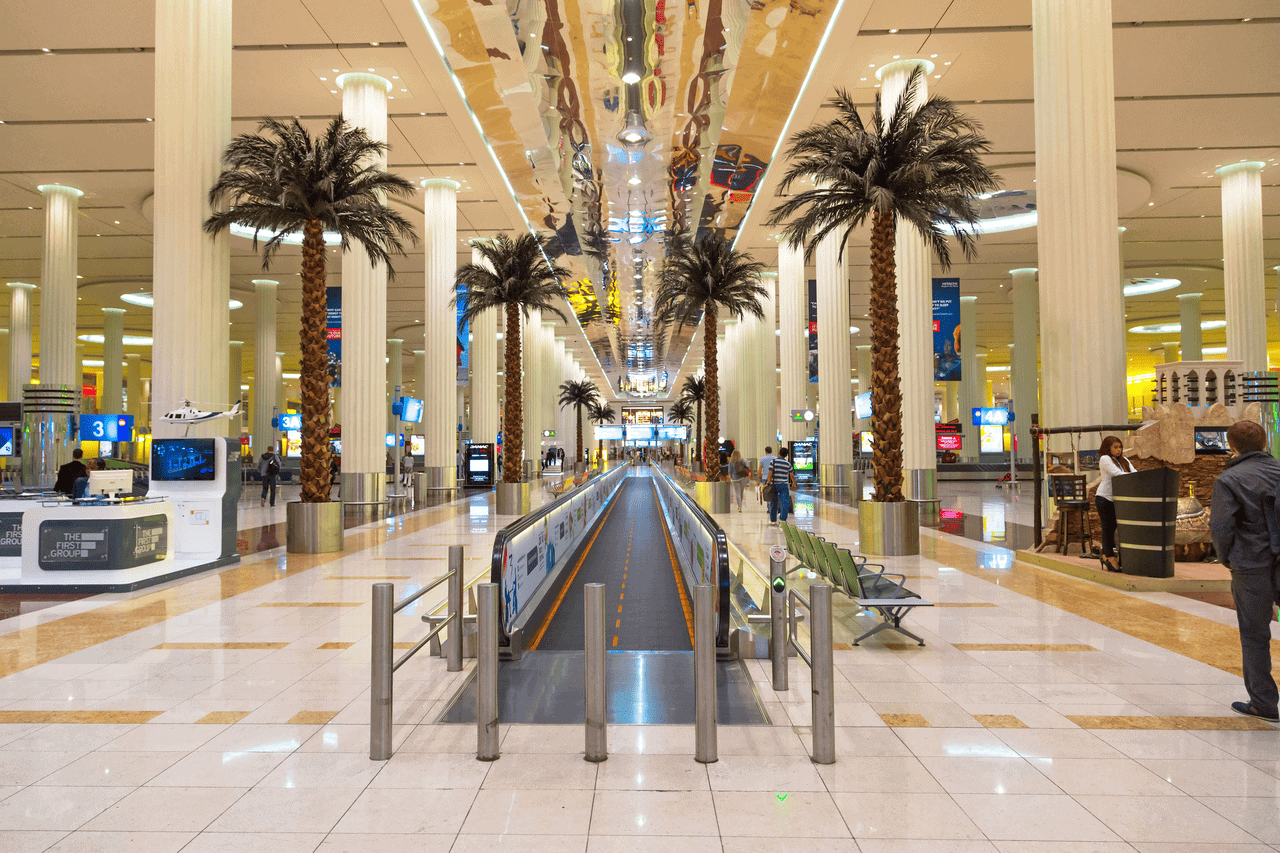
Dubai International, handling over 86,000,000 yearly passengers, has rolled out extensive face-scanning corridors and “smart gates” in multiple terminals. More than 120 biometric kiosks and gates now drive immigration and boarding identity checks, often processing travelers in 9 to 15 seconds. Authorities state the system improves security screening reliability above 97 percent while supporting large daily passenger volumes exceeding 240,000 individuals. Many residents and frequent visitors are automatically enrolled, and for most travelers, passing through biometric verification is woven directly into border control, making the experience fast, technologically advanced, and largely obligatory.
6. Abu Dhabi Zayed International Airport, UAE

Abu Dhabi’s new Zayed International Airport supports over 45,000,000 passenger capacity each year and is designed as a deeply biometric-enabled hub from the start. Dozens of facial recognition checkpoints connect check-in, security, immigration, and boarding, reducing the need for traditional boarding passes. Authorities highlight processing reductions of nearly 40 percent and accuracy above 97 percent, ensuring swift throughput during busy flight waves. With airlines increasingly syncing their systems to biometric records, face verification becomes integral rather than optional. Travelers experience seamless digital identity confirmation at multiple control points, reinforcing a mandatory reliance on scanning.
7. Paris Charles de Gaulle Airport, France
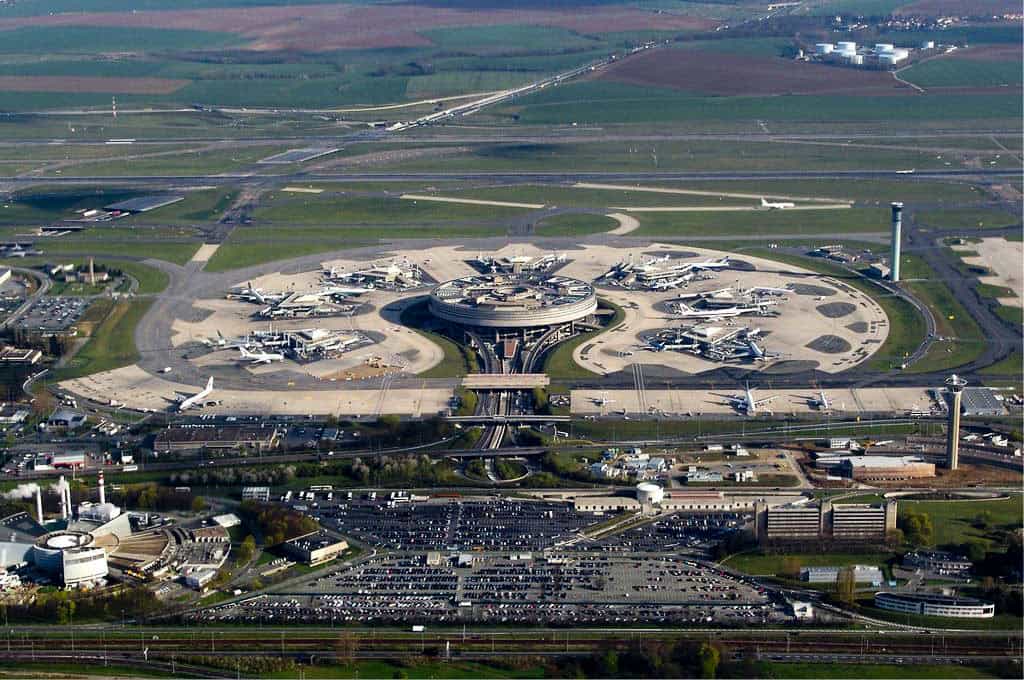
Paris Charles de Gaulle, France’s busiest airport with more than 72,000,000 passengers yearly, now integrates biometric identity checks within the broader European border regime. Hundreds of automated gates use facial comparison combined with passport chip data to verify non-EU and many EU travelers alike. Authorities note faster clearance speeds, dropping from long queues exceeding 50 minutes in peak times to streamlined lanes lasting under 20 minutes. The system is tied directly to European border records, building digital profiles and exit entries, which makes biometric submission essentially required for lawful processing when crossing key control points.
8. Frankfurt Airport, Germany

Frankfurt Airport manages over 60,000,000 passengers annually and has embedded large-scale biometric identity verification into airport security and border control. More than 100 automated facial recognition units operate across terminals, linking to European databases and airline systems. Officials highlight efficiency improvements exceeding 35 percent in throughput and identity verification accuracy reported near 98 percent. Many international travelers now move through immigration primarily via biometric confirmation rather than manual passport inspection. This reliance means face scanning is no longer an experimental feature but a structural requirement woven into the travel framework of the airport.
9. Amsterdam Schiphol Airport, Netherlands
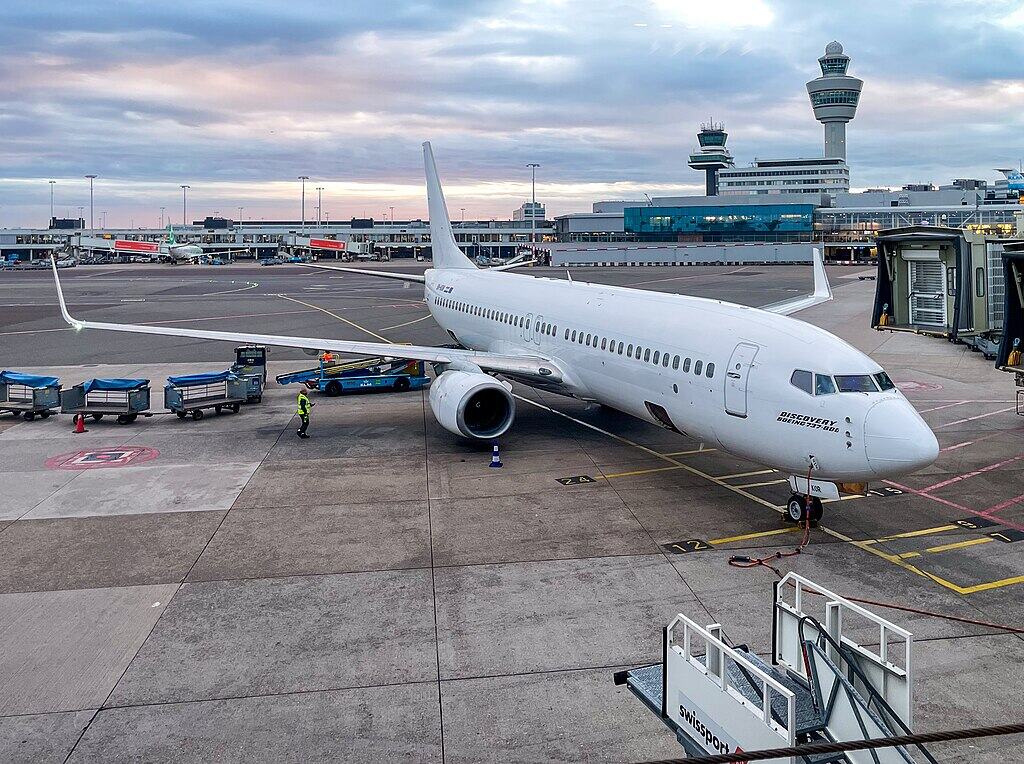
Amsterdam Schiphol serves nearly 70,000,000 passengers a year and has rolled out extensive biometric gates to handle European entry and exit checks. Around 90 automated lanes conduct facial comparison against passport data, claiming improved flow speeds and heightened verification accuracy at roughly 97 percent. Frequent flyers often enroll in biometric travel programs that allow smooth movement from security to gate, while external border procedures rely heavily on digital identity. The airport has positioned biometric control as essential infrastructure, making face scanning a central and largely compulsory component of the modern travel routine here.
10. Tokyo Narita Airport, Japan

Tokyo Narita processes over 40,000,000 passengers annually and uses comprehensive facial recognition technology for immigration and many boarding points. Japan reports processing speeds improving by close to 30 percent while maintaining facial match accuracy above 96 percent across automated gates. More than 80 biometric lanes assist both arriving and departing travelers, replacing slower manual checks for a growing majority of passengers. Connected databases record entry, exit, and traveler compliance, reinforcing national security policy. As the system expands, biometric scanning becomes deeply embedded in movement control, making participation effectively expected within the airport experience.
11. Toronto Pearson International Airport, Canada
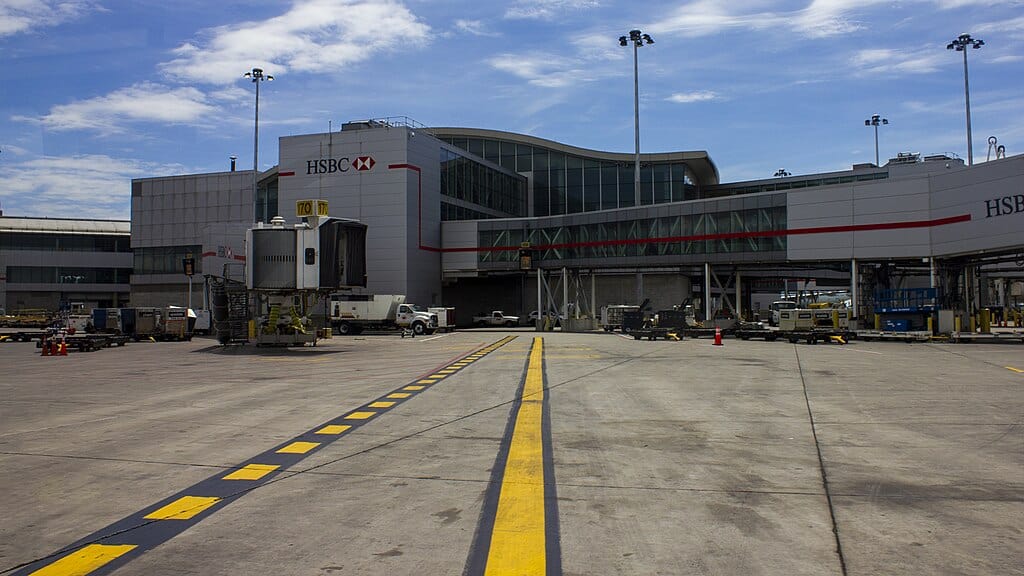
Toronto Pearson, Canada’s busiest airport with over 50,000,000 yearly passengers, uses biometric face scanning as a central part of border inspection for many arriving international travelers. Over 100 kiosks and automated lanes collect facial images linked to passports and travel declarations, with accuracy figures promoted above 97 percent. Authorities emphasize quicker processing, often cutting inspection times nearly in half compared to traditional manual questioning. The data integrates into national immigration databases for compliance and identity assurance. As systems mature, biometric verification has grown from optional innovation into a near-standard requirement at critical checkpoints.
12. Incheon International Airport, South Korea
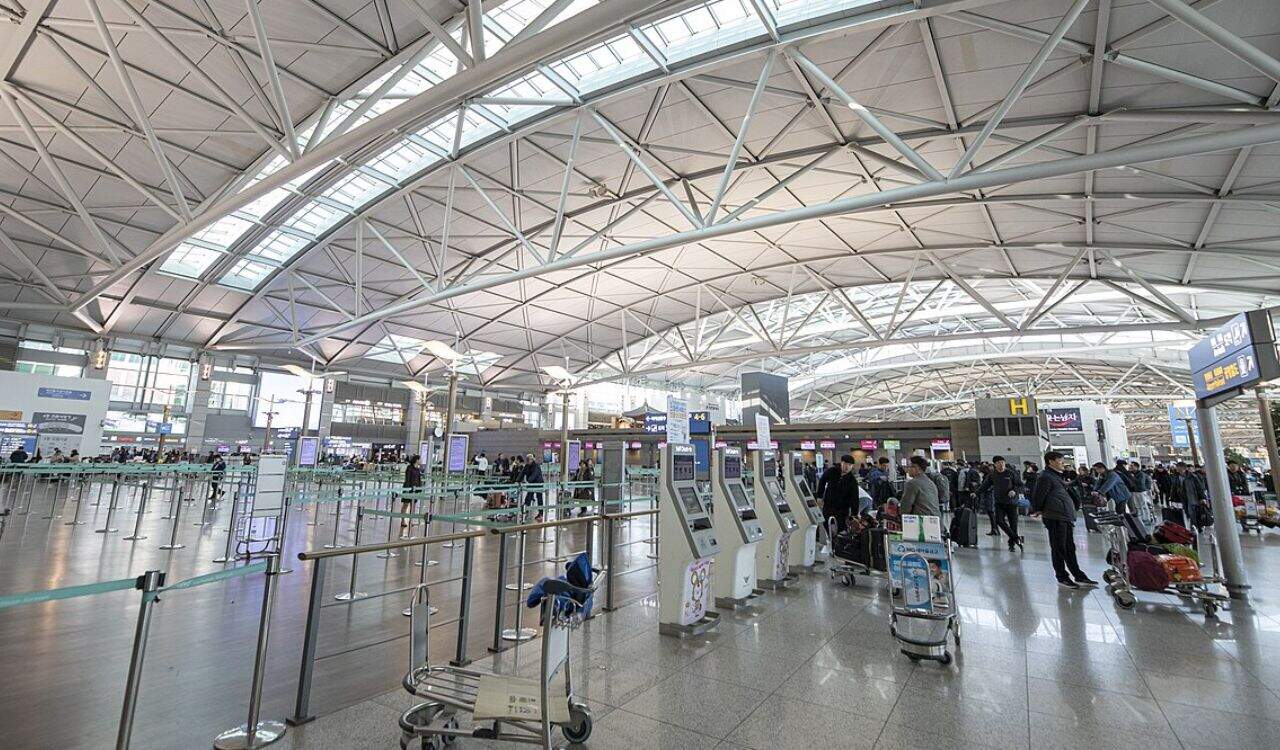
Incheon International handles more than 70,000,000 passengers annually and has invested heavily in biometric face recognition across immigration, security, and boarding. Over 90 automated gates analyze facial data within seconds, and processing efficiency improvements reportedly exceed 35 percent. With accuracy rates frequently cited above 97 percent, South Korean authorities promote both national security enhancement and smoother traveler experience. For many passengers, biometric verification now forms the primary identity method, replacing lengthy traditional inspections. As the airport continues expanding digital infrastructure, face scanning remains a fundamental and widely mandatory element of passenger movement control.